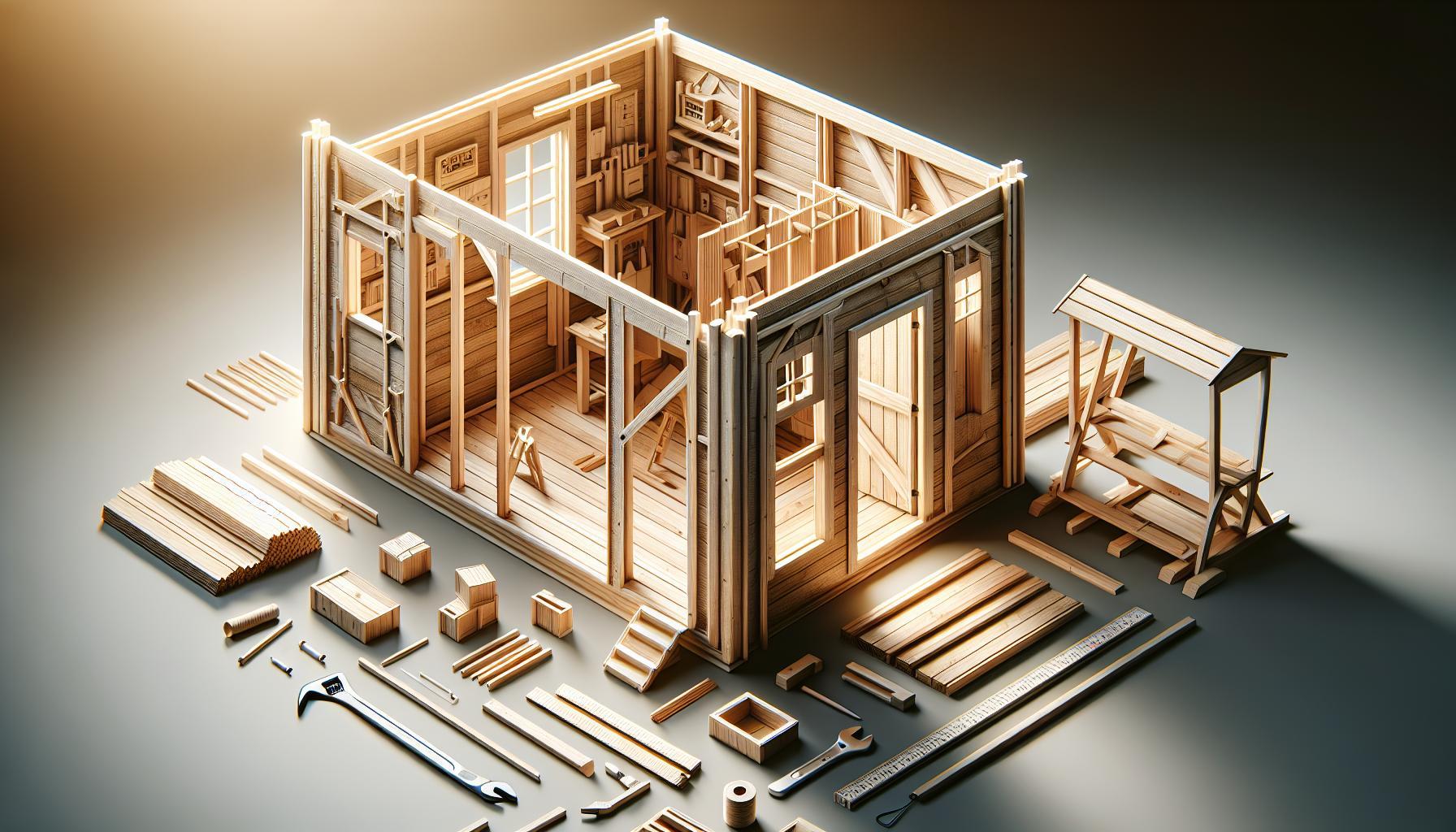
Are you tired of flimsy storage solutions that barely withstand the elements? Building a wooden shed not only offers durability but also classic charm that outlasts modern alternatives. In this guide, discover timeless designs and practical tips to create a sturdy, stylish structure that enhances your outdoor space for years to come.
Choosing the Right Design: Timeless Styles for Your Wooden Shed

When it comes to constructing a wooden shed, the design you choose can significantly influence the aesthetic and functional quality of the structure. A well-designed wooden shed is not only a practical storage solution but also an appealing addition to your yard that can complement the style of your home. Opting for classic designs ensures longevity, while contemporary styles may quickly fall out of favor. Here are several timeless styles that have proven their merit over the years, providing both beauty and utility.
Classic Shed Designs
- Gable Roof Shed: This design features two sloping sides that meet at a ridge, creating a triangular roof shape. Its simplicity allows for excellent drainage and prevents snow accumulation, making it durable against various weather conditions.
- Saltbox Shed: Characterized by a long, sloping roof on one side, this design offers a unique charm. It provides ample storage space and blends seamlessly wiht traditional home styles.
- Lean-To Shed: Perfect for tight spaces, the lean-to design leans against an existing wall or fence. This makes it an ideal choice for maximizing yard space while still maintaining a chic appearance.
- Victorian Shed: If you’re looking for something with a more ornate flair, Victorian designs often feature decorative trim, asymmetrical roofs, and detailed finishes, making them stand out in any garden setting.
Factors to Consider
When selecting a design, keep in mind the following factors to ensure your wooden shed meets both aesthetic and functional criteria:
| Factor | Considerations |
|---|---|
| Purpose | Assess what you’ll store or use the shed for (tools, gardening supplies, workshops). |
| Size | Determine the available space in your yard; ensure enough room for access and ventilation. |
| Style | Choose a design that complements your house and landscape, enhancing the overall aesthetic. |
| Maintenance | consider how much upkeep each design requires regarding paint, repairs, and seasonal care. |
Incorporating these elements into your decision-making process not only ensures that your shed will be a practical asset for years to come but also guarantees it will harmonize with the overall look of your property. By leaning into classic wooden shed designs that have stood the test of time and adopting a forward-thinking approach, you can create a space that remains functional and lovely, far outlasting any fleeting trends.
Essential Materials: What you need for a Durable Build

When embarking on the journey of constructing a wooden shed, the importance of choosing the right materials cannot be overstated. Quality materials not only enhance the durability of your shed but also ensure it withstands the test of time and the elements, positioning wooden sheds as a timeless alternative to metal or plastic structures. Here,we outline the essential materials you’ll need to create a resilient and sturdy wooden shed that embodies classic design elements and maximizes functionality.
Wood Selection
The backbone of any wooden shed is undoubtedly the timber you choose. Different types of wood offer varied benefits, but when considering durability and aesthetic appeal, the following options stand out:
- Pressure-treated lumber: This type of wood is treated to resist decay and insect damage, making it ideal for ground contact areas.
- Cedar: Known for its natural resistance to moisture and pests, cedar also boasts a beautiful finish that can enhance the shed’s visual appeal.
- Pine: A cost-effective choice, pine can be treated to improve its lifespan; however, it requires proper maintenance to ensure longevity.
Choosing the right wood not only contributes to the overall durability of your shed but also its insulation properties and aesthetic value.
Roofing Materials
The roof of your wooden shed is crucial for protecting the contents within, so selecting appropriate roofing materials is vital. Consider the following options:
- Asphalt shingles: Easy to install and available in various colors, asphalt shingles are a popular choice that provides reliable waterproofing.
- Metal roofing: Known for its longevity, metal roofing can resist harsh weather and requires minimal maintenance.
- Wood shakes: For a rustic look that complements wooden sheds, wood shakes can also offer good insulation and timeless charm.
Each roofing option will lend different aesthetics and benefits, so consider the overall design and function of your shed when making a choice.
Essential Hardware
After selecting your primary materials, don’t overlook the importance of quality hardware. using good-quality fasteners and hinges can enhance the structural integrity of your wooden shed. Here are some essential components to consider:
| Hardware Component | Purpose |
|---|---|
| Galvanized screws: | Resist corrosion and ensure a strong,long-lasting bond. |
| Hinges: | For doors; opt for heavy-duty options to withstand frequent use. |
| Latches and locks: | For security and easy access; consider weather-resistant materials. |
| Brackets: | Provide additional support for corners and joints. |
Investigating the best hardware options available can significantly impact the overall efficacy and longevity of your wooden shed.
By carefully selecting high-quality materials for your wooden shed, you will not only create a functional space but also an enduring structure that illustrates the classic designs celebrated in traditional gardening and storage solutions. prioritizing durability and functionality from the outset will result in a handsome investment that offers value for years to come.
Step-by-Step Construction: From Foundation to Finishing Touches
Constructing a wooden shed can be a rewarding project, not just for a functional backyard addition but also for the joy of building something from scratch.This classic structure can stand the test of time, outlasting many alternatives, when done correctly. The process may seem daunting, but breaking it down into manageable steps—from laying the foundation to adding those final decorative details—can make it a smooth and enjoyable experience. Let’s explore the phases of building a sturdy wooden shed, ensuring it embodies the classic charm that outshines contemporary options.
Preparing the Site and Laying the Foundation
The frist step in your wooden shed construction journey begins with site planning. Select a flat area that meets local zoning laws and is easily accessible. After clearing debris, it’s essential to create a solid foundation, which can significantly influence the shed’s longevity. Here are the primary foundation options:
- Concrete Slab: Offers durability and a stable base. Ideal for heavy storage.
- Post Foundation: Utilizes concrete blocks to elevate the structure; excellent for areas prone to flooding.
- Treated Wood Beams: Provides a simple elevated solution but might potentially be less stable long-term.
Once you’ve chosen the foundation type, ensure its level using a leveling tool and lay out your beams or slab dimensions. This preparation phase is crucial, as it sets the stage for the remaining construction.
Building the Frame
With a stable foundation in place, focus shifts to constructing the frame of your wooden shed. This involves creating the walls, roof, and floor from quality materials—typically pressure-treated lumber or plywood. Below are the steps for framing your structure:
- Wall Frames:
– Cut your lumber to size according to your shed design plans.
– Assemble the frames on the ground using a square to keep corners straight.
- Erecting Walls:
– Secure each wall frame to the foundation. Use bolts or screws for strength.
– ensure all walls are plumb and properly aligned before attaching them together.
- Roof Trusses:
– Create roof trusses separately and raise them onto the wall frames.
– Connect the trusses with plywood or OSB sheathing to form a sturdy roof.
consult the table below for the typical lumber dimensions used in a standard wooden shed.
| Lumber Type | Dimensions (inches) | Purpose |
|---|---|---|
| Studs | 2 x 4 | Wall framing |
| Beams | 2 x 6 | Roof support |
| Floor Joists | 2 x 6 | floor framing |
| Siding | 1 x 6 | Exterior cladding |
Finishing Touches and Customization
With your wooden shed’s structure complete, it’s time to focus on the outer details and interior finishing that will enhance both functionality and aesthetics. Start by ensuring that the shed is securely covered with quality siding, shingles, or metal roofing, depending on your design choice.Painting or staining the exterior not only provides a stylish look but also protects the wood from the elements.
For the interior, consider adding shelves or hooks for organization. Consider the following ideas for enhanced utility:
- Workbenches: Perfect for a garden shed; use sturdy plywood for your work surface.
- Storage Options: Utilize vertical space with hanging storage systems or pegboards.
- Lighting: Installing solar lights or LED strips ensures visibility for late-night projects.
Ultimately, the finishing touches can elevate your wooden shed from a simple storage solution to a charming and versatile space that reflects your personal style. By following these steps,you’ll build a classic design that stands out and outlasts its alternatives.
Personalizing Your Shed: Creative Ideas for Unique Spaces
Creating a unique space in your garden or yard often starts with a structure that reflects your personality and needs. Personalizing your wooden shed opens up a wealth of opportunities to transform a simple storage unit into a vibrant garden retreat, workshop, or hobby haven. The versatility of wooden sheds, as highlighted in guides like *How to Build Wooden Shed: Classic Designs That Outlast Alternatives*, allows for modifications that not only serve practical purposes but also add aesthetic value to your outdoor space.
Incorporate Color and Texture
One of the simplest ways to personalize your shed is thru paint and finishes. Choose bold colors that contrast or complement your home or garden. For example, a luminous turquoise shed can become a lively focal point, while softer pastels create a calming retreat. Additionally, consider using different textures in your design. Incorporating wood siding with a smooth finish alongside rough-hewn beams can create visual interest. Apply weather-resistant stains or paints to ensure your personalized character endures through various weather conditions.
Functional Decor and Custom Accessories
Incorporating functional decor into your shed is another way to add uniqueness while ensuring practicality. Think about adding shelving or repurposing furniture for organization, but don’t shy away from aesthetics. Here are some ideas to get you started:
- Vertical Gardens: Hang planters on the exterior walls to create a lush, green space.
- Art Installations: Install mosaic tiles or artwork that showcases your style.
- Creative Lighting: Use string lights or lanterns for a cozy ambiance you can enjoy when spending time outside.
These elements can enhance the shed’s functionality while also making it visually appealing.
Design Specialized Spaces
Your wooden shed can be anything you dream of, from a peaceful reading nook to an artist’s studio or even a stylish garden bar. Divide the interior into zones tailored to specific activities. For instance, if you’re looking to build a serene retreat, consider adding a small desk and pleasant seating. For a workshop, invest in sturdy shelving and tool organization systems. Below is a table showcasing potential themed areas for your shed along with suggested features:
| Theme | Suggested features |
|---|---|
| Garden retreat | cozy seating, potted plants, soft lighting |
| Creative Studio | Work tables, inspirational art, storage for supplies |
| Weekend Bar | Counter space, bar stools, mini-fridge |
| Workshop | Heavy-duty workbench, tool boards, ample storage |
Using these ideas as a springboard, your shed can emerge as a fully customized extension of your home, combining functionality with personal flair.Each decision you make, from color choices to the layout, will reflect your unique taste and intended use, ensuring that your shed stands out as a key feature of your property.
Maintenance Matters: Keeping Your Wooden Shed in Top Shape
Maintaining your wooden shed is crucial for prolonging its life and ensuring it remains a reliable storage space or workshop. A well-maintained wooden shed not only enhances the aesthetic value of your property but also saves you time and money in the long run by reducing the need for extensive repairs. Wooden structures, while beautiful and classic, require a bit of attention to survive the elements and keep their charm.
Regular Inspection
Conducting routine inspections is your first line of defence against deterioration. Check for signs of damage, wear, or pests that might undermine the integrity of your wooden shed. Here’s a simple checklist to guide you:
- Inspect the roof for missing shingles or leaks.
- Check the walls for cracks or signs of rot.
- Look at the foundation for settling or moisture accumulation.
- Examine doors and windows for proper sealing and pests.
Addressing minor issues promptly can prevent more meaningful problems from developing. For example, if you spot a small crack in the wood, treating it with a wood sealant can safeguard against moisture intrusion.
Protective Coatings
Applying protective coatings can dramatically extend the life of your wooden shed. These coatings provide a barrier against rain, sun, and pests, which can wreak havoc on untreated wood. Some effective options include:
- Wood Preservatives: Use a quality preservative to protect your shed against fungal decay and insect infestations. Look for products that are specifically designed for outdoor wood.
- Paint or Stain: A well-applied exterior paint or stain not only improves the appearance of your shed but also shields it from UV rays and water damage. Be sure to use a product optimized for outdoor use.
- Sealants: Use a waterproof sealant for any wood joints, windows, or doors to prevent water infiltration.
Schedule a reapplication of these protective layers every few years, or as directed by the product guidelines, to keep your wooden structure looking fresh and new.
Seasonal care Tips
The changing seasons pose different challenges for wooden sheds. Here’s how to adapt your maintenance routine throughout the year:
| Season | Maintenance tips |
|---|---|
| Spring | Check for winter damage, clean gutters, and touch up protective coatings. |
| Summer | Inspect for pests, ensure adequate ventilation, and consider shade options to prevent sun damage. |
| Autumn | Clear leaves and debris from the roof and gutters, and prepare the shed for winter storage. |
| Winter | Monitor for snow accumulation on the roof and clear ice build-up around doors. |
By committing to a proactive approach in your maintenance routine,you can keep your wooden shed looking great and functioning optimally,maximizing the benefits of your investment in a durable and timeless storage solution.
Overcoming Common Challenges: Solutions for DIY Shed Builders
When undertaking the exciting project of constructing a wooden shed, many DIY builders encounter obstacles that can lead to frustration or stagnation. Understanding these challenges upfront—and knowing how to address them—can make the difference between a accomplished build and a project that stumbles at the first hurdle. Whether it’s the complexity of design, sourcing materials, or ensuring structural integrity, every challenge has a solution that allows builders to continue down the path of building their outdoor retreat.
Material Sourcing and Budgeting
One of the first hurdles many face is sourcing quality materials while sticking to a budget. it’s easy to get overwhelmed by options, but a well-planned approach can streamline the process.Consider these tips:
- Local Hardware Stores: Support local businesses and obtain expert advice on what materials are best for your climate.
- Online Marketplaces: Websites like Craigslist or Facebook Marketplace can offer great deals on new or used materials.
- Warehouse Clubs: Buying in bulk from warehouse membership stores can save you significant money on lumber and other supplies.
Design Complexity
choosing a design that marries aesthetics with functionality can also pose a significant challenge. Opting for a highly intricate design might initially seem appealing, but it can lead to difficulties during the building process. To simplify this aspect:
- Start Simple: If you’re new to construction, consider basic designs that utilize readily available plans. These frequently enough require fewer cuts and can be upgraded later.
- Modular Designs: Some designs allow for modular construction, which means you can build your shed in stages.
- Leverage Resources: Websites designed for DIYers often feature downloadable plans that showcase step-by-step instructions alongside visuals.
Ensuring structural Stability
Ensuring that your shed is structurally sound is crucial, particularly if you live in an area prone to harsh weather. Builders should prioritize foundational stability and wall strength. To tackle this:
- Foundation First: Invest time in constructing a solid foundation. skimping here can lead to larger problems down the road.
- Use Quality Fasteners: Opt for galvanized or stainless steel nails, screws, and brackets that will endure outdoor conditions.
- regular Maintenance: Schedule periodic checks to ensure your shed is weatherproofed and secure; this includes inspection of roof shingles and siding.
By understanding and addressing these common challenges faced by DIY shed builders, you can enhance your chances of creating a beautiful, functional wooden shed that echoes the classic designs that outlast their alternatives. With the right planning and a proactive approach to problem-solving, your project can transition from concept to reality with minimal headaches.
Sustainability in Shed Building: Eco-Friendly Practices and Materials
Building a wooden shed is not just a fun weekend project; it can also be an possibility to embrace sustainability in construction. With environmental concerns at the forefront, incorporating eco-friendly practices into shed building not only minimizes your carbon footprint but also creates a more resilient structure that can endure for years. Choosing sustainable materials and methods reinforces your commitment to a healthier planet while also ensuring that your shed remains a classic design that outlasts alternatives.
Choosing Sustainable Materials
When considering how to build wooden sheds sustainably, the selection of materials plays a crucial role. opt for reclaimed wood wherever possible. This not only reduces waste—preventing perfectly good timber from ending up in landfills—but also adds character and history to your structure. Additionally, FSC-certified wood is an excellent alternative, as it comes from forests that are responsibly managed, ensuring that the ecological balance is maintained.
consider using eco-friendly finishes such as low-VOC (volatile organic compounds) paints, stains, and sealants. These products maintain air quality and reduce the exposure of harmful chemicals, making your shed healthier for both you and the environment.
Incorporating Energy-Efficient designs
By embracing innovative designs, you can enhance the efficiency of your wooden shed.
- Natural Ventilation: Design your shed with windows and vents that allow airflow, reducing the need for artificial cooling.
- Solar Panel Installations: If financing permits, integrating solar panels can provide renewable energy, making your shed a self-sufficient powerhouse.
- insulation: Use sustainable insulation options like sheep’s wool or cellulose made from recycled paper to regulate temperature efficiently.
These practical steps will ensure your shed is not just a storage solution but also contributes positively to its surroundings.
Water Conservation Strategies
Building your wooden shed with sustainability in mind can also extend to water conservation practices. Incorporating a rainwater harvesting system can transform your shed into a dual-purpose structure.
| System Component | Function |
|---|---|
| Rain Gutters | Capture rainwater from the roof |
| Storage tank | Store collected rainwater for future use |
| Filtration System | Ensure water quality for irrigation and other uses |
Implementing these techniques not only makes your shed a sustainable asset but encourages responsible water use in your gardening or landscaping projects. By following these eco-friendly building practices, you enhance the longevity and functionality of your wooden shed, making it a model for sustainable living.
Q&A
How to build a wooden shed: What are the first steps?
To build a wooden shed, start with planning. Determine the size,design,and location of your shed. Consider local building codes and ensure you have all necessary materials and tools ready before beginning construction.
Begin by gathering quality materials such as treated lumber, plywood, and roofing materials. next,prepare a solid foundation using concrete blocks or a wooden base for stability. this foundational step is crucial for the longevity of your shed.
For detailed design tips, consult our guide on shed designs to find a style that suits your needs.
What materials are best for building a wooden shed?
The best materials for a wooden shed include treated lumber and plywood. These materials resist rot and insects, ensuring longevity and durability in various weather conditions.
Also, consider using a metal roof for better protection against leaks and the elements. Investing in high-quality materials not only enhances the shed’s appearance but also reduces future maintenance efforts.
Explore our tips on selecting the right materials for your shed project.
Can I build a wooden shed without prior experience?
Absolutely! You can build a wooden shed even with no prior experience. Many DIYers start with simple designs that use basic construction techniques, making it accessible for beginners.
Begin by following detailed plans and accumulating the necessary tools step-by-step. Many online resources and tutorials are available to guide you through the process, ensuring you’re never left in the dark.
Consider visiting our DIY tips page for more encouragement and resources catered specifically for beginners.
What is the cost of building a wooden shed?
The cost of building a wooden shed varies widely from $500 to $3000. This depends on the size,material choices,and additional features like windows and shelving.
To save money,consider using salvaged materials or opting for DIY labor. Planning your budget effectively will help you understand the expenses involved and prevent overspending.
For a detailed breakdown, visit our cost guide that provides insights on budgeting for your shed.
Why does a wooden shed need a foundation?
A wooden shed needs a foundation to prevent settling and moisture damage. A stable foundation ensures your shed remains level, which is vital for structural integrity.
Building on a solid base also protects your shed from water damage, as it elevates the structure above ground moisture. Consider options like concrete slabs or treated wood platforms to enhance durability.
Learn more about creating shed foundations to ensure your construction is built on a reliable base.
what are common mistakes when building a wooden shed?
Common mistakes include poor planning and inadequate leveling of the foundation. These oversights can lead to structural problems and increased maintenance down the line.
Other frequent errors are using subpar materials and neglecting proper ventilation, which can result in moisture issues and decreased lifespan. Take time to review design plans and double-check measurements before cutting materials.
For more tips on avoiding mistakes, see our article on mistakes in shed building.
How does a wooden shed compare to other materials?
A wooden shed generally offers superior aesthetics and insulation compared to metal or plastic alternatives. While wood requires regular maintenance, its natural appearance often complements outdoor settings.
Additionally, wood allows for easier customization, making it a favored choice for DIY enthusiasts. However,it’s essential to consider your specific climate,as wood can be susceptible to rot in humid environments.
for a detailed comparison of shed materials, check out our resource on shed material comparisons.
In Retrospect
In concluding our exploration of building wooden sheds, it’s clear that embracing classic designs not only enhances the aesthetic of your outdoor space but also provides enduring functionality that surpasses alternative materials. By understanding the essentials—from selecting the right wood to implementing sturdy construction techniques—you’re equipped to create a structure that will withstand the test of time.
throughout our journey, we’ve addressed common challenges, such as weatherproofing and ensuring structural integrity, while offering practical, step-by-step solutions that simplify the process for DIY enthusiasts of all levels. Remember, the satisfaction of crafting a beautiful, functional shed lies not just in the finished product, but also in the skills you develop along the way.
We encourage you to take the plunge into your next woodworking adventure. Whether you’re just starting or refining your techniques, your dedication to quality craftsmanship will shine through. Explore your design options, gather your materials, and don’t hesitate to reach out for guidance whenever you need it. Your dream shed is within reach, and each step you take is a step towards building something truly remarkable. Happy building!
Get our latest guides, news, and insights highlighted in your Google Search & AI Overviews.