


Struggling with limited outdoor storage space? Building a lean-to shed coudl be the perfect solution. These structures maximize efficiency by utilizing existing walls, providing sturdy and stylish storage without occupying valuable yard space. In this guide, we’ll explore practical steps and creative designs to help you create a functional addition that enhances your property.
Understanding the Basics: What is a Lean To Shed?
Building a lean-to shed is an excellent way to maximize your outdoor storage space while adding a unique architectural feature to your property. These structures are particularly prized for their simplicity and versatility, effectively utilizing limited yard space by resting against an existing wall or building. This design enables lean-to sheds to serve a multitude of purposes, from housing gardening tools to storing seasonal decorations, making them a practical addition to any home.A lean-to shed typically comprises three walls, with the fourth side open or attached to another structure, creating a shelter-like appearance. The sloped roof facilitates rain runoff and snow shedding,which is especially beneficial in areas with inclement weather. This angled design not only adds an aesthetic appeal but also helps in maximizing internal storage height. The construction process is relatively straightforward, often requiring fewer materials than conventional sheds, which can make this an economical project for DIY enthusiasts.For those eager to embark on their lean-to shed journey, understanding some basic elements can be crucial. Consider the following aspects when planning your build:
- Location: Choose a spot that complements your landscape while providing accessibility.
- Dimensions: Assess your storage needs to determine the size of the shed; custom sizes can be tailored easily.
- Materials: Select weather-resistant materials, such as treated wood or metal, to ensure durability.
- Ventilation: incorporate vents to prevent moisture buildup and protect your stored items.
This design flexibility can also lead to various aesthetic options, allowing homeowners to match the shed to their existing architecture. Engaging in such a DIY project not only enhances the functionality of your yard but also adds a personal touch that showcases your creativity.By understanding these foundational aspects of a lean-to shed, you’re well on your way to designing a space that impresses while neatly organizing your outdoor equipment.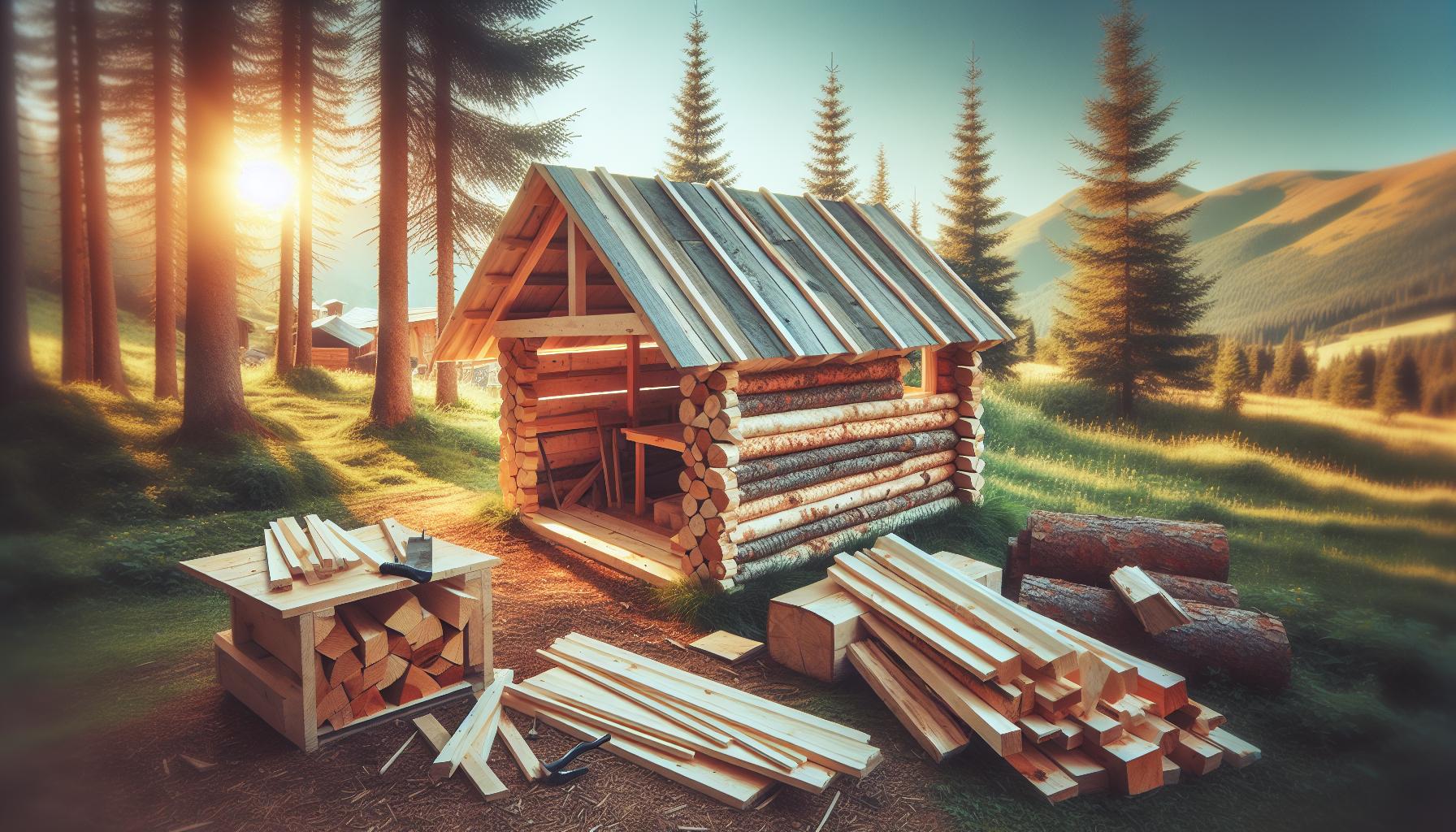
Choosing the Right Location: Maximizing Your space
To truly make the most of your property, selecting the right location for your shed is pivotal. A well-placed lean-to shed not only enhances functionality but can also transform your outdoor space into a more organized and aesthetically pleasing area. According to various homeowners, the location you choose can substantially impact both accessibility and usability, ultimately determining how effectively your lean-to shed serves its purpose.
Factors to Consider When Choosing your Shed Location
When searching for the perfect spot for your shed, consider the following elements to maximize efficiency and enjoyment:
- Accessibility: Ensure that the area is easily reachable, allowing for smooth entry and exit. This is particularly crucial if you plan to store larger items or frequent the shed frequently enough.
- Sunlight: depending on what you plan to store, consider how much sunlight the location receives throughout the day. For items that may be sensitive to temperature variations, a shadier spot might be more suitable.
- Drainage: Choose a location that allows for good drainage. Avoid spots prone to water accumulation, as these can lead to mold and structural issues over time.
- Proximity to Existing Structures: Position your lean-to shed near existing buildings or fences to optimize space and support from surrounding structures, but ensure it’s not too close to cause any potential issues.
Optimizing your Space
Understanding your available space is crucial when deciding where to erect your lean-to shed. Conduct a thorough assessment of the dimensions and shape of your yard. One useful approach is to create a simple layout plan using graph paper or digital design software. You can use the following table format to jot down potential locations along with their pros and cons:
| Location | Pros | Cons |
|---|---|---|
| Near the house | Easy access, proximity to utilities | May take away from the visual appeal of the home |
| At the end of the yard | less visible, more privacy | Possibly inconvenient for access |
| Adjacent to a fence | Utilizes existing structures for support | May complicate access for maintenance |
once you lay out your options, envision how each potential spot will serve your needs. Would it elevate the functionality of your yard or perhaps take away from it? By engaging with these elements thoroughly, you can ensure that your lean-to shed is not only a storage solution but also a harmonious addition to your landscape.
Essential Tools and Materials: Preparing for Success
the success of any DIY project hinges significantly on the tools and materials at your disposal. When considering how to build a lean-to shed, having the right resources not only streamlines the construction process but also enhances the overall quality and durability of your structure. With the use of carefully selected tools and materials, your lean-to shed can stand the test of time while providing ample space-saving solutions that impress.### Essential Tools for Construction
Before you begin your construction journey,equip yourself with the following essential tools:
- Measuring Tape: Precision is key,so invest in a sturdy measuring tape to ensure all your dimensions are accurate.
- Hammer and Nails: A good hammer and a box of galvanized nails will be indispensable for securing your frame.
- Power Drill: A power drill with various drill bits can speed up the assembly process and allow you to make clean, clear holes.
- Level: To ensure your shed is built on a level foundation, use a spirit level throughout the construction.
- Safety Gear: Don’t overlook safety! A pair of safety goggles, gloves, and a dust mask is essential to protect yourself while working.
### recommended Materials
Choosing high-quality materials will impact both the aesthetics and longevity of your lean-to shed. Hear’s a list of recommended materials for your build:
- Lumber: Opt for pressure-treated lumber for the frame and siding to withstand the elements.
- Plywood: Use exterior-grade plywood for the floor and walls, ensuring durability and resistance to moisture.
- Roofing Material: Asphalt shingles or metal roofing can provide excellent protection against the weather.
- Insulation: If you plan to use your shed as a workspace or for storage of sensitive materials, consider adding insulation.
To help you visualize the costs and quantities of these materials, take a look at the table below:
| Material | Recommended Quantity | Estimated Cost (USD) |
|---|---|---|
| Lumber (2x4s) | 10-20 boards | $2-$5 per board |
| Plywood (4×8 sheets) | 5-10 sheets | $20-$40 per sheet |
| Asphalt shingles | 1-2 bundles | $30-$50 per bundle |
| Insulation (rolls) | 1-3 rolls | $25-$50 per roll |
By organizing your tools and materials in advance, you’re not just preparing for a lean-to shed build; you’re setting the stage for a productive and rewarding DIY experience. As you embark on this journey of construction, remember that the pleasure of crafting a lean-to shed that maximizes your space and usage will ultimately shine through in the results.
Step-by-step Construction Guide: From Foundation to Finish
Building a lean-to shed presents a unique prospect to maximize your outdoor space while adding functionality and aesthetic appeal to your property. Whether you aim to create a space for gardening tools, outdoor furniture, or even a workshop, understanding the construction process from the ground up is essential. Here’s a comprehensive guide that will walk you through each crucial phase, ensuring a sturdy and notable shed that stands the test of time.
Planning and Planning
Before you grab your tools, begin with planning your shed’s location, size, and design.Consider the following essential steps:
- Research Local Regulations: Check if you need a permit or if there are building codes that govern the shed’s construction.
- Choose the Right Location: Select a flat area that provides good drainage and is easily accessible.
- Design Your Shed: Sketch a layout or find templates online that accommodate your needs. Think about dimensions and whether you want windows or a door.
You’ll want to finalize these ideas before moving into the construction phase, as this prevents costly changes later.
Gathering Materials
Once your plans are in place, it’s time to collect materials. Depending on your design, you may require:
| Material | Quantity | Purpose |
|---|---|---|
| Pressure-treated lumber | For base and framing | Provides durability against moisture. |
| Plywood sheets | For walls and roof | Form the exterior and provide structure. |
| Roofing material | As needed | Protects the interior from elements. |
| Hardware (nails, screws, hinges) | As needed | Fastening the components together. |
| Paint/Stain | As needed | Enhances appearance and protects wood. |
Ensure you have all necessary materials before starting to avoid interruptions.
Constructing the Shed
With your site prepared and materials on hand, follow these systematic steps to construct your lean-to shed:
- Laying the Foundation: Start with a solid base using either concrete blocks or treated wood. This will prevent moisture-related issues and provide stability.
- Building the Frame: Construct the frame using pressure-treated lumber. Ensure it’s square and level, which is crucial for the walls to fit correctly.
- Attaching the Walls: Attach plywood to the frame, paying special attention to securing the edges.Frames should have openings where doors or windows will be fitted.
- adding the roof: Depending on your design, attach the roof frame securely. Use plywood for roofing and cover it with your chosen roofing material, ensuring proper overhang to keep rain away from the walls.
- Finishing Touches: Install doors, windows, and any additional features like shelves or pegboards for association. A coat of paint or stain will not only beautify your shed but also protect it from the elements.
Each step in this process is designed to ensure durability and efficiency, embodying the principles of space-saving solutions that impress as emphasized in “How to Build a Lean To Shed: Space-Saving Solutions That Impress.” Remember, patience and attention to detail at each phase will yield a functional and appealing outdoor structure tailored to your needs.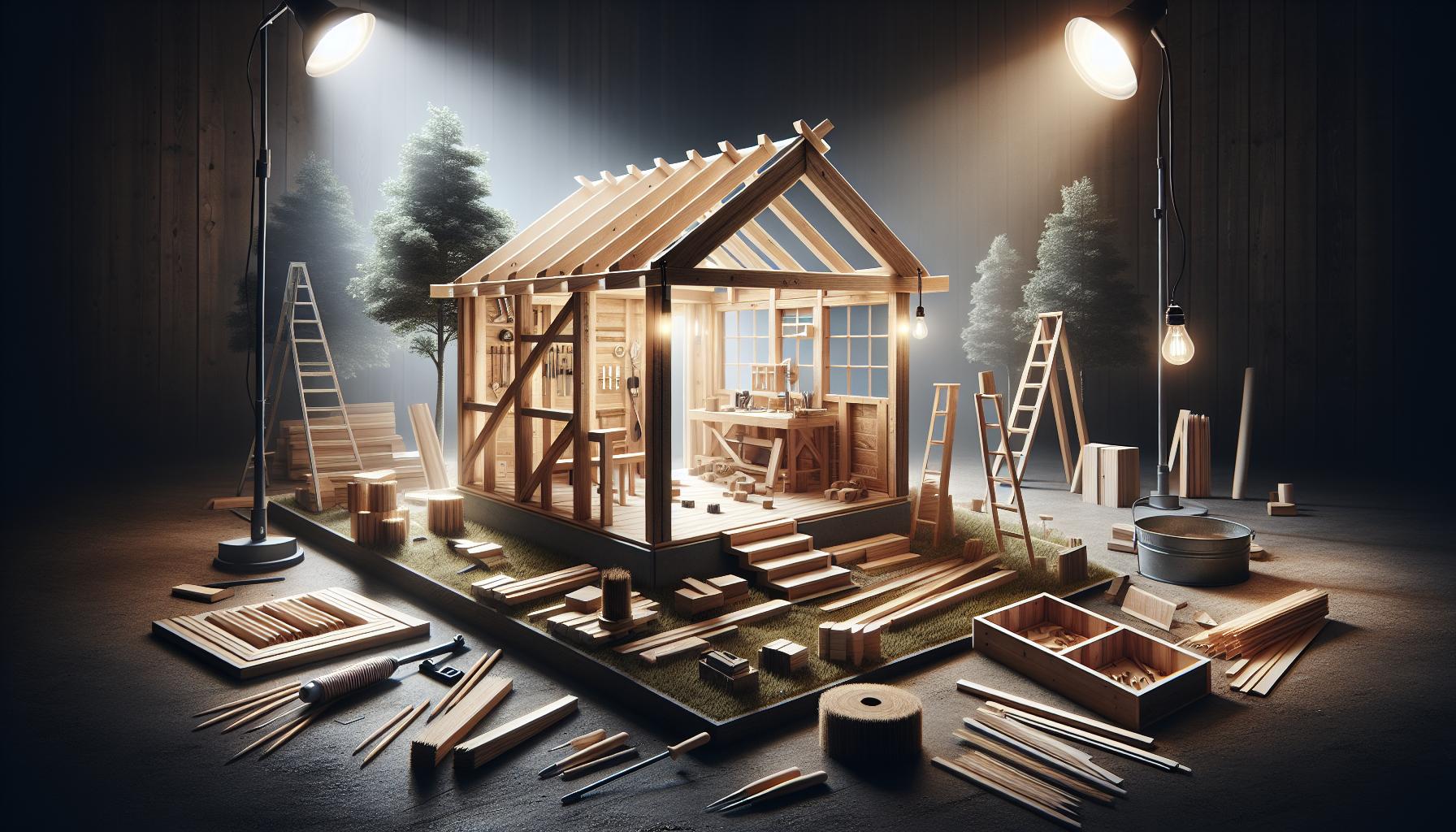
Smart Design Tips: Incorporating Functionality and Style
Constructing a lean-to shed isn’t just about creating a functional space; it’s also about adding style and sophistication to your outdoor area. The right design elements can elevate this utilitarian structure, transforming it into a seamless extension of your home while maximizing utility.achieving a balance of functionality and aesthetics is key, and there are several smart techniques to bring this vision to life.
Design for Dual Purpose
When considering how to build a lean-to shed, think about multifunctional features that cater to your specific needs. As a notable example, you might want a shed that serves as both a storage solution and a workspace.Here are some ideas to consider:
- Vertical storage Solutions: Use wall-mounted shelves and pegboards to maximize storage without sacrificing floor space. This keeps tools and materials organized while leaving ample room for movement.
- Workbenches with Storage: Integrate a workbench that includes built-in drawers or compartments. This will provide a dedicated workspace while ensuring that your tools remain accessible yet out of sight.
- Convertible Furniture: Consider furniture that can easily change functions, like collapsible tables that can be packed away when not in use, or benches that double as storage units.
Style Through Materials and Colors
The materials and colors you select can significantly impact the overall style of your lean-to shed. Aim to match your shed’s aesthetics with your home or garden design. Here are a few tips:
- Natural Materials: Use wood, stone, or metal that complements your existing structures.Natural materials not only add texture but also blend harmoniously into the surrounding landscape.
- Color Palette: Go for colors that either contrast nicely or echo the hues of your main building. earthy tones create warmth, while luminous colors can add a playful element. For added visual interest,consider using different siding materials that work well together.
Optimize Light and Ventilation
A well-lit shed enhances functionality while also encouraging a pleasant working atmosphere. Introducing windows and ventilation can significantly improve the shed experience.
- Large Windows: Install large windows or skylights to allow plenty of natural light to flood in. This can make the space feel larger and more inviting, which is perfect for tasks that require focus.
- Ventilation Solutions: Incorporate vents or a small fan to keep the air fresh. This is especially useful if you’re using the shed for woodworking or gardening, where materials may cause odor or moisture buildup.
Maximizing both functionality and style in a lean-to shed involves thoughtful consideration of layout,materials,and light.By implementing these smart design tips, you can create a space that is not only practical but also visually appealing, enhancing your outdoor area significantly. with the right approach, this small structure can impress as both a stylish feature and a highly efficient storage solution.
Sustainable Practices: Eco-Friendly Materials and Methods
creating a structure that harmonizes with the habitat is key when considering efficient shed building techniques.Eco-friendly materials and methods not only reduce the ecological footprint but also contribute to the longevity and efficiency of your project. By opting for sustainable resources and construction processes, you can build a lean-to shed that not only meets your storage needs but also aligns with eco-conscious values.
One critical aspect is selecting the right materials. Look for reclaimed wood, which not only gives a unique character to your shed but also reduces the demand for new lumber. Additionally, bamboo is an excellent alternative; it’s a fast-growing resource that can serve as a strong and durable choice. When choosing roofing materials, consider options like metal, which often provides excellent durability and energy efficiency, reflecting heat away and reducing cooling costs in warmer climates. Always prioritize non-toxic paints or natural finishes to ensure the environment remains unharmed from harmful chemicals.
Building Techniques for Sustainability
Employing sustainable building practices can enhance the efficiency of your lean-to construction. Here are some methods to consider:
- Optimize Natural Light: Position your shed to maximize natural sunlight, reducing the need for artificial lighting. Install large windows or skylights to enhance visibility and ambiance.
- Use Insulation wisely: Incorporate eco-friendly insulation materials such as sheep’s wool or recycled denim. These materials provide excellent thermal properties without the environmental impact associated with conventional insulation.
- Employ Passive Design: Utilize architectural features that allow for cooling in summer and heating in winter, such as eaves that provide shade while allowing sun exposure during colder months.
In assessing your sustainable approach, conducting a sustainability audit of your building process can highlight areas for improvement and innovation. Evaluate aspects like waste production and energy consumption throughout the construction phase. This aligns with best practices observed in eco-friendly businesses, emphasizing clarity and obligation in resource management [[1]](https://reportyak.com/blog/sustainable-business-practices/).
By consciously choosing eco-friendly materials and methods during the shed construction process, you not only contribute to a healthier planet but also create a functional and aesthetically pleasing outdoor space. Adopting these practices can ultimately lead to more accomplished outcomes that reflect modern sustainable living—insightful for anyone looking to construct a lean-to shed that truly impresses.
Common Challenges and How to Overcome Them
Building a lean-to shed is an excellent way to enhance your outdoor storage while maximizing space efficiency. Though, even the most seasoned DIY enthusiasts encounter challenges when undertaking such projects. From securing the right permits to ensuring water drainage, these hurdles can be frustrating. Understanding these common issues and how to overcome them can make the difference between a successful build and a disappointing experience.
Securing the Proper Permits
It’s vital to check local zoning laws and regulations before beginning construction. Many municipalities require permits for structures including sheds, particularly if they exceed specific dimensions. To navigate this challenge successfully:
- Research Local Regulations: Consult your local building department to see what applies to your project,including height restrictions and setbacks from property lines.
- Complete Necessary Applications: If permits are required, fill out the necessary paperwork accurately and promptly to avoid delays.
- Document Your Plans: Creating clear and detailed plans can facilitate the permit approval process, demonstrating compliance with local guidelines.
Ensuring Proper Drainage
Water pooling around your shed can lead to structural damage over time. Effective drainage is crucial for longevity and safety. Consider the following strategies to prevent water issues:
- Choose the Right location: Select a spot on your property that naturally drains well, avoiding low-lying areas.
- Implement Grading: Grade the ground around the shed to direct water away from it. A slope of at least 6 inches per 10 feet is recommended.
- Install a French Drain: If your yard has persistent water issues,consider installing a French drain system to efficiently redirect water.
Material Selection
Choosing the right materials for your lean-to shed can make a important impact on its durability and appearance. However, with so many options available, this can be a daunting decision. Here’s how to streamline the selection process:
- Assess Your Needs: Determine the primary purpose of your shed (e.g., garden, tools, or firewood) to guide material choice.
- Consider Weather Resistance: Invest in weather-resistant materials like treated wood or metal that can withstand the elements and enhance longevity.
- Budget Accordingly: Balance quality with budget. Investing slightly more in higher-quality materials can save costs in repairs and replacements down the line.
Balancing Size and Functionality
One of the most significant challenges of constructing a lean-to shed is ensuring that it fits well in your designated space while meeting your storage needs.Here’s how to achieve that balance:
| Tip | Description |
|---|---|
| Measure Accurately: | Before deciding on dimensions, measure your space and visualize how the shed will fit in relation to your house and yard. |
| Prioritize Storage Solutions: | Incorporate shelves, hooks, and cabinets to maximize vertical space inside the shed, maintaining organization. |
| leave Room for Accessibility: | Ensure that doors and walkways aren’t obstructed to make accessing your supplies easy. |
By proactively addressing these challenges, you can ensure a smoother building process and create a functional, impressive lean-to shed that meets all your storage needs.
personalizing Your Lean To Shed: Creative Storage Solutions
When it comes to maximizing functionality in a lean to shed,creativity is key.This structure offers a fantastic opportunity not just to store tools and equipment but to personalize and enhance the organizational experience.With thoughtful planning and a little ingenuity, your shed can become a well-organized haven for all your gardening supplies and outdoor gear. Here are some effective ways to personalize your lean to shed, ensuring it meets your needs while reflecting your style.
Utilizing Vertical Space
One of the best storage solutions in a lean to shed is to take advantage of vertical space. Consider installing shelves and hanging organizers to keep items off the ground and within easy reach. Here are some ideas:
- Wall-mounted Shelves: Install sturdy shelves along the walls to store pots, tools, and other items. This keeps the floor clear and takes advantage of the shed’s height.
- Pegboards: A pegboard can be a versatile addition for hanging tools, garden gloves, and other small accessories. Customize the layout to suit your frequently used items.
- Overhead Storage: Utilize ceiling space with storage bins or racks suspended from above. This is particularly useful for seasonal items that you don’t need on a regular basis.
Functional Furniture and Workspaces
Incorporating functional furniture can transform your lean to shed into a workspace and also a storage area. Such as, a small workbench provides a space for potting plants or repairing tools. Built-in seating can also serve double duty, with storage underneath for garden kneelers, gloves, or other supplies.
storage Ideas for Different Needs
To better cater to varying storage needs, consider implementing customized solutions based on your specific gardening habits. Here’s a simple table to help you organize:
| Use Case | Storage Solution |
|---|---|
| Garden Tools | Wall-mounted Tool Rack |
| Potting Supplies | Open Shelves with Storage Bins |
| Seasonal Decor | Storage Bins on High Shelves |
| Outdoor Furniture | Foldable Bench with Underneath Storage |
This table showcases various use cases along with practical storage solutions,making it easier to visualize how to build a lean to shed that is both functional and personal. When designing your shed, always think about what best suits your routines and interests, ensuring that your space becomes an extension of your creativity and a solution tailored to your life.
Q&A
How to build a lean to shed: space-saving solutions that impress?
Building a lean to shed is a straightforward process that requires choosing a suitable location, gathering materials, and following a step-by-step construction guide. This type of shed maximizes space by leaning against an existing structure, making it an ideal solution for smaller gardens.
Start by selecting a level area next to your house or fence for easy access. Ensure your materials include treated wood, roofing panels, and screws. For detailed guidance, check out our comprehensive article on shed construction tips. Following a clear plan will make this DIY project manageable and enjoyable.
What is a lean to shed?
A lean to shed is a structure characterized by its single-pitched roof that is attached to an existing wall or building. This design maximizes space while providing a functional storage area without taking up too much yard space.
Typically used for storing tools, bikes, or garden equipment, a lean to shed can also serve as a workshop. It’s a cost-effective way to add storage without the need for a full freestanding shed,making it a popular choice among DIY enthusiasts.
Why does a lean to shed save space?
A lean to shed saves space by utilizing the vertical area against walls, reducing the footprint needed for storage. This compact design allows for efficient use of land, especially in smaller yards.
By attaching the shed to an existing building, you keep your outdoor area open, which can enhance your landscape’s usability. This practical solution not only declutters but also maintains aesthetic appeal for your outdoor space.
Can I build a lean to shed myself?
Absolutely! You can build a lean to shed yourself by following detailed guidelines and investing some time and effort. Many DIYers successfully complete this project, gaining both satisfaction and additional storage.
Begin with a clear plan and the right tools, and consider enlisting a friend for assistance. The process can be broken down into manageable steps, making it accessible for builders of any experience level.
What materials do I need to build a lean to shed?
To build a lean to shed, you will need materials such as treated wood for the frame, plywood or siding for the walls, roofing materials, nails, screws, and concrete for the foundation. These materials ensure durability and protection from the elements.
Additionally, having tools like a saw, hammer, drill, and level at your disposal will streamline the building process. Selecting the right materials not only influences the shed’s longevity but also its aesthetic integration into your yard.
How much does it cost to build a lean to shed?
The cost of building a lean to shed varies based on size and materials but typically ranges from $300 to $1,500. Building it yourself can significantly reduce costs compared to hiring a professional.
Budget-friendly options include repurposing old materials or opting for vinyl siding instead of wood. Investing more upfront in quality materials may lead to better long-term durability and fewer maintenance needs.
What are some design ideas for a lean to shed?
Design ideas for a lean to shed include incorporating windows for natural light, using contrasting colors to match your existing structures, and adding decorative touches like shelving or hooks for organization. Thoughtful design can enhance both functionality and visual appeal.
Consider integrating a green roof or planter boxes to blend the shed into the landscape. Taking the time to plan a design that complements your home will make the shed not just a storage solution but an attractive feature in your yard.
Future Outlook
As we wrap up our journey into building your very own lean-to shed, remember that you’re not just creating a storage solution; you’re crafting a space that reflects your ingenuity and resourcefulness. we’ve explored essential design considerations, step-by-step construction methods, and the materials that will stand the test of time—all tailored to suit any skill level.
Embrace the excitement of the project ahead, knowing that tackling these challenges can lead to impressive, functional results. Whether you’re a seasoned DIYer or just starting out,the key is to take it one step at a time,respecting the process while finding joy in your craftsmanship.Don’t hesitate to experiment, and be proud of your achievements along the way.
We encourage you to delve deeper into any areas that piqued your interest, be it material selection or construction techniques. Engage with your fellow DIY community for inspiration and support, and most importantly, have fun with your project! Your lean-to shed is more than just a structure—it’s a testament to your hard work and creativity. Dive in, explore, and transform your outdoor space into something extraordinary!
Get our latest guides, news, and insights highlighted in your Google Search & AI Overviews.


