


Finding the right spot for your outdoor storage solution can be a challenge. The perfect shed location not only maximizes utility but also enhances your backyard’s aesthetic. This guide will reveal crucial tips for selecting an ideal site, ensuring your shed blends seamlessly into your landscape while providing the functionality you need.
Choosing the Ideal Spot: Assessing Your Backyard for Shed Placement
Evaluating your backyard for the perfect shed placement can transform not just your outdoor storage solutions but also enhance the overall aesthetics and utility of your space. the key factors to consider include available space, accessibility, visibility, and environmental conditions to ensure that your shed fits seamlessly into your landscape while serving its functional purpose.
Assessing Available Space
Before deciding where to position your shed, take a comprehensive look at your backyard layout. Measure the dimensions of your yard and identify underutilized areas that could be ideal for your new structure. Make sure to allocate enough space for the shed itself, and also room for any future landscaping or gardening activities.Remember,the size and shape of your yard will considerably influence your options.
Hear are some space considerations:
- Choose a flat, even area to prevent moisture accumulation.
- Ensure there’s enough clearance around the shed for maintenance and access.
- Consider existing garden beds, trees, or other structures when determining placement.
Enhancing Accessibility and Aesthetics
The location of your shed should complement your backyard, providing both accessibility and visual appeal.Avoid placing your shed in a spot that obstructs views or disrupts the flow of the space.Think about how you use your yard: if it’s primarily for entertaining, placing the shed in a less focal area might potentially be best.Conversely, if you plan to use the shed frequently for gardening tools or outdoor supplies, locate it in closer proximity to your primary activity areas.
To maximize aesthetics, consider the following:
- Match the shed’s style with your home’s architecture for cohesive design.
- Incorporate landscaping features, like flower beds or walkways, to enhance visual appeal.
- Position the shed to create a balance between openness and shelter from weather elements.
Environmental Considerations
Environmental factors also play a critical role in determining where to place a shed. Sunny spots might heat up the shed excessively, while shaded areas can lead to moisture buildup if not properly ventilated. Observe how sunlight and wind patterns change throughout the day and season. Ideally, choose a location that benefits from natural light while avoiding excessive moisture accumulation from drainage.
When evaluating your site, keep these environmental aspects in mind:
- Assess soil drainage to ensure that your shed remains stable and dry.
- consider seasonal weather conditions that may affect the shed’s longevity.
- Account for any potential tree fall risks to safeguard your investment.
By thoughtfully evaluating these elements, you can choose a spot that not only meets your storage needs but also enhances your backyard’s charm. These considerations are pivotal in understanding how to build a shed in your backyard effectively, aligning with the perfect location secrets that will lead to both functionality and aesthetics.
Understanding Local Regulations: Navigating Permits and Zoning Laws
Navigating the maze of local regulations can be daunting for anyone interested in constructing a shed. Before diving into your project, it’s crucial to understand that local zoning laws and permit requirements can significantly impact your plans. Ignoring these regulations can lead to costly fines or undesirable modifications later on. Thus, familiarizing yourself with the specific requirements in your jurisdiction is essential for successfully implementing the ideas from “How to Build a Shed in Your Backyard: Perfect Location Secrets.”
When considering the placement and design of your shed, start by checking with your local planning department. Most municipalities require a zoning permit to ensure that any new structures comply with the area’s land use policies. Here are some steps to guide you through this process:
- Research Local Zoning laws: Zoning classifications can dictate the size, placement, and even the style of your shed. For example, some residential zones may have restrictions on the structure’s height or its proximity to property lines.
- Obtain Necessary Permits: Before any construction, you may need to submit detailed plans and obtain building permits. This typically includes submitting drawings of your shed and providing information on its intended use.
- Check for HOA Regulations: If you live in a neighborhood with a homeowner’s association, be sure to review their specific guidelines which may impose additional restrictions on shed design and placement.
Understanding Permit Types
Different types of permits can apply depending on your location and the scope of your project. For instance, a zoning permit allows you to develop land or alter existing structures in compliance with local regulations, as outlined by Crest Real Estate [[1]](https://www.crestrealestate.com/zoning-permits-everything/). Other permits may fall under development review, which ensures compliance with broader planning regulations [[2]](https://mrsc.org/explore-topics/planning/governance/permit-review).
For a clearer understanding, here’s a simple table summarizing potential permit types you might encounter:
| Permit Type | Description |
|---|---|
| Zoning Permit | Required for land use and alterations to comply with local zoning regulations. |
| Building Permit | Needed for the construction or major alteration of structures. |
| Development Permit | covers broader development projects, ensuring they meet community planning standards. |
By taking the time to research and understand the local regulations and permits needed for building a shed, you can save yourself from future headaches and make your project aligned with both legal requirements and community standards. Being proactive in this regard complements the perfect location secrets to make your shed not only functional but also compliant and harmonious with your neighborhood’s character.
Evaluating Sun and Shade: how Natural Light Affects Shed Functionality
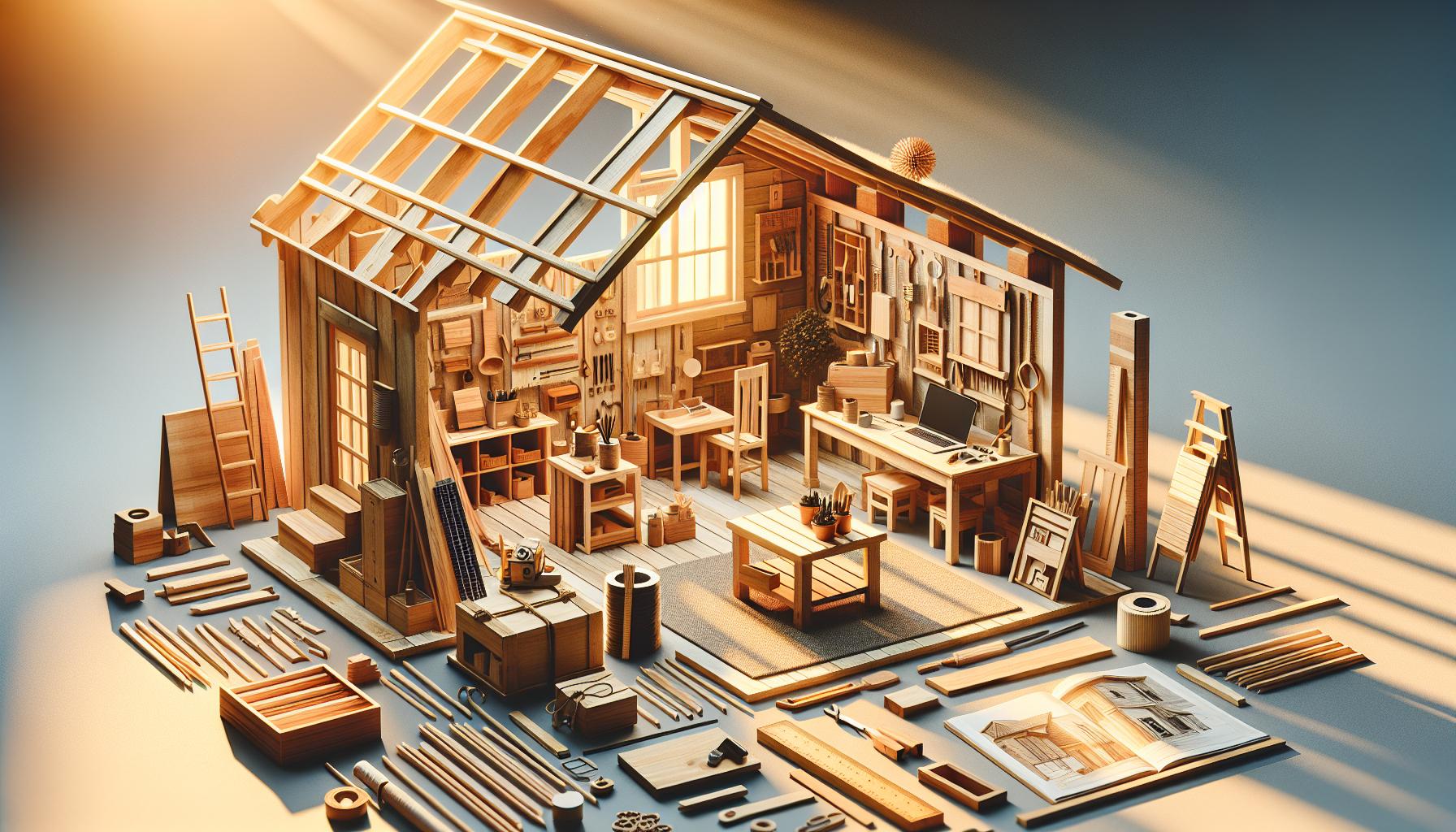
Natural light plays a crucial role in determining how well a shed functions. Understanding the interplay between sun and shade can significantly enhance the usability and longevity of your storage space. Not only does it affect temperature control and lighting inside the shed, but it also impacts the materials used for construction and the overall comfort when working in or retrieving items from your shed.When selecting the ideal location for your shed, consider the daily movement of the sun, which follows an east-to-west trajectory.A site that receives too much direct sunlight, especially in the hotter months, can lead to overheating, perhaps damaging tools and materials stored within. Conversely, excessive shade may prevent the shed from receiving adequate natural light, making it dark and uninviting. Striking a balance is essential.
- Morning Sun: Ideal for warmer months, as it can help warm the shed early in the day.
- Afternoon Shade: Protects from extreme heat during the hottest parts of the day, especially in summer.
- Wind Protection: Consider natural windbreaks, like trees or fences, to minimize exposure to harsh weather.
To maximize light and comfort, consider integrating windows or ventilation systems, which can enhance airflow and reduce humidity levels. If your shed is primarily used for gardening tools or hobbies,positioning it near flowering plants that thrive in sunlight can create an inspiring workspace while also providing natural aesthetics. Proper planning makes a substantial difference, affecting not only how to build a shed in your backyard efficiently but also enhancing its functional and aesthetic value.
In terms of construction materials, opt for materials that can withstand varying light conditions. For example,treated wood or high-quality shed materials can help mitigate damage caused by extreme sunlight or moisture buildup. Additionally, consider using reflective surfaces or light-colored paint to help maintain a cooler interior. By evaluating the sun and shade effectively, you’ll create a shed that serves its purpose without compromising your tools or comfort.
Preparing the Ground: Foundation Options for Stability and Durability
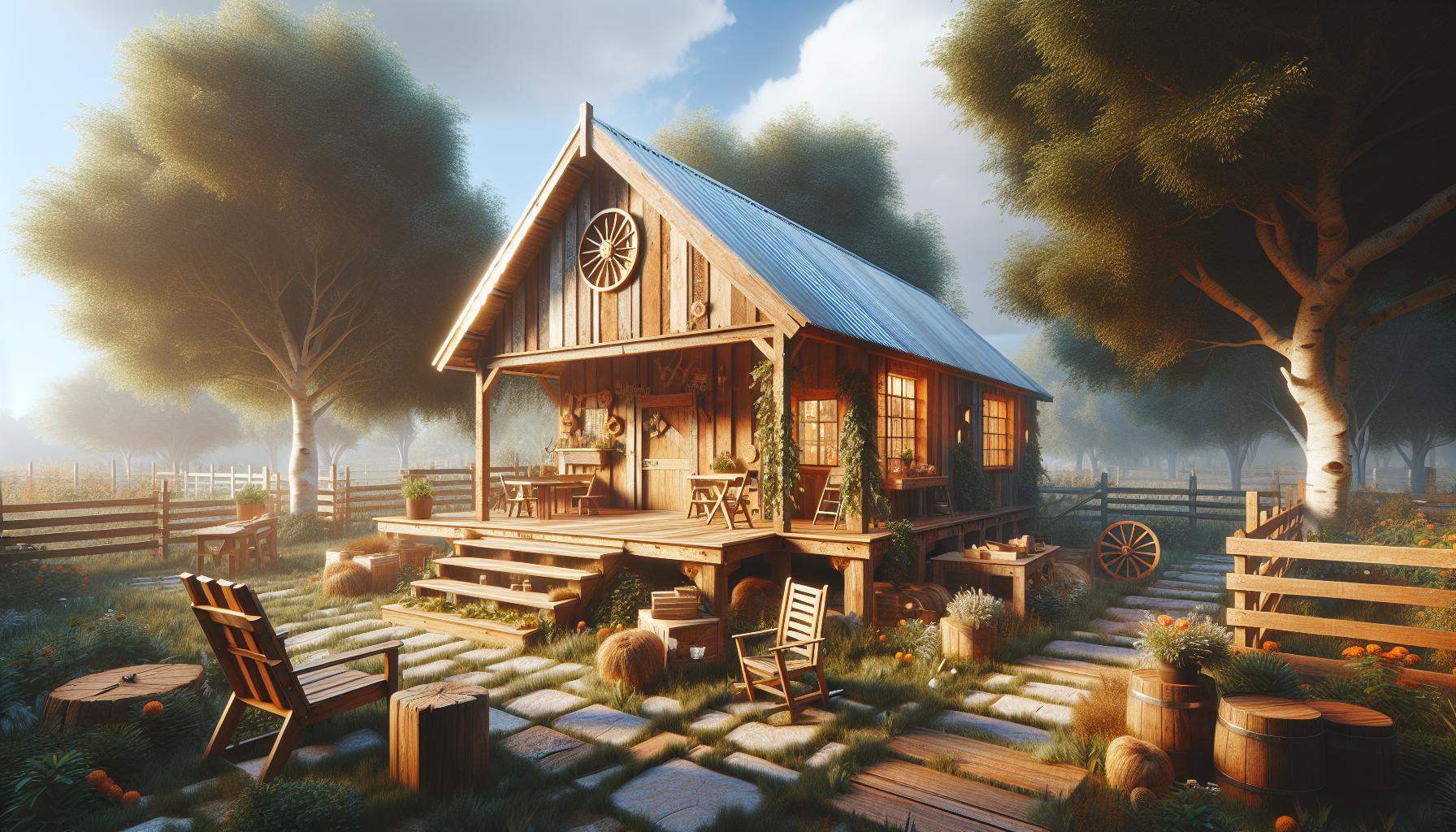
Choosing the right foundation for your shed is crucial as it affects the stability, durability, and longevity of the structure.Not only does a solid foundation help protect your shed from moisture and pests, but it also ensures that your investment stands the test of time. When considering how to build a shed in your backyard, understanding the various foundation options will empower you to make an informed decision tailored to your specific needs.
Types of Foundation Options
There are several viable options for shed foundations, and each has its unique benefits. Here’s a breakdown of the most common types:
- Concrete Slab: A concrete pad is often heralded as the best choice for larger sheds. It provides a solid, level surface and excellent moisture protection. A typical suggestion is a 4-inch thick reinforced slab with an extra 6 inches of concrete around the edges to help with stability [[1]].
- Concrete Pier Foundations: This method involves digging holes and pouring concrete into them to create piers. It elevates the shed off the ground, reducing moisture exposure on the bottom and helping to prevent rot.
- Gravel Pad: Another economical foundation option is a gravel pad, which is simple to install and allows for excellent drainage. This is especially beneficial in wet climates where water pooling could damage your shed [[2]].
Considerations for Your Foundation
When deciding which foundation option is best for your shed,consider the following factors:
- Location: Assess the ground conditions where you plan to build. Is it flat, or does it have a natural slope? Ensuring proper drainage is essential to prevent water pooling.
- Shed Size: The size of your shed will frequently enough dictate the type of foundation.Larger, heavier sheds typically require more robust support, such as a concrete slab.
- soil Type: understanding your soil type can definitely help determine the best foundation method. Such as, sandy soils may drain well, while clay soils retain moisture and may require a more secure foundation.
Ultimately, selecting a suitable foundation is a foundational element—pun intended—when following the guidelines for how to build a shed in your backyard. Investing time and resources into this aspect will enhance the overall performance and lifespan of your shed.
Enhancing Accessibility: Planning Pathways and Entry Points for Your Shed
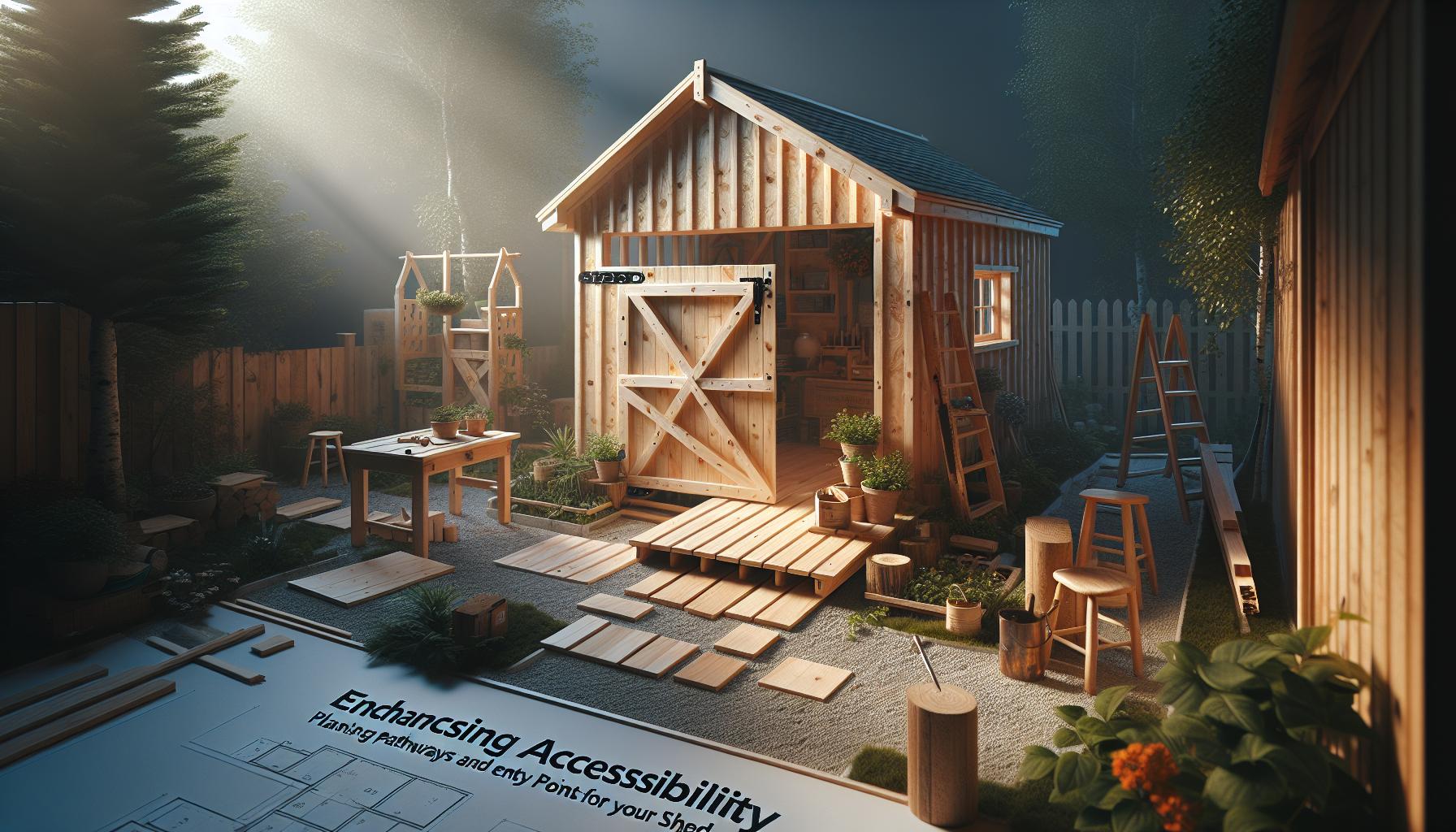
Planning for accessibility in your backyard shed can significantly enhance its functionality and ensures that the space can be enjoyed by everyone, regardless of mobility challenges. Effective pathways and entry points not only create a welcoming atmosphere but also simplify access to tools, gardening supplies, or creative spaces.Ensuring that these elements are thoughtfully incorporated into your shed design is essential in achieving a practical and inclusive environment.
To begin with, consider the layout of the pathways leading to your shed. Smooth, even surfaces are key. Opt for materials such as concrete, stone, or pavers that provide stability and minimize the risk of tripping. It’s vital to ensure a clear width of at least 36 inches for pathways to accommodate wheelchairs and other mobility aids comfortably. When planning your routes, avoid steep inclines which can be challenging for individuals with limited mobility. rather, aim for gentle slopes, ideally no steeper than a 1:12 ratio, ensuring easy navigation.
Entry Points
Your shed’s entry points should also reflect thoughtful accessibility design. Doors should be wide enough—a minimum width of 32 inches is recommended—to allow easy access. Installing lever-style handles instead of conventional knobs can offer greater ease for individuals with grip difficulties. Additionally, ramp access at entryways is crucial for inclusivity. A slope of 1:12 (rise to run) is best for ramps to ensure they are navigable without excessive strain. Ensure that the ramp has a non-slip surface for safety,especially in wet conditions.
Another essential aspect is visual and tactile cues along pathways and near entrances. Consider using contrasting colors or textures to make transitions clear for those with visual impairments. Sturdy handrails along steps or ramps not only provide support but also enhance safety. Including signage to indicate the shed’s purpose or accessibility features can also be beneficial, making your space more welcoming.
By prioritizing these aspects in your design process, you’ll create an environment that not only focuses on aesthetic appeal but also embraces accessibility. This approach, rooted in the principles discussed in ‘How to Build a Shed in Your Backyard: Perfect Location Secrets,’ ensures the shed becomes a truly inclusive part of your backyard, where everyone can feel welcomed and empowered to use the space fully.
Protecting Against the Elements: Strategic Shed Design for Weather Resilience
Building a shed isn’t just about aesthetics or functionality; it’s crucial to consider how to protect it from the elements. Weather resilience not only extends the longevity of your investment but also ensures that the contents inside remain safe and dry. With the right design strategies, you can create a structure that withstands varying weather conditions while blending seamlessly into your backyard environment.
One key aspect of designing a weather-resistant shed is material selection. Opt for smart materials that offer better performance against climate change. For instance, using water-resistant wood treatments and metal roofing can significantly reduce the risk of moisture damage and leaks. Additionally, proper sealing and weatherproofing are essential to prevent drafts and water intrusion, especially in regions prone to heavy rainfall or snow. Consider incorporating features like raised floors to keep the base dry and reduce the potential for rot.
Placement and orientation are equally vital when it comes to building a shed. Positioning your shed away from trees or taller structures can minimize wind damage and reduce the likelihood of debris falling during storms.Implementing rounded or aerodynamic shapes can definitely help deflect wind pressure, decreasing the chances of structural failure in extreme weather conditions [2]. Also, consider the sun’s path; designing your shed to receive natural light can decrease the need for artificial lighting and help mitigate frost during winter months.
To ensure that your shed remains intact in the face of unforeseen weather events, it is advisable to build with extra reinforcements in areas known for extreme winds or heavy snowfall. A well-anchored foundation can prevent uplift during severe storms, while strategically placed ventilation can reduce humidity and prevent mold growth. Incorporating these elements not only enhances resilience but also aligns with the principles of how to build a shed in your backyard: perfect location secrets, allowing you to maximize both functionality and longevity of your outdoor structure.
employing a strategic design approach can greatly enhance a shed’s durability against the elements. By focusing on materials, placement, and weatherproofing techniques, you can construct a shed that stands the test of time and Mother Nature, ensuring it serves your needs for years to come.
Maximizing Storage and Organization: Interior Layout Tips for Efficiency
Maximizing the efficiency of your shed’s interior layout can transform it into a highly functional space, allowing for seamless organization and easy access to your tools and supplies. When learning how to build a shed in your backyard, thoughtful interior design is just as crucial as selecting the perfect location.Consider utilizing vertical space to your advantage; installing shelves and pegboards not only helps you maximize storage but also keeps your items visible and within easy reach.
Strategic Zoning
Creating zones within your shed can make a substantial difference in functionality. Designate specific areas for different activities or types of storage. As a notable example, you might allocate one corner for gardening tools and supplies, while another section could serve as a workshop for DIY projects. This strategic zoning minimizes clutter and enhances workflow, making it easier to find what you need when you need it.
To visualize your layout, consider drawing a simple floor plan.Here’s an example of how you might allocate space:
| Zone | Purpose | Storage Solutions |
|---|---|---|
| Gardening | Tools and supplies | Vertical garden racks, bins |
| Workshop | DIY projects | Workbenches, drawer cabinets |
| Storage | Seasonal items | overhead shelving, wall-mounted boxes |
Effective Storage solutions
Incorporating smart storage solutions will further enhance the organization within your shed. Invest in modular units or adjustable shelves that can be tailored to fit different sizes of equipment and supplies. Use labeled bins or clear containers that allow for quick identification of contents. Additionally, implement stackable and collapsible options to optimize space during off-seasons. This approach not only keeps your shed tidy but also ensures that every item has its designated place, minimizing the time spent searching for tools during your projects.
Remember, the principles of effective shed organization are applicable whether your constructing from scratch or retrofitting an existing structure. By applying these interior layout tips inspired by the article on ‘How to Build a Shed in Your Backyard: Perfect Location Secrets,’ you will cultivate an orderly workspace that complements your outdoor projects and enhances your overall backyard experience.
Adding Personal Touches: Creative Ideas to Make Your Shed Unique
Transforming a simple backyard shed into a personal retreat can be both rewarding and enjoyable. By incorporating creative touches, you can reflect your unique style and enhance the functionality of the space. Each detail contributes to making your shed not just a storage area, but a cherished part of your backyard. Here are several ideas to consider when personalizing your shed.
Color and Exterior Design
One of the most straightforward ways to make your shed stand out is through thoughtful color choices. Consider painting the exterior in hues that complement your home or the landscaping. Trending colors like soft pastels or bold statements such as deep blues can evoke a particular mood and character. You might also want to explore various finishes such as:
- Wood stain: Emphasizes natural beauty and can blend seamlessly with the natural surroundings.
- Chalkboard paint: Perfect for jotting down reminders or showcasing creativity.
- Patterns or stencils: Add a fun twist by applying unique designs on doors or walls.
Functional Decor
Incorporate decorative elements that serve a purpose. For example,using vintage tools as wall art can provide character while being a nod to traditional crafting techniques. Organize your supplies in an aesthetically pleasing way with open-shelf systems or attractive baskets.Some ideas include:
- Hanging planters: Not only do they beautify space, but they also bring a touch of nature indoors.
- Chalkboard labels: For easy organization, label different compartments and bins, making it simple to find what you need.
Cozy Seating Area
If your shed will serve as a retreat, create a cozy seating area. Choose comfortable furniture such as a set of vintage chairs or a hammock to create an inviting atmosphere. Add soft cushions and throws in vibrant patterns to enhance comfort. Making the shed cozy can transform it into a place for writing, reading, or simply enjoying quiet moments away from daily hustle.
Lighting and Ambiance
Good lighting is crucial in creating an engaging atmosphere. Introduce natural light by installing windows or skylights to brighten the space during the day. In the evenings, consider using string lights or lanterns for a warm glow. Here are some lighting ideas:
- LED strips: Place them under shelves for a modern touch.
- Solar-powered fairy lights: Eco-friendly and enchanting, these can adorn your shed’s entrance.
By thoughtfully considering color, decor, furniture, and lighting, you can create a unique sanctuary in your backyard shed. These personal touches not only reflect your style but also enhance the utility of the space, making it a delightful escape as thoroughly discussed in guidelines for maximizing your shed’s potential.
Q&A
How to build a shed in my backyard?
building a shed in your backyard involves several key steps: planning the design, selecting a suitable location, obtaining any necessary permits, and constructing the shed using quality materials.Each stage is crucial to ensure durability and functionality.
Start by determining the size and style of the shed that meets your needs before selecting a location with good drainage and sunlight. For a detailed guide,explore our article on shed plans and construction tips.
What is the best location for a backyard shed?
The best location for a backyard shed should be flat, well-drained, and accessible. It’s also important to consider proximity to your home and outdoor utilities for convenience.
Choose a spot that allows for easy access while avoiding low areas where water might collect. Additionally, *be mindful of local zoning laws* which may dictate where you can place your shed.
Do I need a permit to build a shed in my backyard?
In many areas, you do not need a permit to build a small shed (under 100 square feet). Though, regulations vary, so it’s essential to check with your local authorities.
Even if a permit is not required, you might still need to comply with specific building codes or HOA regulations. Be proactive by researching local requirements to avoid any potential issues.
What factors should I consider when choosing shed materials?
When selecting materials for your shed,consider durability,maintenance,and aesthetic appeal. Common materials include wood, metal, and vinyl, each with its pros and cons.
For instance, wood provides a classic look and is highly customizable, while metal offers durability and minimal maintenance. Assess your *budget, climate, and how you plan to use the shed* to make the best choice.
Can I build a shed myself, or should I hire a professional?
You can certainly build a shed yourself if you have basic carpentry skills and the right tools.Many DIY enthusiasts find this a rewarding project, offering both *savings and satisfaction*.
If you’re unfamiliar with construction techniques, consider starting with a kit that provides instructions and materials. Alternatively, hiring a professional can ensure the job is done correctly and efficiently.
Why does choosing the right foundation matter for my shed?
A proper foundation is crucial for the stability and longevity of your shed. It helps prevent water damage and pest infestations, ensuring a dry and secure space for storage.
common foundation options include concrete slabs, treated wood skids, and gravel pads. Each type serves different needs based on your local climate and land characteristics, so select one that best supports your shed’s structure.
What are some tips for organizing a shed for maximum efficiency?
Maximizing efficiency in your shed primarily involves smart organization.Use shelving, pegboards, and clear bins to keep tools and supplies easily accessible.
Consider creating zones for different types of projects or tasks. This ensures that everything has a specific place, reducing clutter and making your shed a functional workspace.
closing Remarks
Building a shed in your backyard can not only enhance your outdoor space but also provide much-needed storage and organization. By choosing the perfect location, you set the foundation for a accomplished project. Remember to consider factors such as accessibility, sunlight, and local regulations when deciding where to place your shed. As you embark on this DIY journey, embrace the process—select quality materials, follow structured steps, and take your time to ensure everything is done right.Challenges are part of the construction process, but with the right mindset and resources, they can be overcome effortlessly. Keep the spirit of craftsmanship alive and feel confident in your abilities to tackle this project. Be sure to explore our recommended resources for additional tips, videos, and guides that will further inspire and assist you in creating the shed of your dreams. Let’s make that vision a reality together!
Get our latest guides, news, and insights highlighted in your Google Search & AI Overviews.


