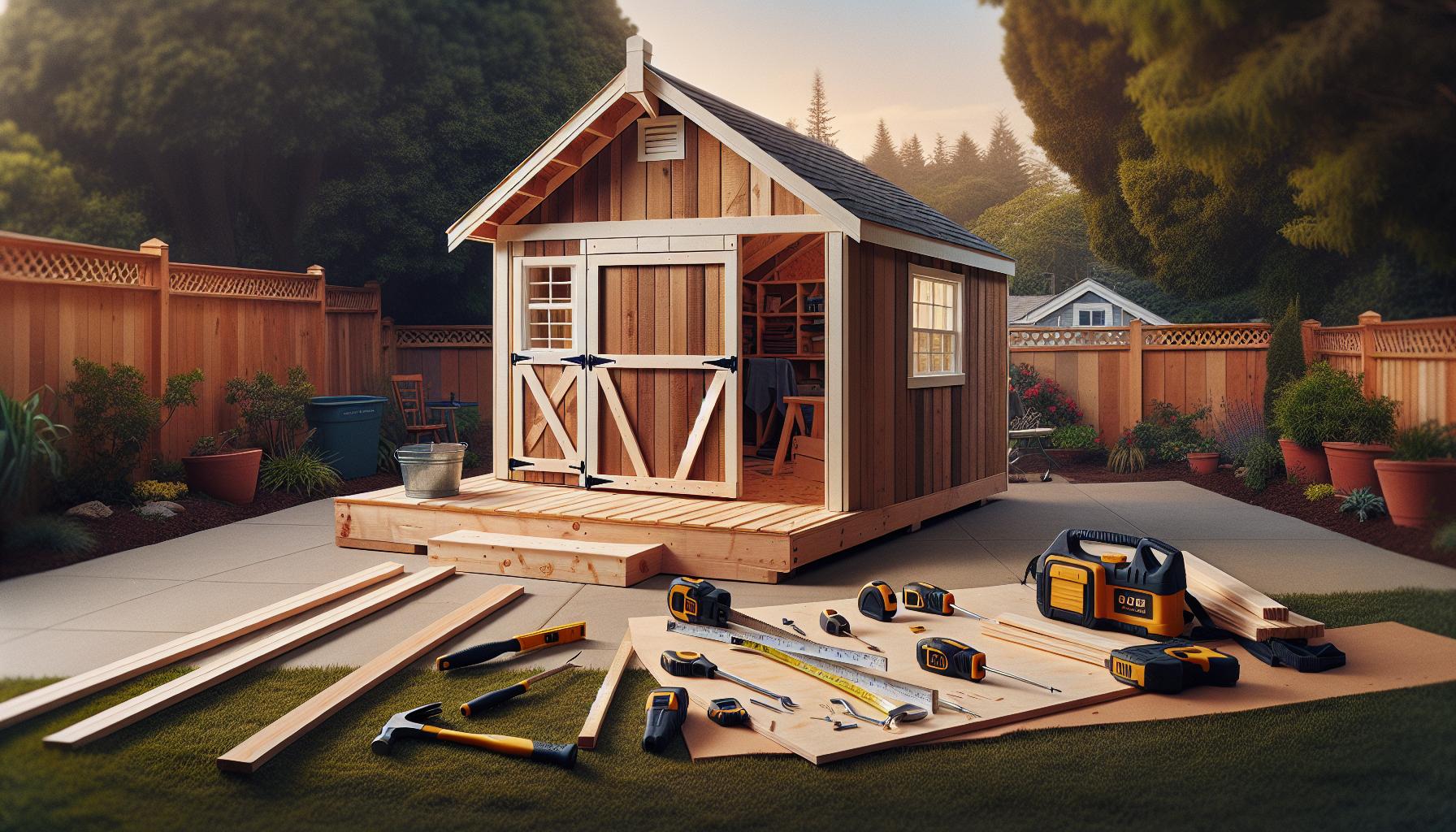
Building a solid ground support system for your shed can be a daunting task, especially with so many options available. A strong foundation is crucial for ensuring your structure remains stable, level, and protected from moisture. This guide offers essential tips for creating a reliable shed base that stands the test of time, making your DIY project manageable and successful.
Understanding the Importance of a Solid Foundation for Your Shed
A well-constructed foundation is the cornerstone of any shed, influencing not only its longevity but also the overall functionality of the space. Without a solid base, even the sturdiest shed materials can suffer from structural issues like warping, shifting, and decay. This is notably significant to note if you plan on using your shed for storing valuable tools, equipment, or as a workshop. The foundation serves to elevate the structure above the ground, protecting it from moisture, pests, and other weather-related damage.
When considering how to build ground level support for a shed, it’s essential to understand the various types of foundations available. Options include concrete pads, gravel bases, and pier systems, each with its advantages and applications. For instance, a concrete slab provides a solid, level surface ideal for heavy equipment storage, while a pier foundation can be more appropriate for uneven terrain. Assessing your specific needs,the type of soil,and local climate conditions will help guide you in choosing the right foundation type.
Key Benefits of a Solid Shed Foundation:
- Moisture Protection: Elevates the shed off the ground, preventing water from pooling underneath.
- Structural Stability: Reduces the risk of movement or shifting over time, keeping your shed secure.
- Pest Deterrence: A raised foundation makes it harder for rodents and insects to access the interior.
- Increased Longevity: Prevents rot and decay that can arise from constant contact with wet ground.
It’s also crucial to consider local regulations and soil conditions when implementing solid foundation tips. Certain areas may require specific types of foundations based on zoning laws or soil stability assessments. Proper site preparation, including soil compaction and drainage considerations, can enhance the foundation’s effectiveness, ensuring that your shed remains a functional and safe space for years to come. By investing time and resources into creating a robust foundation, you’re not only protecting your investment but also enhancing the overall utility of your shed.
Choosing the Right Location: Factors to Consider
Selecting the ideal spot for your shed is crucial to ensuring its longevity and usability. A well-chosen location not only affects the structural integrity of your build but also how easily you can access and maintain it in the future. Factors such as sunlight, drainage, and proximity to utilities should all be weighed carefully. By considering these elements, you can lay the groundwork for a successful DIY project and avoid potential pitfalls down the line.
Key Considerations for Location
When deciding where to place your shed, take note of the following factors:
- Ground Level: Choose a site that is close to level. A location that slopes can lead to water accumulation under the shed, jeopardizing its stability.
- water Drainage: It’s imperative to avoid areas prone to flooding or pooling water. Not only can this cause structural damage, but it can also create a breeding ground for pests.
- Sunlight Exposure: Consider how much sunlight the shed will receive. Adequate sunlight can help prevent moisture build-up in the shed and keep it dry, while too much intense sunlight can deteriorate your materials over time.
- Accessibility: Ensure there is at least three feet of clearance around the shed for maintenance, accessibility, and ventilation. This space is important for activities like expanding your garden or performing upkeep on your shed itself.
- Proximity to Utilities: If you plan on using your shed for power tools or any electrical appliances, locate it near existing utilities without overextending power lines or cords.
By taking the time to evaluate these critical aspects,you will greatly enhance the longevity and functionality of your shed,enabling you to fully enjoy your investment without dealing with undue complications in the future. For practical insights from those who have tackled similar projects, platforms like Reddit provide community advice and firsthand experiences which can be incredibly valuable for planning your own shed foundation
Essential Materials for Building a ground-Level Support System
Building a reliable foundation for your shed is crucial, as it directly affects its longevity and usability. Utilizing the right materials not only ensures stability but also prevents issues like moisture damage and shifting over time. here’s a guide on the essential materials needed for constructing a sturdy ground-level support system for your shed,drawing from best practices on how to build ground-level support effectively.
Crushed Stone or Gravel
A solid base begins with crushed stone or gravel. this material serves multiple purposes: it provides excellent drainage, helps with leveling, and creates a stable platform for your shed. It’s advisable to lay down at least a 4-6 inch layer and compact it well to create a strong foundation. This will not only keep your structure safe from water damage but also reduce weed growth underneath your shed.
- Promotes good drainage
- Reduces moisture retention
- Easy to work with for leveling
Pressure-Treated Lumber
For the frame of your support system, pressure-treated lumber is essential.This type of wood resists rot and insect damage, making it an ideal choice for ground contact applications. Choosing the right dimensions, typically 2×4 or 2×6, will enhance stability. Constructing a grid using treated lumber beams will provide ample support points for the shed floor and prevent sagging over time.
| Dimension | Usage |
|---|---|
| 2×4 | For light structures, spacing every 24 inches |
| 2×6 | For heavier structures, spacing every 16 inches |
Concrete Blocks or Pavers
Concrete blocks or pavers can serve as sturdy support points, especially on uneven ground. They elevate the shed, preventing moisture intrusion from the ground.When using blocks, ensure they are level and on firm ground.you can use multiple blocks at each corner for added support. This method is particularly effective if you’re looking for an easy DIY solution without extensive excavation or grading.
- Prevents pest infestations
- Offers flexibility with adjustments
- durable and long-lasting
By using these carefully selected materials for building ground-level support, you will establish a solid foundation that not only meets the construction standards but also ensures durability and functionality for your shed. by following guidelines on how to build ground level support for a shed, you are taking the necessary steps to safeguard your investment and enjoy a dependable storage solution for years to come.
Step-by-Step Guide to Creating Your Shed’s Foundation
creating a robust foundation for your shed is essential for ensuring its longevity and stability. A well-constructed base not only elevates your shed above ground moisture but also provides a level surface, making assembly easier and reducing the risk of structural issues caused by settling. Below is a comprehensive guide to help you establish an effective ground-level support system for your shed.
Planning Your foundation
Begin by selecting an appropriate location for your shed. The area should be free from overhead obstructions like trees and power lines and preferably have good drainage.Once your site is ready, measure the dimensions of your shed, taking into account the type of foundation you’ll be using, as different foundations require varying amounts of space.
Next, choose a foundation type that suits your needs. Here are a few common options:
- Gravel Pad: A cost-effective and straightforward option, a gravel pad allows for excellent drainage.
- Concrete Slab: Ideal for larger sheds, this durable option provides a permanent foundation.
- Timber Skids: Perfect for smaller sheds, timber skids are an easy way to create a foundational support.
Gathering Materials and Tools
Once you’ve selected the foundation type, gather the necessary materials and tools. Here’s a basic list:
| Materials | Tools |
|---|---|
| Gravel or concrete | Shovel |
| Timber (if using skids) | Level |
| Landscape fabric (for gravel) | Tamp or hand tamper |
| Support blocks (optional) | Measuring tape |
Building the Foundation
After gathering your materials, it’s time to construct the foundation. Below are steps for creating a gravel pad,one of the most popular and effective types of shed foundations:
- Excavate the Area: Clear the site of grass,rocks,and debris,then excavate to a depth of about 4-6 inches,depending on the size of the gravel you intend to use.
- Lay Landscape Fabric: Place landscape fabric over the excavated area to prevent weeds from growing through.
- Add Gravel: Pour gravel into the area, evenly distributing it and ensuring it extends beyond the shed’s footprint for additional stability.
- Compact the Gravel: Use a tamp or hand tamper to compact the gravel, creating a firm base.
- Level the Surface: Check for level, making adjustments with additional gravel as necessary for a flat, uniform surface.
For other foundation styles, like concrete slabs or timber skids, the steps will vary slightly but generally involve ensuring the surface is level and stable.
By following these foundational steps and tips, you will set a solid base for your shed, which is crucial for maintaining its structure and usability over time. Always remember that taking the time to build an adequate foundation can prevent time-consuming repairs in the future.
Common Challenges and Solutions in Shed Foundation Construction
Building a durable foundation for your shed is essential, yet it can present several challenges that if not addressed, may compromise the overall integrity of the structure. One of the most common issues is dealing with uneven terrain. A slope or dips in the ground not only affects the shed’s alignment but can also lead to potential water pooling and structural damage over time. When constructing ground-level support for your shed, it’s crucial to assess your site thoroughly; leveling the ground appropriately will provide a strong base. consider using a string line and leveling tool to find high and low points, and then excavate or add soil as needed.
Another significant challenge is choosing the right foundation materials. While many DIYers might default to cinder blocks due to their accessibility and affordability, they can create complications, particularly in larger structures. These blocks may shift over time, leading to instability and misalignment. Instead, opting for pressure-treated timber skids or prefab shed bases can provide a more stable support system. When selecting materials, always prioritize durability and suitability for your specific habitat.
common Solutions to Foundation Problems
Here are a few recommended solutions to common issues faced during shed foundation construction:
- Prepping the Site: Clear the area of debris, high grass, and roots to ensure a clean, level surface for your foundation.
- utilizing Proper Drainage: Incorporate a drainage system around the shed’s perimeter to prevent water from pooling, which can lead to rot and foundation erosion.
- Regular Maintenance: Inspect the foundation periodically. Look for signs of settling or shifting, and adjust as necessary by adding soil or securing loose blocks.
- Choosing the Right Foundation Type: Depending on your shed’s size and local climate, consider a concrete slab, a wooden platform, or piers to provide adequate support.
moreover, execution of these strategies frequently enough involves measuring and verifying alignment at each step to ensure everything fits as planned. Using a simple tool chart can help you keep track of your foundation materials and tools needed:
| Tool/material | Purpose |
|---|---|
| Leveling tool | To ensure the foundation is level |
| Shovel | For digging and leveling the ground |
| Concrete blocks or timber | For building the base |
| Drainage pipes | To facilitate proper water management |
By anticipating these challenges and employing effective solutions, you can create a solid foundation that not only secures your shed but also prolongs its lifespan, reflecting the importance of choosing the right approach from the outset.
Enhancing Stability: Techniques for Reinforcements
Building a sturdy support structure for your shed is crucial for ensuring its longevity and stability. Much like a solid foundation for a building, a well-planned reinforcement system can significantly enhance the durability of your shed, safeguarding it against environmental stresses such as wind, rain, and snow. Implementing the right techniques for ground level support not only improves the physical lifespan of your shed but also optimizes its usability.
One effective approach to enhancing the stability of your shed is to use pressure-treated lumber for all structural elements. This type of wood is specially treated to resist rot and insect damage, making it ideal for ground contact. Moreover, incorporating metal brackets at junction points can definitely help distribute weight more evenly, preventing sagging over time. Additionally, you might consider adding cross bracing. This technique involves installing diagonal supports between frames, increasing resistance to horizontal forces and ensuring the shed remains upright during extreme weather conditions.
- Foundation Types: Choose between concrete slabs, piers, or skids depending on local soil conditions and water drainage.
- Gravel Beds: Creating a gravel bed can enhance drainage and reduce the risk of rot in wooden components.
- Anchoring systems: Use ground anchors to secure the shed during high winds,particularly in storm-prone areas.
For those interested in understanding the long-term benefits, maintain a maintenance schedule that includes regular inspections of the support systems. Check for signs of wear, such as cracks in concrete or rust in metal fasteners, and address these concerns promptly. A table layout may be beneficial to keep track of inspection dates and maintenance tasks:
| Date | Task | Status |
|---|---|---|
| 01/01/2025 | Checked for wood rot | None Found |
| 02/15/2025 | Inspected metal brackets | Rust on one bracket |
| 03/30/2025 | Reinforced foundation supports | Completed |
By adopting these solid foundation tips, you’ll ensure your shed remains a reliable asset for years to come. The combination of thoughtful material choices, construction techniques, and ongoing maintenance creates an unshakeable support system, echoing the principles of how to build ground level support for a shed effectively.
Final Touches: Ensuring Longevity and Durability of Your Shed’s Foundation
To extend the lifespan of your shed’s foundation, understanding the final touches is crucial. A well-constructed foundation not only supports the structure but also enhances its resistance to the elements. Proper steps taken post-construction can safeguard your investment, ensuring that it remains stable and functional for years to come.
Lasting Protection Against Moisture
One of the primary threats to a shed foundation is moisture. Water accumulation can lead to wood rot, mold growth, and weakened stability.To combat this, consider the following strategies:
- Grading: Ensure that the ground around your shed is graded away from the foundation. This allows water to drain naturally, preventing pooling.
- Drainage Systems: Implementing a proper drainage system, such as French drains or catch basins, can definitely help redirect water runoff away from the foundation.
- Sealing and Wrapping: Use moisture-resistant barriers or sealants on wooden beams and blocks. This extra layer of protection will help fend off moisture damage.
Regular Maintenance Steps
Setting a maintenance schedule is an effective way to ensure the longevity of your shed’s foundation. Regular check-ups can mitigate small issues before they escalate into major problems. consider these actions:
- Visual Inspections: Periodically inspect the foundation for signs of settling or shifting. Look for cracks or gaps that could signal underlying problems.
- Cleaning Gutters: Ensure that rain gutters are clean and functioning correctly. Clogged gutters can lead to overflowing water that may pool around your shed.
- Trimming Vegetation: Keep shrubs and trees trimmed back. Roots can penetrate foundations, and overhanging branches can lead to damage during a storm.
Long-term Enhancements
For your shed’s foundation to withstand the test of time, consider making long-term enhancements to its overall resilience:
- Using Reinforced Concrete: If you’re constructing a new foundation, using reinforced concrete can add considerable strength and durability against shifting soils.
- Installing a Floating Foundation: For regions with extreme weather, a floating foundation can provide optimal stability by adapting to ground movements.
- Building with Quality materials: Invest in pressure-treated lumber or concrete treatments that resist rot and pests, further enhancing durability.
By applying these final touches and long-term strategies, you not only protect your shed’s foundation but also ensure a sound structure for your storage or workspace needs.
Faq
How to Build Ground Level Support for a Shed: Solid Foundation Tips?
Building ground level support for a shed requires careful planning and execution. Begin by selecting an appropriate level area, ensuring proper drainage and stability. Consider using concrete blocks,gravel,or treated lumber as foundation materials.
Choosing the right foundation is crucial for the longevity of your shed. Foundations that allow airflow and drainage help prevent moisture buildup and decaying materials.For more insights on foundation options,you can explore our detailed guide on shed foundations.
What is the best foundation type for a shed?
The best foundation type for a shed often depends on its size, location, and intended use. Common options include concrete slabs, gravel pads, and skids made of treated lumber.
A concrete slab offers excellent support but can be costly and labor-intensive. Alternatively, a gravel pad is easier to create and provides good drainage. Assess your specific needs before deciding.
Why does a shed need a solid foundation?
A solid foundation is essential for a shed to ensure stability and protection against the elements. It helps distribute weight evenly and prevents uneven settling.
Without a proper foundation, sheds can tilt or sink, leading to structural issues over time. moreover, a strong foundation aids in moisture control, protecting your shed’s contents from dampness.
Can I install a shed without a foundation?
If you choose to forego a foundation, ensure your shed is lightweight and placed on a flat, well-draining surface. However, for best results, consider lightweight foundations to avoid potential issues with shifting or rot.
How to prepare the ground for a shed foundation?
Then, use stakes and string to outline the shed’s perimeter, ensuring it is square. Compact the soil to create a firm base, and if necessary, add a layer of gravel for better drainage. Proper ground preparation is crucial for a lasting support system.
What materials are best for shed foundations?
When selecting materials, consider factors such as cost, availability, and the specific requirements of your shed. Using treated wood is advisable if you choose wooden skids or beams to resist rot and pests.
How to ensure proper drainage for a shed foundation?
Additionally, incorporate gravel or drainage trenches around the foundation. Using perforated pipe systems can further enhance drainage capabilities. Adequate drainage protects your shed’s foundation from erosion and water accumulation.
In retrospect
establishing a solid foundation for your shed is crucial to ensure its longevity and stability. By carefully selecting the right location and preparing the ground through proper excavation and leveling techniques, you set the stage for a successful build. Remember to consider factors such as drainage, the load-bearing capacity of the ground, and the necessity of a perimeter for added support. Embrace the challenge, knowing that each step you take brings you closer to a finished product that reflects your craftsmanship and dedication.
Whether you’re a seasoned diyer or just starting out, take the time to explore different foundation options that suit your needs—be it gravel, concrete blocks, or a more traditional concrete slab. Don’t hesitate to reach out for further guidance or share your experiences. Your project can inspire others and foster a community of builders taking pride in their work. The journey doesn’t end here; dive deeper into our resources and equip yourself with more tips and tricks for your next shed construction endeavor!
Get our latest guides, news, and insights highlighted in your Google Search & AI Overviews.