


Are you struggling to find the perfect storage solution that caters to your specific needs? Building a custom shed allows you to create a personalized space that maximizes functionality and aesthetics. In this article, we’ll guide you through designing and constructing a tailored shed that fits your unique requirements, helping you reclaim your outdoor space efficiently.
Understanding Your shed Needs: Assessing Functionality and Space Requirements
When embarking on the journey of constructing a shed, understanding your specific needs is critical to ensure that the final build not only fits your style but also serves its intended purpose effectively. A well-planned shed can be much more than just a storage space; it can become a workshop, a hobby area, or even a cozy retreat in your backyard. Identifying how you plan to use the shed is the first step in creating a design that meets those needs.
Assessing Functionality
To effectively determine the functionality of your shed, consider the following questions:
- What will the primary use be? (e.g., storage, workshop, garden shed, art studio)
- What specific items or equipment will you store inside?
- Do you require electrical outlets for tools or lighting?
- How often will you access the shed, and do you need additional features for convenient access?
These questions not only clarify your primary needs but also help prioritize certain aspects of the design, such as shelving, work surfaces, or insulation. As an example, if you plan to store larger garden equipment, you will wont to ensure that the height and width of the shed accommodate these items easily.
Space Requirements
Evaluating your available space is equally crucial. Begin by measuring the area where you plan to build the shed. Think about both the shed’s footprint and the surrounding space necessary for accessibility and maintenance. Additionally, it’s beneficial to consider local zoning regulations or homeowner association guidelines which may dictate the maximum allowable size or placement.
Create a simple table to summarize the dimensions and uses you envision for the shed:
| dimension | Purpose | Notes |
|---|---|---|
| 8×10 ft | Garden tools storage | Basic shelving needed |
| 12×16 ft | Workshop | Electrical outlets needed |
| 10×12 ft | Hobby space | Windows for natural light |
Incorporating these key elements into your planning phase enhances your understanding of how to build a custom shed that truly meets your unique needs. By assessing both functionality and space requirements, you can create a personalized design that aligns perfectly with your lifestyle and enhances your property’s utility. This thoughtful approach ensures that your shed will not only fit well on your property but will also serve its intended purpose for years to come.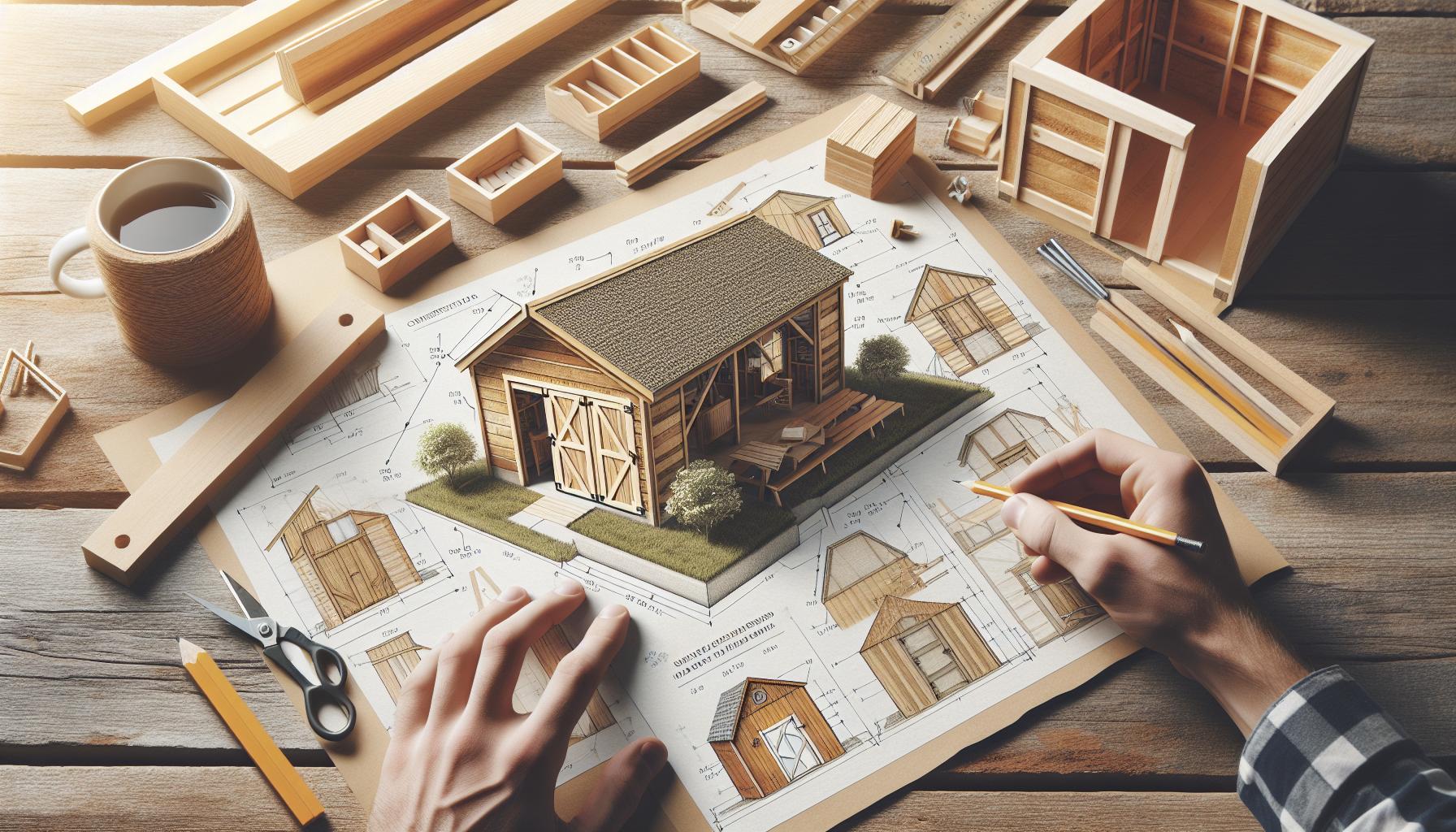
Choosing the Right Materials: Durability Meets Aesthetic appeal
selecting the right materials is paramount when constructing your custom shed, as it directly impacts both its longevity and visual appeal. Whether you envision a rustic retreat in the backyard or a sleek,modern workspace,the materials you choose forge the foundation for your personalized design. With a myriad of options available, understanding the attributes of each material will help you navigate this critical decision-making process.
wood: Timeless Beauty and Versatility
Wood is a classic choice for shed construction owing to its aesthetic charm and versatility. It can be stained or painted in any color, allowing for seamless integration with your home or garden. Hear’s a speedy comparison of common types of wood:
| Type of Wood | Durability | Aesthetic Appeal | Cost |
|---|---|---|---|
| Cedar | High | Rich color, aromatic | Medium to High |
| Pine | Medium | Light color, paintable | Low to Medium |
| Redwood | Very High | Stunning grain patterns | High |
For those seeking a natural look, cedar and redwood are excellent due to their resistance to rot and insects. Conversely, if budget constraints are a priority, pine provides a cost-effective solution, but will require protective treatments to enhance durability over time.
Metal: strength Meets Low maintenance
For a more modern and industrial appeal, metal shed materials such as galvanized steel or aluminum are gaining popularity. These materials are exceptionally durable,resistant to pests,and require minimal upkeep. They can also be treated with finishes that prevent rusting and enable a variety of colors for aesthetic personalization.
When opting for metal, consider the following advantages:
- Long-lasting durability: Metal structures can withstand harsh weather without warping or cracking.
- Fire resistance: Metal is non-combustible, adding a layer of safety to your shed.
- Recyclability: Choosing metal contributes to sustainable building practices, as it’s often made from recycled materials.
Vinyl and Composite Materials: The New Age Solution
Vinyl and composite materials have surged in popularity for their combination of durability and low maintenance. These materials resist fading, peeling, and rotting, making them an excellent choice for individuals looking for longevity without excessive care.
Significantly, composite materials come in various colors and styles, allowing you to achieve the aesthetic you desire while enjoying the benefits of modern engineering. For instance, companies manufacture composite siding that mimics the look of wood without the drawbacks, ensuring that your shed remains appealing year after year.
Ultimately, understanding the interplay between aesthetics and durability will guide you in making informed decisions as you embark on the journey of building a custom shed that not only meets your functional needs but also complements your personal style and enhances your outdoor space.
Designing Your Custom Shed: From Blueprint to Beautiful Structure
The journey to creating your dream shed begins long before the first nail is driven into the wood; it starts with careful planning and design.A custom shed tailored to your specific needs is an embodiment of personalization and functionality. By mapping out your vision clearly,you can ensure that the final structure is not only beautiful but also serves its intended purpose seamlessly.
Understanding Your Needs
Before diving into design sketches, take time to assess what you actually need. Asking yourself the right questions can significantly influence your design process. Here are some considerations to keep in mind:
- Purpose: What will the shed primarily be used for? Storage, a workshop, or perhaps a hobby space?
- Size: how much space do you require? Consider both internal and external dimensions in relation to your yard.
- Style: What architectural style will complement your home? Is it modern,rustic,or something in between?
- Budget: What total investment can you afford? Include materials,labour,and any additional features.
By answering these questions, you’ll create a solid foundation that influences every decision in the design process.
Blueprint to Design
Once you have a clear idea of your requirements,sketching a blueprint is the next crucial step. This is where imagination meets practicality.Using software tools or even simple graph paper, outline your design ideas. Consider the following elements:
- Dimensions: Ensure your measurements correspond to the space available and the items you plan to store.
- Materials: Choose materials that suit your aesthetic desires and functional requirements.
- Features: Plan for windows, doors, and any internal shelving or electrical needs.
Using a table can help you weigh the pros and cons of various materials:
| Material | Pros | Cons |
|---|---|---|
| Wood | Classic look, customizable, good insulation | Requires maintenance, can rot |
| Metal | Durable, no maintenance, fire-resistant | Metal can rust, may not blend with surroundings |
| Vinyl | Low maintenance, various styles | Less durable than metal or wood |
As you finalize your design, consider reaching out to professionals or local builders for insights or mock-ups. Collaborating with those who have experience in building custom sheds can reveal practical solutions or new ideas that enhance your original vision. Taking the time to create a thoughtful blueprint ensures your custom shed not only meets your needs but becomes a beautiful addition to your property.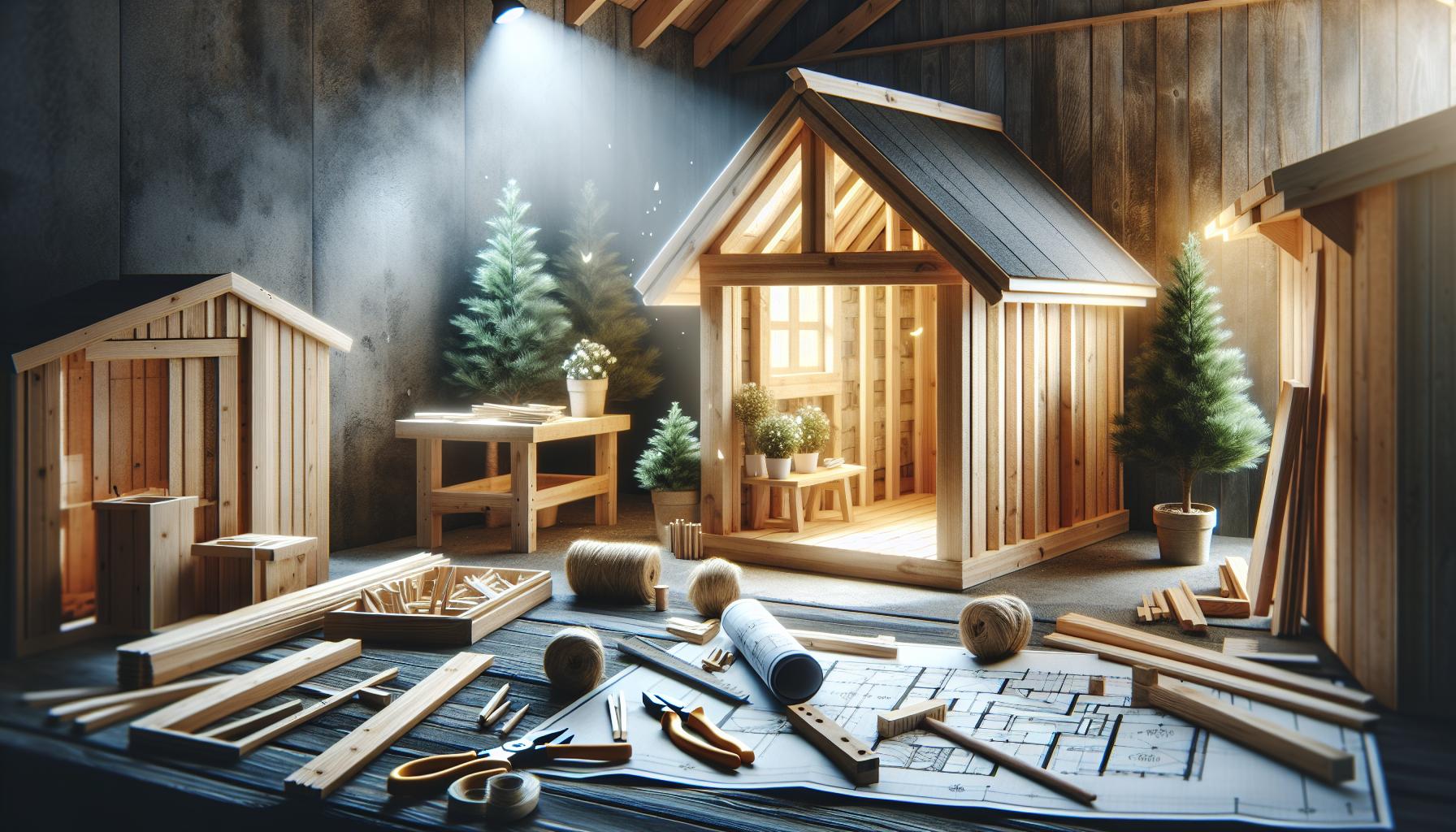
Essential Tools for Shed Building: What You’ll Need to Get Started
When embarking on the adventure of constructing your own shed, the right tools can make or break your project. Ensuring you have all the necessary equipment not only streamlines the building process but also enhances the quality of your custom design. To create a structure that meets your precise needs, it’s vital to equip yourself with the essential tools before you even break ground.
Basic Hand Tools
Every builder needs a reliable set of hand tools. These are the backbone of any shed construction project. here’s a list of the fundamental tools you’ll need:
- Hammer: For driving nails and assembling structures.
- Screwdriver Set: A mix of flathead and Phillips screwdrivers will help with various fasteners.
- Measuring Tape: Accurate measurements are crucial for fitting components together seamlessly.
- Level: Ensures your shed will stand straight and not be lopsided.
- Square: For making precise right angles, essential in framing your shed.
Power Tools for Efficiency
While hand tools are indispensable, power tools take your shed-building skills to the next level, greatly reducing physical strain and time spent on each task. Equip yourself with the following:
- circular Saw: Ideal for cutting wood quickly and accurately. It’s essential for making the frame and roof panels.
- Power Drill: Enables quicker drilling of holes and fastening screws, especially helpful when adding shelving or reinforcement.
- Jigsaw: Perfect for cutting curves or complex shapes, especially if your custom shed design includes unique features.
- Table Saw: Offers precise cuts for larger wood pieces, which is crucial for uniformity in your shed’s construction.
Safety Equipment
Never underestimate the importance of safety when building a custom shed. wearing the right protective gear can prevent accidents while you create your perfect space. Essential safety items include:
- Safety Glasses: Protect your eyes from wood chips, dust, and debris.
- Work Gloves: Provide grip and protection from splinters and sharp edges.
- Dust Mask: Prevent inhalation of sawdust and other particles, promoting a safer work surroundings.
Organizational Tools
Keeping your workspace organized is crucial for both efficiency and safety. Here are some tools to help you stay on track while building:
- Tool Belt or Apron: Keeps your essential tools within easy reach, saving you time.
- Storage Totes/bins: Helpful for organizing screws, nails, and other small components, preventing loss and ensuring you have what you need on hand.
Having these essential tools at your disposal is the first step in mastering how to build a custom shed tailored to your specific needs. Proper readiness not only makes the building process smoother but also inspires creativity as you bring your personalized designs to life.
Step-by-Step Guide to Shed Construction: Building with Confidence
Building your own shed can be an incredibly rewarding project,providing additional storage space and enhancing your property’s overall value. The journey to constructing a custom shed tailored to your specific needs begins with careful planning and the right materials. With a little confidence and the right guidance, you can transform an idea into a well-built structure that fits perfectly in your yard. below, you’ll find a step-by-step guide to shed construction, ensuring that you build with both effectiveness and efficiency.
Planning and Preparation
Before lifting a single hammer, it’s essential to spend time in the planning phase. This includes selecting the appropriate design that meets your storage requirements and fits your property’s aesthetic. Here are key factors to consider during this stage:
- Location: Ensure the site is relatively flat and avoids areas prone to water accumulation.
- Size: Determine the dimensions based on what you intend to store. Common sizes include 10’ x 10’ and 12’ x 20’.
- Materials: Choose durable materials that withstand the elements, such as treated wood or metal siding.
- Permits: Check local building codes for any necessary permits to avoid future complications.
Foundation and Structure
A strong foundation is crucial for any shed. Depending on your design and budget,you may choose to build a concrete slab or use wooden skids. Begin by leveling the ground to create a solid base. Follow this up with constructing the floor frame:
1. Lay out the perimeter using treated lumber.

2. Secure the corners with nails or screws.3. Install floor joists at regular intervals to support the structure.
Once the foundation is ready, proceed to frame the walls. This typically involves:
- Constructing wall panels on the ground.
- Erecting these panels and securing them to the floor.
- installing headers for door and window openings.
Roofing and Finishing Touches
After the structure is framed, attention will turn to the roof, which is vital for protecting your belongings from the elements. You can opt for pitched or flat roofs depending on your design preferences. Roof trusses can be prefabricated or built on-site. Install shingles or metal roofing for durability.
focus on the finishing touches:
| Feature | Description |
|---|---|
| Doors | Consider double doors for easier access for larger items. |
| Windows | Add windows for natural light; ensure they are secure to prevent break-ins. |
| interior | Add shelves and organizational systems tailored to your storage needs. |
With every step executed with care, you’ll end up with a custom shed that not only meets your storage needs but also complements your home’s landscape. The satisfaction of completing such a project will leave you with a sense of accomplishment and the confidence to tackle more DIY endeavors in the future.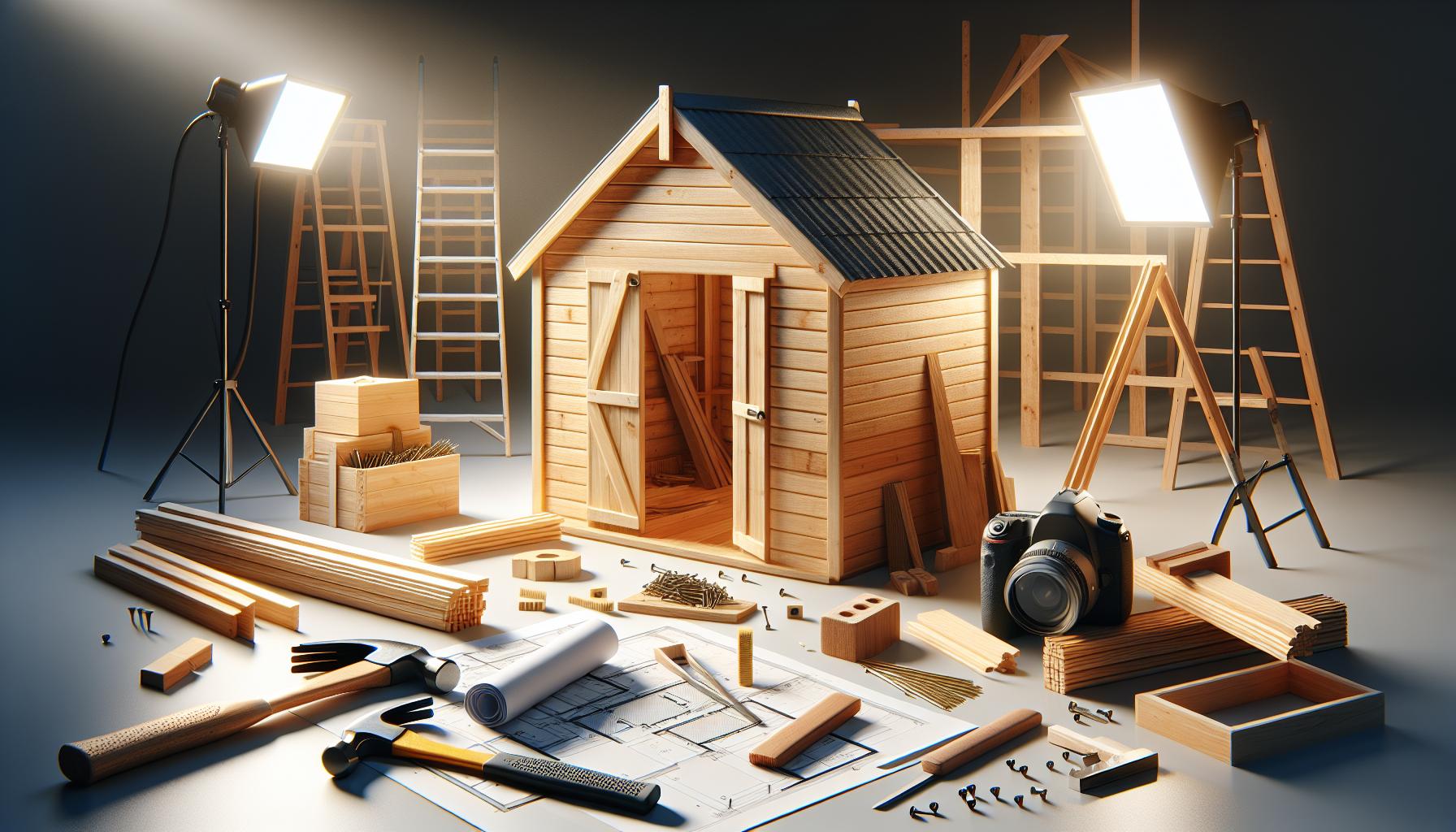
Customizing Interiors and Exteriors: Personal Touches That Matter
Building a custom shed not only enhances your outdoor space but also allows you to create a unique reflection of your personality and needs. Customizing both the interiors and exteriors of your shed can transform it from a simple storage unit into a functional and aesthetically pleasing addition to your property. This personalization ensures that every element, from the materials used to the layout, serves a specific purpose aligned with your lifestyle.
Exterior Customization: Making a Statement
The exterior of your shed is the first thing everyone will see, which is why it’s essential to make it visually appealing and cohesive with your home and surroundings.Here are some ways you can enhance the appearance of your shed:
- Color Choices: Choose a color scheme that complements your house. Bold hues can make a statement, while softer tones can blend it seamlessly into the landscape.
- Roof Styles: Opt for classic gable roofs or modern flat-roof designs. The roof style can significantly affect your shed’s overall look and functionality.
- Landscaping: Incorporate landscaping features around your shed. Flowers, shrubs, or even a small path leading to the entrance can create an inviting atmosphere.
- Decorative Elements: Adding shutters, hooks for tools, or outdoor lighting can enhance functionality while providing aesthetic appeal.
Interior Customization: Tailoring Functionality
The interior layout should cater to your specific requirements, whether it’s for gardening tools, a workspace, or a hobby area. Here are some effective interior customization ideas:
- Modular Shelving: Install adjustable shelving units to maximize vertical space and keep items organized.
- Work Benches: If you’re using your shed as a workshop, having a sturdy workbench with built-in power outlets makes for an efficient workspace.
- Lighting: Install adequate lighting fixtures,such as LED lights or natural skylights,to brighten up the space,making it inviting for various projects.
- Insulation: Consider insulating the walls and ceiling if you plan to use the shed for work or leisure. This will improve climate control, making the space comfortable year-round.
Customizing the interiors and exteriors of your shed allows you to craft a space that reflects your life and enhances both utility and visual appeal. For instance, a gardening enthusiast might prioritize open shelving for tools and plant storage, while a craftsman may opt for a dedicated workspace with diverse shelf configurations.Whatever your needs,personalizing your shed helps build a unique environment tailored just for you.
Common Challenges in Shed Building and How to Overcome Them
Building a custom shed can empower you to create a unique space that perfectly suits your needs, but the journey to that dream can often be fraught with obstacles. From zoning regulations to material selection, it’s essential to anticipate potential challenges and learn how to navigate them effectively. Understanding these hurdles not only prepares you for the building process but also enhances your overall experience when creating a personalized design.
Understanding Local Zoning regulations
One of the most common challenges faced by those embarking on the journey of shed construction is the need to comply with local zoning laws. These regulations can dictate the size, height, and even the location of your shed on your property. Many homeowners find themselves facing unexpected fines or forced alterations when they neglect to adequately research these requirements beforehand.
To avoid this pitfall, take the following steps:
- Contact Local Authorities: Reach out to your local building department for guidelines on shed construction.
- Verify Property Lines: Use a property survey to ensure your shed doesn’t encroach on your neighbor’s land.
- Gather Necessary Permits: Ensure that you acquire any required building permits well in advance of construction.
A proactive approach will save you time, money, and stress throughout the building process, allowing you to focus on crafting the perfect custom shed.
choosing the Right Materials
Selecting the appropriate materials for your shed can be a daunting task,especially with the variety available on the market. Differentiating between quality and budget-kind options is crucial, as it impacts the longevity and functional capacity of your shed.
| Material Type | Pros | Cons |
|---|---|---|
| Wood | Can be aesthetically pleasing and easy to customize. | Requires regular maintenance to prevent rot and pests. |
| Metal | Durable and fire-resistant. | May be prone to rust and less visually appealing. |
| Vinyl | Low maintenance and resilient against weather elements. | may lack the customary feel some homeowners prefer. |
To overcome material selection challenges, it’s beneficial to weigh the pros and cons thoroughly. Consider how each material aligns with your vision for a custom shed, and don’t hesitate to consult with experts who can offer insights based on experience.
Planning for Weather and Site Conditions
Another meaningful challenge in shed building is preparing for variable weather conditions and site specifics. Rain, wind, or an uneven building site can throw a wrench into even the best-laid plans.
To mitigate these issues, follow these tips:
- Site Assessment: Evaluate your site for drainage capabilities and ground stability before starting.
- Weather Considerations: Choose a building schedule that avoids extreme weather seasons.
- Invest in Quality Tools: Using the right tools will help you adapt to site conditions more efficiently.
For instance, if you’re in a region prone to heavy rains, consider elevating the shed design and installing proper drainage. Being proactive and responsive to the environmental factors at play can make a significant difference in your building experience and the durability of your custom shed.
By preparing for these common challenges in shed construction, you set a solid foundation for creating a functional and visually appealing space tailored to your needs. Each obstacle can be an prospect for learning, ultimately leading to a more rewarding experience in bringing your shed vision to life.
maintaining Your Custom Shed: Tips for Long-Lasting Enjoyment
Creating a custom shed is just the beginning; the real satisfaction comes from using it for years to come. A well-maintained shed not only preserves its aesthetic appeal but also extends its lifespan significantly. To ensure that your investment serves you well and continues to meet your needs, it’s essential to adopt a proactive maintenance routine tailored specifically for your custom structure.
Regular Inspections
Perform regular check-ups on your shed, ideally every season, to identify and address potential issues before they escalate. Look for signs of wear and tear, such as:
- Roof condition: Inspect for missing shingles or leaks that could lead to water damage.
- Wood condition: Check for signs of rot or pest infestations; treat or replace as necessary.
- Doors and windows: Ensure they open and close smoothly and that seals are intact to prevent moisture entry.
Cleaning Routine
Dedicate time at least twice a year for a thorough cleaning of your shed. Accumulated dust, debris, and mold can hasten deterioration. A simple cleaning regimen should include:
- Exterior wash: Use a gentle soap solution and a soft-bristled brush to clean the exterior surface.
- Debris removal: Clear away leaves, dirt, and any obstructions around the shed’s perimeter to prevent water accumulation.
- Interior declutter: Organise tools and equipment to keep the interior functional and prevent any clutter that could lead to accidents.
Protection Against Elements
given that your custom shed is subjected to various weather conditions,safeguarding it against the elements is crucial. Here are some effective strategies:
| Weather Condition | Protection Tips |
|---|---|
| Rain | Ensure proper drainage around the shed, and consider applying a water-resistant sealant to the wood. |
| Snow | Remove accumulated snow on the roof regularly to prevent excess weight and damage. |
| Sun | Use UV-resistant coatings on wood surfaces to protect against fading and cracking. |
Incorporating these practices into your routine will ensure that your custom shed remains a valuable asset for years, allowing you to enjoy it fully, whether for storage, a workshop, or a cherished hobby space. Remember,the better care you take of your shed,the more it will continue to meet your exact needs.
Faq
How to Build a Custom Shed: Personalized Designs for Your Exact Needs?
To build a custom shed tailored to your needs,start by assessing the space available and determining your specific requirements,such as size,purpose,and materials. Then, create a design and gather necessary permits before beginning construction.
Understanding your specific needs helps you make informed decisions about the design and dimensions of your shed. For example, a garden shed may require ventilation for plants, while a storage shed may need shelving. Consultation with local building codes is essential to ensure compliance.
What is the best material for building a custom shed?
The best materials for building a custom shed frequently enough include wood, metal, and vinyl. Each material has unique advantages, such as durability, aesthetics, and maintenance requirements.
Wood provides a classic look but requires more upkeep. Metal is strong and requires minimal maintenance, making it ideal for harsher climates. Vinyl sheds offer low-maintenance options and come in various colors. Researching these materials helps you choose the best one for your specific needs.
Can I design my own custom shed plan?
Yes, you can design your own custom shed plan using various online tools or drawing software. Personalizing your design allows you to incorporate special features or dimensions that suit your needs.
Many DIYers choose to sketch their designs or use shed design software for more complex projects. Consider factors like door placement, window sizes, and interior organization. With patience, creating your own plans can be an enjoyable part of the shed-building process.
Why does building a custom shed save money?
Building a custom shed can save money because it allows you to choose materials and designs that fit your budget. You can also avoid labor costs by doing the work yourself.
While purchasing a pre-built shed may seem convenient, custom projects can be tailored to utilize local materials, reducing transportation costs. Additionally, by learning skills through this project, you can save on future renovations and maintenance.
What are the common challenges when building a custom shed?
Common challenges when building a custom shed include poor planning, ensuring proper foundation support, and adhering to local building codes. Addressing these issues early on is essential for a accomplished project.
measure twice and cut once to avoid material waste. Familiarize yourself with zoning regulations to prevent potential fines. To overcome construction hurdles, look for resources or guides that can help simplify complex tasks, ensuring your build goes smoothly.
How long does it take to build a custom shed?
Building a custom shed typically takes anywhere from a few days to several weeks, depending on the design complexity, your skill level, and available help. A straightforward design can be completed much faster than a more elaborate one.
Planning is key to effectively managing your time frame. Factor in preparation tasks like obtaining permits and site preparation. Having a clear schedule helps you stay on track and fosters a sense of accomplishment as you see your shed come together.
Can I insulate my custom shed for year-round use?
Yes, you can insulate your custom shed for year-round use, making it suitable for various purposes like a workshop or guest house.Proper insulation enhances temperature regulation and energy efficiency.
Common insulation materials include fiberglass, foam boards, and reflective barriers. Insulating walls, roofs, and floors can make a significant difference in temperature control. Consider adding heating or cooling solutions if you plan to use the shed frequently throughout the year.
Insights and Conclusions
building a custom shed tailored to your specific needs is not just a rewarding project but also a way to enhance your outdoor space and functionality. As we’ve explored, planning is key — understanding your requirements and choosing the right materials can set the foundation for success. Remember to advocate a thoughtful design, taking into account how you’ll use the shed and the layout that will best serve those purposes.
Don’t shy away from the challenges that may arise; every DIY project has its hurdles, but with the right approach and a bit of patience, you can overcome them. Utilize our tips on tools and techniques to simplify your construction process, and know that quality craftsmanship is achievable regardless of skill level. Engaging with the process will help build your confidence, transforming what might seem intimidating into an exciting opportunity for personal expression and practical utility.
We encourage you to roll up your sleeves and dive into your own custom shed project. Explore additional resources, share your progress, and connect with fellow DIY enthusiasts in the community. Your journey begins now — let your creativity shine and create a shed that is truly your own! Happy building!
Get our latest guides, news, and insights highlighted in your Google Search & AI Overviews.


