Choosing the right professional to build your shed can feel overwhelming, but finding the perfect fit is essential for a prosperous project. With a variety of builders offering unique designs and features, understanding who can best meet your needs ensures a quality investment that enhances your home and landscape.
Understanding What Type of Shed You Need for Your Space
When it comes to shed construction,understanding the specific needs that dictate the type of shed suitable for your space is essential.A well-chosen shed can not onyl enhance your property’s appearance but also serve practical purposes,from storage solutions to creating personal retreats. The first step is assessing your requirements, which vary greatly depending on what you intend to use your shed for.
Assessing your Needs
Begin by determining the primary function of your shed. Here are common uses that influence shed design:
- Storage: for storing tools,garden supplies,and seasonal decorations,a simple storage shed with sufficient shelving can suffice.
- Workshops: If you plan to use the shed as a workshop, consider features like electricity and built-in workbenches.
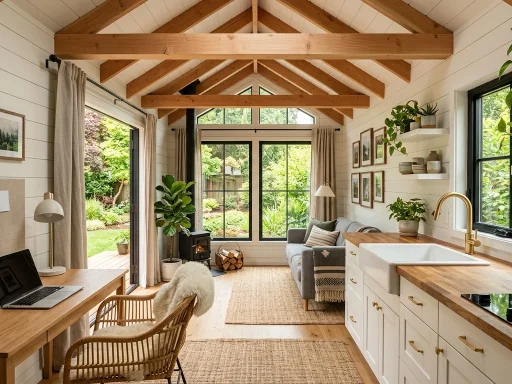
- Personal Spaces: Sheds can easily be transformed into cozy home offices or hobby rooms,requiring insulation and efficient lighting.
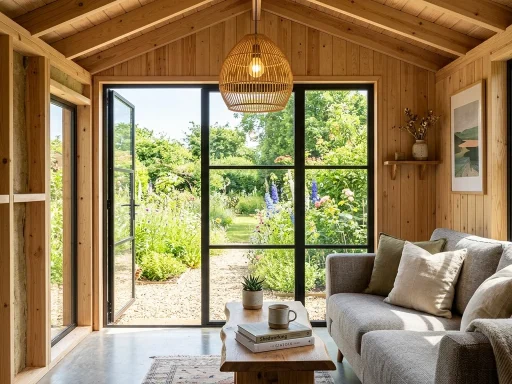
- Garden Features: Garden sheds that blend with the landscape can provide space for potting plants or storing outdoor gear.
reflecting on these uses will guide you toward the right design and features. Once you have a clear idea of functionality, consider your space constraints. Measure the area where you plan to place the shed to ensure an ideal fit that does not overwhelm your garden or patio.
Choosing the Right Materials and Design
The next step is to decide on the construction materials and design elements that best fit your aesthetic preferences and functional needs. Popular options include:
- Wood: Offers a natural look and can be customized to fit your style.
- Metal: Known for durability and low maintenance, suitable for harsh weather conditions.
- Vinyl: Provides excellent weather resistance and varied color choices.
Moreover, think about architectural features like windows, doors, and the roof type, which can all enhance functionality and style.For example, dormer windows can provide additional natural light, while double doors may facilitate easier access for larger items.
Professional Assistance and Final Considerations
Engaging a professional to help build your shed is a crucial part of the process. Understanding who builds sheds and finding a qualified contractor can ensure your project is completed correctly and efficiently. It’s essential to define your parameters clearly when discussing your project with professionals,as this allows them to provide you with tailored solutions. Consider asking potential builders about their experience, references, and examples of past projects.
Ultimately, selecting the right type of shed tailored to your needs involves careful consideration of its purpose, dimensions, materials, and design elements. by preparing adequately and collaborating with the right builders, you can transform your shed vision into reality, enhancing both functionality and appearance in your outdoor space.
Key Qualities to Look for in Shed Builders
When embarking on the journey to construct your dream shed, one of the most critical decisions is choosing the right builder. The shed-building process is not just about materials; it reflects craftsmanship, attention to detail, and the ability to translate your vision into reality. Here are the essential qualities to consider that can considerably impact the final outcome of your project.
Experience and Expertise
selecting a shed builder with a wealth of experience can greatly enhance the quality of your new structure. Experienced builders not only understand the nuances of different materials and designs but also have honed their skills over numerous projects. Look for builders who have a portfolio that showcases their past work, as this is a testament to their capabilities. A seasoned professional will be adept at troubleshooting issues and providing solutions that a less experienced builder might overlook.
Quality of Materials
The longevity and durability of your shed are heavily influenced by the materials used in its construction.Reputable builders will source high-quality materials that withstand weather elements and stress over time. As an example,companies like Beachy Barns emphasize using premium materials and meticulous craftsmanship in every shed they produce,ensuring your investment is sound and lasting [[1]].
Customization Capabilities
Another vital aspect to consider is how well the builder can customize your shed to meet your specific needs. Personalization not only enhances the aesthetic appeal of your space but also ensures the shed functions effectively for its intended purpose. Builders who offer a variety of styles, sizes, and features can help you create a unique product that fits perfectly within your backyard surroundings.Working with specialists who understand the essence of customization can turn your dream shed into a reality [[3]].
Customer Reviews and Testimonial
lastly, never underestimate the power of customer feedback when evaluating potential shed builders. Online reviews and testimonials provide insight into the builder’s reliability, craftsmanship quality, and customer service. A builder praised for their interaction and satisfaction levels is more likely to deliver an excellent experience. For example,platforms dedicated to trades,like the Shed Business Journal,frequently enough highlight builders who have earned a reputation for quality and trustworthiness [[2]].
By focusing on these key qualities—experience, material quality, customization options, and customer feedback—you position yourself to find the perfect shed builder who aligns with your vision.Investing time in selecting the right professional will not only facilitate a smoother building process but also result in a shed that you’ll be proud to showcase for years to come.
DIY vs. Hiring a Professional: Weighing Your Options
When considering adding a shed to your property, one critical decision is whether to tackle the project yourself or enlist the help of a professional. The allure of DIY projects lies in their cost-effectiveness and the personal satisfaction that comes from building something with your own hands. However, there are significant factors to weigh before making your choice, especially in a complex project like shed construction.
Cost Considerations
A primary advantage of DIY projects is the potential for cost savings. Labor costs for hiring professionals can range from $30 to $125 per hour, which can quickly add up depending on the complexity of your shed design and local labor rates [[2]](https://www.thezebra.com/resources/home/renovation-diy-pro/). If you are handy and possess the necessary skills, opting for a DIY approach can significantly reduce your overall expenses. However, if you lack experience or the right tools, the initial savings might be outweighed by potential mistakes, additional material costs, or even safety hazards.
Skill Level and Project Complexity
When deciding whether to build a shed yourself or hire experts, it’s essential to assess your skill level and the complexity of the project. For simple, large-scale sheds, DIY may be feasible if you have basic carpentry skills. Conversely, more intricate designs that involve electrical work, plumbing, or advanced structural integrity frequently enough require professional expertise. Attempting these without adequate knowledge can lead to hazards and costly rectifications down the line [[3]](https://www.bankrate.com/homeownership/diy-or-hire-a-pro/).
time and Commitment
Undoubtedly, DIY projects demand a significant investment of time. Depending on your availability and existing commitments, it may take longer to construct your shed than anticipated. Evaluate whether you can consistently dedicate weekends or evenings to the project.On the other hand, hiring professionals can ensure a quicker completion time, which may be especially advantageous if you’re eager to have the shed ready for the upcoming season or events.
- DIY Pros: Cost savings, personal satisfaction, learning experience.
- DIY Cons: Time commitment, risk of errors, potential safety hazards.
- professional Pros: Expertise, efficiency, reduced chance of mistakes.
- Professional Cons: Higher costs, less personal involvement.
weighing your options meticulously is vital. Assess your abilities, budget, and time constraints against the benefits a professional might bring to your shed project. The decision ultimately hinges on whether you value the process of building alongside the final outcome, or if you prefer a fast and expertly completed job.
The Importance of Local Expertise in Shed Construction
When investing in a shed, the choice of builder can significantly influence the quality and longevity of the structure.Engaging a local expert brings invaluable insights that can save both time and money. Local builders possess a deep understanding of area-specific challenges, including environmental conditions, soil types, and even local building codes and regulations. This foundational knowledge ensures that your shed is not only beautifully constructed but also resilient and compliant with all relevant standards.
Benefits of Local Knowledge
Working with builders who are familiar with the local landscape can greatly enhance the construction process. Here are a few benefits of choosing local experts:
- Climate Adaptation: Local builders understand how weather patterns affect materials and design choices, allowing them to recommend durable options.
- Soil and Foundation Assessment: Knowledge of local soil conditions ensures optimal foundation work, minimizing future structural issues.
- Regulatory Compliance: Navigating local zoning laws and building codes can be complex; local professionals are well-versed in these requirements.
- Community Connections: Established local builders often have relationships with suppliers and other contractors,ensuring timely access to quality materials and services.
By leveraging local expertise, you can make informed decisions about the design and construction of your shed. As a notable example, in regions with heavy rainfall, builders can recommend raised foundations or specific materials designed to resist moisture damage. similarly, they can suggest features like proper ventilation to cope with humid climates, thus prolonging the lifespan of your shed.
choosing a local builder can enhance your overall experience, creating a collaborative environment where your ideas and concerns are respected and addressed. The personal connection fostered through local relationships often results in superior craftsmanship and care,ensuring that your shed not only meets but exceeds expectations. This local touch is essential when considering who builds sheds and finding the perfect professional for your project.
Budgeting for Your Shed: Costs to Consider
Determining the budget for your shed is one of the most crucial steps in the planning process. Many homeowners may be surprised to learn that the cost of building or buying a shed can vary dramatically based on several key factors. Understanding these elements is essential for anyone looking to engage professionals in shed construction or explore DIY options. On average, a shed can cost anywhere from $200 to $30,000, with many homeowners spending around $3,500 to $4,000 to create their ideal storage space [2] [1].
When budgeting for your shed, consider the following cost factors:
- Size and Design: The dimensions and overall complexity of the design directly affect the price. A simple, small shed will be less expensive than a large, custom structure.
- Materials: Options range from economical wood and metal to higher-end materials like vinyl or insulated panels, which can significantly influence the total cost.
- Location: The placement of your shed can impact expenses, including land planning, accessibility for construction, and local permits.
- Labor Costs: Hiring professionals can add significantly to your budget. Depending on your region, labor costs may vary, so get quotes from multiple builders.
Additional Expenses to Consider
Beyond the base costs of building a shed, there are other expenses that homeowners often overlook. These can include:
| Expense Type | Estimated Cost |
|---|---|
| Foundation Preparation | $100 – $1,500 |
| Permits and Regulations | $50 – $500 |
| Electrical and Insulation | $200 – $2,000 |
| Painting and Finishing | $100 – $1,000 |
By planning for these additional costs, you can avoid surprises and ensure that your shed aligns with your needs and expectations.Ultimately, whether you decide to pursue the DIY route or hire professionals as discussed in “Who Builds Sheds? Finding the Perfect Professional for Your project,” creating a detailed budget will empower you to make informed decisions and achieve the best results for your investment.
Essential Questions to Ask Potential Shed Builders
Choosing the right builder for your shed can significantly influence both the quality of the structure and your overall satisfaction with the project. Before committing, it’s essential to engage potential shed builders with the right questions to ensure they not only meet your expectations but also fit your specific needs. As you evaluate different professionals, consider asking these crucial questions.
Key Questions for Shed Builders
- What types of storage sheds do you offer? Understanding the range of options available—whether it’s conventional wood, metal, or vinyl—can definitely help you assess if they have a product that suits your style and durability preferences.
- Can you provide a portfolio of past projects? This insight into their previous work allows you to gauge the quality of their craftsmanship and whether their design aesthetics align with your vision.
- What is your process for constructing a shed? Knowing whether they follow a detailed methodology—including design consultations, material sourcing, and timeline—provides clarity on what to expect throughout the project.
- How do you handle permits and zoning regulations? This question is crucial, as knowledge of local regulations can streamline the building process and prevent future complications.
- What are your warranty and post-build service options? Understanding the warranties offered on both materials and workmanship can protect your investment long term and assure you of their commitment to quality.
Assessing Builder Qualifications
It’s significant to evaluate the qualifications of the builders you are considering. Ask:
- Are you licensed and insured? A valid licence and appropriate insurance not only reflect professionalism but also protect you from liability during the construction process.
- What is your estimated timeline for completion? Having a clear timeline helps manage expectations and ensures your project stays on track.
These questions can illuminate not just the skills of the builders but also their approach to customer satisfaction and project management, key components in finding the right fit for your shed-building project. By gathering thorough facts, you can confidently make a choice and ensure your backyard project becomes a reality that enhances your outdoor space.
Ensuring Quality: Researching Reviews and Past Projects
When it comes to selecting a professional for your shed-building project, the quality of your choice can significantly affect the final outcome. One of the best ways to gauge a contractor’s suitability is by researching reviews and examining their past projects. A wealth of information is often available at your fingertips, and harnessing this data can help you make an informed decision.
To find credible reviews, consider these strategies:
- Online Review Platforms: Websites like Yelp, Google Reviews, and Angie’s List provide insights from previous clients. Look for contractors with a consistent record of positive feedback.
- social Media: Platforms like Facebook often feature recommendations and reviews. Engaging with community groups can lead to personal testimonials and referrals.
- Word of Mouth: Don’t overlook the value of referring to friends, family, or neighbors who have had similar projects completed. Their firsthand experiences can be invaluable.
Once you’ve gathered reviews, dive deeper by investigating the contractor’s past projects. Many professionals showcase their work through portfolios or social media accounts, providing a visual testament to their capabilities. Look for these aspects:
Assessing Past Projects
- Quality of Work: Examine the craftsmanship in completed projects. Are the materials used up to standard? Is the finishing neat and professional?
- Variety and Complexity: Review the range of projects a contractor has handled.More experience often translates to a greater ability to tackle unique or complex designs.
- Client Interaction: look for information on how the contractor communicates and collaborates with clients during the project.Good communication can be a crucial factor in ensuring your needs are met.
In addition to gathering reviews and assessing past work, requesting references from the contractor can solidify your decision. Speak directly to former clients about their experiences,asking pertinent questions about reliability,professionalism,and overall satisfaction. By doing thorough research on reviews and past projects, you equip yourself with the knowledge needed to confidently decide who builds sheds while ensuring the perfect professional for your project is chosen.
Navigating permits and Regulations for Shed Building
Building a shed can be an exciting venture, but navigating the often-complex landscape of permits and regulations is a crucial step that shouldn’t be overlooked. With varying requirements across different regions, understanding what you need before starting your project can save you time, money, and frustration.For instance, in Georgia, the size of your shed plays a significant role in determining whether a building permit is necessary. Generally, if your shed exceeds 120 square feet, a permit is required, ensuring that your structure complies with local building codes and zoning laws [1[1][2[2].
key Permit Requirements
Before you begin construction, take the time to check your local regulations. Here are some essential considerations:
- Size and Height: Most jurisdictions require a permit for sheds larger than 120 square feet. If your shed is over one story high or taller than 20 feet, it will also typically require a permit [3[3].
- Location: The placement of your shed matters. Ensure it meets local zoning regulations regarding setbacks from property lines.
- Materials Used: Some areas may have restrictions on materials due to safety or aesthetic considerations.
Taking these factors into account can lead you to the right professional help for your shed-building project. When considering options for “Who Builds Sheds? Finding the Perfect Professional for Your Project,” ensure that you communicate your project’s scope and the specific permits already obtained or required. Having detailed plans can also help you engage with professionals more effectively, showcasing your commitment to complying with local regulations.
Steps to Secure Your permit
- Research Local Regulations: Start by visiting your local government’s website or contacting the building department for specifics on shed construction in your area.
- Prepare Required Documentation: this often includes architectural plans, site plans, and sometimes a land survey.
- Submit the Application: Follow your local guidelines for submitting your permit application, including any required fees.
- Schedule Inspections: many areas require inspections at different stages of construction to ensure compliance.
By understanding the nuances of local shed permit guidelines and taking proactive steps, you’ll be better equipped to successfully navigate the permitting process. This forethought not only leads to a smoother construction experience but also enhances the professionalism of your project, ultimately ensuring it matches your vision for the shed you wish to build.
Q&A
Who builds sheds?
Many professionals build sheds, including specialized shed builders, contractors, and carpenters. each professional brings unique skills,so choose one that aligns with your vision and requirements.
When searching for a builder, consider looking for local experts who understand your specific needs. Many companies offer custom shed services, while larger contractors might provide pre-designed options. To make an informed choice, research their previous work and client reviews.
What is the best material for building a shed?
The best materials for sheds include wood, metal, and resin. Each material has distinct advantages and disadvantages depending on your climate and usage.
Wooden sheds provide excellent insulation and aesthetics but require maintenance. Metal sheds offer strength and security. Resin sheds are lightweight, durable, and resistant to rot. Understanding these materials is crucial to ensure your shed suits your project’s needs.
Why does hiring a professional for shed construction matter?
Hiring a professional ensures quality, efficiency, and adherence to local regulations. Professionals have the tools and experience to handle complex aspects of shed construction.
attempting DIY shed building can lead to costly mistakes. A professional can navigate zoning laws and obtain necessary permits, which is crucial for avoiding future complications. Their expertise results in a well-constructed, visually appealing shed that meets your needs.
Can I build a shed myself?
Yes, you can build a shed yourself, but it requires careful planning and some construction skills. many DIY enthusiasts successfully construct sheds using kits or step-by-step guides.
If you choose to go the DIY route, ensure you understand local building codes and have all necessary permits.It’s also helpful to watch instructional videos or consult with experts online. Being methodical will help you feel more confident throughout your project.
What should I consider when designing my shed?
When designing your shed, consider its purpose, size, and location. These factors significantly influence both functionality and appearance.
Think about whether you need storage space, a workspace, or even a garden shed. The layout should maximize functionality while adhering to local zoning restrictions. Additionally, consider ventilation and accessibility to ensure comfort and practicality.
How much does it cost to build a shed?
The cost to build a shed varies widely, typically ranging from $1,000 to $5,000 or more. pricing depends on materials, size, and location.
A simple wooden shed may cost less, whereas larger, custom designs with premium materials can escalate costs significantly. It’s crucial to outline your budget early and discuss it with potential builders to align expectations.
How do I find a reputable shed builder?
To find a reputable shed builder, seek referrals, check online reviews, and verify credentials. Word-of-mouth recommendations are invaluable.
Look for builders with positive ratings on platforms like Yelp or angie’s List. always request quotes from multiple professionals and ask to see their previous work. This due diligence will ensure you hire someone who fits your vision and budget.
Closing Remarks
selecting the right professional to build your shed is a crucial step in creating a space that’s not only functional but also tailored to your unique needs. Whether you choose a skilled Amish builder like those at White Pine Structures, who offer custom craftsmanship across several states, or opt for the comprehensive installation services provided by well-known retailers like Lowe’s, the key is to evaluate your preferences, budget, and project scope carefully. For those who are resolute to embrace a DIY approach, remember that building a shed from scratch can be an incredibly rewarding experience—just ensure you equip yourself with the right resources and knowledge.
As you embark on this journey, consider exploring additional articles and resources to deepen your understanding of shed construction and design options. Whether you’re seeking expert advice, DIY tutorials, or inspiration for unique features, the more informed you are, the more successful your project will be. Embrace the excitement of creating your perfect outdoor structure,and don’t hesitate to ask questions and seek support along the way. Your shed-building adventure awaits!
Get our latest guides, news, and insights highlighted in your Google Search & AI Overviews.