


Struggling to find the perfect storage solution that requires minimal upkeep? A vinyl shed offers busy homeowners an ideal answer, combining durability with low maintenance.This guide will walk you through the essential steps to build yoru own vinyl shed, ensuring you gain extra space without the hassle of constant repairs.
Understanding the Benefits of Vinyl Sheds for Your Home
Choosing the right shed for your home can make all the difference when it comes to functionality, aesthetics, and maintenance. Vinyl sheds have surged in popularity as an ideal solution for busy homeowners who need practicality without compromise. With their resistance to rot, rust, and fading, these structures stand out as low-maintenance options that can enhance your property’s value and usability.
Practical Advantages of Vinyl Sheds
One of the primary benefits of vinyl sheds is their durability.Unlike traditional wooden sheds, which may succumb to weather damage, insects, or general wear and tear, vinyl sheds remain robust and stable over time. This longevity translates into fewer repairs and replacements, ultimately saving homeowners both time and money.
Additionally, vinyl sheds are incredibly versatile regarding design. Available in various styles, colors, and sizes, they can complement any home’s aesthetic seamlessly. Homeowners can choose a shed that not only serves a functional purpose but also enhances their outdoor space, making it more visually appealing.
- Low Maintenance: Vinyl is highly resistant to decay, unlike wood, which requires regular staining and sealing.
- Easy to Clean: A simple soap-and-water solution can keep your shed looking new.
- weather Resistant: Vinyl withstands harsh weather conditions without compromising structural integrity.
- No Rust or Rot: Ideal for those in humid or rainy climates where metal and wood shed alternatives may fail.
Cost-Effectiveness Over Time
When considering how to build a vinyl shed, it’s also essential to recognize the financial benefits over its lifespan. While the initial investment may be higher than that of traditional materials,the reduced maintenance costs and durability led to significant savings.
| feature | Vinyl Sheds | Wooden Sheds |
|---|---|---|
| Lifespan | 20-25 years | 10-15 years |
| Maintenance frequency | Every 5-7 years | Annually |
| Resale Value | High | Moderate |
Investing in a vinyl shed signals a commitment to efficiency and practicality. For busy homeowners, this means less time spent on upkeep and more time enjoying the benefits of additional storage and organization. Whether you’re seeking a place to store gardening tools, lawn equipment, or seasonal decorations, a vinyl shed is a sensible choice that combines aesthetic appeal with functional prowess.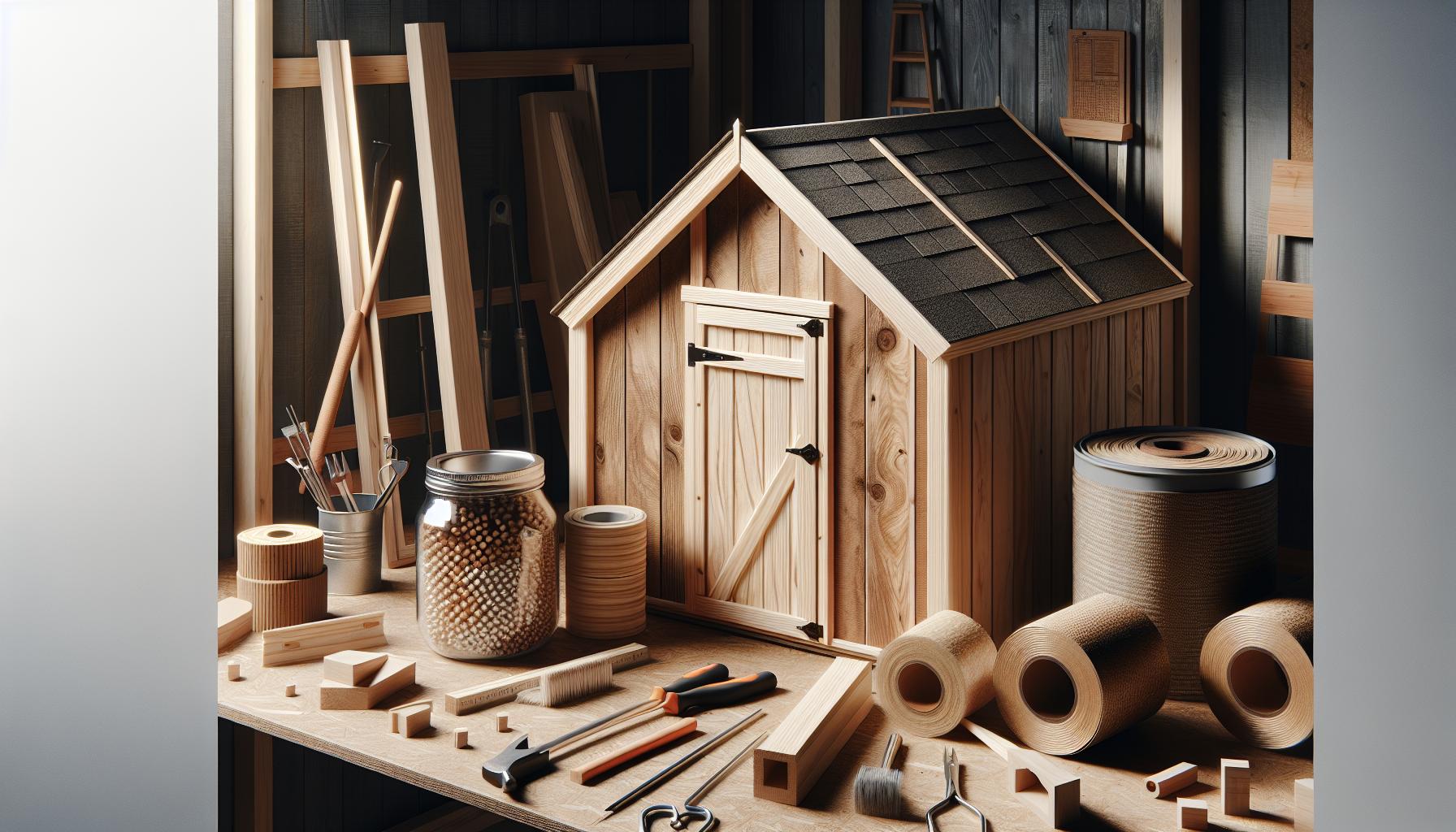
Essential Tools and Materials for Building Your Vinyl Shed
To create a sturdy and reliable vinyl shed, having the right tools and materials on hand is crucial. The beauty of building a vinyl shed lies not only in its low-maintenance appeal but also in the straightforward assembly process that can accommodate various skill levels. While it may seem daunting at first, preparing your workspace with essential tools and materials can substantially simplify the journey of constructing a functional storage solution for your yard.
Must-Have Tools
Before diving into the construction process, equip yourself with these basic tools for assembling your vinyl shed effectively:
- Measuring tape: accurate measurements are essential for achieving precision during construction.
- Level: Ensures your shed is built on an even foundation, contributing to its stability.
- Drill: A cordless drill is highly recommended for ease of use and adaptability when driving screws.
- Screwdriver Set: While a drill can handle most tasks, having a set of screwdrivers on hand for specific screws is beneficial.
- Utility knife: perfect for cutting materials or opening packages during the setup process.
- Safety Gear: Don’t skip on safety goggles and gloves to protect yourself while working.
Essential Materials
Once your tool kit is ready, gathering the right materials will serve as the backbone of your vinyl shed construction. Here’s what you’ll typically need:
| Material | Purpose |
|---|---|
| Vinyl panels: | These are the main components that provide durability and low maintenance. |
| Flooring System: | Usually made of vinyl, this ensures the shed is weather-resistant and easy to clean. |
| Fasteners: | Screws, nails, and brackets to securely hold the panels and structure together. |
| Roofing Materials: | Typically includes panels that offer waterproofing and insulation for temperature control. |
| Trims and Accessories: | These details enhance the shed’s look and offer additional stability. |
By preparing with these essential tools and materials, you’ll be well on your way to mastering the process of building a vinyl shed. This straightforward yet rewarding undertaking allows even busy homeowners to create a practical structure that requires minimal upkeep, aligning perfectly with the conveniences of modern living.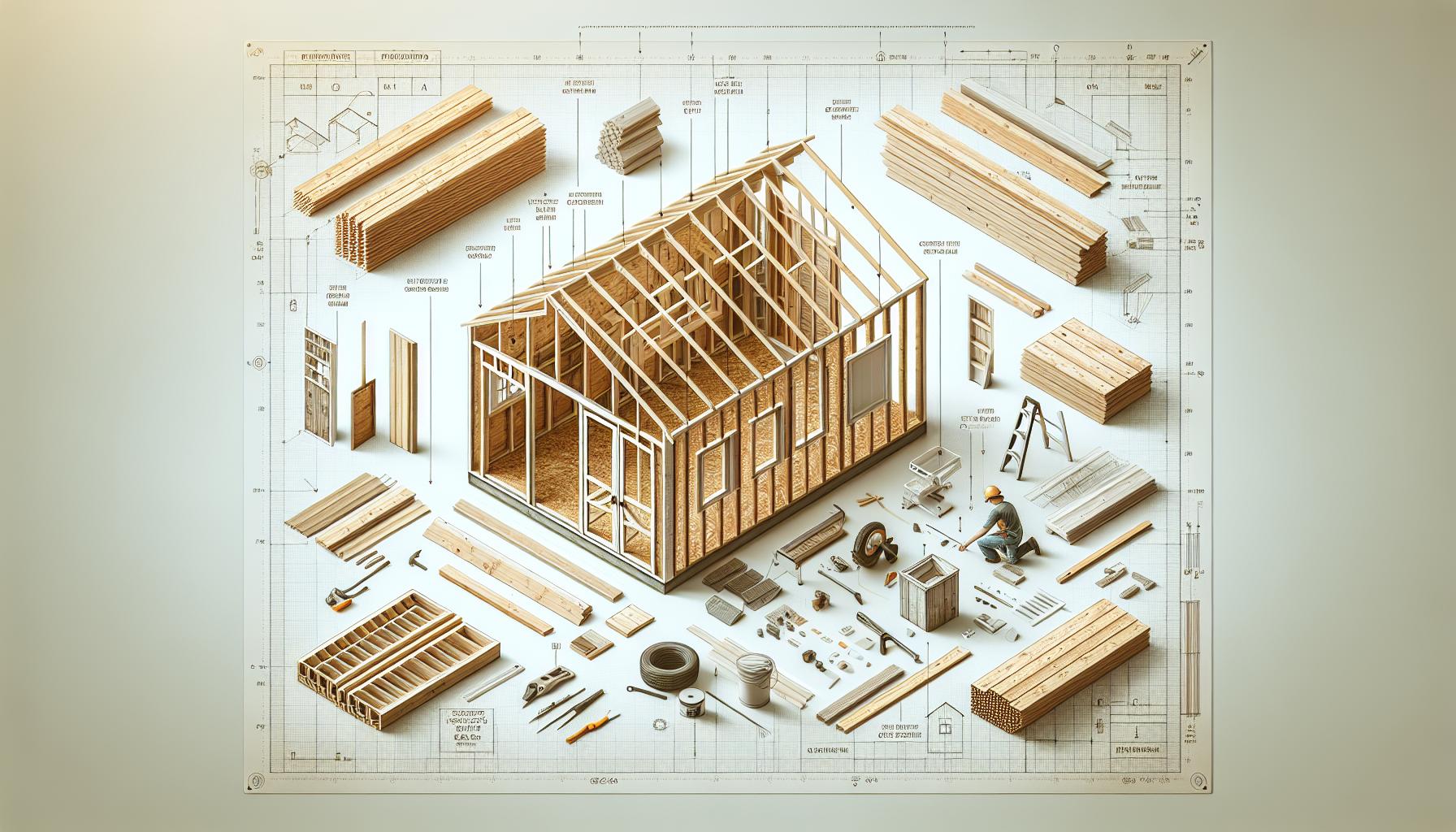
Step-by-Step guide: Constructing your Vinyl Shed framework
When embarking on the journey of constructing your vinyl shed, the framework acts as the backbone of your project. properly laying the foundation not only ensures the longevity of the shed but also establishes a smooth path for your building process. Following a step-by-step guide helps streamline the construction and avoid common pitfalls that can arise, particularly for busy homeowners seeking low-maintenance options with maximum durability.
Planning and Planning
Before you dive into construction, take the time to assess your available space and carefully plan your vinyl shed’s dimensions. creating a clear blueprint is essential. Gather the necessary materials,including treated lumber for the base and the appropriate screws or fasteners that are resistant to rust.You may want to set aside a weekend to begin this project, especially if you opt for a DIY approach.
- Essential Materials:
- Treated lumber
- Rugged screws or fasteners
- Concrete blocks (optional for stability)
- Vapor barrier (if needed)
Creating the foundation
Start by marking the corners of your shed on the ground with stakes. The dimensions should match your planned shed size. Use a tape measure to ensure everything is square by measuring diagonally from stake to stake. Next, dig out the area for the foundation; you can opt for a gravel bed for drainage or simply use precut concrete blocks to support the frame.
- Tip: Consider using a vapor barrier if you live in a particularly damp environment to prevent moisture from affecting the wood.
Building the Framework
Once the foundation is ready, it’s time to assemble the framework. Start by laying down the treated lumber for the base frame, ensuring that all angles are tight and corners are flush.Secure the pieces using screws and braces as needed.
- Base frame Assembly Steps:
- Attach the corner pieces first to form a rectangle.
- Next, add the middle support beams for additional stability.
- Check for levelness before securing any screws fully to ensure a flat surface.
After the base is complete, construct the vertical frames. Take special care to align and plumb each vertical piece – a critical detail that pays off by ensuring straight walls.
Adding Structural Support
Once the vertical beams are affixed, it’s time to construct the roof trusses that will hold up your shed’s roofing material. Depending on your design, this may involve pre-cut pieces to fit your style. Install bracing diagonally across the frames to avoid sway and reinforce stability.
- Building Trusses:
- measure and cut the lumber for the trusses according to your shed’s pitch.
- Attach trusses parallel to your framework, spaced appropriately for your roofing material.
By following this complete framework guide, busy homeowners can confidently tackle the sometimes-challenging project of building a vinyl shed. This low-maintenance alternative not only makes for an effective storage solution but enhances your property’s valuelong-term with its durable and resilient structure.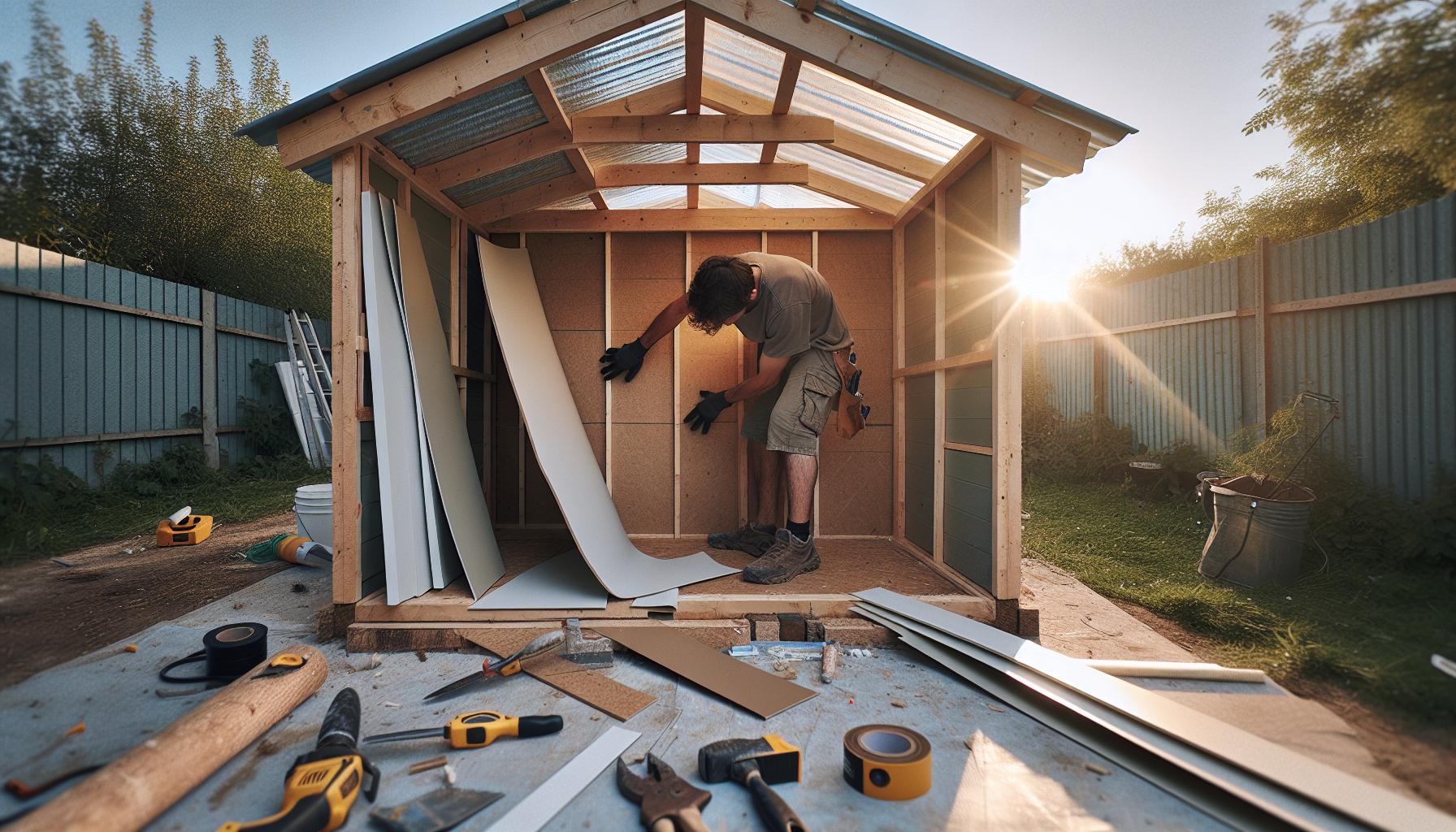
Best Practices for Installing Vinyl panels: Tips for a Seamless Finish
Proper installation of vinyl panels is crucial for achieving that flawless look and functionality in your shed. Engaging in well-thought-out practices can significantly enhance durability and aesthetic appeal,making vinyl sheds a top choice for busy homeowners seeking low-maintenance options. Here’s how to ensure a seamless finish when installing vinyl panels.
Preparation is Key
Before diving into the installation process,preparation is essential. Start by assessing the area where your vinyl shed will be placed.Clear any debris, and ensure the ground is leveled and compacted. This not only helps in achieving a stable structure but also prevents issues like water pooling and erosion down the line. If you’re building on a gravel or concrete base, ensure it’s dry and appropriately laid to enhance the durability of the panels.
- Gather Necessary Tools: For a smooth installation, make sure you have all your tools ready, including a level, measuring tape, saw, and safety gear.
- Read the Manufacturer’s guidelines: Each brand may have specific instructions depending on their vinyl panel’s design, so referring to these is vital.
- Pre-cut Panels: If you know the dimensions of your shed, cutting your panels ahead of time can streamline the process significantly.
Maintain Alignment and Securing Methods
Once the area is prepped, proper alignment of the panels during installation is crucial. When attaching the panels, ensure that each one aligns perfectly with the preceding panel for a uniform look. Utilizing a laser level or a chalk line will help you maintain straight lines, enhancing both appearance and structural integrity.
Fastening Techniques: The way you fasten vinyl panels can greatly affect the final look. Use corrosion-resistant screws or nails that won’t rust, as moisture can damage the vinyl over time. Typically, panels should be fastened securely but not overly tight to allow for natural expansion and contraction of the material due to temperature changes.
Sealing and Finishing Touches
After the panels are installed, sealing any gaps and joints is essential to prevent moisture intrusion, which can lead to mold and mildew—a concern busy homeowners want to avoid. Use a vinyl-safe caulk or sealant around edges where the panels meet and at points of intersection. This not only improves waterproofing but also adds to the overall durability of your shed.
Consider the following to maximize your installation results:
| Tip | Benefit |
|---|---|
| Use Quality Materials | Ensures longevity and reduces maintenance over time |
| Take Your Time | Reduces mistakes and reworks, saving time in the long run |
| Ask for Help | More hands make for lighter work, ensuring faster and more accurate installation |
With these best practices in mind, installing vinyl panels for your shed can be a straightforward task that not only enhances the building’s appearance but also promotes longevity and ease of maintenance—truly ideal for busy homeowners looking for low-maintenance solutions.
Navigating Local Regulations: What You Need to Know Before You Build
understanding the local regulations that govern shed construction can be the difference between a seamless project and a costly legal headache. Before jumping into the construction of your vinyl shed—one of the low-maintenance options for busy homeowners—it’s essential to familiarize yourself with the rules and permits in your area. Each locality has its own set of codes and requirements that may affect the design, placement, and even materials you choose for your shed.
Key Regulatory Considerations
Local regulations can include zoning laws, building codes, and homeowners’ association (HOA) guidelines. Here are the primary elements you should consider:
- Zoning regulations: These determine where you can place your shed within your property lines. Some areas may require a certain distance from property boundaries, roads, or other structures.
- Building Permits: Depending on the size and function of your structure, you may need to obtain a permit before beginning construction.This often involves submitting plans for approval.
- material Restrictions: Certain locales might have restrictions on the types of materials that can be used, especially concerning fire safety and aesthetics. Checking these rules will ensure compliance.
- HOA Guidelines: if you live in a community governed by a homeowners’ association, be sure to review any additional restrictions that may apply, such as color schemes and architectural styles.
Steps to Ensure Compliance
To navigate your local regulations effectively, follow these actionable steps:
- Research Local Codes: Start by visiting your city or county website, which frequently enough has a dedicated section for building permits and zoning laws.
- Consult with Officials: Contact your local planning department to clarify any questions regarding the requirements for building your vinyl shed.
- engage with a professional: If you find the regulations overwhelming,consider hiring a local contractor or consultant who is familiar with the area’s building codes and can assist with securing necessary permits.
- Document Everything: Keep records of your research, permits, and any communications with local authorities. This documentation will be invaluable should any issues arise.
| Type of Regulation | Typical Requirements |
|---|---|
| Zoning regulations | Setback distances, lot coverage, usage limitations |
| Building Permits | Permits may be required for structures over a certain size |
| HOA Guidelines | approval for design and color, limits on size and height |
By taking the time to understand and adhere to these local regulations, you pave the way for a smoother building experience. As you embark on your journey to build a low-maintenance vinyl shed, remember that knowledge is power—staying informed of the relevant codes can save you time and resources in the long run.
Designing Your Vinyl Shed: Customization Options for Every need
When it comes to creating the perfect outdoor space, the design of your shed plays a pivotal role in how well it meets your needs. Vinyl sheds stand out not just for their durability and low-maintenance qualities, but also for their remarkable adaptability. Homeowners can express their creativity and cater to their specific storage or workspace requirements through a wide range of customization options. Here’s how you can tailor your vinyl shed to reflect your lifestyle while maximizing functionality.
Color Choices and aesthetic appeal
One of the most striking aspects of designing your vinyl shed is the selection of colors. unlike traditional wood,which typically comes in limited stain options,vinyl sheds offer a broad spectrum of colors to choose from. You can go for classic white, vibrant red, or even muted earth tones depending on your personal preference and the aesthetics of your home. A carefully chosen color scheme can enhance your property’s visual appeal and ensure that your shed complements your landscape.
- Bold Colors: Bright shades can make your shed an eye-catching focal point in your yard.
- Neutral Tones: Gentle hues blend seamlessly with natural surroundings, creating a calming environment.
- Custom Colors: Some manufacturers offer bespoke solutions, allowing you to select a color that perfectly matches your home.
Size and Layout configurations
The size of your vinyl shed is paramount, as it must align with both your spatial constraints and storage needs. Vinyl sheds come in various dimensions, from compact options ideal for storing gardening tools, to larger structures fit for hosting workshops or outdoor hobbies. Here’s a swift guide to selecting the right size and layout:
| Size | Recommended Use |
|---|---|
| 4×6 ft | Garden tool storage |
| 8×10 ft | Bike and sports equipment storage |
| 10×12 ft | home workshop or potting shed |
Functional Add-Ons and Accessories
Once you have settled on color and size, think about enhancing functionality with add-ons. Customization can go beyond the aesthetic factors and extend to practical features such as windows, shelving, workbenches, and lofts. Opting for windows introduces natural light and ventilation,making your shed not just a storage space but potentially a creative retreat. Moreover,built-in shelving and hooks can dramatically improve organization,ensuring that everything has its perfect spot.
- Shelving Units: Keep tools and supplies tidy and easily accessible.
- Power Outlets: Consider adding electrical outlets for light fixtures or power tools.
- Workbenches: A dedicated area for projects can transform your shed into a mini workshop.
By harnessing these personalization options, you can construct a vinyl shed that not only serves its purpose but also fits seamlessly into the lifestyle you cherish. Whether your focus is on aesthetics, utility, or a combination of both, tailoring your vinyl shed will ultimately enhance your outdoor experience while reflecting your tastes.
Maintenance Made Easy: Keeping Your Vinyl Shed in Top Shape
one of the most appealing aspects of a vinyl shed is its exceptional durability combined with minimal upkeep—perfect for busy homeowners who want to maximize their time and reduce maintenance headaches. Unlike traditional wood sheds that may warp, rust, or succumb to rot and pests, vinyl sheds offer an array of low-maintenance advantages that ensure they remain functional and attractive for years to come.
Routine Care Made Simple
Maintaining your vinyl shed entails straightforward steps, largely focused on cleanliness and periodic inspections. Here’s a practical checklist to keep your shed in top shape:
- Regular Cleaning: Use a mild detergent mixed with water to wash the walls and floor of your vinyl shed at least twice a year. This will prevent the buildup of dirt and mold.
- Inspect for Debris: Clear the roof and gutters of leaves and branches. Ensuring your shed is free of debris not only maintains its appearance but also prevents water damage.
- Check the Doors and Windows: Ensure that they open and close smoothly. Lubricate hinges as necessary to prevent rust or sticking.
- Touch Up Scratches: If you notice any scratches or dents, consider using vinyl repair kits that match your shed’s color to keep it looking pristine.
seasonal Considerations
Different seasons may bring specific maintenance tasks. consider a seasonal approach to upkeep:
| Season | Maintenance Task |
|---|---|
| Spring | Wash the exterior and check for any winter damage. |
| Summer | Inspect for insect infestations and ensure ventilation remains effective. |
| Fall | Clear leaves and debris from gutters and check for loose fittings. |
| Winter | Ensure snow is cleared from the roof to prevent excess weight and potential damage. |
With these simple steps, maintaining your vinyl shed becomes a hassle-free task. Busy homeowners can enjoy the benefits of their investment without the constant worry of repairs and upkeep,allowing them to focus their time and energy on what truly matters. By understanding how to build a vinyl shed with low-maintenance options, you can create not only a functional storage solution but also one that seamlessly fits into your lifestyle.
Creating an Inviting Shed Interior: storage and Organization Ideas
Creating a functional and inviting interior for your shed can dramatically enhance both its utility and your enjoyment in using it. While a vinyl shed offers low-maintenance options for busy homeowners, the way you arrange your space can transform it into an organized haven that suits your specific needs. With thoughtful storage and organization solutions, you can maximize your shed’s potential while keeping it tidy and aesthetically pleasing.
Embrace Vertical Space
One of the smartest ways to organize your shed is by utilizing vertical space. Shelving units, pegboards, and wall-mounted racks can free up the floor area and keep tools and supplies easily accessible.Here are a few ideas to get you started:
- Shelving Units: Invest in sturdy shelving to store bins and boxes. Adjustable shelves can adapt to your storage needs, accommodating items of various sizes.
- Pegboards: A pegboard mounted on the wall can elegantly store tools, gardening implements, or craft supplies. Use hooks and baskets to customize the layout according to your preferences.
- Overhead Storage: Utilize the ceiling space for infrequently used items. Overhead racks can keep seasonal decorations or larger equipment tucked away yet easily accessible.
Compact Storage Solutions
When space is at a premium, compact storage solutions become essential. Small items can clutter quickly; therefore, consider integrating these practical options into your shed design:
- Storage Bins: Clear plastic bins can help you quickly locate supplies while keeping them dust-free. Label each bin for easy identification, especially for gardening tools or seasonal decorations.
- Carts and Trolleys: A movable cart offers versatility and can hold various tools. This makes it easy to transport items when you need to relocate throughout your gardening or DIY tasks.
- Multi-Functional Furniture: Consider benches or stools that provide seating and open storage options. You can hide away tools and materials while maintaining a cozy appearance.
Organizing with Zones
Another effective technique is to create designated zones within the shed. This approach not only keeps everything systematic but also streamlines the workflow:
| Zone | Description | storage Tip |
|---|---|---|
| Gardening Supplies | Store pots, soil, and tools. | use tiered shelves to categorize based on plant type. |
| Crafting Area | For hobbies like painting or scrapbooking. | Incorporate a tabletop and wall-mounted storage for supplies. |
| Sports Equipment | Store bikes, balls, and other outdoor gear. | Install hooks on the wall to hang bikes and larger equipment. |
By thoughtfully organizing your shed’s interior and using tailored storage solutions, you can create a welcoming environment that reflects your style while ensuring that tools and equipment are easily accessible. In doing so, not only do you enhance the functionality of your vinyl shed but you also cultivate a space that inspires creativity and productivity—all without the hassle of high maintenance.
Frequently asked questions
How to Build a Vinyl shed: Low-Maintenance Options for Busy Homeowners?
To build a vinyl shed with low maintenance in mind, start by selecting durable vinyl siding and a strong base. Follow the manufacturer’s instructions carefully and focus on proper site preparation.
Vinyl sheds are popular among homeowners because they offer longevity and require little upkeep. Ensure your site is level and free of debris, and consider using self-tapping screws for assembly to enhance stability. As you proceed, prioritize weather resistance to extend your shed’s life. For detailed guidance, you can explore our full article on vinyl shed building tips.
What is a vinyl shed?
A vinyl shed is a storage structure made primarily from vinyl materials that offers a low-maintenance alternative to traditional wood or metal sheds. These sheds are resistant to rotting, rust, and fading.
Unlike wooden sheds, which may require regular painting or sealing, vinyl sheds will maintain their appearance with minimal care. This makes them an excellent choice for busy homeowners looking to reduce upkeep while enjoying the benefits of a personal storage space.
Why does a vinyl shed require less maintenance?
Vinyl sheds require less maintenance primarily due to their durability and resistance to common weathering issues such as decay, rust, and pests. They do not need painting or sealing like wood sheds.
The material is designed to withstand environmental factors, which means less frequent repairs and upkeep. This makes vinyl sheds an ideal option for homeowners who want to save time and effort while ensuring their sheds remain functional over the years.
can I customize my vinyl shed?
Yes, you can customize your vinyl shed to fit your style and needs. Many manufacturers offer a range of colors, sizes, and even additional features like windows and shelving systems.
Customizing your shed can enhance both functionality and aesthetics. Options such as additional doors, ventilation systems, and modular shelving can be included during the building process. Be sure to check the customization guidelines provided by your shed manufacturer.
What tools do I need to build a vinyl shed?
Building a vinyl shed typically requires basic tools such as a power drill, measuring tape, level, and saw. Many assembly kits also come with detailed instructions that specify any additional tools needed.
Having a well-stocked toolbox will facilitate a smoother building experience. A power saw can help with specific cuts,while a level ensures that your structure remains stable. Before starting your project, prepare your tools and familiarize yourself with the instructions.
How long does it take to build a vinyl shed?
The time it takes to build a vinyl shed can vary, but most projects can be completed in a single weekend (6-10 hours) if you have a few helping hands. Planning and preparation play crucial roles in determining the actual time required.
If you add customization or have a more complex design, it might take longer. always allow for unexpected challenges like weather conditions or missing parts, which can prolong the process. Proper preparation is key to a successful build.
Are there any permits required for building a vinyl shed?
Yes, depending on your location, you may need a permit to build a vinyl shed. It’s crucial to check local building codes and regulations before starting your project.
Some areas have restrictions on the size or location of sheds, especially if you’re near property lines or in an HOA community. always consult your local zoning office or building department to ensure compliance and avoid fines.
Final Thoughts
building a vinyl shed can be an exciting and rewarding project for busy homeowners seeking a low-maintenance solution for their storage needs. By understanding the essential components—from selecting high-quality vinyl materials to mastering the assembly process—you equip yourself to create a structure that is not only functional but also enhances your outdoor space. Embrace the advantages of vinyl, which offers durability that withstands the elements while requiring minimal upkeep.
As you venture into this project, remember that every builder starts somewhere, and it’s perfectly normal to encounter challenges along the way. Don’t hesitate to seek out additional resources, connect with experienced builders, or dive into community forums for tips and support. Your dream shed is within reach, and the more you engage with the process, the more rewarding it becomes.
So gather your tools, explore the possibilities, and let your creativity shine—your ideal vinyl shed awaits! Happy building!
Get our latest guides, news, and insights highlighted in your Google Search & AI Overviews.


