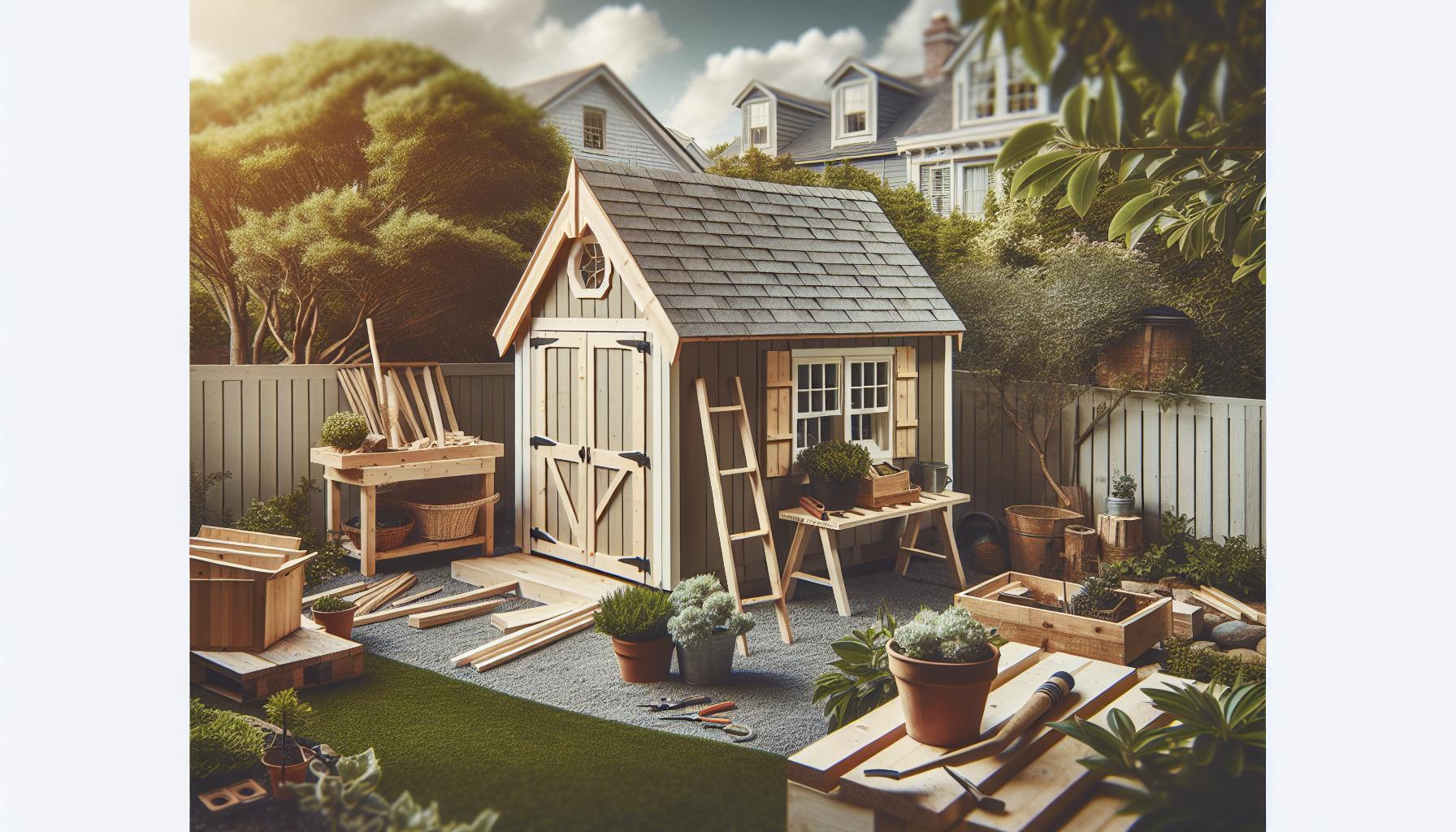
As DIY enthusiasts seek innovative solutions, the question arises: can PVC serve as a viable material for constructing a shed? Exploring modern alternatives to conventional building materials is crucial, especially as sustainability and cost-effectiveness take center stage. This article delves into the practicality of using PVC, offering insights that can inspire your next backyard project.
understanding PVC as a Building Material: Pros and Cons
When considering how to construct a shed, the materials you choose can significantly impact its durability, cost, and aesthetic appeal. Among modern building options, PVC (polyvinyl chloride) has emerged as a popular contender for various reasons.Widely recognized for its versatility, PVC can serve as an choice to more traditional materials such as wood or metal. It’s crucial to understand the strengths and weaknesses of PVC in the context of building a shed so you can make informed decisions.
Advantages of PVC in Shed Construction
One of the primary benefits of using PVC for building a shed is its durability. PVC is resistant to rot, rust, and corrosion, which means it can withstand harsh weather conditions better than wood or metal. Additionally, PVC requires minimal maintenance; it does not need painting, staining, or sealing, allowing homeowners to save on long-term upkeep costs. The material is also lightweight, which can ease the construction process and reduce shipping costs.
Another appealing aspect of PVC is its cost-effectiveness. Compared to traditional materials, PVC ofen comes at a lower price point, making it an accessible choice for budget-conscious builders. Moreover, the quick and easy installation of PVC components—like panels and fittings—can drastically reduce labor costs, allowing you to complete your shed project faster.
Considerations and Drawbacks
Despite its advantages, there are also important considerations when using PVC for a shed. One major drawback is its environmental impact. Although the production and disposal of PVC can be harmful to the surroundings, newer formulations are focusing on sustainability. It’s vital to research and choose PVC products that minimize these impacts.
Additionally, while PVC is durable, it can be susceptible to warping in extreme temperatures. This means that while it performs well in moderate weather, regions with extreme heat or cold may see some structural issues over time. Therefore, if you live in an area with intense climate conditions, it’s important to assess whether PVC is the most suitable option for your shed needs.
when exploring the question “Can I Build a Shed with PVC? Modern Alternatives to traditional Materials,” it’s clear that PVC offers a blend of benefits, including durability, low maintenance, and cost savings, alongside some potential environmental concerns and temperature sensitivity. Assess your specific project requirements and local climate conditions to determine if PVC is the ideal material for your shed construction.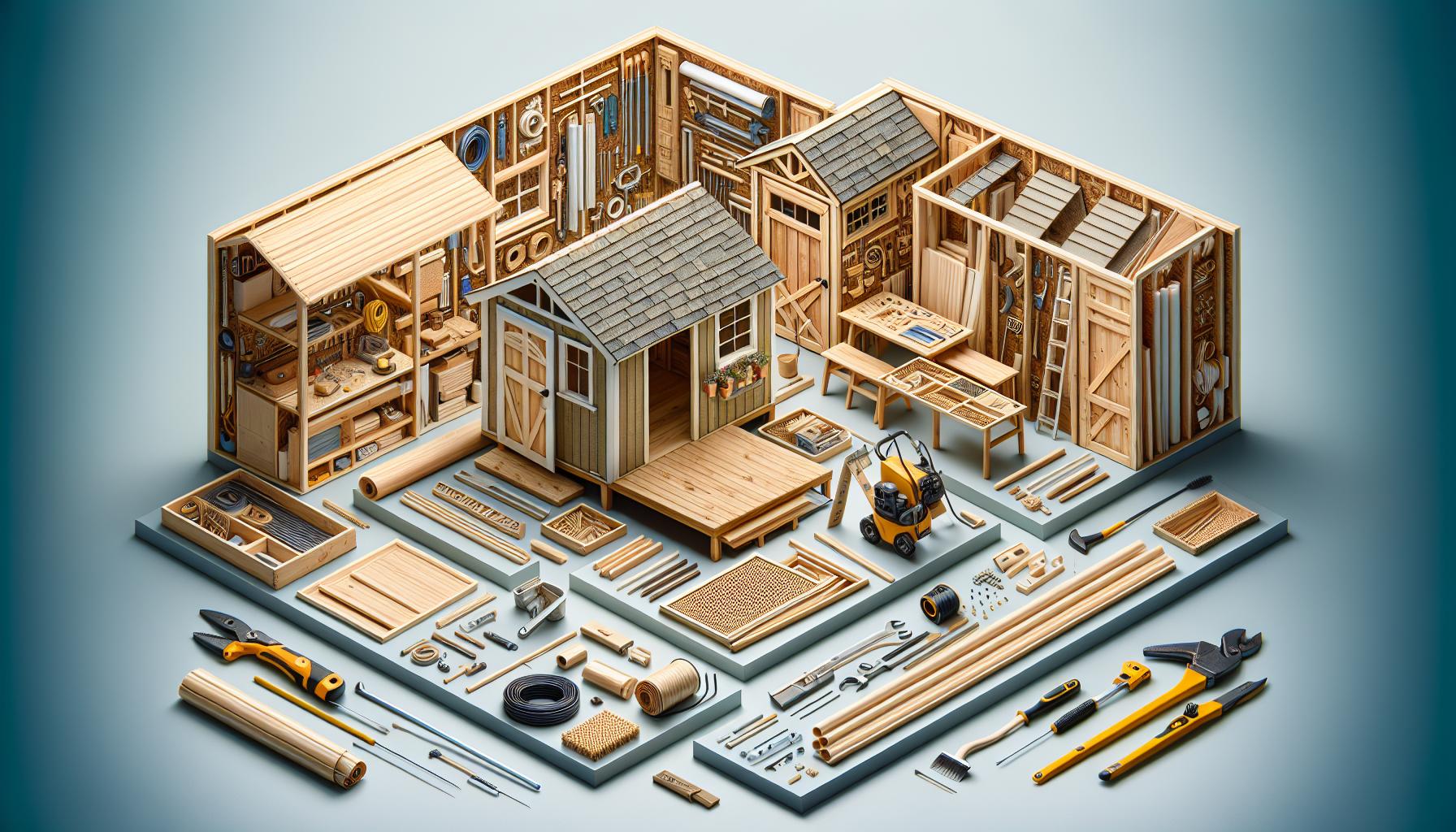
Innovative Shed Designs: How PVC Compares to Traditional Materials
innovative shed designs are transforming the way we approach outdoor storage and workspace solutions.The question “Can I build a shed with PVC?” is becoming increasingly relevant in a market dominated by traditional materials like wood and metal. PVC offers a variety of advantages that make it a modern alternative,with its own unique set of characteristics that support durability and ease of use.
One of the significant benefits of using PVC for shed construction is its resistance to the elements. Traditional materials such as wood can rot, warp, or succumb to insect infestations over time.In contrast, PVC is impervious to moisture and pests, providing a long-lasting solution that requires minimal maintenance. Homeowners looking for low-maintenance options will find that PVC sheds can withstand harsh weather conditions, making them ideal for various climates.
### Cost-Effectiveness and Versatility
When considering modern alternatives to traditional materials, cost-effectiveness plays a crucial role. The initial investment in a PVC shed might be higher than a wooden structure; however, the long-term savings on maintenance and repairs make it an attractive option. Additionally, PVC is lightweight and easy to handle, which simplifies the installation process. This reduces labor costs if hiring professional assistance or makes it more feasible for DIY enthusiasts to take on the project themselves.
Moreover, the versatility of PVC lends itself to creative design possibilities. Unlike standard sheds that might conform to traditional shapes and features, PVC can be molded into various configurations and customized with different colors and finishes, providing aesthetic versatility to match personal tastes and outdoor themes.
| Feature | Traditional Materials | PVC |
|---|---|---|
| Durability | Susceptible to rot and pests | Highly durable, resistant to moisture and pests |
| Maintenance | Regular upkeep required | Low maintenance, easy to clean |
| cost | Lower initial cost, higher long-term costs | Higher initial cost, lower long-term expenses |
| Customization | Limited options | High versatility in design and colors |
As the trend shifts towards sustainable and innovative building practices, exploring the question of whether to build a shed with PVC highlights an important evolution in the construction landscape. Embracing modern materials not onyl meets storage needs but also resonates with environmentally-conscious choices, paving the way for eco-friendly outdoor spaces that are practical and attractive.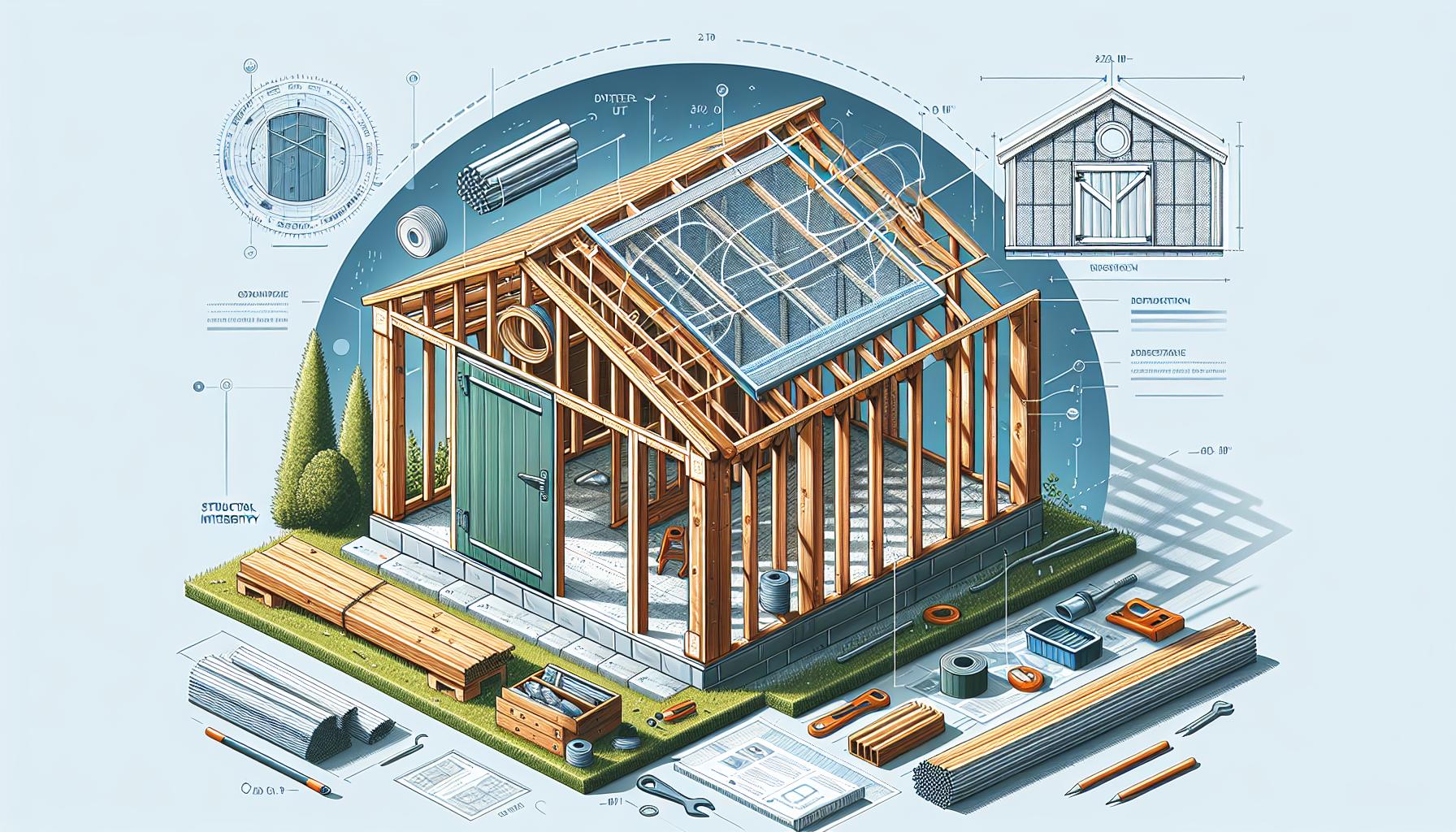
Structural Integrity: Ensuring your PVC Shed is Durable and Stable
When considering built structures for your outdoor space, the choice of materials can significantly influence durability and stability. PVC, or polyvinyl chloride, has emerged as a favored alternative to traditional materials in shed construction, providing numerous advantages in terms of strength and resilience. Unlike wood, which is susceptible to rot and insect damage, PVC sheds offer a weather-resistant solution that stands the test of time. Their inherent properties make them a compelling choice for anyone wondering,”Can I Build a Shed with PVC? Modern Alternatives to Traditional materials.”
Understanding Structural Components
To ensure the structural integrity of your PVC shed, it’s crucial to focus on the quality and design of its components. Modern plastic sheds often feature high-density polyethylene (HDPE) panels that lend additional strength and weather resistance. Some models are designed with reinforced steel frameworks, enhancing their stability even in harsh weather conditions. When selecting a PVC shed, look for:
- High-quality materials: Ensure the PVC used is UV-stabilized to prevent sun damage.
- Ventilation options: Proper airflow helps mitigate moisture buildup, which could lead to structural issues.
- Anchoring features: Select designs that include tie-down or anchoring options to secure the shed against strong winds.
Common Challenges and Mitigation
While PVC sheds are generally durable, they are not without their challenges. One potential issue is cracking over time,especially if the shed is exposed to extreme temperature fluctuations. To enhance the longevity of your PVC shed, consider these actionable steps:
- Regular maintenance: Check for any alignment issues or signs of wear, and address them promptly.
- temperature considerations: Choose a location that minimizes direct exposure to fluctuating temperatures,whenever possible.
- Quality assembly: Follow the manufacturer’s guidelines carefully during assembly to avoid weaknesses in the construction.
Ultimately, building a shed with PVC can be a practical decision, provided that attention is given to structural integrity from the outset. By understanding material properties, selecting robust designs, and implementing regular maintenance practices, you can create a stable and durable shed that meets your outdoor storage needs effectively.
Essential Tools and Techniques for Working with PVC
When embarking on a project involving PVC, such as constructing a shed using modern alternatives to traditional materials, having the right tools and techniques is essential. PVC, or polyvinyl chloride, is versatile and durable, making it a popular choice for DIY enthusiasts. However, understanding how to effectively work with this material can greatly enhance both the efficiency and quality of your project.
Key Tools for Cutting and Joining PVC
To achieve clean cuts and secure joints, a selection of specialized tools is necessary. Here are some of the most commonly recommended tools for working with PVC:
- Miter Saw – Ideal for making precise cuts at various angles, a miter saw is particularly useful for larger diameter pipes, up to 4 inches.
- Hacksaw – A practical hand tool for making straight cuts in smaller sections of PVC.
- Ratcheting PVC Pipe Cutter – Perfect for those tough spots, these cutters make it easy to slice through thick PVC with minimal effort.
- Power Miter Saw – Best for larger projects, a power miter saw offers quick and efficient cutting capabilities.
- Portable Band Saw – For larger, more complex cuts, a portable band saw provides flexibility and precision.
Techniques for Efficient PVC Work
Aside from having the right tools, employing effective techniques can significantly impact the outcome of your project. Here are some recommended practices for working with PVC:
- Measure Twice,Cut Once – Always ensure accurate measurements to avoid wasting materials.
- Debur and Smooth Edges – After cutting, use a deburring tool to smooth any rough edges, which facilitates better fittings and minimizes the risk of injury.
- Dry Fit Components – Before final assembly,dry fitting allows you to visualize the project layout and ensure that all pieces fit correctly.
- Choose the Right Adhesive – For joining PVC pipes, use a solvent cement that is compatible with the specific type of PVC. This guarantees a strong bond that can withstand various conditions.
Real-World Request: Building a PVC Shed
In the context of building a shed with PVC, using these tools and techniques can yield remarkable results. As an example, many DIY enthusiasts have successfully utilized a miter saw for cutting structural components, while employing a ratcheting PVC cutter for smaller fittings.Additionally, ensuring that all joints are properly secured with the appropriate adhesive can dramatically improve the durability of the shed against weather elements.
By mastering these essential tools and techniques, you can transform the concept of “Can I Build a Shed with PVC? Modern Alternatives to Traditional Materials” from a theoretical question into a practical, rewarding project that showcases the advantages of this innovative material in construction.
overcoming Common Challenges in PVC Shed Construction
Building a shed using PVC can present unique challenges that differ from traditional wooden structures.While PVC is a versatile and resilient material, it requires careful consideration during construction.One common challenge is ensuring structural integrity given the lighter nature of PVC compared to wood or metal. To address this,proper bracing and anchoring techniques are essential. utilizing additional support beams or creating a sturdy frame can enhance stability, particularly in areas prone to strong winds or heavy snow loads.
Another challenge that DIY builders frequently enough face is the potential for PVC components to expand and contract with temperature changes. this dynamic can lead to issues with fit and function. To overcome this, it is indeed advisable to allow for expansion gaps in joints and connections. Planning your layout effectively before installation, ensuring that pieces can slightly move without compromising the overall structure, can mitigate this issue. consideration of local weather patterns can also guide your design choices—placing the PVC shed in a shaded area can help regulate temperature extremes.Additional strategies involve the selection of compatible fasteners and adhesives. Not all hardware works well with PVC,so using products specifically designed for plastic can prevent failures. Researching options such as PVC cement for joints and stainless steel screws or anchors can enhance durability and strength.If you’re unsure about compatibility, refer to manufacturer guidelines to ensure that your chosen materials work seamlessly together.
taking the time to understand your PVC’s characteristics—like resistance to moisture and pests—can inform your construction choices. For instance, while PVC is generally resistant to rot and insects, ensuring proper drainage and avoiding direct contact with soil can further extend the life of your shed. By addressing these common challenges proactively and utilizing the right materials and techniques,constructing a PVC shed can be a rewarding and efficient project that stands the test of time.
Creative Finishing Touches: Personalizing Your PVC Shed
Personalizing your PVC shed can transform a utilitarian structure into a charming and functional space that reflects your personal style. While the durability and low-maintenance nature of PVC make it a fantastic choice for your shed, adding unique touches can help it stand out and enhance its visual appeal. Whether you’re looking to create a cozy retreat, a workshop, or an organized storage area, consider these creative finishing touches to make your PVC shed truly your own.
Colour and Finishes
One of the simplest ways to add personality to your PVC shed is through color. Many PVC materials come in a variety of colors, but you can also use paint designed specifically for plastic surfaces. This allows you to match your shed to your home or garden theme. Consider a bright hue to make a bold statement or soft pastels for a more subdued look. In addition to paint, applying finishes such as vinyl wraps or stickers featuring patterns or images can offer a fun touch.
Custom Signs and Labels
Adding custom signage can enhance the character of your shed while providing practical facts. Personalized PVC signs, like a custom oval shed sign displaying your last name or a playful designation for your space (e.g., “Gardening HQ” or “Tool Territory”), can be both decorative and functional.Many retailers offer weatherproof options that resist fading and mold, ensuring your signage remains attractive over time.For example, a custom sign can be obtained from providers like Footsteps in the Past that specializes in full-color, textured, all-weather printed options [[1](https://footstepsinthepast.com/products/custom-oval-pvc-plastic-shed-sign-last-10855?srsltid=AfmBOoqyhF2wvyK8r34s3ZZrrFFg1g7VodCy6eHehyukI9X-4c_0xeiL)].
Functional Additions
In addition to aesthetic enhancements, consider practical organizational tools that can make your shed more functional.Installing shelves, racks, and hooks can definitely help maximize your storage space while adding a stylish flair.You might even like to create themed areas in your shed, such as a designated gardening section complete with hanging tools and labeled bins. Investing in durable storage solutions made from materials like resin or vinyl can keep your space tidy and attractive [[2](https://backyardoas.com/collections/resin-vinyl-and-plastic-storage-sheds?srsltid=AfmBOoo8-aO9NGJEztrDZNROddPq0cmxc7zk13wM-EriqgJo4TAhGbnF)].
Creating a personalized PVC shed not only enhances your outdoor space but also ensures it meets your practical needs. With creative touches such as color selection, custom signage, and functional upgrades, you can create a shed that reflects your style while providing an organized and inviting environment.
Budget-Friendly Tips for Building a PVC Shed Without Compromising Quality
when considering alternatives for building a shed, PVC has emerged as a cost-effective and durable option that many DIY enthusiasts are exploring. The flexibility and resilience of PVC make it an attractive material for constructing a shed that can withstand various weather conditions without the rot or decay associated with traditional materials. However, securing quality while sticking to a budget can feel daunting. Here are some budget-friendly tips to help you build a PVC shed without compromising on quality.
Choose Quality Components Wisely
Instead of going for the cheapest option available, focus on purchasing high-quality PVC panels and fittings. While it may be tempting to cut costs, investing slightly more in robust materials will pay off in the long run through increased durability and reduced maintenance. Look for materials that are UV-resistant and capable of withstanding harsh weather conditions. You can frequently enough find deals from manufacturers that offer bulk purchasing discounts or seasonal sales.
Plan Your Dimensions Carefully
One of the easiest ways to save money is by accurately assessing your storage needs and planning your shed’s dimensions accordingly. Avoid the temptation to overbuild; a smaller, well-organized space can be more functional than a larger, chaotic shed. Use DIY shed design software or online calculators to help visualize your project and get precise measurements that can minimize waste. This careful planning extends to the foundation as well, where leveling the ground can prevent needless expenses due to structural adjustments later.
DIY Assembly
to save on labor costs, consider assembling the shed yourself. Most PVC shed kits come with easy-to-follow instructions that can be completed with basic tools. Enlist the help of friends or family to speed up the process, making it a fun community project. youtube tutorials and DIY blogs can also provide valuable tips and tricks that enhance your assembly skills and improve the overall quality of your craftsmanship.
Utilize Recycled or Repurposed Materials
Incorporating recycled materials can significantly slash costs.Check local classifieds or community groups for leftover PVC or compatible materials from other construction projects. Some spaces offer scrap materials that can be repurposed into useful additions for your shed, such as shelves or organizational tools. Not only does this lower expenses, but it also contributes to environmentally-friendly building practices.building a shed with PVC can be an economical and effective solution if planned properly. By prioritizing quality materials,carefully calculating dimensions,opting for DIY assembly,and being resourceful with recycled components,you can construct a sustainable and durable shed that meets your needs without breaking the bank.
Real-Life Examples: Inspiring PVC Shed Projects from DIY Enthusiasts
When it comes to building a shed, DIY enthusiasts are increasingly turning to PVC as a sustainable and versatile alternative to traditional materials. The lightweight and durable nature of PVC makes it an ideal choice for those looking to create customized storage solutions. From functional garden sheds to aesthetically pleasing outdoor studios, the possibilities are endless.
One inspiring example is a 10 x 12 storage shed constructed by Ed, a DIYer who shared his experience online. Utilizing PVC trim for structural support and decorative elements, Ed reported that the shed was not only easy to assemble but also maintained a level of precision that he hadn’t managed before. His use of instructional videos and pre-planned designs enabled him to achieve a stunning result that serves both utility and style. Projects like Ed’s underline how PVC can facilitate high-quality construction without compromising on appearance or functionality [3].
In addition to shed structures,innovative PVC projects are gaining traction across various platforms. For example, Pinterest showcases a plethora of DIY shelter ideas, particularly aimed at those interested in creating canopies and outdoor spaces with PVC framing. It’s a fantastic resource for anyone looking to explore different designs and implementations for their own backyard projects [2]. By following these examples, DIYers can take inspiration from real-life applications of PVC, encouraging them to envision their own unique settings.
For those contemplating the question, “Can I build a shed with PVC?”, these community-driven examples provide practical insight.Achieving a robust and aesthetically pleasing shed or garden structure is within reach when leveraging modern materials like PVC. As you embark on a similar project, consider the specific needs of your space and explore various design approaches. This simple material can transform your outdoor environment while also catering to your functional requirements.
Q&A
Can I build a shed with PVC?
yes, you can build a shed with PVC, making it a modern alternative to traditional materials like wood or metal. PVC sheds offer benefits like low maintenance and resistance to rot and pests.
PVC is lightweight and easy to work with, which is great for DIY projects. Unlike wood, it doesn’t require painting or staining, and it holds up well in various weather conditions. Many manufacturers now provide components specifically designed for PVC sheds, making construction straightforward.
What are the advantages of PVC sheds over wood?
PVC sheds offer several advantages over wooden sheds, including durability, low upkeep, and resistance to decay. They require less maintenance because they don’t need to be painted or treated.
Additionally, PVC is impervious to common pests like termites, making it a smart choice for long-term use. PVC sheds can also be more cost-effective in the long run due to their longevity and reduced need for repairs. For more information on different materials, check our guide on shed construction.
Can I customize a PVC shed?
Yes, you can customize a PVC shed to meet your specific needs. Many manufacturers provide various colors, sizes, and styles, allowing for personal touches.
Components such as shelving and window options are often available to enhance functionality.Customization can help make the shed align with your aesthetic preferences while still providing the practical benefits of a PVC structure.
Why should I choose modern materials for shed construction?
Choosing modern materials like PVC for shed construction offers significant advantages such as enhanced durability and reduced maintenance. these materials are often designed to withstand severe weather conditions.
Modern materials can also improve energy efficiency and offer eco-friendly options. by choosing materials that require less maintenance and last longer, you save time and money in the future.
What tools do I need to build a PVC shed?
Building a PVC shed typically requires basic tools such as a saw, screwdriver, and measuring tape. Many kits come with detailed instructions specific to PVC materials.
Additionally, you might need a level for ensuring proper alignment and stability. If you’re unsure which tools are best to use, consulting a shed building guide is recommended for optimal results.
Are PVC sheds more affordable than traditional sheds?
Generally, PVC sheds can be more affordable than traditional wooden sheds. While initial costs may vary, long-term savings are often realized through lower maintenance and repair costs.
Moreover, with their durability, PVC sheds tend to last longer, mitigating the need for replacement. Evaluating the overall lifecycle cost helps in making a financially sound decision.
How does weather affect PVC sheds?
PVC sheds are designed to withstand various weather conditions,including extreme heat or cold. They are resistant to moisture, which helps prevent mold and mildew.
While they perform exceptionally well in most climates, it’s essential to ensure any installation is secure and that the foundation is appropriate to withstand local weather variations. For best practices, see our research on building shed foundations.
To Wrap It Up
building a shed with PVC is not only possible but offers remarkable advantages over traditional materials. The durability, resistance to pests, and low maintenance associated with PVC make it an excellent choice for DIY enthusiasts. As you embark on your shed-building journey, remember to consider the specific requirements for assembling PVC components, ensuring that you select high-quality materials for longevity and stability. Embrace the creative opportunities that modern alternatives provide, and don’t hesitate to experiment with design elements that reflect your personal style.
For those ready to take the plunge, start by exploring PVC shed kits or online resources that can simplify the construction process. Engage with fellow DIYers in online communities or local workshops to share experiences and gather tips. Your project can become a testament to innovative craftsmanship, so go ahead and turn that shed vision into reality! Happy building!
Get our latest guides, news, and insights highlighted in your Google Search & AI Overviews.