
Are you looking to add unique charm and practicality to your outdoor space? Building a saltbox shed offers a stylish solution for storage while echoing classic New England architecture. This guide explores essential steps and tips for creating your own saltbox shed, providing you with a functional yet aesthetic addition to your backyard.
Understanding the Saltbox Design: A Blend of Aesthetics and Functionality
The saltbox design stands out not only for its classic aesthetic but also for its remarkable functionality. Originating in New England during the colonial period, this architectural style features a distinctive asymmetrical roof that slopes down to the back, typically one story high, while the front boasts a gable of two stories. This unique silhouette is not just visually appealing; it offers extraordinary drainage and snow load management,making it suitable for varied climates. The sloped roof prevents the accumulation of snow during harsh winters and directs rainwater away from the structure,thereby enhancing durability.
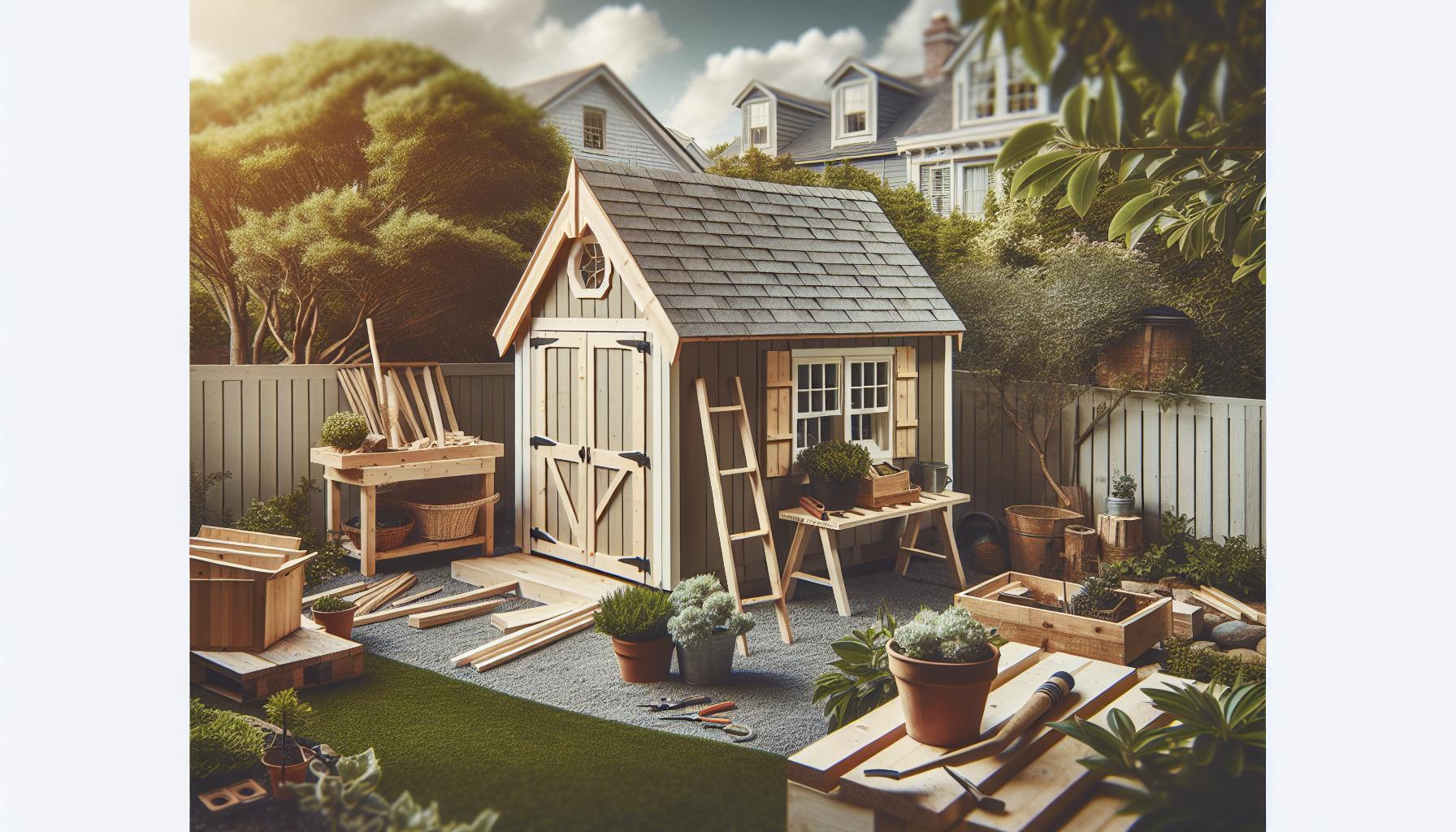
One of the most appealing aspects of a saltbox shed is its versatility. This design can seamlessly integrate into any backyard setting, serving multiple purposes—be it for garden tools, recreational equipment, or even as a workshop. The spacious interior offers ample storage while maintaining a compact footprint, which is ideal for smaller properties. Additionally, the simple lines and customary materials of the saltbox design lend themselves well to customization, allowing homeowners to add personal touches through color, trim, and landscaping without losing the charm of the classic style.
Incorporating elements of the saltbox design into your outdoor space also increases its character and can elevate property value.For those interested in constructing a saltbox shed, key features to consider include:
- Materials: Use natural woods, such as cedar or pine, which blend beautifully with the surrounding environment.
- Windows: Incorporate strategically placed windows to maximize natural light and ventilation, enhancing the shed’s functionality.
- Doors: Consider double doors for easy access to larger items, while maintaining the aesthetic appeal and functionality of the shed.
Ultimately, understanding the saltbox design leads to a practical yet stylish addition to your outdoor space.It reflects a harmonious balance of aesthetics and utility that has stood the test of time, making it a perfect choice for anyone looking to build a shed that embodies the spirit of the classic New England style while meeting modern needs.
Essential Tools and Materials for Your Saltbox Shed Project
Building a Saltbox shed not only adds character to your backyard, but it’s also a functional space for storage and activities. Ensuring you have the right tools and materials at your disposal is pivotal to the success of your project. A well-planned setup allows you to efficiently tackle the construction process while minimizing potential setbacks. Equip yourself with these essential items to smoothly navigate your project on the way to mastering the art of building a classic New England-style saltbox shed.
Essential Tools
To construct a Saltbox shed that stands the test of time, you’ll need several specific tools. Here’s a concise list to help you prepare:
- Measuring Tape: For precise dimensions, ensuring all parts fit together seamlessly.
- Level: to confirm that your walls and roof are perfectly vertical and horizontal.
- square: Essential for making right angles during framing.
- Power Drill: Speeds up the construction process with ease and efficiency.
- Saw: A circular saw is ideal for cutting wood, but a hand saw can also suffice for smaller tasks.
- Hammer: A reliable classic for driving nails and assembling parts.
- screwdriver Set: For attaching hardware securely.
- Safety Gear: Include gloves, goggles, and ear protection to keep yourself safe while working.
Materials Overview
The materials you choose can significantly influence your shed’s durability and aesthetic appeal. Here’s a rundown of the essentials you’ll need:
| Material | Purpose |
|---|---|
| Pressure-Treated Lumber: | Used for the foundation and floor joists to resist moisture and rot. |
| Exterior Grade Plywood: | Forms the walls and roof; provides structural integrity. |
| Shingles or Metal Roofing: | Protects the shed from the elements and adds aesthetic value. |
| Insulation: | Helps maintain consistent temperature if using the shed as a workspace. |
| Paint or Stain: | To protect the exterior of the shed and provide a finished look. |
Incorporating these tools and materials will set a solid foundation as you learn how to build a Saltbox shed, allowing you to create a blend of practicality and traditional design. Make sure to finalize your project plans, taking into account the dimensions and style that reflect your personal taste and meet your functionality needs. With the right preparation, you’re well on your way to a prosperous DIY effort that enhances your outdoor space beautifully.
Step-by-Step Guide: Constructing the Foundations of Your Shed
When embarking on the journey of building a saltbox shed, one of the most critical steps is laying a solid foundation. The foundation supports the entire structure, ensuring durability and stability against various environmental elements. A well-constructed foundation not only maximizes the lifespan of your shed but also helps in avoiding costly repairs down the line.
Determining the Location
Before you begin constructing the foundation, select a suitable location for your shed. Consider the following factors:
- Flat Terrain: Choose a flat area to simplify leveling.
- Drainage: Ensure good drainage to prevent water accumulation near the foundation.
- Access: Make sure the site is accessible for construction and future maintenance.
Foundation Options
for a saltbox shed, you have several foundation choices, including:
- Concrete Slab: Provides a solid, durable surface, ideal for heavier structures.
- Wood Skids: Suitable for portable sheds; they rest directly on the ground.
- Pier and Beam: Elevates the shed, improving ventilation and moisture resistance.
Constructing the Foundation
- Gather materials and Tools: Ensure you have all necessary materials such as concrete blocks, gravel, pressure-treated lumber, and tools like a level, tape measure, and shovel.
- Prepare the Site: Clear the ground of debris, rocks, and vegetation. If using a concrete slab, excavate the area to the depth required for the slab.
- Lay the Foundation:
– For a Concrete Slab, pour a concrete mix into the excavated area, ensuring it is level using the level tool.
– For Wood Skids,place the skids parallel to each other at the specified distance,ensuring they are level.
– For a Pier and Beam, dig holes for piers, set concrete blocks in the holes, and than attach the beams to these blocks.
- Ensure Levelness: Verify that the entire foundation is level across all points, adjusting as necessary.
By following these foundational steps, you can ensure that your saltbox shed stands the test of time while maintaining its classic New England charm. Properly establishing the foundation sets a strong stage for the entire build, allowing you to focus on the aesthetics and functionality of your new outdoor space.
Framing the Saltbox: techniques for a Sturdy Structure

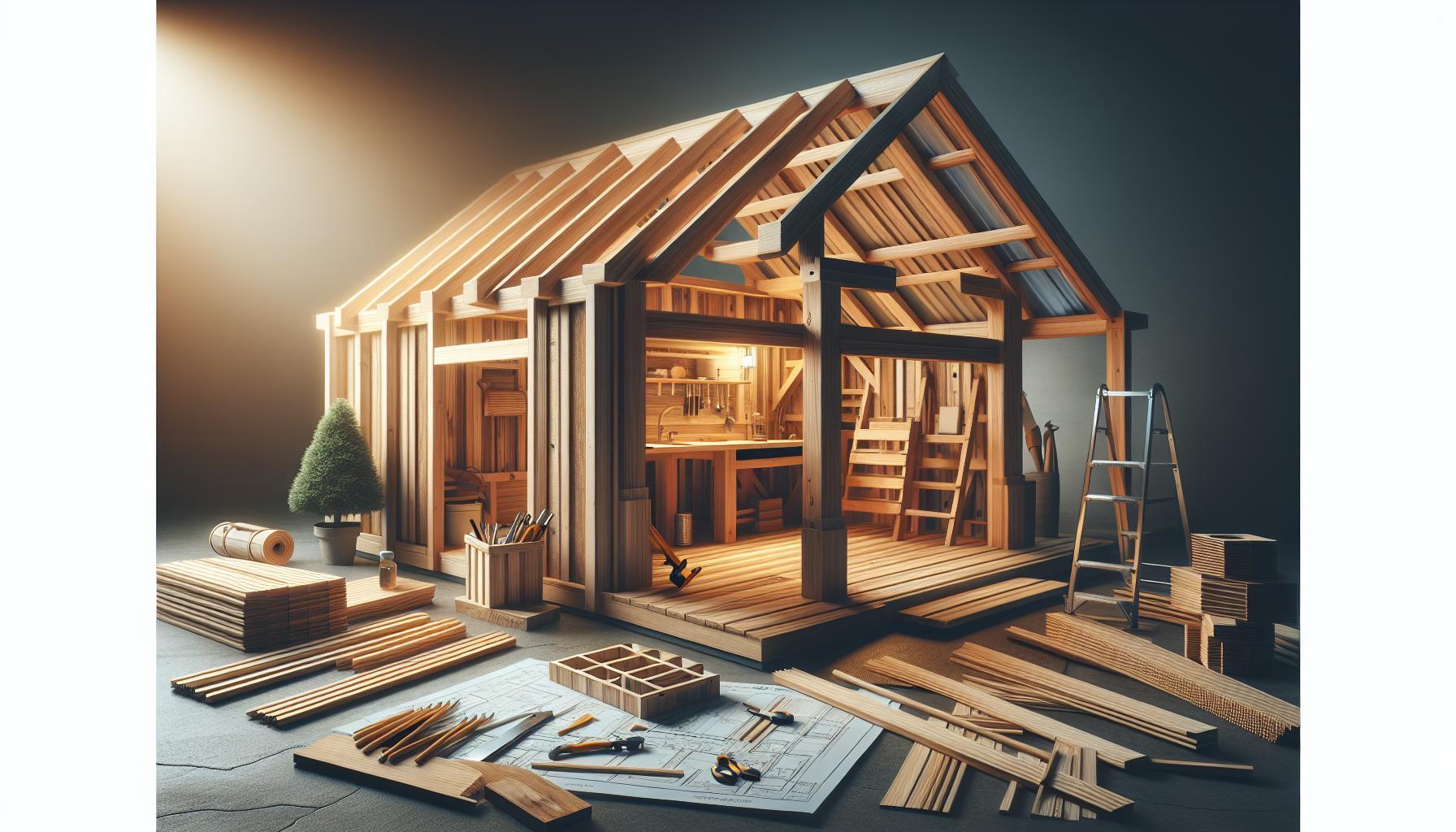
Building a sturdy frame is the backbone of any saltbox shed, ensuring durability and strength against the elements. The unique aesthetics of a saltbox shed, characterized by its sloped roof and asymmetrical design, require careful attention to framing techniques. To create a robust structure, you will need to select the proper materials and adhere to precise dimensions, ensuring that your build stands the test of time.
Start with the floor frame, which serves as the foundation for your entire shed. Use treated 2×6 lumber for the joists, placing them approximately 16 inches apart for adequate support. Each joist should be securely fastened to the rim joists, ensuring a stable base. Cover this floor frame with ¾-inch tongue-and-groove plywood, securing the sheets with 2-inch nails or wood screws every 12 inches for a solid surface.This attention to detail at the foundational level will pay off by preventing sagging and enhancing load-bearing capabilities.
Wall Framing Techniques
When constructing the walls, use 2×4 lumber for the framing. Create panels that include both horizontal and vertical studs, leaving space for windows and doors as desired. The unique sloped design of the saltbox requires extra care, particularly for the rear wall which will be taller than the front. Ensure that the top plate of the wall is level, allowing the roof to fit securely. Reinforce the corners with blocking to add stability and prevent racking. The framing should adequately reflect the asymmetrical roof’s angle,with one side featuring a gentle slope to channel rainwater effectively.
Roof Assembly and Support
The roof structure is critical in a saltbox shed, emphasizing its distinctive style while providing essential protection.For the rafters, use 2×6 lumber, ensuring that they correspond with the pitch established during the wall framing. Typically,one side of the roof will have a steeper slope,while the other will be gentler. Securely attach the rafters to the top plates of the walls and check for level before fastening them in place. Don’t forget to attach overhang boards for additional weather protection, effectively preventing water damage around the eaves.
By employing these techniques in framing your saltbox shed, you will create a long-lasting structure that captures the charm of classic New England architecture. Each step in the construction process, from the foundational floor to the sloped roof, contributes to the shed’s overall integrity and functionality. Your careful planning and execution will result in a space that is both practical and aesthetically pleasing.
roofing Options for Your Saltbox Shed: Style Meets Durability

Crafting a saltbox shed is an possibility to blend aesthetic appeal with practical functionality, particularly when it comes to roofing options. The unique design of a saltbox shed features differing roof pitches—typically a steeper back section and a gentler front—creating a striking profile that is both visually captivating and beneficial for water runoff. Homeowners looking to construct a shed in this classic New England style should consider various roofing materials and styles that not only complement the traditional appearance but also offer durability against the elements.
Material Choices for Lasting Performance
When selecting materials for your saltbox shed roof, prioritize those that provide both structural integrity and weather resistance. Common choices include:
- Asphalt Shingles: Affordable and easy to install, they come in a variety of colors and styles to match the aesthetic of your existing buildings.
- Metal Roofing: Known for its longevity and ability to withstand extreme weather, metal roofing systems can give your shed a modern twist while ensuring it’s protected from rain and snow.
- Wood Shingles: For those seeking a rustic charm, wood shingles offer a natural look but require more maintenance over time to prevent rot.
Choosing the right material hinges on your local climate conditions and the overall look you wish to achieve. As an example, in regions with heavy snowfall, metal roofing may be the best choice due to its smooth surface that helps snow slide off easily, while warmer climates might benefit from the thermal efficiency of asphalt shingles.
Understanding Roof Pitches
The distinctive silhouette of a saltbox shed comes from its varying roof pitches. The back side typically features a steep pitch, which not only adds to the shed’s charming character but is functional for shedding snow and rain effectively. In contrast, the front slope is gentler, frequently enough creating a more gradual transition that enhances visual interest. Here’s a simple breakdown of how pitch influences performance:
| Roof Pitch | Typical Slope | Benefits |
|---|---|---|
| Steep Pitch | 9/12 to 12/12 | Excellent for shedding water and snow |
| Gentle Pitch | 4/12 to 6/12 | Aesthetic appeal, less visible slope |
Final Thoughts on Style and Practicality
Ultimately, the roofing options for your saltbox shed will set the tone for its overall aesthetic and performance. Consider characterizing the shed with a roofing style that enhances its classic New England appeal while ensuring durability. Whether you prefer the clean lines of metal roofing or the rustic charm of wood shingles, ensure the chosen materials align with your maintenance preferences and regional weather challenges. By thoughtfully selecting your roof’s design and materials, you’ll not only protect your investment but also elevate your backyard’s visual landscape as you embark on this journey of creating your own saltbox shed, resonating with the past charm of New England architecture.
Interior Layout Ideas: Maximizing Space in Your Saltbox Shed
Creating a functional and inviting interior for a saltbox shed is essential for making the most of your space. The classic New England style is characterized by its steep roofs and symmetrical design, but within those charming aesthetics lies an exciting opportunity to maximize every square inch of your interior. By adopting a thoughtful approach to layout and design, you can ensure that your saltbox shed serves its purpose efficiently, whether as a workshop, studio, or simply a cozy retreat.
Smart Storage Solutions
One of the most effective strategies for maximizing space is through smart storage solutions. Incorporating built-in shelves and cabinets can significantly increase your storage capacity without overwhelming the small footprint of your saltbox shed. Consider installing wall-mounted shelves that utilize vertical space, keeping floors clear and open. Additionally, using multi-functional furniture, such as benches with hidden storage compartments or tables that can fold down when not in use, can help maintain a clutter-free environment.
Design Layout Examples
Here are a few interior layout ideas to consider when designing your saltbox shed:
- Open Floor Plan: Create an open layout by minimizing dividing walls. Use rugs or furniture arrangements to define different areas for work, relaxation, and storage, allowing for fluid movement and flexibility.
- Defined Zones: For those who require distinct workstations, designate specific zones with furniture placement. For instance, position a compact desk in one corner for an office area while keeping tools organized in a designated workshop zone.
- Lofted Areas: If your saltbox shed has a high ceiling, consider installing a lofted sleeping or storage area.This can create additional usable space without encroaching on the floor plan.
Natural Light and Ventilation
Proper lighting and ventilation can enhance the usability of your saltbox shed. Incorporate large windows or skylights to invite natural light, making even the smallest spaces feel larger and more inviting. This airy atmosphere can be complemented by strategically placed mirrors that reflect light, creating a sense of openness. Adequate ventilation is crucial, particularly for workspaces, so consider installing windows that open or ceiling fans to ensure fresh air circulation.By thoughtfully planning your interior layout and utilizing creative storage and design strategies, you can transform your saltbox shed into a highly functional and aesthetically pleasing space. With these tips and considerations,you’re well on your way to successfully organizing your shed to fit your lifestyle,beautifully reflecting the charm of the classic New England style while meeting your practical needs.
navigating Local Regulations: Permits and Codes for Your Build
Building a saltbox shed not only enhances your backyard’s appeal but also requires careful navigation through local regulations and codes. Every region has specific requirements that dictate what you can build, where you can build it, and how you must execute your project. Understanding and complying with these regulations is critical to avoid costly fines or the need to dismantle your hard work.Before you start constructing your shed, check with your local authorities regarding zoning laws, building permits, and specific codes that pertain to outbuildings. This may involve visiting your local planning or building department’s website, where you can frequently enough find the necessary applications and guidelines for submitting your plans. in many areas, building permits are required for structures exceeding a certain size, while others may permit smaller designs to skip the permitting process.
When preparing your application, consider the following common requirements:
- Site Plan: A detailed layout showing where your shed will be placed on your property.
- Material Specifications: Descriptions of materials used in construction to ensure they meet local codes.
- Structural Design: Plans that demonstrate how your shed will stand up to local weather conditions.
Additionally, local regulations may dictate aesthetic guidelines to ensure your saltbox shed complements neighborhood character. For example, some areas require structures to adhere to specific design features, colors, or even roofing styles. For a comprehensive understanding of your obligations,tools such as those provided by the Indiana Department of Homeland Security offer intricate details about building plan submissions and regulations[source:[source:[source:[source:2].Remember, keeping communication open with local officials can pave the way for a smoother building process.Don’t hesitate to ask for clarity on any regulations or documentation—after all, being well-informed is an essential step in your journey to build a classic New England-style saltbox shed.
Personalizing Your Saltbox Shed: Tips for Unique Finishes and Designs
Creating a saltbox shed not only serves as a functional storage solution but also enhances the aesthetic of your backyard. Choosing unique finishes and designs can elevate this classic New England style, making it a charming focal point in your outdoor space. Personalizing your shed allows you to express your creativity and ensure it complements the surrounding environment. Here are some actionable tips to help you achieve the perfect look for your saltbox shed.
Color Palettes That Complement
When selecting colors for your saltbox shed, consider hues that harmonize with your home and landscape. Earthy tones like muted greens, browns, and soft grays can create a rustic, natural feel, while brighter shades such as bold reds or blues can add a pop of color.To help you decide,consider these combinations:
| Base Color | Accent Color | Suggested Trim |
|---|---|---|
| Soft Green | Cream | Dark Brown |
| Barn Red | Charcoal | White |
| Sky Blue | Dark Navy | Beige |
Unique Roof Designs
While the traditional saltbox roof is sloped on one side,consider enhancing this feature with custom touches. A standing seam metal roof can add a modern flair while ensuring durability against the elements. Alternatively, adding dormer windows not only increases natural light but also adds visual interest. These modifications can transform the shed from a simple structure into a stylish addition to your property.
Personal Touches with Accessories
decorative elements can significantly enhance your saltbox shed’s charm. Try incorporating architectural details such as shutters, window boxes filled with seasonal flowers, or a decorative finial atop the roof. Lighting also plays an essential role—installing lantern-style sconces can provide warmth and make your shed inviting at night. Don’t forget to consider functional accessories like weather vanes or antique door knobs to further personalize your shed’s appearance.
By employing these design strategies, you can create a saltbox shed that reflects your personality and serves as a stunning complement to your outdoor space. Whether you’re looking to craft a simple garden tool storage or a stylish workshop, these unique finishes and designs will ensure your saltbox shed stands out as a remarkable feature in your backyard.
FAQ
How to Build a Saltbox Shed: Classic New England Style for Any Backyard?
Building a saltbox shed requires a few fundamental steps: planning a design, choosing materials, and following a structured building process. Begin by sketching a layout that captures the traditional style, typically featuring a sloping roof and open space for storage.For detailed plans,check out resources like myoutdoorplans.
What materials do I need to build a saltbox shed?
To build a saltbox shed, you’ll need materials like wood for the frame, plywood for walls, roofing materials, nails, and screws. Strongly recommended are treated lumber for durability, particularly in outdoor conditions where moisture can be a concern.
Purchasing high-quality materials ensures longevity and stability of your shed. You might also want insulation and paint to protect against weather elements.For complete lists and descriptions,explore DIY guides from reputable sources.
Can I customize my saltbox shed design?
Yes, you can definitely customize your saltbox shed design! Options for customization include changing the size, altering windows and door placements, and choosing specific roofing styles.
Customization reflects your personal style and makes your shed functional to your needs. Whether you need a garden shed or a workspace, adjusting the design can make the shed uniquely yours.
Why choose a saltbox shed over other styles?
A saltbox shed is favored for its classic aesthetics and functionality. The sloped roof allows for better water runoff and snow shedding,making it practical in various climates.
This unique design provides more vertical space for storage without needing a large footprint, making it ideal for small backyards. Its traditional New England style also adds visual charm to any outdoor area.
How long does it take to build a saltbox shed?
Building a saltbox shed can take anywhere from a weekend to a few weeks,depending on your experience,the size of the shed,and whether you work solo or with help.
Estimating time also involves preparing the foundation, framing, and roofing. Having a set plan and making steady progress can help streamline the project!
What are the common mistakes to avoid when building a saltbox shed?
Common mistakes include not having a solid plan,skimping on materials,and ignoring local building codes. A lack of detail during planning can lead to structural issues down the line.
ensuring all measurements are precise and gathering the right permits can be crucial to avoiding costly adjustments later. Research local regulations to prevent any legal complications.
The Way Forward
building a saltbox shed is not just a fulfilling DIY project; it’s a venture that adds character and functionality to your backyard. Throughout this guide, we’ve explored the distinctive features of saltbox sheds, including thier iconic asymmetrical roofline and spacious interior, making them ideal for various storage needs. Whether you are a novice eager to take on your first woodwork project or a seasoned builder looking to refine your skills, the adaptability of the saltbox design can meet your ambitions.
As you draw closer to breaking ground, remember to consider practical elements like local building codes, material selection, and precise measurements. Each step of the construction process offers a chance to reflect on your dedication to craftsmanship and creativity. Building a saltbox shed is not merely about the finished product, but the journey of learning and problem-solving along the way.
We encourage you to dig deeper into the resources available on DIY kits and plans to tailor your project to your specific needs. For those ready to take the plunge, embracing the saltbox shed style could lead to a beautiful enhancement of your outdoor space that speaks to both tradition and personal expression. Happy building, and enjoy the rewarding experience of creating your own slice of New England charm in your backyard!
Get our latest guides, news, and insights highlighted in your Google Search & AI Overviews.