


creating a backyard shed that complements your home can be a rewarding yet challenging project.Achieving architectural harmony ensures that both structures coexist beautifully, enhancing your outdoor space.This guide explores essential tips for designing a shed that aligns with your house’s aesthetic, making it an integral part of your property’s overall appeal.
Understanding Architectural Elements: Key Features to Consider
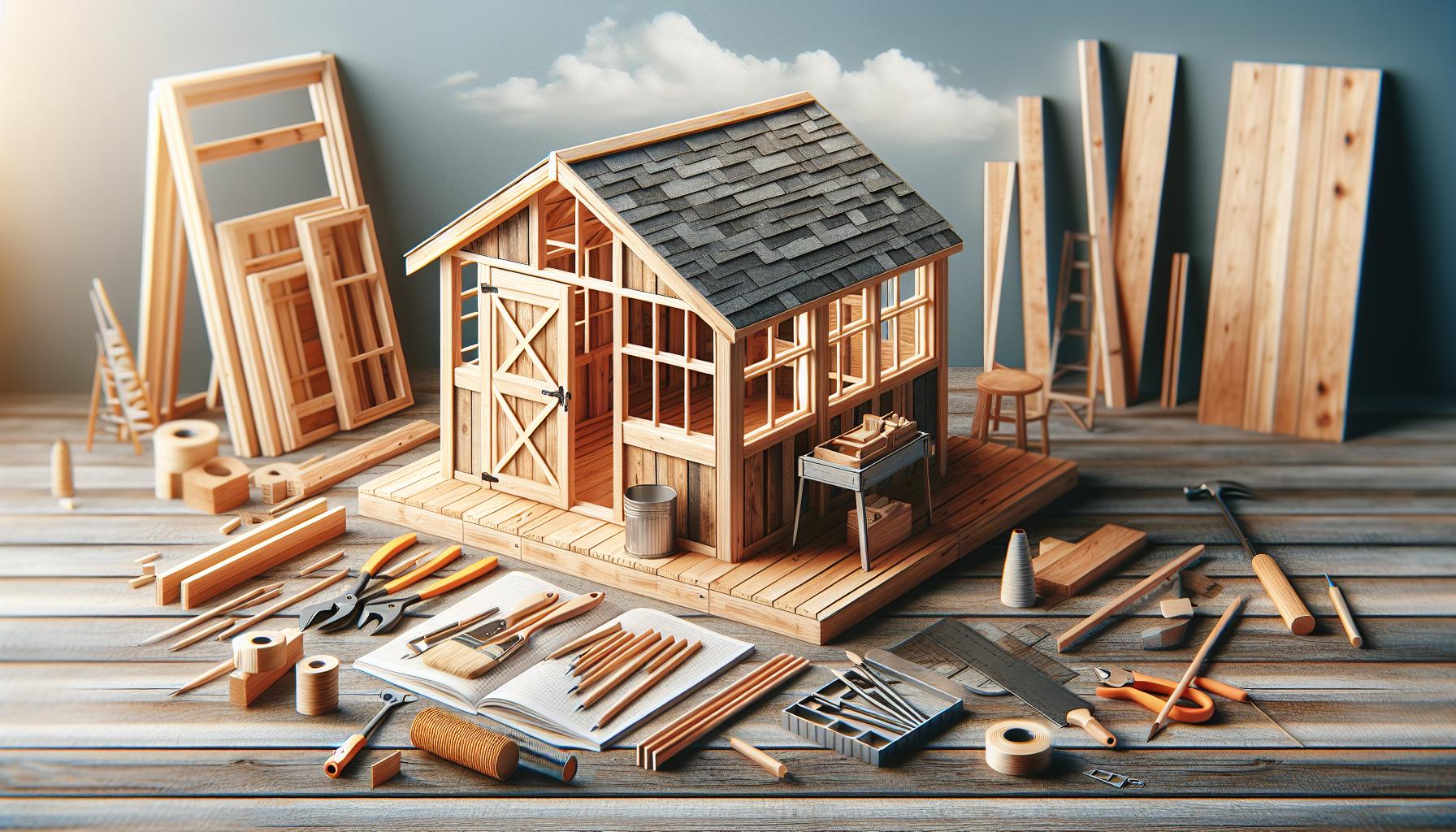
When considering the construction of a shed that complements your home, understanding key architectural elements is essential for achieving harmony in design. Architectural elements serve not only as functional components but also as visual connectors between structures.By carefully evaluating these features, you can create a shed that enhances your property’s overall aesthetic while providing ample storage and utility.
Essential Features to Consider
To ensure architectural unity between your home and shed,take into account the following features:
- Roof Style: Choose a roof style that mirrors your house. For instance, if your home features a gable roof, consider a shed with a similar design to create cohesion. A flat-roof shed, conversely, may look jarring next to a conventional home.
- Materials: Use materials that align with your home’s exterior. If brick or wood is predominant in your house, select a shed made from these materials to maintain a consistent look.
- Color Palette: Harmonizing colors between both structures is crucial. Use paint or finishes that reflect the hues used on your house. A well-matched color scheme can create a seamless transition between your home and shed.
- Architectural Details: Incorporate details such as trim, windows, and doors that reflect your home’s architectural style. For example, if your home features decorative shutters or specific window styles, mimic these elements in your shed.
Balancing Scale and Proportions
Another important aspect to consider is the scale and proportion of the shed. An oversized shed can overshadow your house, while a minuscule shed may be lost in the landscape. Assess the structural proportions relative to your home to achieve a balanced look. A well-proportioned shed will not only fulfill functional needs but can also enhance the overall facade of your property, creating an inviting and aesthetically pleasing environment.
| Feature | Matching Tips |
|---|---|
| Roof Style | Match gable, hipped, or flat designs. |
| Materials | reflect home’s primary construction materials. |
| Color Palette | Use similar shades from your home’s exterior. |
| Architectural Details | Replicate trims, window styles, and doors. |
By understanding these architectural elements, you can successfully design a shed that blends beautifully with your home, ensuring that your outdoor space remains aesthetically aligned and perfectly functional. Achieving harmony between these structures can substantially enhance the value and appeal of your property.
Aligning Shed Style with Home Aesthetics: Finding the Right Match
When considering the design of a shed, it’s essential to create a seamless visual interplay between your home and the new structure. Architectural harmony goes beyond mere aesthetics; it involves thoughtful integration of materials, shapes, and colors that resonate with the existing property. A shed that mirrors the architectural language of your home can enhance the overall appeal and functionality of your outdoor space, creating a cohesive look that feels intentional and curated.
To achieve a prosperous match, start by analyzing the key elements of your home’s architecture. Look closely at the following aspects:
- Material Palette: Identify the primary materials used in your home’s exterior—whether it’s wood, brick, or metal—and consider utilizing similar textures and finishes for your shed.
- Roof Style: Shed roofs often feature a single slope, but you might want to incorporate similar pitches, angles, or even gables that reflect your home’s roofing design.
- Color Scheme: Select a color palette that complements your home. Using coordinating shades can create a striking yet harmonious contrast that ties the two structures together.
- Architectural Details: Integrating elements like window styles, door shapes, or decorative trim that match your house can add character and coherence.
Practical Steps for Harmonizing Shed design
Before diving into construction, consider these actionable steps to ensure your shed aligns with your home’s aesthetic:
| Step | Action |
|---|---|
| 1 | Conduct a design review of your home. Take photographs and notes on key design elements. |
| 2 | Consult local zoning regulations to understand size and height restrictions for sheds. |
| 3 | Sketch out your shed’s design incorporating the identified elements from your home. |
| 4 | Source materials that are readily available and similar to your home’s facade. |
| 5 | Engage a professional if needed,to refine your design for optimal harmony. |
By thoughtfully considering these aspects, your shed will not only serve its practical purposes but will also become a harmonious extension of your home, enhancing both functionality and curb appeal. This thoughtful approach reflects the principles outlined in discussions of architectural harmony, ensuring that your new structure complements rather than clashes with your existing home.
Proportions and Scale: ensuring Your Shed complements Your Home
To create a shed that enhances rather than detracts from the elegance of your home, understanding proportions and scale is crucial. A shed that feels out of place can overshadow the aesthetics of your property and disrupt the overall visual harmony. By mindfully considering the dimensions of both the shed and your home, you can achieve an architectural balance that speaks to thoughtful design.
Key considerations for Proportions and Scale
- Height: The height of the shed should not overshadow your home. If your house has a low profile, opt for a shed with a lower roofline. Conversely, if your home is tall, a slightly taller shed can create a unified view without appearing overpowering.
- Width: Ensure that the width of the shed is proportional to the width of your home.A narrow shed next to a large house can look lost, while an overly broad shed might seem excessive. Finding a balance helps maintain visual appeal.
- Style: Match the architectural features of your shed with those of your home. For example, if your house has wide eaves or specific window styles, incorporate similar elements to bridge the designs.
Proportions in Action
Real-world applications frequently enough showcase how effective proportion and scale can transform outdoor spaces. For instance, a homeowner with a modest single-story ranch-style house may choose a gabled shed design with a roof height that is one-third the height of the main residence. This creates a sense of continuity while providing a cohesive outdoor look. Additionally, the shed’s materials should mirror the existing structures – wood siding that blends in with the home’s façade can significantly enhance compatibility.
| Home Feature | Shed Recommendation |
|---|---|
| Low Roofline | Choose a shed with a low-profile roof |
| Tall Home Structure | Consider a shed with an elevated design |
| Wide Window Styles | Incorporate similar window styles in the shed |
By following these architectural harmony tips, such as keeping scale and proportions in check, building a shed that harmonizes beautifully with your home becomes an achievable goal.Thoughtful choices will not only enhance your backyard but also contribute to the overall character and feel of your property.
Creating Cohesion: Integrating Colors and Architectural Details
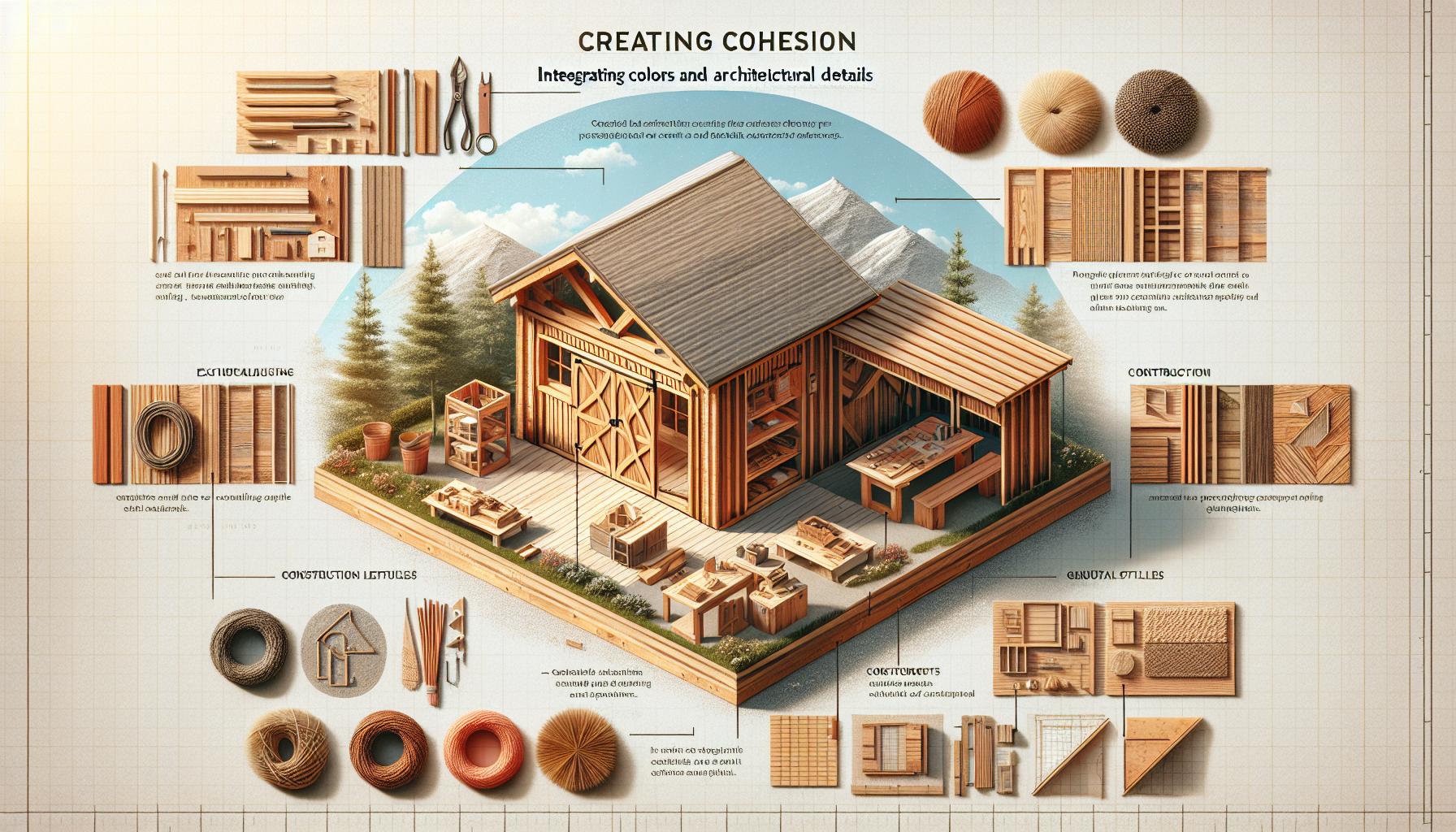
Creating a visually cohesive environment requires thoughtful integration of colors and architectural details. When considering ways to build a shed that complements your home,it is essential to ensure that every aspect,from the materials to the color palette,resonates harmoniously with the main structure. By understanding and applying *color harmonies*, you can create a shed that not only serves its functional purpose but also enhances the aesthetic appeal of your property.
To achieve effective color integration, consider the following strategies:
Choosing a Cohesive Color Palette
A cohesive color palette plays a vital role in creating unity between your house and the shed. Start by selecting shades that reflect your home’s exterior. For instance, if your house features a warm beige exterior, a shed painted in a slightly darker or complementary beige can offer a seamless transition.You might also consider a combination of colors that creates visual interest while maintaining harmony, such as:
- Monochromatic schemes: Use varying shades of a single color.
- Analogous colors: Choose colors that sit next to each other on the color wheel, like green, blue-green, and blue.
- Complementary colors: Select colors that are opposite each other on the color wheel for a bold contrast, such as a deep blue shed against a warm orange house.
Incorporating Architectural Elements
Along with color, incorporating similar architectural details can greatly contribute to the overall harmony of your shed with your home. This could include:
- Similar roof styles or pitches.
- Matching window styles and trims.
- Utilizing the same siding materials, or at least similar textures, to maintain a cohesive look.
Consider designing the shed to echo specific features of your home, such as eaves, gables, or even decorative elements like shutters.This attention to detail ensures that your shed feels like an extension of your house rather than a separate, disconnected structure.
Real-World Examples
Take inspiration from existing examples of architectural harmony. Many homeowners find success in creating a mini barn-style shed that mirrors the farmhouse aesthetic of their home, utilizing the same wood cladding and color scheme. Alternatively, a modern home can pair beautifully with a sleek, metal-sided shed that adopts the same clean lines and color palette, resulting in a visually striking yet harmonious environment.
By thoughtfully coordinating colors and architectural details,you can design a shed that not only serves its functional purpose but also amplifies the beauty of your home. Whether embarking on a DIY project or hiring professionals,these insights from *Can You Build a Shed to Match Your House? Architectural Harmony Tips* can guide you in creating a cohesive and stylish outdoor space.
designing for Functionality: Balancing Practical Use with Visual Appeal
Creating a structure that aligns with the main house while serving practical needs is a challenge many homeowners face, especially when constructing ancillary buildings like sheds. Achieving this balance between functionality and aesthetic appeal enhances not only the visual coherence of your property but also the usability of the shed itself. When planning a shed, consider how the design will complement your home’s architecture, including elements like roof lines, colors, and materials.
Prioritize functionality
A well-designed shed must first and foremost meet its intended purpose. Whether it’s for storage, gardening, or serving as a workshop, clearly define its primary function before diving into aesthetics.Considerations might include:
- Size and Layout: Ensure the shed can accommodate its intended use effectively. Measure tools or equipment you plan to store to select the right dimensions.
- Accessibility: Design the entry points for easy access, especially if frequently used items will be stored inside.
- Ventilation: Proper airflow is crucial in preventing musty odors, especially if you store gardening supplies or other materials that may retain moisture.
Design for Visual harmony
While functionality is critical,visual appeal cannot be overlooked. A shed that mirrors your house’s architectural details creates a cohesive look. Start by assessing the following aspects of your home:
- Materials: Use similar siding materials or paint colors that match your house. If your home features wood shingles,consider replicating that in your shed.
- Roof Design: Mimic the roof pitch or style, whether it be gabled, hipped, or flat, to create a visual connection.
- Landscaping: Complement the shed’s placement with landscaping that draws the eye and integrates the structure within the garden.
By balancing practical considerations with aesthetic qualities, you can create a shed that not only meets your storage needs but also elevates the overall appearance of your property. Implementing these architectural harmony tips ensures that your shed serves as a functional extension of your home,enhancing both its usability and visual coherence within the surrounding space.
Landscaping Around Your shed: Enhancing Connection to Your Home
Creating a seamless connection between your shed and home can profoundly enhance the overall aesthetics of your property. The right landscaping can transform a simple storage structure into an integral part of your outdoor environment. By integrating thoughtful design elements, you can ensure that your shed complements the architectural harmony of your home while also serving as a functional space.
One effective approach is to incorporate native plants and decorative elements that mirror your home’s architectural features. This can include:
- Color Coordination: Choose plants and flowers that echo the colors of your home’s exterior. If your house features neutral tones, opt for vibrant flowers to create a striking contrast.
- Pathways: Lay gravel or stone pathways leading to the shed, which not only adds visual appeal but also guides visitors smoothly through your yard.
- Seating Areas: Create a cozy nook nearby with benches or chairs, encouraging use of the space surrounding your shed, making it feel more integrated with your home.
Adding Architectural Elements
Incorporating architectural features can also tie your shed more closely to your home. Consider adding a small porch or extending the roofing style to the shed, mimicking the angles and materials used in your house. These changes can significantly improve aesthetics and practicality, offering shelter or a shaded area.
Utilizing Vertical Space
Vertical gardening is another innovative way to connect your shed to your home’s landscape. Install trellises with climbing plants, or wall-mounted planters to draw the eye up and create a lush, green backdrop. This not only beautifies the area but also enhances privacy and reduces visual clutter around your shed.
| Design Element | Benefit |
|---|---|
| Color Coordination | Creates harmony with the house’s exterior |
| Pathways | Improves accessibility and aesthetics |
| Architectural Features | Enhances visual connection to the house |
| Vertical Gardening | Adds greenery and depth to the landscape |
Through careful planning and the use of various landscaping techniques, you can ensure that your shed is not merely a storage space but a complementary feature of your home. By following these tips, you will not only preserve the architectural integrity of your property but also create a visually appealing outdoor oasis that invites both functionality and enjoyment.
Overcoming Common Shed Design Challenges: Tips for DIY Success
Designing a shed that complements your home can be a rewarding yet challenging endeavor.A cohesive architectural style between your house and shed not only enhances the aesthetic appeal of your property but also maintains the charm of your outdoor space. However, DIY builders often encounter hurdles such as size, shape, and material selection that can complicate achieving this harmony. By understanding these challenges and implementing effective strategies, you can create a shed that successfully integrates with your home’s design.
Assessing Space and Scale
One of the most critical aspects of aligning your shed with your home’s architecture is ensuring it fits appropriately within your yard. Begin by measuring both your home and the intended shed space. Consider factors such as height, width, and overall proportion. It’s beneficial to sketch a layout or use design software to visualize how the shed will look in relation to your house.
pro Tip: Use existing elements in your yard, like trees or pathways, as framing guides to help define the shed’s size and placement.
Choosing Complementary Materials
The materials you select play a significant role in achieving architectural harmony. Look closely at the materials used on your home—whether brick,wood,or vinyl siding. Choose similar or complementary materials for your shed. As an example, if your house features a wooden facade, a wooden shed stained in a matching color can create a seamless look.
- Wood: Ideal for a rustic or traditional appearance.
- Vinyl: Great for a modern aesthetic and low maintenance.
- Metal: Suitable for contemporary styles but should be paired thoughtfully.
Design Elements and Rooflines
Pay attention to architectural details such as rooflines, windows, and doors.A shed with a gabled roof mimicking your home’s structure can significantly mask the differences in design. Add similar window styles or shutters that match those found on your house to enhance cohesion.
| Design Element | Considerations |
|---|---|
| Roof Style | Match to home’s roof angles and types (gabled, flat, etc.) |
| Color Scheme | Use home accent colors for shed finishes. |
| Siding Type | Choose materials that complement main building. |
Ultimately, the key to successfully merging your shed into your home’s overall design lies in meticulous planning and thoughtful execution. By tackling common design challenges with a strategic approach, you can build a shed that not only meets your storage needs but also enhances the beauty and architectural integrity of your property. These considerations embody the essence of “Can You Build a Shed to Match Your House? Architectural Harmony Tips,” ensuring a successful DIY project that elevates your outdoor space.
Frequently asked questions
Can You Build a shed to Match Your House? architectural Harmony Tips?
Yes, you can build a shed to match your house by closely aligning its architectural style, materials, and colors with your existing home. This creates visual harmony and enhances the overall aesthetic of your property.
To achieve this, consider aspects such as roof pitch, siding material, and paint colors that reflect your home’s design. For instance, if your house features a contemporary style with clean lines and a neutral palette, choosing similar elements for your shed will ensure it complements your outdoor space beautifully.
Why is it important to match my shed with my house?
Matching your shed with your house is crucial for maintaining architectural consistency in your property. It enhances curb appeal and adds to the value of your home.
When sheds clash with the home’s design, it can create a disjointed look that detracts from the overall charm of your property.By ensuring cohesion, your shed can serve as an integrated part of your yard, rather than an isolated structure. To further explore this, you can check out more design tips on outdoor harmony solutions.
What materials work best for a shed that matches my house?
Common materials that work well when building a shed to match your house include wood, vinyl, and metal. choose based on what best resembles your house’s construction materials.
Such as, if your home has wood siding, using similar wood for your shed can create a seamless transition. Alternatively, if your home features a modern aesthetic with metal accents, consider a metal shed for a cohesive look.
How can I design my shed to match my home’s roof style?
to design your shed to match your home’s roof style, mimic the roof pitch and shape of your house. Whether it’s gable, hip, or flat, duplicating these features creates visual harmony.
By replicating the angles and structure of your roof, your shed will appear as a natural extension of your home. Additionally, using similar roofing materials enhances this effect, ensuring a cohesive appearance across your property.
Can I use a different color for my shed than my house?
While it’s possible to use a different color for your shed, it should complement the color palette of your house to maintain architectural harmony.
Opting for a color that contrasts yet coordinates can enhance visual interest. For instance,if your house is neutral,a slightly bolder shade for your shed can create a charming focal point while still adhering to the overall aesthetic.
what are some tips for placing a shed in my yard for architectural harmony?
When placing a shed,consider it in relation to your house and other structures to ensure it appears well-integrated into your landscape. Positioning it near existing structures can create a cohesive look.
avoid placing your shed too far from your home, as this can disrupt the visual flow of your yard. Instead, think about functional placement that enhances both usability and aesthetics, ensuring it feels like an intentional part of your outdoor space.
Are there design software tools to help visualize my shed’s integration with my home?
Yes, several design software options are available that can help you visualize how your shed will integrate with your home. These tools provide a digital platform to experiment with different styles and colors.
some popular options include online landscape design tools and 3D modeling software that allows you to create a virtual representation of your yard. This can definitely help you see different configurations and make informed decisions before construction begins.
The Conclusion
building a shed that harmonizes with your home is not only a fulfilling project but also enhances your property’s overall aesthetic and functionality. By considering architectural elements such as style, color, and materials, you can create a seamless transition between your house and shed. Remember to start with a solid plan, keeping in mind the importance of scale and proportion to maintain visual balance.don’t shy away from incorporating design features that echo your home’s architecture, whether through roof styles or siding choices.
As you embark on this journey,embrace the process and the inevitable challenges that may arise; they are part of the learning experience. With careful planning and a bit of creativity, you can achieve a beautiful and functional shed that complements your home while also serving your storage needs. We encourage you to explore more tips and resources that can guide you through each phase of construction. Happy building, and may your shed become a cherished extension of your living space!
Get our latest guides, news, and insights highlighted in your Google Search & AI Overviews.


