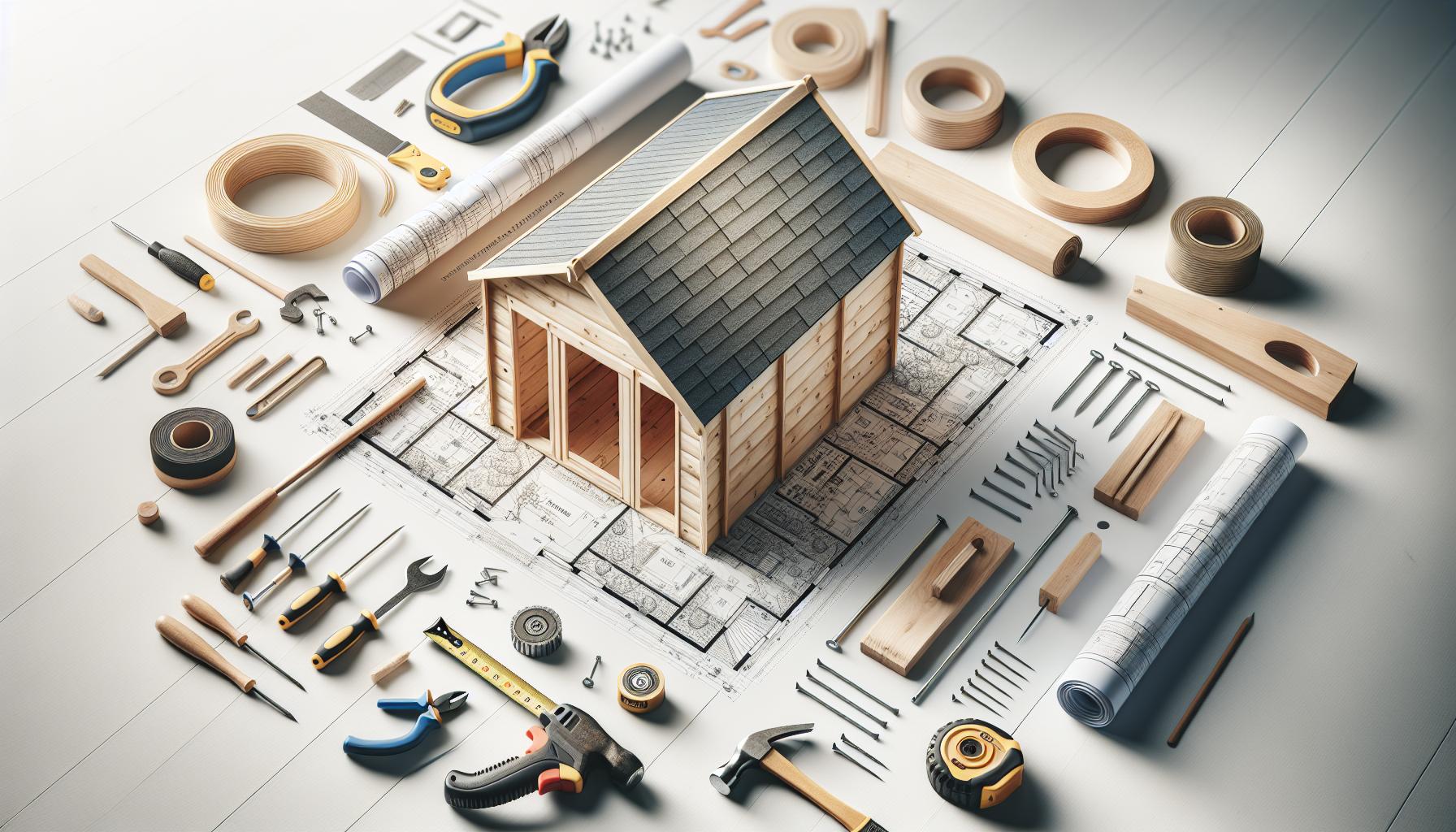
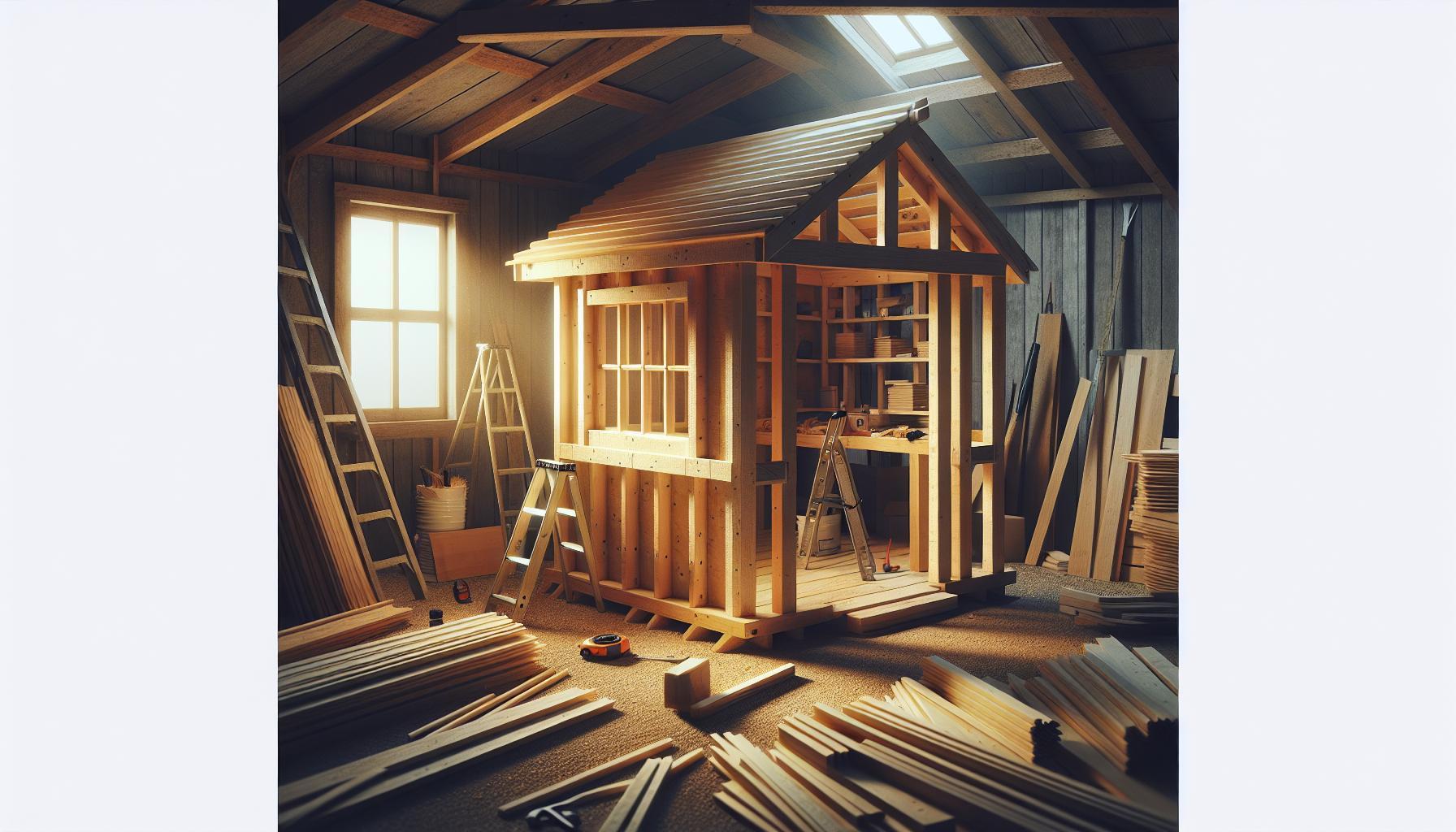
Struggling with an unwelcoming, flimsy shed entrance? Crafting a durable and customized shed door not only elevates the aesthetics of yoru outdoor space but also enhances security and functionality. This guide will walk you through the essential steps and materials needed to create a lasting entry solution tailored to your needs.
Understanding the Basics: Key Components of a Shed Door
Every shed needs a reliable door that offers convenience and security. Crafting a shed door that aligns with the style of your outdoor space while providing durability involves understanding several key components. Each element plays a critical role in both the functionality and aesthetic appeal of your custom entry solution.
Essential Elements of a Shed Door
When you’re venturing into building a shed door, there are several components to consider, each contributing to the overall strength and usability of the door. Here are the vital elements:
- Frame: The frame acts as the backbone of your door, providing structural integrity. It is typically made from sturdy wood or metal depending on the design and purpose of your shed.
- Panels: These are the actual surfaces of the door and can be constructed from plywood, solid wood, or even lightweight composite materials. Choosing the right panel material affects the door’s insulation and appearance.
- Hinges: High-quality, heavy-duty hinges are essential for a smooth operation. They ensure the door opens and closes efficiently while supporting the weight of the door.
- Latch/Lock Mechanism: Security is paramount; thus, a reliable latch or lock keeps your tools and belongings safe. Options range from simple sliding bolts to more advanced keyed locks.
- Weather Stripping: For those in areas prone to moisture or extreme weather, proper weather stripping prevents leaks and enhances energy efficiency within the shed.
Design considerations
Beyond the functional components, thoughtful design choices can greatly enhance the appeal of your shed door. Here are some factors to consider:
- Style: Your door can match your home’s architectural style or the overall look of your garden. Consider a rustic barn door or a modern sleek design.
- Color: A bold color can make your shed a focal point, while muted tones can definitely help it blend into the landscape.
- Size: Ensure your door size accommodates easy access for the equipment you plan to store, including larger items like lawnmowers or bicycles.
Understanding these essential components and design considerations is crucial in your journey to build a shed door that not only functions well but also complements your outdoor space beautifully. With the right materials and thoughtful construction techniques, your custom entry solution will not only last but also continue to enhance the utility and style of your shed for years to come.
Selecting the Right Materials: Durability Meets Design
When embarking on the journey of creating a custom shed door, the materials you choose can make a meaningful impact on both longevity and aesthetics. The right combination of materials ensures that your door can endure the elements while still reflecting your personal style. Understanding the properties of different materials is crucial to achieving that perfect balance between durability and design.
Key Materials to consider
When selecting materials for your shed door, consider the following options, each offering unique benefits:
- Wood: Natural, warm, and aesthetically pleasing, wood is a popular choice for shed doors. Pressure-treated lumber or cedar can withstand moisture and resist rot, provided they are properly sealed and maintained.
- Metal: Offering unmatched durability,metal doors (such as those made of galvanized steel or aluminum) are highly resistant to weather conditions and theft. Their industrial look can also bring a modern touch to rustic settings.
- Composite Materials: Engineered from a blend of wood fibers and recycled plastic, composite materials mimic the look of wood while being resistant to warping, splitting, and moisture. This makes them a fantastic choice for humid climates.
- Fiberglass: An increasingly popular option, fiberglass doors are strong, low-maintenance, and available in various styles. They can be designed to look like wood while providing superior resistance to weather and dents.
Matching Materials to Style and functionality
Choosing the right material isn’t just about durability; it’s also about aesthetic appeal and functionality. As a notable example, consider the style of your shed and the habitat it resides in. is it a quaint garden shed or a more industrial-looking storage solution? You could opt for sleek metal for a modern vibe or warm wood to enhance a rustic landscape.
For functionality, think about the door’s exposure to elements, the frequency of use, and the level of security needed. A sturdy, hardwood door may lend a sense of security, while a lighter fiberglass option could be easier to operate. Additionally, if you live in an area with extreme weather, resilient materials like metal or fiberglass might be the smartest route.
| Material | Durability | Maintenance | Cost |
|---|---|---|---|
| Wood | Moderate | High (requires sealing) | $$ |
| Metal | Very high | Low (rust-proof options) | $$$ |
| Composite | High | Low | $$ |
| fiberglass | Very high | Low | $$$ |
Ultimately, the materials you choose for your shed door can greatly influence its overall appeal and lifespan. By carefully weighing the advantages and characteristics of each option, you can create a custom entry solution that not only lasts but stands as a testament to your creativity and foresight in durable design.
Step-by-Step Guide: Crafting Your Custom Shed Door
Building a custom shed door not only enhances the aesthetic appeal of your outdoor space but also ensures a high level of durability and security. Imagine the satisfaction of creating a unique entryway that stands out in your garden, tailored to your specific needs and style. With the right approach, crafting your custom door becomes a fulfilling DIY project that can transform your shed into a true extension of your home.
Gather Your Materials
Before diving into the construction, it’s crucial to gather all the necessary materials. Typically, you’ll need:
- Wood (preferably treated lumber for outdoor resilience)
- Wood screws or nails
- Hinges (heavy-duty for extra support)
- Door handle and lock mechanism
- Wood stain or paint for finishing
- Wood glue for added strength
- Measuring tape and square
- Tools (saw, drill, etc.)
Make a checklist to ensure you don’t miss any items, especially hardware that contributes to the door’s functionality and security.
Measure the Opening
Accurate measurements are key in determining how to build a shed door that fits perfectly and operates smoothly. First, use a measuring tape to assess the height and width of your shed’s door frame.Depending on your shed design, consider whether you want a single door or double doors. Be sure to account for the following:
| Measurement | Description |
|---|---|
| Height | From the bottom of the frame to the top. Add a couple of inches for clearance. |
| Width | Measure from one side of the frame to the other. Don’t forget to include space for hinges. |
Once you have the measurements, draw a rough sketch of your door’s design, which helps visualize the final product.
Cut and Assemble the Door Frame
With your materials ready and measurements taken, it’s time to cut the wood to size. Start by following these steps to create a solid door frame:
- Cut the vertical pieces (stiles) according to the height measurement.
- Cut the horizontal pieces (rails) for the top and bottom of the door, making sure they match the width, including allowances for hinges.
- Assemble the frame using wood screws and glue for enhanced durability. Ensure all corners are square for a professional finish.
After constructing the frame, consider adding decorative elements such as panels or a window. These can be made from plywood or acrylic, remaining in line with the overall aesthetic of your shed.
Finish and Install
After assembling the door, smooth any rough edges with sandpaper and apply your chosen stain or paint for protection against the elements.Once the finish is dry, you can install the door by securing the hinges to your shed frame.
consider installing a latch and lock mechanism that complements your shed’s design. This not only secures your belongings but also adds an extra layer of sophistication to the overall look of your custom door.
Following these steps, you’ll have a custom shed door that not only enhances your outdoor space but also reflects your personal style and craftsmanship. This DIY project is a testament to how a few materials and a little elbow grease can result in functional and stunning outdoor enhancements.
Hardware and Finishes: Ensuring Functionality and Style
When it comes to constructing a shed door that is both functional and stylish, the choice of hardware and finishes plays a pivotal role.Selecting the right components not only enhances the door’s aesthetic appeal but also ensures durability against the elements. The hardware you choose should complement the design of your shed while providing the necessary strength and security. Whether you opt for rustic barn-style hinges or sleek, modern locks, the hardware must be both beautiful and practical.
Choosing the right Hardware
The hardware selection should be based on the door’s material, style, and intended use. Here are some essential hardware components to consider:
- Hinges: Heavy-duty hinges are essential for enduring the weight of your door.Consider options like strap or tee hinges for a traditional look.
- Locks: A robust locking mechanism is critical for security. You might choose a deadbolt or a sliding bolt latch, depending on your privacy needs.
- Handles: The handle should not only be functional but also match your design style; consider options from rustic wrought iron to sleek stainless steel.
- Mounting Hardware: Ensure you have screws and brackets that can withstand outdoor conditions to prevent rust and decay.
Finishes: Aesthetic and Protective Layer
Finishes are essential for protecting your shed door from weather damage while also adding a significant aesthetic touch. Here are popular finish options to consider:
| Finish Type | Description | Benefits |
|---|---|---|
| Paint | Available in various colors, paint can enhance the visual appeal. | Offers UV protection and can rejuvenate older doors. |
| Stain | Preserves the natural look of the wood while providing color. | Enhances grain visibility and offers waterproofing. |
| Varnish | A clear coat that provides sheen and protects against scratches. | Ideal for maximizing durability without altering the wood’s aesthetic. |
Incorporating high-quality hardware and carefully chosen finishes will not only elevate the design of your shed door but also guarantee that it withstands the test of time. Remember, the combinations you select reflect your personal style and can significantly influence the functionality of your entryway. Investing in these elements seamlessly ties together practicality and visual allure, ensuring that your shed door is both a welcomed entry point and an impressive focal point.
Common Challenges: Troubleshooting Your Shed Door Build
Building a custom shed door that is functional and aesthetically pleasing can often feel like a simple task, but numerous challenges can crop up along the way. From misalignment issues to using the wrong materials, every step in your build process can introduce potential problems. Understanding these common pitfalls can save you time, frustration, and resources, turning your shed door project into a rewarding experience rather than a headache.
Common Problems and Their Solutions
when tackling the construction of your shed door, keep an eye out for these frequent challenges and their corresponding solutions:
- Misalignment: Doors that don’t hang straight can be an ongoing annoyance.
- Warping: Changes in temperature and humidity can cause wood to warp, leading to gaps.
- Sticking: A door that is too tight can be difficult to open or close smoothly.
- Rust on Hardware: Poor-quality materials can lead to rust, compromising your door’s durability.
Each of these problems can be remedied with proactive measures and attention to detail. For instance, to avoid misalignment, ensure that your hinges are installed at the same height on both the door and the frame. This not only improves the aesthetic but also enhances functionality. When selecting materials, opt for high-quality, treated wood to reduce the chances of warping and sticking in changing weather conditions.
Helpful Tips for a Smooth build
To ensure a smoother build, consider implementing the following strategies:
- Use a Level: Always check for level at every stage, particularly before securing hinges and other hardware.
- pre-drill Holes: This prevents wood from splitting and allows for precise placement of screws.
- Regular maintenance: After building, make sure to check door alignment periodically, especially after extreme weather.
Costly Mistakes to Avoid
Be cautious of common mistakes that can lead to increased costs. The table below summarizes a few costly errors and their solutions:
| Error | Consequence | Solution |
|---|---|---|
| Not factoring in the door’s weight | Inadequate hardware may break | Choose heavy-duty hinges and reinforcements |
| Poor measuring | Doors that don’t fit properly | Measure multiple times; use clear measurements |
| Ignoring local weather conditions | Premature wear and tear | Select weather-resistant materials |
Incorporating these insights not only directs you towards building a more reliable and sustainable shed door but also enhances your overall shed-building experience. by troubleshooting common challenges and avoiding costly mistakes, you can create a custom entry solution that lasts.
Maintenance Tips: Keeping Your Shed door in Peak Condition
Maintaining your shed door is essential for ensuring its longevity and functionality. A well-built door is only as strong as the care it receives; neglect can lead to warping,rusting hinges,and potential security issues. Regular maintenance not only keeps your door looking brand new but also enhances the overall integrity of your shed. Here are some practical tips for keeping your shed door in peak condition, allowing it to remain a reliable entry point for years to come.
Regular Inspections
Routine assessments are vital in catching minor issues before they escalate. Check for signs of wear and tear at least once a month. This includes examining the door for cracks, rot, or loose panels. Pay special attention to the hinge areas,ensuring no rust has developed. If you notice any issues, addressing them promptly can save you time and money in the long run.
Proper Cleaning Techniques
Dirt and grime can accumulate on your shed door, especially if it’s made of wood. Use a mild detergent mixed with water to wash any buildup, scrubbing gently with a soft cloth. For wooden doors, consider applying a weatherproof sealant or wood preserver every few years to protect against moisture. Metal doors may benefit from a rust-inhibiting paint to prevent corrosion.
Lubrication and Alignment
Keeping the hinges well-lubricated ensures smooth operation and prevents squeaking. A light machine oil or silicone spray is often suitable for this task. After lubricating, open and close the door a few times to distribute the oil evenly. Additionally, check the alignment of your door—if it isn’t hanging straight, adjust the hinges accordingly to maintain proper function and prevent further wear.
Seasonal Adjustments
Different weather conditions can affect your shed door significantly. In the winter months,watch for ice buildup around the door frame that can inhibit opening and closing. Conversely, in the summer, check for signs of swelling if you have a wooden door, as humidity can cause this. Be ready to make seasonal adjustments like tightening screws or replacing worn-out seals to enhance performance.
By implementing these maintenance tips, homeowners can ensure that their shed door remains an effective barrier against the elements while contributing to the aesthetic and functional appeal of their outdoor space. Regular upkeep not only prolongs the lifespan of the door but also aligns perfectly with the principles discussed in ‘How to build a Shed Door: Custom Entry Solutions That Last,’ emphasizing the importance of quality and maintenance in shed functionality.
Alternative Designs: exploring Creative Shed door Options
When crafting the perfect entrance to your shed, the door isn’t just a functional aspect—it can also serve as a stunning focal point. A well-designed shed door can elevate the overall aesthetic of your outdoor space,transforming a simple utility structure into a stylish accessory for your garden or yard. While many may opt for traditional designs, there is a myriad of alternative options that can inject personality and creativity into your shed’s entryway.
Creative Door Styles to Consider
Exploring alternative designs for shed doors can inspire creativity and help you find a solution that resonates with your style.Here are some innovative concepts to consider:
- Sliding Barn Doors: perfect for rustic settings, sliding barn doors are not only trendy but also save space, making them a practical choice for narrow areas.
- Double Doors: For a grand entrance, double doors provide a spacious entryway that is ideal for larger items and offers an inviting look.
- Dutch Doors: Split doors provide versatility—open the top part for ventilation while keeping the bottom closed for security.
- Artistic Cut-Outs: Incorporating unique cut-outs or patterns into the door design can add a touch of whimsy and character,making your shed truly stand out.
- Windowed Panel Doors: Introducing windows can enhance natural light within your shed, making it feel more open and airy, while also showcasing some thoughtful design.
Materials That Make a Difference
The material used to construct your shed door can dramatically alter its appearance and durability. Here’s a breakdown of popular materials you might consider using:
| Material | Pros | Cons |
|---|---|---|
| Wood | Classic aesthetic, customizable, good insulator | Requires maintenance, prone to rot |
| Metal | Extremely durable, low maintenance, fire resistant | Can be less insulated, may rust if untreated |
| Composite | Weather-resistant, low maintenance, mimics wood | Can be less visually appealing compared to natural wood |
| PVC | Lightweight, resistant to moisture, cost-effective | Not as strong as wood or metal, less customizable |
By examining these materials, you can better decide which will align with your design goals and usage needs, ensuring your shed door is not just beautiful, but also robust and functional. With the right design and material combination,you will master the art of building a shed door that complements your space and stands the test of time,seamlessly integrating with your vision of custom entry solutions that last.
Q&A
How to Build a Shed Door: Custom Entry Solutions That last?
Building a shed door involves careful planning, the right materials, and basic carpentry skills. Start by measuring the door frame, selecting durable wood, and ensuring proper hardware installation for lasting use.
To create a functional and attractive shed door, consider using materials that resist weather and pests, such as pressure-treated wood. Following a reliable shed door plan can simplify the process, giving you step-by-step instructions tailored to different styles.
What is the best material for a shed door?
The best material for a shed door typically includes pressure-treated wood or exterior-grade plywood. These options provide strength and resistance to the elements, ensuring your door lasts for years.
Additionally, consider using materials like fiberglass or metal for a touch of durability and security. Nonetheless of choice, ensure you select treated materials designed for outdoor use to prevent rot and decay, enhancing the longevity of your shed door.
Can I build a shed door myself?
Yes,building a shed door yourself is entirely feasible with basic woodworking skills. Many DIYers find it a rewarding project, allowing customization to fit unique shed designs.
Start by gathering your tools and materials, then follow a step-by-step guide. Tackling challenges like hinge alignment and weather sealing can be straightforward with practice. Remember that many resources and communities are available online to assist you!
Why does my shed door sag?
Sagging in shed doors often occurs due to improper installation or insufficient support. Over time, the weight can cause screws to loosen, and wood to warp if not adequately installed.
To fix a sagging door,check the hinges for wear and ensure they are snug against the frame. Adding a diagonal brace can also provide extra support and prevent future sagging,keeping your door functional and secure.
How do I prevent my shed door from sticking?
Preventing a shed door from sticking involves proper alignment and regular maintenance. Ensure the door is level, and the hinges are functioning smoothly to avoid friction against the shed frame.
Additionally, keeping the door and surrounding area clean can prevent dirt accumulation, which often interferes with movement. Applying a lubricant to hinges and edges occasionally can also help ease any sticking, ensuring smooth operation.
What are common shed door designs?
Common shed door designs include single doors, double doors, and barn-style doors. Each style can provide unique aesthetics and functionality based on your needs and available space.
For example, barn-style doors are great for wider openings while providing a rustic look. Meanwhile, double doors allow for easier access when moving large items in and out. Consider the design that complements your shed while fitting your usability requirements.
How to install shed door hardware?
Installing shed door hardware involves selecting the right components and precise measurements. Start by choosing hinges and a locking mechanism suited for outdoor use, which will provide both security and durability.
Align the hinges on the door and frame to ensure smooth operation when opening and closing. Secure the hardware with strong screws and check the alignment before tightening everything. Regular checks and maintenance will keep your hardware functional for years.
Key Takeaways
building a custom shed door can be a fulfilling project that enhances both the functionality and aesthetic of your space. By following the steps outlined in this guide, you have the tools to navigate through the different materials, designs, and techniques that suit your needs and style. Remember, it’s normal to face challenges along the way, whether it’s selecting the right hinges or achieving a perfect fit. Approach each task with patience and a problem-solving mindset—every DIY project is an prospect to refine your skills and showcase your craftsmanship.
Now that you’re equipped with knowledge about door dimensions,insulation options,and finishing touches,don’t hesitate to dive deeper into your shed-building journey. Consider exploring variations like double doors or unique locking mechanisms for added functionality. Embrace this chance to personalize your space and create a structure that not only meets your storage needs but also reflects your creativity.
We invite you to share your progress, ask questions, and exchange ideas within the community. After all, each accomplished project is a stepping stone to greater adventures in DIY.happy building!
Get our latest guides, news, and insights highlighted in your Google Search & AI Overviews.