Are your shed doors starting to sag, making them tough to open and close? Understanding the mechanics behind durable construction is essential for maintaining functionality and aesthetics in your outdoor space. This guide explores professional techniques to ensure your shed doors remain sturdy and reliable, enhancing your storage solutions for years to come.
Understanding the Essential Components of Shed Doors
Creating shed doors that maintain their integrity over time requires a thorough understanding of various essential components. This knowledge not only ensures functional use but also enhances the aesthetic of your shed. Getting it right is crucial to prevent sagging and misalignment, which can be detrimental over time.
Key Components to Consider
When embarking on the project of building sturdy shed doors, it’s paramount to consider the following components:
- Material selection: The choice of materials can profoundly affect the durability and appearance of your doors. Opt for weather-resistant woods, such as cedar or redwood, or consider using composite materials for added longevity.
- Frame Construction: A well-built frame is essential to prevent sagging. Utilize a box frame design reinforced with corner brackets to ensure stability. The use of screws rather than nails can provide a tighter hold over time.
- Hinges: Heavy-duty hinges are crucial for ensuring smooth operation. Choose stainless steel or galvanized hinges that resist rust and corrosion, especially if your shed will be exposed to the elements.
- Cross Bracing: Incorporating cross bracing not only adds an aesthetic element but also significantly increases the door’s structural integrity. use a diagonal bracing pattern for optimal strength.
Understanding Weight Distribution
Weight distribution is a pivotal factor in preserving the functionality of shed doors. The positioning of heavy materials can lead to imbalance, causing doors to sag.When constructing your doors, always ensure that the weight is evenly distributed along the frame. This can be achieved through careful selection of door materials and an equitable layout within.
Table of Common Shed Door Materials
For your reference, here’s a comparison of popular materials used in shed door construction, showcasing their benefits:
| Material | Durability | Weight | Cost |
|---|---|---|---|
| Cedar | High | Medium | Moderate |
| Pine | Medium | Light | Low |
| Composite | Very High | Medium | High |
| Metal | Very High | Heavy | High |
Thorough knowledge of thes components and their interplay is vital for anyone looking to master the craft of building shed doors that won’t sag. By understanding the importance of material selection, effective weight distribution, and robust construction techniques, you can create doors that stand the test of time, ensuring functionality and beauty for years to come.
Steps to Ensure Accurate Measuring and Cutting
accurate measuring and cutting are the cornerstones of constructing shed doors that withstand the test of time without sagging. A poor cut can lead to misalignment, gaps, and ultimately a door that fails to function correctly. To ensure your project is successful, following a systematic approach to measurement and precision cutting is essential. Here’s how to do it effectively.
Essential Tools for Measurement
Before diving into measuring and cutting, equip yourself with the right tools. The following list outlines essential tools that facilitate accurate measurements:
- Tape Measure: A standard 25-foot tape measure is versatile for moast shed door projects.
- square: A framing square or speed square ensures your cuts are straight and corners are properly aligned.
- Calipers: For more intricate measurements, calipers provide precision when measuring thickness.
- Level: To ensure your door hangs straight after installation.
Measuring process
Start with careful planning.Take the time to sketch your design on paper, noting all dimensions clearly. When measuring for your shed doors,follow these steps:
- Measure Twice,Cut Once: This age-old adage rings true. Always double-check your measurements before making any cuts.
- Use the Right Reference Points: Begin measuring from a consistent starting point to minimize errors. it’s advisable to use the bottom edge of the door frame as a baseline.
- Consider the Material Thickness: When calculating the actual size of your doors, remember to account for the thickness of the material that will be used.This prevents unexpected discrepancies during installation.
For exmaple, if you plan to use 1-inch thick lumber for the door frame and panels, make sure your measurements reflect that thickness when determining the door’s overall dimensions.
Cutting Techniques
Once your measurements are precise, it’s time to move on to cutting. Here are some best practices to keep in mind:
- Use the Right Saw: A miter saw is ideal for making clean, accurate cuts on the frame pieces. For thicker materials, a table saw is a quicker option, while a handsaw is beneficial when precision is critical.
- Secure Your Material: Always clamp your material before cutting. This ensures that it doesn’t shift, resulting in crooked cuts.
- Follow a Clear Marking System: Mark your cut lines clearly using a straightedge or a chalk line to guide your saw. Avoid measuring directly on the wood if possible; marking with a pencil allows for more precise cutting.
By adhering to an organized approach in measuring and cutting, you set a solid foundation for building shed doors that not only remain functional but also showcase your craftsmanship, preventing sagging issues and enhancing the overall aesthetic of your shed.
Choosing the Right Materials for Sturdy Doors
Selecting appropriate materials is a pivotal step in the construction of sturdy shed doors that resist sagging over time. An informed choice not only enhances the durability and functionality of your doors but also ensures a hassle-free installation and maintenance process.When you’re ready to embark on this journey, keep in mind that the right materials can make all the difference in achieving the outcome outlined in ‘How to Build Shed Doors That Won’t Sag: Professional Techniques.’
Types of Materials for Door Construction
The materials you choose will impact the structural integrity of your shed doors. here are some of the most popular options:
- Wood: Customary and aesthetically pleasing, various wood types such as cedar, oak, and pressure-treated lumber are commonly used. Cedar is naturally resistant to moisture and decay, making it an excellent choice for outdoor applications.
- Composite Materials: Composed of wood fibers mixed with resin, these materials are durable, resistant to warping, and frequently enough require less maintenance compared to pure wood. thay mimic the appearance of wood while providing superior structural longevity.
- Metal: Steel or aluminum doors offer exceptional security and durability. They can withstand harsh weather conditions and are generally resistant to sagging,even though they might lack the rustic charm of wood.
Considerations for Choosing Materials
Selecting the right material goes beyond personal aesthetic preference; it’s crucial to consider several factors that influence the long-term performance of your shed doors:
- Climate: Depending on your geographical location, certain materials may perform better. In areas with heavy rainfall or humidity, choosing rot-resistant wood or composites could extend the lifespan of your doors.
- Weight: Heavier materials are more prone to sagging unless properly supported.Opt for lighter alternatives or ensure you have a sturdy framework to support the weight.
- Maintenance: Some materials require more upkeep than others.If you prefer minimalist care routines, consider materials like composites or metals that offer robust performance with minimal effort.
Comparative Overview of Common Materials
The following table outlines some essential characteristics to consider when choosing materials for your shed doors:
| Material | Durability | Maintenance | Cost |
|---|---|---|---|
| Wood | Good,but can warp | Moderate (stain/paint regularly) | Varies significantly by type |
| Composite | Very good,resistant to rot | Low (occasional cleaning) | Generally mid-range |
| Metal | Excellent,very durable | Low (periodic rust treatment) | Higher up front cost |
Incorporating these considerations into your decision-making process ensures that you will craft robust doors that are resilient against sagging and can withstand the test of time. By understanding the pros and cons of various materials and their suitability for your specific needs, you’re one step closer to mastering the techniques discussed in ‘How to Build Shed Doors That Won’t Sag: Professional Techniques.’
Essential Hardware for Durable and Functional Shed Doors
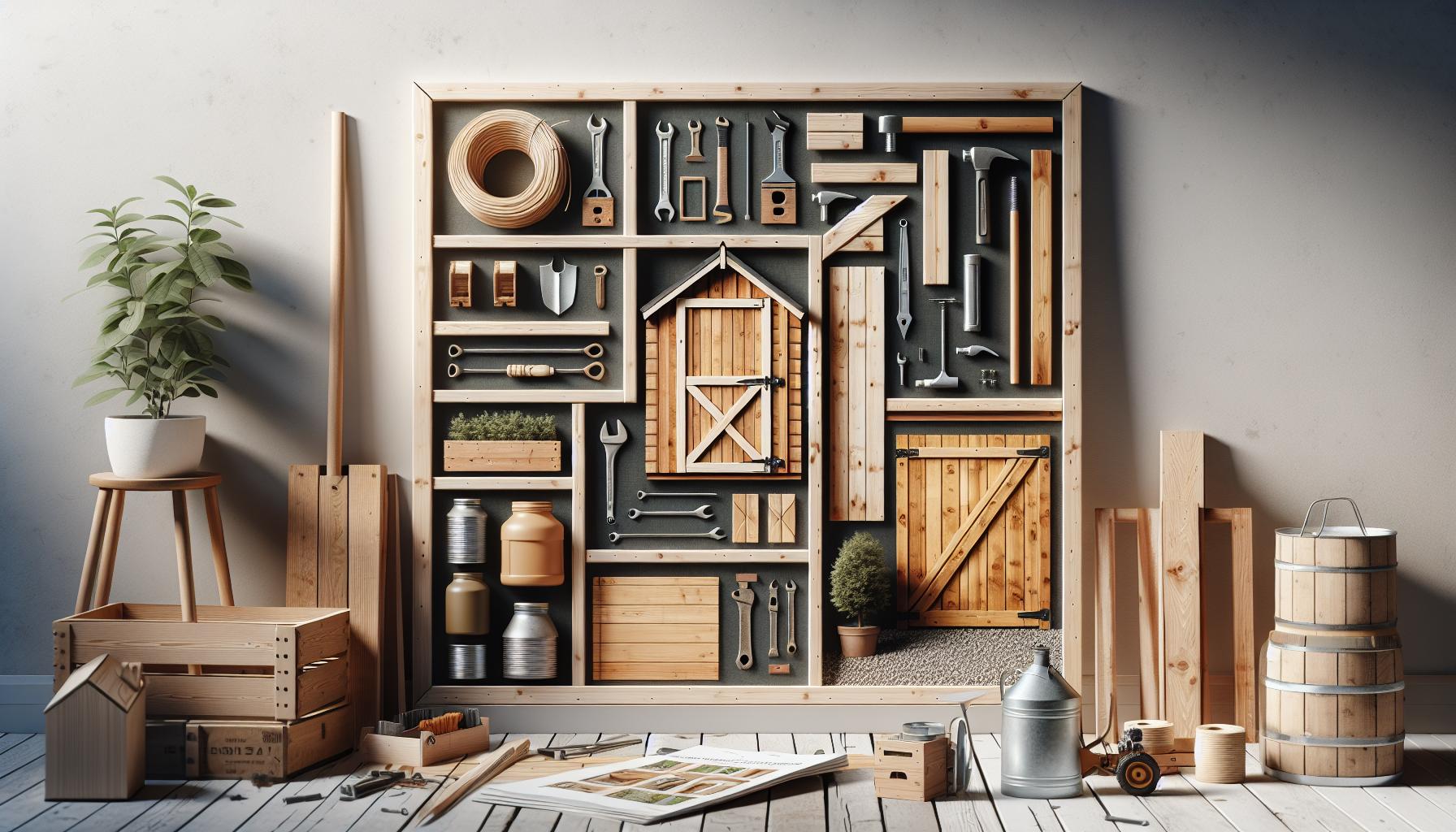
There’s nothing quite as frustrating as a sagging shed door that sticks or fails to close properly. The durability and functionality of your shed doors largely depend on the quality of the hardware used in their construction. Selecting the right components can significantly enhance the lifespan of your doors while ensuring they operate smoothly and efficiently.
Crucial Components for Strong Shed Doors
When it comes to building robust shed doors,the type of hardware you select plays a critical role. Here are some essential hardware elements that can definitely help you create doors that not only resist sagging but also withstand the test of time:
- Hinges: Opt for heavy-duty,rust-resistant metal hinges. Stainless steel or galvanized options are perfect for outdoor use, as they can endure harsh weather conditions without deteriorating.
- Locking Mechanisms: A reliable latch or lock protects your tools and equipment.Choose corrosion-resistant locks that offer both security and easy operation.
- Braces: Installing diagonal braces can provide additional structural support, reducing the chances of sagging. Materials like wood or metal can both serve this purpose effectively.
- Screws and Fasteners: Use weather-resistant screws to assemble the door. Stainless steel screws won’t rust and will maintain the integrity of your construction.
Choosing the Right Materials
The quality of materials used not only affects the look of your shed but also its overall durability. For a stress-free building process, consider the following materials:
| Material | benefits | Considerations |
|---|---|---|
| Wood (Cedar, pine) | Natural look, good insulation, easy to work with | Needs protection against moisture |
| Metal (Aluminum, Steel) | Highly durable, low maintenance, resistant to pests | Can be prone to rust if not treated |
| Composite Materials | Resistant to rot, versatile in design | May be heavier, requiring stronger hardware |
When assembling your shed doors, pay close attention to these fundamental components. By investing in high-quality hardware and materials, you can build shed doors that stand the test of time and maintain their functionality, allowing you to store your belongings securely and conveniently.
Proven Techniques to Prevent Sagging Over Time
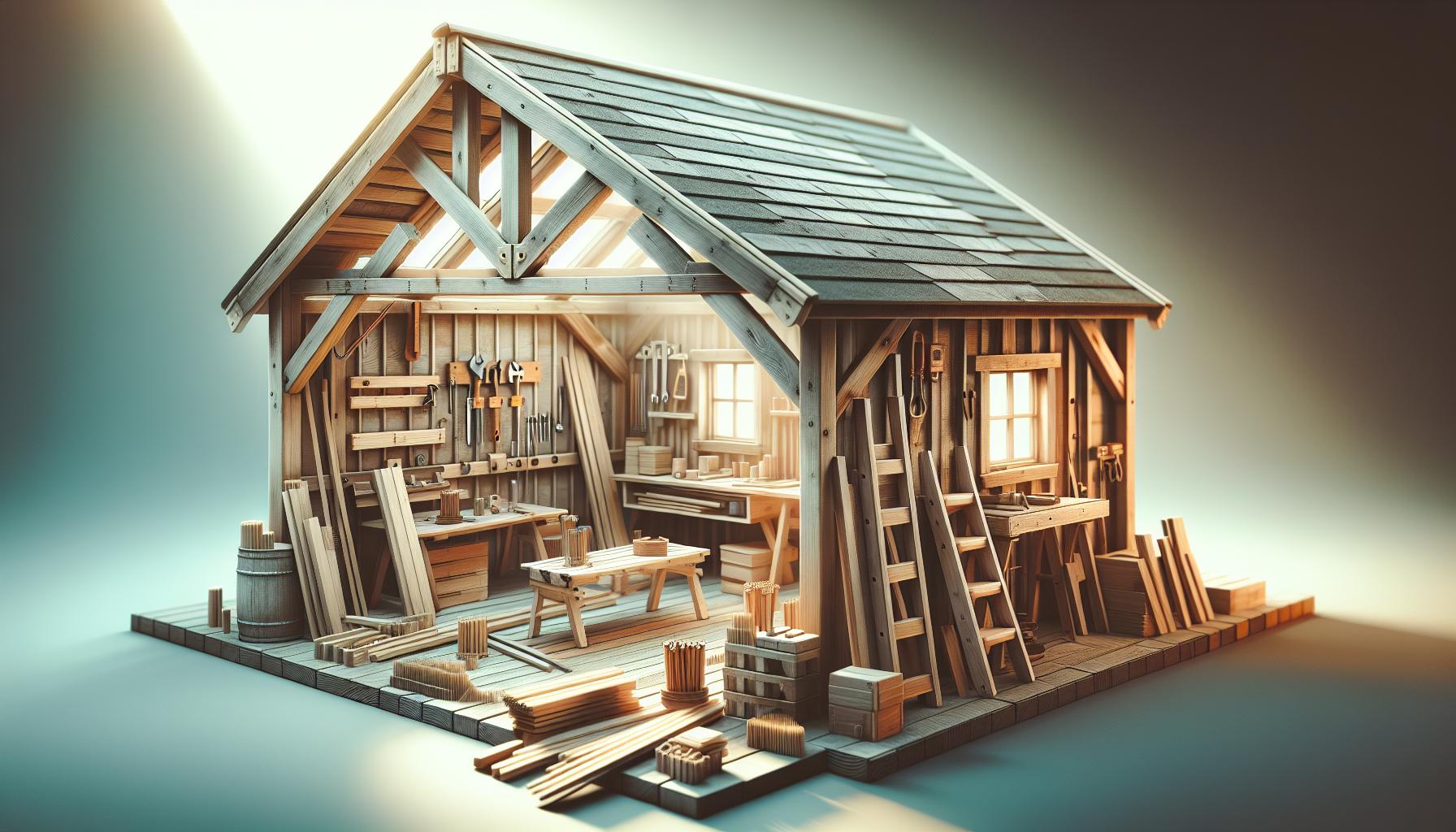
The integrity of shed doors is often overlooked, yet it’s crucial for long-lasting functionality. Sagging doors not only create aesthetic issues but also compromise security and usability. Fortunately, various proven techniques exist to ensure your shed doors remain functional and look great over time.
Utilizing Quality Materials
The foundation of any robust shed door begins with the choice of materials. Using high-quality wood or composite materials helps mitigate issues like warping and splitting that can lead to sagging. As a notable example, opting for pressure-treated lumber can withstand the test of time, notably in outdoor conditions, while marine-grade plywood provides exceptional durability against moisture.
Incorporating Cross Bracing
To enhance the structural integrity of your shed doors, consider adding cross bracing. This technique involves installing diagonal supports that form an “X” shape on the back of the door. Cross bracing effectively distributes weight and provides resistance against twisting and warping.
- Improved Stability: The diagonal supports counteract sagging by sharing the load evenly.
- Enhanced Appeal: In addition to functional benefits, cross bracing can add a decorative touch to your shed door.
Perfecting the Hinges
Selecting the right hinges is paramount for maintaining door alignment. Heavy-duty,adjustable hinges are recommended,as they allow for minor adjustments over time. They also distribute the door’s weight more evenly, which can significantly reduce sagging. Additionally, positioning the hinges in a way that minimizes stress on the door frame—typically placing them at least two inches from the edge—can prevent needless wear.
Sealing and Finishing
Finishing your doors with a high-quality sealant can prevent moisture ingress,which is a common cause of warping and sagging. A good finish will protect the wood from the elements and prolong its lifespan. Regularly inspect and reapply the finish as necessary to maintain the protective barrier.
| Technique | Benefits |
|---|---|
| Quality Materials | Resists warping and splitting |
| Cross bracing | Provides stability and reduces sag |
| Heavy-Duty Hinges | Allows for adjustments and better weight distribution |
| Sealing and Finishing | prevents moisture damage and prolongs lifespan |
Implementing these strategies can significantly enhance the performance and longevity of your shed doors. By understanding how to build shed doors that won’t sag through professional techniques, you not only ensure functionality but also maintain the visual charm of your garden or outdoor area.
tips for Achieving a Tight Seal and Proper Fit
To create shed doors that not only look great but also function smoothly, achieving a tight seal and a proper fit is crucial.Poorly fitted doors can lead to issues such as sagging, warping, and, ultimately, failure to secure the contents of your shed. Here are some top tips to ensure your doors fit snugly and seal effectively against the elements.
Ensure Accurate Measurements
One of the foundational steps in building shed doors that won’t sag is precisely measuring the door openings and materials. Here are points to consider:
- Double-Check Measurements: Ensure to take multiple measurements at various points of the doorframe. Measuring at the top, middle, and bottom can prevent inconsistencies.
- Account for Hardware: When measuring, include space for hinges, latches, and any framing that might affect the door’s size.
- Leave Adequate Clearance: Allow a small gap for weatherstripping if you’re using it,as this will contribute to a tighter seal.
select Quality Materials
Using the right materials can significantly impact the fit and seal of your shed doors. when constructing your doors, consider:
- Use Solid Lumber: Opt for solid wood or plywood rather than particle board, which may warp over time.
- Weather-Resistant treatments: Apply weather-resistant finishes or sealants to protect the wood from water and moisture.
- Choose Durable Hinges: Invest in heavy-duty hinges that can withstand the weight of the door and reduce sagging.
Install Properly
The installation process is just as important as the materials used. Follow these steps for optimal door installation:
- Level the Frame: Ensure that the doorframe is level and square before hanging the doors. Use a level to check both vertically and horizontally.
- Attach Hinges correctly: Use at least three hinges for heavier doors and space them evenly to distribute the weight. Secure them deeply into the frame to prevent misalignment.
- Adjustability: Consider installing adjustable hinges, which allow you to make fine-tune adjustments to door alignment over time.
Regular Maintenance
Even the best-built shed doors require regular maintenance. Here are some maintenance tips to keep your doors functioning like new:
- Inspect Regularly: Check for signs of wear, such as cracks or swelling, especially after inclement weather.
- Lubricate Hinges: Use grease or silicone spray on the hinges and latch to ensure smooth operation.
- Reinforce the Frame: If you notice sagging or difficulty in closing, consider reinforcing the doorframe with additional braces or supports.
Implementing these techniques will help you master how to build shed doors that won’t sag, ensuring they fit snugly and seal effectively.This focus on precision and quality not only enhances the functionality of your shed but also extends the longevity of the doors, providing years of reliable use.
Common mistakes to Avoid When Building Shed Doors
Building robust shed doors requires more than just selection of materials and tools; there are several common pitfalls that can lead to sagging and deterioration over time. Addressing these mistakes proactively ensures your shed doors remain functional, attractive, and lasting. Avoiding these common errors can significantly improve the overall durability and aesthetic of your shed doors.
Inadequate Frame Support
One of the most crucial elements in preventing sagging is ensuring your shed door has the right frame support. A weak or improperly constructed frame can lead to warping and sagging over time.When assembling the frame, it’s essential to use quality lumber that is straight and free from defects. Here are a few tips:
- Utilize a sturdy 2×4 or 2×6 lumber for the frame, ensuring it’s treated for weather resistance.
- Debunking the myth: More screws do not always equal better support. Instead, focus on securing the corners with screws, brackets, or metal corner braces.
- Cross bracing can enhance rigidity.Consider adding diagonal supports in the frame to counteract warping.
Ignoring Proper Hinges Installation
Hinge placement and type are frequently enough overlooked, but they play a significant role in the door’s ability to bear weight. Using cheap hinges or mounting them incorrectly can lead to sagging over time. Here’s how to get it right:
| Hinge type | Recommended Use | Best practices |
|---|---|---|
| Heavy-Duty Hinges | For larger, heavier doors | Install at least two hinges, spaced evenly. |
| Strap Hinges | For enhancing aesthetic appeal while providing strength | Position for proper load distribution. |
| Continuous hinges | For extended doors or prolonged use | Ensure they are attached along the entire height for maximum support. |
Selecting the Wrong Materials
Choosing the right materials is equally important. Using untreated wood or low-quality materials can lead to moisture damage and eventual sagging. Ensure that:
- you select pressure-treated lumber that resists warping and rot.
- Consider using plywood, which is less likely to warp than solid wood and can be treated or painted for added durability.
- Visual inspections should be a routine; check for signs of bending or cracking before final assembly.
by keeping these common mistakes in mind, you can focus on essential techniques that emphasize strength and longevity when learning how to construct shed doors that won’t sag. Commit to proper planning and execution, and you’ll enjoy years of hassle-free use from your shed doors.
Maintaining Your Shed Doors for Long-Lasting Performance
Regular maintenance of your shed doors is essential not only to ensure their longevity but also to prevent the inconvenience and hassle of sagging. Just like any other part of your DIY shed, your doors require attention to safeguard them against wear and tear caused by environmental factors and regular use.Implementing a simple maintenance routine can dramatically enhance their performance, keeping them functional and visually appealing for years to come.
Inspecting Your Shed Doors
Conducting periodic inspections is pivotal. Aim to check your shed doors at least twice a year, ideally in spring and fall. During these inspections, pay close attention to:
- Hinges and Fasteners: Look for signs of rust or wear. Lubricate hinges with a silicone spray to prevent them from seizing up.
- Structural Integrity: Examine the frame and panels for any cracks, warping, or damage that may compromise support.
- Alignment: Ensure the doors open and close smoothly without dragging along the ground or misaligning at the latch.
Regular Adjustments and Upkeep
as your shed settles over time,minor adjustments are necessary to keep the doors from sagging. Here are some actionable steps to take:
- Check the Level: Use a level to assess the door’s alignment. If necessary, shim the hinges or adjust the latch plate to correct any alignment issues.
- Reinforce with Diagonal Bracing: For added strength, consider installing diagonal bracing on the back of your doors. This technique, frequently enough discussed in detailed guides on building shed doors that won’t sag, prevents warping and maintains structural integrity.
- Finish the Doors: Seal the doors with an exterior-grade wood finish or paint. This protects against moisture and UV rays, which can accelerate deterioration.
troubleshooting Common Issues
In the unfortunate event of sagging doors, prompt attention is key. Here’s a simple troubleshooting guide:
| Issue | Solution |
|---|---|
| Sagging Door | Re-tighten the hinges, add an additional hinge for support, or use shims to elevate the door. |
| Sticking Door | Sand down the edges or check for debris in the door frame. Make sure the door is level. |
| Warping | Inspect for moisture damage and consider replacing the panel, or adding bracing for support. |
By incorporating these maintenance practices, not only can you keep your doors functioning optimally but also avoid the need for expensive repairs or replacements in the future. Following these insights will ensure that your doors remain as strong and reliable as the shed they serve, enhancing both utility and aesthetics for many years.
Frequently Asked Questions
How to Build Shed Doors That Won’t Sag: Professional Techniques?
To build shed doors that won’t sag, utilize sturdy materials, proper framing, and reliable hardware.Implementing methods such as fitting a diagonal brace and using adjustable hinges can significantly enhance door stability.
Select quality wood like cedar or pressure-treated lumber for your doors. Constructing a frame with a diagonal support keeps the structure rigid, minimizing flex. Additionally, adjustable hinges allow for fine-tuning the door alignment over time, which is crucial to prevent sagging as seasons change.
What materials are best for building shed doors?
The best materials for building shed doors include resilient wood types such as cedar, pine, and plywood. These materials offer durability and strength, ensuring the doors maintain their shape.
When choosing wood, consider its exposure to the elements. Treatment with a weatherproof sealant can further enhance durability. For door surfaces, engineered woods or composites might also provide resistance to warping or swelling, especially in humid climates.
Why do shed doors sag over time?
Shed doors sag due to weight distribution, poor framing, and environmental changes. Over time, gravity and seasonal shifts can lead to misalignment and stress on the hinges.
Improper installation, such as not using a diagonal brace or insufficiently strong hinges, also contributes to sagging. Regular maintenance is key. Periodic checks on the hardware and adjusting the hinges can prolong the lifespan of your shed doors.
Can I fix sagging shed doors without rebuilding them?
Yes, you can fix sagging shed doors without a complete rebuild. Adjusting the hinges, adding a diagonal support brace, or installing a tension rod can help realign the door.
Start by tightening or replacing old hinges frist. If the door is still misaligned, consider installing a diagonal brace across the back of the door for added support. This fix can significantly improve stability and functionality.
What are the best hinge types for shed doors?
The best hinge types for shed doors are heavy-duty and adjustable hinges, such as strap or T-hinges. These provide strong support and allow for adjustments to keep the door level.
Choosing hinges that can handle the weight of your door is vital. Adjustable hinges are particularly useful as they enable you to make corrections over time, addressing issues caused by settling or wear.
how can I ensure my shed doors are level during installation?
To ensure your shed doors are level during installation, use a spirit level and adjust the hinges accordingly. Checking for level across the width and height of the door is essential.
Start by setting the door in its frame and use shims if necessary to make adjustments. This practice ensures that the weight is equally distributed, reducing the risk of sagging in the future.
What are some tips for maintaining shed doors?
To maintain shed doors,regularly inspect hinges,apply weatherproofing treatments,and check for any signs of sagging.Simple maintenance can prolong the lifespan of your doors.
Consider lubricating the hinges twice a year and visually assessing the frame’s integrity. Look for warping or other structural issues that may need addressing.Keeping the area around the doors clear from debris can also prevent unnecessary wear.
Concluding Remarks
Building shed doors that won’t sag is an achievable goal for any DIYer, nonetheless of skill level. By choosing the right materials, reinforcing with proper techniques, and paying close attention to alignment and hardware selection, you can create sturdy doors that stand the test of time. Remember, the key is in the details—simple adjustments can make a world of difference. Don’t be discouraged if challenges arise; every skilled craftsman has faced a few bumps along the way. embrace the process, and take pride in your craftsmanship. As you continue exploring your DIY projects, consider sharing your successes and learning experiences with others. The journey to building the perfect shed doors is just the beginning—keep experimenting and honing your skills, and soon you’ll tackle even bigger projects with confidence!
Get our latest guides, news, and insights highlighted in your Google Search & AI Overviews.