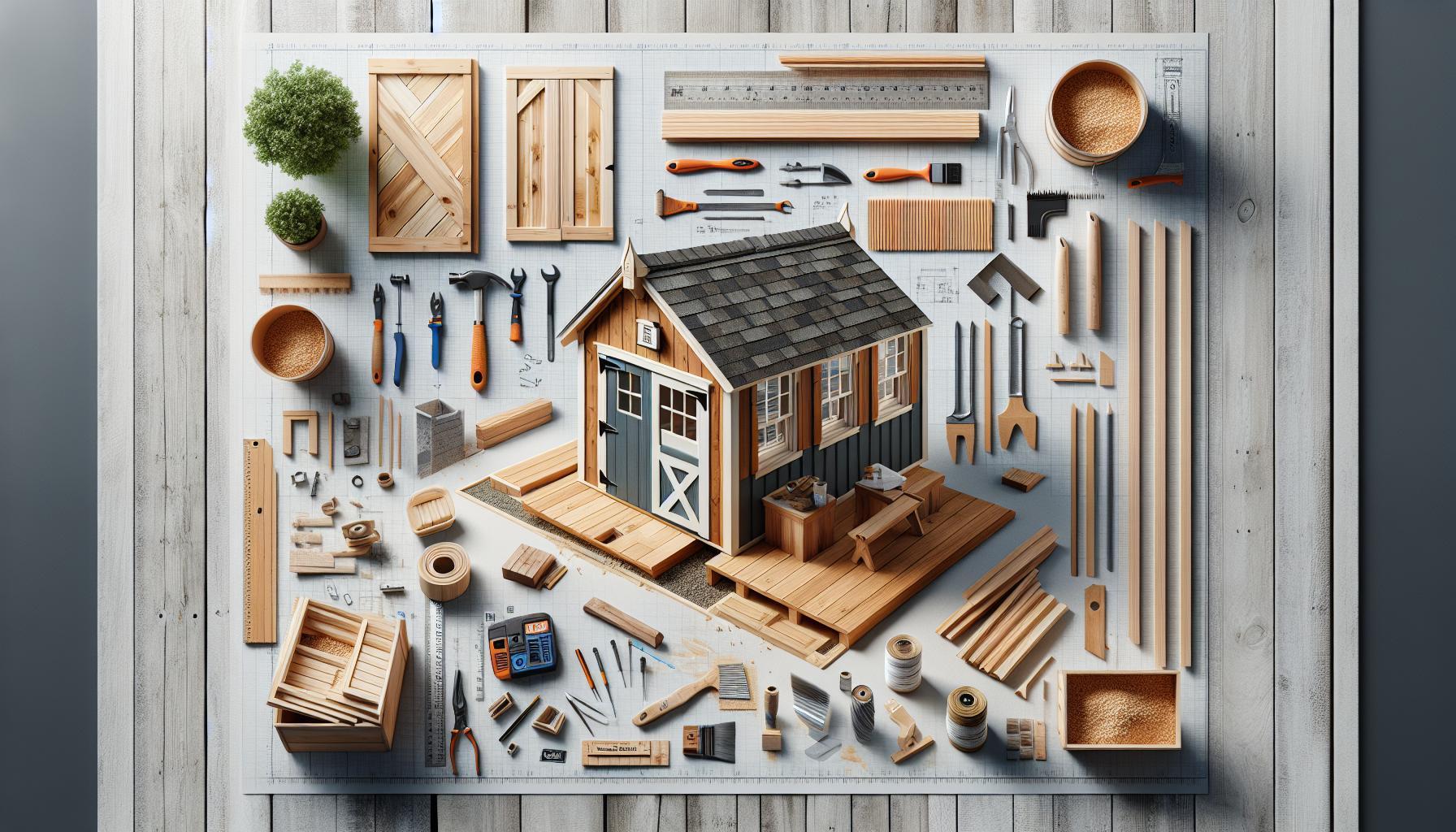
Are you tired of struggling with a flimsy,awkward shed entrance? Building a durable,easy-to-operate door not only enhances security but also adds functionality to your outdoor space. This guide will walk you thru creating a reliable shed door that combines sturdiness with smooth operation, ensuring your belongings stay safe and easily accessible.
Understanding the Basics: types of Shed Doors and Their Functions
When it comes to constructing a shed, the door is a crucial component that serves both functional and aesthetic purposes. Understanding the various types of shed doors can definitely help you choose the right one for your needs, ensuring that your entrance is not only secure but also easy to operate. Whether you’re looking for convenience, style, or security, the right door design can make all the difference in your shed experience.
Types of Shed Doors
There are several styles of shed doors, each with unique characteristics and benefits. Here’s a quick overview of the main types:
- single Door: A simple and effective choice for small sheds, single doors offer straightforward access and are easy to build. They typically swing outward and can be fitted with a secure lock system for added safety.
- Double Door: Ideal for larger sheds, double doors provide wider access, making it easier to move larger items in and out. they often open in the middle and can be reinforced for additional security.
- Sliding Door: Perfect for those wanting to save space, sliding doors operate on a track system, allowing for smooth opening and closing. They are especially suitable for narrow spaces where traditional swinging doors would be impractical.
- Roll-Up Door: Similar to garage doors, roll-up doors can be a perfect solution for considerable sheds. They offer a high degree of convenience and can be especially useful in commercial applications or for storing larger items like vehicles.
Key Functions of Shed Doors
Each door type serves distinct functions which can enhance your shed’s usability and functionality:
| Door Type | functionality | Best Use Case |
|---|---|---|
| Single Door | Easy access for small tools and supplies | Small sheds or garden storage |
| Double door | Wider entry, ideal for larger equipment | Large garden sheds or workshops |
| Sliding Door | Saves space and provides easy access | Narrow locations where swing space is limited |
| Roll-Up Door | High security and space saving with wide access | Commercial storage or vehicle sheds |
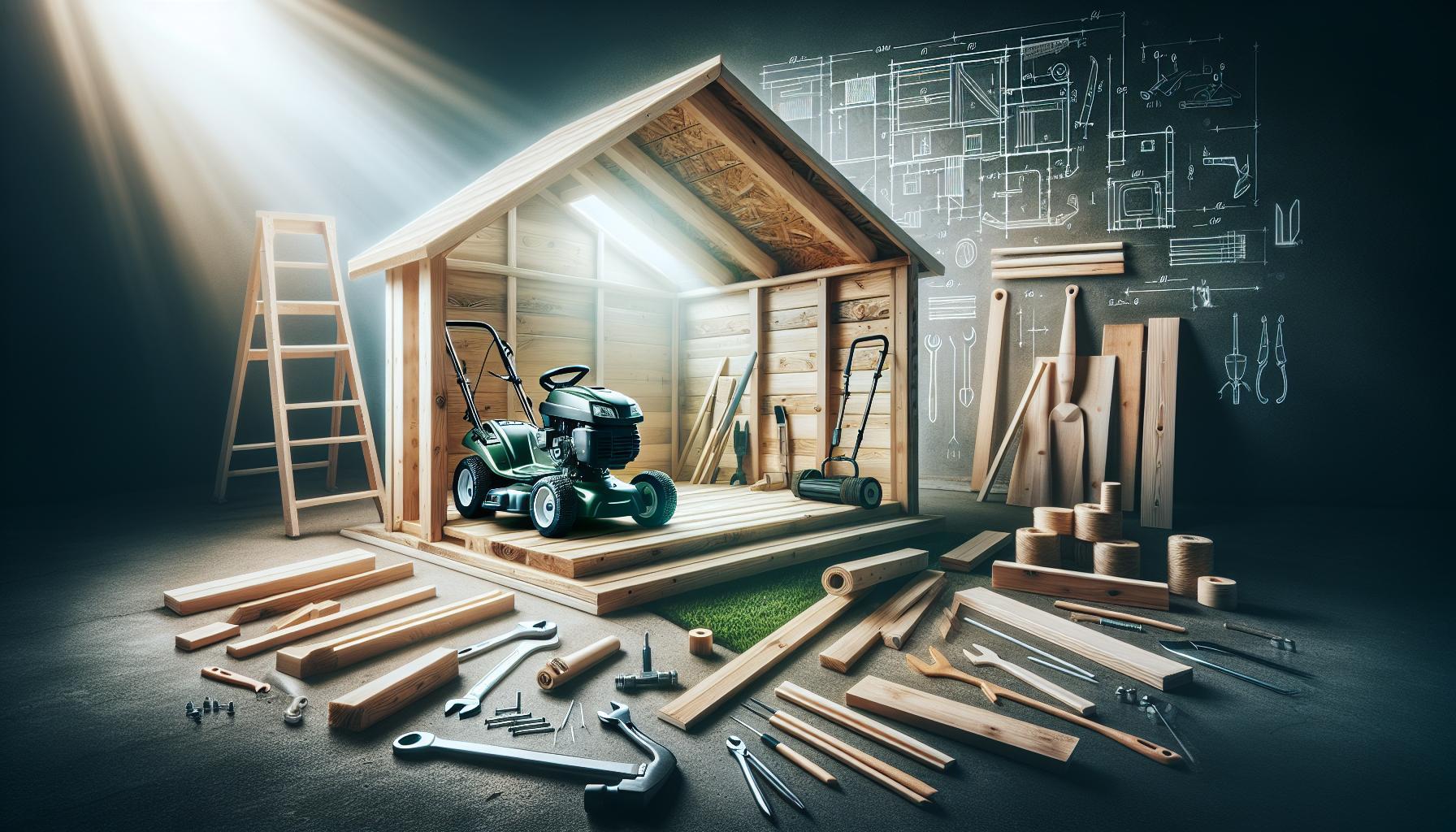
By selecting the appropriate door type based on your specific needs and available space, you can enhance the functionality of your shed significantly. For example, if you plan to store a riding lawnmower or other large equipment, opting for a double or roll-up door would provide the best accessibility. Conversely, if space is limited, a sliding door may be the perfect solution. Understanding these factors will empower you to make informed decisions as you embark on your shed-building journey,ultimately aligning with the principles outlined in “How to Build a Shed Door: Create Secure,Smooth-Operating Entrances.”
Essential tools and Materials for Building a Shed Door
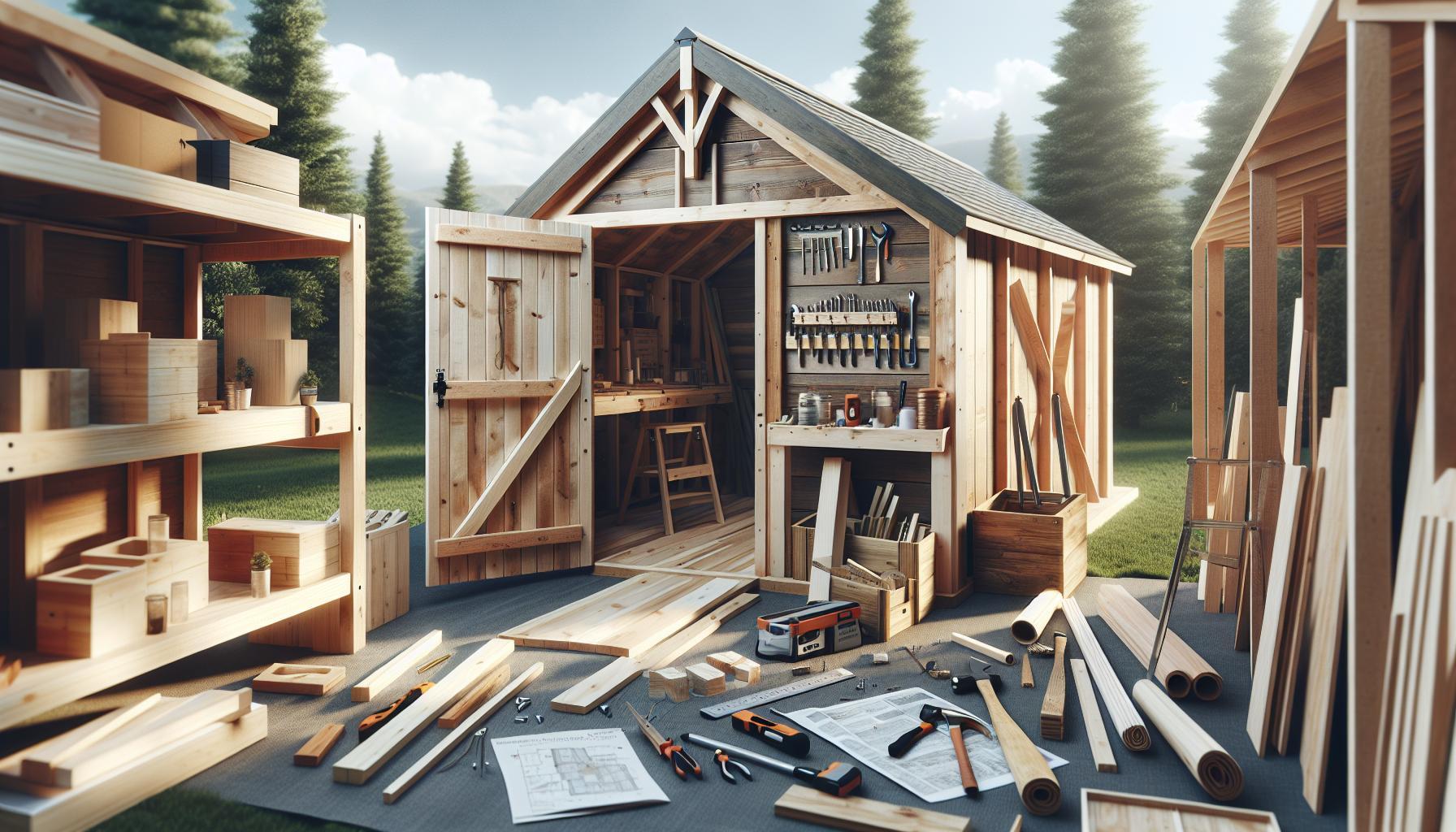
When it comes to creating a shed door that not only enhances the functionality of your structure but also bolsters its security, having the right tools and materials is crucial. working with quality components and the right equipment can mean the difference between a project that lasts and one that falls short. Here’s a comprehensive overview of the essentials you’ll need to build a sturdy door that opens and closes with ease.
Primary Tools Required
To kick off your shed door construction,gather these essential tools:
- Measuring tape: For precise measurements of your shed and the door frame.
- Saw: A circular saw or miter saw will work well for cutting the wood to size.
- Drill: Needed for creating holes for screws and hinges, typically a cordless drill is preferred.
- Screwdriver: A set of both flathead and Phillips screwdrivers for securing hinges and handles.
- Level: To ensure that the door hangs evenly, preventing it from swinging open or closed on its own.
- Clamps: Useful for holding pieces in place as you work, providing stability while you drill and screw.
- Square: To check the corners and ensure everything is at right angles during assembly.
Material Selection
Choosing the right materials is critical for durability and functionality. Here are key materials you will need:
- Wood: Opt for high-quality untreated or pressure-treated lumber. Common choices include pine, cedar, or even composite materials for added weather resistance.
- Hinges: Heavy-duty hinges are essential for supporting the weight of the door. Stainless steel or galvanized steel are excellent options for rust resistance.
- Lock and Handle: A sturdy latch or deadbolt lock enhances security,while a agreeable handle ensures ease of operation.
- Wood Glue: This can add extra bonding strength to joints, especially in door frames.
- Paint or Stain: A protective coating not only enhances the aesthetics of your shed door but also shields it from the elements.
Considerations for Enhanced Security and Functionality
Once you have your tools and materials laid out, it’s crucial to think about features that enhance the door’s performance.Here are some options:
- Weather Stripping: Adding weather stripping around the edges of the door can prevent moisture infiltration and keep out pests.
- Cross Bracing: For additional strength, consider installing a diagonal bracing pattern on the backside of the door, which will help prevent warping over time.
- Threshold Strip: A threshold strip helps seal the bottom of the door, preventing dirt and moisture from entering the shed.
With the right tools and materials in hand,you’re well on your way to successfully building a shed door that meets both aesthetic and functional needs. Remember, taking the time to choose quality components will pay off in the longevity and usability of your shed door.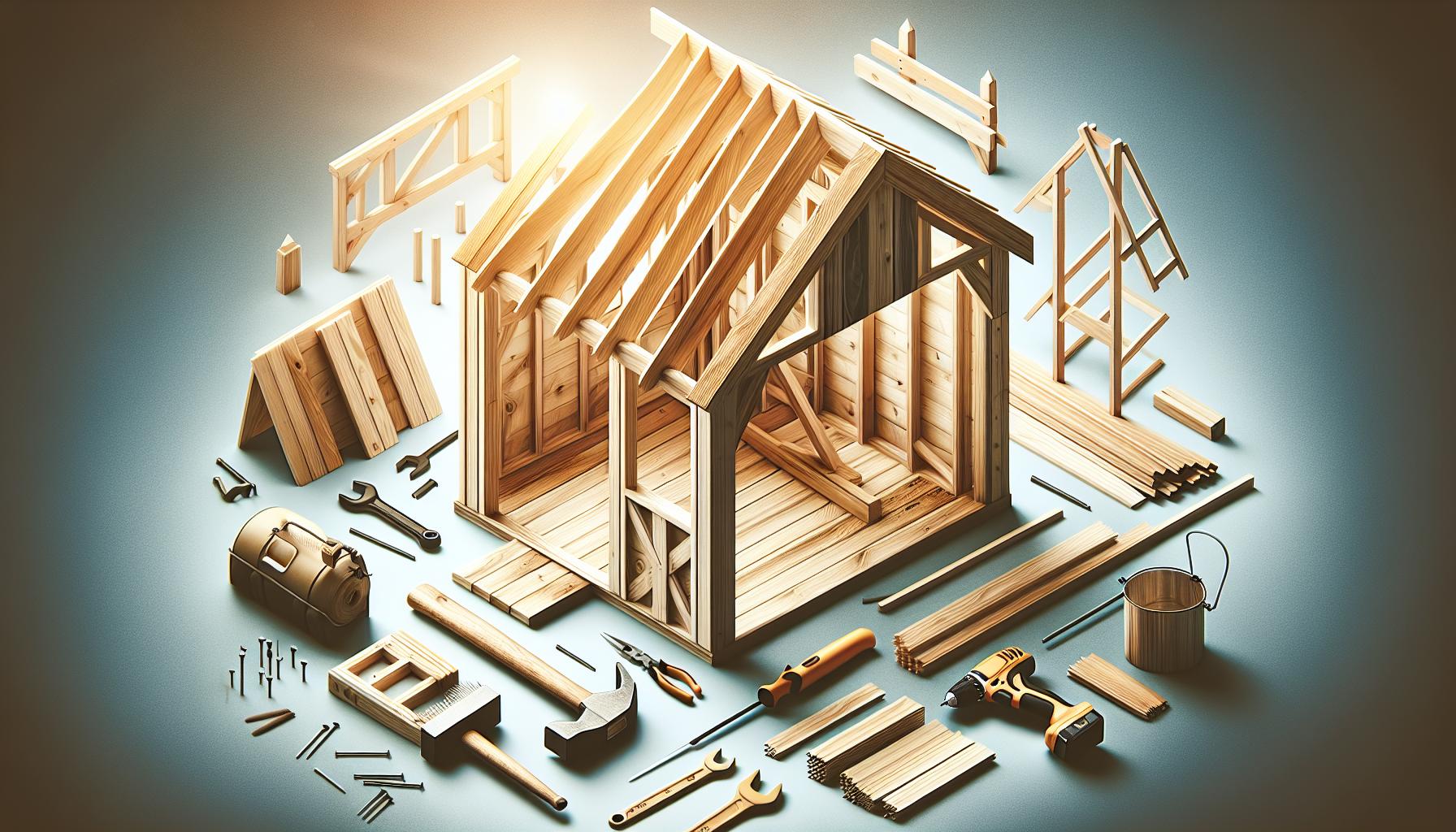
Step-by-Step Guide: Crafting a Sturdy Framework
Creating a sturdy framework is crucial for ensuring that your shed door operates smoothly and remains durable over time. A well-constructed framework not only supports the door but also enhances its resistance to elements like rain and wind. Here’s how you can achieve this with precision and care.
Gather Your Materials
Before diving into construction, make sure you have all the necessary materials on hand. Here is a quick checklist to get you started:
- 2×4 or 2×6 lumber for the frame
- Plywood for the door panel
- Wood screws and/or nails
- Hinges (heavy-duty recommended)
- Wood glue
- Measuring tape and level
- Saw (circular saw or miter saw)
- Drill
Design the Framework
Start by sketching the dimensions of your door. Consider the size and weight of the shed door you want to build. Here’s a typical design to follow:
| Component | Dimensions |
|---|---|
| Top and Bottom Rails | Width of the door minus 2 inches (2 pieces) |
| Vertical Stiles | Height of the door minus 2 inches (2 pieces) |
| Additional Supports (if needed) | Add diagonal bracing for stability |
When designing your framework, ensure that your choice of lumber is appropriate for the size of the door. Using lumber that is too light may result in sagging and operational difficulties. Conversely,too heavy a design can make the door cumbersome to operate.
Construct the Door Frame
Once you have your design, it’s time to assemble the frame. Follow these steps:
- Lay out your materials on a flat surface to prevent warping.
- Use wood screws to secure the top and bottom rails to the vertical stiles.Pre-drill to prevent splitting.
- Ensure that your frame is square by measuring diagonally from corner to corner and making adjustments as needed.
- If you wish to add diagonal bracing, cut the boards to fit snugly between the stiles and the rails, then attach securely.
- After the frame is assembled, apply wood glue to strengthen the joints before finalizing with screws.
Remember that the sturdiness of your shed door greatly depends on the quality and precision of the framework you create. Taking the time to ensure that each component is aligned and correctly joined will pay dividends in durability and functionality for years to come.
Selecting the Right Hardware for Smooth Operation
A well-constructed shed door not only enhances the aesthetic of your outdoor space but also plays a crucial role in the functionality and security of your shed. Selecting the right hardware is essential for ensuring that your new entrance operates smoothly and withstands the test of time. Quality components will help you avoid the headache of a door that sticks, squeaks, or is tough to secure, making the entire building process much more satisfying.
Essential Hardware Components
When building a shed door, it’s vital to consider each component that contributes to its overall performance. Here’s a list of essential hardware pieces you shoudl consider:
- Hinges: Choose heavy-duty, rust-resistant hinges to handle the weight of your door, especially if you’re using solid wood.Stainless steel or galvanized steel are excellent options.
- Latch: A good latch secures your door effectively. Consider using a slide bolt or a padlock hasp for added security.
- Handles: Select ergonomic handles that provide a good grip while being visually appealing.
- Weatherstripping: This is essential for protecting against moisture and pests. Make sure your door seals tightly when closed.
Whether you’re opting for a traditional design or something more modern, investing in high-quality materials will ensure that your door operates smoothly over the years.
Installation Considerations
The installation process is just as critical as choosing the right hardware. Incorrect placement of hinges or misaligned strike plates can lead to faulty door operation and increased wear over time. Here are key installation tips:
- Frame Measurement: Ensure your door is correctly sized for the frame to avoid gaps that can lead to sticking.
- Equal Weight Distribution: Position hinges evenly on the door.A common practice is to use three hinges for solid doors, with one at the top, one in the middle, and one at the bottom.
- Test the Movement: Before finalizing the installation, open and close the door several times.Adjust as necessary to ensure it operates smoothly.
By following these guidelines and using the right hardware, your shed door will not only be functional but also secure and appealing, making it a seamless entryway into your outdoor haven.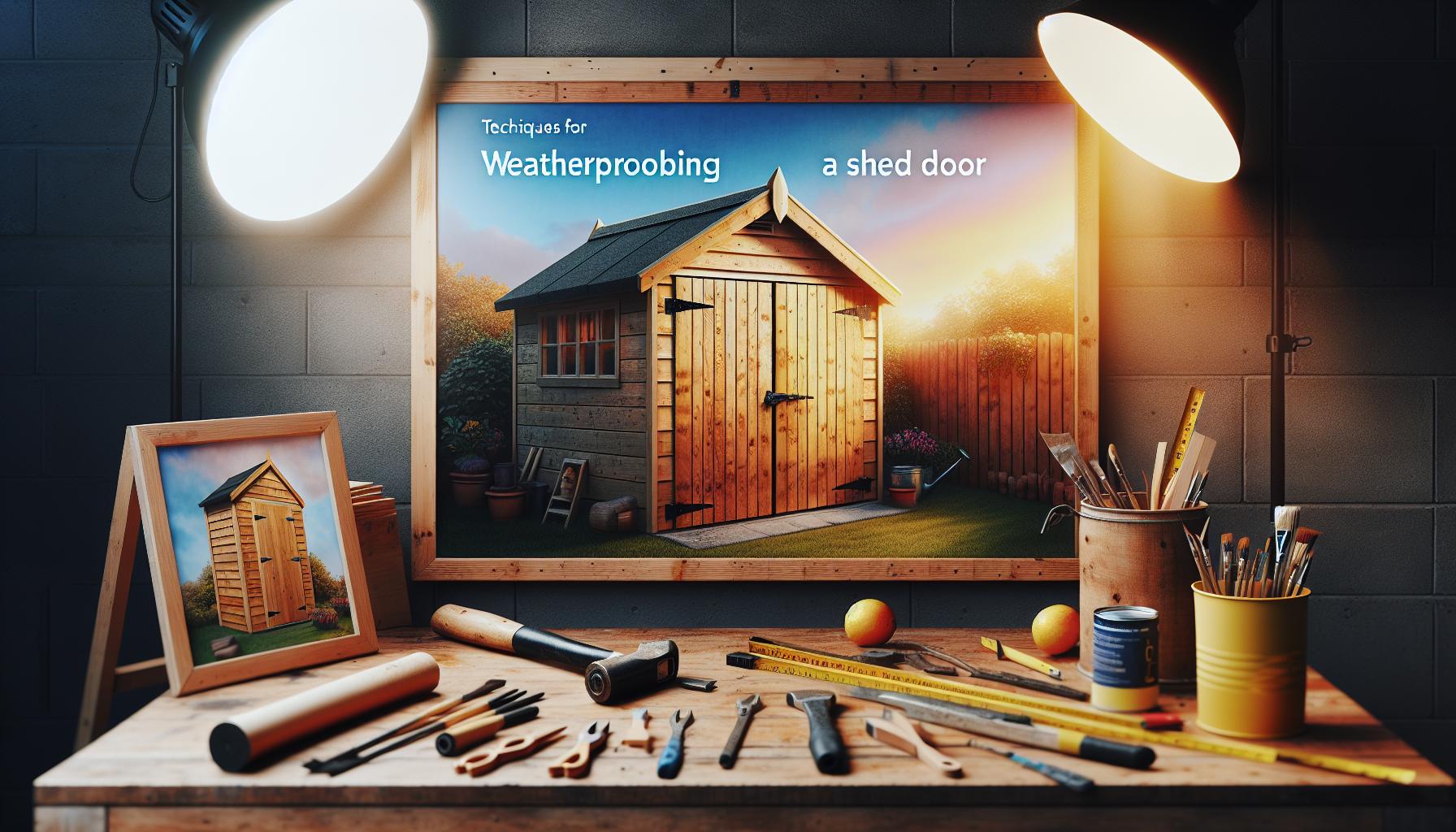
Weatherproofing Your Shed Door: Techniques for Durability
To ensure your shed door withstands the elements and remains functional and visually appealing for years,weatherproofing is crucial. extreme weather can warp, crack, and deteriorate the door materials, but with the right techniques, you can significantly enhance its durability. By investing a little time and effort into weatherproofing, you not only protect your investment but also maintain the ease of access provided by a well-constructed entryway.
Sealing and Insulating Your Door
A key technique in weatherproofing involves sealing any gaps that might allow moisture or cold air to penetrate. start by applying a high-quality exterior caulk around the edges of the shed door frame. Ensure the caulk is rated for outdoor use and can withstand temperature fluctuations.Furthermore, consider the following options for added insulation:
- Weatherstripping: Install weatherstripping along the top and sides of the door. This not only helps seal the door but also reduces drafts.
- Insulation Boards: Attach insulation boards to the inside of your door if it’s made of wood. This adds an extra layer of protection against the cold and can be particularly beneficial in harsher climates.
- Foam Seals: Use self-adhesive foam seals for quick and easy application, ideal for gaps that are not consistent in size.
Choosing the Right Materials
The longevity of your shed door is largely resolute by the materials used. A solid wood door is aesthetically pleasing, but it requires regular maintenance. Consider using weather-resistant materials such as:
| Material | Durability | Maintenance Required |
|---|---|---|
| vinyl | High | Low |
| Composite | Medium | Medium |
| Metal (Steel) | High | Low |
| Wood | Medium | High |
Using materials that are less prone to weather-related damage can save you money and time in the long run. As an example, a metal door requires minimal stress against rust and relentless sun exposure when properly painted with exterior-grade paint.
Protective Finishes and Treatments
Lastly, applying protective finishes and treatments can significantly extend the life of your shed door. For wooden doors, an exterior-grade wood sealant or stain is essential. This provides a barrier against moisture and sun damage. For metal doors, a rust inhibitor not only protects against corrosion but can also enhance the door’s appearance. Regular application of these treatments every few years is an easy yet effective way to maintain the integrity of your shed door.By implementing these weatherproofing techniques, you’ll not only ensure a smoother operation of your shed door but also create a barrier that will keep your storage safe and secure from the elements. This proactive approach to understanding how to build a shed door is key to ensuring it stands the test of time, offering both functionality and style in your outdoor space.
Troubleshooting Common issues with Shed Doors
When it comes to shed doors, they serve as not just entrances but as barriers to protect your tools, equipment, and personal items. However, despite the effort invested in building a secure and smooth-operating door, issues might still arise, leaving you frustrated and seeking solutions. Understanding how to troubleshoot these problems can save you time and help maintain the integrity of your security measures.
Common Problems and Their Solutions
A few prevalent issues can occur with shed doors, making them difficult to operate or less secure. Here’s how to address these concerns effectively:
- Misalignment: Over time, doors can become misaligned. This often leads to sticking or dragging on the frame. To fix this, check the hinges for tightness and adjust their position slightly if necessary. if the door itself is warped, you may need to replace it or adjust the frame.
- Sticking or binding: If your door sticks when opening or closing, inspect the latch and hinges. Lubricating the hinges with a silicone spray can help ensure smooth movement. If the door is made of wood, ensure it hasn’t swelled due to moisture.
- Security Issues: A weak or faulty lock can compromise security. Invest in better quality hardware or consider adding a deadbolt for additional reinforcement. Ensure that the doorframe is secure and not rotting,as this can make locks ineffective.
- Weather Stripping Deterioration: If your shed is subject to extreme weather, check the weather stripping around the door for wear. Replacing it can help maintain a controlled environment inside your shed and improve security.
Regular Maintenance Tips
To keep your shed door operating smoothly, regular maintenance is key. Here are a few straightforward tips to consider:
| Maintenance Task | frequency | Notes |
|---|---|---|
| Inspect hinges | Every 3-6 months | Look for rust and lubricate if needed. |
| Test locks | Monthly | Ensure they secure properly without sticking. |
| Check for alignment | Twice a year | Make adjustments as necessary. |
| Replace weather stripping | Annually | Inspect for signs of wear or damage. |
Incorporating these troubleshooting tips and maintenance practices into your routine not only enhances the functionality of your shed door but also fortifies its role in protecting your belongings. With the right care and understanding of potential issues, you can ensure that your door remains a reliable, secure entrance for years to come.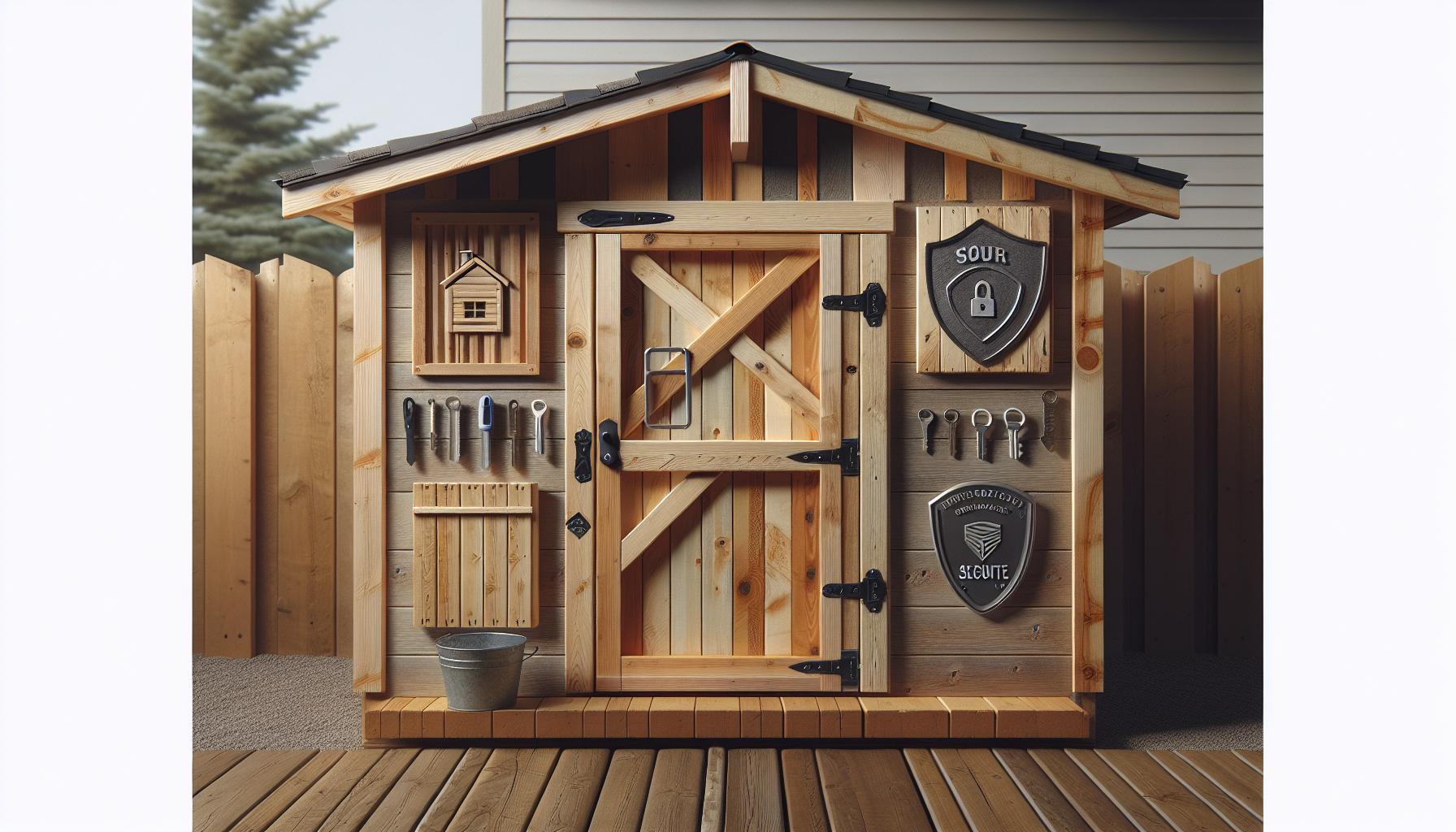
Tips for Adding Security Features to Your Shed Entrance
Adding security features to your shed entrance is a crucial step to ensure the safety of your tools, equipment, and other valuables stored inside. With increasing instances of theft and vandalism, it’s vital to think proactively about how to fortify your entrance while maintaining its functionality and ease of use. Here are some effective strategies to enhance your shed’s entrance security.
Install High-Quality Locks
Choosing the right locking mechanism is one of the most notable decisions you’ll make for your shed’s security. opt for heavy-duty locks such as mortise or deadbolt locks that provide superior protection against forced entry. Here are a few tips when selecting your locks:
- choose pick-resistant designs – Locks that have additional security features such as anti-drill plates can deter thieves.
- Consider a keypad or smart lock – for easier access without needing keys,electronic locks can provide an extra layer of security.
- Regularly check and maintain your locks – Ensure that they function correctly to avoid lockouts or easy breaching.
Reinforce the Door Structure
The material and construction of your shed door can significantly impact security. Here are practical steps to bolster your door’s integrity:
- Use solid materials – Solid wood or heavy-duty metal doors are much harder to breach than flimsy ones.
- Enhance hinges – Install security hinges that cannot be tampered with from the outside. Consider using hinge bolts for added security.
- install a door frame brace – This can prevent the door from being forced open.
Implement Surveillance and Lighting
For maximum security, consider implementing technology to monitor your shed area.
| Type of Security Feature | Description | Benefits |
|---|---|---|
| security Cameras | Install a camera that monitors the area around the shed | Deters thieves and provides evidence in case of theft |
| Motion Sensor Lights | Lights that automatically turn on when movement is detected | Illuminates the area, making it less attractive for intruders |
By thoughtfully incorporating these tips into your entrance design, you can create a safe environment for your shed and the valuables within. A combination of strong locks, sturdy doors, and modern surveillance can transform your shed into a secure storage solution, allowing you to store with confidence and peace of mind.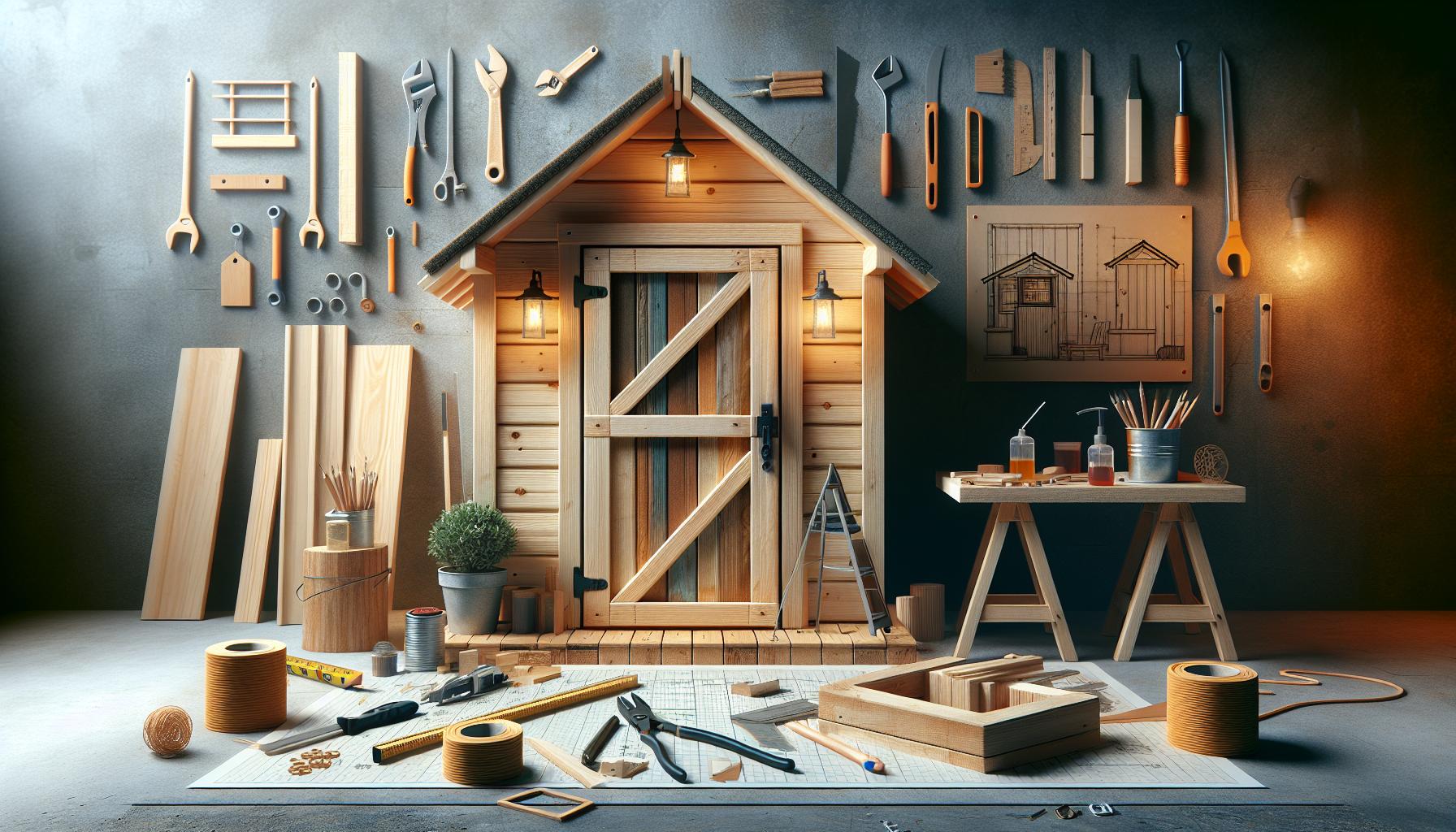
Customizing Your Shed Door: Design Ideas and Finishing Touches
When building your shed door, it’s the finishing touches and custom designs that truly elevate its appeal and functionality.A well-crafted door can enhance the overall look of your shed while adding character and style. Whether you’re aiming for a rustic charm or a modern sleekness, personalizing your door is an opportunity to express your creativity and reflect your outdoor aesthetic.
Materials matter
The choice of materials significantly influences both the functionality and design of your shed door.Here are some popular options:
- Wood: Ideal for a classic, rustic appearance. You can use diffrent wood types like cedar, pine, or even reclaimed wood for a unique touch.
- Metal: Perfect for industrial or modern designs. Metals like aluminum or galvanized steel not only offer durability but can also be finished with various colors to match your shed.
- Fiberglass: A low-maintenance option that can mimic the look of wood while being resistant to warping and weathering.
Design Ideas for your Shed Door
Transform your shed door into a focal point with creative design elements. Consider these ideas to spark your inventiveness:
- Patterns and Textures: Incorporate diagonal bracing, board-and-batten style, or even custom cutouts for a touch of whimsy.
- Stained Glass or Plexiglass Windows: Allow natural light to filter in while adding a decorative element. Choose colors that resonate with your overall aesthetic.
- Paint or Finish: Choose a radiant, inviting color or complement your shed’s body color with a stained finish to create depth and dimension.
| Design Element | Advantages |
|---|---|
| Patterned Design | Creates visual interest and can hide imperfections. |
| Windows | Enhances natural light and adds character. |
| Unique Hardware | Stylish handles and hinges can add a rustic or vintage flair. |
Finishing touches: Hardware and Accessories
The hardware you select can significantly affect the function and style of your shed door. Consider these options for added appeal:
- Hinges: Opt for decorative hinges that match your door style. Strap hinges can add a vintage vibe, while concealed hinges lend a modern aesthetic.
- Locks and Handles: Invest in sturdy locks for security, and choose handles that are ergonomic yet stylish—perhaps a rustic latch or a sleek metal pull.
- Lighting: Install motion-sensor lights around your door to enhance visibility and security, adding a welcoming atmosphere in the evenings.
By tailoring these elements to your personal taste and functional needs,you not only create a solid and secure entrance,as discussed in the guide on how to build a shed door but also a stunning visual statement that complements your outdoor space. Embrace the opportunity to make your shed door a true reflection of your style!
Faq
How to Build a Shed Door: Create Secure,Smooth-Operating Entrances?
To build a shed door that is both secure and operates smoothly,start by selecting quality materials like wood or composite. Ensure precise measurements for a snug fit, and use sturdy hinges. Proper weatherproofing will enhance durability.
Begin by measuring your shed’s entrance accurately, choosing your materials based on personal preference and local climate. Use a level to ensure that the door aligns correctly. Don’t forget to apply protective finishes to prevent wear. For more details, check our guide on shed building materials.
What materials do I need to build a shed door?
You will need materials such as wood for the frame and panel, hinges, screws, and a lock for security. Weather-proofing materials such as paint or sealant are also essential.
The typical frame consists of sturdy lumber like 2x4s, while the door panel can be plywood or tongue-and-groove boards. For enhanced aesthetics and longevity,consider installing high-quality hardware like adjustable hinges and a solid lock. Always verify your material choices align with your shed’s climate needs.
Why does my shed door stick, and how can I fix it?
A sticking shed door may be caused by misalignment, temperature changes, or moisture. To fix it, check the alignment and adjust the hinges as necessary.
Sometimes, expansion or contraction due to temperature can cause the wood to swell or shrink, leading to a poor fit. Try sanding down areas where the door touches the frame or adding shims behind hinges for effective adjustment. Regular maintenance can prevent sticking issues in the future.
Can I make a double shed door?
Yes, you can make a double shed door! double doors provide wider access and are excellent for large items like lawn equipment.
To construct double doors, ensure your frame can handle the added weight and use two sets of hinges.Each door should have a secure locking mechanism to ensure safety.Consider incorporating a central latch or bolt for extra support. This configuration is especially practical for larger sheds.
What locking mechanisms are best for shed doors?
The best locking mechanisms for shed doors include padlocks, deadbolts, and slide bolts. Each provides varying levels of security depending on your needs.
Padlocks are versatile and easy to use, while deadbolts offer superior security. Slide bolts can be used for additional locking on wooden doors. When selecting a lock, consider your shed’s location and potential risks to choose the most appropriate security measure.
How do I weatherproof my shed door?
To weatherproof your shed door, apply a high-quality paint or sealant that protects against moisture and UV damage. Regular maintenance is key to longevity.
start by sanding the surface to remove any old finish or rough spots. Choose a weather-resistant paint or stain, ensuring it is appropriate for outdoor use. Apply the finish in even coats for maximum protection. Regular inspections and touch-ups will ensure your shed door remains in great condition throughout its lifespan.
What size should a shed door be for optimum functionality?
The size of a shed door typically depends on the shed’s dimensions and intended use, but a common width is between 32 to 48 inches.
When determining the height, keep in mind the items you plan to store inside. A height of around 6.5 to 7 feet is generally sufficient for most users. Ensure that the opening allows enough space to move larger items in and out easily. Proper sizing contributes to smooth operation and functionality.
Insights and Conclusions
As we wrap up our journey on how to build a shed door, it’s clear that creating a secure and smoothly operating entrance is more than just a practical task—it’s a rewarding project that enhances your outdoor space. By understanding key elements such as measurements, material selection, and construction techniques, you equip yourself with the tools not only to build an effective door but also to embrace the broader philosophy of craftsmanship that elevates both your skills and your projects.
Remember, whether you’re a seasoned builder or just starting, each step you take is a step toward mastery. Don’t hesitate to explore further; dive into additional resources, consult local building codes, and engage with fellow builders in your community. These interactions can deepen your understanding and inspire fresh ideas for your next project.
Building a shed door is a fulfilling endeavor that blends creativity with functionality,so embrace the journey,celebrate your progress,and keep honing your craft. Your perfect shed door is just the beginning—there’s a whole world of building waiting for you! Now, roll up your sleeves and let your imagination take flight!
Get our latest guides, news, and insights highlighted in your Google Search & AI Overviews.