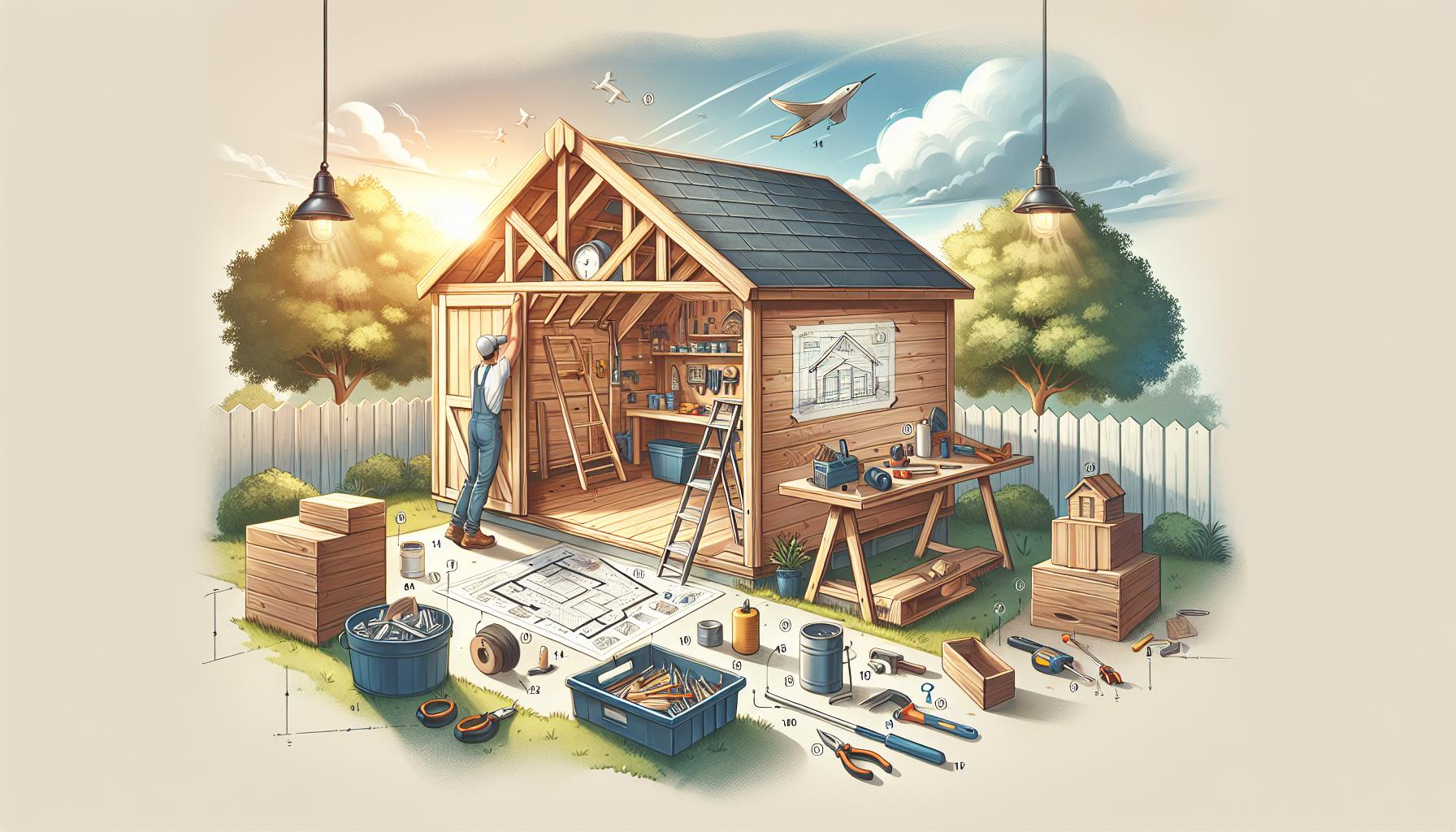
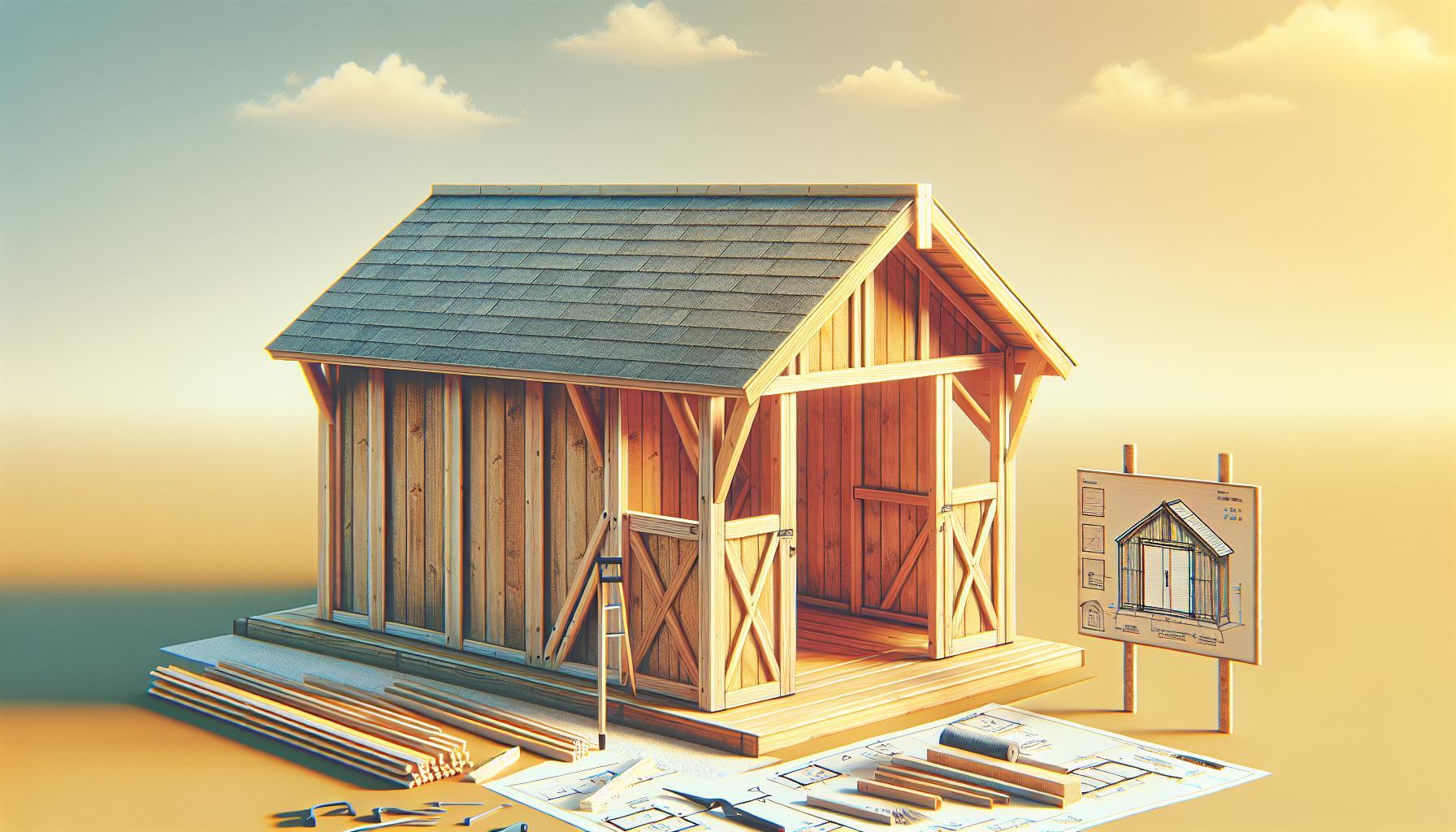
Building a shed doesn’t have to break the bank. Many people struggle with high construction costs, leaving their storage needs unmet. This article reveals essential cost-cutting secrets from professional builders, empowering you to create a functional and budget-friendly outdoor space efficiently. Discover how smart planning and resourceful techniques can make your shed dreams a reality without overspending.
Understanding Your Shed’s Purpose: Selecting the Right Design and Size
When embarking on the journey of building a shed, understanding its intended purpose is paramount. A well-planned shed can enhance your property, offering not just storage, but also workspace, a hobby area, or a retreat.Whether you envision a simple garden tool storage or a fully equipped workshop, defining its function will guide both the design and size decisions you’ll confront during the construction process.
Identifying Your Shed’s Primary Function
to determine the perfect design and dimensions for your shed, start by outlining its primary functions. Consider these common uses:
- Storage: For garden tools, outdoor equipment, or seasonal items.
- Workspace: A workstation for hobbies like woodworking or crafting.
- Office Space: A quiet area for remote work or studying.
- Leisure Area: A place to relax, such as a potting shed or garden retreat.
Taking a moment to prioritize these functions will lead you to a more customized approach to your design. For instance, if you plan to use your shed primarily for storage, ensuring ample shelving and floor space could be more crucial than aesthetic elements.
Choosing the Right Size and Design
After clarifying the shed’s purpose, the next step is calculating the size. Here are key considerations:
- Available Space: Assess your yard dimensions to determine how much room you can dedicate to the shed.
- Zoning Regulations: Check local building codes or HOA guidelines to ensure compliance.
- Future Needs: Plan for growth; consider building a larger space that can accommodate additional items or activities later on.
Sample Shed Size Guide Based on Purpose
To help streamline your decision further, here’s a simple size guide that aligns shed size with its intended use:
| Purpose | Suggested Size (Square feet) |
|---|---|
| garden Tool Storage | 64-100 sq ft |
| Hobby Workshop | 100-150 sq ft |
| Office Space | 120-200 sq ft |
| Leisure Retreat | 100-150 sq ft |
Constructing a shed doesn’t have to break the bank, especially when you apply the cost-cutting secrets discussed in “How to Build a Shed Cheap: Cost-Cutting Secrets from pro Builders.” By focusing on your shed’s specific use,you can optimize both the size and design,ensuring that your new structure meets your needs while keeping expenses in check. Whether opting for a prefab design from places like Studio Shed or creating something from scratch, a thoughtful approach to your shed’s purpose will yield the best results.
Material Matters: how to Choose Affordable Yet Durable Options
When embarking on a project to construct a shed on a budget, the choice of materials can substantially influence both the upfront costs and long-term durability. Understanding the qualities and costs associated with various materials is crucial for achieving a balance between affordability and functionality. Selecting the right building materials ensures not just savings, but also a shed that can withstand the elements for years to come.
Choosing the Right Materials
To start, consider materials that are readily available and economically viable. Here are a few options that stand out for their combination of cost efficiency and durability:
- Reclaimed Wood: This material not only reduces costs but also provides a unique aesthetic. it’s durable and enduring,making it a strong contender for shed construction.
- Plywood: An affordable option that comes in various grades. While cheaper grades may save money initially, investing a little more in quality plywood can enhance durability and reduce long-term maintenance.
- Metal Panels: Lightweight and resistant to weather elements, metal can be a smart choice for roofs. Pre-painted options can further cut down on painting costs in the future.
- Vinyl siding: It’s easy to maintain and provides a good level of insulation,making it a cost-effective siding choice.
Durability vs. Cost
When evaluating the durability of materials, it’s essential to consider both the initial purchase price and the potential longevity of the material. Investing in slightly more expensive, high-quality materials upfront can pay off in reduced maintenance costs over time. For instance, while vinyl siding might have a higher initial cost compared to traditional wood siding, it typically offers greater longevity and requires less upkeep.
For a comparative look at common materials and their expected lifespans, consider the following table:
| Material | Average Cost per Square Foot | Expected Lifespan |
|---|---|---|
| Reclaimed Wood | $3 – $6 | 40+ years |
| Plywood | $1 – $3 | 20 years |
| Metal Panels | $1.50 – $4 | 40+ years |
| Vinyl Siding | $2 – $5 | 30 years |
By carefully evaluating your material choices through the lens of durability and cost, you can effectively implement the insights gained from “How to Build a Shed Cheap: Cost-Cutting Secrets from Pro Builders.” Ultimately, the goal is to construct a shed that not only meets your immediate budgetary constraints but also stands the test of time, ensuring functionality and value over the years.
Smart planning: The Importance of a Detailed Budget and Design Blueprint
In the quest to construct an economical shed, the adage “fail to plan, plan to fail” rings especially true. Smart planning is not merely a suggestion; it’s a critical component in the strategy of building a shed without breaking the bank. A detailed budget and design blueprint serve as your roadmap,guiding you through each phase of the building process while preventing financial missteps and design regrets.
Creating a comprehensive budget involves assessing both material and labor costs, as well as potential hidden expenses. Begin by listing all necessary components for your shed, which may include framing timber, roofing materials, and a foundation. Consider the following factors when drafting your budget:
- Material Quality: Choose cost-effective materials that don’t compromise on durability.
- Size and Design: Assess the dimensions and complexity of your shed design; simpler designs typically cost less.
- Labor Costs: Determine whether you’ll enlist help or tackle the project solo to save on labor expenses.
A design blueprint complements your budget by providing a visual layout that clarifies size, shape, and functionality. Well-thought-out blueprints can prevent costly alterations during construction. Make sure your plan includes detailed measurements along with a list of materials needed,which aligns perfectly with your budget. Using resources that offer free shed plans can significantly help in this visualization process. For instance, you can find a variety of designs tailored for different budgets and sizes on sites offering free plans, which can streamline both planning and building phases [2].
To illustrate effective planning, consider the scenario of a DIY enthusiast building a 10×12 storage shed.By creating a sketch with precise measurements and listing materials like treated lumber, corrugated roofing, and exterior paint, the builder can avoid over-purchasing or underestimating costs. Utilizing a table to track your material list and costs helps maintain control over the budget:
| Item | Quantity | Cost per Unit | Total Cost |
|---|---|---|---|
| Treated Lumber | 10 | $5.00 | $50.00 |
| Roofing Material | 1 Bundle | $30.00 | $30.00 |
| Exterior Paint | 1 Gallon | $25.00 | $25.00 |
| Total | $105.00 |
by carefully considering your budget and solidifying your design blueprint, not only do you pave the way for a successful building project, but you also minimize the chances of unexpected costs thwarting your efforts. This methodical planning is a key takeaway from the guide on building a shed cheap, emphasizing that planning combined with practical request leads to both functional and financially sound results.
Mastering Construction techniques: Pro Tips for DIY-Friendly Building
Taking on the challenge of building a shed can be an empowering project that not only saves money but also enhances your DIY skills. To make the most of your shed construction, consider applying some insider techniques that professionals use, allowing you to streamline the process and avoid common pitfalls. Whether you’re a seasoned DIYer or a novice, mastering these construction techniques can turn your weekend project into a success.
Use Quality Affordable Materials
One of the most important factors impacting the cost and durability of your shed is the material used. To build a shed cheap without sacrificing quality, look for locally sourced lumber and reclaimed materials. Often, these can be obtained at a fraction of the cost and, if chosen wisely, can add unique character to your shed. As an example,using a mix of new plywood for the walls and reclaimed wood for trim can create an attractive aesthetic while keeping expenses low.
Plan Your Design strategically
A well-thought-out design can save you time and money. Before you start, sketch out your shed’s layout, keeping in mind how you’ll use the space. Is it for gardening tools, or will it double as a workspace? Incorporating built-in shelving can maximize vertical space and reduce clutter. consider creating an open floor plan if space allows, as this can definitely help in reducing material costs and enhancing usability. Remember, a clear plan will also help prevent unnecessary changes during construction, which can frequently enough lead to additional expenses and waste.
Master Efficient Construction Techniques
Technical prowess is just as important as the materials you choose. Pro builders suggest techniques like pre-cutting your materials based on your design, which minimizes waste and simplifies assembly. Utilizing a basic layout of 2×4 framing for the walls can provide strength and is frequently enough easier for DIY users to handle. Additionally, use a simple roof design; a gable or shed roof is not only easier to build but also provides ample drainage, which can extend the life of your shed.
Essential Tools Checklist
Having the right tools can significantly ease the building process. Here’s a simple checklist to get you started:
| Tool | Purpose |
|---|---|
| Level | Ensures your structure is straight and even. |
| Saw | For cutting wood to desired dimensions. |
| drill | Used for creating pilot holes and driving screws. |
| Measuring tape | Accurate measurements lead to better-fitting components. |
| Square | Ensures 90-degree angles for proper framing. |
By leveraging these construction techniques and tools, and keeping the focus on quality materials and efficient design, your journey on how to build a shed cheap will not only result in a functional space but will also sharpen your building skills, preparing you for future projects.
Cost-Effective Tools and equipment: What You Really Need
When embarking on the journey of building a shed, especially on a tight budget, it’s essential to differentiate between tools and equipment that are necessary and those that are merely nice to have. This strategic approach not only saves money but also makes your build more efficient. Implementing cost-effective techniques in your toolbox means you can create a functional structure without breaking the bank.
Essential Tools for shed Construction
investing in a few key tools can significantly streamline your shed-building process. Here’s a quick list of must-have items:
- Circular Saw: Ideal for cutting large sheets of plywood and dimensional lumber quickly and efficiently.
- Brad Nail Gun: This tool speeds up assembly by allowing you to attach materials quickly with minimal effort.
- Cordless Drill: Essential for driving screws and drilling holes; a versatile tool that you’ll use repeatedly.
- Clamps: Useful for securing pieces of wood together while you nail or screw them in place, ensuring a sturdy build.
- Caulk Gun: critical for sealing gaps and providing weatherproofing, which prolongs the life of your shed.
- Chalk Line: Helps in marking straight lines on large surfaces, which is crucial for accuracy in your measurements.
Each of these tools plays a vital role in achieving a high-quality shed without the need for specialized equipment that may only be used once.
Affordable Sources for Tools and Materials
Finding budget-friendly tools and materials is crucial in your quest to learn how to build a shed cheap. Here are some strategies to consider:
- Second-hand Stores and Online Marketplaces: Websites like Craigslist or Facebook Marketplace frequently enough have quality tools at a fraction of the retail price.
- Rental Services: For tools that you won’t use frequently, consider renting rather of buying. This option can save you considerable amounts of money.
- Pallets and Reclaimed Wood: Look for pallets that can be disassembled into usable wood. Many businesses discard them, and this recycled option is both economical and environmentally friendly.
Prioritizing Your Purchases
It’s smart to plan your purchases. Start with the most critical equipment needed for your initial build. Here’s a basic table to help prioritize investments:
| Tool | Importance | Estimated Cost Range |
|---|---|---|
| Circular saw | High | $50 – $150 |
| Brad Nail Gun | High | $40 – $100 |
| Cordless Drill | Essential | $30 – $100 |
| Clamps | Medium | $10 – $30 |
| Caulk Gun | Medium | $5 – $20 |
By focusing on essential tools and understanding where to source them affordably,anyone can embark on the project of building a shed without overspending. Armed with knowledge from pros on how to build a shed cheap, you’ll find that creating your own backyard storage can be a rewarding and cost-effective endeavor.
Maximizing Space: Clever Storage Solutions for Your Shed
Transforming a cluttered shed into a functional workspace can significantly enhance its utility. When you’re working within a tight budget, clever storage solutions become essential, allowing for efficient organization without breaking the bank. Utilizing vertical space,multi-functional furniture,and DIY storage options not only optimizes your shed but also adds a touch of personal style reflecting your needs.
Creative Uses of Vertical Space
One of the best strategies to maximize space in your shed is to think vertically. Install shelves at different heights to store items like gardening tools, pots, and seasonal decorations. This will free up floor space and make items more accessible. Consider using pegboards or wall-mounted storage systems, which can accommodate hooks and baskets for tools and accessories. Here are some suggestions:
- Shelves: use sturdy wooden shelves or metal brackets to display items neatly.
- Pegboards: Customize with hooks for tools, gloves, and craft supplies.
- Wall-Mounted Baskets: Ideal for smaller items, keeping them off surfaces.
Multi-Functional Furniture
Incorporating multi-functional furniture can also make a significant difference. for example, a potting bench can serve as both a workspace and storage area.Look for benches with built-in storage or consider repurposing pallets or old furniture. This not only saves space but can also provide a unique character to your shed. Some practical options include:
- Storage Benches: Seating that doubles as storage for tools or cushions.
- Foldable Tables: Easy to store when not in use, allowing for a flexible workspace.
- Rolling Carts: Moveable storage for tools, making access easy wherever you need them.
DIY Storage Solutions
Building your own storage solutions can be both cost-effective and rewarding. Not only do homemade shelves and racks save you money, but they can also be tailored precisely to your shed’s dimensions. Here are some easy DIY ideas:
- Reclaimed Wood Shelves: Use leftover wood from other projects to create rustic shelving.
- Upcycled Containers: Old tins or jars can become perfect storage for screws, nails, and small items.
- Magnetic Strips: Attach these to the wall to hold metallic tools and keep them easily accessible.
Remember, effective organization is key to maintaining a clutter-free shed. By implementing some of these clever storage solutions, you can create a workspace that not only suits your needs but also reflects your personality. Implementing these tips inspired by “How to build a Shed Cheap: Cost-Cutting Secrets from Pro Builders” will ensure you’re maximizing every inch of your shed without overspending.
Navigating Local Regulations: Permits and Codes Made Simple
Ensuring compliance with local regulations is a crucial step in building a shed without incurring unnecessary costs or delays. Many DIY builders overlook the importance of permits and codes, which can lead to fines or the requirement to dismantle their projects. Understanding the landscape of local regulations is essential to navigate the process smoothly, allowing you to focus on cost-saving building techniques.
Understanding Permits and zoning Laws
Depending on your location, a building permit might potentially be required before you can start construction on your shed. To determine if you need a permit, check with your local planning department or municipal office. Common factors influencing permit requirements include:
- Size of the shed: Many jurisdictions have size thresholds beyond which a permit is mandatory.
- Location: Proximity to property lines or specific zoning areas may necessitate additional approvals.
- Intended use: Whether you plan to use your shed for storage, a workshop, or a dwelling can influence permit requirements.
In areas with homeowner associations (HOAs), additional regulations may apply. These can dictate design aesthetics, colors, and materials used. Familiarizing yourself with these rules early on can save you time and resources, ensuring that your shed aligns with both local codes and community standards.
researching Local codes
local building codes set the standards for construction practices, intended to ensure safety and structural integrity. These codes cover various aspects, including:
- Foundation requirements: Ensure that your shed is built on a solid foundation to meet structural guidelines.
- Materials: Comply with codes regarding fire resistance and durability of materials.
- Safety measures: Adhere to regulations concerning electrical wiring or plumbing, if applicable.
Building your shed in compliance with these codes can also enhance its longevity and value. Make it a habit to consult the local government website or office for the most up-to-date data.This diligence pays off not just in legality,but as part of the cost-cutting strategies presented in “How to Build a Shed Cheap: Cost-Cutting Secrets from Pro Builders.”
Checklist for Compliance
Before you begin construction,create a checklist to ensure you have met all local requirements:
| Task | Status |
|---|---|
| Check permit requirements | ✔️ / ❌ |
| Review zoning laws | ✔️ / ❌ |
| Research local building codes | ✔️ / ❌ |
| Submit permit applications | ✔️ / ❌ |
| Consult with local officials | ✔️ / ❌ |
By following these guidelines,you can avoid the risks associated with non-compliance. This proactive approach ensures that your project aligns with local expectations, allowing you to confidently implement the cost-cutting secrets from experienced builders to create your perfect shed.
Avoiding Common Pitfalls: Expert Advice for a Smooth Build Experience
Building a shed can be an exciting project, but it’s easy to overlook details that lead to frustration down the road. Many first-time builders fall victim to common mistakes, which can complicate the experience and increase costs. To sidestep these pitfalls, consider implementing expert advice designed to facilitate a smoother construction process and keep your project on track.
Choose the Right Location
Selecting the ideal location for your shed is crucial. Ensure that the spot is level and well-drained to prevent water accumulation that could lead to structural damage. Avoid placing the shed on a slope, which can make construction more challenging and create issues with stability. According to industry experts, maintaining at least six inches of elevation from ground level can help avert water-related problems, allowing you to enjoy your new space without concern for future water damage [[3]].
Plan for Accessibility and Purpose
Think carefully about the main use of your shed and how frequently you’ll access it. For instance, if you’re building a garden shed, its placement near the garden area will help streamline your gardening tasks.This kind of strategic positioning enables you to maximize efficiency and enjoy seamless access to tools and supplies [[[2]]. Also, ensure that pathways to the shed are clear and easily navigable, reducing the risk of accidents or spills when carrying materials.
Invest in Quality Materials
While the goal is to build a shed cheap,compromising on the quality of materials can lead to higher long-term costs. Durability should always be a priority; opting for high-quality lumber, roofing materials, and fasteners will save you from frequent repairs and replacements. Grabbing deals on materials might be tempting, but choosing the right products designed for outdoor use is critical for the longevity of your shed. Always consult reviews and ratings to find the best options suited for your specific needs.
Consult Resources and Experts
Utilizing resources and advice from seasoned builders can vastly improve your experience. Instructional guides and community forums provide invaluable insights that can help you avoid common mistakes.For instance,The Home Depot outlines essential steps for building a shed,emphasizing the importance of foundation and structure [[1]]. Engaging with experienced builders can also equip you with practical tips and techniques that might not be covered in general guides.By focusing on these critical areas, you can navigate the complexities of shed construction and create a space that meets your needs without breaking the bank. Proper planning, quality materials, and expert insights combine to set you on a path toward a successful building experience, following the principles highlighted in expert recommendations on “How to Build a Shed Cheap: cost-Cutting Secrets from pro Builders.”
Q&A
How can I build a shed cheap using pro builders’ secrets?
To build a shed cheaply,focus on using reclaimed materials,DIY methods,and simple designs. Pro builders frequently enough recommend saving costs by selecting less expensive materials and opting for straightforward structures that require minimal tools.
Consider using reclaimed wood for framing and siding. Combining this with self-assembly methods, like shed kits, can significantly reduce costs. Additionally, a simple design without complex features reduces both material and labor costs.
What materials are considered cheap for shed construction?
Cheap materials for building a shed include plywood, pressure-treated wood, and metal roofing. These options are frequently enough readily available and can be sourced from local suppliers or reclaimed from other projects.
Plywood is an economical choice for the walls and floor, while pressure-treated wood offers durability against elements. Consider using corrugated metal for the roof, as it is both affordable and functional, providing excellent weather resistance.
Why does choosing a simple shed design save money?
Choosing a simple shed design saves money by minimizing material waste and reducing construction complexity. Straightforward designs typically require fewer materials and less skilled labor, translating to lower overall expenses.
Such as,a gable roof shed is easier and cheaper to construct than a multi-sloped style. Simplistic designs can also speed up the building process,cutting down on labor costs if hiring help.
Can I legally build a shed on my property without a permit?
Many areas allow small sheds to be built without a permit if they meet specific size criteria. It’s crucial to check local regulations, as requirements can vary significantly by location.
For example, in cities like Chicago, permits may not be necessary for structures under a certain height or size. Always consult your local building department to avoid potential fines or issues.
How do pro builders avoid common shed building mistakes?
Pro builders avoid common shed mistakes by planning thoroughly and using standard building techniques. Proper preparation, including precise measurements and leveling, greatly reduces costly errors.
They frequently enough recommend creating a detailed blueprint before starting, which allows you to identify potential problems early. Maintaining a checklist during construction can also help to ensure all steps are followed correctly.
What are some cost-cutting tips for shed flooring?
Use OSB (Oriented Strand Board) or untreated plywood for affordable shed flooring. These materials are budget-friendly and suitable for light storage sheds.
Consider also elevating the shed using gravel or wood skids to protect the floor from moisture and extend its lifespan. This approach allows you to avoid expensive concrete foundations while still ensuring longevity.
Where can I find affordable shed kits and components?
Affordable shed kits can be found at home improvement stores and online retailers. Websites like Home Depot or Lowe’s often sell inexpensive kits that come complete with all necessary components.
Additionally, local builders might offer second-hand kits or leftover materials from past projects, which can also be a great way to save money. Check community classifieds and online marketplaces for deals.
To Wrap It Up
building a shed on a budget is both achievable and rewarding with the right strategies and insights. by considering options like pre-built sheds for cost-effectiveness and utilizing materials such as pallets for unique designs, you can significantly reduce expenses without compromising quality. Remember to plan your project carefully, utilize a clear supply list, and track your budget effectively to avoid common pitfalls. Embrace the journey of DIY construction with confidence, knowing that each step you take brings you closer to your vision. For those ready to take on this rewarding challenge, don’t hesitate to dive deeper into the tips and tricks shared throughout your shed-building adventure.Your future self will thank you for creating a space that not only meets your needs but showcases your craftsmanship. Happy building!
Get our latest guides, news, and insights highlighted in your Google Search & AI Overviews.