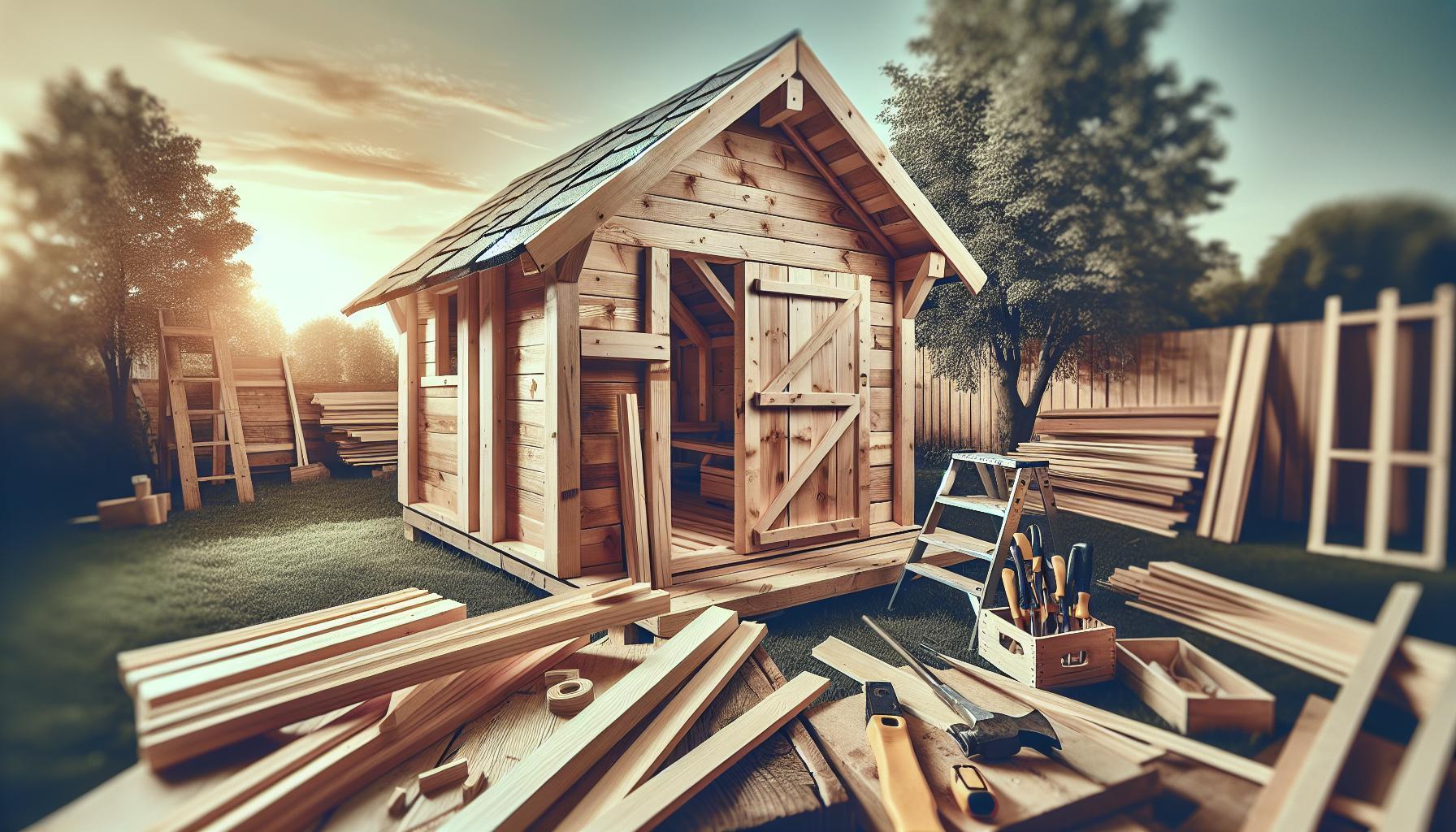
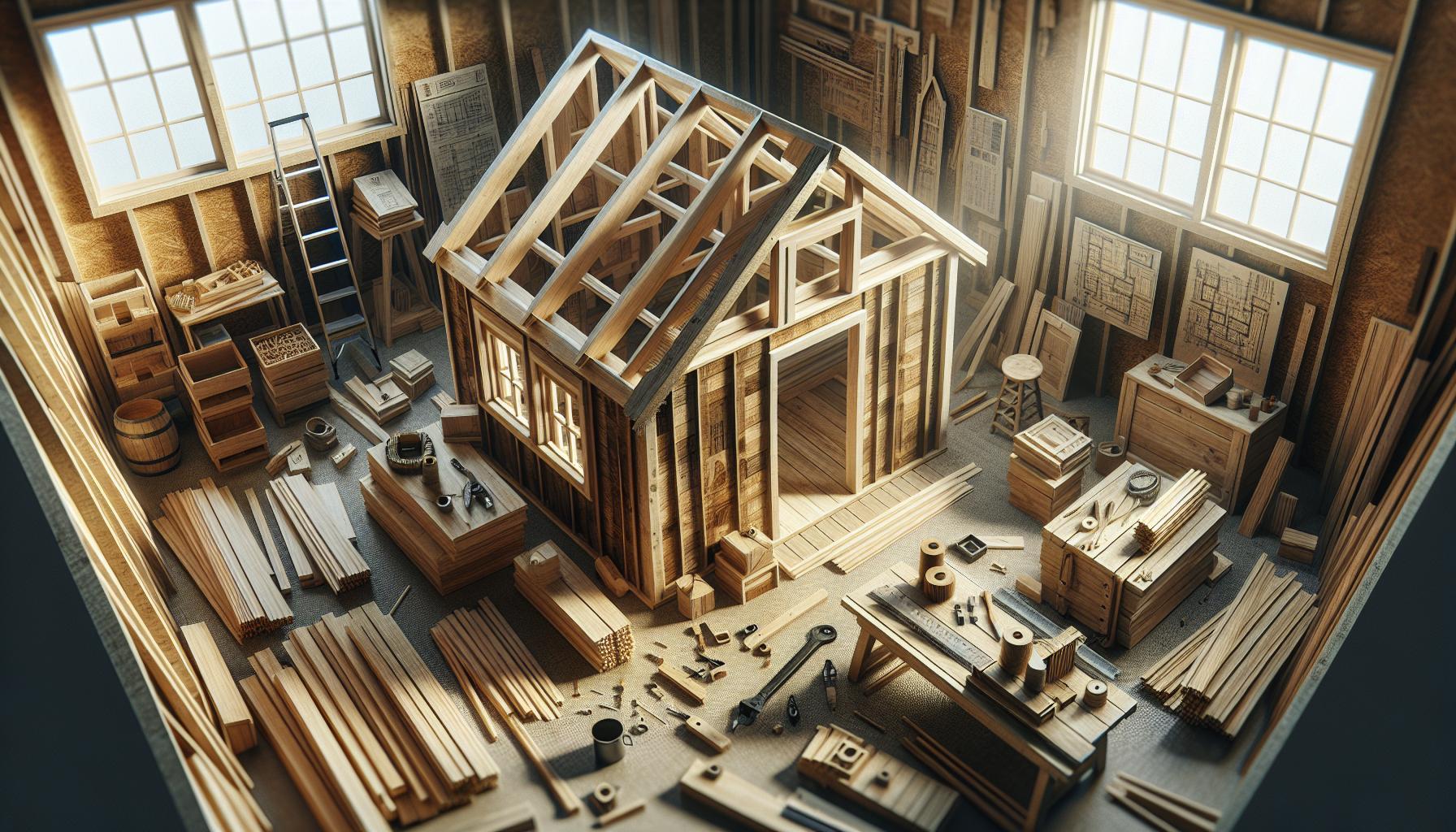
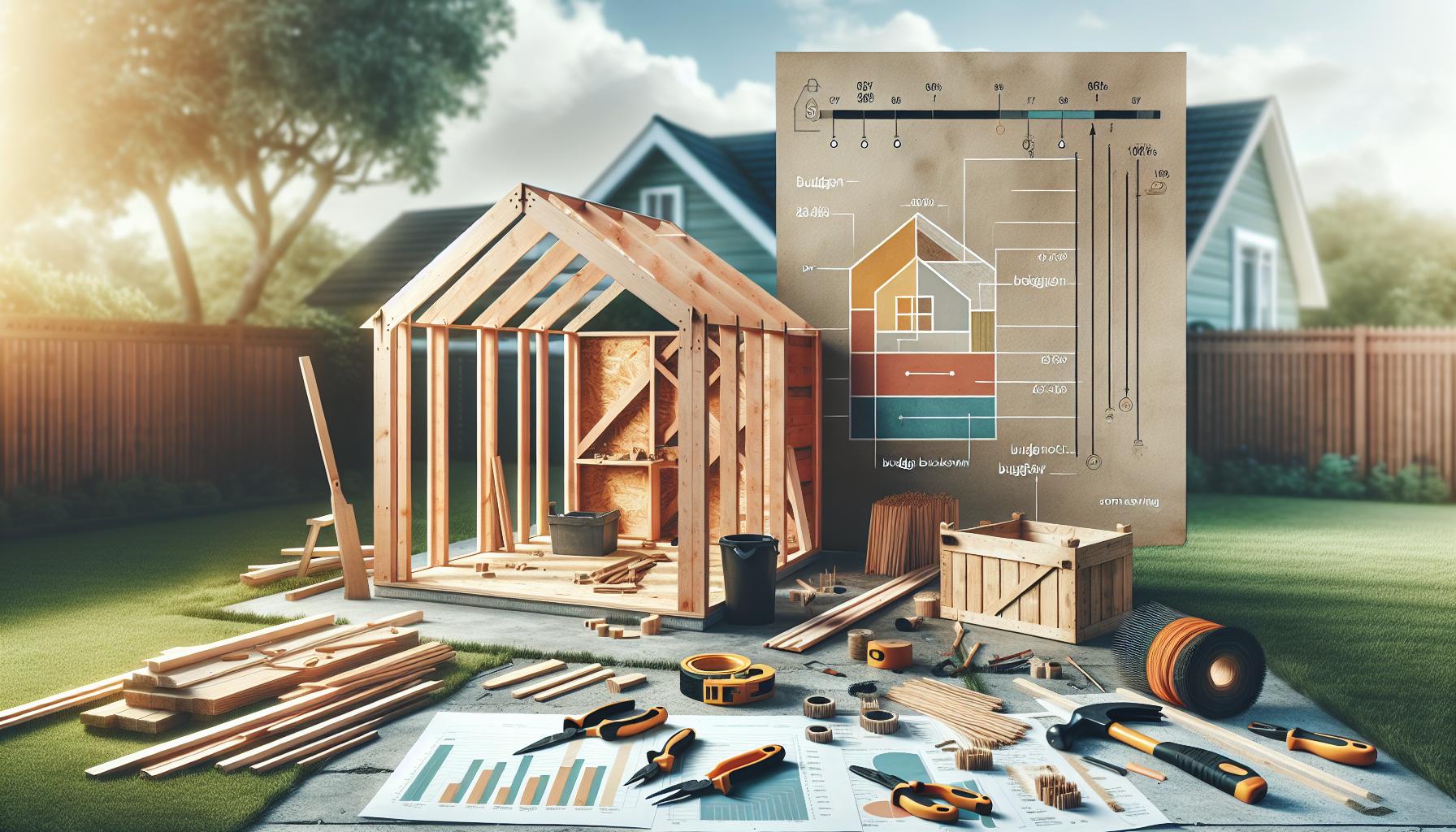
As homeowners seek ways to enhance their property value, the question arises: can adding a shed really boost yoru home’s appeal? this article explores the return on investment (ROI) of building a shed, revealing how this simple addition can transform your outdoor space while perhaps increasing your home’s market worth.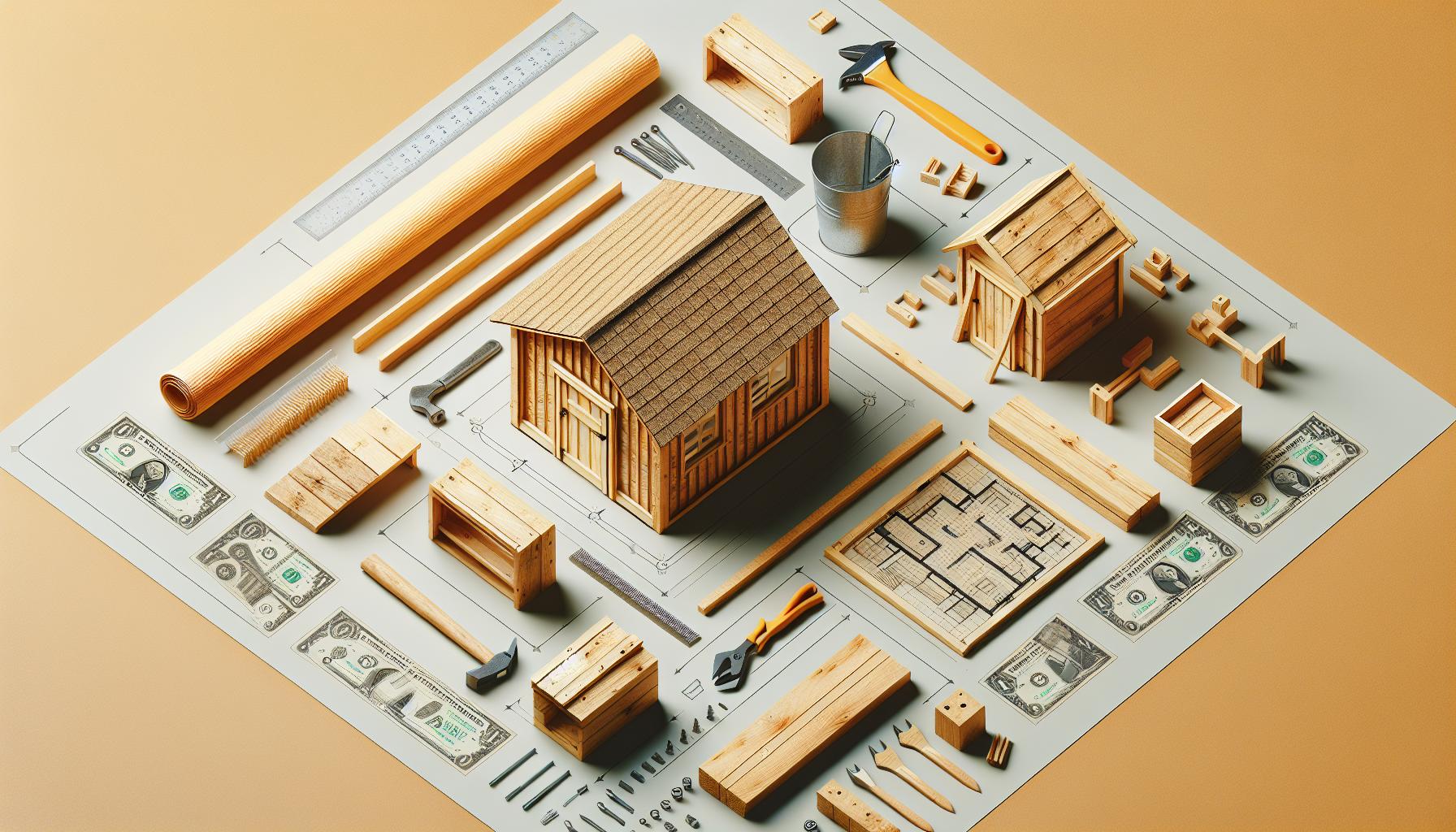
Understanding the Financial Impact of Adding a Shed to Your Property
When contemplating property enhancements, many homeowners overlook the potential financial benefits of adding a shed. This seemingly simple structure can serve a multitude of functions, from storage solutions to a creative workspace, making its impact on your property value more notable than one might expect. Investigating the return on investment (ROI) associated with such additions reveals a nuanced landscape ripe for consideration.
Cost vs. Value: The Financial Equation
Understanding the financial impact of building a shed necessitates evaluating both the costs incurred during construction and the potential increase in property value. On average, homeowners can expect to spend between $2,000 and $10,000, depending on size, materials, and design. It’s essential to note that while the upfront costs can be ample, the long-term benefits often outweigh these initial expenditures.
| Cost Range | Potential Return on Investment |
|---|---|
| $2,000 – $5,000 | 60% – 80% |
| $5,000 – $10,000 | 50% – 70% |
The ROI for your shed will often depend on local real estate trends and the specific needs of potential buyers in your area. As a notable exmaple, an attractive, well-constructed shed can appeal to the growing demographic of hobbyists and DIY enthusiasts, which may enhance your home’s desirability.
Utilizing the Shed for Maximum Financial Benefits
To maximize your investment in a shed, consider how to utilize it effectively. Hear are some actionable ideas:
- Storage Space: A well-organized shed can free up space in your garage and home, increasing your living area’s appeal.
- Home Office or Workshop: Transforming your shed into a functional workspace can attract buyers searching for flexible living spaces.
- Outdoor Entertaining Area: Incorporate features like a deck or patio around your shed to create a leisure area, enhancing your property’s lifestyle offerings.
By aligning the shed’s function with market demands, homeowners can not only recoup their investment but potentially enhance their home’s overall worth. Ultimately,understanding the financial ramifications and taking strategic steps can turn a simple backyard shed into a valuable asset in your real estate portfolio.
Key Factors Influencing Shed Value and ROI
Understanding what drives the value of a shed can be essential for homeowners contemplating this addition. While sheds can provide utility, storage, and even aesthetic appeal, various factors ultimately determine their impact on property value and return on investment (ROI). by considering these elements, homeowners can make informed decisions about whether building a shed is a worthwhile investment.
location and Neighborhood Trends
the location of a property plays a significant role in the potential return of a shed. In urban areas where outdoor space is limited, a well-built shed can transform an unused corner into a functional area, thereby increasing home value. Conversely, in rural settings, a shed may not carry as much weight if larger barns or garages are more common. Understanding local market trends helps homeowners tailor their shed investments to meet buyer expectations,ensuring they maximize potential ROI.
Quality and Design of the Shed
The quality of materials and craftsmanship used in a shed construction can greatly influence its value. Potential buyers are likely to appreciate well-built structures that match the home’s existing architecture. Here are some key elements to consider when evaluating shed quality:
- Materials: investing in weather-resistant and durable materials can enhance both aesthetics and longevity.
- Design: Aesthetic cohesion with the primary residence and thoughtful design can boost appeal.
- Functionality: Versatile designs that can serve multiple purposes frequently enough yield higher returns.
Permits and Compliance
Securing the necessary permits before beginning your shed project can affect its long-term value. Properties without compliant structures may face penalties or complications during resale. Consult local regulations to ensure your shed adheres to zoning laws and building codes. This proactive approach not only protects your investment but also instills buyer confidence.
Potential ROI Factors
The return on investment typically hinges on how well the shed meets the needs of potential buyers or enhances the existing property.Below is a table illustrating some common factors and their influence on ROI:
| Factor | Impact on Value |
|---|---|
| Location | high – localized demand drives interest |
| Design Cohesion | Moderate to high – matching architectural styles |
| Material Quality | High – durability equates to longevity and buyer trust |
| functionality | High – multifunctional uses attract more buyers |
| Compliance with Regulations | Essential – critical for maintaining value and avoiding issues |
By closely examining these critical aspects,homeowners can better understand how a shed might not only complement their lifestyle but also serve as an effective investment strategy,consistent with the notion that building a shed can indeed add value to a home.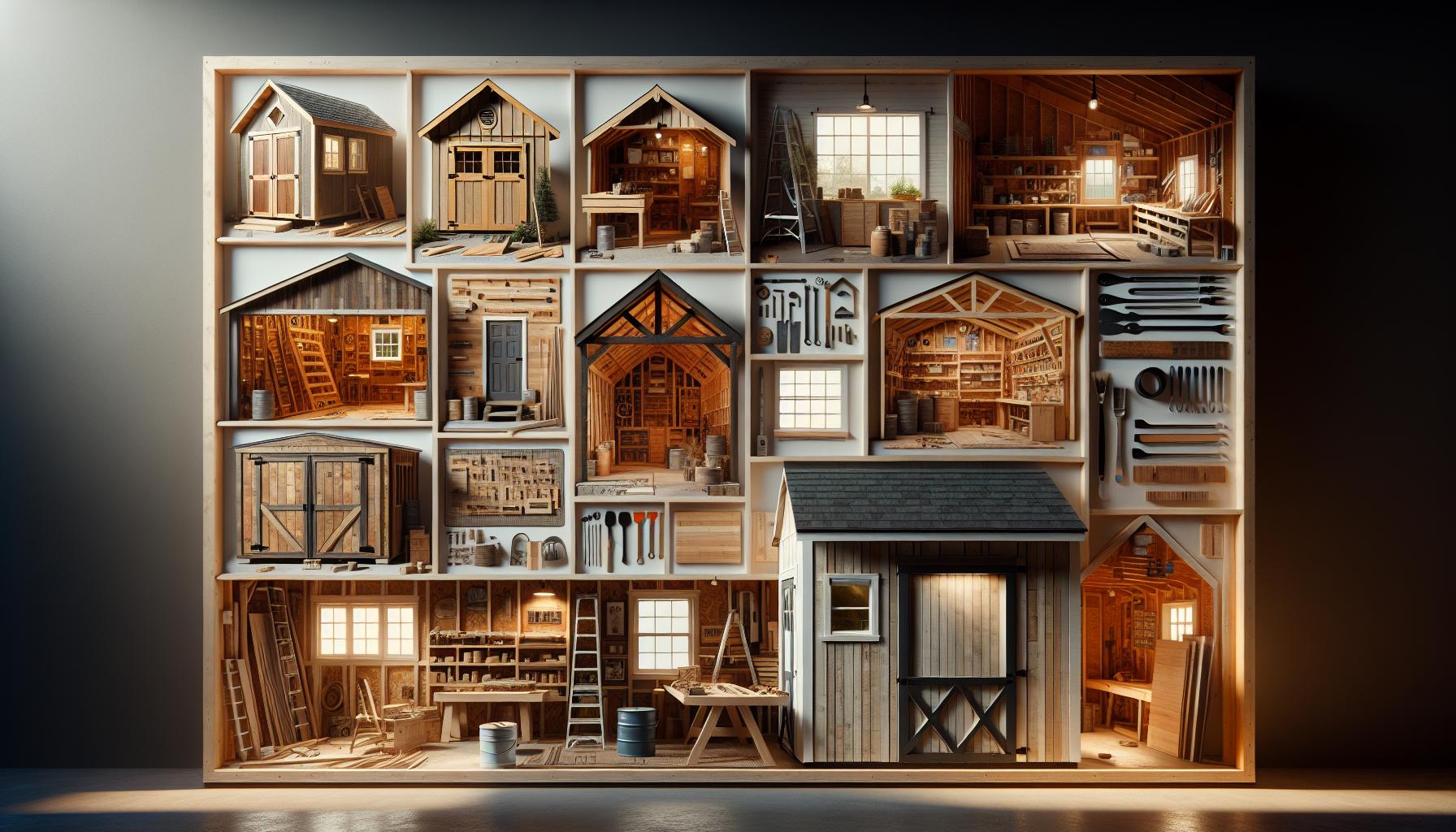
How to Choose the Right Shed Type for Maximum Home Value
A well-chosen shed can be an extension of your home,not just in functionality but also in value. According to various studies on home improvement investments, the type of shed you opt for can substantially impact your property’s resale price. Understanding how to select the right shed type is crucial for homeowners looking to maximize their return on investment (ROI) while providing additional utility.
Identify Your Needs and Space
Before diving into the aesthetics or design of a potential shed, it’s imperative to assess your specific needs and the area you have available. Consider the following factors:
- Purpose: Will it be used for storage, as a workshop, or even as a recreational space?
- Size: Ensure your shed’s dimensions complement your backyard without overwhelming it.
- Style: Choose a design that harmonizes with your home’s architecture.
A utility shed might suffice for basic storage, while a style that mimics your home’s design could serve as a more attractive feature that boosts curb appeal and property value.
Material Matters
The material from which your shed is constructed plays a pivotal role in longevity and overall appeal. Here are some popular materials and their implications for value addition:
| Material | Advantages | Considerations |
|---|---|---|
| Wood | Highly customizable; blends well with natural surroundings | Requires maintenance to prevent rot and pest infestations |
| Metal | Durable and theft-resistant; low maintenance | can appear industrial; might not suit all home styles |
| Vinyl | Low maintenance; resistant to pests and rot | Limited in design options compared to wood |
Investing in a durable and visually appealing material can enhance your shed’s aesthetic and functional value, making it more attractive to potential buyers.
Consider Local Trends and Regulations
Understanding the local market and zoning regulations is crucial when planning your shed.Aligning with current trends in outdoor structures can significantly enhance your home’s appeal. Research what types of sheds are popular in your neighborhood and ensure compliance with local zoning laws to avoid fines or forced removal down the line.
selecting the right shed type is a multifaceted decision involving your needs, material choice, and awareness of local trends. Taking the time to carefully consider these elements can lead to a shed that not only serves your immediate needs but also contributes positively to your home’s value, answering the question of whether building a shed truly adds value to your home.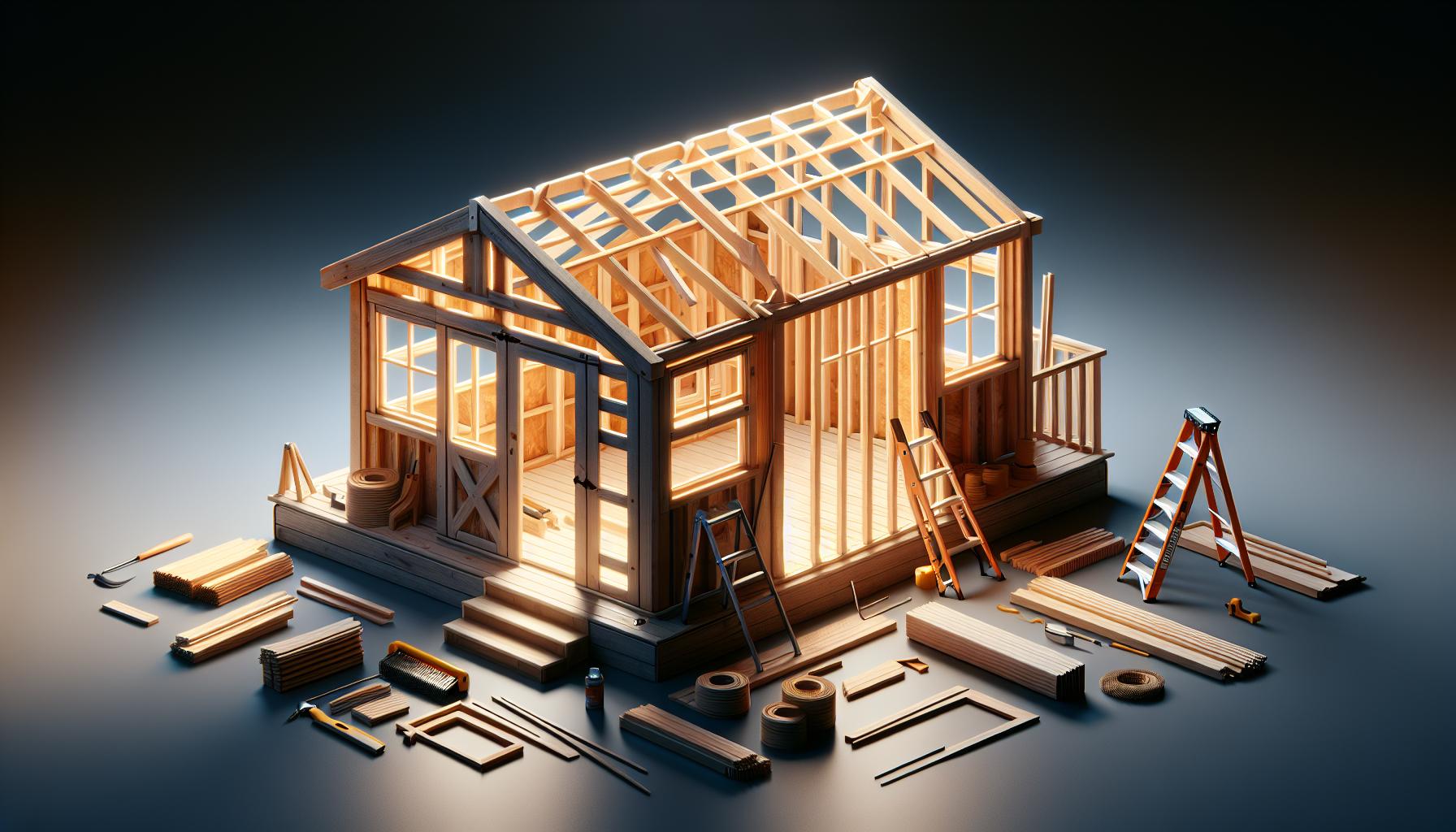
Smart Shed Construction: Design, Materials, and Placement Tips
Building a shed can significantly enhance your property, providing functional space and contributing to its overall value. With the right approach to design,materials,and placement,homeowners can ensure that their investment yields maximum returns. This section delves into the essentials for constructing a smart shed that not only serves your needs but also complements your home and landscape.
Design Considerations
When embarking on shed construction, the design should align with the existing aesthetics of your home and garden. Here are some key design tips:
- Match Architectural Styles: Ensure your shed mirrors the architectural features of your home, such as rooflines, colors, and materials.
- Plan for Functionality: determine the primary use of the shed—be it storage, workshop, or hobby space—to tailor the layout accordingly.
- Optimize for Space: Utilize vertical space for storage with shelves, pegboards, or hooks to maintain an organized environment.
Choosing the right Materials
Selecting durable and suitable materials is crucial for longevity and aesthetic appeal. Here are some materials to consider:
- Wood: Traditional and versatile, wood offers charm but requires regular maintenance unless treated with weather-resistant products.
- Metal: Durable and low-maintenance, metal sheds are resistant to pests and decay, making them an excellent option for long-term use.
- Plastic/Resin: Lightweight and frequently enough easier to assemble,these materials can withstand harsh conditions without rusting or rotting.
Placement Tips for Maximum Value
The way you position your shed can significantly affect its value contribution to your home.Here are practical placement tips:
- Accessibility: Ensure the shed is easily accessible from your home or driveway, making it convenient for regular use.
- Proximity to Utilities: If your shed will contain electrical tools or a workspace, consider placing it near power sources to reduce installation costs.
- Aesthetic Landscaping: Surround the shed with plants,pathways,or decorative elements to integrate it seamlessly into the yard,enhancing visual appeal.
| Material | Pros | Cons |
|---|---|---|
| Wood | Classic look, good insulation | requires maintenance, susceptible to pests |
| Metal | Durable, low maintenance | Heat retention, potential rusting |
| Plastic/Resin | Lightweight, weather resistant | Less aesthetic appeal, may not be as sturdy |
By thoughtfully considering design, materials, and placement, homeowners can create a shed that not only complements their property but also serves as a valuable asset. This strategic approach not only boosts curb appeal but also solidifies the return on investment,seamlessly answering the question,“Does building a shed add value to home?”
Enhancing Curb Appeal with Your Shed: Aesthetic Considerations
Enhancing the visual appeal of your property is more than just a passion project; it’s a strategic move that can significantly boost your home’s value. when considering the question, “Does building a shed add value to home? ROI facts for homeowners,” aesthetics play a crucial role. A well-designed shed can serve not just as a functional space for storage or hobbies, but also as a stunning focal point that complements your landscape and home architecture.
Designing the Perfect shed
To ensure that your shed enhances your home’s curb appeal,think about its design in relation to your house. The goal is to create a cohesive look. Here are some key design considerations:
- architecture Style: Choose a shed design that matches the architectural style of your home. A modern shed pairs best with contemporary homes,while a rustic wood shed may suit a country-style residential property.
- Color Scheme: Select colors that either contrast tastefully with your home or match its existing palette. Consider using paint or natural wood finishes that will age beautifully.
- Landscaping Integration: Position your shed in a manner that benefits both it and the landscape.Use plants, pathways, or decorative stones to create an inviting environment around the shed.
Unique Features that Attract Attention
Incorporating unique features can elevate the aesthetic appeal of your shed. Here are actionable suggestions to consider:
- Windows: Adding a few strategically placed windows not only improves the aesthetic but also allows natural light to filter in, making it a more inviting space.
- Lighting: Decorative lighting, such as solar-powered garden lights or lanterns, can give your shed a charming glow, especially during twilight.
- Functional Additions: Consider adding a porch or deck to your shed. This creates additional outdoor space and continues the visual line of your home’s patio or deck area.
Real-World Examples
Looking at successful shed installations can provide inspiration:
| Home Style | Shed Design | Enhancing Features |
|---|---|---|
| Craftsman | Wooden garden shed with gabled roof | Flower boxes and a small front porch |
| Modern | Metal shed with clean lines | Geometric planters and integrated solar lighting |
| Cottage | Shabby chic style shed | Pastel colors and climbing vines |
By thoughtfully designing and integrating your shed with the overall appearance of your property, you can effectively answer the question of whether building a shed adds value to your home.Integrating tasteful aesthetics is essential for maximizing ROI while ensuring that your home stands out in your neighborhood.
Navigating Local Regulations: what You need to Know Before Building
Before embarking on the exciting journey of building a shed,homeowners should be aware that navigating local regulations is a crucial first step. These regulations can significantly impact not only the project timeline but also the potential return on investment (ROI) associated with your new structure. Understanding local ordinances helps ensure that your investment aligns with property value enhancement, as discussed in the article “Does Building a Shed Add Value to Home? ROI Facts for Homeowners.”
Local regulations can vary widely by municipality, but some common requirements you might encounter include zoning laws, building permits, and property setbacks. It’s essential to check whether your planned shed complies with local zoning ordinances,which often dictate the type,size,and location of structures on your property. For example,many areas require sheds to be placed a certain distance from property lines and access roads. Failing to adhere to these regulations can result in fines or the costly requirement to relocate or dismantle your shed.
Understanding Building Permits
Building permits serve as formal approval from your local government to proceed with construction. They are essential for ensuring that structural changes meet safety standards. Here are the crucial steps to follow:
- Consult Local Authorities: Before purchasing materials, contact your local building department to understand the specific permits needed for your shed.
- Submit Required Documentation: You may need to provide plans that outline the shed’s dimensions, materials, and intended use.
- Monitor Inspection Schedules: Inspectors may need to visit during and after construction to confirm compliance with safety codes.
Potential Costs of Non-Compliance
Neglecting local regulations when building could diminish the financial benefits anticipated from your shed. A study of homeowner experiences reveals a significant risk: homeowners who failed to obtain necessary permits often faced daunting fines and even devaluation of their properties. here’s a brief overview of potential costs:
| Issue | Potential Cost |
|---|---|
| Fines for Unpermitted Construction | $500 – $2,500 |
| Costs for Removing Non-Compliant Structures | $1,000 – $5,000 |
| Decrease in Property Value | Up to 10% of home’s market value |
By proactively addressing local regulations before building a shed, you can enhance your home’s appeal and secure your investment’s value. The insights gained not only foster a smoother building process but also reinforce the financial rationale behind your new structure. Understanding these rules ultimately contributes to the broader discussion of whether “building a shed adds value to home?” and the ROI homeowners can expect from such projects.
Real Homeowner Experiences: Insights on Shed investments
Engaging with fellow homeowners can provide invaluable insights, especially when considering home improvement projects like shed construction. Many families have discovered the multifaceted benefits of adding a shed to their property, resulting not only in practical storage solutions but also in enhanced home value. To truly understand the return on investment (ROI) of such a venture,we explore the genuine experiences of homeowners who have made this investment.
Transformative Impact on Homeowners
Investments in sheds have proven to be rewarding for many, resulting in transformative changes to their living space and value.Homeowners have shared that their sheds became more than merely storage units; they evolved into multifunctional spaces for hobbies, workshops, or even garden centers. Here are some real-life insights that highlight these benefits:
- Increased Usability: A homeowner in New Jersey reported that their shed, initially built for garden tools, became an art studio. This transformation not only enhanced their enjoyment of the property but also added significant appeal to potential buyers.
- Enhanced Curb Appeal: Another family noted that a well-designed shed with matching aesthetics to their home increased the overall curb appeal. This gave their home a cohesive look,which helped it stand out in the neighborhood.
- Year-Round Use: Many have turned their sheds into all-season spaces, adding insulation and electrical outlets. A Texan homeowner noted that their shed became a favorite gathering spot, used for barbeques and even overnight guest accommodations, potentially leading to a higher resale value.
Economic Value: Crunching the Numbers
While personal satisfaction is invaluable,the financial aspect cannot be overlooked. Homeowners looking to tap into the ROI of building a shed often point to comparisons between initial investment and market gains. here’s a table illustrating average costs and potential returns on shed investments based on homeowner testimonials:
| Type of Shed | Average Cost | Potential Value Increase |
|---|---|---|
| Basic Storage Shed | $2,000 | $1,500 |
| Customized Garden Shed | $5,000 | $4,200 |
| Insulated Workshop Shed | $8,000 | $7,000 |
These figures reflect actual homeowner experiences across various property types. As illustrated, while the value returned may not always completely offset the investment, the enhancement in lifestyle, institution, and usable space is often deemed invaluable by many families.
As you contemplate the question of whether adding a shed adds value to your home, take a cue from those who’ve walked this path before. Their experiences underscore the multifunctionality sheds can offer, seamlessly blending practicality with economic benefits in a competitive real estate landscape.
Maintaining Your Shed: Ensuring Long-Term Value and Functionality
A well-maintained shed can significantly enhance your property’s appeal and utility, serving not just as a storage space but also as a potential asset in your overall home value. Effective upkeep is critical to ensuring that your shed continues to serve its purpose and contribute positively to your investment. Here’s how to ensure long-term value and functionality for your shed.
Regular Inspections
Routine inspections are crucial for identifying issues before they escalate into costly repairs. A extensive checklist might include:
- Checking for leaks around the roof and walls
- Inspecting door and window seals for gaps
- Assessing the condition of the foundation for cracks or settling
- Looking for signs of pests or mold growth
Conduct these inspections at least twice a year,ideally during spring and fall,to keep your shed in top shape. Not only does this practice help maintain functionality,but it also preserves the aesthetic appeal contributing to your home’s value.
Routine Maintenance Tasks
To prolong the life of your shed,consider these regular maintenance tasks:
- Cleaning: Clear debris and dirt from gutters and roofs regularly.
- Painting and Staining: Refresh the exterior with paint or stain every few years to protect the wood.
- Rust Prevention: for metal structures, apply rust inhibitors annually.
- Repairs: Promptly address any damages, like broken locks or loose hinges.
implementing these tasks can help prevent deterioration,ensuring your shed remains a viable asset to your home’s overall value.
Efficient use of space
Optimizing the space inside your shed can enhance its functionality, making it a more appealing feature to future buyers. consider the following strategies:
- Install shelves and hooks to maximize vertical space.
- Use clear bins for storage to easily identify and access items.
- Consider multifunctional furniture, like foldable tables or ladders.
By utilizing space effectively, you can showcase the shed as not just storage but as a versatile workspace or garden sanctuary, thereby increasing its value.
Investment in Upgrades
If you’re contemplating whether building a shed adds value to your home, it’s essential to consider strategic upgrades. Adding features such as windows for natural light, electricity for tools, or even insulation can transform a simple storage shed into a functional workshop or a cozy retreat. Here’s a rapid table that outlines potential upgrades and their estimated ROI:
| Upgrade | Estimated Cost | Potential ROI |
|---|---|---|
| windows | $200 – $500 | 75% – 90% |
| Electricity | $400 – $800 | 70% – 85% |
| Insulation | $300 – $600 | 50% – 70% |
every upgrade needs careful consideration of both cost and potential return on investment. An attractive, functional shed can indeed add value to your home – as long as it’s maintained and upgraded thoughtfully.
Q&A
Does building a shed add value to home?
Yes,building a shed can add value to your home when done thoughtfully.A well-constructed shed can enhance your outdoor space’s functionality, making your property more appealing to potential buyers.
A shed provides extra storage and can serve various purposes, from a workshop to a garden tool storage area. Home buyers often appreciate additional functional space, which can lead to a higher resale value. For a more in-depth understanding, check our article on shed projects.
How much value does a shed add to a home?
The value a shed adds to a home can vary, but on average, it can yield about 50-80% return on investment (ROI) depending on materials and construction quality.
Factors influencing ROI include the shed’s size, placement, and intended use. A custom-built shed designed with durable materials and landscaping in mind can significantly increase appeal during a home sale. Homeowners should consider local market trends for precise estimates.
What are the best materials for building a shed?
The best materials for building a shed include wood, metal, and vinyl, each offering different benefits in terms of durability and aesthetics.
Wood is popular for its natural look and versatility, while metal sheds are noted for their strength and low maintenance. Vinyl sheds are weather-resistant and require little upkeep. Choosing the right material depends on your budget and the shed’s desired use.
Why does a shed increase storage space?
A shed increases storage space by providing a dedicated area for tools, equipment, and seasonal items, ultimately keeping your home and garden organized.
With a designated storage space, you can reduce clutter in your home, making your living areas more functional and inviting. Plus, potential buyers are often attracted to homes that can meet their storage needs efficiently.
Can I build a shed myself?
Yes, you can build a shed yourself, even as a DIY beginner; many resources are available to guide you through the process.
Start by assessing your skills and gathering quality materials. Online tutorials, plans, and schematic designs can simplify the building process. Be sure to check local regulations regarding construction permits and zoning requirements before starting.
What permits do I need to build a shed?
Building a shed may require a building permit depending on your local zoning laws and the size of the shed.
Always check with your local municipality for specific regulations. Generally, small, temporary sheds may not need permits, while larger structures usually do. Complying with regulations ensures your investment remains valuable.
What are common mistakes to avoid when building a shed?
Common mistakes when building a shed include poor planning and inadequate foundation preparation, which can lead to structural issues over time.
Additionally, neglecting local building codes or choosing subpar materials can diminish your shed’s lifespan and value. Dedicating time to select proper designs and materials can prevent costly missteps.
Closing Remarks
building a shed can be a strategic investment that not only enhances your property’s functionality but also boosts its market value. As we’ve explored, the return on investment can vary based on factors such as location, materials, and design, but the potential benefits are significant. From providing extra storage to creating a personalized workspace, a thoughtfully constructed shed can transform your outdoor space into a valuable asset.Don’t let the complexities of shed construction deter you. Whether you’re a seasoned DIYer or a novice tackling your first project, there are plenty of resources and step-by-step guidance available to help you along the way. Take pride in crafting something that not only meets your needs but also reflects your personal style and dedication to quality.
We encourage you to dive deeper into planning your shed project—consider the materials, layout, and design elements that will make your shed truly yours. Remember, every great project starts with a well-thought-out plan. Feel free to explore additional resources and connect with fellow DIY enthusiasts who can offer support and inspiration as you embark on this rewarding journey.Happy building!
Get our latest guides, news, and insights highlighted in your Google Search & AI Overviews.