
Building a shed can seem daunting, especially when you’re unsure about the timeline involved. Understanding how long the process takes is crucial for DIY enthusiasts who want too plan effectively and avoid frustration. Typically, skilled workers can assemble a shed in just a few hours, but setting up an installation date might take weeks, making it essential to set realistic expectations for your project.
Understanding the Shed-Building Process: Key Phases Explained
Building a shed can be a fulfilling project that not only adds value to your property but also provides essential storage space. However, understanding the phases involved in this process is crucial for a triumphant build. Proper planning can help you gauge the time commitment needed, allowing you to approach the task with confidence. Let’s delve into the key phases that define the shed-building process.
Phase 1: Planning and Preparation
Before hammer meets nail, the initial phase of building a shed involves meticulous planning and preparation. This includes selecting the right design based on your needs, choosing materials, and obtaining necessary permits. On average, this preparatory work might take anywhere from a few hours to several days, depending on the complexity of the shed. For example, if you’re opting for a basic kit, the planning phase might potentially be brief, while custom designs could require additional deliberation.
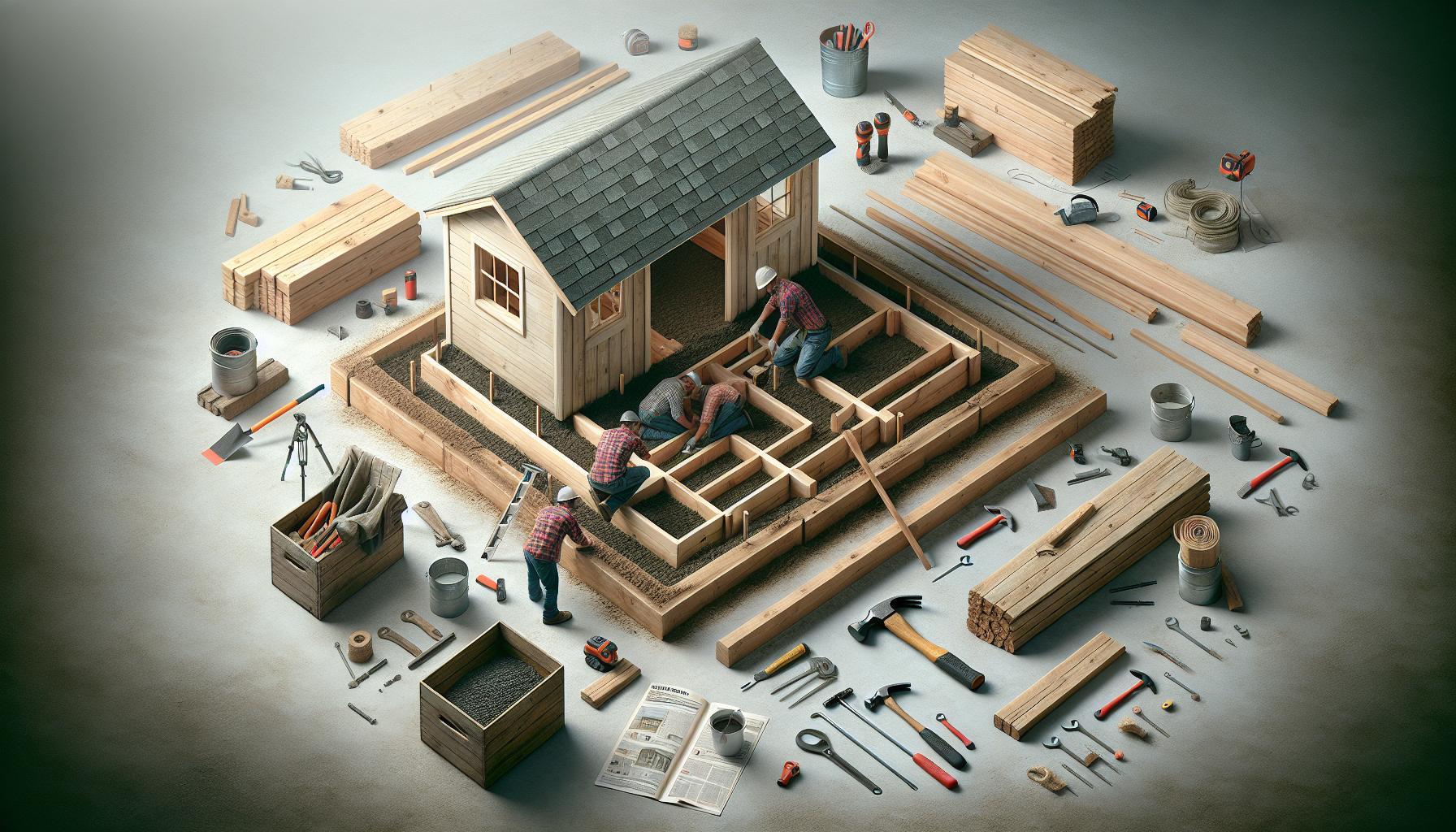
Phase 2: Foundation Setup
The foundation is a critical component that ensures your shed stands the test of time. Depending on your choice of foundation—be it a concrete slab or wooden base—the time required for this phase can vary. For a solid concrete foundation, allocate approximately one day for setting up, while a wooden foundation might take less time. According to community experiences, expect around 12 hours for the base if working with a few hands on deck. Properly establishing your foundation can considerably impact the overall stability of the structure, so it’s worth the investment of time.
Phase 3: Assembly and Construction
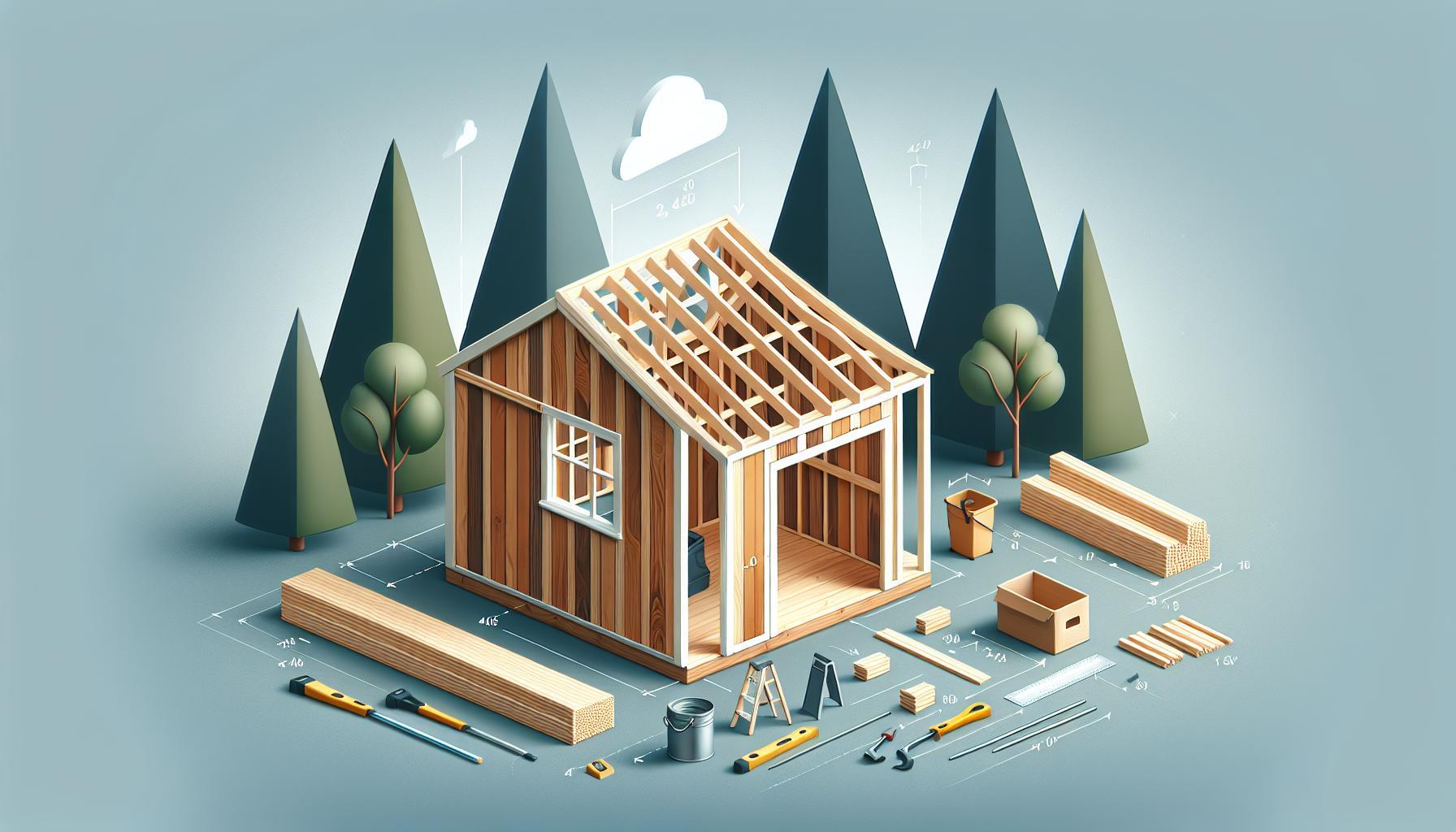
Once the foundation is prepared, assembly begins, which consists of erecting the walls, installing the roof, and finishing the exterior. A small shed (about 6’x8′) can typically be assembled in a weekend, while larger structures (like 12’x16′) can take a week or more, especially if you’re working alone. It’s essential to follow the instructions carefully for kit sheds, as this reduces the chances of errors that could prolong the project.
Phase 4: Finishing Touches
The final phase is where you personalize your shed with paint, shelves, and any additional features you desire. This might take a day or two but can vary based on your creative ambitions.Remember to also factor in time for any inspections or additional permits if your shed design incorporates electrical or plumbing features.Understanding these phases provides a clearer picture of how long it takes to build a shed and helps dictate a realistic timeline. With diligent planning and execution, you can transform your vision into a sturdy and functional storage solution right in your backyard.
Factors Influencing Your Build Time: Tools, Materials, and Skills
Building a shed can be a rewarding DIY project, but the time it takes can vary significantly based on several key factors. Understanding these elements—tools, materials, and skills—will not only set realistic expectations but also enhance the overall building experience.
Tools
The right tools can greatly influence how efficiently you can build your shed. Investing in quality power tools like a circular saw, drill/driver, and a miter saw can expedite the cutting and assembly process, allowing you to complete tasks swiftly. Additionally, hand tools such as hammers, levels, and clamps play a crucial role in ensuring precision. Here are some essential tools that can impact your build time:
- Circular Saw: Ideal for cutting wood quickly and accurately.
- Drill/Driver: Essential for fastening and can speed up the assembly of components.
- miter Saw: Great for making precise angle cuts.
- Measuring Tools: Accuracy is crucial; invest in a good tape measure and square.
When planning your project, ensure all your tools are in good working order before you start. familiarizing yourself with new tools can also save time during construction.
Materials
the choice of materials not only affects the durability and appearance of your shed but also impacts your build time. Certain materials, like pre-cut panels or kits, can simplify the construction process.for example, opting for engineered wood or specific types of siding designed for ease of installation can shorten assembly time. Below is a comparison table of common materials:
| Material type | Est. Build Time Impact | Durability | Cost |
|---|---|---|---|
| Wood (Plywood/Solid) | Moderate | High | medium |
| Vinyl | Low | medium | Higher |
| Metal | Low to Moderate | Very High | medium to High |
By carefully selecting materials that align with your skill level and the look you desire, you can streamline the building process.
Skills
Your personal skill level and experience are perhaps the most critical factors influencing the timeline of your shed construction. First-time builders frequently enough take longer as they learn the ins and outs of the process, whereas experienced DIYers may complete the job in a fraction of the time. Having mentioned that, there are several ways to improve efficiency:
- Prior Planning: Review plans thoroughly before starting to avoid mistakes that could cause delays.
- Practice: If you’re unfamiliar with specific techniques, consider practicing on scrap materials before applying them to your shed.
- Help from Friends: Enlisting a buddy can not only speed up the work but also make the project more enjoyable.
Focusing on skill development through workshops or instructional videos can also enhance your proficiency, ensuring you can tackle more complex tasks with confidence.
By acknowledging the influence of tools, materials, and your own skill set, you can gain a clearer understanding of how long it really takes to build a shed. This foresight allows you to plan more effectively and enjoy the process as you create your own workspace or storage solution.
Setting a Realistic Timeline: Breaking Down Each Stage of Construction
Embarking on the journey of constructing a shed can be both exhilarating and daunting. Understanding the timeline of shed construction is crucial to ensure that you set achievable expectations and allocate adequate resources. Generally, the entire process can range from a few hours for quick-build options to several weeks or even months for more complex DIY projects. By breaking down each phase, you can navigate this adventure with confidence and precision.
Planning and Preparation
The initial stage involves extensive planning, which can take anywhere from a few days to a couple of weeks.This period encompasses deciding on the shed’s purpose,design,and location. Key elements to consider include:
- Design Approval: Finalizing your design is essential before initiating construction. This may require obtaining necessary permits.
- Material acquisition: Order materials ahead of time to minimize delays, as delivery times can vary.
- Site Preparation: Ensure the area is cleared and leveled, which can take additional time depending on the condition of your site.
Construction Phases
Once planning is complete, the actual construction can begin. Depending on your skill level and the complexity of the shed design, this phase usually spans a few days to several weeks. here’s how the construction can be divided:
| Construction Stage | Estimated Time |
|---|---|
| Foundation Setup | 1-2 days |
| Framing | 1-3 days |
| Roof Installation | 1-2 days |
| Siding and Finish Work | 3-7 days |
Each stage involves specific tasks that should be tackled methodically. For instance, properly laying the foundation is vital for your shed’s longevity, while framing must accurately reflect your design specifications.
Final Touches and Inspection
The last segment of your project entails final touches such as painting, sealing, or adding shelves. This phase can take anywhere from a few days to over a week, depending on the complexities involved. Sufficient time should also be allowed for final inspections, which ensure that everything meets local building codes and standards.
although the question of “How long does it take to build a shed?” often hinges on numerous variables, breaking the process into these defined stages can help DIYers stay organized and adhere to a realistic timeline. By being thorough in planning,execution,and final inspection,you’ll find that constructing your own shed can be a rewarding experience,paving the way for future projects and additional creativity in your outdoor space.
Preparing Your Site: The Importance of planning and Foundation
The foundation of any structure, including your shed, dictates its longevity and stability. Without a solid and well-prepared site, even the most stunning shed can quickly fall into disrepair. Planning your site effectively is not just a preliminary step—it’s an essential part of the building process. Ensuring proper drainage, level ground, and sufficient support can save time and resources and avoid potential headaches down the line, especially for those assessing the timeline of their DIY shed project.
When preparing your site, consider the following key factors:
- Location: Choose a high, well-drained area away from potential water accumulation. Building in a wet area may lead to structural damage over time due to moisture [[2]].
- Foundation Type: The most common foundations for sheds include gravel pads, concrete slabs, and pre-made foundation blocks.Each option has its pros and cons, but a gravel pad is frequently enough recommended for drainage purposes. A solid gravel foundation also provides a stable base that can help with leveling and prevent settling [[1]].
- Site Preparation: Clear any vegetation, rocks, and debris from the site. If building a gravel pad, it’s advisable to remove at least 4 inches of sod and ensure the area is level. Alternatively,you can construct a frame using 4×4 timbers to define the perimeter before filling it with gravel [[1]].
By focusing on these elements, you can dramatically influence the duration and success of your shed-building project. A well-prepared site sets the tone for a smooth construction experience,allowing you to adhere to realistic timelines outlined in discussions on how long it takes to build a shed. Engaging in thorough planning and executing careful site preparation can transform a daunting task into an achievable and fulfilling DIY project, ultimately maximizing both enjoyment and efficiency.
Design Choices and Their Impact on Construction Duration
Making informed design choices can significantly affect the overall time it takes to construct a shed. The complexity and style of the design directly influence the amount of preparation and construction work required. As a notable example, opting for a simple, rectangular shed with a standard gable roof will generally result in a shorter build time compared to a more elaborate design featuring multiple roof levels, custom windows, or integrated shelving.Understanding these implications is crucial for anyone asking, “How long does it take to build a shed?” as each decision contributes to the overall project timeline.
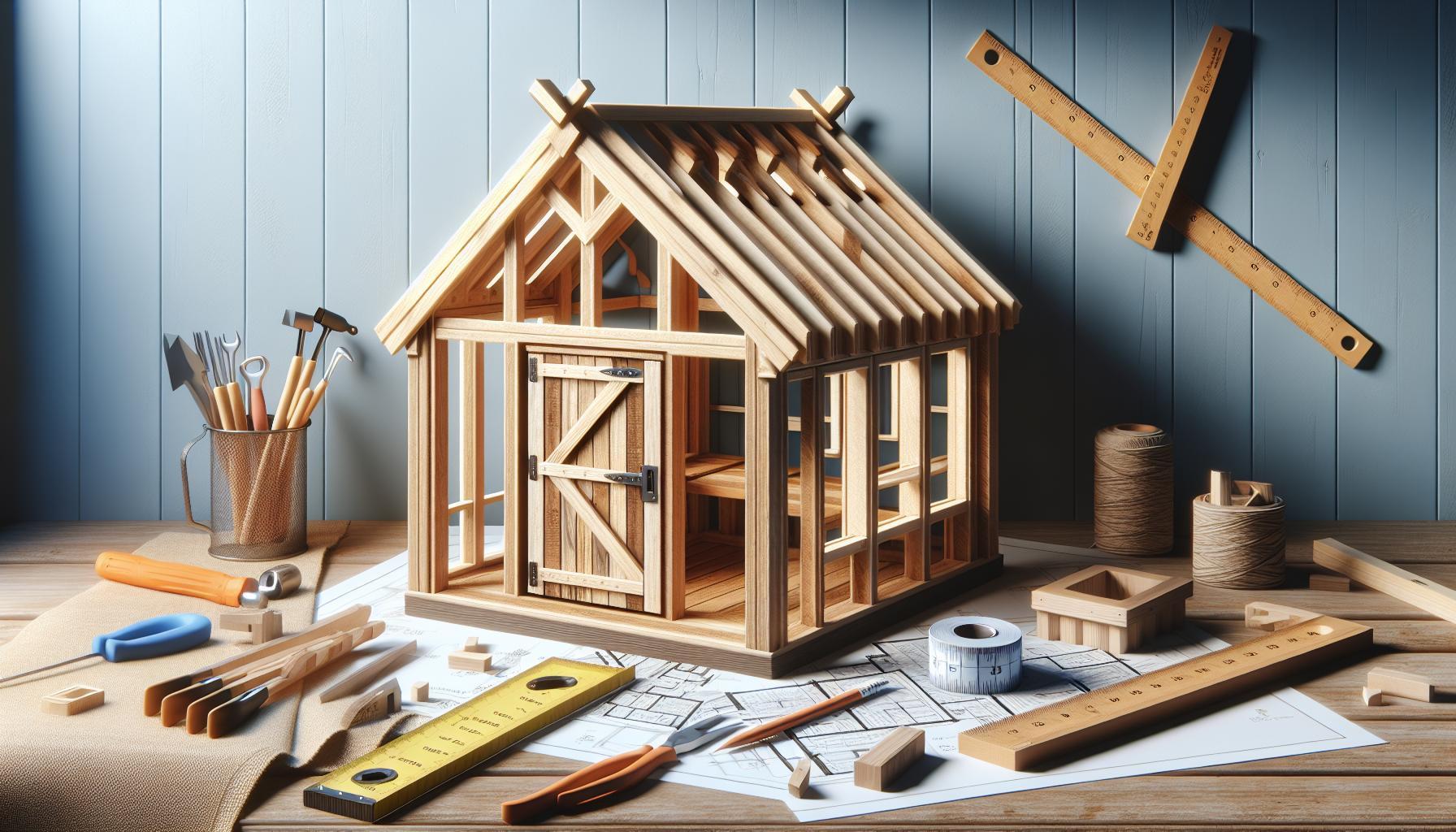
A well-structured plan can streamline the process and reduce delays. engaging in the schematic design phase allows homeowners to create detailed sketches and concepts, setting clear expectations for construction. Following this, the design development stage should prioritize essential features while minimizing unnecessary complexity.such as, selecting pre-fabricated materials can drastically cut down construction time by avoiding delays in sourcing or custom fitting. By choosing a design that balances aesthetics and functionality, DIYers can create a shed that meets their needs without extending their timeline unnecessarily.
Moreover, factors such as local building codes and the need for permits can also impact construction duration. It’s critical to incorporate these elements early in the design phase to avoid surprises later. A solid construction documentation phase will ensure all specifications are noted, helping prevent miscommunications during the building process. Thus, plowing through the bureaucratic hurdles before starting physical construction will aid in maintaining momentum and can even lead to a quicker completion.
To illustrate how design choices affect timelines, consider these common design scenarios:
| Design Choice | Estimated Build Time Impact |
|---|---|
| Simple rectangular shed | 4-6 weeks |
| Design with custom features (windows, doors) | 6-8 weeks |
| Complex layouts (multi-levels, integrated storage) | 8-12 weeks |
Ultimately, the key is to remain realistic about expectations; understanding how specific design choices influence the construction timeline can help set achievable goals. For those wondering, “How long does it take to build a shed?” being strategic about design can make a considerable difference in not only the duration of the build but also the enjoyment of the finished product.
Weather Considerations: How Seasons Affect Your Shed Build
Building a shed involves more then just choosing a design and gathering materials; the seasons also play a crucial role in planning and execution. understanding how different weather conditions can impact the construction timeline and the longevity of your shed is essential. While it’s tempting to think of building as a straightforward task, seasonal variations can introduce unique challenges and opportunities that every DIY enthusiast should consider.
Impact of Seasonal Weather
different seasons bring distinct weather patterns that can affect your shed building process. as a notable example, spring is frequently enough an ideal time for construction due to mild temperatures and manageable rainfall, allowing for easy handling of materials and quick drying times. Though, rainfall can delay progress if adequate weatherproofing measures aren’t in place, such as sealing gaps and applying weather-resistant paint [[1]](https://www.schrockbuildings.com/how-to-maintain-your-shed-during-extreme-weather-conditions/).
In contrast, constructing a shed during winter presents its own challenges. Cold weather can cause materials to contract, making it arduous to ensure tight seals and joints, which are crucial for preventing moisture ingress. Builders also need to consider how snow accumulation can impact the foundation stability and drainage systems of their sheds. Using pressure-treated wood can mitigate issues related to water and rot, especially in areas prone to heavy snowfall [[3]](https://montanashedcenter.com/blog/best-shed-materials-for-cold-weather).Planning your shed build around seasonal conditions can significantly affect how long it takes to complete the project.
Realistic Timelines for Each Season
When contemplating your timeline for building a shed, consider the following seasonal insights:
| Season | Pros | Cons | Actionable Tips |
|---|---|---|---|
| Spring | Ideal weather; good drying conditions | potential for heavy rainfall | Install drainage systems early, monitor daily forecasts |
| Summer | Long days for ample work time | Heat can slow down physical work | Start early in the day; have hydration stations set up |
| Fall | Cool temperatures help with material handling | Falling leaves can clog gutters | Plan for regular maintenance; prioritize roofing |
| Winter | Low precipitation days can be clear | Cold can affect material properties | Use insulation and consider indoor builds if possible |
By assessing how each season can affect your shed building endeavor, you can better estimate the time required to complete the project. Understanding these weather considerations will ensure you not only plan effectively but also select appropriate materials and techniques that cater to seasonal challenges, bringing you closer to your goal of constructing a durable and functional shed.
Troubleshooting Common Delays: Tips for Staying on Track
When embarking on the journey of building a shed, one of the most common challenges DIYers face is navigating unexpected delays. These setbacks can stem from a variety of sources, including weather conditions, material shortages, or even personal scheduling conflicts. Understanding how to effectively troubleshoot these common delays can make a significant difference in meeting your project timeline and achieving the results you desire.
To keep your shed construction on track, consider these actionable tips:
- Anticipate Weather changes: Always check the weather forecast before commencing work. Scheduling your construction around potential rain or extreme temperatures can definitely help avoid setbacks.
- Procure Materials Early: Identify all materials needed for your build ahead of time. Order and organize them well in advance to mitigate the risk of delays caused by backorders or supply chain issues.
- Create a Buffer in your Schedule: Include extra time in your project timeline to accommodate unforeseen issues. This buffer will allow you to stay on track, even if complications arise.
- Your Team Matters: If you’re working with a team,make sure everyone is clear on their responsibilities and timelines. Regular check-ins can keep the project moving forward efficiently.
Effective Dialog
Regular communication with all parties involved is crucial.If there are delays or issues, report them to your project manager or team leader promptly. Early reporting allows for quicker resolutions, minimizing the impact on your timeline. Document any issues and solutions to create a reference for future projects, enhancing your understanding of how long it takes to build a shed realistically.
Incorporating these strategies will help you navigate the construction of your shed more smoothly, ensuring that you maintain momentum while effectively addressing any common delays. Balancing preparation with flexibility will empower you to adapt and proceed without losing sight of your goals.
Celebrating Your Completed Shed: Maintenance and Future Enhancements
Completing the construction of your shed is a significant accomplishment, one that merits both festivity and thoughtful planning for its long-term care. Once you’ve put in the effort and time—possibly aligning with the timelines discussed in ‘How Long Does It Take to Build a Shed? Realistic Timelines for DIYers’—it’s essential to ensure your new structure remains functional and visually appealing. Regular maintenance and strategic enhancements not only extend the life of your shed but also enhance its utility and aesthetics.
ongoing Maintenance Tips
Maintaining your shed involves several straightforward yet effective practices that can prevent major repairs down the line. Start by routinely inspecting the exterior for signs of wear and tear,such as:
- Roof checks: Look for missing shingles or cracks that might allow water to penetrate.
- Wall integrity: Ensure the walls are free from rot or pest infestations.
- Foundation stability: Monitor for shifting or settling that could affect structural integrity.
To further protect your investment, consider periodic treatments such as applying water-resistant sealants and painting to resist rust and decay. As noted in various DIY resources, such preventative measures can significantly extend the lifespan of your shed, fostering an habitat where you’re proud to store your tools or enjoy any hobbies.
Future Enhancements
Once maintenance is in place, think about how to enhance your shed for better functionality.Here are some ideas to consider that can be tackled in phases based on your objectives and budget:
- Storage Solutions: Build shelves or install pegboards for better organization.
- Lighting: Install solar lights or electrical outlets to improve visibility during evening hours.
- Insulation: If you plan to use your shed year-round, insulating the walls and roof can definitely help maintain a stable temperature.
Table: Recommended Shed Enhancements
| Enhancement | Benefits | Estimated Cost |
|---|---|---|
| Shelves | increased storage space | $50 – $200 |
| solar Lights | Enhanced visibility, no electrical work needed | $30 – $100 |
| Insulation | Improved energy efficiency | $100 – $500 |
By integrating these enhancements, you elevate your shed from a mere storage space to a versatile area that meets your specific needs. With careful planning and execution, the time and effort invested in your shed can yield rewarding dividends, supporting your hobbies and outdoor pursuits for years to come.
Faq
How long does it take to build a shed?
Building a shed typically takes anywhere from 1 to 3 days,depending on your experience,the size of the shed,and the complexity of the design. For beginners, allowing up to a week is prudent to accommodate any unforeseen challenges.
The timeline varies based on factors like weather, material availability, and whether you choose prefabricated components or a complete DIY approach. For example, a small, simple shed may take less time compared to a larger, customized model. If you’re looking for detailed plans, explore shed building resources for inspiration.
What factors affect how long it takes to build a shed?
The time it takes to build a shed is influenced by factors such as design complexity,size,materials,and builder experience. Proficient DIYers might finish faster than beginners who are learning as they go.
Additionally, local weather conditions can impact timelines significantly. Planning for unexpected delays, like rain or needing extra materials, will help set realistic expectations as you embark on your project.
Can I build a shed in one day?
Yes, it is possible to build a simple shed in one day, especially if you have experience and the right tools. Though, this is generally feasible only for smaller, pre-assembled kits.
One-day builds are more practical with straightforward designs without extensive features. Ensure you have everything prepared beforehand to maximize efficiency, including tools and materials. For more complex structures, it’s advisable to allocate more time.
What is the average time for DIY shed assembly?
The average time for assembling a DIY shed is about 2 to 5 days, which includes preparation, construction, and finishing touches. Experience plays a crucial role in this timeline.
First-time builders may find it beneficial to follow specific plans that detail each step of the process. Creating a detailed schedule can enhance productivity and ensure you stay on task throughout the project.
Why does my shed building take longer than expected?
Several reasons can cause your shed building project to take longer than planned, including inadequate preparation, unforeseen structural issues, or bad weather.It’s essential to thoroughly assess your plans beforehand.
Time management is key; ensure you have scheduled enough time for each part of the build, and account for possible interruptions. Being adaptable and prepared for obstacles can alleviate frustration and keep your project on track.
Can I speed up my shed building process?
You can speed up your shed building process by being well-prepared and organized.Pre-cutting materials, having all tools ready, and enlisting help from friends can significantly reduce construction time.
Consider using pre-fabricated parts or kits to simplify the assembly process, which can deliver quicker results. Having a clear plan and following it diligently will also streamline your project efficiently.
Should I consider hiring professionals to build my shed?
If you’re uncertain about your skills or want to ensure a high-quality finish, hiring professionals might be a good choice.They can streamline the process and guarantee a sturdy structure.
However, if you’re eager to learn and have the time, constructing the shed yourself can be a rewarding experience.Factor in your comfort level with construction when making this decision to ensure you proceed confidently.
The Conclusion
understanding the timeline for building a shed is essential for every DIY enthusiast. Whether you are a seasoned builder or a first-timer, knowing the stages of construction—from planning and gathering materials to the final touches—can significantly enhance your overall experience.Expect to invest anywhere from a weekend to several weeks, depending on your shed’s size, complexity, and your skill level. Remember,each step is an chance to learn and develop your craftsmanship.
Don’t hesitate to tackle challenges head-on; they often lead to the greatest rewards in terms of satisfaction and skill development. As you embark on this project, keep in mind that proper preparation and pacing are key to success. We encourage you to continue exploring shed-building resources and connect with fellow DIYers to share experiences and tips. Empower yourself with knowledge, and soon you’ll be enjoying your newly built shed—a testament to your hard work and creativity. Happy building!
Construction Timeline Breakdown: How Long Does It Take to Put Up a Big Shed?
Planning a large workshop or double-door storage building requires realistic schedule management. DIYers ask: how long does it take to put up a big shed (such as a 12×16, 12×20, or 16×24 structure)? Construction duration depends on team size, foundation complexity, and weather conditions:
| Big Shed Build Phase | Solo DIYer Timeline | 2-Person DIY Crew | Professional 3-Man Team |
|---|---|---|---|
| Site Prep & Concrete Footings | 2 to 3 days (16–24 hrs) | 1 to 2 days (8–14 hrs) | 4 to 6 hours |
| Floor Framing & Subfloor Deck | 1 to 2 days (8–12 hrs) | 4 to 6 hours | 2 to 3 hours |
| Wall Framing & Raising | 2 to 3 days (16–20 hrs) | 1 day (8 hrs) | 3 to 4 hours |
| Roof Trusses, Sheathing & Shingles | 3 to 4 days (20–30 hrs) | 1.5 to 2 days (12–16 hrs) | 4 to 6 hours |
| Siding, Trim, Doors & Paint | 2 to 3 days (16–24 hrs) | 1 to 2 days (8–14 hrs) | 4 to 6 hours |
| Total Build Duration | 10 to 15 Days (3–5 Weekends) | 5 to 7 Days (2–3 Weekends) | 1 to 2 Full Business Days |
Get our latest guides, news, and insights highlighted in your Google Search & AI Overviews.