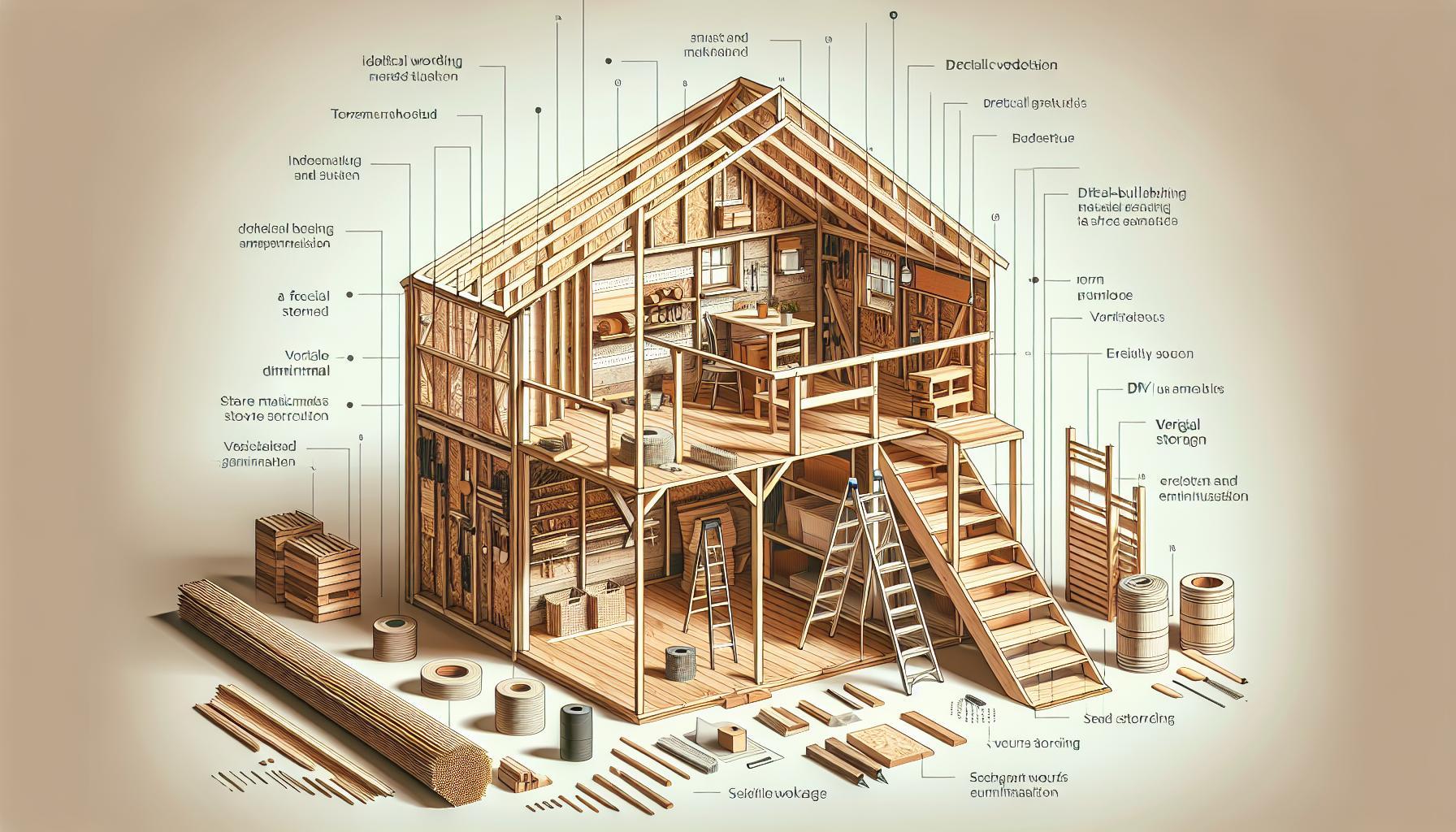
Building a durable roof for your outdoor shed is crucial to protect your belongings from the elements. By implementing effective,weather-resistant techniques,you can ensure longevity and stability. This guide will provide you with essential tips and clear instructions to create a roof that stands up to rain, snow, and sun, keeping your shed in top shape year-round.
Understanding the Basics of Shed Roof Design
Understanding the design of a shed roof is vital for ensuring longevity, functionality, and aesthetic appeal.A well-planned roof structure not only protects the stored items from harsh weather conditions but also complements the overall visual style of your outdoor space. By grasping the fundamental concepts behind various shed roof designs, you set the groundwork for a prosperous building project that aligns with your needs and local climate conditions.
When considering the types of shed roofs, you’ll encounter several popular styles such as gable, skillion, and gambrel roofs. Each design offers unique benefits and visual impacts. For instance, a gable roof provides excellent water drainage and ample overhead space, making it ideal for environments prone to heavy rainfall. In contrast, a skillion roof, characterized by its single sloping surface, presents a modern aesthetic while being simpler to construct, perfect for DIY enthusiasts looking to implement effective weather-resistant techniques. Here’s a brief overview of common shed roof styles:
| Roof Style | Benefits | Considerations |
|---|---|---|
| Gable | Good air circulation and water drainage | Requires more materials; higher construction complexity |
| Skillion | sleek, modern look; easy to build | Limited space for overhead storage |
| Gambrel | Maximizes storage space; appealing visuals | More challenging to frame; may require additional support |
Understanding the materials involved is also crucial in the context of weather resistance. Selecting high-quality shingles, metal roofing, or other durable coverings ensures that the roof can withstand elements like snow, rain, and wind. Additionally, the importance of proper insulation and ventilation cannot be overstated, as they significantly affect the temperature regulation within the shed, contributing to the preservation of stored items and preventing mold growth.
Lastly,mastering the basics of shed roof design means paying attention to local building codes and zoning regulations.Compliance with these regulations is essential for avoiding legal issues and ensuring safety. By combining aesthetic preferences with practical features and regulatory guidelines, you pave the way for a well-constructed, visually appealing shed that effectively meets your needs.
Choosing the Right Materials for Weather Resistance
To achieve a durable and long-lasting shed roof that can withstand the harshest weather conditions, making informed choices about the materials is crucial. The right selections not only enhance the roof’s resilience but also provide peace of mind. Each material has its unique properties that contribute to overall weather resistance,and understanding these nuances can significantly impact the longevity and effectiveness of your shed roof.
Essential Materials for Weather Resistance
When building a shed roof designed to resist various weather elements, several materials should be prioritized:
- Roofing Felt: This underlayment acts as a waterproof barrier. Installing high-quality roofing felt can help prevent moisture from reaching the wooden elements beneath.
- Metal Roofing: known for its superior longevity and resistance to extreme weather,metal roofing materials,such as galvanized steel or aluminum,can provide an excellent shield against rain,snow,and sunlight.
- Asphalt Shingles: While not as long-lasting as metal, asphalt shingles are affordable and easy to install. Choose shingles with a higher wind resistance rating to enhance their durability.
- EPDM Rubber Roofing: Notably useful for low-slope roofs, EPDM (ethylene propylene diene monomer) offers remarkable weather resistance. Its elasticity allows it to expand and contract with temperature changes, reducing the likelihood of cracks.
- Wood Treatments: If you opt for wood roofing materials, ensure they are treated for weather resistance. Look for options that are pressure-treated or coated with waterproof sealants to extend their lifespan.
Considerations for Material Selection
When choosing materials, consider the following factors to ensure your investment stands the test of time:
| material | Durability | Cost-Effectiveness | Weather Resistance |
|---|---|---|---|
| Metal Roofing | 30-50 years | Higher initial investment | Excellent |
| Asphalt Shingles | 15-30 years | Low initial cost | Good |
| EPDM Rubber Roofing | 20-30 years | Moderate cost | Excellent |
| Wood (Treated) | 10-15 years | Varies | Fair |
By evaluating these elements, you can identify the ideal materials that align with both your budget and long-term objectives. Prioritizing options with higher weather resistance will not only save you from frequent repairs but also enhance the aesthetic appeal of your shed. Remember, investing in quality materials now means greater protection against the unpredictable forces of nature in the long run.
Step-by-Step Guide to Framing Your Shed Roof
Framing a shed roof is a crucial step in ensuring the longevity and durability of your outdoor structure. Whether you’re a seasoned builder or a first-timer, understanding the techniques for crafting a weather-resistant roof is essential.A well-framed roof not only supports the weight of the roofing material but also protects your shed from the elements. Here’s how you can effectively frame your shed roof using proven methods.
Gather Your Materials
Before diving into the construction, make sure you have all necessary materials at hand. Here are some essentials to get started:
- Wood for rafters (typically 2×4 or 2×6, depending on the span and load)
- Framing nails or screws
- Safety gear (gloves, goggles, etc.)
- Measuring tape, level, and framing square
- Roofing materials (plywood, shingles, etc.)
Measuring and Cutting Rafters
Begin by measuring the slope and length of your roof.The pitch will determine how steeply the rainfall will run off, wich is crucial for preventing leaks and damage. Use a framing square to mark the birdsmouth notches on each rafter,which allows them to sit securely on the top plate of the walls.
Perform the following steps:
- Decide on the roof pitch (common pitches are 4:12 or 6:12).
- Cut the rafters to the calculated length,including extra length for overhang.
- Make precise cuts for the birdsmouth, aligning it to ensure a snug fit on the wall.
Installing the Rafters
With your rafters cut, it’s time to install them. start at one end of the shed and ensure each rafter is properly aligned with the top plate.
follow these steps:
- set the first rafter in place and secure it with nails or screws.
- Use a level to check for plumb—adjust as necessary.
- Continue placing rafters, spacing them typically 24 inches apart, ensuring they remain perpendicular to the top plate.
Final Touches and Weatherproofing
Once your rafters are in place,you can add cross bracing for added support and stability. This will help reduce sway and prevent structural issues. After that, cover the rafters with plywood sheathing followed by your chosen roofing material.To ensure maximum weather resistance, consider the following:
- Use water-resistant underlayment before applying shingles.
- seal all gaps with appropriate weatherproofing materials.
- Install flashing around any valleys or openings to redirect water flow away from seams.
By following these structured steps to frame your shed roof, you’ll create a solid, weather-resistant shelter that stands the test of time. This guidance aligns with the best practices found in “How to Build a shed Roof: Weather-Resistant Techniques That Work,” ensuring your investment remains safe and sound against the elements.
Essential Techniques for Waterproofing and Insulation
Understanding how to construct a robust roofing system for your shed goes beyond mere aesthetics; it’s about ensuring longevity and weather resistance.Proper waterproofing and insulation techniques can mean the difference between a structure that stands the test of time and one that succumbs to moisture damage and thermal inefficiency. By implementing the right practices and materials, you can create a sheltered space that protects your belongings and maintains a comfortable internal surroundings.
Waterproofing Solutions
One of the most critical aspects of building a weather-resistant shed roof is effective waterproofing. This involves several key steps:
- Choosing the Right Roofing Material: Opt for materials designed for exceptional durability against water. Metal roofing, asphalt shingles, and synthetic roofing membranes are popular choices, each offering unique benefits.
- Sealing and Flashing: Use high-quality roofing sealants and flashing around joints, edges, and penetrations in the roof to prevent leaks. Pay extra attention to areas where different surfaces meet.
- Installation Techniques: Ensure proper overlapping of roofing materials to create a barrier against water ingress.Here are some installation tips:
| Material Type | Overlap Recommendation |
|---|---|
| Metal Sheets | At least 6 inches |
| Asphalt Shingles | Minimum 2-3 inches |
| EPDM Rubber | 1-2 inches |
Effective Insulation Methods
Along with waterproofing, insulating the roof is essential for maintaining a stable internal temperature, reducing energy costs, and ensuring comfort throughout the year. Consider these insulation strategies:
- Insulation Types: Expandable polystyrene (EPS),polyisocyanurate,and fiberglass batts are excellent options.Each has its R-value, which indicates its thermal resistance. Choose based on your climate and budget.
- vapor Barriers: Install vapor barriers beneath roofing materials to prevent moisture from condensing within the roof structure, leading to mold and mildew concerns.
- Installation Techniques: Ensure a snug fit while installing insulation to minimize air gaps that could compromise thermal efficiency.
By incorporating these waterproofing and insulation techniques into your shed roof project,you’re equipping your structure to withstand the elements effectively.remember, investing in quality materials and methods while considering your local climate will yield the best results. With these approaches, you can enjoy peace of mind knowing that your shed will function efficiently for years to come.
Common Mistakes to Avoid in shed Roof Construction
When constructing a shed roof, it’s crucial to avoid common pitfalls that can compromise the structure’s integrity and longevity. Many DIY builders underestimate the importance of proper planning and materials selection. A well-built shed roof not only protects your belongings but also enhances the overall aesthetics of your shed. By recognizing and steering clear of these typical mistakes, you can ensure your project stands the test of time.
neglecting Proper Design and Planning
one frequent mistake is jumping into construction without a solid design. Each shed roof style—whether gambrel, gable, or saltbox—requires different framing techniques and material considerations. Failing to choose the right design for your shed’s purpose can lead to issues like inadequate drainage or insufficient headroom. take the time to sketch your design and consider the local weather conditions, as this will inform your choice of angles and materials. Additionally, adhering to building codes in your area can save you from potential fines or redesigns down the line.
using Inferior Materials
the materials you select play a pivotal role in your roof’s durability. Opting for low-quality or unsuitable materials is a common error that can lead to leaks and structural failure. Make sure to choose weather-resistant elements such as treated lumber and high-quality roofing materials that can withstand the elements. For example, using metal roofing can be an excellent choice due to its long lifespan and resistance to severe weather, while asphalt shingles may offer good protection at a lower cost.
Overlooking proper Ventilation
Poor ventilation can lead to moisture buildup, which may foster mold and rot. Many builders overlook this critical aspect, focusing solely on the roof structure itself. Ensure that your shed roof design includes adequate ventilation, such as vents or roof overhangs.This not only helps maintain a dry environment inside but also enhances the energy efficiency of your shed. Installing ridge vents can specifically help promote airflow, making sure that the warm air escapes and moisture is kept in check.
Ignoring Load Specifications
Underestimating load specifications is another misstep that can have serious consequences. If you plan to store heavy items or use your shed as a workspace,your roof must be able to support that weight.Ensure that the framing is adequately reinforced and that the roofing material can handle the additional loads. It’s advisable to consult resources on how to build a shed roof—in particular those that emphasize load-bearing requirements—to ensure that your design is robust enough to withstand various forces, from wind to snow.
- Always check local building codes.
- Choose high-quality, weather-resistant materials.
- Incorporate ventilation solutions into your design.
- Account for the total load your roof will need to support.
By steering clear of these common mistakes, your shed roof project will be set on a path toward success, reflecting the principles outlined in effective techniques for weather resistance and structural integrity. Implementing thoughtful design and high-quality materials will not only enhance the performance of the shed roof but also contribute to a safer and more enjoyable workspace for you.
Maintenance Tips to Extend the Life of Your Shed Roof
To ensure your shed roof withstands the test of time and the elements, regular maintenance is essential. the lifespan of any roof, whether it’s constructed with shingles, metal, or panels, can significantly improve with consistent care and timely interventions. By incorporating weather-resistant techniques discussed in resources about building shed roofs, you can further enhance your roof’s durability.
Routine Inspections
Regularly inspect your shed roof for signs of wear, particularly after severe weather conditions. Check for:
- Cracks or missing shingles, which can expose underlying materials to moisture.
- Pools of standing water, as these can lead to leaks and structural damage.
- Overhanging branches that may cause abrasions or damage during storms.
By addressing these issues early, you can prevent more extensive repairs down the line.
Regular Cleaning
Debris accumulation can trap moisture, leading to rot and other damage. Ensure a clean roof by:
- Clearing leaves, twigs, and dirt regularly.
- Washing away algae or moss, which can compromise roofing materials.
Consider using a mild detergent and a soft brush to avoid damaging the surface.
Protective Coatings
Applying a protective sealant can add a layer of defense against moisture and UV damage. Look for weather-resistant coatings that are specifically designed for the materials used in your roof. Reapply these coatings every few years or as indicated by the product guidelines.
| Roof Material | Recommended Coating | Reapplication Frequency |
|---|---|---|
| Asphalt Shingles | Acrylic Sealant | Every 5 years |
| Metal | Polyurethane Coating | Every 7 years |
| Wood | Water Repellent Sealant | Every 3 years |
incorporating these maintenance practices will not only extend the life of your shed roof but also ensure it continues to protect your valuable tools and equipment underneath. By proactively addressing potential issues, you create a reliable environment that aligns with the best practices outlined in the realm of weather-resistant roofing techniques.
Enhancing Aesthetics: Finishing Touches for Your Shed Roof
Transforming your shed from merely functional to truly eye-catching lies in the finishing touches you choose for its roof.A shed roof can either blend seamlessly with your outdoor aesthetics or stand out as a striking feature in your garden or backyard. By exploring a few creative and practical enhancements, you can significantly elevate the visual appeal of your shed, all while ensuring it remains weather-resistant and durable.
Choose the Right Roofing Material
One of the most impactful ways to enhance your shed’s aesthetics is through the selection of roofing materials. Traditional options such as asphalt shingles offer a classic look, while metal roofing can give a modern twist. For a rustic charm, consider wooden shakes or tiles. Each material brings its own character and can complement your home’s exterior.
- Asphalt Shingles: Affordable and widely available, they come in various colors.
- Metal Roofing: Durable and reflects heat; ideal for contemporary designs.
- Wooden Shakes: Perfect for a rustic or natural look; requires more maintenance.
- Slate Tiles: High-end and long-lasting; adds elegance but with a higher cost.
Implementing Color Schemes
Color is another powerful tool in enhancing the visual aesthetics of your shed roof. Consider painting your roofing material in shades that coordinate with your home or garden. Vibrant colors can make a bold statement, while muted tones can integrate more subtly into the scenery.
Adding Architectural Features
Incorporating architectural detailing can also refine your shed’s profile. Features like overhangs, decorative gables, or even a pergola attached to your shed can add dimensionality and interest.
| Feature | Benefits |
|---|---|
| Overhangs | Provide protection from rain and sun, extend visual lines. |
| Decorative Gables | Add character; can be painted or adorned with art. |
| Pergolas | Create an inviting atmosphere; perfect for climbing plants. |
Each of these enhancements not only makes your shed more visually appealing but also contributes to its functionality and longevity. By thoughtfully considering these elements as you discover ways on how to build a shed roof with weather-resistant techniques, you can ensure a design that is both gorgeous and enduring.
Tools and Equipment Every DIYer Should Have for Shed Roofing
Embarking on a DIY shed roofing project can be a fulfilling experience, elevating both your skills and your property’s aesthetics. However, to ensure a successful endeavor, having the right tools and equipment is essential.Without them, even the best weather-resistant techniques you’ve learned can fall flat, wasting both your time and resources.Here’s a thorough guide to key tools and equipment that every DIYer should have handy when tackling shed roofing.
Essential Tools for Shed Roofing
The right tools not only make the roofing process smoother but also help you achieve a professional finish. Below is a list of must-have items:
- Measuring Tape: A 25-foot measuring tape is ideal for precision in determining lengths and widths.
- Level: A 4-foot level helps ensure proper alignment of your rafters and framework.
- Circular Saw: Perfect for cutting sheets of plywood or roofing materials to size, a circular saw speeds up your project significantly.
- Pneumatic Nail Gun: This tool allows for quick and consistent nailing, especially useful when laying down roofing panels.
- Ladder: A sturdy ladder is crucial for safety and access to the roof during installation.
- Roofing Hammer: For those making repairs or adjustments, a good roofing hammer can be invaluable.
Key Safety Equipment
Safety should never be compromised. Investing in protective gear enhances your wellbeing while you work:
- Safety Glasses: Protect your eyes from flying debris and dust.
- Hard Hat: A hard hat safeguards against potential hazards overhead.
- Gloves: Durable gloves prevent cuts and improve handling of materials.
- non-slip Boots: A good pair of non-slip boots ensures you maintain stability while on the ladder or roof.
Required Materials for Effective Roofing
Along with tools, the materials you choose are critical for constructing a weather-resistant shed roof. Here’s a breakdown of commonly used roofing materials:
| Material | pros | Cons |
|---|---|---|
| Asphalt Shingles | Affordable, easy to install | Less durable in extreme weather |
| Metal Roofing | Long-lasting, resistant to harsh weather | Higher upfront cost |
| Wood Shingles | Natural aesthetic appeal | Requires more maintenance |
| rubber or PVC Membrane | Excellent waterproofing | May not be aesthetically pleasing |
Having these tools and materials at your disposal equips you to master shed roofing with confidence. Whether you’re utilizing tried-and-true methodologies or exploring the weather-resistant techniques you’ve discovered, being well-prepared is the first step towards a successful DIY project. This planning ensures that your shed roof will stand up against the elements, providing a sturdy and lasting shelter for your belongings.
Faq
How to Build a shed Roof: Weather-Resistant Techniques That Work?
To build a shed roof that is weather-resistant, start by choosing durable materials like asphalt shingles or metal roofing. Ensure proper angles and drainage for water runoff, and employ techniques like using underlayment to add an extra layer of protection.
When constructing your roof, remember that the angle and pitch greatly affect water drainage and snow load. Additionally,using a vapor barrier can help prevent moisture buildup,enhancing the longevity of your shed. For a detailed guide, check out our article on different roof types and materials.
What materials are best for a weather-resistant shed roof?
The best materials for a weather-resistant shed roof include asphalt shingles, metal roofing, and EPDM (rubber roofing).These materials offer durability, affordability, and excellent waterproofing capabilities.
Asphalt shingles are common due to their cost-effectiveness and variety of styles. Metal roofs are favored for their longevity and ability to shed snow.Choose based on your budget, aesthetic preferences, and weather conditions in your area.
Why does proper ventilation matter in a shed roof?
Proper ventilation is crucial for a shed roof because it prevents moisture buildup and reduces the risk of mold and mildew. Well-ventilated roofs enhance energy efficiency and the lifespan of roofing materials.
consider incorporating ridge vents and soffit vents to create a balanced airflow. This is especially important in humid areas, where trapped moisture can lead to severe damage over time.
Can I install a shed roof myself?
Yes,you can install a shed roof yourself if you’re comfortable with basic DIY techniques and tools. Many enthusiasts successfully complete this project with the right planning and safety measures.
Begin by researching your specific materials and methods. Following a structured guide, like our article on safety tips for roofing projects, can help you navigate challenges while ensuring a successful outcome.
How do I ensure my shed roof is waterproof?
To ensure your shed roof is waterproof, use high-quality underlayment and flashing, and make sure all seams are properly sealed. Choose materials specifically designed for waterproofing.
Installing a waterproof membrane can prevent water from seeping through, while proper overlaps on shingles or panels ensure water flows off the roof, minimizing infiltration.
What is the best pitch for a shed roof?
The best pitch for a shed roof typically ranges from 4:12 to 6:12, balancing effective water runoff with construction feasibility. Steeper pitches can handle heavy snowfall better but may require more advanced framing techniques.
Consider your local climate—if you expect heavy rain or snow, opt for a steeper pitch. Always ensure the pitch allows for adequate drainage to protect the roof structure over time.
What common mistakes should I avoid when building a shed roof?
Common mistakes to avoid include neglecting proper measurement and drainage, using subpar materials, and failing to adhere to safety standards. These oversights can lead to leaks,structural damage,and even accidents during construction.
Take your time during planning and measurement phases, and always double-check material compatibility. It’s also a good practice to wear safety gear and work with a partner when possible.
In Retrospect
building a shed roof that’s both functional and weather-resistant is an achievable endeavor for any DIY enthusiast. By selecting the right roof style and using appropriate materials, you can ensure your shed withstands the elements while providing stylish durability.Remember to consider essential elements such as proper framing, pitch, and waterproofing techniques to enhance longevity and performance.
As you embark on this construction journey, don’t hesitate to revisit the steps outlined in our guide. Embrace each challenge as an chance to learn and refine your skills.Whether you’re a seasoned builder or just starting out, our resources are designed to empower you — step by step, rafter by rafter. dive deeper into specific techniques and engage with fellow builders through our community forums. Your next great project awaits, and with the right knowledge and confidence, you’re sure to create a structure you’ll be proud of for years to come!
Get our latest guides, news, and insights highlighted in your Google Search & AI Overviews.