Do you find yourself struggling with limited storage space? Lean-to structures offer a practical adn efficient solution by seamlessly extending your existing buildings. This approach not only maximizes your outdoor storage but also enhances the aesthetic of your property, making it an essential consideration for homeowners looking to optimize thier space creatively and functionally.
Understanding Lean-To Structures: Benefits and Uses
Lean-to structures are not only practical but versatile, offering a myriad of benefits for homeowners looking to maximize their usable space. These structures seamlessly attach to existing buildings, providing additional storage, workspace, or even recreational areas without needing extensive renovations. Whether you’re aiming to create extra storage for gardening tools, establish a cozy outdoor retreat, or enhance your property’s value, understanding the advantages of lean-to constructions is essential.
Key Benefits of Lean-To Structures
One of the primary advantages of a lean-to is its efficient use of space. It can be easily attached to a garage, house, or any other structure, making it ideal for those with limited yard space. this strategy allows homeowners to expand their area without interrupting their landscape or requiring notable construction work. Here are several benefits:
- Cost-Effective: Lean-tos are generally less expensive to build than standalone structures since they utilize one wall of the existing building.
- Quick Construction: due to their straightforward design, lean-tos can be constructed relatively quickly, minimizing labor costs and disruption to your daily life.
- Increased Property Value: By adding functional space, you can enhance the overall value of your property, making it more appealing to potential buyers.
- Energy Efficiency: If designed correctly, lean-tos can definitely help insulate existing structures, potentially lowering heating and cooling costs.
Practical Uses of Lean-To Structures
The versatility of lean-tos allows for a variety of uses, catering to diverse household needs. For example, homeowners can transform these spaces into workshops, additional storage areas, or even small greenhouses for gardening enthusiasts. Here is how you can utilize a lean-to effectively:
- Workshop: A lean-to can be a perfect solution for creating a dedicated workshop space, allowing artisans or hobbyists to work on projects away from the main living area.
- Animal Shelter: If you have pets or small livestock, a lean-to can serve as a protective shelter attached to your main building, offering convenience and safety.
- Outdoor Gathering Spot: With some creativity, lean-tos can be enhanced with furniture and décor, transforming them into a pleasant space for family gatherings or BBQs.
lean-to structures present an innovative way to expand your living space without significant expense or construction hassle. They enhance functionality and aesthetics, making them an ideal choice for homeowners interested in maximizing their property’s potential. By understanding the various benefits and uses of lean-to designs, you can make informed decisions about integrating these structures into your home.
Planning Your lean-To Storage Design: Key Considerations
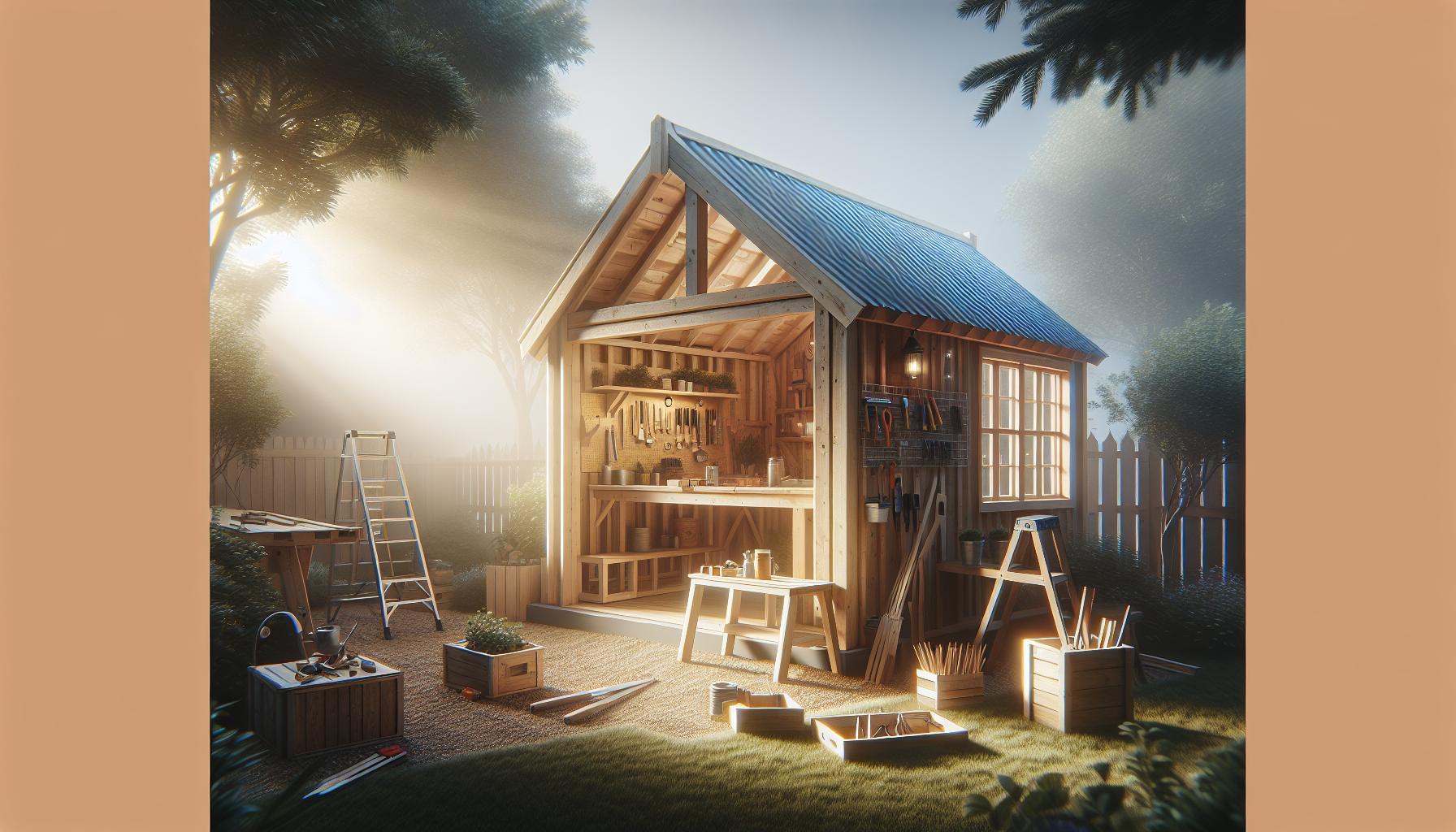
When considering additional storage options, a lean-to design is an efficient and cost-effective solution that can seamlessly integrate with your existing structures. This approach not only maximizes space but also adds a functional element to your property without requiring extensive renovations. Planning your lean-to storage design involves several key factors that will ensure the finished project meets your needs while remaining structurally sound.
Assessing Your Space
Before you start crafting your lean-to storage,evaluate the available area around your existing structure.It’s critical to ensure that the site has adequate space and suitable ground conditions. Consider the following aspects:
- Proximity to Existing Structures: Ensure that the lean-to is close enough to your main building for ease of access yet allows for proper drainage and prevents water pooling.
- Access Points: Plan for an entry that permits easy movement,whether it’s a sliding door,barn door,or standard entryway,particularly if you intend to store large items.
- Orientation and Sunlight: Position your lean-to to take advantage of natural light, which can help to enhance visibility and deter moisture buildup.
Framing and Materials
Selecting the right materials is paramount for the longevity and durability of your lean-to storage. Typical materials include wood, metal, or vinyl, depending on the look you’re aiming for and the climate conditions in your area. You might also consider building a robust framework with:
- Pressure-Treated Lumber: Ideal for resisting moisture; it’s a popular choice for the framework.
- Metal Roofing: Provides excellent durability and is appropriate for areas prone to heavy rain or snow.
- Insulation Materials: If you plan to use the space for sensitive items, consider incorporating insulation to regulate temperature.
Designing a Sloped Roof
A sloped roof is a hallmark of lean-to structures, allowing for effective water drainage. The angle of the slope can vary based on your aesthetic preferences and local weather conditions but should typically be steep enough to prevent water accumulation. The following factors can influence your design:
- Local Building Codes: Adhere to local regulations regarding slope gradients and overall building height to avoid compliance issues.
- Material Weight: Consider how much weight your roofing material adds, especially if using heavier materials like tiles.
- Rafter Spacing: Commonly spaced at 16” on center for shingles, or 24” for metal, ensuring structural integrity while supporting the roof’s weight.
Ultimately, careful planning in these areas will equip you with the knowledge needed to build your lean-to storage effectively.Whether you’re looking to add extra storage space or create a new functional area on your property, these considerations form the foundation of a successful project that aligns with your needs and enhances your existing structures.
Choosing the Right Materials for durability and Aesthetics

When it comes to enhancing your existing structure with additional storage, the choice of materials plays a critical role in both functionality and visual appeal. One of the first decisions you’ll encounter during the process of building a lean-to is whether to use wood, metal, or a composite material.Each option brings its own benefits and drawbacks in terms of durability, aesthetics, and overall maintenance. Understanding these differences can help you make an informed choice that balances long-term resilience with the look you desire.
Wood: Natural Beauty with Care Requirements
Utilizing wood for your lean-to can create a cozy and attractive extension that blends seamlessly with your existing structure. Common choices like cedar, redwood, or pressure-treated pine are both visually appealing and capable of withstanding the elements with proper care.Here are some considerations:
- Durability: While wood can last manny years,it requires regular maintenance,including sealing and painting,to protect against moisture,pests,and decay.
- Aesthetics: Wood provides a classic and warm appearance, making it ideal for residential areas where a natural look is preferred.
- Customization: Wood is easy to work with,allowing for creative architectural designs that can enhance the overall appeal of your home.
Metal: Resilience Meets Minimalism
For those in harsher climates or looking for a low-maintenance option, metal lean-tos can offer outstanding durability and weather resistance. Structures built from galvanized steel or aluminum are typically robust and can endure significant external pressures without warping or rotting.
- Longevity: Metal sheds can easily last decades without significant corrosion,particularly when treated with protective coatings.
- Maintenance: Unlike wood, metal doesn’t require frequent upkeep beyond occasional cleaning, making it a practical choice for busy homeowners.
- Modern aesthetics: The sleek lines and contemporary finishes of metal can enhance the look of a property, providing a striking contrast to conventional home materials.
Composite Materials: The Best of Both Worlds
Composite materials, which combine wood fibers with plastic, have emerged as an innovative option. These materials aim to provide the aesthetic appeal of wood without the associated downsides.
- durability: Composite materials are resistant to rot,insects,and fading,making them excellent for outdoor use without constant maintenance.
- Aesthetics: They can mimic the appearance of wood, allowing you to maintain the desired look while benefiting from enhanced longevity.
- Environmental Impact: Many composites are made from recycled materials, making them an eco-pleasant option for conscious builders.
Ultimately, the decision on materials should be guided by your specific needs, climate conditions, and aesthetic preferences. Whether you’re constructing a lean-to to increase storage capacity or looking to create a functional workspace,ensuring you choose the right materials will lead to a successful and satisfying build. as you explore the process of integrating new space with existing structures, remember that a thoughtful selection can considerably impact both durability and the overall charm of your home.
Step-by-Step Guide to Constructing Your Lean-To Storage
Building additional storage space by attaching a lean-to structure can transform both functionality and aesthetic appeal of your property. This type of construction allows you to maximize your existing space without the need for a complete stand-alone structure, making it ideal for items like tools, garden supplies, or seasonal equipment. With careful planning and execution, you can create a practical and attractive lean-to storage solution that enhances your home.
Materials and Readiness
Before diving into construction, gather all necesary materials to ensure a smooth process. Common materials for lean-to storage include:
- Pressure-treated lumber for the frame
- Plywood or OSB for the walls and roof
- Roofing materials (shingles or metal)
- Screws, nails, and brackets for joining elements
- Concrete or gravel for the foundation, if needed
Also, take time to measure the area where you plan to attach the lean-to. Proper measurements are crucial to ensure your new structure fits seamlessly against your existing building.
Constructing the Frame
Begin construction by establishing a strong and stable frame. Start with the vertical posts, ensuring they are firmly anchored into the ground or attached to the existing wall. Use a level to check that each post is plumb.Onc the verticals are secure, install horizontal beams to create a solid framework. This will provide the structure with the necessary support for the roof and walls.
It’s significant to determine the pitch of the roof beforehand, as the angle will affect both drainage and the overall appearance of your lean-to. Typically, a 10 to 15-degree slope is effective for water runoff.
Adding Walls and Roof
with the frame established, proceed to attach the walls. If you choose to use plywood or siding,ensure that it is weather-resistant to protect your stored items. For the roof, securely attach your chosen roofing material to prevent leaks and ensure durability. Consider overhanging edges to further protect the sides from moisture.Once the roof is in place, don’t forget to apply a waterproof sealant to all joints and seams, which adds an extra layer of protection against the elements.
Finishing Touches
the final step involves organizing the interior and adding any additional features you desire. shelving, hooks, or bins can greatly enhance the functionality of your new lean-to storage. Depending on your aesthetic preferences,consider painting or staining the exterior to match your home or make it more visually appealing.
Utilizing a lean-to can effectively add not just storage but also value to your property,making it an excellent investment for homeowners looking to optimize their space. With thoughtful planning and execution, the project can lead to an organized, functional storage area that integrates seamlessly with your existing structures.
Essential Tools and Equipment for a Successful Build
Building a lean-to storage structure can significantly extend your usable space while maintaining a seamless look with existing structures. To ensure a successful build, having the right tools and equipment on hand is crucial. This not only streamlines the construction process but also enhances the quality and durability of your new addition.
essential Tools for Your Lean-To Build
Before you start the construction of your lean-to storage, gather the following essential tools:
- Circular Saw: Ideal for making precise cuts in wood and sheet materials.
- Drill/Driver: Essential for assembling the structure and driving screws effectively.
- Level: Ensures that your framework and roof are perfectly horizontal or vertical.
- Measuring Tape: Accurate measurements are critical; always measure twice and cut once.
- Hammer: Necessary for driving in nails and breaking apart timber as needed.
- Speed Square: Helpful for marking angles and ensuring straight cuts.
Having a complete tool kit will enable you to tackle various tasks,from framing the base to installing the roof.
Additional Equipment for Enhanced Functionality
Beyond basic tools, there are certain pieces of equipment that can improve the efficiency and safety of your build. Consider including:
| Equipment | Purpose |
|---|---|
| Workbench | Provides a stable surface for cutting and assembly. |
| Safety Gear (gloves, goggles) | Protects against injuries during construction. |
| tarps | Keeps materials dry and protects your workspace from the elements. |
Implementing these additional pieces will not only enhance your building experience but will also help in achieving a more professional finish on your lean-to storage project.
Ultimately, preparation is key. By assembling the right tools and equipment beforehand, you can focus on executing your vision for a lean-to storage addition confidently and effectively.Incorporate these essentials as you navigate ‘How to Build Lean-To Storage: Attach New Space to Existing Structures’ while ensuring safety and quality throughout your project.
Addressing Common Challenges in Lean-To Construction
Construction projects often face numerous hurdles that can hinder their efficiency and ultimate success, especially when it comes to innovative designs like lean-to storage solutions. As you dive into the process of adding new space to existing structures, understanding these common challenges is essential to streamline operations and achieve a seamless integration of your lean-to design.
One of the most significant challenges encountered in lean-to construction is the resistance to change among stakeholders. Many workers and management teams are accustomed to traditional methods and may be hesitant to adopt new practices. This cultural barrier can lead to inefficiency or misunderstandings during the execution phase. Engaging stakeholders early in the process and providing thorough training can mitigate this resistance. Clear communication about the benefits of lean-to designs, such as increased functional space and improved association, helps in illustrating the value of making these changes.
Another challenge is technical hurdles, particularly concerning structural integrity and compliance with local building codes. when adding a lean-to structure to an existing building, it’s crucial to ensure that the new design integrates well with the current framework. Miscalculations or overlooking necessary permits can result in project delays or costly adjustments. Therefore, consulting with qualified architects and engineers during the planning phase can provide insights on proper structural support requirements and help navigate through legalities, ensuring the construction process is compliant and efficient.
Moreover, a lack of proper resources and training can derail lean-to projects. Frequently enough,teams may not be equipped with the necessary tools or knowledge to execute the lean principles effectively. investing in adequate training and resource allocation can empower workers with the skills needed to implement lean-to constructions properly. Consider providing hands-on workshops or utilizing digital tools for project management to facilitate smoother workflows and enhance team capabilities.
In crafting your lean-to storage project, a complete approach that addresses these challenges is paramount. By fostering an open environment for communication, ensuring all technical aspects are covered, and empowering your team through training, you can vastly improve the likelihood of a successful construction process. as you build lean-to storage, remember that overcoming these obstacles not only enhances the project’s efficiency but also paves the way for future innovations and expanded projects.
organizing and Optimizing Your New Storage Space
When transforming an area into a functional storage space, thoughtful organization can turn clutter into clarity and chaos into order. The beauty of adding a lean-to storage structure is not just in its construction but in how effectively you utilize the newly acquired space. By implementing strategic organization techniques, you can ensure that your tools, seasonal items, and miscellaneous household goods are not only stored efficiently but are also easily accessible.
smart Storage Solutions
Utilizing vertical space is a game-changer in any storage area. Consider installing shelves, pegboards, or cabinets that make the most of your wall area while keeping the floor space clear. Prioritize items by their frequency of use: keep everyday tools and items at eye level and stow away seasonal items or rarely used tools on higher shelves. Using clear bins or labeled boxes can also enhance visibility and make it easy to find what you need without rummaging through stacks.
- vertical Shelving: Maximize height with sturdy shelves to store bins or heavy equipment.
- Pegboards: Ideal for hanging tools and small items to keep them organized and accessible.
- Mobile Carts: Use rolling carts for items that need to be moved frequently, allowing flexibility in your storage layout.
Creating Zones
Designate specific zones within your storage area based on the category of items. For instance, you might have a gardening zone equipped with tools and potting supplies, a maintenance zone for home repair items, and a recreational zone for outdoor gear. This not only helps to keep similar items together but also simplifies the retrieval process,saving you time and reducing frustration.
| Zone | Suggested Items | Organizational Tools |
|---|---|---|
| Gardening | Shovels, seeds, gloves | Wall-mounted racks, bins |
| Maintenance | Paint, tools, hardware | Toolboxes, drawers |
| Recreation | Bicycles, fishing gear | Hooks, shelving |
Lastly, periodic evaluations of your storage area are essential. As seasons change, so do your storage needs. Regularly reassess what you’re keeping and whether it still serves a purpose. Not only will this keep your space optimized, but it will also help you maintain control over clutter. By effectively organizing and optimizing your lean-to storage space, you’ll ensure that it remains a functional extension of your home for years to come.
Inspiring Lean-To Design Ideas to enhance Your Property
when it comes to maximizing your property’s functionality, lean-to storage solutions offer a practical and stylish way to extend your usable space. These structures can seamlessly blend with your existing buildings, creating additional storage without the need for a separate, standalone shed. By exploring various design ideas, you can enhance your property while ensuring efficient organization of your outdoor tools, gardening supplies, or seasonal items.
Considerations for Your Lean-To Design
A successful lean-to design requires careful planning. Here are a few key factors to enhance your storage space:
- location: Choose a spot that receives adequate natural light, especially if you plan to include shelving for gardening or crafting supplies.
- Materials: Use materials that complement your home’s architecture. wood can provide a rustic feel, while metal offers a more modern look.
- Access: Ensure that your lean-to storage has easy access, ideally positioned close to the main building for convenience.
- Ventilation: Proper air circulation will prevent moisture buildup, protecting your stored items from mold and deterioration.
Innovative Storage Solutions
Lean-to structures can be outfitted with various clever storage solutions. Consider incorporating:
- Narrow shelving units: these fit perfectly into smaller spaces, allowing you to store tools or pots vertically.
- Under-shelf baskets: These can definitely help utilize empty spaces while keeping smaller items organized and accessible.
- hooks and racks: Mounting these on walls can provide additional space for hanging tools, garden supplies, or bikes.
By understanding how to build lean-to storage effectively, you can create a functional extension that not only meets your storage needs but also adds aesthetic appeal to your property. A well-designed lean-to can transform unused areas into valuable resources, making them indispensable for organizing and enhancing your outdoor space. Whether you’re looking to house gardening tools or create a workshop, these inspiring design ideas ensure that your new structure is both practical and visually pleasing.
FAQ
What is a lean-to storage shed?
A lean-to storage shed is a compact structure that is built against an existing wall, such as a house or garage. This type of shed maximizes space and offers a practical solution for storing garden tools, outdoor equipment, and more.
By utilizing the wall of another building,lean-to sheds can save on materials and construction time. they also blend seamlessly into your yard, providing a neat appearance. For more detailed planning on layouts, consider checking lean-to shed layouts.
How to Build Lean-to Storage: Attach New Space to Existing Structures?
To build a lean-to storage shed, start by determining your desired dimensions and securing necessary permits.Next, build a sturdy frame that leans against the wall using quality materials, ensuring it is anchored properly for safety.
Consider starting with a simple design. Use treated wood for the frame, add a roof to protect against the elements, and finish with siding that matches your home. Detailed guides can help make the process easier, ensuring your project is successful and durable.
Why would I choose a lean-to design for my shed?
A lean-to design is ideal for those looking to maximize limited space while minimizing construction costs. this approach requires fewer materials and is typically quicker to build compared to standalone sheds.
Additionally, as it leans against an existing structure, it provides structural support and stability. This type of shed also maintains aesthetic continuity, as it can match the existing building.Explore the benefits of a lean-to shed for further insights.
Can I customize my lean-to storage shed?
Yes, you can definitely customize your lean-to storage shed to suit your specific needs! From size and shape to materials, the options are virtually endless.
Consider adding features like shelves, hooks, or lighting to enhance functionality. You can also choose colors and finishes that match your existing structures for a harmonious look. the key is to plan carefully to ensure your modifications will fit within the shed’s design and purpose.
What materials do I need to build a lean-to storage shed?
Building a lean-to storage shed typically requires untreated lumber for the frame, plywood or siding for the walls, and roofing material to ensure it’s weatherproof. Specific choices can vary based on personal preference and local climate.
Other necessary materials include screws, nails, and possibly paint or stain for aesthetics. Always choose quality materials to ensure durability and longevity, particularly for parts exposed to the elements.
How much does it cost to build a lean-to storage shed?
The cost of building a lean-to storage shed can vary widely,generally ranging from a few hundred to several thousand dollars depending on size,materials,and location. budget for both materials and labor if you’re hiring help.
To keep costs down, consider sourcing materials from local suppliers or using reclaimed wood. Planning your design carefully can also help prevent overruns and ensure you stay within budget.
Do I need a permit to build a lean-to storage shed?
In many cases, a permit might potentially be required to build a lean-to storage shed, especially if it exceeds certain size limits or is located within specific distances from property lines. Always check local building codes.
Obtaining the right permits ensures your shed is compliant with regulations and helps avoid potential fines. Contact your local building authority for details on requirements in your area before starting construction.
In Summary
As you embark on your journey to build a lean-to storage shed,remember that you have the tools and knowledge to transform your ideas into reality. by strategically attaching new space to existing structures, you’re not just creating additional storage; you’re enhancing the functionality and aesthetics of your property.
Start with careful planning, ensuring you understand local building codes and prepare your site properly. Gather a solid set of materials and familiarize yourself with the construction techniques that will make your project a success.throughout your building process,maintain a flexible mindset,as challenges may arise,but with patience and creative problem-solving,you’ll overcome them.
Stay engaged with our resources, which include detailed tutorials, tips from experienced DIYers, and illustrated guides. As you gain confidence in your skills, don’t hesitate to explore more complex projects. Quality craftsmanship lies in every nail and board you secure, and with each completed task, you’ll find yourself eager to tackle the next challenge. Keep pushing forward, and enjoy the satisfaction of building something remarkable with your own hands! Happy building!
Get our latest guides, news, and insights highlighted in your Google Search & AI Overviews.