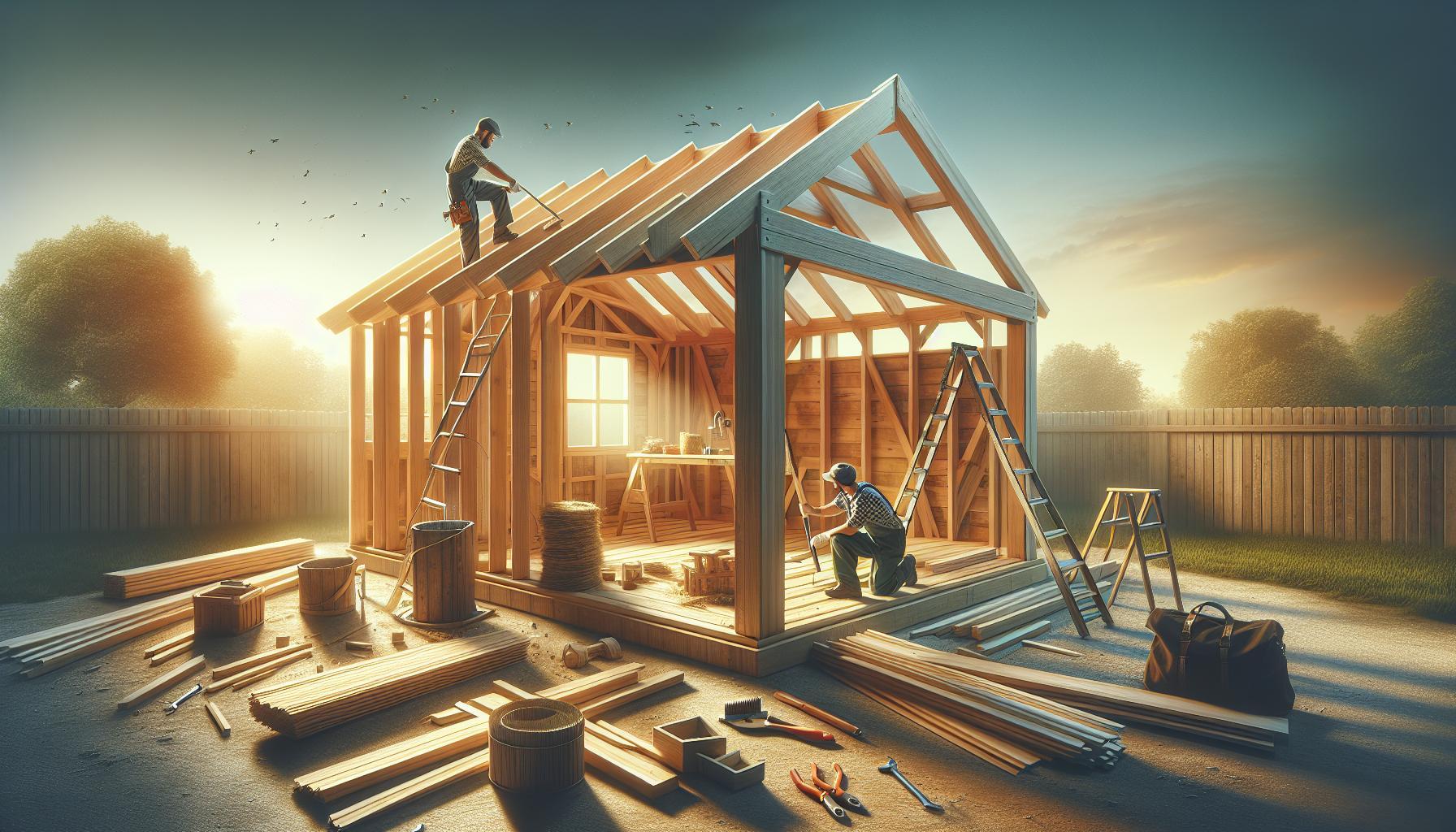
Are you dreaming of a sturdy and stylish outdoor space that stands teh test of time? Building a post and beam shed not only enhances your property’s charm but also offers practical storage solutions.this article explores essential construction techniques, empowering you to create a lovely and functional structure that blends tradition with modern needs.
Understanding Post and Beam Construction: The Basics You Need to Know
The elegance of post and beam construction is rooted in its time-tested simplicity and structural integrity, making it a popular choice for modern sheds and other structures alike. This approach relies on vertical posts and horizontal beams, which together create a framework capable of supporting notable loads while maintaining an open and airy interior. As you think about how to build a post and beam shed, consider that this traditional framing method not only provides durability but also lends a rustic aesthetic that many homeowners adore.
Key Elements of Post and Beam Construction
At the core of post and beam construction lies a system where each beam and post plays a critical role in the overall stability of the structure. Essential components include:
- Vertical Posts: These are the primary support elements that transfer weight down to the foundation.
- Horizontal Beams: Positioned between the posts, these beams distribute loads horizontally.
- Diagonal Braces: Often incorporated to provide additional stability, these elements help prevent racking and increase the rigidity of the structure.
Understanding these components is crucial when planning your shed, as they determine not only the strength but also the design flexibility. In traditional applications, additional elements such as metal fasteners and connectors join the wooden members, ensuring structural integrity whether the connections are visible or hidden.
Benefits of Building with Post and Beam
Choosing post and beam construction for your shed offers several advantages that enhance both functionality and design:
- Customization: This method provides a high degree of customization, allowing builders to create unique layouts tailored to their specific needs.
- Aesthetic Appeal: The exposed beams and posts add character, making the shed not just a utilitarian structure, but a charming feature of your property.
- Efficient Use of Space: With fewer interior support walls needed,the design allows for an open space that can serve various purposes.
For those looking to embrace how to build a post and beam shed, the combination of traditional craftsmanship and modern materials promises a project that is as satisfying to build as it is to use. Whether you’re inspired by the rustic charm of a countryside barn or a sleek contemporary design, leveraging post and beam construction techniques can bring your vision to life while standing the test of time.
Selecting the Right Materials for Your Shed Project
Choosing the right materials for your shed project is a crucial step that can influence not only the aesthetics but also the durability and maintenance of the structure. Selecting materials that align with your intended use, climate, and personal style will significantly enhance your building experience.For example, a well-constructed post and beam shed can withstand adverse whether conditions while providing ample space for storage or workspace.
Common Shed Materials
when considering materials for a post and beam shed, several options are prevalent, each with its unique attributes. Here’s a rapid overview of the most common materials:
- Wood: Popular for its natural aesthetics, wood provides excellent insulation and is relatively easy to work with. However,it requires regular maintenance to prevent rot and insect damage.
- Metal: Steel or aluminum sheds are robust and resistant to fire, pests, and rot. They are ideal for long-lasting durability, even though they may lack the warmth of wooden structures.
- Vinyl: Vinyl sheds are low-maintenance and resistant to fading, rusting, and peeling. They can be more expensive upfront but save money in upkeep over time.
- Composite Materials: this category includes recycled plastic and wood composites, which provide a balance between aesthetics and durability while requiring less maintenance than traditional wood.
Factors to Consider
When selecting the best materials for constructing your shed,reflect on the following factors:
- climate: Choose materials that can withstand the local weather. Such as, wood may not be suitable in extremely humid areas without proper treatment.
- Purpose: Consider what you will use the shed for—storage,workshop,or a garden hideaway—and select materials that suit those functions.
- Budget: Assess both the initial cost and potential long-term maintenance expenses. While some materials like metal may have a higher upfront cost, their longevity might lead to savings over time.
- Aesthetics: Ensure the materials blend with your home’s design and landscaping. A wooden shed may provide a warmer feel, whereas a modern metal design might suit a contemporary home better.
Practical Tips for Building
As you embark on your project using the principles described in ‘How to build a Post and Beam shed: Timeless Construction Techniques’,here are some actionable tips:
- research Local Regulations: Many areas have building codes or permits required for shed construction,especially for larger structures. Ensuring compliance will save you time and trouble later.
- Invest in Quality Fasteners: The strength of your shed will depend heavily on the quality of the connectors and fasteners used. Opt for corrosion-resistant options if you’re using metal or working in damp conditions.
- Don’t Skimp on the Foundation: A solid foundation is critical for longevity.Consider concrete blocks or cement pads for stability, preventing wood rot in the lower beams.
- Plan for the Interior: Think ahead about shelving, hooks, and other organizational tools while you’re in the building phase, which can make your shed more functional in the long run.
By carefully considering your material choices and how they fit into the overall construction strategy, you can create a durable post and beam shed that meets your needs for years to come. Selecting the right materials is not just about the present; it’s an investment in your future utility and enjoyment.
Essential Tools and Techniques for Building Your Shed
Building a shed using the post and beam method combines time-honored construction techniques with modern functionality. to execute this project successfully, you will require an array of tools and resources that can simplify the process and enhance your results. Understanding the essential equipment at your disposal allows you to harness both efficiency and precision, ensuring a sturdy, aesthetically pleasing structure that can withstand the test of time.
Fundamental Tools
When embarking on the construction of your post and beam shed, a well-equipped toolbox is crucial. Here are some essential tools that will assist you in various stages of the building process:
- Measuring Tape: Accuracy is vital in any construction project. A measuring tape helps ensure that all components are cut and assembled to the correct dimensions.
- Level: Use a level to guarantee that your framework is perfectly horizontal or vertical,preventing future structural issues.
- Awl and Square: Marking precise lines for cuts is imperative; a combination square allows for straight cuts and right angles.
- Saw: A circular saw is commonly used for cutting beams and panels, while a miter saw provides additional precision for angled cuts.
- Drill: An electric drill is indispensable for creating pilot holes and driving screws into wooden members.
Crucial Materials and Techniques
Along with tools, the right materials and techniques form the backbone of a resilient post and beam shed.Here are key components to consider:
- Pressure-Treated Lumber: This material is preferred for ground contact components, as it resists decay and insect damage.
- Joinery Techniques: Mastering traditional joinery methods such as mortise and tenon or dovetails can greatly enhance the durability of your shed. These techniques distribute weight more evenly and improve overall integrity.
- Roofing materials: Choose between metal,cedar shingles,or asphalt roofing based on your aesthetic preference and local climate considerations.
Engaging with Construction Techniques
As you dive into the building process, consider the following techniques that echo the principles of timeless construction. Implementing these methods will contribute to a lasting structure:
| Technique | Description | Benefits |
|---|---|---|
| Post Setting | Position posts into the ground and use concrete for stabilization. | Ensure a solid foundation that can withstand heavy loads. |
| Cross Bracing | Add diagonal bracing between posts and beams for extra stability. | Minimizes sway and enhances resistance to environmental forces. |
| Roof Overhangs | Create eaves to protect walls from rain and snow. | Prolongs the lifespan of materials used in construction. |
By equipping yourself with proper tools, high-quality materials, and embracing time-tested techniques, you’re setting yourself up for success. The knowledge garnered from understanding how to build a post and beam shed using these principles will not only enhance your skills but also lead to the creation of a beloved outdoor space that serves various functions for years to come.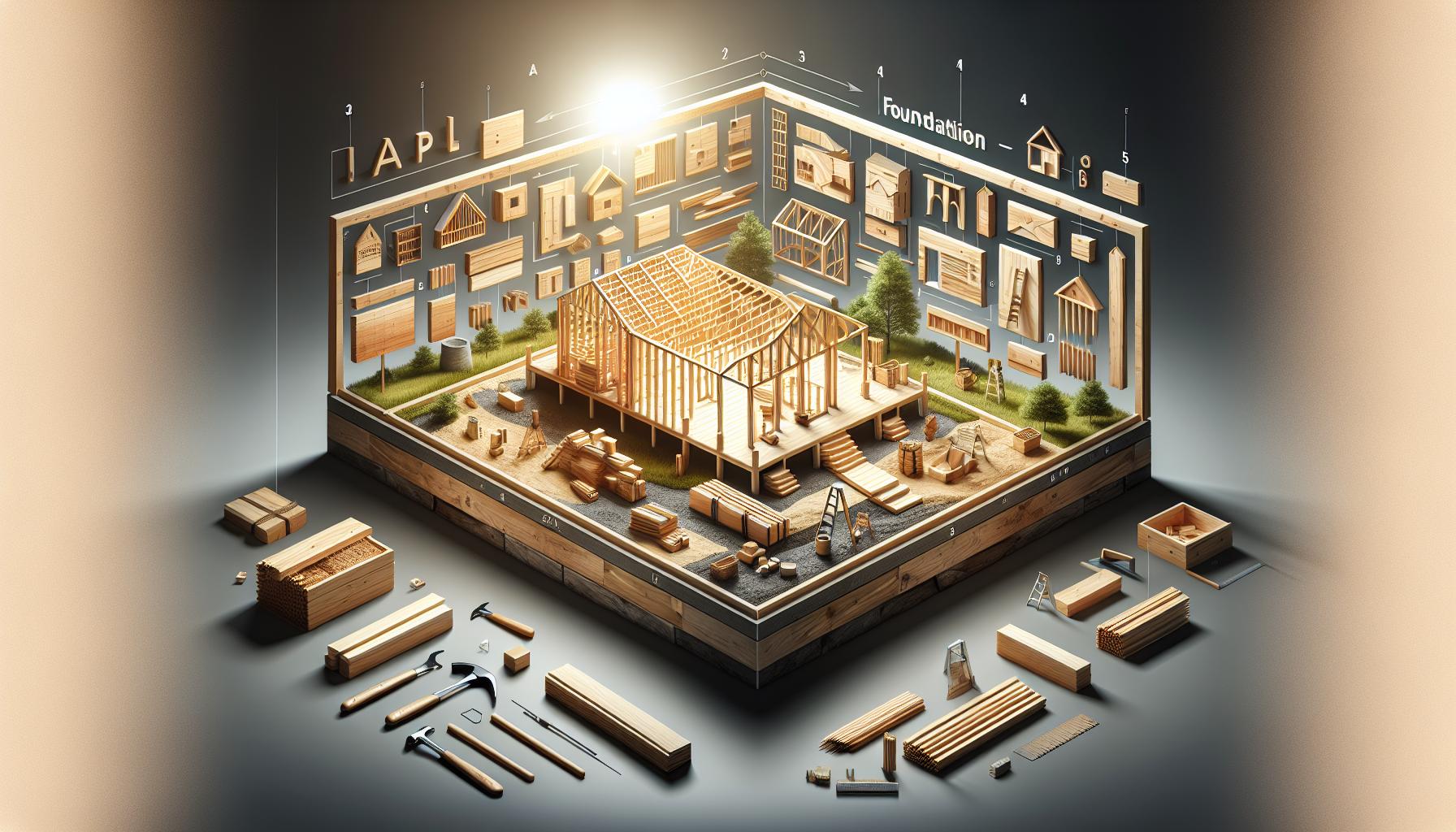
Step-by-Step Guide to Laying a Solid Foundation
When embarking on the journey of constructing a post and beam shed, having a sturdy and well-prepared foundation is crucial for ensuring longevity and functionality.A solid foundation not only supports the structure but also acts as a barrier against moisture and pests, which can undermine your efforts over time. In this guide, we will delve into the essential steps to properly lay a foundation for your shed, setting the stage for a triumphant build that reflects the timeless construction techniques discussed in broader resources.
Assessing the Site
Before laying the foundation, it’s essential to assess the location where your post and beam shed will be built. Look for a relatively level area away from tree roots and low-lying spots that may collect water. You’ll want to:
- Check for overhead obstructions like tree branches.
- Ensure that the ground has good drainage.
- Consult local building codes to ensure compliance.
Once you have selected your site, clear away any grass, debris, or stones to prepare for the foundation.
choosing the Right Foundation Type
there are several foundation types suitable for a post and beam structure.Your choice will largely depend on the soil condition and your local climate. Here are three widely used options:
| Foundation Type | Description | Pros | cons |
|---|---|---|---|
| Concrete Slab | A flat, level slab of concrete that serves as a base. | Durability, moisture resistance | Requires significant excavation and concrete work. |
| Pier Foundation | Vertical posts or piers elevate the shed and reduce ground contact. | Good for uneven terrain, allows air circulation | Might potentially be unstable in extremely high winds. |
| Concrete Blocks | Using concrete blocks to create a level base for the structure. | Relatively easy to install and level | Less durable than a solid concrete slab; can crack over time. |
Preparing the Foundation
Once you have selected the foundation type that best fits your needs, the next step is to prepare the area.
- Excavate: For a concrete slab, dig a shallow trench around the perimeter where the concrete will be poured. For a pier foundation, mark the locations of each pier.
- Level: Use a level tool to ensure that the area is flat.Fill in any low spots with gravel or soil to achieve a uniform surface.
- Add Gravel (for drainage): If you are using a slab or pier foundation, add a layer of gravel to promote drainage. this is especially important in areas prone to heavy rainfall.
This groundwork is vital for securing a successful transition to the building phase,seamlessly linking the foundational principles of constructing a post and beam shed with practical execution. By following these steps meticulously, you set the groundwork for a resilient and enduring structure, ensuring that the shed you’ll create embodies the essence of timeless construction techniques.
Crafting the frame: Assembling Posts and Beams with Confidence
Building your own shed with a post and beam structure not only showcases timeless construction techniques but also offers a robust framework ideal for various uses. This approach allows for larger spaces without the need for excessive internal support,making it perfect for both storage and workshop environments. The beauty of post and beam construction lies in its ability to combine functionality with aesthetic appeal, creating a shed that is as pleasing to the eye as it is indeed practical.
To effectively assemble your posts and beams,begin by selecting high-quality wood that can withstand the elements. Common choices include cedar, redwood, and treated lumber, each offering distinct benefits. Here’s a simple process to help guide your assembly:
Steps for Assembling Posts and Beams
- preparation: Ensure your site is level and clear of debris. Lay out a precise plan with measurements for your posts and beams based on your shed‘s design.
- Post Placement: Start by installing vertical posts at your predetermined locations, securing them with concrete footings or anchors. Make sure they are plumb and aligned.
- Beam Installation: Once the posts are secure,lift and attach the horizontal beams. Use metal brackets or bolts to reinforce the connections, ensuring stability and strength.
- Check for Level: As you work, continuously check that each beam is level before moving on to the next. This will prevent any structural issues later on.
For a clear visual representation, consider this table displaying the recommended sizes for common post and beam configurations:
| component | Recommended Dimensions | Use case |
|---|---|---|
| Posts | 4″x4″ or 6″x6″ | Vertical support for larger structures |
| Beams | 2″x8″ or 2″x10″ | Horizontal load-bearing elements |
| Bracing | 2″x4″ | Diagonal support for added stability |
Utilizing these steps and recommendations will give you the confidence needed to tackle the assembly of posts and beams for your post and beam shed. Not only will you end up with a solid structure, but you’ll also experience the satisfaction of crafting a beautiful addition to your property, reflecting the timeless techniques that have been used for generations.
Roofing Options: Choosing the Best Style for Your Shed
When it comes to constructing a shed using the principles outlined in timeless construction techniques, the choice of roofing can greatly influence both the aesthetic appeal and functionality of the structure. A well-chosen roof not only protects the contents of your shed but also enhances its overall design. With numerous options available, understanding the various roofing styles can help you make an informed decision that aligns with your vision and practical needs.
Popular Roofing Styles for Sheds
Selecting the right roofing style can set the tone for your shed’s design. Here are some of the most popular options:
- Gable Roof: This traditional style features two slopes that create a triangular shape at the peak. It’s excellent for water drainage and offers ample space for overhead storage.
- Flat Roof: While often used for modern designs, flat roofs require proper drainage systems to prevent water pooling. They can be more cost-effective but may not suit all aesthetic preferences.
- Shed Roof: This single-sloped roof is ideal for minimalist designs and provides easy construction. It’s perfect for maximizing sunlight exposure if you plan to install solar panels.
- Hip Roof: Featuring slopes on all four sides, hip roofs are strong and stable, making them resistant to strong winds.They can also add a touch of elegance to your shed.
Material Considerations
Your choice of roofing material is just as crucial as the style. Various materials can affect durability, maintenance, and cost:
| Material | Durability | Maintenance | Cost |
|---|---|---|---|
| Asphalt Shingles | 15-30 years | Low | Low |
| Metal Roofing | 40-70 years | Very low | Medium to high |
| Wood Shakes | 30-50 years | Moderate | High |
| Slate Tiles | 75-200 years | Very low | Very high |
Each material offers its unique benefits—metal roofing, for example, is incredibly durable and energy-efficient, while asphalt shingles are budget-kind and easy to install. Consider factors such as climate, maintenance convenience, and long-term investment when deciding on roofing materials.
By thoughtfully considering roofing styles and materials,you can ensure that your shed not only meets your practical needs but also complements your property beautifully.Utilizing the insights from the principles discussed in “How to Build a Post and Beam Shed: Timeless Construction Techniques,” you can create a shed that stands the test of time, both structurally and visually.
insulating and finishing Touches to Enhance Your Shed
Insulating your shed is a vital step that transforms it from a simple storage space into a functional extension of your home. Proper insulation enhances comfort and protects your belongings from temperature fluctuations, moisture, and pests. When using time-tested methods from the construction guide, “How to Build a Post and Beam Shed: Timeless Construction Techniques,” there are several practical approaches to ensure your shed remains cozy and efficient throughout the year.
One effective way to insulate your shed is by utilizing insulation boards. These boards are lightweight, easy to cut, and available in various sizes, making them ideal for both novice and experienced builders. Here’s how you can successfully insulate your shed:
- choose Your Insulation Material: Options like Rockwool or Knauf boards provide excellent thermal resistance.
- Seal Gaps: Before installing insulation, carefully seal any gaps or cracks in the shed’s walls to prevent drafts.
- Install the Insulation Boards: Fit the insulation boards snugly between the wall studs and secure them properly.
- Add a Vapor Barrier: Install a vapor barrier on the warm side of the insulation to prevent moisture from entering the insulation material.
In addition to insulation, the finishing touches can dramatically enhance the functionality and aesthetic appeal of your shed. Consider incorporating the following elements:
Ventilation
Proper ventilation is crucial in preventing moisture build-up and maintaining air quality. You can install vents high and low on opposite sides of the shed to create a natural airflow that balances temperature and humidity levels.
Interior Finishing
Adding paneling, shelving, or workbenches not only optimizes space usage but also creates a more inviting environment.By applying a coat of paint or finishing a wooden surface, you can ensure longevity and create a pleasant workspace or storage area.
Electrical and Lighting Needs
Integrating electrical outlets and sufficient lighting systems can significantly increase your shed’s usability.Whether you’re using it as a workshop or a garden shed,consider LED strip lights or solar-powered options for energy efficiency.
By following the insulation methods laid out in “How to Build a Post and Beam Shed: Timeless Construction Techniques,” along with these finishing recommendations, you can create a well-insulated and aesthetically pleasing shed that serves your needs for many years.
Overcoming Common Challenges in Shed Construction: Tips and Tricks
Building a shed is a rewarding project that can significantly enhance your outdoor space, but it comes with its share of challenges. From ensuring structural integrity to navigating local regulations, prospective builders frequently enough encounter hurdles that can deter their progress. Understanding how to effectively address these obstacles is crucial for creating a secure and functional structure, especially when employing techniques outlined in guides about how to build a post and beam shed.
One of the primary challenges lies in obtaining the necessary permits. Many homeowners underestimate the importance of this step, mistakenly thinking that building a simple shed does not require official approval. However, failing to secure the right permits might lead to the forced dismantling of your hard work. to avoid this, check with your local building department to ascertain what is needed before you begin. It’s best to do this as early as possible to avoid interruptions that coudl delay your project.
Another common challenge is ensuring that the shed remains level and stable on uneven ground. Unequal terrain can lead to a structurally compromised building over time. To mitigate this issue, you can employ a few techniques:
- Site Preparation: clear the building site of debris and vegetation. Consider leveling the ground if necessary or using gravel to create a solid base.
- use of Posts: When constructing a post-and-beam shed, ensure all posts are firmly set in place and at equal heights. This will provide a solid foundation for the beams and subsequent walls.
- Check for Level: Regularly check with a level tool throughout the construction process to guarantee that everything is being built straight.
Additionally, weather can complicate construction efforts, especially when working with wood materials susceptible to moisture and temperature changes. To combat this, plan your build schedule around dry seasons and ensure that all materials are stored properly before use. Using treated wood can also extend the lifespan of your shed, providing an extra layer of protection against the elements.
Lastly, securing the right tools and materials is essential to streamline the building process. An unexpected shortage can lead to frustrating delays. Before diving into the project, compile a detailed list of all materials needed, alongside their specific dimensions and quantities. Below is a simple example of how you might structure your list:
| Material | Quantity | Notes |
|---|---|---|
| Pressure-treated wood (2x4s) | 15 | For framing |
| Plywood sheets | 5 | For walls |
| Metal roof panels | 6 | Ensure proper weatherproofing |
By anticipating these potential pitfalls and preparing accordingly, you can significantly enhance your chances of successfully building a post and beam shed. Utilizing the timeless construction techniques described in various guides not only helps streamline the process but also results in a structure that will serve you for years to come.
FAQ
What is a post and beam shed?
A post and beam shed is a structure where large vertical posts support horizontal beams, providing durability and flexibility.
These sheds are known for their timeless construction techniques that date back centuries. The design creates open interiors and allows for various roofing options. Post and beam construction is also excellent for diyers, as it simplifies the building process while allowing custom designs that meet specific needs.
How to build a post and beam shed?
To build a post and beam shed,start by selecting a location,designing your shed,and gathering materials.
Begin with a solid foundation; then, erect the posts and beams according to your plans. It’s essential to ensure everything is level and securely fastened. This construction method is quite forgiving,making it perfect for those inexperienced with heavy construction techniques.
Can I customize my post and beam shed design?
Yes, customizing your post and beam shed design is straightforward and encouraged!
You can choose different sizes, shapes, and finishes that cater to your personal style or specific needs. Adding windows, doors, and even loft spaces can definitely help maximize functionality and aesthetics. For design inspiration,consider exploring various construction styles detailed in articles about shed constructions.
Why does post and beam construction work well for sheds?
Post and beam construction is ideal for sheds due to its strength and stability.
This method effectively distributes weight across the structure, allowing for wider openings without the need for internal walls, which is perfect for storage or workspaces. Moreover,the construction techniques promote natural ventilation,essential for a workspace,making it a practical choice for garden sheds or workshops.
What materials are best for building a post and beam shed?
The best materials for a post and beam shed include wood, metal brackets, and durable roofing materials.
Common choices for wood are pressure-treated lumber or cedar, as they resist decay and insects. Additionally, using quality metal brackets can strengthen joints and enhance the structure’s longevity. For roofs, consider options like metal or shingles that match your region’s climate for durability.
Can I build a post and beam shed without prior experience?
Yes, beginners can successfully build a post and beam shed with the right resources and plans.
It’s crucial to follow detailed plans and utilize step-by-step instructions. Many DIYers find it helpful to watch tutorial videos or read articles that break down the construction process into manageable sections. Remember, asking for help or advice from experienced builders can also make the process smoother.
What tools do I need for building a post and beam shed?
Essential tools for building a post and beam shed include a saw, hammer, level, and measuring tape.
Additionally, you may need tools such as a drill, framing square, and safety gear to ensure a safe working environment. Investing in quality tools will greatly facilitate the building process, ensuring accuracy and efficiency throughout your shed construction.
Concluding Remarks
As you embark on the rewarding journey of building your own post and beam shed, remember that each step you take is a testament to your craftsmanship and dedication. Embrace the timeless techniques outlined in this guide—from selecting quality materials to mastering the essential joinery methods. With a solid foundation and a clear plan, you can transform this project from a mere idea into a stunning result.
Don’t hesitate to seek out further resources or connect with fellow DIYers to share tips and experiences. Every builder faces challenges, but your willingness to learn and adapt is what will ultimately lead to success. Explore additional articles, join online forums, or attend workshops to deepen your understanding and enhance your skills.
The world of post and beam construction is as expansive as it is indeed rewarding. By taking this first step, you’re not just building a shed; you’re creating a space that reflects your hard work and ingenuity. So grab your tools, stay curious, and let your creativity shine as you bring your vision to life. Happy building!
Get our latest guides, news, and insights highlighted in your Google Search & AI Overviews.