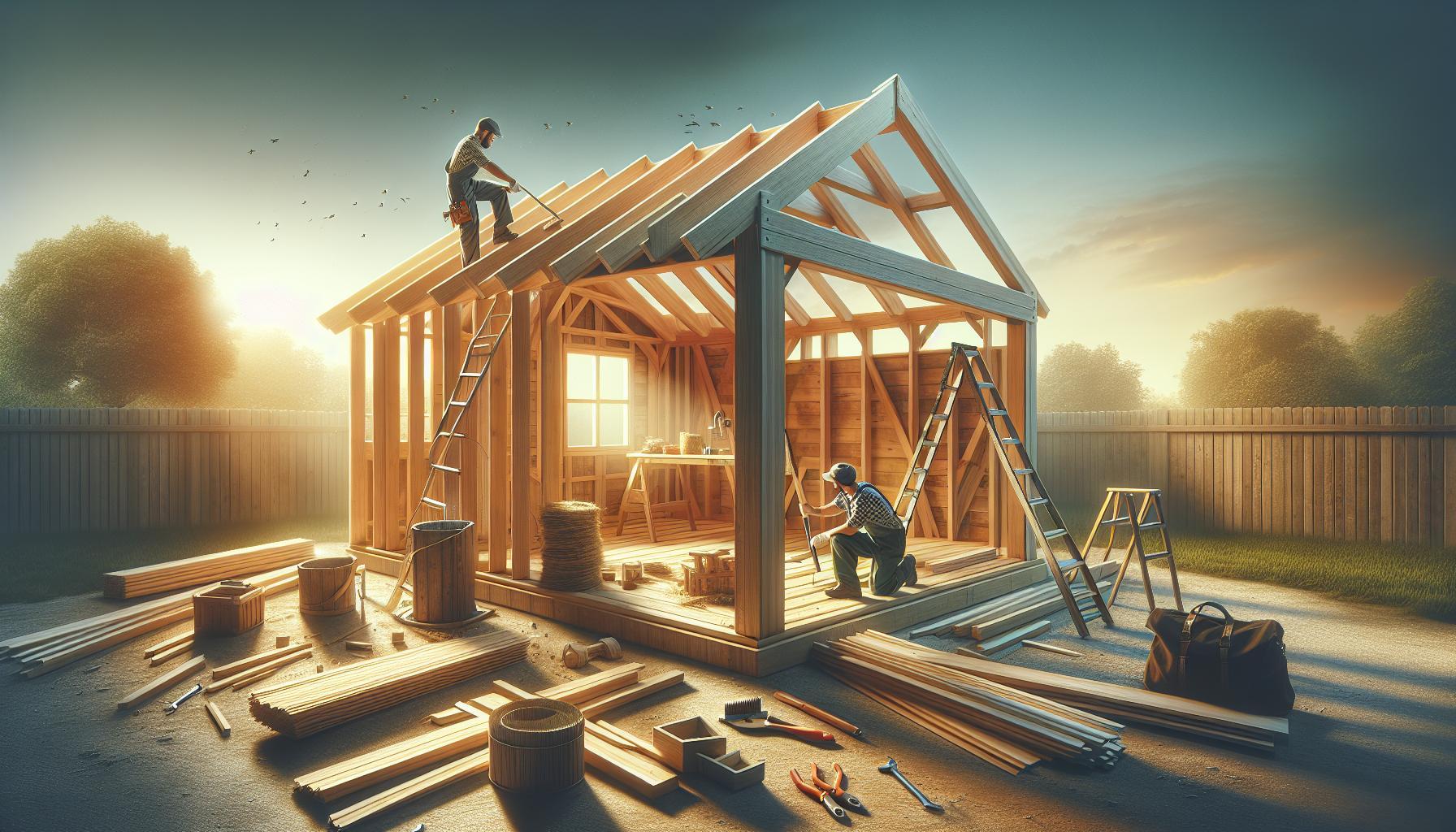
Struggling with limited storage space in your yard? A well-designed small shed can be the perfect solution to declutter your outdoor area while enhancing its aesthetics.In this guide, we’ll explore versatile space-saving designs that fit any yard size, empowering you to create a functional and attractive storage solution tailored to your needs.
Choosing the Right Location: Finding the Perfect Spot for Your Shed
When laying the groundwork for your small shed project, the location you choose can considerably impact its functionality and aesthetics. Selecting the right spot requires careful consideration, as it can influence everything from easy access to sunlight exposure and drainage. Studies show that poorly situated sheds can lead to increased maintenance and decreased usability, highlighting the importance of making an informed decision from the start. Here are some key factors to keep in mind when evaluating potential locations.
Access and Utility
one of the first aspects to consider is accessibility. Your shed should be easy to reach for both daily use and eventual maintenance. Think about how often you’ll be retrieving items or working in the shed; you may even want to create a clear pathway leading up to it.
Here are some practical tips for ensuring easy access:
- Determine the primary function of your shed (storage, workspace, etc.) and position it accordingly.
- Ensure that the location allows for the movement of larger items, especially if the shed will house gardening tools or outdoor equipment.
- Consider a driveway or walkway constructed from materials that complement the surrounding landscape.
Sunlight and Shade
The amount of sunlight your shed will receive can greatly affect the items stored within,especially if you plan to keep anything sensitive to temperature or humidity.Evaluate direct sunlight and shade:
- If the shed is meant for more than storage, such as a workshop or craft space, natural light will be essential. Aim for a location that receives ample sunlight during working hours.
- Conversely, if your shed will store garden tools or other items susceptible to heat, consider placing it in a shaded area.
Drainage and Ground Stability
assessing the drainage capabilities of your chosen location is crucial. Placing a shed in a damp area may lead to water pooling or structural issues over time.
Here’s what to look for:
- Observe your yard during heavy rainfall; this will help you identify the areas where water tends to gather.
- Avoid low-lying spots and consider placing wooden pallets or stones under the shed to improve drainage.
- Choose a level area to prevent the structure from settling unevenly and causing door misalignment or other issues.
By following these guidelines, you can successfully determine the ideal location for your small shed, maximizing both its utility and longevity. Each of these considerations plays a crucial role in not only enhancing the functionality of your shed but also in creating a harmonious balance within your yard’s layout.
Designing Your Shed: Maximizing Functionality in Limited Space
When space is at a premium, thoughtful shed design becomes pivotal in ensuring that every square inch serves a purpose. Whether you’re looking to store gardening tools, create a cozy workshop, or set up a small outdoor office, strategic design choices can significantly maximize functionality. By embracing space-saving designs, you can transform a limited area into a versatile haven with ease.
Prioritize vertical Space
One of the most effective ways to make the most of your small shed is by utilizing vertical space. Instead of scattering tools and items across the floor, consider installing shelves, pegboards, and wall-mounted storage solutions.Here are some suggestions for vertical storage:
- shelving units: Tall shelving units allow you to store more while taking up minimal floor space. Look for adjustable shelves to accommodate various item sizes.
- Pegboards: Installing pegboards allows you to hang tools and accessories, keeping them organized and easily accessible.
- Hooks and racks: Utilizing hooks to hang bicycles, ladders, or gardening equipment can free up valuable ground space.
Multifunctional Furniture and Fixtures
Incorporating multifunctional furniture and fixtures can add both utility and comfort to your small shed. For example, consider installing a fold-down table that can serve as both a workspace and storage area when not in use. Additionally, opt for benches with hidden compartments that provide seating and storage simultaneously. This approach not only enhances functionality but also keeps your shed organized and clutter-free.
Smart Layout Planning
Efficient layout planning is crucial in making a small shed feel more spacious. Mapping out the design before construction can save headaches later. Try using design tools like those provided by Westwood Sheds or SquareShed to visualize your layout. Additionally, consider the following tips:
- Establish distinct zones: create specific areas for different activities (e.g.,gardening supplies in one corner,a workstation in another).
- Leave space for movement: Ensure that pathways within the shed are unobstructed, allowing for easy access to various zones.
- Utilize corner space: Corner shelves or workbenches can minimize wasted space and offer more storage options.
Incorporating Natural Light
Natural light can make a small shed feel more open and inviting. If possible, install windows or skylights to illuminate the space. Not only does this enhance the ambiance, but it also reduces reliance on artificial lighting, making your shed more pleasant to work in. A bright, airy environment can also motivate you to keep the shed organized and functional.
By focusing on these strategies, you can effectively turn a small shed into a space that meets all your needs without feeling cramped. Thoughtful planning and smart design choices are key to achieving a functional and enjoyable environment in limited space, ultimately spotlighting how to build a small shed with practical, space-saving designs.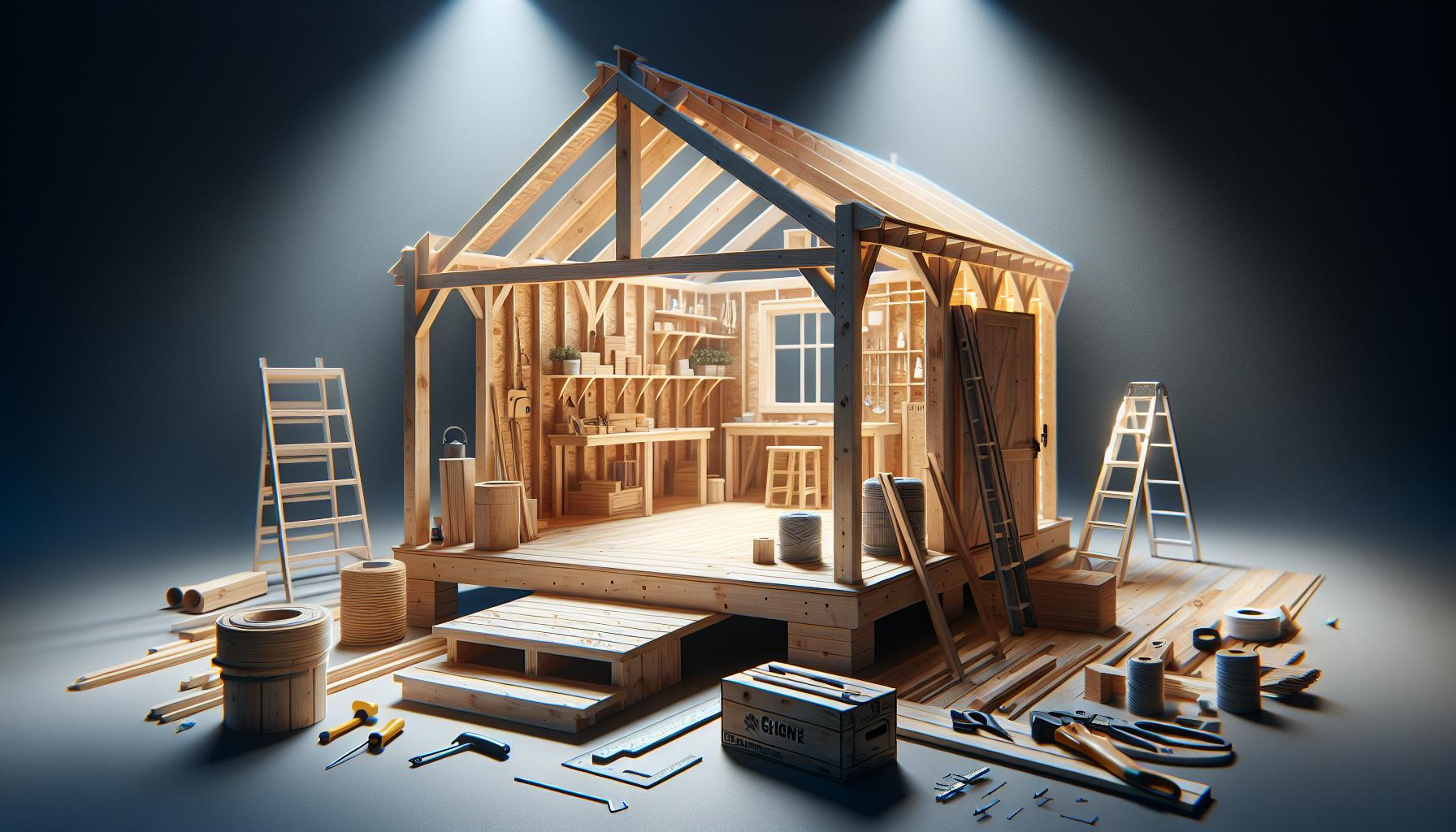
Essential Materials and Tools: what You Need for a Quality Build
When embarking on a project to construct a small shed, gathering the right materials and tools is crucial for ensuring a accomplished build. Using high-quality components not only improves the longevity of your shed but also enhances its aesthetic appeal and functionality. Whether you’re a seasoned DIY enthusiast or a first-time builder, understanding what you’ll need can save you time and frustration.
Essential materials
To create a sturdy and reliable shed, the foundation of your material selection starts with wood. A common choice is pressure-treated lumber for the framework, as it resists moisture and insect damage. Additionally, consider using oriented strand board (OSB) or plywood for the walls and roof sheathing. For the exterior, you might opt for vinyl or wood siding. Here’s a quick overview of the essential materials:
- Pressure-treated lumber: Used for the foundation and framing.
- OSB or plywood: Ideal for wall and roof sheathing.
- Insulation: Recommended for temperature regulation, especially in climates with extreme temperatures.
- Siding materials: Choose between wood, vinyl, or metal based on your design preference.
- Roofing materials: Asphalt shingles or metal panels to ensure weather resistance.
Required Tools
Equipping yourself with the right tools is equally important. A well-equipped toolbox will not only enhance accuracy and efficiency but also make the building process enjoyable. Here are the must-have tools for your shed project:
- measuring tape: For accurate dimensions and layout planning.
- Level: Ensures your structure is plumb and square.
- circular saw: Essential for cutting lumber to size.
- Drill and drill bits: Used for making pilot holes and driving screws.
- Screwdriver set: Necessary for assembling parts.
- Hammer: For nailing components together.
- Safety gear: Including goggles and gloves to protect yourself while working.
| Material/Tool | Purpose |
|---|---|
| Pressure-treated lumber | Framework and foundation |
| OSB/Plywood | Wall and roof sheathing |
| Level | Ensures structure is plumb |
| Circular saw | Cuts lumber to size |
| Safety Gear | Protects during construction |
Making informed choices about materials and tools while following the guidelines for how to build a small shed with space-saving designs will lead to a more efficient process and a durable end result. With the right preparations, you can ensure that your shed not only meets your needs but also adds value to your property.
Step-by-Step Construction: From Foundation to Finishing Touches
Building a small shed can transform your backyard into a functional and organized space, providing a perfect solution for storage or even hobby activities.With a clear plan and a systematic approach,constructing your shed from foundation to finishes can be an enjoyable DIY project. Here’s how to efficiently navigate the construction of your small shed, ensuring both durability and aesthetic appeal.
Foundation
The construction journey begins with establishing a strong foundation. For smaller sheds, a simple concrete slab or pressure-treated wood skids is often sufficient. Start by marking the shed’s footprint with stakes and string, ensuring it’s level and grounded. if using a concrete slab, pour concrete and allow it to cure fully, or install the skids on gravel to promote drainage.Make sure the foundation is slightly elevated to prevent moisture from seeping in, especially if you frequently experience heavy rains.
Framing
Once the foundation is ready, move on to the framing. Utilize 2×4 lumber for walls, cutting them to the appropriate height based on your shed design. Assemble the frames in a rectangular shape and secure with nails or screws. Consider adding vertical supports at intervals to enhance strength.For quick reference, here’s a simple framing layout you might follow:
| Component | Dimensions |
|---|---|
| Wall height | 6′-8′ |
| Wall studs | 16″ on center |
| top/bottom plates | 2″x4″ |
Roofing and Siding
With the walls erect, it’s time to add siding and a roof. Choose durable materials such as vinyl, wood, or metal for siding, ensuring they complement your home’s exterior. For the roof, a simple gable design can effectively shed water. Install plywood sheets over the rafters and cover with roofing felt before placing shingles or metal roofing. Don’t forget to include overhangs to protect the walls from rain.
Finishing Touches
The final touches can transform your small shed from a basic structure to a stylish feature in your yard.Consider painting the exterior to match your home or adding decorative elements like window boxes. Inside, install shelves or hooks for storage and institution. Proper ventilation, such as windows or vents, will prevent moisture buildup and enhance air quality. if your shed is to be used as a workspace, incorporating electricity and insulation can greatly increase its usability.By following these systematic steps, the process of building a small shed transforms from daunting to doable, allowing you to appreciate the rewards of your effort through practical and aesthetic enhancements in your outdoor space.
Adding Personal Touches: Customization Ideas for Every Style
Personalizing your shed can transform a simple storage solution into a charming extension of your home, reflecting your unique style and enhancing your yard’s aesthetic.by integrating thoughtful design elements, you can ensure your small structure not only serves its purpose but also warms up your outdoor space. Whether you lean towards rustic charm, modern minimalism, or a playful touch, there are countless ways to customize your shed.
Paint and Finishing Touches
One of the simplest yet most impactful ways to customize your shed is through color. A fresh coat of paint can breathe new life into your structure, making it a vibrant feature in your yard. Consider the following ideas for your paint scheme:
- Bold Accents: Use bright colors to highlight the door or window frames, creating a striking contrast against a neutral exterior.
- Pastel Palette: Soft, muted colors can give your shed a charming, vintage vibe, well-suited for garden settings.
- Natural Stains: If you prefer a wood finish, choosing stains that enhance the wood grain can bring warmth and texture.
Completing the exterior with decorative finishes, such as funky house numbers or a welcoming door mat, can elevate its visual appeal.
Functional Decor
Customization isn’t just about aesthetics; it can also enhance functionality. Consider adding features that complement how you intend to use your shed:
- Vertical Gardens: Attach planters or trellises to the sides for an organic touch that integrates your shed into your garden.
- Outdoor Lighting: String lights, sconces, or even lanterns can create a cozy atmosphere, making your shed a welcoming spot for evening gatherings.
- Storage Solutions: Custom shelving and hooks inside can be painted to match the exterior, providing a cohesive look while maximizing space.
These elements not only improve usability but also ensure that your shed feels like a natural extension of your home.
creative Accessories
Accessories are the proverbial cherry on top when it comes to personalizing your shed. Consider incorporating items that speak to your personality and interests. Here are a few suggestions:
- Artwork: hang weatherproof art or crafts to inject creativity and vibrancy into the shed’s exterior.
- Garden Tools Display: A rustic pegboard for hanging tools can turn functional storage into a conversation piece.
- Outdoor Furniture: If space allows, add a small table or bench for a peaceful retreat or gardening prep area.
Integrating these elements not only personalizes your space but also enhances its functionality and charm.
By exploring these customization options, you can create a personalized shed that harmonizes beautifully with your outdoor living area and reflects your unique tastes. Ultimately, the journey of designing your small shed is an prospect to let your creativity shine while maximizing the utility and beauty of your yard.
Storage Solutions: Organizing Your Shed for Optimal Use
Creating an efficient storage system in your shed can transform it from a cluttered space into an organized haven for your tools, equipment, and seasonal items. With thoughtful planning and effective use of the space,you can maximize both accessibility and functionality. This guide is tailored specifically for those interested in understanding how to build a small shed using space-saving designs that cater to any yard size, ensuring you get the most out of every square foot.
Utilizing vertical space is a game-changer when it comes to organizing your shed.Install shelves, pegboards, or wall-mounted hooks to keep tools and materials off the floor and within easy reach. Consider the following types of shelving and storage solutions that can help streamline the organization inside your small shed:
- Adjustable Shelves: These allow you to customize the height based on your needs, accommodating everything from gardening supplies to larger equipment.
- Clear Storage Bins: Use transparent bins to easily identify contents, reducing time spent searching for items.
- Magnetic Strips: Great for storing metal tools and small objects, these can be attached to walls to free up drawer space.
### Optimize Floor Space
to further enhance your shed’s storage capabilities, consider incorporating furniture that doubles as storage. as a notable example, a sturdy workbench with an undershelf can provide a workspace while also serving as a place to store tools and projects.Here are some suggestions to optimize floor space:
| Item | Description | Benefits |
|---|---|---|
| Workbench with Storage | A robust table that includes shelving or drawers beneath. | Provides a space for repairs while keeping tools organized. |
| Rolling Carts | Movable carts that can hold supplies and tools. | Easily transport items around the shed or yard as needed. |
| Vertical Tool Rack | A rack designed to hold long-handled tools like rakes and shovels. | Keeps tools organized and accessible without taking floor space. |
Incorporating creative storage solutions into your shed not only enhances its utility but also contributes to a more enjoyable workspace. By selecting a mix of shelving, bins, and multifunctional furniture, you can effectively utilize every inch of your storage area, making your small shed a model of efficiency and ease. Whether you are looking to create an outdoor workshop or simply manage seasonal decorations, learning how to build a small shed with space-saving designs will enable you to work smarter, not harder.
Overcoming Common Challenges: Tips for a Smooth Building Process
Navigating the building process of your small shed can be both exciting and daunting. From design choices to material selections, a myriad of challenges may arise that can halt progress or lead to costly mistakes. Though, with a preparation-minded approach and a clear plan, you can effectively tackle these hurdles and enjoy a smooth construction journey. Here are several tips and strategies to help you through the common challenges faced when building a small shed.
planning and Design Hurdles
One of the first roadblocks you might encounter relates to planning and design. Aligning your vision with practical limitations requires a thoughtful approach. Here are some tips to keep in mind:
- Prioritize Functionality: Before diving into designs, consider how you will use the shed.Will it serve as a workspace, storage for tools, or perhaps a garden sanctuary? This purpose will guide your design choices.
- Measure Twice, Cut Once: ensure accurate measurements and consider the shed’s dimensions relative to your yard size to avoid a cramped or awkward fit.
- Check Local Regulations: Always verify local zoning laws and building codes before you start.This can save you time and headaches in the long run.
Material Selection Issues
Choosing the right materials can also pose a challenge, but it’s crucial for the durability and functionality of your small shed. here’s how to navigate this:
- budget wisely: Set a realistic budget that considers not just the price of materials but also potential treats like delivery fees or tools you may need to rent.
- Balance Quality and Cost: Don’t compromise on quality; consider long-term maintenance costs. For example, while pressure-treated wood might be more expensive initially, it can save you repair costs down the line.
Labor Challenges
Determining whether to DIY or hire professionals is another common concern. Both routes have their benefits:
- Assess Your Skill Level: If you’re new to building, consider starting with a simple design. Space-saving shed plans that require minimal carpentry can be ideal for beginners.
- Seek Help When Needed: If the project feels overwhelming or you lack specific skills, don’t hesitate to hire a professional. They can often ensure that your shed is built to last.
| Common Challenge | Tip |
|---|---|
| Planning Issues | Set clear objectives about the shed’s functionality. |
| Material concerns | Shop around for the best prices and quality. |
| Labor Decisions | Evaluate your skills honestly and consider hiring professionals for complex tasks. |
With the right strategies and a methodical approach, you can overcome the common challenges of constructing your small shed. Embrace the process, learn from any setbacks, and take pride in the creation of your space-saving building.
maintaining Your Shed: Long-Term Care Tips for Durability and Longevity
Owning a small shed can greatly enhance the functionality and aesthetic of any yard, but many homeowners overlook the importance of regular upkeep. Just like any investment,a shed requires ongoing maintenance to ensure longevity and durability. With proper care, your shed can provide reliable storage or workspace for many years while complementing your landscaping beautifully.
Routine Inspections
Conducting regular inspections is crucial for identifying potential issues before they become notable problems.Aim to perform these assessments at least twice a year, ideally in spring and fall. During these check-ups, look for:
- Water Damage: Check for any signs of rot or discoloration, especially around the base and roof.
- Pests: Examine for signs of insect infestation or animal nesting.
- Structural Integrity: Inspect corners and joints to ensure they remain strong and secure.
- Roof Condition: Look for missing shingles or damaged areas that could lead to leaks.
Weatherproofing Your Shed
Weather protection is key to ensuring the longevity of your shed. Consider the following methods:
- Sealing Gaps: Regularly inspect and seal any gaps in the walls, roof, and around windows using caulk or weather stripping.
- Paint and Stain: Apply protective coatings every few years to keep wood from warping or rotting. Use high-quality exterior-grade paints or stains to ensure maximum protection.
- Roof Maintenance: Clean gutters and downspouts regularly to prevent water from pooling around the foundation.
Ventilation and climate Control
Poor ventilation can lead to trapped moisture,which is a breeding ground for mold and mildew. To maintain a healthy environment within your shed:
- Install Vents: Include vents in your shed design or add them later; they allow fresh air to circulate while also providing an outlet for humidity.
- Monitor Temperature: Utilize thermometers or hygrometers to keep track of temperature and humidity levels.
Using the Right Materials
When constructing or renovating your shed,selecting the right materials will significantly enhance its durability. For example:
| Material | Description | Longevity |
|---|---|---|
| Pressure-Treated Lumber | Resistant to decay and insects | 10-15 years |
| Vinyl Siding | Low maintenance and weather resistant | 30 years+ |
| metal Roofing | Durable and resistant to severe weather | 40 years+ |
Embracing these long-term care strategies can significantly extend the life of your shed and maintain its appeal. Remember, a bit of regular effort goes a long way, ensuring that your small shed not only serves your immediate needs but also stands the test of time, much like the thoughtfully designed spaces discussed in “How to Build a small Shed: Space-Saving Designs for Any Yard Size.”
Faq
What is the best way to build a small shed?
The best way to build a small shed is to start with clear plans that incorporate space-saving designs and durable materials tailored to your yard size. This ensures efficient use of space while maximizing functionality.
Begin by measuring your available area and selecting a design that fits. Consider a lean-to shed or a skillion roof shed for optimal space savings. Investing in quality materials, like treated wood or metal siding, will enhance durability and aesthetics. For detailed building instructions, check out our guide on how to build a small shed.
How to choose the right location for my small shed?
Choosing the right location for your small shed involves assessing sunlight, drainage, and accessibility. Ideally,it should be positioned away from large trees to prevent damage and provide adequate light for any planned activities.
Consider placing your shed on level ground to minimize construction challenges related to uneven terrain. Another factor is accessibility; ensure it’s easy to reach for maintenance and storage purposes. Proper placement will enhance usability and possibly even aesthetics in your yard.
Can I build a small shed without a permit?
In many cases, you may be able to build a small shed without a permit, depending on your local zoning laws. Typically, sheds under a specific size (frequently enough around 120 square feet) may not require permits, but regulations vary.
Always check with your local building authority for regulations in your area. Even if a permit isn’t required, it’s wise to inform neighbors about your project to avoid potential disputes. A well-planned build can help ensure smooth progress.
What materials do I need to build a small shed?
To build a small shed, you’ll need basic materials such as wood for the frame, plywood or OSB for the walls, a strong roof material (like shingles or metal), and suitable flooring. Additionally, hardware like nails, screws, and hinges are essential.
Consider using weather-resistant materials to prolong the life of your shed,especially in areas with harsh weather. you may also want to include insulation if you plan to use the shed year-round. For a thorough list of materials,refer to our detailed shed-building resource.
Why does the design of a small shed matter?
The design of a small shed is crucial because it affects functionality, aesthetics, and how well it fits into your yard’s landscape. A thoughtful design helps maximize storage while maintaining an open feel.
Space-saving designs like corner sheds or vertical storage options not only optimize your space but also enhance visual appeal. Moreover, a well-designed shed can provide additional outdoor functionality, like a potting bench or workspace, contributing to your gardening or DIY projects.
How to maintain a small shed after building it?
Maintaining a small shed involves regular checks of its structural integrity,cleaning gutters,and applying protective coatings. Schedule yearly maintenance to preserve its durability and appearance.
Inspect the roof and walls for damage, especially after severe weather. Also, keep the interior organized and free from pests. Regular maintenance will not only extend the life of your shed but also ensure it remains a valuable addition to your yard.
Can I use my small shed for multiple purposes?
Yes, you can absolutely use your small shed for multiple purposes. Popular uses include storage, a workshop, or even a garden retreat, depending on your needs and shed design.
Designing your shed with versatility in mind can greatly enhance its utility. As a notable example, adding shelving for tools while allowing space for a small workbench creates a functional workspace. don’t forget to consider climate control solutions if you plan to spend time inside.
In Retrospect
constructing a small shed can be a rewarding venture that not only enhances your outdoor space but also provides invaluable storage solutions. By following the strategies outlined in this article, you can confidently navigate the design and building process, regardless of your previous experience. Remember, selecting the right space-saving design tailored to your yard size is key; it ensures efficiency and functionality. Embrace the planning phase, don’t shy away from adapting your design to fit your needs, and most importantly, enjoy the journey of crafting something uniquely yours. as you embark on this project, keep in mind that challenges may arise, but they can frequently enough be transformed into opportunities for creativity and problem-solving. We encourage you to explore further and connect with fellow DIYers or consult additional resources for tips and inspiration. Your dream shed is within reach—let’s get building!
Get our latest guides, news, and insights highlighted in your Google Search & AI Overviews.