
✨ This article was AI edited. Editorial responsibility: Shed-Plans.biz.
Produced with AI. This article was artificially generated. Editorial responsibility: Shed-Plans.biz.
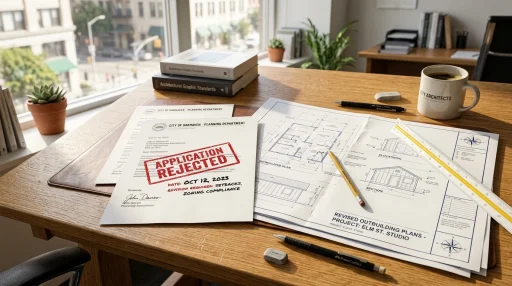
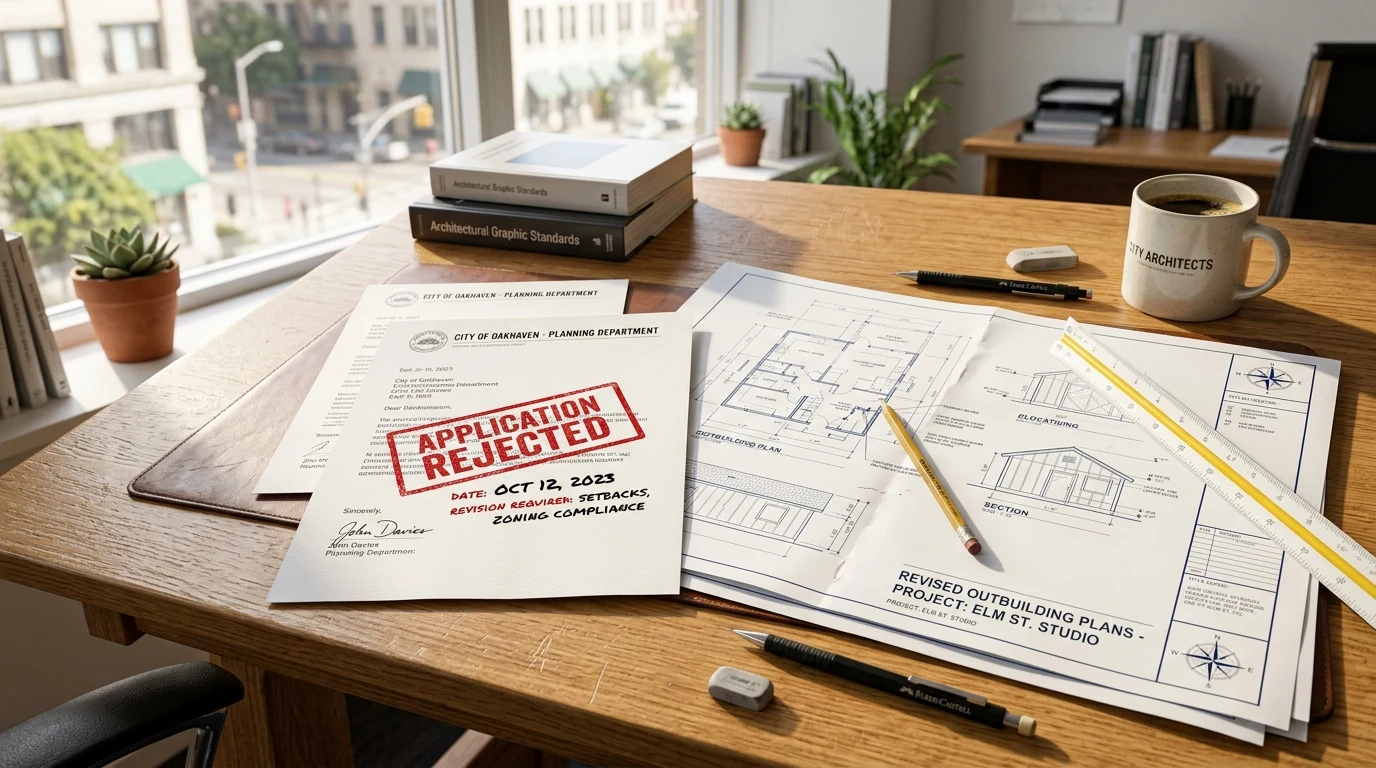
Receiving a formal rejection letter from your local planning authority or municipal building department after spending weeks designing your dream workshop, garden studio, or outbuilding is disheartening. However, having your building permission for a shed denied is not the end of the road. Over 40% of refused outbuilding applications are successfully approved upon modification or formal planning appeal.
This strategic legal and architectural guide breaks down the most frequent reasons councils refuse shed applications, how to interpret your Refusal Notice, the exact steps to submit a revised application for free, and how to file a winning appeal with the Planning Inspectorate.
Top 6 Reasons Shed Planning Applications Are Denied
Municipal planning officers and development review boards reject outbuilding proposals based on specific, statutory planning policies rather than personal taste. The most common refusal grounds include:
| Refusal Reason | Planning Policy Concern | Effective Design Solution |
|---|---|---|
| Overbearing Scale / Excessive Height | Structure towers over boundary fence, dominating neighbour’s outlook | Switch from dual-pitch apex roof to low-profile flat/pent roof (< 2.5m total height) |
| Loss of Daylight / Right to Light | Shed casts shadow over neighbouring habitable room windows or solar panels | Conduct a formal 25-degree/45-degree BRE daylight angle assessment and adjust setback |
| Overdevelopment of the Plot | Total garden coverage exceeds statutory 50% curtilage limit | Scale down shed footprint from 20×16 to 12×14 to retain open amenity space |
| Forward of Principal Elevation | Outbuilding positioned in front driveway or forward of main house front wall | Relocate building to rear garden or behind front building line |
| Incompatible Exterior Materials | Bright metal or plastic cladding in a designated Conservation Area or AONB | Revise cladding to natural cedar shiplap, charred timber, or heritage brickwork |
| Suspected Unpermitted Residential Use | Plumbing, full bathrooms, and kitchenettes suggest an independent dwelling | Clarify incidental/ancillary use (hobby workshop/office) and enter a Section 106 agreement |
Path 1: Negotiate and Submit a Free Resubmission
In most jurisdictions (including the UK, Canada, and the US), applicants have the legal right to submit one revised application for free within 12 months of a refusal notice, provided the project scope remains substantially similar:
- Read the Case Officer’s Delegated Report: Do not just read the one-page refusal letter. Download the full Officer’s Delegated Report from the council planning portal to see the exact paragraph-by-paragraph objections.
- Request an Informal Post-Refusal Meeting: Contact the assigned planning case officer. Ask: “If we reduce roof height by 400mm and shift the building 1.5m away from the west boundary, will you support the scheme under delegated powers?”
- Revise Architectural Drawings: Update your site block plan, elevations, and roof sections to address every noted reason for refusal explicitly.
- Resubmit Under the Free-Go Rule: File the revised package online, referencing the original refusal case number.
Path 2: Filing a Formal Planning Appeal (Planning Inspectorate)
If you believe the council’s decision was unreasonable, contrary to established planning policy, or swayed improperly by unfounded neighbour objections, you have the right to file an independent appeal:
- Appeal Deadline: In the UK, householder planning appeals must be lodged within 12 weeks of the decision date on the refusal notice (or 6 months for full planning).
- Independent Adjudicator: Appeals are judged by an independent Planning Inspector appointed by the Secretary of State (Planning Inspectorate / PINS), not your local council.
- Written Representations: Over 85% of shed appeals are handled via Written Representations, where both sides submit evidence and an inspector conducts a physical site visit.
- Award of Costs: If the council acted unreasonably (for example, refusing a proposal that strictly meets all published planning guidelines), the Inspector can order the council to pay your full professional appeal costs.
Frequently Asked Questions (FAQ)
Q: How long does a shed planning appeal take?
A: In the UK, a Written Representations householder appeal through the Planning Inspectorate typically takes between 14 and 22 weeks from submission to final decision letter.
Q: Can I build a smaller shed under Permitted Development after being refused?
A: Yes! A planning refusal does NOT cancel your statutory Permitted Development rights (unless your property has had PD rights removed via an Article 4 Direction). You can immediately build a compliant shed under Class E (e.g. max 2.5m height within 2m of boundary) without any council permission.
Q: What happens if I build the shed anyway after permission is denied?
A: Building a refused structure constitutes an intentional planning breach. The council will issue a Planning Enforcement Notice requiring complete demolition. Failure to comply is a criminal offense punishable by unlimited fines.
Explore our companion guides on planning guidelines for every homeowner, understanding exemption rules, and legal boundaries for outbuildings.
Get our latest guides, news, and insights highlighted in your Google Search & AI Overviews.