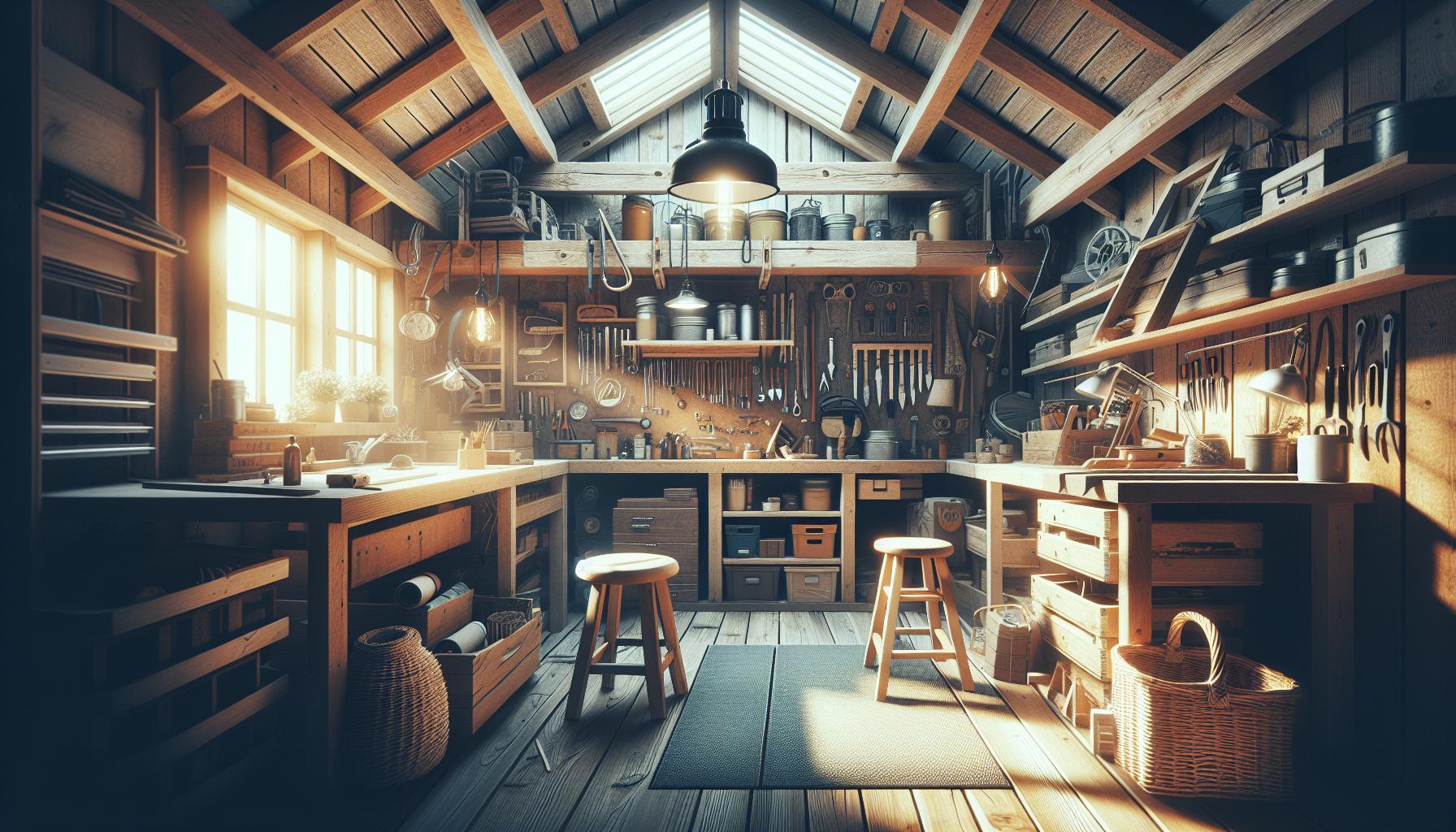
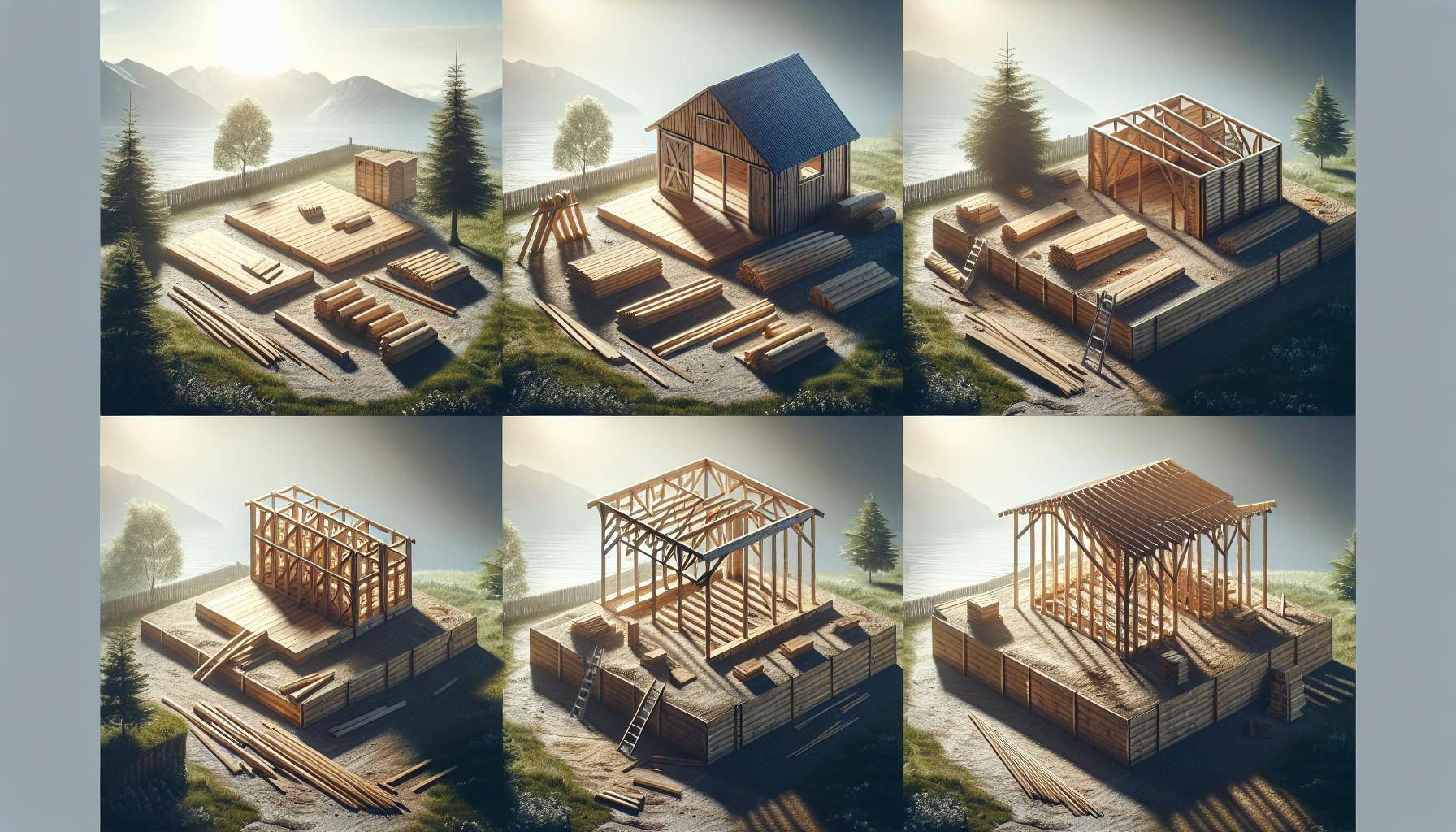
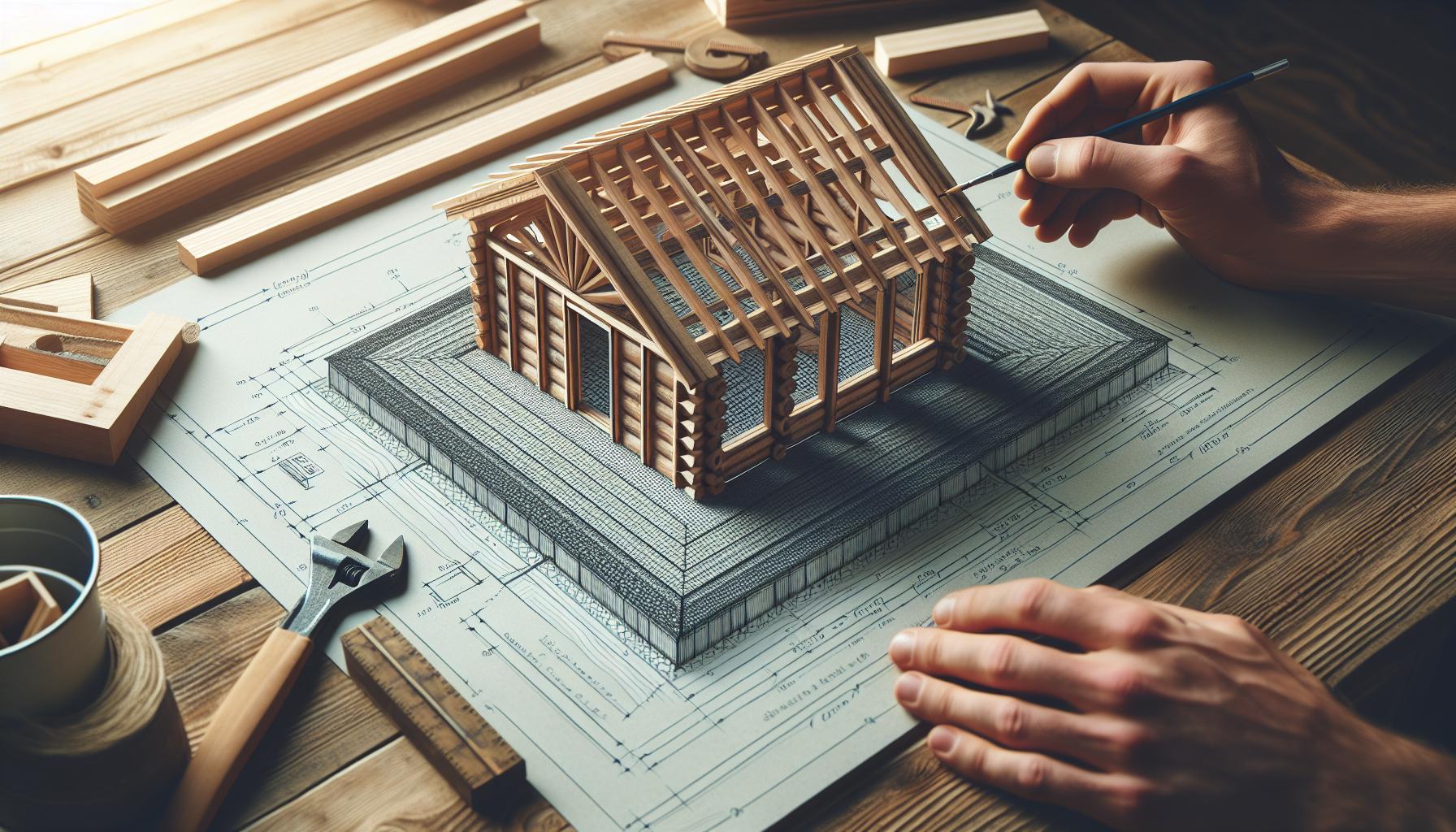
Transforming a bare shed into a functional workshop can seem daunting,yet it’s essential for maximizing your backyard space. This guide will explore innovative ways to complete your shed’s interior, making it an organized and inspiring habitat for creativity and productivity. Discover how to turn raw potential into a practical haven tailored to your needs.
Understanding Your Shed’s Potential: Assessing raw Space for a Workshop
A well-planned workshop in your shed can be a personal sanctuary for creativity and productivity. To truly understand your shed’s potential, it is essential to assess the raw space thoroughly. This assessment will help you envision the optimal layout, storage, and functionality for your workshop. Factors such as size,shape,and existing features of the shed play a crucial role in shaping the final design.
When evaluating your shed, consider the following elements:
- Dimensions: Measure the overall space to ensure it meets your needs.Common workshop essentials require a minimum space of 10×12 feet to accommodate benches and tools comfortably.
- Natural Light: Windows and access to natural light can improve the workspace environment. Plan for installation or enlargement of windows if necessary.
- Electrical Needs: Assess the proximity to power outlets and the potential need for additional electricity to run tools and lighting.
- Ventilation: Proper air circulation is crucial, especially when working with materials that emit fumes or dust. Consider adding vents or windows that can open.
Utilizing the Shed’s Features
Leverage the inherent characteristics of your shed to enhance its functionality. For instance, if your shed has high ceilings, consider building vertical shelving to maximize storage without consuming floor space. Below is a simple table to summarize considerations for various shed sizes:
| Shed Size | Best Uses | Possible Layout Features |
|---|---|---|
| 8×10 ft | Small tool storage, basic workshop | Single workbench, wall-mounted shelves |
| 10×12 ft | Workshop with essential tools and machinery | Central workbench with tool storage, spacious walkways |
| 12×16 ft | Full functionality workshop | Multiple workstations, more complex organization |
Incorporating thes considerations into your planning process will help to unlock the full potential of your shed space. By being strategic about the layout and features, you can successfully transform raw space into a dedicated workshop that suits your needs.Whether you are a woodworking enthusiast, a DIY hobbyist, or a serious craftsman, understanding how to finish the shed interior with a keen eye on your workspace requirements will pave the way for maximizing productivity and enjoyment in your newfound workshop.
Essential Tools and Materials for a DIY Shed Interior Transformation
Transforming the interior of your shed into a productive space for workshops requires careful planning and the right tools and materials. Whether you envision a streamlined storage area or a fully equipped workspace, having the essentials at hand can make all the difference in executing your vision effectively. By investing in the right items, you ensure that your shed not only meets your practical needs but also reflects your personal style.
Essential Tools for Your Shed Interior Project
To tackle the transformation of your shed’s interior, it’s crucial to arm yourself with the appropriate tools. Here are the must-haves that will help streamline your project:
- circular Saw – Ideal for cutting various materials to size.
- Cordless Drill/Driver – Essential for drilling holes and driving screws efficiently.
- Framing Square – Helps in measuring and marking right angles, ensuring that everything is squared up.
- Level – Crucial for ensuring that your shelves and cabinets are perfectly aligned.
- Measuring Tape – For accurate measurements to avoid costly mistakes.
Using these tools will allow you to work faster and more accurately. For more heavy-duty projects,consider adding a compound miter saw or a table saw to your arsenal.
Key Materials to consider
Once you have your tools ready, the next step involves selecting the right materials. Here’s a list of essential materials you will need to finish your shed’s interior:
| Material | Description |
|---|---|
| Dimensional Lumber | For framing walls, building shelving, and constructing workstations. |
| Plywood or OSB | Used for wall sheathing and flooring; ensures durability. |
| insulation | Keeps the shed cozy year-round, especially if you plan to use it as a workshop. |
| Drywall | Provides a smooth finish for walls; can be painted to enhance aesthetics. |
| Paint or Stain | Finishing touches that protect surfaces and add a personal touch. |
Choosing the right materials is essential not only for the functionality but also for the longevity of your shed. Consider climate conditions, usage, and your personal aesthetic when making selections.
By equipping yourself with the right tools and materials, you put yourself in a prime position to successfully finish the shed interior, turning raw spaces into efficient and inspiring workshops. Whether you’re tackling this as a weekend project or a summer-long endeavor, being prepared sets the foundation for a satisfying DIY experience.
Designing Your Layout: Maximizing Functionality and Flow in Your Workshop
creating an efficient and functional workspace in your workshop can drastically improve productivity and enhance your overall crafting experience.To maximize the effectiveness of your layout, consider how each element interacts with the others, ensuring a smooth workflow from start to finish. Crucial factors to prioritize include the placement of tools, storage, and enough room to move freely, which collectively contribute to a well-organized environment.One of the first steps in achieving an optimal layout is to visualize your workflow. Identify the sequence of tasks you perform regularly and arrange your tools and materials accordingly. as a notable example, if woodworking is your primary focus, you might place your table saw near your main workbench. Tools that you frequently use should be easily accessible, while larger machines might be positioned at the back to minimize disruption during smaller tasks. This thoght-out placement not only saves time but also reduces the frustration often encountered in cluttered spaces.Storage Solutions
Storage is another critical aspect of designing your workshop. create designated spots for tools, materials, and supplies, employing vertical space with shelves and pegboards for tools’ visibility and ease of access. It’s also beneficial to keep similar items together; such as, your finishing supplies should be located near your workbench. This strategic grouping minimizes unneeded movement, streamlining your workflow as you complete projects.
Consider implementing a modular approach to your layout with movable carts or storage units. This adaptability allows you to adapt the space quickly as your projects change or your needs evolve.A simple table below illustrates effective zones you might establish in your workshop:
| Zone | Purpose | Key Items |
|---|---|---|
| Woodworking | Primary crafting area | workbench, saws, clamps |
| Finishing | Applying coatings/finishes | Spray booth, brushes, rags |
| Storage | Keeping tools/materials organized | Shelves, pegboards, bins |
By implementing these practical strategies, you can effectively transform your shed into a functional workshop tailored to your specific needs. Achieving a well-thought-out layout will not only enhance your productivity but also create an enjoyable environment that fosters creativity and efficiency, essential for any crafting enthusiast.
Insulation and Ventilation: Creating a Comfortable and Safe Working Environment
Understanding the interplay between insulation and ventilation is crucial when transforming your shed into a functional workshop space. Proper insulation not only maintains a comfortable temperature but also enhances energy efficiency, while effective ventilation ensures fresh air circulation, vital for both safety and comfort during projects. The right balance of these elements supports a productive environment, preventing moisture buildup and potential damage to materials and equipment.
Why Insulation Matters
In workshops, insulation is essential for regulating temperature. High-quality insulation materials, such as fiberglass or foam board, can minimize heat loss in winter and keep the space cooler during summer months. Consider using products rated at least R-30 for ceilings or roofs to achieve maximum thermal performance. Alongside reducing energy costs, effective insulation helps create a more stable environment conducive to working on tasks ranging from woodworking to delicate crafts.
Ensuring Maximum Ventilation
While insulation is paramount,it must be complemented by adequate ventilation to prevent overheating and moisture accumulation. A lack of airflow can lead to serious problems like mold growth and wood rot, which can compromise the integrity of your workshop. Installing rafter vents between insulation layers ensures that air circulates properly around the roof, preserving the ventilation channel needed for optimum performance [[1]](https://marylandroofers.com/blog/attic-insulation-ventilation-advice/). This setup allows warm, humid air to escape, especially meaningful in areas lacking windows or natural airflow.
Practical Steps for Effective Insulation and ventilation
To achieve the best results in your shed renovation, consider these actionable steps:
- Assess Your Current Setup: Review existing insulation and ventilation systems to identify areas needing improvement.
- Install Ventilation Accessories: Use products like rafter vents and soffit vents to ensure a balanced airflow [[2]](https://www.homedepot.com/b/Building-Materials-Insulation-Insulation-Accessories/rafter-Vent/N-5yc1vZbmgsZ1z18m1q).
- Choose Appropriate Insulation: Opt for high-density batts or spray foam for maximum effect and coverage [[3]](https://www.energy.gov/energysaver/where-insulate-home).
- Incorporate natural Ventilation: If possible, add windows or vents that can be opened during warmer months.
By implementing these strategies, you can transform your shed into a workshop that is not only comfortable and safe but also conducive to all the creativity and productivity your projects demand.
Lighting Options: Illuminating Your Shed for Optimal Productivity
When it comes to maximizing productivity in your shed, the right lighting can make all the difference. Well-chosen lighting not only enhances visibility but also sets the mood for creative tasks, transforming a raw space into an inviting workshop environment. To achieve optimal illumination, consider a blend of natural light and strategically placed artificial lighting options, ensuring your shed is both functional and comfortable.
natural Lighting Solutions
Harnessing natural light is the most energy-efficient way to brighten your workspace. incorporate large windows or skylights to flood the interior with sunlight during the day. A well-placed window can considerably reduce the need for electrical lighting and improve your overall mood and efficiency. Here are some effective natural lighting solutions:
- Skylights: These can bring in overhead light and are great for areas where wall space is limited.
- Window Placement: Consider the direction your shed faces; south-facing windows maximize sunlight exposure.
- Transom Windows: Install small windows above doors or larger windows to allow additional light without sacrificing privacy.
Artificial Lighting Options
Once you’ve optimized natural light, selecting the right artificial lighting is crucial for evening and cloudy days. Here are some popular options for illuminating your workspace effectively:
- LED Lighting: energy-efficient and long-lasting, LED fixtures come in various styles including overhead lights and strip lighting, perfect for keeping work areas well-lit.
- Pendants and Fixtures: Overhead pendants or fixtures can create focused light areas, great for workbenches and detailed projects.
- Task Lighting: Use adjustable task lamps on desks or tables where precision is needed, ensuring you have light directed exactly where it’s most useful.
You might also want to consider a combination of these lighting strategies to enhance both functionality and aesthetics.the table below summarizes lighting options based on your needs:
| Lighting Type | Benefits | Best For |
|---|---|---|
| Natural Light | Reduces energy costs, improves mood | General illumination |
| LED Bulbs | Energy-efficient, long-lasting | All-around lighting |
| Pendant Lights | Stylish, focused light | Workspaces and crafts |
| Task Lamps | Adjustable direction, concentrated light | Detail work |
By carefully considering your lighting options, you can create a shed interior that fosters productivity and creativity. Whether you’re working on a project, organizing tools, or simply enjoying your space, each source of light contributes to a comfortable and well-designed working environment.
Storage Solutions: Keeping Your Shed Organized and Clutter-Free
When it comes to making the most of your shed as a functional workshop, an organized space is essential. Clutter not only makes it harder to find tools and materials but can also inhibit creativity and productivity. To truly transform your shed into an efficient workspace,it’s critical to have effective storage solutions in place. Consider implementing a variety of methods to ensure everything has its designated spot, making it easier to access what you need when you need it.
Smart storage Ideas
One creative and efficient way to keep your shed tidy is by utilizing vertical storage. Wall-mounted shelves and pegboards can hold tools, paint cans, and gardening supplies, ensuring they’re easily accessible without taking up precious floor space. Here are some great storage solutions to consider:
- Overhead Storage Bins: Use the ceiling space for storing seasonal items or less frequently used tools.
- Magnetic Strips: Attach magnetic strips to hold metal tools and small containers for screws and nails, keeping them visible and within reach.
- Utilize Door space: Hang hooks or an organizer on the shed door for speedy access to frequently used tools and gardening gear.
- Use Clear Containers: Storing items in clear, labeled bins helps you see what you have at a glance, reducing clutter and confusion.
Dedicated Zones for Activities
Establishing dedicated zones in your shed can further enhance organization. As a notable example, you might have a gardening section equipped with potting tables and soil supplies, while another area functions as a workshop for small projects. Each zone can feature specific storage solutions tailored to its use:
| Zone | Storage solutions |
|---|---|
| Gardening | Potting bench with drawers for tools, vertical plant racks |
| Workshop | Workbenches with built-in shelves, tool cabinets |
| seasonal Storage | Overhead racks, stackable bins |
By clearly defining these spaces and optimizing them with specific storage solutions, you can significantly cut down on clutter. Not only does this method allow for easy access to your materials, but it also promotes a more efficient workflow, especially when completing projects.
Regular maintenance and Re-evaluation
Lastly, keeping your shed organized requires ongoing attention. Periodically assess your storage methods and items; what worked last season may not suit your needs now.Reorganizing as your toolkit or supplies change ensures that your shed remains a helpful, efficient space, enabling you to maximize the potential of your workshop. Remember, an organized shed is a productive one—creating an environment where creativity can flourish and projects can come to life.
Finishing Touches: Personalizing Your Workshop for Inspiration and Comfort
Creating a workshop that inspires creativity and comfort begins with thoughtful personalization. Often, the right finishing touches can transform a basic shed into a unique and functional workspace. from color choices to organizational tools, the way you finish and personalize your shed’s interior can profoundly impact your productivity and satisfaction while working.
Choosing Your Color Palette
One of the simplest yet most effective ways to give your workshop a boost is through your choice of color. Shining,cheerful colors can invigorate the space,while calming tones can create a serene atmosphere. Consider painting the walls with a light shade to make the space feel larger and more open. Accent walls in bolder colors can also add personality and motivation. Local hardware stores often provide samples, allowing you to test colors in different lighting conditions before making a commitment.
Utilizing Functional Furniture and Decor
Furniture in your workshop doesn’t just have to be practical; it can also reflect your style. Look for pieces that offer dual functionality, such as a workbench that can accommodate storage.
- Rolling carts: Ideal for organizing tools and supplies while being easy to move when needed.
- Wall-mounted pegboards: perfect for storing tools and keeping them visible and accessible.
Incorporate personal touches such as inspirational art, plants, or family photos to foster an inviting atmosphere. A few well-placed elements can make your workshop feel less like a shed and more like a favourite haven.
Lighting to Set the Mood
Lighting plays a critical role in how your workshop functions and feels. Natural light should be maximized, so consider adding windows or skylights if feasible. For sections that need additional illumination, task lighting like adjustable lamps or under-shelf LED strips can enhance visibility without creating harsh glares. Explore vintage-style bulbs for a warm aesthetic or brighter options for a more modern feel,ensuring that the lighting is conducive to long work sessions without fatigue.
Incorporating Smart Storage Solutions
A well-organized space can dramatically increase both efficiency and comfort. Consider implementing innovative storage solutions that suit your workshop’s specific needs. Such as,using labeled bins can help categorize supplies,while ceiling-mounted racks can free up floor space for larger projects.
| Storage Solution | Benefit |
|---|---|
| Wall Shelves | Free up floor space and keep tools in reach. |
| Drawer Organizers | Keep small items neatly arranged and easily accessible. |
| Overhead Storage Bins | Utilize unused vertical space for seasonal items. |
By thoughtfully personalizing your workshop,you create an environment that not only reflects your style but also enhances your creativity and productivity. As you apply these finishing touches, consider how each element contributes to a space where inspiration can flourish and comfort is paramount.
Q&A
How to finish shed interior for a workshop?
To finish your shed interior and create a workshop, start by insulating the space to maintain a comfortable temperature. Next, install sturdy flooring and walls suitable for tools and equipment.
by focusing on insulation and practical finishes, you’ll create a functional area that promotes productivity. Consider using plywood for walls and durable vinyl or laminate for flooring. Learn more about the essential steps in our guide on finishing shed interiors.
What materials do I need to finish a shed interior?
For finishing a shed interior, you’ll need materials like insulation, wall panels, flooring options, and electrical fixtures. These components enhance functionality and comfort.
Common materials include fiberglass or foam insulation, plywood for walls, and options like vinyl or engineered wood for the floor. Ensure all materials are designed for durability to withstand workshop activities.
Why does insulation matter when finishing a shed interior?
Insulation is crucial when finishing a shed interior as it helps regulate temperature and reduce energy costs. A well-insulated space is more comfortable throughout the year.
Without proper insulation, your workshop may become too hot in summer or chilly in winter, making working conditions uncomfortable. Utilize insulation materials that suit your climate for optimal results.
Can I add electricity to my shed workshop?
Yes, you can add electricity to your shed workshop, greatly enhancing its functionality. Ensure you follow local electrical codes and consider hiring a professional for installation.
Basic electrical tasks include installing outlets, lighting fixtures, and possibly heating systems. Running power safely increases your workshop efficiency,allowing for better lighting and tool use.
How to choose the right flooring for a shed workshop?
Choosing the right flooring involves considering both durability and ease of maintenance.Popular options for shed workshops include vinyl,laminate,and sealed concrete.
Each type has its advantages; for example, vinyl provides cushioning and ease of cleaning, while laminate offers a hard surface that resists scratches. Make sure the flooring can withstand potential spills and heavy equipment.
What are the best lighting options for a shed workshop?
For a shed workshop, LED lights are often the best option due to their energy efficiency and longevity. Bright, white light can help create an ideal workspace.
Consider using a combination of overhead lights and task lighting to ensure visibility for intricate projects.Installing dimmable lights can also help create a versatile environment.
How to manage moisture in a shed workshop?
Managing moisture is essential to prevent mold and protect your tools. Use dehumidifiers and ensure proper ventilation to maintain a dry environment.
You can also insulate well and seal any gaps to keep moisture from entering. Installing vapor barriers under flooring can further enhance moisture control, ensuring a safe and healthy workspace.
Future Outlook
Transforming the raw space of your shed into a functional workshop is an exciting journey that empowers you with creativity and craftsmanship. As you embark on this project, remember that careful planning and execution are key to achieving a seamless finish. From proper insulation techniques to selecting the right paneling, every step you take enhances not only the aesthetics but also the utility of your shed. Don’t forget the importance of electrical wiring to ensure comfort and versatility, as discussed in various guides.
While challenges may arise, such as managing your budget or dealing with unexpected structural issues, there are countless resources available to support you. Embrace the process, and know that each decision you make brings you closer to your ideal workspace. now that you’re equipped with the insights and techniques for finishing your shed’s interior, why not dive deeper? Explore more detailed guides, watch tutorial videos, or engage with DIY communities for additional tips and shared experiences that could inspire your next steps. Get ready to elevate your shed into an remarkable workshop!
Get our latest guides, news, and insights highlighted in your Google Search & AI Overviews.