


Are you tired of dealing with flimsy shed doors that let in pests and moisture? Crafting a sturdy, weatherproof entrance is essential for protecting your tools and equipment. In this guide, we’ll explore effective techniques and materials to build a reliable shed door that withstands the elements and enhances your outdoor storage solution.
Understanding the Basics of Shed Door Design
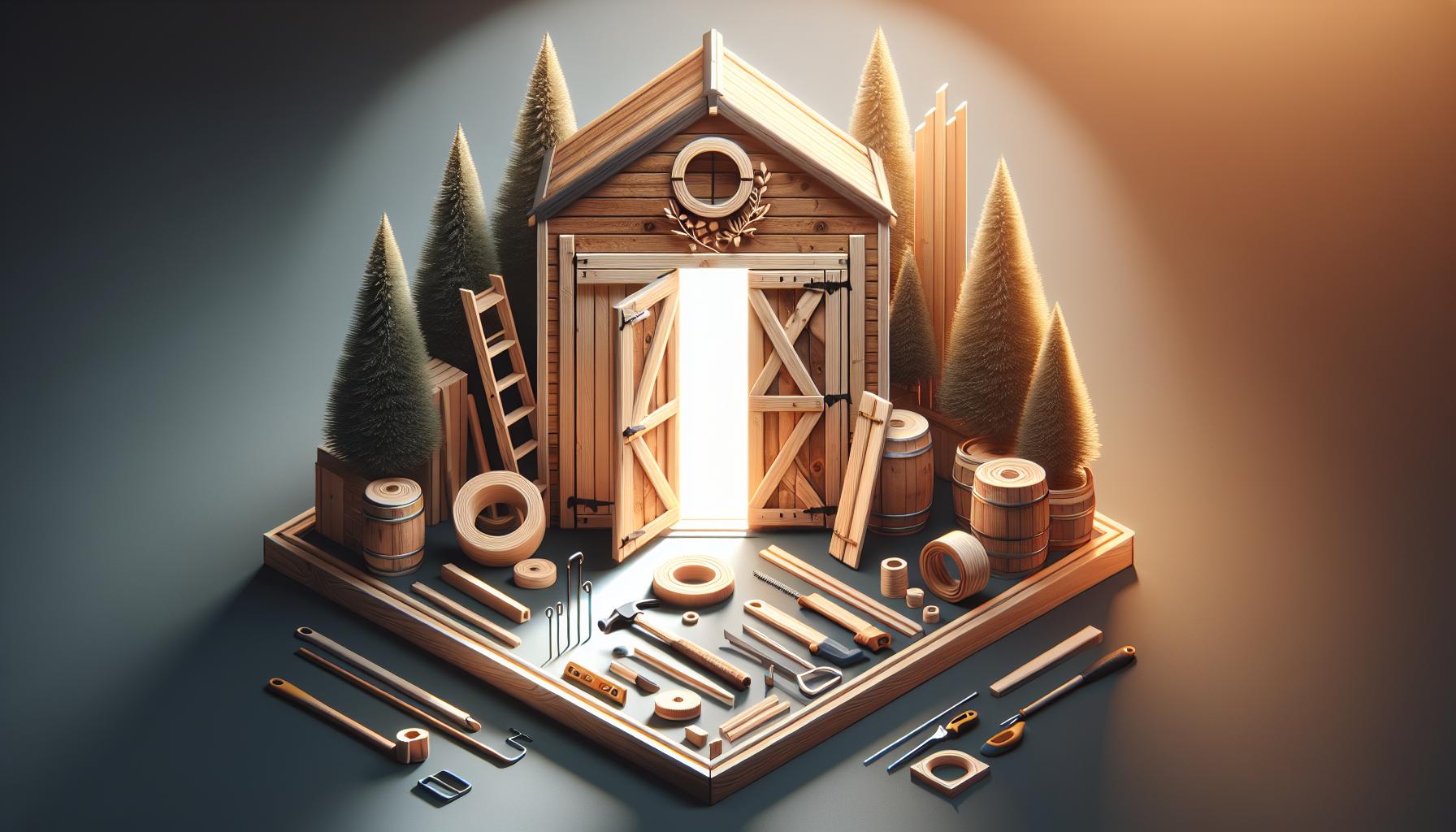
creating a functional and durable shed door is essential not only for secure storage but also for weatherproofing your shed. Understanding the principles of shed door design can transform a simple structure into a reliable entryway. when embarking on a project like this, you want to ensure that your door withstands the elements while providing ease of use, making the design process crucial.
Key Elements in Shed Door Design
To craft a sturdy and weatherproof entrance, consider focusing on several core components:
- Material Selection: Choose robust materials like plywood, solid wood, or composite materials that can endure wear and moisture. Each has its pros and cons,with solid wood offering superior durability and aesthetics.
- Frame Structure: A proper frame is vital for stability.Employ a rectangular frame with vertical and horizontal supports to prevent warping. The use of diagonal bracing can enhance structural strength.
- Hinging Mechanism: The choice of hinges can affect your door’s longevity. Heavy-duty, weather-resistant hinges are ideal for enduring frequent use and harsh conditions.
- Weather Sealing: Incorporate weather stripping or a threshold to keep rain and pests out. This step is crucial for maintaining the integrity of your stored items.
Design Variety
Shed doors can take on various designs, from simplistic to more complex styles.Common options include:
- Single Doors: Easy to install and operate, suitable for most needs.
- Double Doors: Great for large equipment; they allow wider access but require more space.
- Sliding Doors: Optimal for tight spaces where swinging doors may be obstructive.
When deciding on a design, consider both your aesthetic preferences and the functional requirements of your shed.
Practical steps for Building a Shed Door
Once you understand the design basics,follow these actionable steps tailored for durability:
1. Measure the door opening to ensure a proper fit.
2.Construct the frame using treated lumber to prevent rot.
3. Attach the door panels securely, making sure they align correctly.
4. Install hinges based on the weight and style of the door, ensuring that they are mounted correctly for smooth operation.
5. finish with weatherproof paint or sealant to extend the lifespan of your door.By mastering the basics of shed door design, you can ensure that your installation aligns with best practices for safety and functionality, ultimately enhancing the usability and protection of your shed. Whether you’re interested in how to build a shed door yourself or seeking methods to improve an existing setup,these insights pave the way for a successful project.
Choosing the Right Materials for Durability and Weather Resistance
choosing the right materials is crucial when constructing a shed door, notably if you want it to withstand the elements and retain its structural integrity over time. the selection of durable and weather-resistant materials can mean the difference between a long-lasting entrance that serves its purpose and one that requires frequent repairs or replacements. With various options available,it’s essential to understand these materials’ properties and applications in building a robust and weatherproof door.
Wood: A Classic Choice
Although wood has been a traditional choice for shed doors, not all types of wood are created equal in terms of durability and weather resistance. For example, using hardwoods like oak or mahogany can provide exceptional strength, whereas softwoods such as pine may require more maintenance due to thier susceptibility to warping and damage from pests. to elevate the longevity of wood doors, consider utilizing pressure-treated wood or applying waterproof sealants. These treatments can definitely help mitigate moisture absorption, thus reducing the risk of rot and decay common in untreated wood.
Composite Materials
Another excellent option for crafting sturdy and weatherproof shed doors is composite materials.Composite doors combine wood fibers and synthetic materials, offering exceptional resistance to moisture and temperature fluctuations. These doors tend to retain their shape and do not split or warp as natural wood might. Additionally, they often come with finishes that resist fading and can withstand UV exposure, making them ideal for outdoor applications.
Metal Options for Maximum Durability
For maximum durability and security,consider using metal materials such as steel or aluminum. Steel doors provide superior strength and resistance to both physical damage and weather-related wear. They require little maintenance and can be treated with coatings to prevent rust and corrosion.Aluminum doors are lightweight and resistant to rust, making them an excellent choice for those in coastal areas prone to moisture and salt exposure. When employing metal in your shed door design, ensure you add insulation if you’re concerned about heat retention or internal humidity.
Choosing the Right Hardware
The durability of your shed door isn’t just about the main panel material; the hardware plays a critical role as well.invest in rust-resistant hinges,locks,and handles that can withstand outdoor conditions.Look for galvanized or stainless-steel options to avoid rusting and additional maintenance.installing heavy-duty hardware will ensure that your door remains functional and secure, enhancing its overall durability.
the selection of materials for your shed door should prioritize durability and weather resistance, allowing you to enjoy a reliable entrance for years to come. By considering wood, composites, and metals, as well as robust hardware, you can effectively build a door that not only meets functional needs but also withstands the rigors of outdoor conditions.
Step-by-Step Guide to Measuring and Cutting Door Components

To create a shed door that stands the test of time, precise measurements and cutting techniques are essential. If you’re looking to build a sturdy, weatherproof entrance for your shed, understanding the measurements is your first step toward success. Not only will accurate dimensions ensure that your door fits snugly within the frame, but they also maximize durability and weather resistance, helping maintain the integrity of your shed’s contents.
Gathering Your Tools and materials
Before you dive into the measuring and cutting process, ensure you have the right tools at your disposal. Here’s a swift list:
- Tape measure
- Square
- Pencil for marking
- Circular saw or miter saw
- Safety goggles and hearing protection
Having these tools will help streamline your project and ensure precision in every cut.
Measuring Your Door Components
Start by measuring the opening where the door will be installed. Here’s how to do it effectively:
- Width and Height: Measure the width and height of the doorframe at three points – top, middle, and bottom for width, and left, centre, and right for height. use the smallest measurement as your final dimension to ensure a proper fit.
- Space for Hardware: Consider any hinges or locking mechanisms you will need. Leave extra space as needed for these fittings.
- Thickness of the Door: Typically, shed doors range from 1 to 1.5 inches in thickness. Select a thickness that balances sturdiness with ease of installation.
Cutting the Components
Once you have your measurements, it’s time to cut your materials:
Use exterior-grade plywood for the door panel because of its durability and resistance to the elements.
If you’re constructing a framed door, utilize 2×4 or 2×6 lumber for the frame. Here’s a recommended setup for cutting:
| Part | Dimensions |
|---|---|
| Door Panel | Width: [Final Width] x Height: [Final Height] |
| Top and bottom Frame | Width: [Final Width] – 2.5″ (for 2×4 width) x Height: 3.5″ |
| Side Frames | Height: [Final Height] x Width: 3.5″ |
Use your saw to carefully cut the plywood and lumber according to your measurements. Remember to wear safety equipment during this process for protection.
the foundation of a well-crafted shed door lies in meticulous measuring and cutting. This not only improves aesthetics but ensures that your door withstands the elements, contributing to a long-lasting and functional shed.By mastering these steps, you’re well on your way to successfully building a door that complements and protects your shed.
Essential Hardware: Hinges, Latches, and Locks Explained
Building a shed door that not only looks great but also withstands the elements and provides security is crucial for any outdoor project. Essential hardware, including hinges, latches, and locks, plays a vital role in achieving a durable and functional entrance. Selecting the right components can greatly enhance the longevity and reliability of your shed door, ensuring that it serves its purpose effectively.
Hinges
Hinges are one of the most critical components in any door assembly, allowing the door to swing smoothly while supporting its weight. When choosing hinges for your shed, consider using heavy-duty options that are made from rust-resistant materials, particularly if your shed will face harsh weather conditions. An ideal choice would be galvanized steel or stainless steel hinges, which can prevent deterioration over time.
- Types of Hinges: Piano hinges, strap hinges, and T-hinges are popular choices for shed doors.
- Installation Tips: Ensure that hinges are securely attached to both the shed frame and the door itself; typically, three hinges work well for standard doors, while larger doors may need four or more.
Latches
latches help to keep the door securely closed while providing ease of access. A variety of latch types are available, each suited for different levels of security and convenience. For most shed doors, a sliding bolt or a hasp latch is recommended because of their simplicity and reliability. Additionally, consider using a double-headed latch for added security, especially if your shed contains valuable tools or equipment.
- Performance: Choose latches that can withstand repeated use and are easy to operate.
- Accessibility: Ensure they are mounted at a comfortable height to facilitate easy access without compromising security.
Locks
Securing your shed is paramount, particularly if it stores valuable items. A good lock not only protects your belongings but also deters unauthorized access. Consider a heavy-duty padlock for its versatility, or a built-in deadbolt for greater security. Always look for locks that are rated for outdoor use to ensure they resist rust and wear.
| Lock Type | Security Level | Recommended Use |
|---|---|---|
| Padlock | Medium | General use with easy accessibility |
| Deadbolt | High | Maximum security for valuable items |
| Combination Lock | Medium | Keyless entry for frequent use |
Incorporating quality hinges, latches, and locks is essential when learning how to build a shed door that is not only sturdy but also weatherproof. by choosing the right components, you ensure that your door is functional and secure, enhancing the overall durability of your shed. Remember to assess your specific needs and the environment in which your shed will be placed to select the best hardware options.
techniques for Constructing a Sturdy Shed Door Frame
Constructing a sturdy shed door frame is essential for ensuring durability and functionality, particularly if you want your shed doors to withstand harsh weather conditions and frequent use. A well-constructed door frame not only supports the door itself but also contributes to the overall security and aesthetics of your outdoor structure. To achieve this, consider implementing various techniques that prioritize strength and stability.
Key Techniques for Building a Strong Door Frame
One of the foundational elements in building a robust door frame is using high-quality materials. Opt for pressure-treated lumber for the frame, as it resists decay and moisture, which are common in outdoor installations. additionally, utilizing thicker lumber, such as 2x4s, for both the vertical stiles and horizontal rails can significantly enhance structural integrity. Proper alignment is crucial; ensure everything is square during assembly to avoid future issues with door alignment and operation.
Another critical technique is to incorporate cross-bracing into the design. This involves adding diagonal supports between the stiles and rails, which helps to prevent racking (a distortion that can occur when the frame is subjected to lateral forces). Use plywood or OSB for the bracing, and anchor it securely with screws or nails. The diagram below shows a typical bracing configuration:
| Bracing Position | Description |
|---|---|
| Diagonal Bracing | Placed from a top corner to the opposite bottom corner, providing maximum support. |
| X-bracing | Two diagonal braces that cross in the middle, reinforcing the frame against lateral movement. |
Finishing Touches for Weather Resistance
To further enhance the weatherproof qualities of your shed door frame, consider sealing the wood with a high-quality exterior-grade paint or stain. This not only protects against moisture but also adds an aesthetic touch to your shed. Don’t forget about the hinges; choose heavy-duty, rust-resistant options that can handle the weight and stress of frequent use. Proper installation of these hinges, spaced appropriately along the vertical edge of the door, will ensure smooth operation and prevent sagging over time.
By employing these techniques, you’re not just building a door frame; you’re crafting a vital component of a sturdy, weatherproof entrance to your shed that will stand the test of time. Following these best practices makes the process of building a shed door a rewarding experience, leading to a structure that meets your needs and enhances your property’s value.
Weatherproofing Your Shed door: Tips for Long-Lasting protection
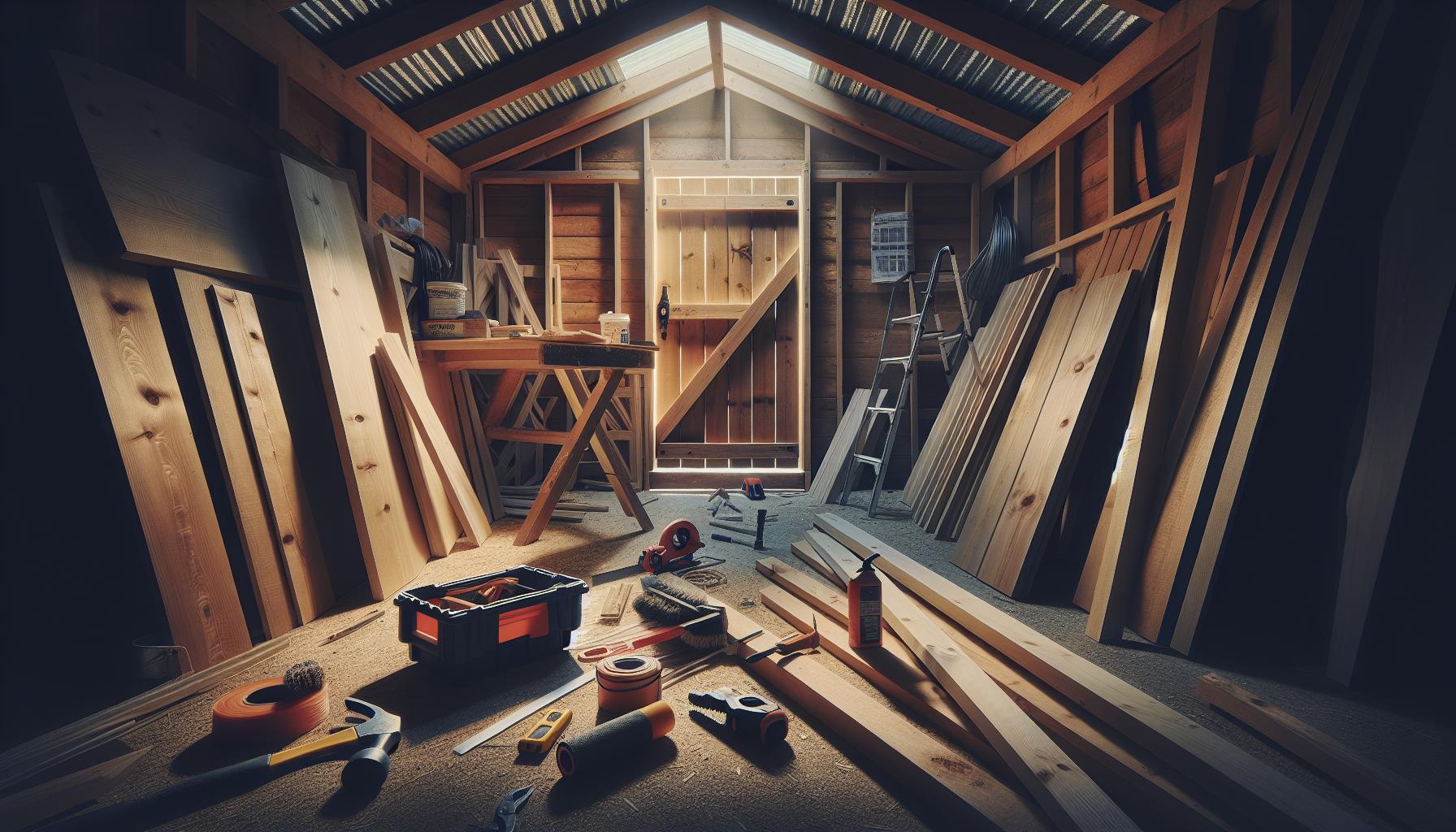
To ensure that your shed remains a reliable and dry storage space, effective weatherproofing of your shed door is essential. Many homeowners overlook this critical aspect during the construction process, but by focusing on proper sealing and protection, you can significantly extend the life of your shed and its contents. Remember,a well-crafted door not only adds aesthetic value but also fortifies your shed against harsh weather conditions.
sealing Gaps and Cracks
The first step in weatherproofing is to meticulously inspect your shed door for gaps and cracks.These can allow moisture and cold air to infiltrate,potentially damaging your stored items.Use high-quality caulk to fill small gaps, ensuring a tight seal. For larger openings, consider using expanding foam insulation, which can provide a more robust barrier. When applying these materials, be sure to smooth and finish edges for a clean look.
Enhancing Structural Stability
Adding structural supports can also enhance the weather resistance of your shed door. Reinforcing the frame with 1x material can serve dual purposes: it acts as a stop and a weather barrier. This not only adds stability but increases security. Additionally, installing a heavy door sweep or threshold can further prevent water from seeping in from below. Choose materials that are resistant to rot and moisture, such as treated wood or metal.
Proper Drainage and Ventilation
It’s also crucial to think about the environment surrounding your shed. Ensure that the ground is sloped away from the door to prevent pooling water. Installation of gutter systems can also redirect rainwater away from the shed. Furthermore, having proper ventilation will reduce humidity levels inside, preventing mold and mildew. Consider using vents that allow airflow while keeping insects and pests at bay.
By tackling these weatherproofing tips and integrating them into the process of how to build a shed door, you’ll not only create a sturdy entrance but also ensure that your storage space withstands the elements for years to come. Prioritizing these elements during your construction will save you time, money, and hassle down the line.
Common Mistakes to Avoid When Building a Shed Door
An extraordinary shed door is not only a vital functional element but also a focal point of your entire structure. Yet, many DIY enthusiasts stumble through common pitfalls when crafting these essential entrances. By being aware of frequent errors, you can ensure your door is both sturdy and aesthetically pleasing, embodying the principles outlined in guides on building a shed door successfully.
Neglecting Accurate Measurements
One of the primary errors that can lead to a frustrating building process is poor measurement. Accurate dimensions are paramount. It may seem straightforward, but miscalculations can result in a door that doesn’t fit properly or, worse, doesn’t latch correctly. Always double-check your measurements and keep a reminder handy about the importance of measuring twice before cutting once.
Overlooking Material Selection
The materials chosen can significantly impact the longevity and functionality of your shed door. It’s tempting to use whatever is on hand, but using subpar materials often leads to future repairs or even complete replacement. Opt for weather-resistant materials, such as treated lumber or composite options, which can endure the elements better than untreated wood. This choice aligns with the strategies on crafting durable, weatherproof entrances.
Ignoring Proper Strapping Techniques
Without adequate reinforcements, your door can warp or bend over time. Proper strapping is critical for maintaining a door’s integrity. Many builders neglect this step, thinking it’s an unnecessary hassle. Though, employing diagonal bracing or using metal straps can add crucial support and prevent sagging, enhancing the door’s aesthetics and functionality.
Failure to Consider the Doorframe
A common mistake is not accounting for the doorframe during the planning and construction phases. The frame must be square and sturdy to support the weight of the door; otherwise, alignment issues can arise. When building your frame, be sure to use level and square tools to guarantee that everything is straight and aligned, which supports smooth operation of the door.
By avoiding these common pitfalls when constructing your shed door, you can ensure a robust entryway that not only performs well but adds to the overall appeal of your shed. Prioritize measurements, material choices, reinforcement techniques, and frame integrity to experience the satisfaction of a well-built project. Following these guidelines will certainly enhance your understanding and execution of how to create sturdy, weatherproof entrances.
Finishing Touches: Painting and Sealing for Enhanced Longevity
To ensure that your shed door not only looks great but also stands the test of time, the final strokes of paint and the right sealing application are crucial. A well-finished door can resist weather damage, prolonging its lifespan while enhancing its visual appeal. Using quality paints and proper sealing techniques is key to achieving a weatherproof and durable entrance, perfect for those who have invested time and effort into crafting sturdy structures.
Selecting the Right Paint
Choosing the appropriate paint is the first step in this process. Opt for exterior-grade paints that can withstand the elements without fading or peeling. Look for products labeled as weather-resistant or specifically designed for outdoor projects. When applying paint, consider the following tips to maximize effectiveness:
- Surface Preparation: Ensure the door surface is clean, dry, and free from old paint or debris.
- Priming: Use a primer suitable for exterior surfaces to create a solid base for the paint.
- Multiple Coats: Apply at least two coats of paint for optimal coverage and protection.
Sealing for Added Protection
After painting, sealing your shed door is essential to increase its durability. A suitable sealer acts as a barrier against moisture and UV rays, essential for maintaining the integrity of the wood. Here are some effective sealing options to consider:
| Type of sealer | Application method | Benefits |
|---|---|---|
| Water-Based Polyurethane | Brush or spray | Quick-drying, low odor, and easy to clean up. |
| Oil-Based Varnish | Brush | Provides a robust, protective layer; ideal for darker finishes. |
| Exterior Wood Sealant | Roller or brush | Penetrates deeply for excellent moisture resistance. |
By carefully selecting paint and sealants tailored to outdoor use, not only will your shed door resist the wear and tear from the elements, but it will also stand out as a lovely, weatherproof entrance that showcases your craftsmanship. Remember, the time spent on finishing touches can significantly enhance the performance and aesthetics of your project.
Faq
How to Build a Shed Door: Craft Sturdy, Weatherproof Entrances?
Building a sturdy, weatherproof shed door involves selecting the right materials, precise measurements, and basic tools. Start with high-quality wood like cedar or pressure-treated lumber, and ensure proper sealing to resist moisture and weather damage.
When constructing your door, consider the dimensions of your shed opening to ensure a perfect fit. reinforcement with cross braces can enhance stability. Additionally, treating the wood with a weather-resistant finish adds an extra layer of protection, making your door long-lasting.
What materials do I need to build a shed door?
to build a shed door, you’ll need quality lumber, hinges, a doorknob, and weatherproofing materials like sealant or paint. Standard dimensions for a door are typically 36 inches wide by 80 inches tall, but adjust based on your shed’s specifications.
Along with the main materials, tools such as saws, drills, and measuring tape are essential for accurate cuts and assembly. Using galvanised or stainless steel hardware is recommended to prevent rusting and ensure longevity.
Can I install a shed door myself?
Yes, you can install a shed door yourself with the right tools and a little DIY knowledge. By following detailed guidelines,you can create an entrance that meets your needs without hiring a professional.
Start by carefully measuring your shed’s door frame. Once you’ve cut and assembled the door, proper hinging is crucial for functionality. Consider watching instructional videos or reading guides for visual assistance with the steps involved in installing the door.
how do I ensure my shed door is weatherproof?
To ensure your shed door is weatherproof, use quality sealants and weather stripping around the edges. Painting the door with moisture-resistant paint also helps protect it from rain and humidity.
Regular maintenance is key, so check your door’s condition periodically. Reapplying paint or sealant as needed will prolong its lifespan and keep the elements at bay. Additional features like a sloped roof over the door can also direct water away from it.
what is the best design for a shed door?
The best design for a shed door often depends on its intended use. A double door is ideal for larger items, while a single, panel door works for everyday access.
Consider decorative elements that enhance the shed’s aesthetic,like windows or cross-bracing patterns. ensure whatever design you choose complements the shed’s structure while maintaining functionality and ease of use.
Why does my shed door keep sticking?
A sticking shed door is usually caused by moisture or misalignment. Over time, wood can warp, particularly if not treated properly with weather-resistant finishes.
Regularly inspect the hinges and ensure they are lubricated. If the door is sticking due to warping, adjustments may be needed, such as planing down the edges or realigning the door within the frame.
How can I make my shed door more secure?
To make your shed door more secure, add high-quality locks and reinforcing features like deadbolts. Consider installing a padlock or hasp for added security.
Building a solid door with heavy-duty materials enhances security as well. Reinforcing the door with additional bracing or using security hinges can deter potential intruders.
in Retrospect
Now that you’ve explored how to build a sturdy and weatherproof shed door, you have the foundational knowledge and skills necessary to take on this rewarding project. Remember to select quality materials, such as durable wood and weather-resistant hardware, to enhance the longevity of your doors. Pay attention to precise measurements and robust construction techniques to ensure a seamless fit and functionality.
as you embark on your DIY journey, embrace the challenge and don’t hesitate to seek solutions to any hurdles you encounter. Whether you’re a beginner or a seasoned craftsman,there’s always room for learning and enhancement. With practice and patience, you’ll not only craft a functional entrance but also develop valuable skills that can elevate your future woodworking projects.
For more inspiration and detailed guidance, continue exploring related resources and communities that share your passion. Engage with fellow DIYers, share your experiences, and discover new tips and tricks to enhance your craftsmanship. Happy building!
Get our latest guides, news, and insights highlighted in your Google Search & AI Overviews.


