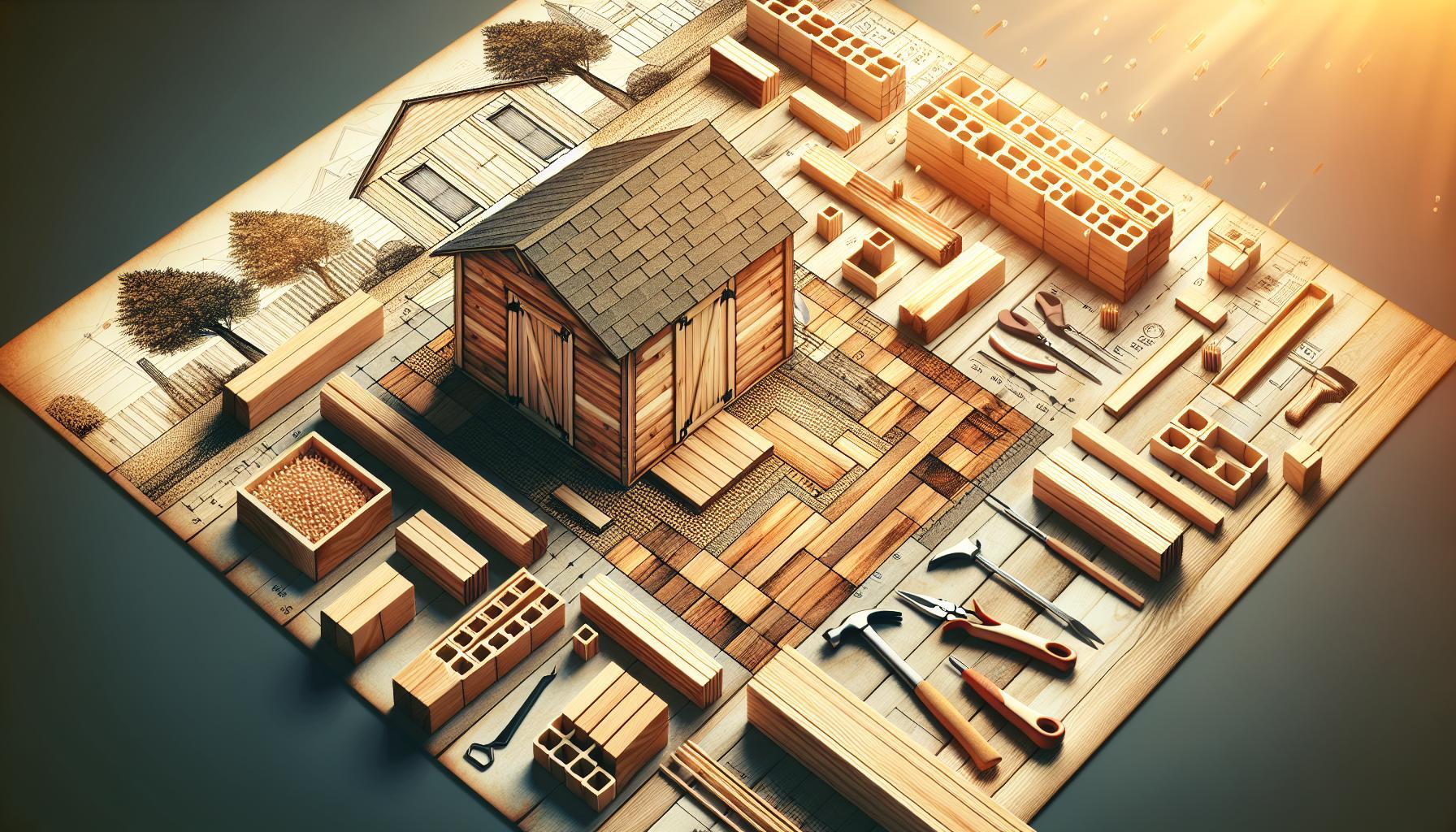

Are you tired of uneven ground ruining your shed’s stability? Creating a solid foundation is crucial for any outdoor structure, and using deck blocks is one of the simplest methods. In this guide, we’ll walk you through a fast and easy way to build a reliable shed base that lasts.
Understanding the Importance of a Strong Shed base

A solid foundation is the backbone of any structure, and this holds especially true for your shed. Without a well-constructed base, even the most beautifully crafted shed can succumb to issues like uneven settling, moisture damage, and unwanted pests. This is where understanding how to build a shed base with deck blocks becomes essential in ensuring the longevity and functionality of your outdoor storage solutions.
When considering the importance of a strong shed base, think of it as creating a protective buffer against the elements. A robust foundation elevates the shed above ground level, minimizing contact with moisture and preventing rot, which can be especially damaging in damp climates. Furthermore, a level base ensures that your shed remains stable and secure, reducing the risk of structural issues that can arise from an unbalanced foundation.
benefits of a Quality Shed Base
- prevents Moisture Damage: By establishing a barrier between the ground and your shed, you can significantly reduce the risk of water infiltration that leads to mold and decay.
- Enhances Stability: A proper base allows the structure to support its own weight evenly, which is crucial for durability.
- Encourages Pest Control: Elevating the shed with a solid foundation decreases the likelihood of pests making a home underneath, such as rodents or insects.
- Simplifies Maintainance: A well-laid base enhances accessibility for cleaning and repairs, ensuring that upkeep tasks can be performed with ease.
additionally, constructing a shed base using deck blocks is not only quick and easy but also cost-effective. This method allows homeowners to achieve a sturdy foundation without the need for extensive excavation or pouring concrete,making it a popular choice for DIY enthusiasts. Embracing the principles outlined in the guide on how to build a shed base with deck blocks can streamline the assembly process,ensuring that you can enjoy the benefits of your new shed sooner rather than later.
Shed Base Construction Considerations
before you begin your shed-building project, consider the following:
| Consideration | Importance |
|---|---|
| Location | Choose a well-drained area, away from trees that could drop debris. |
| Material Selection | Deck blocks are ideal due to their ease of installation and durability. |
| Leveling | A level base is essential for the stability of your shed and prevents structural issues. |
| Size | Ensure the base is slightly larger than the shed dimensions for optimal support. |
By investing time and effort into laying a strong shed base, you truly create a lasting and functional space. as you explore the methods shared in the ‘How to Build a Shed Base with Deck Blocks: quick & Easy Foundation Guide,’ remember the critical role that your foundation plays in the overall success and longevity of your shed project.
Choosing the Right Deck Blocks for Your Project
When it comes to building a solid foundation for your shed, choosing the right deck blocks is crucial. These concrete blocks serve as a reliable base that can significantly contribute to your structure’s stability and longevity. With various options available on the market, understanding their specifications and suitability for your project can make a significant difference in your build’s overall success.
Types of Deck Blocks
Deck blocks come in different sizes and shapes, which can affect their load capacity and suitability for your specific project. Here are some common dimensions you’ll encounter:
- 10-3/4 in. x 10-3/4 in. x 7-3/4 in. – This size is ideal for lighter structures and can provide a classic aesthetic.Many prefer these for smaller sheds or garden structures [[1]](https://www.homedepot.com/p/10-3-4-in-x-10-3-4-in-x-7-3-4-in-Concrete-Deck-Block-100002709/204827028).
- 7 in. x 11 in. – A slightly larger option that allows for additional support, making it suitable for medium-sized sheds. These blocks are designed to accept dimensional lumber without the need for extensive leveling [[2]](https://www.lowes.com/pd/Common-7-in-x-11-in-x-11-in-Actual-7-125-in-x-10-375-in-x-10-375-in-Concrete-Deck-Block/50113084).
Factors to Consider
When selecting the right deck blocks for your shed, consider the following factors:
- Load Distribution: Ensure that the blocks can adequately support the weight of your shed along with additional loads like snowfall or heavy equipment.
- Location: Consider the soil type and environmental factors (e.g., moisture levels) where you intend to place your shed, as some blocks may perform better under specific conditions.
- Ease of Installation: Some blocks are designed to facilitate a straightforward installation process, reducing labor time and effort.
Practical tips
For a triumphant installation, it’s essential to:
– Level the ground where your deck blocks will sit to ensure stability and prevent settling over time.
– use a combination of blocks and other foundational materials if your project requires it; for example, cinder blocks can offer additional support in certain areas [[3]](https://www.homedepot.com/b/Building-Materials-Concrete-Cement-Masonry-Cinder-Blocks/Deck-Block/N-5yc1vZcdpeZ1z0mra0).
– Always check local building codes and consult professionals if you’re unsure about the requirements or if you’re dealing with heavy-load structures.
By carefully assessing these factors and selecting the appropriate type of deck blocks, you’ll lay a strong and reliable foundation for your shed, ensuring it lasts for years to come. This approach not only aligns with effective practices on how to build a shed base with deck blocks but also enhances your overall construction experience.
Step-by-Step guide: Preparing Your Site for Deck Blocks

Before diving into the construction process, it’s essential to lay a solid foundation for your shed. While many homeowners overlook this step, preparing your site properly can significantly enhance the longevity and stability of your shed base built with deck blocks. A well-prepared site not only ensures a sturdy foundation but also saves you time and money in the long run,reducing the need for repairs or adjustments down the line.
Assess the Area
Your first step should be to evaluate the chosen location for your shed. Look for an area that is free from debris,vegetation,and any existing structures. Consider the following factors:
- Drainage: Ensure the site has good drainage to prevent water pooling around your shed.
- Sunlight: Think about whether your shed will receive adequate sunlight, which is notable for limiting moisture accumulation.
- Accessibility: Make sure the area is easy to access for both construction and future use.
Once you’ve found the ideal location, mark the perimeter of your shed. This will help you visualize the space and ensure you have ample clearance for both construction and maintenance.
Clear and Level the Site
After assessing the area, it’s time to prepare the site by clearing any grass, rocks, or debris within the marked perimeter. You can use a shovel and rake or,for larger areas,a sod cutter or heavy-duty equipment may be warranted.Once cleared, leveling the ground is critical for stability.
- Use a Level: After clearing the site, use a long level or a leveling board to identify any high spots or dips.
- Add Fill Material: For low areas, add fill material (such as gravel or soil) to create a flat and stable surface.
- Compact the Ground: Use a tamper or plate compactor to ensure that the ground is well-packed, which will provide excellent support for your deck blocks.
When preparing your shed base, it’s important to check that the area is perfectly level before proceeding further. A slight unevenness can led to potential structural issues later.
Create a Foundation Layout
With the site leveled, it’s time to define where your deck blocks will be placed. here’s how to do it effectively:
- Mark Your Corners: Use stakes to mark each corner of the shed.
- Measure Diagonally: Confirm the layout by measuring diagonally between corners to ensure the structure is squared.
- Determine Block Placement: generally, deck blocks should be placed about every 4 feet along the perimeter and in the middle for larger sheds.
| Block Placement Guidelines | Recommended Distance |
|---|---|
| Corner Blocks | 4 feet apart |
| Middle Supports (for larger sheds) | Every 4 feet |
| Centre Support Blocks | Every 8-10 feet |
By carefully planning the block layout, you ensure a stable base for your shed, allowing it to withstand both environmental stressors and time. This attention to detail will be invaluable when it comes to constructing your shed—a crucial aspect of how to build a shed base with deck blocks effectively.
Proper Spacing and Alignment: Ensuring Stability
Establishing a solid base for your shed is paramount to ensuring its longevity and stability. Anyone can build a shed, but constructing a robust foundation requires attention to detail, particularly in spreading and aligning deck blocks correctly. When your shed rests on uneven ground, or if the blocks are misaligned, you risk structural problems that could lead to costly repairs down the line.
To achieve optimal results when creating your shed foundation, consider these key practices regarding spacing and alignment:
block Spacing Guidelines
Proper spacing of deck blocks not only offers sufficient support for your shed but also ensures a level surface.Uniform distribution is essential, so be mindful of these approximate measurements:
- Space deck blocks 4 feet apart in both directions: This avoids concentrated loads on any one block.
- Avoid excessive gaps: Ensure that the distance between the blocks does not exceed 5 feet for larger structures.
Alignment Tips for Stability
Once your deck blocks are spaced correctly, it’s critical to ensure they’re aligned properly.Misalignment can lead to significant stability issues that may compromise the entire structure. here’s how to align your blocks effectively:
- Use a String Line: Stretch a string line or a strong rope between two stakes driven into the ground at both ends of your planned base. This serves as a straight reference line.
- Check Level: Utilize a carpenter’s level to confirm that every deck block is flush with the string line. Adjust the height of each block as necessary to maintain evenness across the base.
- double-Check Dimensions: Measure the distance between blocks in every direction.A simple measurement can reveal discrepancies in your layout, allowing for adjustments before you proceed further.
Keeping your blocks consistently stable is foundational for the success of your project. Remember to revisit these spacing and alignment techniques while you construct your shed base, reinforcing the principles found in the extensive guide on how to build a shed base with deck blocks. A careful approach today can save significant time and money in the future, ensuring your shed remains steadfast against the elements.
Dealing with Common Ground Challenges

When embarking on the journey of constructing a shed base using deck blocks, it’s imperative to address the common ground challenges that may arise along the way. Ground readiness is not simply about laying down blocks; it involves meticulous planning and execution. Factors such as uneven terrain, soil composition, and water drainage can significantly impact the stability and longevity of your shed foundation. Understanding and overcoming these challenges ensures your project is built on a solid foundation – quiet literally.
Identifying Uneven Terrain
An uneven ground surface can lead to a wobbly shed,which may compromise its structural integrity over time. To avoid this, start by evaluating the area where you plan to place your shed. Use a level to check for slope and dips. If you encounter any irregularities, consider these actionable steps:
- Clear the Area: Remove any debris, foliage, or existing structures that could interfere with your measurements.
- Grade the Ground: For minor slopes, you can level the area using a shovel or rake. For more significant deviations, consider using a tamper or even hiring a contractor for grading.
- Retaining Walls: If the slope is steep, building retaining walls can help stabilize the surrounding soil and prevent erosion.
Soil Composition and Drainage
The type of soil plays a crucial role in the shed’s foundation. Clay, sand, and loam all behave differently under moisture stress, affecting the sturdiness of your deck block setup. Conducting a simple soil test can guide your approach:
| Soil Type | Behavior | Recommended Action |
|---|---|---|
| Clay | Expands when wet, shrinks when dry | Add gravel base for drainage |
| Sand | Drains well but unstable | Add pavers or sand stabilization |
| Loam | Good balance, holds moisture | Standard leveling for deck blocks |
By understanding your soil and addressing its unique characteristics, you create a much more reliable foundation for your shed.
Water Drainage Considerations
Water drainage is another critical element in ensuring your shed base remains problem-free over time. Poor drainage can lead to flooding and mold issues, directly impacting not only the shed but also surrounding areas. Here are some practical strategies:
- Install a Drainage System: Depending on your region, you may need to incorporate gutters or channels to redirect water away from the shed.
- elevate the Base: Use gravel or compacted soil beneath your deck blocks to improve drainage and reduce water accumulation.
- Monitor Water Flow: After a heavy rain, take the time to observe how water interacts with your new shed base, adjusting your drainage plan as necessary.
By proactively considering these common ground challenges and applying practical solutions, you can significantly extend the life of your shed, ensuring it remains a valuable space for years to come.
Enhancing your Shed Base: Additional Tips and Tricks
When setting the foundation for your shed, the task doesn’t just stop at laying down deck blocks. A well-thought-out base can significantly enhance the longevity and usability of your shed. Implementing a few strategic improvements can elevate your structure from standard to exceptional, ensuring it stands firm against the elements and serves your needs effectively.
Choosing the Right Location
Before initiating any construction, consider the placement of your shed. The ideal spot should be:
- Level Ground: Ensure the selected area is as flat as possible to prevent any uneven shifting over time.
- Good Drainage: Position away from any boggy areas or spots where water tends to pool.
- Accessibility: Make sure the area is easily reachable for maintenance, storage, and accessibility from your home.
Reinforcing Your base
To further enhance the durability of your shed base, consider adding reinforcement techniques. As a notable example, you can use compacted gravel or crushed stone under the deck blocks to improve drainage and stability. additionally, surround the base with landscape fabric to keep weeds at bay while allowing water to pass through.
Combining Deck Blocks with Other Materials
For those looking for a more robust foundation, integrating additional materials with your deck blocks can create a stronger base. For example, you can place pressure-treated skids or timber frames on top of the deck blocks to provide extra support and improve the overall stability of the shed. here’s a simple comparison:
| Material | Benefits | Considerations |
|---|---|---|
| Deck Blocks | Quick installation, adjustable level | Ground movement can affect stability |
| Pressure-Treated Timbers | Enhanced stability and weight distribution | Higher cost, may require more maintenance |
| Gravel Base | Great drainage, minimizes weed growth | Requires labor to lay properly |
By integrating these strategies, your shed’s base will not only be easy to assemble, as outlined in “How to Build a Shed Base with deck Blocks: Quick & Easy Foundation Guide,” but also more resilient and functional over the years. taking the time to enhance your foundation can lead to a robust storage solution that withstands time and weather, ultimately fulfilling your project goals effectively.
Tools and Materials You’ll Need for Success
Creating a solid foundation for your shed is a crucial step that can determine its longevity and stability. By utilizing deck blocks, you can achieve a quick and effective base without the need for complex pouring of concrete. However, to ensure your project goes smoothly, you’ll need a handful of tools and materials that will facilitate your work while enhancing the efficiency of your efforts.
Essential Tools
Before diving into the construction process, it’s basic to gather your tools. Here’s a brief list of what you’ll need:
- Measuring Tape: Accurate measurements are key for a level and centered base.
- Level: To check that your deck blocks are even and prevent water pooling.
- Shovel: Useful for clearing the area and digging holes for the deck blocks.
- Hammer or Mallet: Essential for setting the blocks firmly into place.
- Saw: If you plan to use wood for additional supports, a circular saw or handsaw will be necessary.
- Drill: For attaching any wood support structures or securing the frame.
- Safety Gear: Always wear gloves and goggles to protect yourself during the building process.
Key Materials
Alongside tools, collecting the right materials will help you successfully establish a sturdy shed base using deck blocks.Here’s what you’ll need:
- Deck blocks: These pre-cast concrete blocks distribute the shed’s weight effectively.
- Timber or Wood Beams: For creating a frame to add extra support to your base.
- Gravel: Optional, but using gravel can improve drainage around your blocks.
- Land Fabric: Helps to prevent weeds and maintain a clean appearance under your shed.
Additional Considerations
In addition to the basic tools and materials listed, you may wont to consider the following items for a more durable shed foundation:
| Material | Purpose |
|---|---|
| Concrete Mix | For reinforcing areas needing extra stability. |
| Wooden Stakes | Use to outline the area and keep foundations aligned. |
| Plastic Sheeting | Helps with moisture control and protects wooden elements. |
By equipping yourself with these essential tools and materials, you can confidently take on the project of building a shed base with deck blocks. This preparation will not only simplify the process but will also enhance the overall quality and longevity of your shed. Whether you’re a novice or a seasoned builder, having the right items at your disposal can significantly impact your success.
Safety Precautions for a Smooth Building Experience
building a shed base using deck blocks can be an exciting DIY project,but safety should always be a priority. Proper precautions not only protect you from injury but also ensure that your construction goes off without a hitch. Before you begin, it’s essential to equip yourself with the right tools and safety gear to mitigate potential hazards associated with construction work.
Essential Safety Gear
Investing in quality safety equipment can significantly reduce the risk of accidents while building your shed base. Here are some crucial items to consider:
- Safety goggles: Protect your eyes from dust and debris.
- Work gloves: Prevent cuts and scrapes while handling tools and materials.
- Steel-toed boots: Offer foot protection against heavy objects.
- Hearing protection: Safeguard your ears when using loud power tools.
It’s important to ensure that your safety gear fits properly and is appropriate for the specific tasks you will be undertaking, as this will enhance comfort and effectiveness.
Worksite Preparation
Before breaking ground, take a moment to assess your work area. Clear away any obstacles, debris, or tripping hazards that might impede your progress. Make sure the ground is level and stable; this will not only ease the construction process but also enhance the durability of your shed’s foundation.Additionally, if you’re working with concrete or heavy materials, consider enlisting a friend’s help. Teamwork can significantly expedite the process and improve safety, allowing two people to manage the load, reducing strain on the back and preventing accidents.
Tool Safety
Understanding and respecting the tools you’ll be using is crucial for a successful build. Whether it’s a shovel, level, or power tools, always follow the manufacturer’s instructions:
- Inspect tools before use: Check for damage or wear that could lead to malfunctions.
- Use tools as intended: Avoid using inappropriate tools for tasks, as this can lead to accidents.
- Store tools safely: When not in use,keep tools in a secure place to prevent injuries or accidents.
Emergency Preparedness
Lastly,it’s wise to prepare for potential emergencies. Ensure you have a basic first aid kit on-site, complete with necessities like band-aids, antiseptic wipes, and any personal medications. Familiarize yourself with basic first aid procedures, especially for common injuries such as cuts or sprains, and keep your phone handy in case you need to call for help.
By taking these precautions and following the guidelines outlined in the “How to Build a Shed Base with Deck Blocks: Quick & Easy Foundation Guide,” you can enjoy a safer, smoother building experience while creating a sturdy foundation for your new shed.
FAQ
How to Build a Shed Base with Deck Blocks?
To build a shed base with deck blocks,lay out the blocks in a grid pattern,ensuring they are level and spaced uniformly. Use treated lumber to construct a frame atop the blocks for a sturdy foundation. This method is quick and easy.
First, determine the shed’s dimensions and layout. Mark the ground with stakes and string to outline where your deck blocks will sit. Make sure to level each block to handle your shed’s weight evenly. This foundation technique is popular for its simplicity and effectiveness in providing stability.
What is a deck block foundation?
A deck block foundation is a type of support structure made from solid concrete blocks designed to hold up wooden posts or beams. they offer a sturdy base for structures like sheds without the need for excavation or pouring concrete.
Deck blocks are designed for easy installation and can adapt to uneven ground, making them ideal for DIY projects. Unlike traditional foundations, they require less labor and resources, providing a simple solution for building a shed or deck.
Why does a shed need a solid base?
A solid base is crucial for a shed as it provides stability, prevents moisture damage, and extends the structure’s lifespan.Without a proper foundation,the shed can settle unevenly,leading to misalignment and potential structural issues.
Using methods like deck blocks ensures that your shed remains level and resilient against the elements. This preventative measure is especially important in areas with heavy rainfall where moisture can seep into the structure.
Can I build a shed base with deck blocks on uneven ground?
Yes, you can build a shed base with deck blocks on uneven ground. The design of deck blocks allows them to be adjusted and leveled individually, accommodating various terrains without significant groundwork.
This feature is particularly useful for DIYers as it eliminates the need for extensive site preparation. If the ground is excessively uneven, consider using gravel or leveling sand under the blocks for extra stability.
What tools do I need to build a shed base with deck blocks?
To build a shed base with deck blocks,you’ll need basic tools such as a level,measuring tape,shovel,and a hammer. These tools will help in accurately positioning the blocks and framing.
Additionally,you may require a saw for cutting treated lumber to frame your base and a square for making sure corners are 90 degrees. Having the right tools makes the installation process smoother,leading to a well-built foundation.
How deep do I need to dig for deck blocks?
You typically do not need to dig deep for deck blocks, as they are designed to be placed directly on the ground. Though,clearing the area of grass and debris is crucial for proper stability.
If you are in an area with particularly loose soil, you may consider digging a few inches for added support. Ensure that the blocks are level with each other to maintain uniformity across your shed base.
Do I need a permit to build a shed base with deck blocks?
Whether you need a permit varies by location and is determined by local building codes. Always check with your local municipality before starting your shed foundation project.
Some areas require permits even for temporary structures, while others may not. Consulting with your local planning department will ensure you comply with regulations and avoid potential fines.
In Summary
Building a solid shed base with deck blocks is a straightforward yet crucial step in your DIY journey. By choosing deck blocks, you’re opting for a foundation that is both easy to install and highly effective in providing the stability your shed needs.Remember to ensure that your ground is level and well-drained to avoid issues down the line. Additionally, working with deck blocks allows for quick adjustments, should you need to shift your shed in the future, making it a flexible option for any homeowner.
As you embark on this project, keep the key principles in mind: proper spacing, level alignment, and adequate grounding. Don’t be afraid to take your time; each step you master brings you closer to not just building a shed, but creating a lasting space for your tools, hobbies, or outdoor adventures.
Encouragement is essential in any DIY endeavor, and we believe that with dedication and the right resources, anyone can successfully build a shed base with deck blocks. Embrace the process, celebrate your progress, and remember that every project is an opportunity to learn and grow your skills. For further insights and tips, continue exploring our resources or reach out to our community for support. Happy building!
Get our latest guides, news, and insights highlighted in your Google Search & AI Overviews.