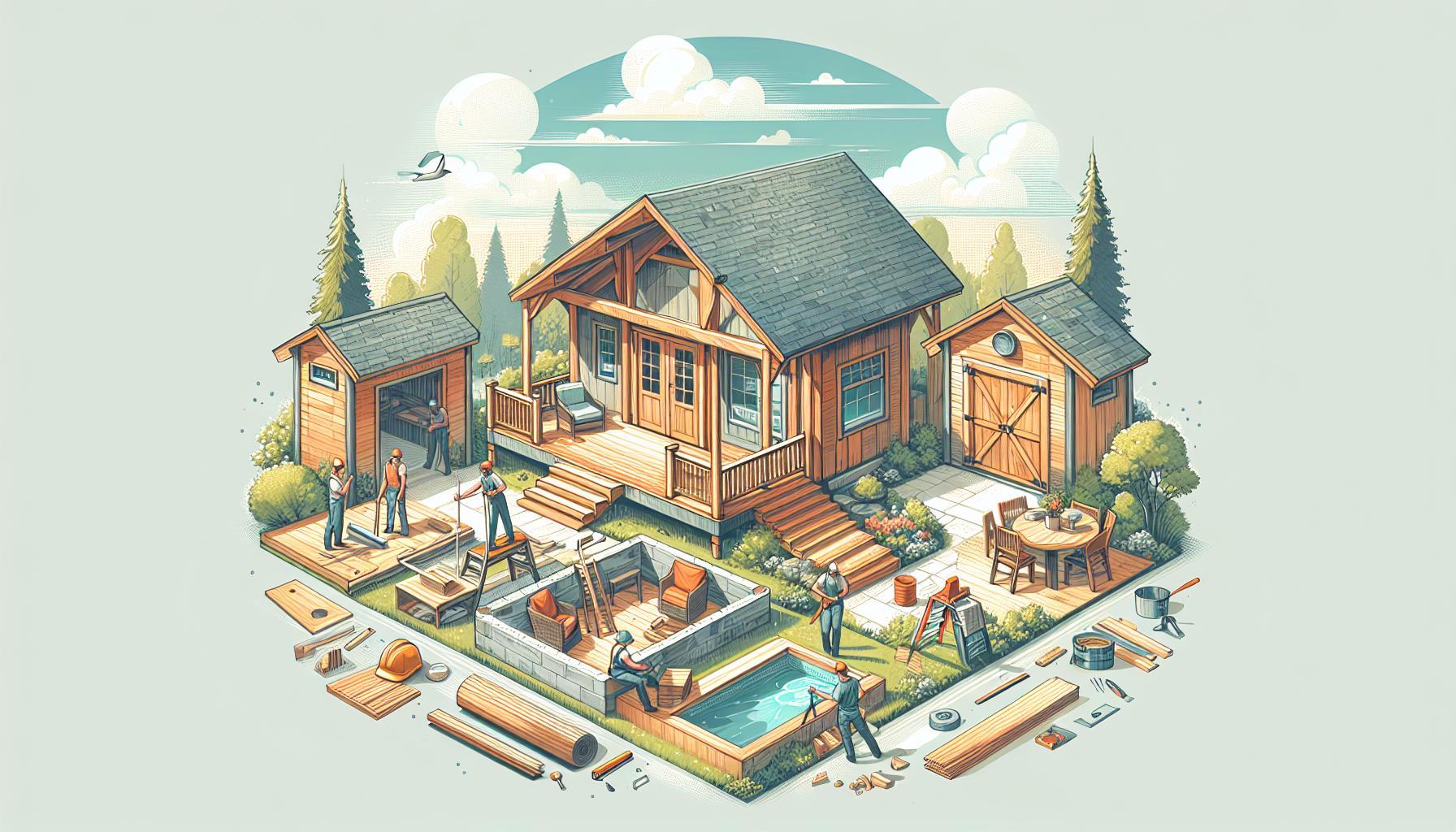
Are your gardening tools and supplies cluttering your peaceful oasis? A well-designed garden shed can transform your outdoor space, providing organization and a dedicated area for nurturing your plant paradise.in this guide, we’ll walk you through essential tips to create the perfect structure that complements your garden and enhances your gardening experience.
Choosing the Right Location for Your Garden Shed

Finding the perfect spot for your garden shed can significantly affect both its functionality and aesthetic appeal. The location you choose will determine the ease of access, how it blends in with your landscape, and its exposure to natural elements. Thoughtful planning in this aspect can enhance your gardening experience and make efficient use of your outdoor space.
Considerations for siting Your Shed
Before you decide where to place your structure, consider the following factors to optimize both your garden’s design and the shed’s utility:
- Accessibility: Ensure the shed is easy to reach, not just for you but also for any equipment you may store inside. A clear path from your home and garden areas will make transport between spaces convenient.
- Sunlight Exposure: Assess how sunlight travels across your garden throughout the day.Choose a location that provides ample light, especially if you plan to use your shed as a workspace or a potting area.
- Drainage: Avoid low-lying areas where water may accumulate. Placing your shed on slightly elevated ground can protect it from potential flooding and moisture damage, which is vital when following the steps on how to build a garden shed.
- Visibility: Decide if you wont the shed to be a focal point or to blend seamlessly into your garden. A well-placed shed can enhance your garden’s charm or function as a discreet storage solution.
Tips for Selecting the Ideal Spot
When pinpointing the ideal location, these practical tips can guide you:
- Visualize the Flow: Stand in various positions in your garden to visualize how the shed fits within the overall flow of space. Take note of sightlines and how it interacts with existing plants and structures.
- Check Local Regulations: Depending on your local zoning laws, there might be restrictions on shed placement. Reviewing these regulations beforehand can save you hassle down the road.
- Consider Future Growth: think about how plants and trees will grow over the years. Will the shade from a mature tree affect the shed? Choose a location that accommodates future changes in your garden.
- Talk with Neighbors: if you live in a community with adjoining yards, consider discussing your plans with neighbors. This will help maintain good relations and also ensure that your shed’s presence isn’t a disturbance.
When planning your paradise, remember that placement is about more than mere convenience; it can significantly enhance your gardening experience. A well-sited garden shed will provide easy access to your tools, improve efficiency, and create a harmonious surroundings where you can cultivate your botanical passions.
Deciding on the Ideal Design and Size
When it comes to building a garden shed, the significance of choosing the right design and size cannot be overstated. A well-thought-out shed serves not only as a functional space but also as a charming addition to your garden landscape, enhancing its overall aesthetic. Whether you’re looking to create a workshop for your gardening tools, a cozy nook for potting plants, or a place to store your gardening supplies, the initial decisions you make will shape the shed’s functionality and appeal.
Assessing Your Needs
Before diving into the design process, it’s essential to assess your specific needs. Ask yourself the following questions:
- What will the primary function of the shed be? (Storage,workspace,greenhouse,etc.)
- How much space do you require for your tools and materials?
- Will you need additional features like shelving, workbenches, or ventilation?
Understanding your requirements will allow you to sketch a more precise plan, ensuring that your shed serves its intended purpose without feeling cramped.
choosing the Right Size
Determining the right size for your garden shed involves a careful balance of available space and your storage needs. Here’s a simple guide to help you decide:
| Usage | Recommended Size |
|---|---|
| Basic Gardening Tools | 6×8 feet |
| Extended Gardening Supplies | 8×10 feet |
| Workspace & Tools | 10×12 feet |
| Multi-Purpose (workshop + storage) | 12×16 feet or larger |
It’s crucial to visualize the space your shed will occupy within your garden.Consider how it will interact with existing elements, like trees, paths, and other structures. Additionally, make sure to check local zoning laws or HOA regulations, as these may dictate the maximum allowable size and placement of your garden shed.
Designing for Aesthetics and Functionality
Once you have a grasp on size, it’s time to unleash your creativity by defining the design. A shed that blends seamlessly with the garden can elevate the entire area. Some popular design elements include:
- Style: Choose between rustic, modern, or traditional styles.Think about your home’s architecture for cohesive aesthetics.
- Materials: Wood often provides charm, while metal can offer durability and ease of maintenance.
- Colour: Select colors that complement your garden setting, enhancing its visual appeal.
Incorporating features like windows for natural light, decorative elements, or even a small porch can enhance both beauty and function. Remember, the goal is to create a plant paradise that not only meets your practical needs but also serves as a delightful spot to unwind among the blooms and greenery.
Essential Materials and Tools You’ll Need
Creating a garden shed is more than just assembling a structure; it’s about crafting a space that harmonizes with your gardening ambitions. A well-designed shed can transform your backyard into a plant paradise, providing storage, workspace, and creativity. To get started on this exciting project, having the right materials and tools at your disposal is crucial for ensuring durability and functionality.
Essential Materials
Your choice of materials directly impacts the longevity of your garden shed. Here’s a list of must-have items:
- Wood – Choose high-quality, treated lumber to withstand the elements. Common options include cedar or pressure-treated pine for the frame and plywood for the walls.
- Roofing Material – Select between asphalt shingles, metal roofing, or corrugated panels. Each has its pros and cons, so consider durability and aesthetic appeal.
- Flooring – If the shed will be used for tools and equipment, durable materials like plywood or composite decking will provide stability.
- Fasteners – Invest in galvanized nails and screws for resistance against rust and corrosion.
- Insulation – If you plan to use the shed year-round, consider adding insulation to keep the space comfortable and protect your plants.
Key Tools
Equipping yourself with the right tools will streamline your construction process. Here’s what you’ll need:
- Measuring Tape – Accurate measurements are vital to ensure everything fits perfectly.
- Level – A level tool helps you keep surfaces flat and properly aligned, preventing future structural issues.
- Circular Saw – This will speed up cutting wood and materials to your required lengths.
- Screwdriver or Power drill – Essential for efficient assembly, a power drill can significantly cut down on construction time.
- Square – Ensures angled cuts are precise, which is critical for corners and joints.
Additional Tools for Finishing Touches
For the aesthetic and functional aspects of your garden shed, consider incorporating these tools as you wrap up your project:
- Paint or stain – Protect your shed and add character with a weather-resistant finish.
- Landscaping Tools – Use shovels and rakes for creating a visually appealing area around your shed.
- Safety Gear – don’t forget gloves, goggles, and ear protection to keep you safe during construction.
By gathering these essential materials and tools, you’re setting the foundation for a successful garden shed project.Whether it’s a quaint tool storage location or a vibrant plant haven, the right components will help you design your plant paradise beautifully and efficiently.
step-by-Step Guide to Constructing Your Shed
When transforming your garden into a plant paradise, a well-constructed shed can serve as the ideal centerpiece for storage, potting, and gardening activities. Building your own garden shed might seem daunting,but breaking down the process into manageable steps can make it both enjoyable and rewarding. Below is a comprehensive guide to ensure that your construction journey is smooth and successful.
Planning Your Shed
Before you begin, it’s essential to have a clear plan. Start by considering the following elements:
- Size: Determine how much space you need based on the tools, plants, and equipment you plan to store.
- Design: Choose a style that complements your garden and meets your functionality needs, such as a simple lean-to or a more complex gabled roof.
- Location: Find a spot in your garden that provides accessibility yet does not obstruct other plants or structures.
- Material: Decide whether to use wood, metal, or plastic based on durability, aesthetic, and budget.
Gathering Materials and Tools
with your design in hand, it’s time to gather all necessary materials and tools. Depending on your shed’s size and complexity, your list will vary. Here’s a basic checklist to get you started:
| Materials | Tools |
|---|---|
| Pressure-treated wood or metal panels | Power drill |
| Roofing shingles or metal sheets | Saw |
| Nails and screws | Hammers |
| Concrete or masonry block (for a foundation) | Measuring tape |
| Weatherproof paint or sealant | level |
Constructing the Foundation
The foundation is crucial for the longevity of your garden shed. Start by leveling the ground at your chosen location. Depending on the materials, you may opt for a poured concrete foundation or a simple wooden frame. Ensure the base is sturdy and well-drained to prevent moisture damage over time. Here’s a simple way to create a wooden foundation:
- Lay down pressure-treated beams to form a rectangle that matches your shed’s footprint.
- Secure them together with brackets and screws.
- Fill the area with gravel to improve drainage.
Once your foundation is set, you can begin constructing the frame of your shed, following your design specifications. Keep an eye on alignment and level as you go, ensuring everything fits together seamlessly.
With careful planning, the right materials, and structured construction, you can create a garden shed that not only serves your needs but enhances the overall beauty of your outdoor space. Dive into the next steps, and soon enough, you’ll be enjoying your new gardening haven!
Tips for Adding Personal Touches and Functionality
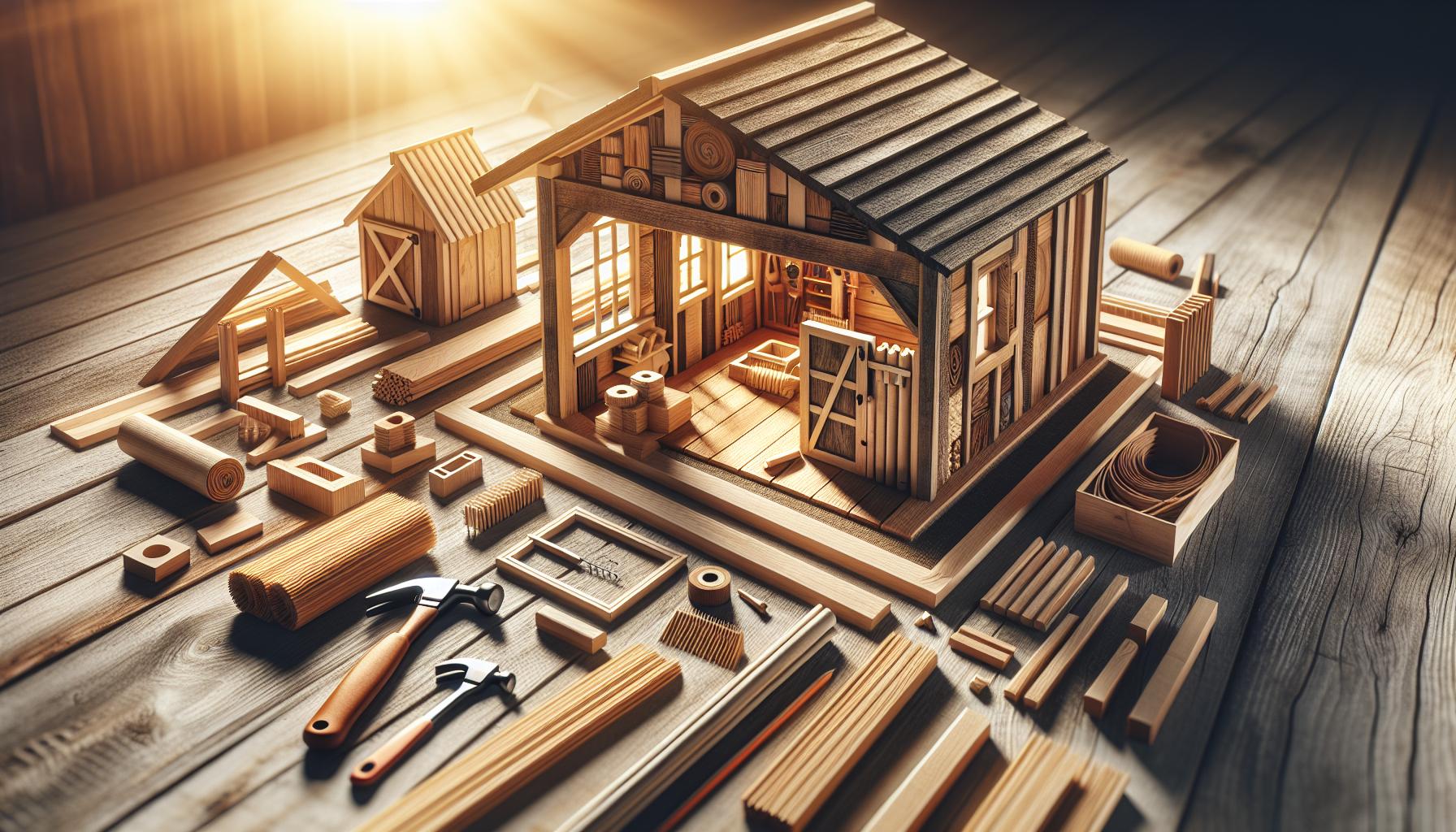
Creating a garden shed is an exciting venture that not only enhances your outdoor space but can also serve a multitude of practical purposes. By incorporating personal touches and features that reflect your style and needs, your shed can transform from a mere storage space into a vibrant oasis for gardening and relaxation. Here are some practical tips to help you achieve that perfect blend of personalization and functionality, paving the way for your very own plant paradise.
Personal Touches to Consider
Adding personal details to your garden shed helps make it reflective of your unique tastes and gardening preferences. Here are some ideas:
- Color Palette: Choose colors that complement your home and garden. Shining shades can energize the space while muted tones can create a calming atmosphere.
- Decorative Accents: Install decorative elements such as window boxes, shutters, or even garden art that resonates with your personality. A rustic sign bearing the name of your shed can also add charm.
- Lighting Options: Incorporate unique lighting fixtures, such as string lights or funky lanterns, to set the mood in the evenings. Solar-powered options are both eco-kind and practical.
- Furniture and Accessories: Include seating or a small table to create a cozy reading nook or workspace within your shed. Utilize vintage or second-hand furniture to add character.
Functional Features to Maximize Usefulness
When planning how to build a garden shed, think beyond mere aesthetics. Consider these functional additions:
- Vertical Storage Solutions: Maximize your space with wall-mounted shelves or pegboards to keep tools organized and accessible. Incorporate hooks or baskets for frequently used items.
- Multipurpose Workbench: Build a sturdy workbench that allows you to pot plants or carry out repairs. Consider adding built-in drawers for additional storage.
- Ventilation: Ensure proper airflow by incorporating windows that open or even a small fan. This is especially vital if you plan to use it as a potting shed where humidity can build up.
- Water Access: If feasible, connect a water source for easy access to watering cans or even a small sink to wash dirt off pots and tools.
Sample Layout Ideas for Inspiration
To further assist you in designing a practical and beautiful shed, here’s a simple table illustrating various layout options:
| Layout Type | Description |
|---|---|
| Potting Shed | Focuses on a large workbench, shelving for pots and soil, and plenty of natural light. |
| Garden Office | Includes desks for gardening plans, a small seating area, and storage for books and gardening supplies. |
| Tool Shed | Maximizes vertical space with wall-mounted storage, including a work surface for small repairs. |
by considering both aesthetic elements and practical functionalities, you can create a garden shed that will serve you well for years to come, ensuring you’re always ready to cultivate your plant paradise.
How to Ensure Your Shed is Weather-Resistant
Building a garden shed is not just about aesthetics; it’s equally important to ensure that your creation withstands the harsh elements Mother Nature can dish out. A weather-resistant shed can protect your tools, plants, and equipment, ensuring they remain in prime condition irrespective of the season.By implementing a few key strategies during the construction process, you can create a durable and functional structure that will stand the test of time.
Choose the Right Materials
Selecting appropriate materials can significantly enhance your shed’s ability to resist weather damage. Consider the following options:
- Wood: If you opt for a wooden shed, choose pressure-treated wood or cedar, which naturally resists decay and insects.
- Metal: Stainless steel or galvanized steel offers excellent durability and requires minimal maintenance.
- Vinyl: This is an increasingly popular choice due to its resistance to moisture and rot.
Seal and Insulate
Preventing water from entering your shed is crucial. Utilize the following techniques:
- Weather Stripping: Apply weather stripping around doors and windows to create a tight seal.
- Windows: Use tempered glass for windows, ensuring they are properly framed and sealed to prevent leaks.
- Roofing: Select waterproof roofing materials and make sure the roof is pitched to encourage rainwater runoff.
Regular Maintenance
Even the sturdiest structures require upkeep to remain weather-resistant. Incorporate these practices into your routine:
- Inspect Regularly: Look for signs of wear, such as cracked wood or loose roofing.
- Repaint or Stain: Every few years, refresh your shed’s exterior with paint or stain to add an extra layer of protection.
- Clear Gutters: If applicable, ensure gutters and downspouts are unclogged to facilitate proper drainage.
| Material | Benefits | Considerations |
|---|---|---|
| Pressure-Treated Wood | Resistant to moisture and pests | Requires regular maintenance |
| Metal | Highly durable and fire-resistant | Can be prone to rust without proper treatment |
| Vinyl | Low maintenance and rot-resistant | May be less customizable in appearance |
By integrating these elements into your project, you’ll be well on your way to designing a robust and weather-resistant garden shed. Keeping your shed well-maintained ensures that it not only serves its purpose effectively but also enhances the overall aesthetic appeal of your outdoor space.
Organizing and maximizing Space Inside Your Shed
Creating an efficient and organized garden shed can transform it from a cluttered space into a functional area that enhances your gardening experience. With the right strategies, you can maximize every inch of your shed, ensuring that you can easily find tools, supplies, and equipment when you need them. Effective organization leads to not only a cleaner environment but also a notable boost in productivity for your gardening projects.
Utilize Vertical Space
One of the most effective ways to maximize space inside your shed is by thinking vertically. By installing shelves, pegboards, or wall-mounted racks, you can free up floor space while keeping your tools accessible. Consider using clear bins to store smaller items and labeling them for rapid identification. Hooks can be particularly useful for hanging larger tools such as rakes, shovels, and hoses, elevating them off the ground and reducing the risk of tripping hazards.
Create Zones for Different Activities
Establishing designated zones within your shed can streamline your workflow. As an example,you might create a potting area with all the necessary tools like soil,pots,and trowels kept together. This not only helps in keeping similar items together but also minimizes the time spent searching for what you need. Similarly, you can have a maintenance corner equipped with tools for lawnmowers or garden maintenance, ensuring that equipment is organized and easy to access.
Smart Storage Solutions
Incorporating various storage solutions can also enhance the efficiency of your shed. For example, using a rolling storage cart allows you to utilize underutilized space, giving you the versatility to move heavy items around easily. Additionally, consider adding drawer dividers in larger storage units to separate items like seeds, gloves, and fertilizers. You can even repurpose old furniture or containers to create unique storage alternatives that suit your personal style.
| Storage Idea | Benefits |
|---|---|
| Wall-mounted Racks | Free up floor space and keep tools organized. |
| Clear Bins | Easy visibility of contents and better organization. |
| Rolling Carts | Flexible storage for heavy or frequently used items. |
| Drawer Dividers | Help keep small items categorized and accessible. |
By implementing these organization strategies, you can turn your shed into a well-ordered space that reflects your gardening passion. Whether you’re seeking to create a tranquil potting area or a streamlined storage solution, knowing how to build a garden shed efficiently is crucial for creating your personal plant paradise. Maximizing space not only makes tasks easier but also enhances your overall enjoyment of gardening activities.
maintenance tips for Longevity and Durability
Creating a garden shed can be an exciting project, but ensuring its longevity and durability is essential for maximizing your investment. Just like any structure, a garden shed requires ongoing care to withstand the elements and maintain its functionality. Regular maintenance not only extends its lifespan but also keeps it looking great in your backyard oasis.Here are some practical tips to help you uphold the integrity of your garden sanctuary.
Regular Inspections
Frequent inspections of your garden shed are critical. Check the roof for loose shingles or damage, and ensure that the gutters, if any, are clear of debris to prevent water buildup.Look for signs of rot or insect infestations in wooden structures, as these can lead to costly repairs if left unchecked. Make it a habit to walk around your shed at least once a month and perform a thorough inspection at the beginning of each season.
Weatherproofing
To protect your shed from rain, snow, and harsh sunlight, it’s critically important to weatherproof the exterior. Use high-quality paint or wood preservatives to shield the wood from moisture and UV rays. Additionally, consider sealing any cracks or gaps where moisture can enter. Installing a vapor barrier can also help manage moisture from the ground, especially if your shed sits directly on soil.
Routine Cleaning
Keep both the interior and exterior of your garden shed clean to prevent build-up that can lead to deterioration. On the outside, remove dirt, mold, and algae with a gentle scrub using soapy water. Inside, regularly organize and clean your tools and gardening supplies to avoid clutter and potential damage to the shed’s structure. Consider an annual deep clean to refresh the space and check for any hard-to-reach areas that might need attention.
Maintaining a Stable Foundation
The foundation of your garden shed is crucial for its overall stability.Whether you chose a concrete pad, gravel, or a wooden base, ensure that it remains level and free from settling. Regularly assess the ground around your shed to prevent erosion or water pooling, which can compromise the foundation over time. Consider using bricks or paving stones to elevate the structure and protect it from moisture and pests.
By incorporating these maintenance strategies into your routine, you can ensure that your garden shed remains a reliable and beautiful feature of your outdoor space for years to come. These proactive measures will not only enhance its durability but also preserve its aesthetic appeal, allowing you to fully enjoy your plant paradise.
Faq
How do I start building a garden shed?
To start building a garden shed, first, define your needs and choose a suitable design. Gather your materials and tools based on your design,and make sure to comply with local regulations.
Consider your space and choose a design that complements your garden. Materials like plywood,treated lumber,and asphalt roofing are popular choices. Before you begin, check if you need a building permit, as local regulations vary.
What materials do I need to build a garden shed?
Common materials for building a garden shed include treated wood, plywood for walls, a sturdy roof covering, and appropriate fasteners. You may also need insulation if you plan to use the shed year-round.
The choice of materials impacts both the durability and the aesthetic appeal of your shed. For additional tips on material selection, check out our detailed guide on garden shed plans.
Can I build a garden shed without any prior experience?
Yes, you can build a garden shed even without prior experience. Many DIY resources provide step-by-step guides tailored for beginners.
Start with a simple design,follow tutorials,and take your time.engaging with online communities can also provide support and motivation. Remember, every expert started as a beginner, so embrace the learning process!
What is the most important step in building a garden shed?
The most important step in building a garden shed is proper planning. This includes measuring your space, selecting a design, and ensuring you have necessary permits.
Spending adequate time in the planning phase helps prevent problems later in the construction process. Make sure to draft a materials list and a timeline to keep your project organized and on track.
Why does my garden shed need a foundation?
A foundation is crucial for your garden shed as it provides stability and helps prevent water damage. A solid foundation keeps the shed level and secure.
Whether it’s a concrete slab, gravel base, or wood skids, a strong foundation protects your shed’s structure from shifting and moisture. This investment prolongs the life of your shed and maintains your gardening tools in good condition.
How should I insulate my garden shed?
To insulate your garden shed, use materials like fiberglass batts or foam boards, particularly in the walls and roof. Proper insulation can keep the interior warm in winter and cool in summer.
Target the areas most vulnerable to temperature fluctuations for insulation. Adding a vapor barrier can also help manage moisture, enhancing your shed’s overall climate control. For more ideas on features to include, check out our article on maximizing shed utility.
Can I customize the design of my garden shed?
Absolutely! Customizing your garden shed’s design allows you to tailor it to your specific needs and personal style. Consider elements like roof pitch, windows, and paint colors.
Incorporating features like shelving, tool hooks, or a potting bench can enhance functionality. Take the time to visualize and sketch your ideas, making your shed a true reflection of your gardening passion.
In Conclusion
Building your own garden shed is an exciting prospect to not only expand your storage but also to create a special space for your gardening ambitions. By carefully planning your design, selecting quality materials, and utilizing straightforward construction techniques, you can transform a simple idea into a beautifully functional structure. Remember, it’s perfectly normal to face challenges along the way; patience and perseverance are key.
As you embark on this DIY journey, embrace each step with confidence and creativity. Whether you’re crafting a classic wooden shed or opting for a more modern aesthetic,your unique touch will shine through. Don’t hesitate to consult additional resources, seek advice from fellow DIY enthusiasts, or explore tutorials to deepen your understanding. The joy of building your garden paradise lies not just in the finish but in the process.
So, gear up for an inspiring project that complements your gardening passions and showcases your craftsmanship.With the right mindset and a little bit of dedication, you’ll have a stunning garden shed that you can be proud of for years to come. Dive into each stage with enthusiasm, and remember—the best way to tackle any challenge is step by step. Happy building!
Get our latest guides, news, and insights highlighted in your Google Search & AI Overviews.