


Are you considering adding a 10×12 shed to your property but unsure of the investment involved? The cost of sheds can vary considerably between DIY builds and pre-assembled options, making it essential to weigh your choices. Understanding these differences not only helps in budgeting but also ensures you make a decision that suits your space and needs, with prices ranging from $1,500 to over $10,000 depending on the approach you choose.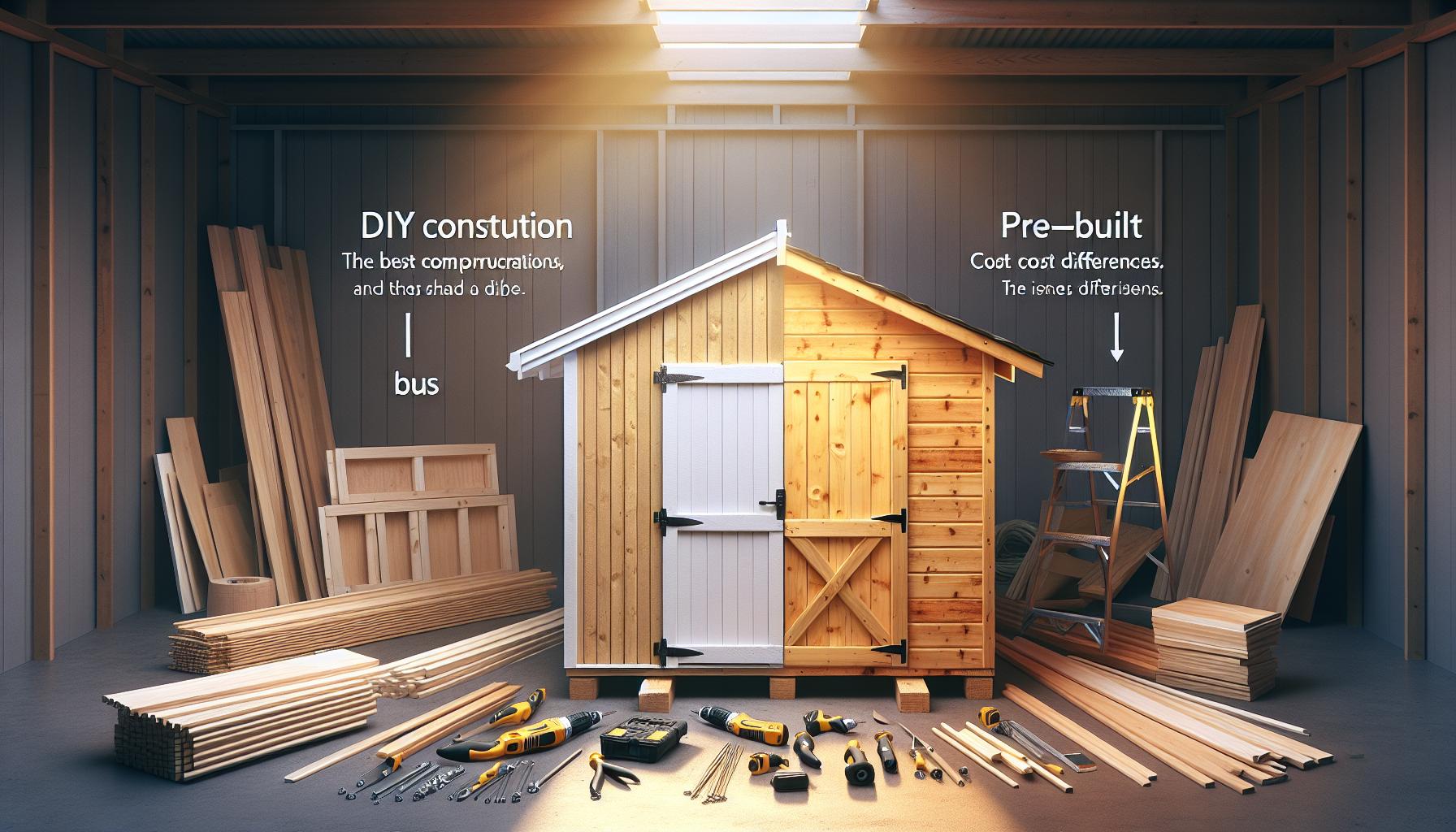
Understanding the Costs: Breakdown of a 10×12 Shed Budget
When considering the investment in a 10×12 shed,understanding the budget breakdown can dramatically influence your decision-making process. A shed is more than just a storage space; it serves as a workshop, a hobby area, or even an extra living space. Thus, whether you lean towards a DIY approach or a pre-built option, a clear comprehension of potential costs will help you get the best value for your money.
Key Cost Factors
Let’s delve into the primary costs associated with a 10×12 shed. Each element contributes to the overall expense, so it’s vital to consider the following:
- Materials: This is where the budget can vary significantly. For DIY builds, you’ll need to factor in wood, roofing, nails, and possibly insulation. Whereas, pre-built sheds usually include high-quality materials in the initial price.
- Labor: If you’re building it yourself, consider your time and any help you might need.Hiring professionals for a pre-built option can add substantial costs but guarantees craftsmanship.
- Permits: Depending on your location and intended use of the shed, local regulations may require permits, which can add to the overall cost.
- Delivery Fees: For pre-built sheds,delivery costs must be factored in,especially if you live in remote areas.
Cost Comparison Table
To provide a clearer picture, here’s a simplified cost comparison between DIY and pre-built sheds:
| Cost item | DIY Shed Estimate | Pre-Built Shed Estimate |
|---|---|---|
| Materials | $800 – $1,200 | $1,500 – $3,500 |
| Labor (if hired) | $0 (self-built) | $300 – $1,000 |
| Permits | $50 – $200 | $50 – $200 |
| Delivery Fees | $0 | $100 – $500 |
| Total Estimated Cost | $900 – $1,400 | $1,950 – $5,400 |
This breakdown showcases that while DIY projects can seem cost-effective, hidden expenses can arise, and your time is valuable. Pre-built options may come at a higher initial cost,yet they also provide peace of mind through professional installation and longevity. Weighing these factors against your individual needs and capabilities will guide you toward the best choice for your situation.Whether you’re pondering “How much does a 10×12 shed cost?” or considering the pros and cons of DIY versus pre-built alternatives, having a detailed understanding of the costs will empower you to make a well-informed decision.
DIY vs. pre-Built: weighing Your Options
When considering the best route for acquiring a 10×12 shed, homeowners frequently enough find themselves torn between the allure of building it themselves and the convenience of purchasing a pre-built structure. Each option comes with distinct advantages and challenges that can significantly impact your budget, time constraints, and personal satisfaction. Understanding these differences is crucial to making an informed decision that aligns with both your financial goals and your desire for a functional outdoor space.
Opting for a DIY shed can be a fulfilling project that not only helps you save money but also allows for complete customization to suit your needs. The initial cost of materials for a DIY shed typically ranges from $1,500 to $3,000, depending on factors like the quality of the materials, architectural details, and additional features such as windows and shelving. Furthermore, many resources are available, including free shed plans and complete guides, to help novice builders navigate the process. As an example, sites such as DIY Sheds and Plans and The Spruce offer valuable insights and step-by-step instructions that can mitigate the intimidation factor associated with construction.
In contrast,purchasing a pre-built shed eliminates the hassle of sourcing materials and managing labor. The cost for a pre-built 10×12 shed can range from $2,500 to $5,000, depending on factors such as brand, material quality, and any customizations you may desire. pre-built options are often delivered directly to your property, saving you time and effort. however, while they may offer less flexibility in design, they often come with warranties that provide peace of mind regarding durability and workmanship.
To help you visualize the cost-effectiveness of each option, consider this comparison table:
| Factor | DIY Shed | Pre-Built Shed |
|---|---|---|
| Cost | $1,500 – $3,000 | $2,500 – $5,000 |
| Time Investment | Variable (generally weeks) | Minimal (delivery and installation) |
| Customization | High | Limited |
| Warranty | None | Often included |
Ultimately, your choice between a DIY and pre-built shed will hinge on how much time, effort, and money you’re willing to invest in the project.If you relish the idea of hands-on building and customization, a DIY approach could be the right fit. However, if you prefer convenience and assurance, investing in a pre-built option might be the way to go. Balancing these factors will ensure your decision aligns with your overall goals for functionality and budget considerations.
Hidden Costs of Building a Shed: What to Consider
when planning to build a shed, particularly a 10×12 model, many homeowners focus primarily on the visible costs such as materials and labor. However, several hidden expenses can creep in, significantly affecting the overall budget.Understanding these hidden costs is essential for anyone asking, “How much does a 10×12 shed cost? Compare DIY vs. pre-built options.” A diligent assessment of these factors can save you from future financial strain and ensure your investment is sound.
Additional Material Costs
While the base cost for materials might seem straightforward, unexpected expenses often arise from the need for additional supplies.These can include:
- Tools: If you are opting for a DIY project,you may require specific tools that you do not already own,such as saws,drills,or levelers.
- Fasteners and hardware: Small items like nails,screws,and brackets can add up surprisingly quickly.
- Finishing materials: Items like paint, insulation, or roofing materials can come as unexpected expenses if not planned for initially.
Permits and Regulations
Before breaking ground, it’s crucial to investigate local zoning laws and obtain any necessary permits. The costs involved in securing permits can vary widely depending on your location and the specifics of the shed construction. Failing to consider this aspect might result in fines or forced alterations to your project, adding unexpected costs down the line.
Site Preparation Costs
The state of your building site can also impact the budget significantly. if your yard is uneven or requires clearing for the shed’s foundation, expenses can escalate due to the need for leveling, gravel installation, or excavation. Additionally, if a concrete or wooden foundation is necessary, these materials will contribute to the total cost.
Maintenance and Future Upkeep
Once your shed is built, ongoing maintenance is a factor that many overlook. This could include repairs, repainting, or pest control, especially if your shed houses valuable equipment or supplies. Estimate these potential future costs as part of your budgeting process to avoid surprises down the road.
By recognizing these hidden costs associated with building a shed, you can make a more informed decision when evaluating all options, whether it’s a DIY project or purchasing a pre-built shed. contemplating these additional expenses is vital for ensuring your project stays within budget and meets your long-term usability needs.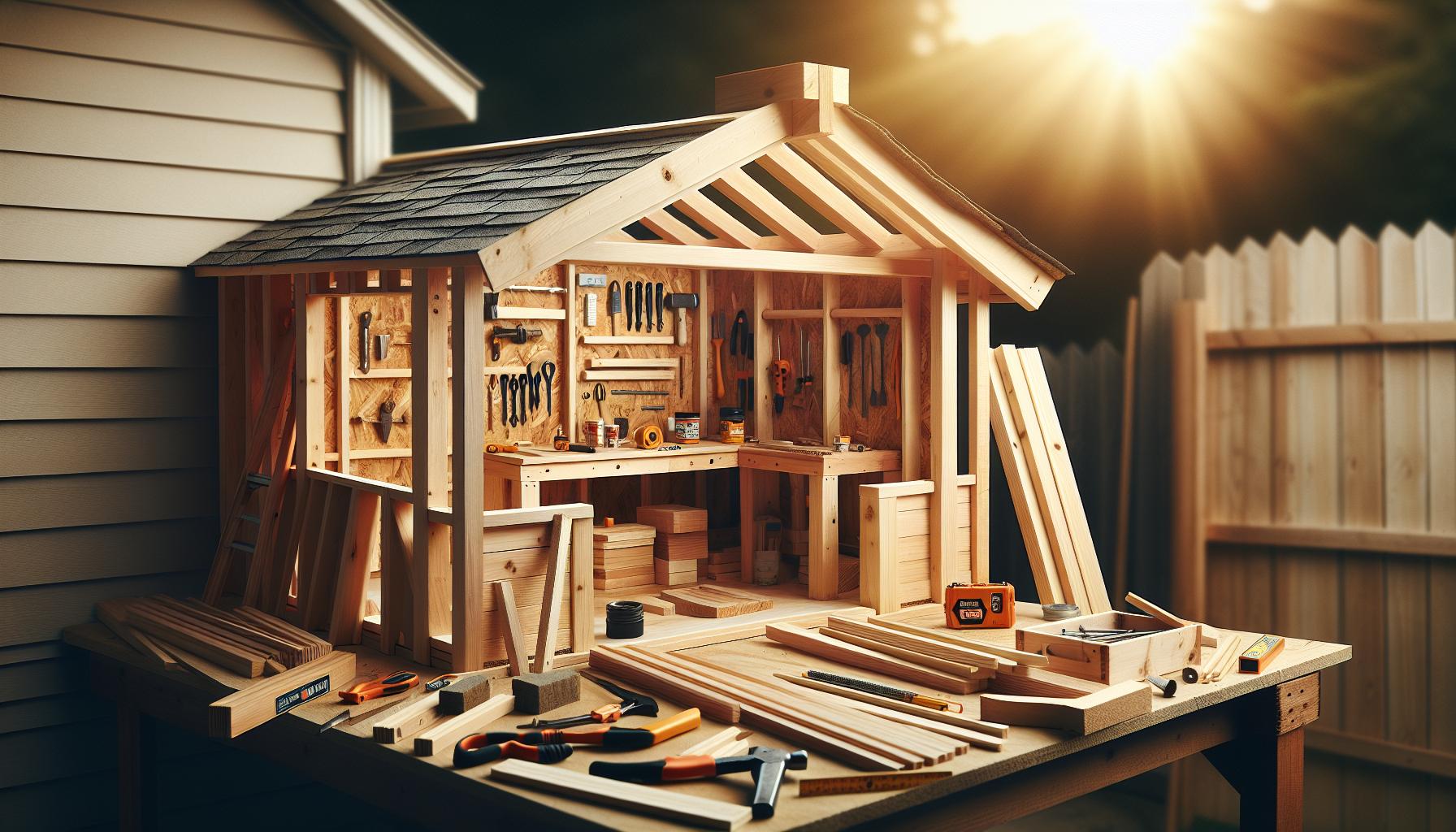
Essential Tools and Materials for Your Shed Project
Every DIY enthusiast knows that the right tools and materials can make or break a project, especially when constructing a shed.for those considering building or purchasing a 10×12 shed, understanding what you need is crucial not just for budgeting but also for the success of your endeavor. This guide outlines essential tools and materials that will streamline your shed project, whether you choose to go the DIY route or opt for pre-built options.
Key Tools for Construction
Before diving into the specifics of materials,having a well-equipped toolbox is essential. Here are the must-have tools that will help you tackle your shed project efficiently:
- Measuring Tape: Accurate measurements are vital to ensure your shed fits perfectly in your chosen space.
- Level: Keep your structure even and stable with a reliable level.
- Power Drill: This will facilitate quick assembly and secure fastening of components.
- Circular Saw: Ideal for cutting lumber to size, a good saw can make your cuts clean and precise.
- Hammer: Necessary for driving nails into wood, this classic tool should not be overlooked.
- Safety Gear: Don’t forget your goggles and gloves to protect yourself while working.
Materials You’ll Need
Once you’ve gathered your tools, it’s time to focus on materials. The type of materials you choose can significantly impact the overall cost of your shed, as highlighted in discussions about how much a 10×12 shed costs when comparing DIY and pre-built options. Here’s a breakdown of the foundational materials:
| Material | Description | estimated Cost |
|---|---|---|
| Wood | Pressure-treated lumber for the frame, plywood for walls and flooring | $500 – $800 |
| Roofing Material | Asphalt shingles or metal roofing for weather protection | $200 – $400 |
| Exterior Paint | Durable exterior paint to protect the wood from the elements | $50 – $150 |
| Doors and Windows | Pre-hung doors and windows for ventilation and accessibility | $300 – $600 |
Your choices in materials will affect not only the initial outlay but the long-term maintenance and aesthetic appeal of your shed. For example, opting for higher-grade materials may come at a premium but can reduce costs associated with repairs down the line, reinforcing the importance of making informed decisions based on how much a 10×12 shed costs from both DIY and pre-built perspectives.
Being well-equipped with the right tools and high-quality materials ensures that constructing your own shed is a fulfilling and successful project, blending both functionality and tailored design to enhance your outdoor space.
Time Investment: DIY Shed vs. Purchasing
when contemplating the construction of a 10×12 shed, one critical factor that often gets overshadowed by costs and designs is the time investment required. Whether you opt for a DIY approach or decide to purchase a pre-built option, understanding the time commitment can significantly impact your project planning and overall satisfaction with the outcome.
For those inclined toward building their own shed,the time investment can vary wildly based on several factors,including skill level,available tools,and the complexity of the design. On average, a DIY 10×12 shed might take anywhere from 40 to 80 hours to complete. This timeframe includes everything from planning and gathering materials to construction and finishing touches. Here’s a breakdown of the typical stages involved in building a shed yourself:
- Planning and Design: 5-10 hours
- Shopping for Materials: 10-20 hours
- Site Preparation: 5 hours
- Framing and Assembly: 15-30 hours
- Finishing (painting, roofing, etc.): 5-15 hours
On the flip side, purchasing a pre-built shed can save you considerable time. Most pre-assembled options can be delivered and installed in a matter of hours, often requiring only a day for complete setup. This makes pre-built sheds incredibly appealing for those with limited time or DIY skills. However,it’s essential to note that you may still need to allocate time for site preparation,which can take several hours depending on your yard’s condition.
To illustrate the contrast in time investment between DIY and pre-built sheds, consider the following table:
| Option | Estimated Time Investment |
|---|---|
| DIY Shed | 40-80 hours |
| Pre-Built Shed | 3-8 hours (installation) |
Ultimately, the choice between building your own 10×12 shed or purchasing a pre-built option should consider both your time availability and comfort levels with construction. While a DIY project can be rewarding, bringing your vision to life with your own hands, the straightforward nature of purchasing a shed provides a practical solution for those needing to maximize their time effectively.
Quality Considerations: Choosing the Right Materials
Choosing the right materials for your shed can significantly affect not only the upfront cost but also the long-term durability and maintenance needs of your structure. While considering how much a 10×12 shed costs, it is indeed crucial to weigh the pros and cons of various materials. High-quality materials may incur a higher initial investment but can lead to greater resilience and lower maintenance costs over time.
Popular Material Options
When embarking on your shed project, you’ll encounter a range of material options. Each type has its distinct characteristics and price points:
- Wood: A classic choice, wooden sheds provide natural insulation and aesthetics. Though, they require regular maintenance to protect against rot and pests.
- Metal: Often made of galvanized steel,metal sheds offer unmatched durability and are resistant to decay and insects.They can be more cost-effective in the long run but may lack the warmth of wood.
- Vinyl: This is a low-maintenance option that can withstand the elements without fading or cracking. Vinyl sheds are typically more expensive upfront but can save you time and money on upkeep.
- Composite Materials: Blending wood fibers with plastic, composite materials provide the appearance of wood with improved durability. They are generally more resistant to the elements but can be pricier than customary wood options.
Assessing Quality and Cost
While assessing your options, remember that the initial cost of materials can be deceiving.Some inexpensive options might require frequent repairs or replacements, adding long-term expenses. When evaluating each material, consider:
| Material Type | Initial Cost | Durability | Maintenance Requirements |
|---|---|---|---|
| Wood | $$ | Moderate | High |
| Metal | $$$ | High | Low |
| vinyl | $$$ | High | Very Low |
| Composite | $$$$ | High | Low |
By understanding the longevity and maintenance requirements of each material, you can better navigate the question of how much a 10×12 shed costs. Investing in higher-quality materials can provide you with a shed that stands the test of time, ensuring it remains a valuable asset for years to come. Balancing quality with budget considerations is key to making an informed decision that meets your needs and preferences—whether you decide on a DIY project or choose a pre-built option.
Customization Choices: Making Your Shed Unique
Creating a shed isn’t just about choosing the right dimensions or ensuring structural integrity; it’s also an chance to express your style and meet your unique practical needs. When considering the differences in cost between DIY projects and pre-built options for a 10×12 shed, one of the most rewarding aspects is the potential for customization. Each choice you make can transform a simple storage space into a multifunctional area tailored perfectly to your lifestyle.
Personal Touches to Consider
Customization starts with selecting materials that not only fit your budget but also match your aesthetic vision. Opting for wood vs. metal sheds can drastically influence appearance. Traditional wooden sheds lend a rustic charm that can be enhanced with paint, stains, or even decorative trim. Metal sheds, on the other hand, offer a modern look that can be made unique through color selection and added features, such as custom doors or windows.
When planning your shed, you should consider these practical customization options:
- Windows and Ventilation: Adding windows not only brightens up the interior but also adds character. Consider placing them to allow for maximum natural light without compromising your privacy.
- Doors: Choose from single or double doors depending on accessibility needs. French doors can provide a stylish entryway, especially for workshops or studios.
- Roof Type: Whether you prefer a gable roof for a classic look or a flat roof for a more contemporary style, this choice impacts aesthetics and functionality.
- Flooring: Consider durable, weather-resistant options such as vinyl or treated wood for high traffic areas.
Interior Configurations
Beyond the external appearance, how you configure your shed’s interior can enhance its functionality. Creating custom shelving, workbenches, or even a loft can maximize space and provide the perfect setup for hobbies or storage. Such as, a well-organized tool shed with custom-made shelving can save you time on projects and streamline your workflow.
Additionally, creating a layout that includes power outlets for lighting or small appliances transforms your shed into a usable workspace rather than just a storage area. Incorporating insulation can also expand its utility across seasons, turning it into a cozy refuge for craft activities or gardening supplies.
Factoring In Costs
While diving into these customization choices, it’s significant to evaluate costs meticulously. Differences in material choice between DIY and pre-built sheds can affect the final price dramatically. For instance, a pre-built shed with multiple custom features may start at a higher base price, but the convenience might save you time and additional labor costs associated with a DIY project. Here’s a simple cost comparison table to consider:
| Features | DIY costs | Pre-Built Costs |
|---|---|---|
| Basic Structure | $800 – $1,200 | $1,500 – $2,500 |
| Custom Windows | $50 – $150 each | Included |
| Interior Setup | $300 – $700 | $500 – $1,000 (if included) |
| Roof Style Modification | $200 – $500 | Included |
when contemplating how much a 10×12 shed costs in both DIY and pre-built options, the customization choices you make can profoundly impact both your budget and your satisfaction with the finished product. Taking the time to consider and implement these personalized features will ensure your shed is a reflection of your taste and a valuable addition to your property.
Tips for a Successful Shed Installation: Avoiding Common Pitfalls
When embarking on the journey of shed installation, understanding the intricacies involved can save you both time and money. Many enthusiasts, whether they opt for the DIY approach or a pre-built option, frequently enough encounter challenges that can lead to frustration or unexpected expenses. preparing for these challenges will not only ensure a smooth installation process but will also enhance the longevity and functionality of your shed.
Planning and Preparation
One of the most critical steps in avoiding common pitfalls is thorough planning. Here are essential elements to consider:
- Site Selection: Choose a location that is level and well-drained. Avoid low-lying areas that may collect water, which can lead to structural damage over time.
- Permits and regulations: Check local building codes and zoning regulations. Some areas require permits for shed installations, and failing to comply can result in fines or forced removals.
- Design and Dimensions: Before settling on a 10×12 shed, carefully consider your intended use. Will it house gardening tools, act as a workshop, or serve another purpose? Tailor your design to suit your needs, perhaps opting for a larger size if necessary.
Materials and Resources
Choosing the right materials significantly impacts both the aesthetics and durability of your shed.While many may wonder, “How much does a 10×12 shed cost?” the value isn’t just in the initial outlay but in the longevity of the materials chosen.
- Quality Over Cost: Investing in high-quality wood and other materials can save you from future repairs and replacements. Consider weather-resistant options to combat the elements.
- Tools and Supplies: Make sure you have all necessary tools and materials on hand before beginning. This includes not just construction materials, but also safety gear and a proper workspace.
Execution and Assembly
Even with a perfect plan and great materials, a hasty or inattentive assembly can derail your project.Here are best practices for a successful setup:
- Follow Instructions: If you purchase a pre-built shed or a DIY kit, closely follow the assembly instructions. Each step plays a vital role in ensuring structural integrity.
- Enlist Help: Many hands make light work. If possible, have friends or family assist you on installation day, as shed construction often requires multiple people to manage heavy materials safely.
- Regular Checks: After initial assembly,inspect the shed thoroughly to ensure everything is aligned properly. This includes checking for stability and making sure doors and windows function correctly.
Ensuring a successful installation is only a matter of thoughtful planning and execution. By avoiding common pitfalls through careful consideration of location, material quality, and the assembly process, you can enjoy a well-built shed that is both functional and lasting, whether you’re asking yourself “How much does a 10×12 shed cost?” in regards to building it yourself or comparing it to a pre-built option.
Faq
How much does a 10×12 shed cost?
The cost of a 10×12 shed typically ranges from $1,000 to $4,000 depending on the materials used and whether it’s DIY or pre-built. Understanding these factors will help you budget accordingly.
When considering costs, materials play a crucial role. For example, a basic wooden shed may cost less than one made from high-grade vinyl or metal. Moreover,installation expenses can add to the total price,especially for pre-built options.
What are the benefits of a DIY 10×12 shed?
Building a DIY 10×12 shed can save you money and give you a personal touch.Many DIYers enjoy the satisfaction of creating something with their own hands.
Besides cost savings,a DIY shed allows you to customize it to fit your specific needs. You can choose your materials and layout, ensuring it perfectly suits your style and function. Though,it does require time and some woodworking skills. For detailed guidance, check out our DIY shed construction guide.
Why does a pre-built shed cost more?
A pre-built 10×12 shed typically costs more due to labor and convenience. You’ll pay for the craftsmanship and quick setup that comes with a professional build.
Additionally, companies often use high-quality materials and offer warranties, which can justify the higher price.While the upfront cost is significant, consider the value of time saved and professional quality.
Can I customize a pre-built shed?
Yes, many manufacturers offer customization options for pre-built sheds. This means you can personalize aspects like color, windows, and shelving to fit your needs.
However,the extent of customization may vary,and some features may incur additional costs. Be sure to ask about available options when exploring pre-built sheds,as this can influence your final price and satisfaction.
What features should I consider for my shed?
When planning your 10×12 shed, consider important features such as ventilation, insulation, and windows. These elements affect both usability and comfort.
For example, if you plan to store garden tools, ventilation will help prevent rust.Think about the main purpose of the shed to prioritize features that align with your needs, whether it’s storage or a workspace.
How long does it take to build a DIY 10×12 shed?
Building a DIY 10×12 shed generally takes between 2 to 5 days, depending on your skill level and weather conditions. Having a clear plan can expedite the process.
It’s essential to allocate time for planning, gathering materials, and actual construction. Taking breaks for adjustments or troubleshooting is also recommended to ensure quality and safety.
In Retrospect
understanding the cost of a 10×12 shed—whether you choose to build it yourself or opt for a pre-built option—requires weighing various factors such as materials, labor, and your own skill set. DIY projects can save you money and offer a fulfilling sense of accomplishment, while pre-built sheds provide convenience and time savings.Remember, whichever route you choose, quality craftsmanship is key; investing in quality materials will pay off in durability and performance.We encourage you to take the next step, whether that’s gathering your materials for a DIY project, visiting local suppliers, or exploring pre-built options to find the perfect fit for your needs. Don’t hesitate to reach out for advice or tips as you embark on this exciting journey! Embrace the challenge,enjoy the process,and soon you’ll have a functional and attractive shed that enhances your outdoor space. Happy building!
Get our latest guides, news, and insights highlighted in your Google Search & AI Overviews.


