


Neglecting to treat the wood in your garden shed can lead to severe damage from rot, decay, and moisture. Proper shed protection is vital not only for aesthetic appeal but also for extending the lifespan of your structure. By using effective wood treatments, you can safeguard your investment and enjoy a durable outdoor space for years to come.
Understanding the Importance of Treating Shed Wood
Deciding whether to treat shed wood can considerably impact the longevity and functionality of your outdoor structures. According to research, properly treated wood can last up to 50 years longer than untreated wood. This remarkable difference underscores the importance of protective measures against the elements and various pests that threaten your shed.After investing time and resources into building a shed, it’s critical to implement strategies to maintain its structural integrity and aesthetic appeal.
to grasp the importance of treating shed wood, one must consider the environmental factors that lead to wood degradation.Exposure to rain, snow, sun, and humidity can create a perfect storm for rot, warping, and insect infestation. By applying appropriate treatments, you not only protect the wood from thes harsh conditions but also enhance its resilience against harmful organisms. Here are some reasons why treating your shed wood is essential:
- Prevention of Rot: Without treatment, moisture can seep into the wood, leading to decay. Treatments often create a barrier that repels water.
- Pest Deterrent: Many wood treatments come infused with insecticides that keep pesky wood-boring insects at bay, ensuring your shed’s frame remains intact.
- UV Protection: UV rays can cause wood to gray and become brittle over time. A quality finish can protect against these harmful rays, preserving the wood’s natural color and strength.
- Cost-Effectiveness: While there is an upfront cost to treating your shed wood, the long-term savings from preventing damage can outweigh this initial investment.
Choosing the Right Treatment
Understanding the different types of treatments available can definitely help you make the best choice for your shed. Options range from water-repellent wood preservatives to sealants that provide a robust barrier against both moisture and pests. When selecting a treatment, consider factors such as local climate, wood type, and usage:
| Type of treatment | Best For | Longevity |
|---|---|---|
| Water-Repellent Preservatives | Moisture-prone areas | 3-5 years |
| Sealants | Sun-exposed surfaces | 5-10 years |
| Wood Stabilizers | Preventing warping | 3-7 years |
Taking the time to assess your shed’s needs and applying the right treatment can significantly extend its lifespan, improve its appearance, and reduce the inconvenience and costs associated with repairs.By prioritizing the protection of shed wood, you are ensuring that your investment remains in good condition for years to come.
Common Types of Wood Treatments and Their Benefits
When it comes to protecting your shed from the elements, knowing how to treat the wood is crucial for extending its lifespan. Certain types of wood treatments are specifically designed to ward off moisture, pests, and rot, ensuring that your investment remains structurally sound for years to come. Here’s a closer look at the most common wood treatments and their unique benefits, which can make all the difference in maintaining your shed’s integrity.
Pressure Treatments
Pressure-treated wood involves forcing preservatives deep into the wood fibers under high pressure. This process creates a barrier against moisture and insects and is particularly effective against fungi and wood-boring pests.
- Durability: Pressure-treated wood often lasts longer than untreated options.
- Resistance: It resists decay and insect infestation,making it ideal for ground contact applications.
Water Repellent sealers
Applying water-repellent sealers acts as a first line of defense against moisture. These treatments can be either oil-based or water-based and work by forming a protective layer on the wood surface.
- Enhanced Longevity: Sealers can significantly extend the life of your wood by preventing water ingress.
- Beautiful Finish: Many sealers come in a variety of stains, allowing you to enhance your shed’s aesthetics while protecting it.
Wood Stains with Preservatives
Stains are more than just a cosmetic choice; many contain preservatives that help inhibit mold and mildew growth while adding color to the wood. This dual functionality makes stains an excellent option for aesthetic protection.
| Type of Stain | Benefits |
|---|---|
| Obvious Stains | Enhance natural wood grain while offering minimal protection. |
| Semi-Transparent Stains | Provide a balance between color and visibility of the wood grain. |
| Solid Stains | Fully cover the wood surface, providing maximum color and UV protection. |
Natural Oils
Natural oils such as linseed oil or tung oil offer a more eco-friendly approach to wood treatment. These oils penetrate the wood and help to repel moisture while enhancing its natural beauty.
- Environmentally Friendly: Great for those who prioritize sustainability.
- Maintenance: Regular reapplication helps maintain protective properties.
Incorporating a wood treatment strategy helps in preserving your shed not just against common threats but also boosts its aesthetic value. Understanding these equips you to make informed decisions, ensuring your shed stands the test of time.
Step-by-Step Guide to Preparing Your Shed for Treatment
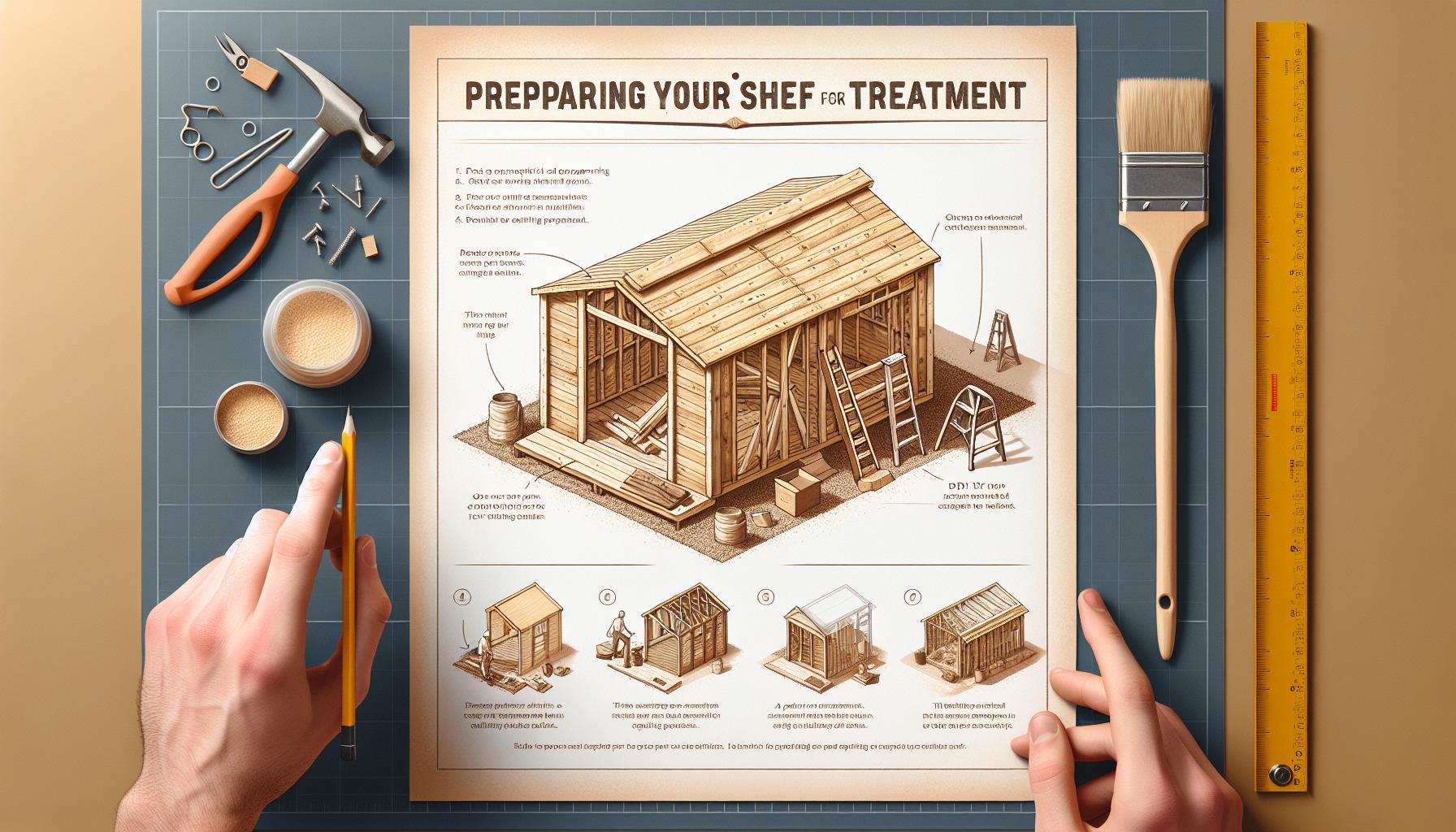
Preparing your shed for treatment is a crucial step in ensuring the longevity of shed wood, especially if you want to protect it against the elements and pests. Proper preparation not only facilitates easier request of protective products but also allows them to work more effectively. Follow this comprehensive guide to offer your outdoor structure the care it deserves.
Assess the Condition of Your Shed
start by conducting a thorough inspection of your shed. look for signs of damage such as rot, mildew, or insect infestations. Addressing these issues before applying any treatment ensures that you’re not sealing in problems that could worsen over time. Consider the following tasks during your assessment:
- Check for rot: Examine the base, framework, and corners for any soft or disintegrating wood.
- Inspect for insects: Look for holes or sawdust that may indicate termite or carpenter ant activity.
- Mildew detection: Identify any black or green patches on the wood that require cleaning.
Clean the Shed Thoroughly
Once the assessment is complete, it’s time to clean the shed. A clean surface will allow treatments to adhere better and penetrate the wood effectively.
- Remove all items: Take out any tools, equipment, or materials inside the shed.
- Wash the exterior: Use a pressure washer or a scrub brush with soapy water to remove dirt, grime, and any biological growth.
- Dry the wood: Allow the shed to dry completely, especially if it has been exposed to moisture, as treatments work best on dry surfaces.
Repair Any Damages
Before applying any protective coatings, it’s essential to repair any damaged areas identified during the assessment. This could involve replacing rotting boards or filling holes with wood filler. Depending on the severity, you can:
| Damage Type | Recommended Repair action |
|---|---|
| Rotten wood | Replace with new wood of the same type. |
| Small holes | Fill with wood filler and sand smooth. |
| Loose roofing | Secure with screws or replace damaged shingles. |
Select the Right Treatment
After ensuring your shed is in good condition, choose the appropriate treatment.Depending on your shed’s material—wood, metal, or plastic—you may need different types of products. Look for options that are specifically designed for weather resistance and insect protection. Common choices include:
- Wood preservatives: For enhanced protection against rot and bugs.
- Sealants: To waterproof and prevent moisture damage.
- Paints or stains: To add an aesthetic touch while offering protection.
With these steps, you can prepare your shed effectively, ensuring it stands strong against the factors that can shorten its lifespan. Taking the time for meticulous preparation can significantly enhance the effectiveness of your protective treatments, promoting longevity in your shed’s life.
Choosing the Right Treatment Based on Your Shed’s Location

Selecting the right treatment for your shed is crucial, particularly as its location significantly influences the type of protection it requires. Regions with intense weather fluctuations, high levels of humidity, or exposure to harsh sunlight will affect the longevity of the wood. By understanding these factors, you can choose a wood treatment that ensures your shed remains in excellent condition for years to come.
Consider Your Environment
The first step in determining the appropriate wood treatment is to assess your shed’s environment.As a notable example, if your shed is located in a coastal area where it’s frequently subjected to salt spray, opting for a water-resistant and corrosion-resistant treatment is essential. Conversely, sheds in dry, arid climates will benefit from treatments that provide moisture retention, as prolonged exposure to dry air can lead to cracking and splitting of the wood.
Types of Treatments to Consider
When it comes to treatments, there are two main types widely used: water-based and oil-based (solvent-based).Each has its advantages that suit different conditions:
- Water-Based Treatments: Ideal for sheds in humid environments as they help repel water and prevent mold. They dry quickly and are less toxic, making them suitable for areas with plants or pets nearby.
- Oil-Based Treatments: These provide deeper penetration into the wood and are particularly effective for sheds exposed to a lot of moisture, such as those in rainy climates. They also offer excellent UV protection, which is beneficial in sunny locations.
Application Frequency
Another crucial factor is how often you should treat your shed. New sheds should be treated before or instantly after installation. for ongoing maintenance, it’s generally recommended to reapply every 2-3 years depending on exposure and treatment type. Consulting the product’s specifications can offer guidance, as some preservatives may last longer than others.
| Location Type | Recommended Treatment | Application Frequency |
|---|---|---|
| coastal Areas | Oil-Based | Every 2 years |
| Humid regions | Water-Based | Every 1-2 years |
| Dry Climates | Water-Based | Every 3 years |
| Sunny Areas | Oil-Based with UV Protection | Every 2-3 years |
By proactively selecting the right treatment based on your shed’s location, you can significantly extend its lifespan and maintain its aesthetic and structural integrity. This approach not only protects your investment but also ensures that your shed remains a valuable asset for your property.
Best Practices for application: Tools and Techniques
When it comes to maintaining shed wood, many homeowners are unaware of the meaningful benefits that come with proper treatment techniques. The right application tools can be the game-changer in prolonging the lifespan of your investment, ensuring that your garden shed remains sturdy and aesthetically pleasing for years to come. With a myriad of products on the market, choosing the correct prevention method is crucial to successful wood treatment.
Choosing the Right Products
To start, consider the type of wood your shed is constructed from.Different woods have different characteristics and thus require products tailored to their needs. Here are some effective options:
- Wood Preservatives: These can be used to protect against rot and decay. Look for copper-based preservatives for the best results.
- Sealants: Use a high-quality sealant that is UV resistant to offer long-lasting protection against the sun’s damaging rays.
- Stains: Opt for semi-transparent or solid color stains designed for outdoor use, which add both beauty and protection to your wood.
For a comprehensive overview, refer to the following table that compares some popular wood treatment products:
| Product Type | Best For | Application Frequency |
|---|---|---|
| Wood Preservative | Rot prevention | Every 3-5 years |
| Sealant | Waterproofing | Every 2-3 years |
| Stain | Aesthetic appeal | Every 1-2 years |
Effective Application Techniques
getting the application process right is equally essential for ensuring optimal protection of your shed wood. Here are some best practices for efficient application:
- Surface Preparation: Clean the surface of your shed thoroughly before applying any treatment. Using a wood cleaner or a simple mixture of soap and water can remove dirt, mold, and old finishes, creating a suitable surface for the new treatment.
- Weather Considerations: Apply treatments on dry days with temperatures above 50°F (10°C) to ensure proper drying time and adhesion.Avoid rainy days or extreme temperatures to achieve the best results.
- Use of Appropriate Tools: A high-quality brush, roller, or sprayer can significantly improve application. For larger sheds,consider using a sprayer to achieve even coverage quickly.
These proactive steps are not merely suggestions; they provide an actionable roadmap towards extending the lifespan of your shed wood, making the question of whether to treat it a resounding affirmative. By incorporating effective products and techniques, you’ll fortify not just your shed, but also your investment in your outdoor spaces.
How to Maintain and Inspect Treated Wood Over Time

To truly extend the lifespan of your shed and maintain its integrity, regular maintenance and inspections are vital. Just like any other structure, treated wood acquires its own challenges over time, which can be exacerbated by environmental factors such as moisture, sunlight, and temperature fluctuations. Implementing a systematic approach to inspecting and maintaining your treated wood can prevent significant deterioration and ensure your investment remains strong for years to come.
Regular Inspections
Conducting routine inspections should become a habit for any shed owner looking to protect their investment. Aim to perform a thorough inspection at least twice a year, preferably in spring and fall, to monitor any signs of damage or wear.During your assessment, keep an eye out for the following:
- Surface Cracks: Look for any splits or cracks in the wood that may allow moisture to seep in.
- Discoloration: Faded or discolored areas may indicate that the protective treatment has worn off.
- Mold or Mildew: Check for the presence of mold, especially in shaded areas that retain moisture.
- Pests: Inspect for any signs of insect infestation or rot.
After identifying any potential issues, act quickly to address them. For example, if you notice cracked surfaces, consider applying a quality wood preservative to seal the wood and prevent further damage.
Routine Maintenance Actions
Along with inspections, implementing a maintenance routine can significantly enhance the longevity of your treated wood. Here are several actionable steps you can take:
- Cleaning: Keep your shed clean by using a pressure washer or a hose to remove dirt and debris. Be cautious about using too much pressure, as this can damage the wood.
- Reapplication of Treatments: Depending on the type of treatment used, reapply a protective stain or sealer every 1-3 years to maintain its durability. This is crucial after heavy rain or exposure to direct sunlight.
- Fixing Minor Issues: Any defective areas you discover during inspections should be addressed immediately. Use wood filler for small cracks and replace any severely damaged boards to avoid spreading rot.
By systematically preserving your shed through regular inspections and ongoing maintenance, you can enrich the question of whether you need to treat shed wood and decisively respond with “yes.” Extending the lifespan of your treated wood structure not only protects your valuable belongings but also enhances the aesthetic and functional integrity of your outdoor space.
Helpful Tips for Treated Wood Care
Care for your treated wood doesn’t have to be complicated. Here’s a handy table summarizing ongoing maintenance tasks:
| Task | Frequency | notes |
|---|---|---|
| Inspection | Biannually | Check for damage, rot, and pests. |
| Cleaning | Annually | Choose a dry day for best results. |
| Reapply Wood Treatment | Every 1-3 years | Dependent on weather conditions and wear. |
| Repairs | As needed | Tackle small fixes immediately. |
By adhering to these guidelines and remaining proactive in your upkeep, you can confidently affirm the need for routine care and treatment of your shed wood, ensuring that it remains a robust and reliable part of your outdoor landscape for years to come.
Exploring Eco-Friendly Options for Wood Protection
In a world increasingly concerned with environmental impact, selecting the right methods to protect wood is essential for sustainability. Fortunately, there are numerous eco-friendly options available that not only preserve the aesthetic and structural integrity of shed wood but also mitigate harm to our planet. These treatments offer a performance comparison that can rival customary, chemical-laden solutions, proving that you don’t have to compromise on quality while embracing an environmentally conscious approach.
Natural Oils and Waxes
One of the simplest and most effective ways to protect shed wood naturally is through the use of oils and waxes. Products made from natural sources, like linseed oil or tung oil, penetrate wood fibers, providing a robust barrier against moisture and reducing the risk of decay. These oils not only deliver excellent water resistance but also enhance the wood’s natural grain.
Another option is using beeswax, either alone or combined with oils for an even more powerful finish. Apply melted beeswax directly onto the wood surface, and it will harden to form a protective layer that’s safe for both the environment and the occupants of your shed.
Eco-Friendly Wood Treatments
For those seeking a more comprehensive treatment solution, eco-friendly wood preservatives can be a game changer. Many of these products utilize non-toxic biocides and natural ingredients to prevent mold, rot, and insect infestations. When selecting such treatments, consider looking for those certified by credible organizations, ensuring they meet strict environmental standards.
Here’s a speedy comparison of popular eco-friendly wood treatments:
| Product | Main Ingredients | benefits | Drying Time |
|---|---|---|---|
| Plant-based Preservative | Vegetable oils, mineral salts | Water repellent, UV protection | 1-2 hours |
| Borate Solutions | Boric acid | Fungicide, insect repellant | 1-3 hours |
| Natural Stains | Berry extracts, tree resins | Color enhancement, moisture barrier | 1-4 hours |
Regular Maintenance with Green Products
To maximize the longevity of treated wood in your shed, regular maintenance is critical. Opt for gentle, biodegradable cleaners that avoid harsh detergents that can strip treatment layers from the wood.Simple maintenance steps can include periodic reapplication of your chosen treatment, as well as inspecting for signs of wear or damage. By committing to using eco-friendly options and establishing a routine, you can ensure your shed wood remains protected and continues to serve you well for years to come.
Incorporating these sustainable practices into your wood protection regimen can greatly contribute to the overall health of your shed wood,allowing for a long-lasting,beautiful finish that is both responsible and effective.
Troubleshooting Common Challenges in Wood Treatment
When it comes to maintaining the longevity of shed wood, understanding the common challenges in wood treatment can significantly enhance the preservation of your structure. Treating wood effectively isn’t just about applying a preservative or finish; it also involves navigating potential pitfalls that could undermine the protection you aim to provide. From environmental factors to application mistakes, being aware of these challenges will help ensure that your efforts to extend the lifespan of your shed are fruitful.
Identifying Environmental Factors
One of the primary challenges in wood treatment is the impact of environmental conditions on the effectiveness of the treatment applied. Factors such as humidity, temperature, and exposure to sunlight can dramatically affect wood’s behavior.For instance, high humidity can lead to moisture absorption, causing wood to swell and possibly warp, while low humidity can cause it to dry out and crack. To address these issues:
- Check moisture levels before applying treatments; aim for a relative humidity below 50%.
- Choose the right time of year for application, preferably during dry, mild weather.
- Utilize protective canopies during application to shield from direct sunlight.
Application Best Practices
Mistakes in application techniques are also a common challenge. Inadequate surface preparation, such as failing to sand or clean the wood, can inhibit the penetration of preservatives, reducing their effectiveness. Additionally, over-application can lead to a sticky, unattractive finish that peels over time. To combat these issues:
- thoroughly clean and sand the wood surface before treating.
- Apply treatments evenly, using brushes or sprayers for consistent coverage.
- Follow manufacturer instructions regarding drying times and reapplication schedules.
Choosing the Right Treatment Products
The selection of the appropriate treatment product can also pose challenges.Many wood treatments contain chemicals that may not be suitable for all types of wood or environmental conditions. Such as, treating softwoods might require a different product compared to hardwoods. To make informed decisions:
| Wood Type | Recommended Treatments | Notes |
|---|---|---|
| Softwoods | Pressure-treated wood, oil-based stains | Vulnerable to moisture; ensure deep penetration |
| Hardwoods | Water-repellent preservatives, urethanes | Requires more care; choose breathable options |
| Composite Woods | Eco-friendly cleaners and sealants | Less porous; follow specific product directions |
By addressing these common challenges in wood treatment, you can significantly improve your outcomes, ensuring that your shed wood is well-protected and durable for years to come.Remember, treating wood effectively not only enhances its appearance but also fortifies it against the many elements that can threaten its integrity.
Frequently asked questions
do You Need to Treat Shed Wood? Extend Lifespan With Proper protection?
Yes, treating shed wood is essential to extend its lifespan and protect against rot, insects, and weather damage. Proper treatment adds an extra layer of defense,ensuring that your investment lasts longer and remains in good condition.
Using high-quality treatments such as sealants, wood preservatives, and stains will significantly improve the durability of your shed. It’s especially crucial in areas with high humidity or insect activity. Regular maintenance will also help keep your shed in top shape.
What is the best treatment for wooden sheds?
The best treatment for wooden sheds typically includes applying wood preservatives and water-repellent sealants. These products penetrate the wood to provide long-lasting protection against moisture and pests.
Some popular options are oil-based or water-based treatments that further enhance your shed’s longevity. Be sure to choose a product that is suitable for the wood species used in your shed construction. For a detailed guide, consider visiting our page on wood treatment methods.
How frequently enough should I treat my shed wood?
You should treat your shed wood every 2 to 3 years to maintain optimal protection.Regular treatment balances the wood’s natural deterioration and environmental conditions.
Factors such as harsh weather, sun exposure, and humidity can accelerate wear. A timely inspection can definitely help decide if it’s time to reapply treatment and ensure your shed remains well protected.
Can I use paint instead of treatment for my shed wood?
While you can use paint, it doesn’t offer the same level of protection as specialized wood treatments. Paint may provide a barrier against moisture but doesn’t penetrate the wood like preservatives.
Paint can also chip and peel over time, requiring more maintenance. consider applying a primer followed by paint for enhanced durability, but ensure you allow the wood to breathe to prevent moisture buildup.
Why does shed wood need to be treated?
Shed wood needs to be treated primarily to protect against moisture, fungus, and insect damage. Untreated wood is susceptible to decay, leading to costly repairs or even replacement.
By treating your wood, you can maintain its structural integrity and appearance for many years. Well-treated wood can resist environmental factors like UV rays, ensuring your shed looks great while serving its purpose.
How can I tell if my shed wood needs treatment?
Indicators that your shed wood needs treatment include visible cracks, peeling paint, or damp spots. These signs suggest that moisture is affecting the wood, necessitating immediate treatment.
perform regular inspections, especially after heavy rain or in humid conditions. Keeping a maintenance schedule will help you stay proactive in preserving your shed’s condition.
What are the benefits of treating my shed wood?
The benefits of treating your shed wood are numerous: increased durability, resistance to pests, and better aesthetic appeal.Proper treatment also enhances the wood’s strength against environmental factors.
Over time, treated wood can save you from expensive renovations, allowing you to focus on enjoying your shed. With the right protection, you can create a space that lasts and looks fantastic.
Closing Remarks
treating the wood of your shed is not merely a precaution; it is a vital step in extending its lifespan and ensuring it stands resilient against the elements.By choosing the right treatment,whether it be a stain,preservative,or wood treatment specifically designed for outdoor use,you can significantly enhance your shed’s durability and appearance. Regular maintenance is key, and understanding the specific needs of your shed will empower you to tackle any challenges that may arise, from harsh weather to wear and tear.
Don’t hesitate to dive deeper into various treatment options and best practices outlined in the resources available. By investing a little time and effort now, you’re setting yourself up for years of functional and aesthetically pleasing storage or workspaces. Embrace the journey of caring for your shed; explore, learn, and apply these techniques with confidence—your craftsmanship can truly shine with the right tools and knowledge! Keep building, and enjoy the satisfaction of a job well done.
Get our latest guides, news, and insights highlighted in your Google Search & AI Overviews.


