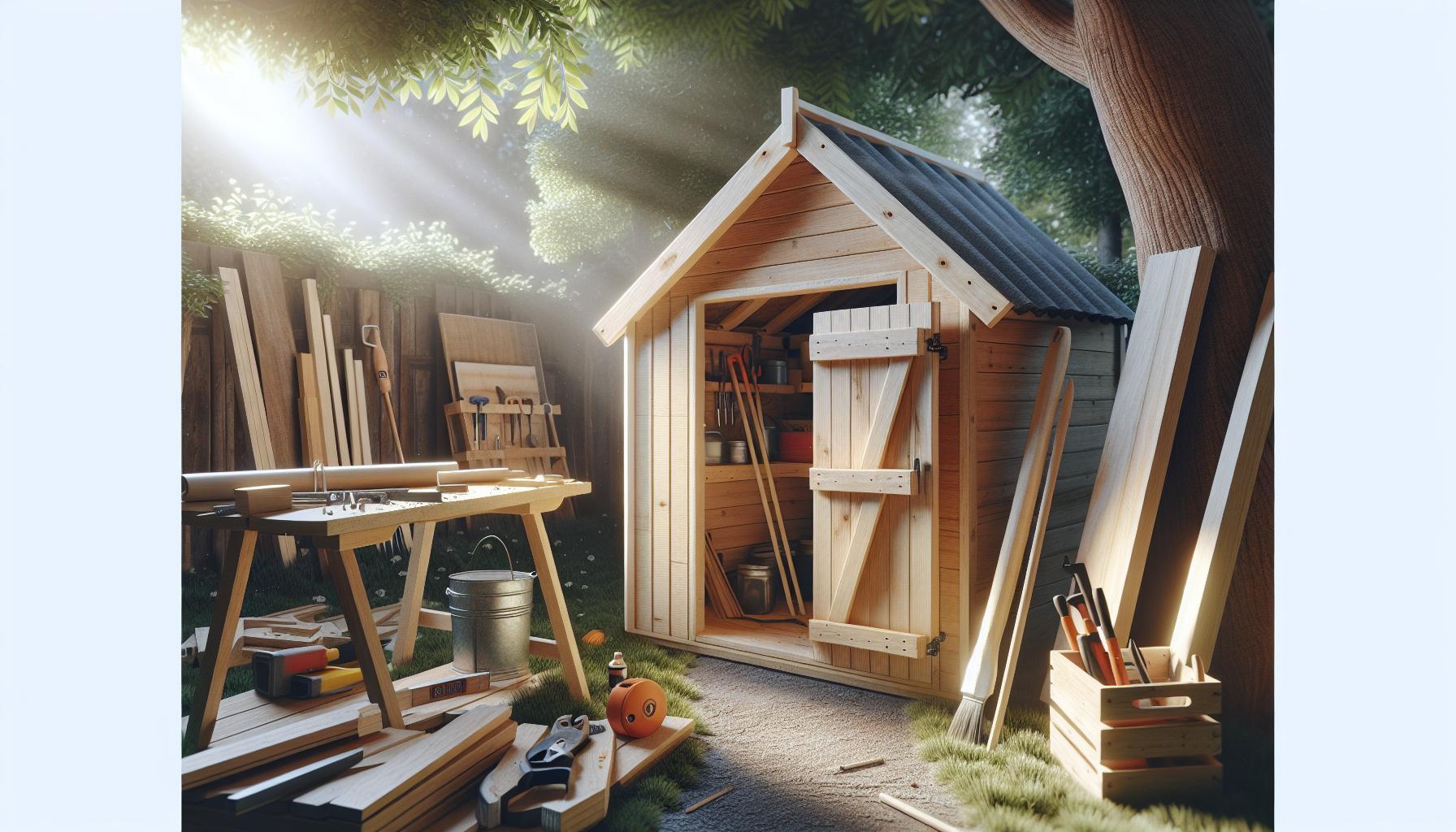
Struggling to find a practical and stylish solution for your outdoor storage needs? Building a pent shed with a simple single-slope roof can be the answer. This article will guide you through the straightforward steps, ensuring you create a functional and attractive addition to your backyard that meets your storage requirements efficiently.
Understanding Pent Sheds: Design Basics and Benefits
A pent shed, characterized by its single-slope roof, has emerged as a popular choice among gardeners, DIY enthusiasts, and homeowners looking for functional storage solutions. This design not only adds aesthetic appeal to your garden or property but also provides several practical benefits that make it an excellent investment. Understanding the fundamentals of pent shed designs can definitely help you maximize their potential while ensuring they meet your specific needs.
One of the standout features of a pent shed is its simple yet effective roof structure, which allows for efficient water drainage and better sunlight exposure. This aspect is notably beneficial in areas with heavy rainfall, as it minimizes the risk of water pooling on the roof, extending the life of your shed. A pent shed can also easily complement different architectural styles due to its clean lines and modest profile.
When considering how to build a pent shed, you should keep in mind several key elements in its design:
- Size: Determine the storage needs you want to fulfill, whether it’s tools, gardening supplies, or outdoor furniture.
- Location: Choose a spot that receives ample sunlight while also being shielded from harsh winds.
- Materials: Select quality materials, like treated wood or metal, to ensure durability and weather resistance.
- Access: Plan for doors or windows that provide easy access and natural light, enhancing usability.
Benefits of a Pent Shed
The advantages of investing in a pent shed go beyond mere storage. Here are some compelling reasons to consider this versatile structure:
| Benefit | Description |
|---|---|
| Space Efficiency | Pent sheds utilize vertical space effectively, allowing for organized storage through high shelving and pegboards. |
| Easy Construction | The straightforward design simplifies the construction process,making it an accessible project for DIY enthusiasts. |
| Customizable | You can easily personalize the dimensions, finish, and interior layout to suit your individual preferences. |
| Cost-Effective | Typically, pent sheds are less expensive to build than other types of storage buildings, providing great value for your investment. |
by choosing to build a pent shed, you not only enhance your outdoor space with a practical and stylish storage solution but also gain a flexible structure that can adapt to your changing needs.Whether you’re a seasoned DIYer or a novice looking to undertake an engaging project, understanding the design basics of pent sheds can pave the way for prosperous construction and enhanced functionality.
Materials You’ll Need for a Sturdy Single-Slope Roof
When embarking on the journey of constructing a pent shed with a single-slope roof,selecting the right materials is crucial to ensure both durability and aesthetic appeal. A well-built roof not only protects the structure from the elements but also contributes considerably to the overall functionality and appearance of your shed. Understanding what materials to gather before you start can save you time,money,and headaches down the line.
Key Materials for Your Roof
Here’s an overview of essential materials you’ll need to create a sturdy single-slope roof:
- Plywood or OSB Sheets: Choose 3/4-inch thick sheets for the roof decking, providing adequate structural support.
- Roofing Felt or Underlayment: A layer of roofing felt helps to protect your decking from moisture and prevent rot.
- Shingles or Metal Roofing Panels: Depending on your aesthetic preference and budget, select either asphalt shingles or metal panels. While shingles are cost-effective and easy to install, metal provides superior longevity and weather resistance.
- Rafters or Trusses: These should be made from treated lumber or engineered wood to ensure strength and resistance against decay.
- Fasteners: Use galvanized nails or screws specifically rated for roofing applications to secure all materials tightly.
Additional Supplies to Consider
aside from the primary materials, having the right tools and additional supplies will make the construction process smoother:
| Tool/Supply | Purpose |
|---|---|
| Hammer or Nail Gun | For securing roofing materials and rafters. |
| Measuring Tape and Square | for precise measurements and ensuring square cuts. |
| Level | To ensure a proper slope on your roof. |
| Ladder | for easy access to the roof during construction. |
By meticulously selecting the right combination of these materials and tools, you can confidently move forward in your project, knowing that your pent shed will feature a single-slope roof that stands the test of time. Taking the time to ensure quality in these foundational aspects will reward you with a structure that not only meets your storage needs but also complements your outdoor space beautifully.
Step-by-Step Guide to Building Your Pent Shed Frame
Constructing a pent shed with a single-slope roof can be a fulfilling project that adds both functionality and aesthetic appeal to your outdoor space.Understanding the process and planning properly can elevate your shed from a mere storage unit to a valuable addition to your garden or backyard. Here’s a comprehensive guide to help you create a sturdy frame for your pent shed, ensuring durability and ease of construction.
Gathering Your Materials
Before you begin assembling your shed frame, you’ll need to ensure you have all the necessary materials on hand. Here’s a fast checklist to get you started:
- Pressure-treated timber for the base and frame
- Galvanized screws and nails
- Wooden or metal brackets for reinforcement
- Measuring tape and level
- Angle brackets for corner support
- Saw and drill
Use quality materials to ensure longevity,particularly if your shed will be exposed to the elements.
Constructing the Base
Start by laying out your base. This is crucial for the stability of your pent shed. Here’s how to proceed:
- Measure your space: Decide on the dimensions of your shed based on its intended purpose. Common sizes range between 6×4 feet to 12×8 feet.
- cut the timber: Use your saw to cut the pressure-treated wood to length for the base frame, forming a rectangular outline. Make sure to cut the corners at a 90-degree angle for a proper fit.
- Assemble the base: Use brackets and screws to secure the frame together. Check it is indeed square by measuring the diagonals.if both measurements are equal, the frame is square.
- Level the base: place the base in your chosen location and use a level to ensure it is indeed even. Adjust with extra gravel or soil if necessary.
Building the Uprights
Once your base is set, it’s time to erect the vertical supports that will shape the walls of your pent shed:
- Cut uprights: Measure and cut your timber to the height you desire for your shed. Typically, a height of around 6-7 feet is optimal.
- Mark placements: Evenly space your uprights along the perimeter of your base, typically every 4 to 6 feet. Use a pencil to mark their positions.
- Install the uprights: Secure each upright to the base using screws. Again, use your level to ensure they are plumb (vertically straight).Reinforce with angle brackets at the base to enhance stability.
- Connect with top plates: Once the uprights are installed, connect them with horizontal timbers at the top to create a robust framework. This will also help you shape the roof.
Frame Strength and Stability
To ensure your pent shed withstands weather and wear over time, it’s notable to pay attention to frame support:
- Diagonals: Adding diagonal braces between the uprights can greatly increase the frame’s stability. Cut additional timber pieces and install them at a 45-degree angle from the top of an upright to the bottom of the adjacent base.
- Double-check measurements: regularly step back and assess your progress, ensuring all angles and measurements remain true.This attention to detail will pay off in the final product.
By following these steps, you will build a solid frame that sets the foundation for both the walls and roof of your pent shed. When executed carefully, constructing the framework can transform the simple concept of ‘how to build a pent shed: single-slope roof designs made simple’ into a rewarding and successful DIY endeavor.
Installing the Roof: Techniques for Durability and Style
To ensure that your pent shed not only serves its practical purpose but also enhances your outdoor space’s aesthetic appeal, installing a roof that combines durability and style is crucial. The single-slope roof design offers a unique charm and can be executed with various materials, each contributing their own benefits. Whether you’re a DIY enthusiast or a seasoned builder, understanding the nuances of roof installation can help you achieve a long-lasting and attractive structure.
Choosing the Right Materials
The selection of roofing material plays a pivotal role in both the lifespan and appearance of your shed. Here are some popular options along with their attributes:
- Metal Roofing: Known for its durability and minimal maintenance, metal roofing can withstand extreme weather conditions. Available in various colors, it adds a modern touch.
- Asphalt Shingles: A cost-effective choice, asphalt shingles provide a conventional look. They are relatively easy to install but may require more upkeep than metal.
- Wooden Shingles or Panels: Perfect for those seeking a rustic aesthetic, wood can create a warm and inviting feel. However, it requires regular treatment to protect against rot and pests.
- Rubber Roofing: An alternative for flat sections, rubber roofing is highly resistant to UV exposure and offers excellent waterproofing.
It’s essential to consider local climate conditions when selecting roofing materials to ensure optimal performance over time.
Installation Techniques for Longevity
The installation process for a single-slope roof may seem straightforward, but attention to detail is vital for a robust structure. Here are some techniques that can enhance durability:
- Proper Slope: Ensure your roof has an adequate slope (typically at least 3:12) to facilitate water drainage. This helps prevent pooling, which can lead to leaks and structural damage.
- Use of the Right Fasteners: Choose corrosion-resistant screws or nails specifically designed for your roofing material. This not only improves longevity but also helps maintain the aesthetic integrity of the shed.
- Install Underlayment: An underlayment, such as roofing felt or synthetic underlayment, acts as an additional water barrier. It can significantly aid in protecting your shed from moisture intrusion.
- correct Overhangs: A good overhang protects the walls from rain runoff and adds character to your shed’s design. Aim for 12-18 inches for optimal protection.
Aesthetic Considerations
integrating style with function is what sets your pent shed apart.
| Design Element | impact on Appearance | Recommendations |
|---|---|---|
| Color Coordination | Creates harmony with surrounding structures. | Select colors that complement your garden or existing buildings. |
| Trim Details | Adds visual interest and depth. | Consider contrasting colors for trim to enhance edges. |
| Roof Style | Defines the overall character of the shed. | Experiment with different profiles or materials to stand out. |
Bringing these elements together will ensure your pent shed roof not only performs exceptionally but also contributes positively to your outdoor space. By focusing on installation techniques that emphasize both durability and style, you create a structure that is both functional and visually striking, embodying the principles outlined in “How to Build a Pent Shed: single-slope Roof Designs Made Simple.”
Adding Finishing Touches: Doors, Windows, and Ventilation
When it comes to creating a functional and aesthetically pleasing pent shed, the importance of selecting the right doors, windows, and ventilation cannot be overstated.These elements not only enhance the usability of your shed but also significantly impact its overall appearance and energy efficiency. A well-designed entryway can welcome you into your sanctuary of tools, supplies, or outdoor gear, while appropriately positioned windows can provide natural light and air circulation to keep your shed fresh and inviting.
Choosing the Right Doors
Selecting the ideal door for your pent shed sets the tone for the entire structure. Here are a few options to consider:
- Single or Double Doors: For smaller sheds, a single door might suffice, while larger sheds might benefit from double doors for easier access.
- Material: Wooden doors provide a classic look and sturdy feel, while metal doors offer durability and resistance to the elements.
- Style: Consider whether you want barn-style doors for a rustic look or modern doors for a sleek finish.
Incorporating secure locks is essential to protect your belongings. If your shed is used for valuable equipment or tools, opt for higher security locks that stand the test of time.
Windows: light & Functionality
Natural light can make all the difference in how your workspace feels.Installing windows in the right locations can transform your pent shed into a well-lit area where you can easily see what you’re doing. Here are some ideas:
- Placement: Position windows on the south side when possible to capture the most sunlight throughout the day.
- Size: larger windows will allow more light, but smaller ones may suffice for your needs while maintaining simplicity.
- Types: Consider casement or sliding windows for better ventilation options.
To further enhance your shed’s aesthetic, the use of window boxes can introduce a splash of color with seasonal flowers or herbs, adding charm and welcoming warmth.
Ensuring Proper Ventilation
Without sufficient ventilation,your shed can quickly become a stifling space,leading to dampness and a musty odor. Here’s how to ensure that your shed remains well-ventilated:
- Ridge Vents: installing a ridge vent along the peak of your shed’s roof allows hot air to escape while drawing in cooler air from lower openings.
- Soffit Vents: Add soffit vents beneath the eaves to create a continuous airflow that combats humidity.
- Transom Windows: If applicable, consider using transom windows above your door or main windows for additional air circulation.
By effectively integrating doors, windows, and ventilation, you can elevate your shed’s functionality and style. This close attention to detail aligns perfectly with the broader principles laid out in our guide on how to construct your pent shed, ensuring it is not just a shelter, but a true extension of your lifestyle.
Common Challenges in Pent Shed Construction and How to Overcome Them
Building a pent shed can be an exciting project for DIY enthusiasts,but it’s essential to be aware of the common challenges you might face along the way. From selecting the right materials to managing drainage, understanding these potential pitfalls can help you achieve the clean lines and functionality that a single-slope roof design promises. Here are some of the most frequent hurdles and effective strategies to overcome them.
Material Selection
One of the initial difficulties when constructing a pent shed is choosing the right materials. The type of wood, hardware, and roofing that you select can significantly impact the aesthetics and longevity of your shed.
- Wood Quality: Opt for pressure-treated lumber or materials resistant to rot to ensure durability against moisture and the elements.
- Roofing Choices: Look into various roofing materials, such as corrugated metal, shingles, or EPDM rubber. Each comes with its benefits and costs, so consider your climate and budget.
Make sure to create a list of materials tailored to your needs using a simple table similar to the one below to track what you need.
| Material | Type | Benefit |
|---|---|---|
| Lumber | Pressure-Treated | Resistant to rot and insects |
| Roofing | Metal | Lightweight and long-lasting |
| Plywood | Exterior Grade | Moisture-resistant for walls |
Managing Water Drainage
Another critical aspect of a successful pent shed construction is ensuring proper water drainage to prevent leaks and structural damage.The sloped roof is designed to lead water away, but if not constructed properly, you may encounter standing water and eventual leaks.
- Gutter Installation: Incorporate gutters along the low edge of the roof to direct rainwater effectively. Regular maintenance of your gutters is crucial to avoid blockages.
- Grade the Ground: ensure that the ground around your shed slopes away from its foundation. This simple landscaping step can significantly reduce the chances of water pooling around the base.
Structural Stability
Stability and strength are paramount for any structure, and with a pent shed, this is no different. The angled roof can put stress on specific joints and supports, which can eventually lead to sagging or structural failure.
- Reinforce joints: Use metal brackets and quality screws to secure connections between beams and posts. Consider a double frame at the corners for enhanced support.
- Cross Bracing: Implement cross bracing using diagonal supports, especially in walls. This technique aids in maintaining the square shape of the shed during usage.
Understanding these common challenges in building a pent shed empowers you to tackle each one confidently. By preparing for material selection, water drainage, and structural integrity, your project can transition from conception to reality with seamless efficiency.
Customizing Your Shed: Tips for Personalization and Functionality
When it comes to enhancing the utility and aesthetics of your outdoor space, customizing your pent shed can do wonders. Whether you envision a stylish garden retreat, a practical storage area, or a multifunctional workspace, personalization is key.Start by assessing your needs and preferences to create a shed that is not only functional but also complements your landscape.
Consider Your purpose
Identifying the primary function of your pent shed is crucial. Here are a few purposes to consider:
- Storage Solution: If you’re primarily using your shed for storage, think about incorporating shelving, hooks, and cabinets to maximize vertical space.
- Hobbies and Crafts: If you plan to use it as a workshop, ensure there are ample work surfaces and access to power outlets for tools.
- Garden Retreat: For those seeking a peaceful escape, add pleasant seating, windows for natural light, and decorative elements like potted plants or art pieces.
Design and Aesthetic Choices
The exterior of your shed can dramatically impact the overall vibe of your outdoor area. Consider the following customization options:
- Color Scheme: Choose colors that either blend with your landscaping or provide a striking contrast. A light shade reflects sunlight, making a small shed appear larger.
- Materials: Different materials like wood, metal, or composite can enhance durability and style. Each material also comes with its maintenance needs, which should be factored into your decision.
- Landscaping: Planting shrubs or flowers around your shed can integrate it beautifully into your garden. A small path leading to the shed can also enhance its accessibility and charm.
Functional Upgrades
To improve the functional aspects of your pent shed, consider implementing these upgrades:
- Insulation: If you’re using the shed year-round, proper insulation can definitely help maintain a comfortable environment, regardless of the season.
- Lighting: Installing windows for natural light along with electrical lighting will create an inviting and productive space.
- Storage Solutions: Use foldable workbenches, magnetic tool strips, and storage bins to keep your shed organized and clutter-free.
By thoughtfully personalizing your pent shed based on its intended use, aesthetic appeal, and functional enhancements, you can create a unique and highly effective space. The customization possibilities are virtually endless, ranging from the interior layout to the surrounding landscape, ensuring that your shed not only meets your spatial needs but also reflects your personal taste.
Faq
How to build a Pent Shed: Single-Slope Roof Designs Made Simple?
The article “How to Build a Pent Shed: Single-Slope Roof Designs Made Simple” provides readers with step-by-step instructions to construct a pent shed. With straightforward guidelines on materials, measurements, and construction techniques, this guide makes DIY building accessible for everyone.
A pent shed features a single-slope roof that efficiently sheds water and snow. It’s an ideal choice for those looking to create extra storage space in their backyard without a complicated roof structure.For a thorough breakdown of steps, check out our detailed guide on construction techniques.
What materials do I need to build a pent shed?
To build a pent shed, you’ll need essential materials such as wood, roofing, and fasteners. Common choices include treated timber for the frame, plywood for the walls, and metal sheets or shingles for the roofing. Having the right materials ensures durability and stability.
Make sure to choose high-quality wood and weather-resistant roofing materials.Additionally, consider insulation if you plan to use the shed year-round. For more information on material selection, take a look at our section on material selection.
Why dose the roof slope matter in a pent shed?
The roof slope in a pent shed is crucial for effective drainage. A proper slope helps prevent water pooling, which can damage both the roof and the overall structure. Typically,a slope of at least 15 degrees is recommended.
A well-designed slope enhances the shed’s longevity by directing rainwater away from the walls and foundation.Properly sloped roofs also allow for better snow load management in colder climates,reducing the risk of collapse. Learn more about roofing angles in our detailed roofing guide.
Can I modify the pent shed design for more space?
Yes, you can modify the pent shed design to optimize space. Consider increasing the shed’s width or height for additional storage or incorporating features like built-in shelving or workbenches.
When modifying, always adjust your measurements to maintain structural integrity. Determine the right modifications based on your specific needs and available space. Explore more ideas in our section on design ideas.
How do I ensure my pent shed is level?
To ensure your pent shed is level,start with a solid foundation using concrete blocks,gravel,or a poured slab. Level each corner before securing the frame, checking with a carpenter’s level.
A level foundation prevents structural issues and ensures that doors and windows function properly. Take the time to double-check your levels during construction to save yourself future headaches. For more foundation tips, refer to our foundation guide.
What tools do I need for building a pent shed?
Basic tools for building a pent shed include a saw, hammer, drill, level, and measuring tape. Having the right tools makes the process smoother and ensures accurate cuts and fittings.
For more complex tasks, consider a circular saw or a power drill for efficiency. Familiarize yourself with each tool’s proper use to develop confidence in your DIY projects. Visit our tool guide for additional recommendations.
How long does it take to build a pent shed?
The time it takes to build a pent shed varies based on size and complexity, but most DIY enthusiasts can complete one in 1-2 weekends. Proper planning and readiness significantly reduce build time.
Factors such as weather conditions, available help, and your building experience can effect the timeline. Stay organized and remain flexible with deadlines, as occasional challenges can arise. For tips on managing your build schedule, see our schedule tips.
Concluding Remarks
As we wrap up our guide on building a pent shed with a single-slope roof,it’s clear that this straightforward design can be an excellent addition to your outdoor space. We’ve walked you through each stage, from selecting materials to achieving the perfect slope for effective water runoff. Remember, the key to success lies in meticulous planning and a step-by-step approach.
Equip yourself with the right tools and a bit of patience,and you’ll find tackling this project not only more manageable but also incredibly rewarding. Embrace the possibility of imperfections as they often lead to valuable lessons and a unique character in your craftsmanship. Don’t hesitate to reach out to fellow DIY enthusiasts or experts if you hit a snag—collaborative problem-solving is part of the journey!
We encourage you to take this knowledge and explore further.Dive into our related articles for more tips, tricks, and creative ideas that will enhance your shed or inspire your next project. Whether you’re building for utility, style, or storage, each completed task will bring you one step closer to becoming a confident DIYer. Happy building!
Get our latest guides, news, and insights highlighted in your Google Search & AI Overviews.