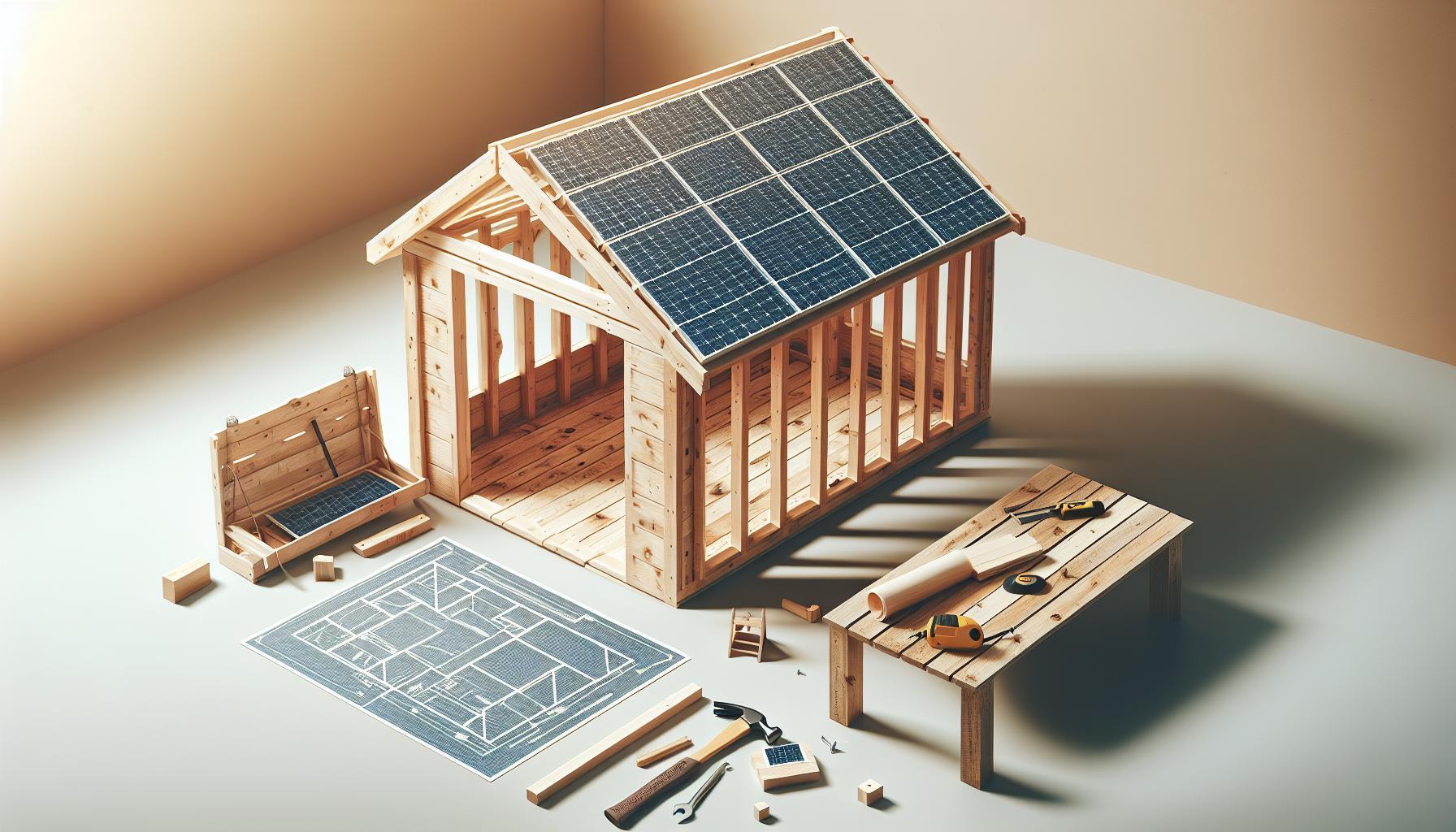
Proper lighting transforms a simple shed into a functional workspace, enhancing safety and productivity. Whether you’re organizing tools, crafting, or enjoying leisure activities, choosing the right power sources and strategic placements for illumination is essential. Explore the best shed lighting solutions to brighten your space and optimize its use effectively.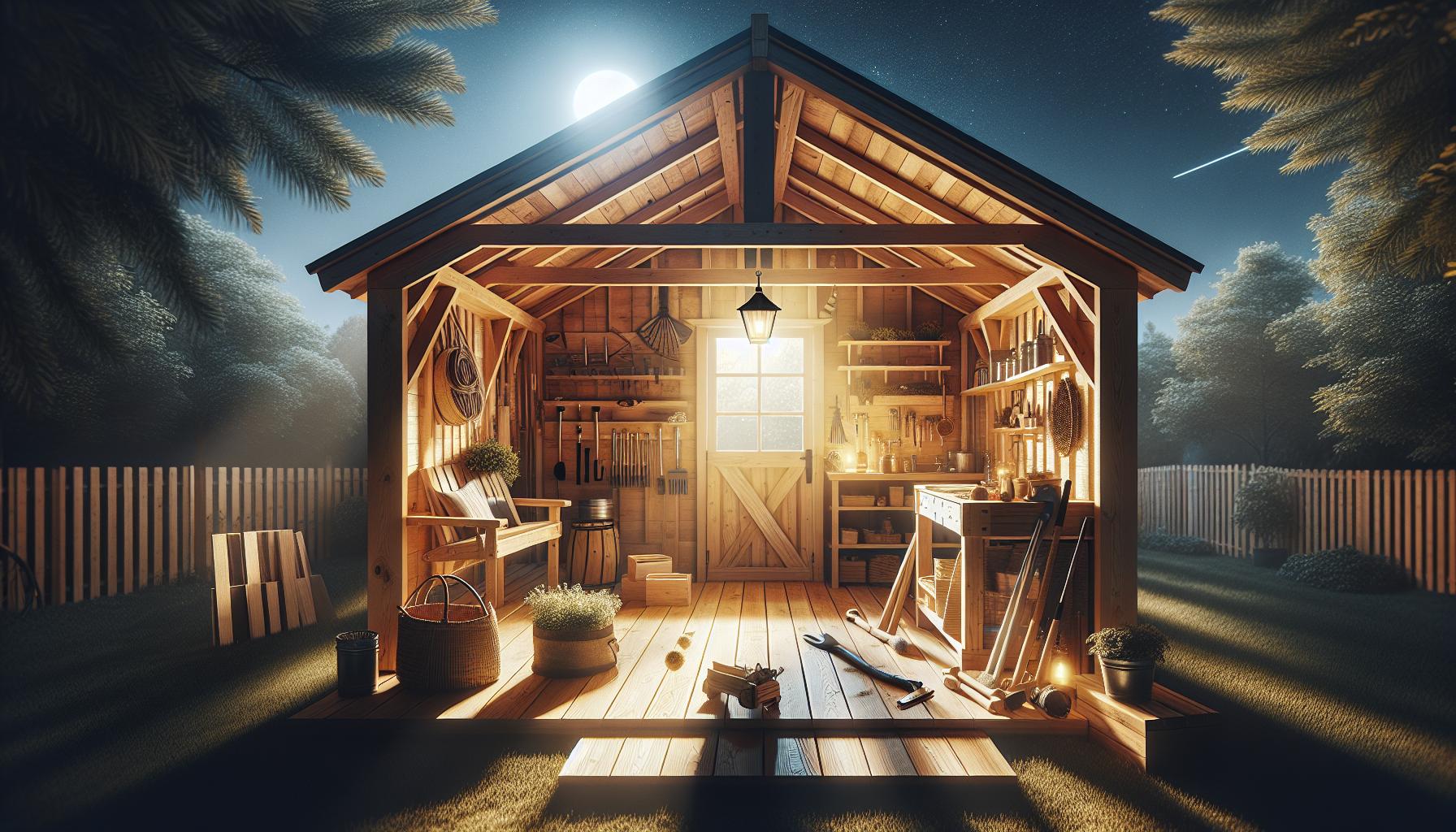
Understanding the Importance of Proper Shed lighting
Lighting is a vital consideration for any shed, transforming it from a mere storage space into a fully functional workshop or hobby area. Proper shed lighting not only enhances safety—preventing accidents by illuminating dark corners and pathways—but also boosts productivity by providing adequate illumination for various tasks.The right lighting setup can make all the difference between a welcoming work habitat and a frustrating, poorly lit area that hampers your efforts.
When choosing shed lighting options,understanding the power source and placement is essential. Solar-powered lights are an excellent choice for those looking for energy efficiency and ease of installation.They harness sunlight during the day and provide illumination at night without the need for complex wiring. On the other hand, motion sensor lights offer convenience and security, activating only when movement is detected, which can deter intruders while also saving energy. Whichever option you choose,the placement of the lights is crucial. Lights should be positioned to eliminate shadows, especially in work areas where precision is key.
Types of Shed Lighting Solutions
Consider the following options for effective shed lighting:
- LED Strip Lights: Ideal for thier adaptability and energy efficiency; they can be installed along shelves or workbenches.
- Pendant Lights: Suspend these from the ceiling for a more traditional look and effective task lighting.
- Task Lighting: Incorporate focused light sources such as work lamps to illuminate specific areas where detailed work is performed.
Utilizing a combination of different lighting types can maximize both functionality and aesthetics. Such as, a single overhead fixture may not suffice for a work shed; integrating LED strips with task lighting can ensure every inch is covered—nothing gets overlooked in low-light conditions.
the thoughtful integration of diverse shed lighting options allows you to tailor your storage space into an effective workspace. By prioritizing safety through proper illumination and enhancing productivity with strategic placements,you create an environment that not only meets your functional needs but also inspires creativity and efficiency.
types of Lighting Fixtures: What Works Best for Your shed?
When it comes to enhancing the functionality and safety of your shed,choosing the right lighting fixtures is essential. The variety of shed lighting options available today means you can create a well-lit space suitable for everything from storage to DIY projects. Each lighting type serves specific purposes and comes with its own set of advantages, making it crucial to understand which options work best for your unique needs.
Solar-Powered Lights
Solar-powered lights are an excellent choice for those seeking energy-efficient solutions without complex installations. They harness sunlight during the day to provide illumination at night and are notably useful for sheds located away from electrical outlets. Options range from simple solar garden lights to more advanced solar LED options with motion sensors. For example,the GAMA SONIC Light My Shed IV includes multiple lights that provide 250 lumens of bright, efficient illumination, making it ideal for larger sheds that require consistent lighting throughout the space.
Battery-Operated Fixtures
For those who need flexibility without being tethered to wires, battery-operated lighting can be a perfect choice. These lights are easy to install and can be placed anywhere without worrying about proximity to an outlet.Styles can vary from LED strips to portable work lights. one critical benefit of battery-operated lighting is mobility; if your needs change or you decide to rearrange your shed, moving these fixtures is straightforward. Consider LED lights with long battery life to ensure your shed remains lit for extended periods without frequent battery changes.
Hardwired Lighting Options
If your shed is used for more frequent or intensive activities, such as woodworking or mechanics, hardwired lighting may be the best choice. This option involves installation by an electrician and provides consistent, high-quality lighting without the restrictions of batteries or solar power. Depending on your shed’s size, you might opt for ceiling-mounted fixtures or integrated fluorescent lights for maximum brightness. This setup is ideal for tasks requiring precision and safety since it allows for even light distribution and reduced shadows, enhancing visibility during your projects.
Motion Sensor Lights
Adding motion sensor lights around the exterior or interior of your shed enhances both security and convenience. These fixtures activate upon detecting movement, which is great for alerting you to unexpected visitors or simply providing light when you approach. Whether you choose solar-powered motion sensors or wired models, they can significantly increase safety, especially in dimly lit areas.
| Type of Lighting | Advantages | Best Uses |
|---|---|---|
| Solar-Powered Lights | Cost-effective, energy-saving, eco-friendly | Remote locations, minimal installation |
| battery-Operated Fixtures | Portable, easy to install and relocate | Flexibility in lighting placement |
| Hardwired Lighting | Consistent power supply, bright illumination | Workshops, frequent use |
| Motion Sensor Lights | Enhanced security, convenience | Entry points, dark corners |
By carefully evaluating your needs and considering the various shed lighting options, you can create a well-lit, functional workspace that enhances safety and productivity. Whether you opt for solar panels,battery power,or hardwired solutions,each choice contributes uniquely to making your shed a more inviting and practical space.
Powering Your Shed: Safe Electrical installations Simplified
Creating a well-lit and functional shed can transform it into a productive workspace or a cozy retreat for hobbies. Tho, powering your shed safely is paramount, as improper electrical installations can lead to hazards or inefficiencies.Whether using your shed for storage,gardening,or as a workshop,understanding the essentials of electrical installation ensures that your lighting and power sources operate effectively and safely.
When planning your electrical setup, consider the following key factors:
- Power Requirements: Assess the total wattage needed for all intended devices and lighting to ensure your electrical system can accommodate these demands.
- Wiring Types: Use appropriate wiring specific to outdoor environments, such as UF (underground feeder) cable, which is durable and moisture-resistant, perfect for sheds.
- Outlets and Switches: Strategically place electrical outlets and switches for easy access, enhancing convenience and reducing the need for extension cords, which can pose a safety risk.
- Lighting Options: Explore various lighting solutions like LED fixtures, which offer excellent brightness and energy efficiency. Placement is vital—install lights in work areas while avoiding shadows created by equipment or storage items.
Compliance and Safety Measures
It’s essential to adhere to local electrical codes and standards to ensure safety and compliance. This involves securing proper permits and possibly working with a licensed electrician, especially for more extensive installations.key safety measures include:
- Ground fault Circuit Interrupters (GFCIs): Install GFCI outlets in your shed, which protect against electrical shock by disconnecting the power if a ground fault is detected.
- Lighting positioning: Ensure lights are positioned high enough to prevent accidental damage and shielded to protect against moisture.
By taking these steps, you can create an inviting and safe environment in your shed where productivity flourishes while ensuring your electrical installations prioritize safety and functionality. Making informed choices about your shed’s power and lighting options reflects a commitment not just to good design but also to secure and efficient practices.
Smart Placement: How to Strategically Light Your Shed
Proper lighting can transform a shed from a dark and uninviting space into a functional workshop or cozy retreat. The way you strategically position your light sources plays a crucial role in enhancing safety and productivity within the shed. Consideration of light placement not only improves visibility but also adds to the overall ambiance of the space, making it a more pleasant area to work or relax.
Assess Your Shed’s Layout
Before selecting your lighting solutions, take the time to assess the layout of your shed. Identify key areas that require illumination, such as workbenches, storage spaces, and walkways. For example, it’s vital to ensure that work areas have bright, focused lighting to minimize shadows and prevent accidents. A combination of ambient lighting and task lighting can effectively illuminate these areas.
- Ambient Lighting: general illumination that brightens the entire space.
- Task Lighting: Focused lights that target specific activities (e.g.,reading,crafting).
- Accent Lighting: Decorative lights that enhance the aesthetic appeal without serving a functional purpose.
Consider Natural Light Sources
Whenever possible, take advantage of natural light to reduce energy consumption and provide a pleasant working environment. This might involve strategically positioning windows, skylights, or even translucent panels that allow sunlight to filter in. During the day, natural light can significantly enhance the mood and reduce the need for artificial lighting, promoting productivity. Install reflective surfaces or light-colored walls to maximize the effect of natural light, further brightening your shed’s interior.
Choosing the right lighting Fixtures
When it comes to selecting specific types of lighting fixtures, opt for energy-efficient solutions such as LED or solar-powered lights. For instance, the GAMA SONIC light My Shed IV offers an excellent solar LED option that provides bright, white light and is easy to install, making it suitable for various shed types and locations [[1]](https://www.homedepot.com/p/GAMA-SONIC-light-My-Shed-IV-Solar-LED-area-Light-with-2-Light-Integrated-Bright-White-Light-bulb-for-Storage-Sheds-and-Barn-16B02/313922126).
By ensuring the right placement and selection of lights, you can significantly improve both the functionality and safety of your shed, fostering a productive and inviting environment.
Enhancing Visibility: The Role of Natural Light and Windows
The importance of natural light in a workspace cannot be overstated; it has been shown to improve mood, boost productivity, and even enhance creative thinking. When constructing or revamping a shed for work, maximizing sunlight exposure is not merely a design choice—it’s a vital aspect of creating an inviting, energy-efficient environment. Tapping into the benefits of natural light should be a priority when considering your shed lighting options.
Utilizing Windows Effectively
windows are your primary source for harnessing natural light, but the placement, size, and type of window can make all the difference in how much illumination your workspace receives. Here are a few strategies to optimize window usage in your shed:
- Choose Larger Windows: Larger windows allow more light to enter and can transform a dark space into a cheerful haven. Consider floor-to-ceiling windows if structural integrity allows.
- install Skylights: Skylights are particularly effective in spaces with restricted wall area for windows. They allow ample light without compromising wall space.
- Orient Windows Strategically: Positioning windows to the south or west can capture maximum sunlight throughout the day, especially during winter months when daylight is limited.
Types of Windows to Consider
Different types of windows can serve distinct purposes in enhancing visibility.Below is a comparative table outlining various window types and their benefits:
| Window Type | Benefits |
|---|---|
| Double-Hung Windows | Easy airflow and versatile; great for letting in both light and fresh air. |
| Casement Windows | Opens outward for maximum light; ideal for corners where space is limited. |
| Pictured Windows | Fixed glass panes that offer unobstructed views and allow light without airflow. |
| Bay or Bow Windows | Add dimension, offering panoramic views and additional light; great for aesthetic appeal. |
Incorporating these elements into your shed design can create a harmonious atmosphere conducive to both safety and productivity.By blending the right window types and placements with additional lighting solutions, you can ensure your shed is not only functional but also a pleasant place to work.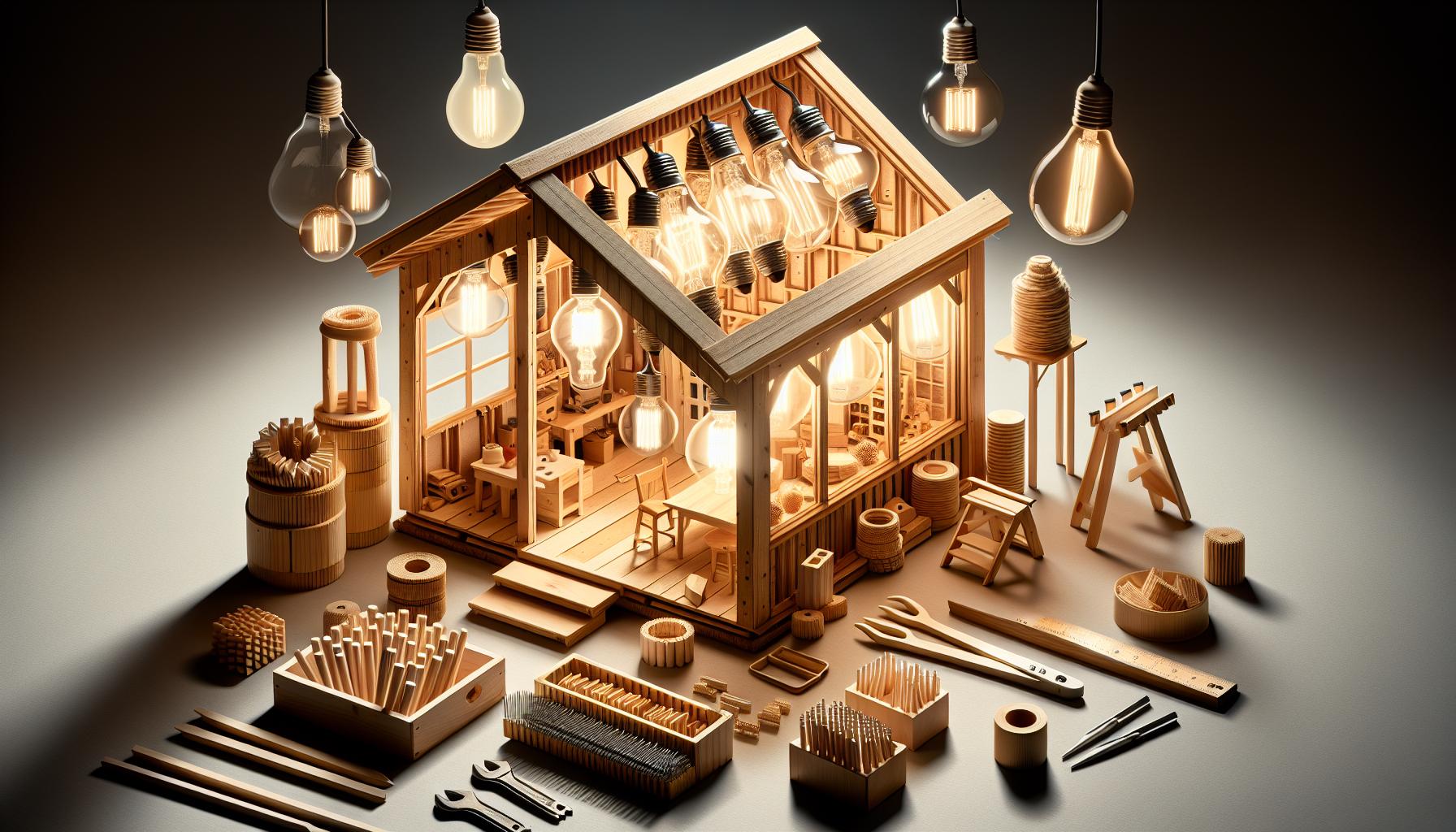
Minimizing Flicker and Glare: Choosing the right Bulbs
Choosing the right bulbs is critical when it comes to creating a well-lit shed environment that minimizes flicker and glare. Flickering lights can be more than just an annoyance; they can lead to eye strain and reduced productivity as you try to focus on various tasks. To help ensure your shed lighting is effective and comfortable, it’s essential to understand the differences between bulb types and their suitability for your specific needs.
Understanding Bulb Types
Different types of bulbs emit light differently, and their characteristics can significantly impact flicker and glare:
- LED Bulbs: These are highly efficient and long-lasting, reducing energy costs and maintenance. However, lower-quality LED bulbs may produce flicker. always opt for high-quality options with a consistent color temperature (warm white is frequently enough best for a cozy atmosphere).
- Compact Fluorescent Lamps (CFLs): While they consume less energy,CFLs can also emit flickering light,particularly during startup. Consider using them in areas where you won’t need instant brightness.
- Incandescent Bulbs: These bulbs provide warm light and minimal flicker, making them a good option for reducing glare. However,they are less energy-efficient and have a shorter lifespan compared to newer options.
Choosing the Right Color Temperature
Color temperature is another crucial factor that influences comfort in your shed lighting. Light temperature is measured in Kelvins (K),and here’s a breakdown of common ranges:
| Color Temperature (K) | Appearance | Best Uses |
|---|---|---|
| 2700K – 3000K | Warm White | Relaxed,cozy spaces |
| 3500K - 4100K | Cool White | Workspaces,craft areas |
| 5000K - 6500K | Daylight | Detail work,garages |
Choosing the right color temperature can not only enhance visibility but also reduce the chance of glare. cooler temperatures are great for tasks requiring focus but can be harsh in warmer settings.
Additional Tips for Reducing Glare
To further enhance your shed lighting setup, consider implementing these practical tips:
- Positioning: Place lights at angles that minimize direct exposure to your eyes. Utilizing pendant lights or wall-mounted fixtures can definitely help achieve this.
- Diffusers: Use diffuser covers on bulbs or choose fixtures designed to distribute light evenly, reducing harsh shadows and glare.
- Maintain Lighting Cleanliness: Dust and grime can exacerbate flickering effects. Regularly clean your fixtures and bulbs to ensure optimal performance.
By focusing on high-quality bulbs, appropriate color temperatures, and thoughtful placement, you can significantly reduce flicker and glare in your shed lighting solutions, aligning with the principles of safety and productivity in your work environment.
Energy Efficiency in Shed Lighting: Tips for Eco-Friendly Solutions
Adding energy-efficient lighting solutions to your shed not only reduces electricity costs but also contributes to environmental sustainability. With the right choices, you can illuminate your workspace while minimizing energy use. This not only enhances productivity but also ensures a safer environment for tasks that require adequate visibility. Incorporating energy-efficient lighting in your shed isn’t just beneficial for your budget; it’s a crucial step toward a greener lifestyle.
choosing Energy-Efficient Lighting Options
When selecting lighting for your shed,consider options such as LED bulbs,which are known for their energy efficiency and longevity.Compared to traditional incandescent bulbs, LED lights consume up to 80% less energy and last significantly longer—often up to 25,000 hours. This means fewer replacements and decreased waste. Other options include compact fluorescent lamps (CFLs), which are also more efficient than incandescent bulbs, offering a good balance between initial cost and energy savings.
To optimize your shed lighting, position fixtures strategically to maximize the available light.this could involve using reflective surfaces or choosing the right wattage that illuminates your space effectively without over-lighting.Moreover, consider the placement of lights that align with your activities—install brighter lights in work areas and softer lights for relaxation corners to create a well-balanced environment.
Utilizing Smart Technology
Incorporating smart technology into your shed lighting can amplify energy savings. Smart bulbs allow you to customize the brightness, color, and schedule of your lighting via a mobile app or voice control. This means you can ensure lights are off when not in use or even set schedules based on your routines. Additionally,motion sensors can be installed to turn lights on and off automatically,ensuring lights are only active when someone is present in the shed,which significantly reduces waste.
Maintenance for Longevity
Regular maintenance of your lighting systems is key to maintaining energy efficiency.Dust and dirt can accumulate over time, reducing brightness and requiring more energy to achieve the same light output. Make it a habit to clean light fixtures and bulbs periodically. This simple step ensures that your energy-efficient lighting continues to perform at its best, providing adequate illumination without needless energy consumption.
By integrating these energy-efficient strategies into your shed lighting, you not only enhance safety and productivity but also contribute to broader environmental goals through effective energy use. Adopting these eco-friendly solutions is a tangible way to embrace sustainability in all areas of your life.
overcoming Common Lighting Challenges in Shed Design
Effective lighting is essential for any shed, helping transform it from a simple storage space into a functional workshop or hobby area. However, shed owners often face common lighting challenges, including insufficient light in dark corners, energy inefficiencies, and improper fixture placement that can lead to safety hazards. By addressing these challenges, you can optimize your shed lighting options to enhance safety and productivity while creating a comfortable and inviting environment.One prevalent issue in shed design is inadequate illumination, particularly in areas where tasks require precision. To combat this, consider installing a combination of general, task, and ambient lighting. As a notable example, using overhead fixtures such as LED strip lights can provide broad illumination, while focused task lights or workbenches lamps can be strategically placed where detailed work occurs. Below is a simple table that summarizes various lighting options and suggestions for their effective usage:
| Lighting Type | Recommended Placement | benefits |
|---|---|---|
| overhead LED Lights | Center of the shed | Even lighting for general tasks |
| Task Lights (e.g.,Workbench Spotlights) | Above workspaces | Enhances visibility for detailed tasks |
| Ambient Lamps | Corner or seating areas | Creates a comfortable atmosphere |
Another challenge is ensuring energy efficiency while maintaining brightness. Utilizing dimmable LED bulbs can provide flexibility in lighting levels, allowing you to adjust the intensity according to the task at hand while minimizing electricity consumption. Furthermore, solar-powered options are becoming increasingly popular, offering an eco-friendly and cost-effective lighting solution for sheds. These can be especially beneficial if your shed is used during the day, harnessing sunlight to charge batteries for night use.
Lastly, safety should always be a priority in shed lighting design.Ensure that all wiring is done correctly, using weatherproof fixtures if your shed has openings and is susceptible to moisture. Additionally, consider installing motion-sensor lights for outdoor areas surrounding the shed, which can enhance security and provide convenience when entering or exiting. Keeping pathways well lit with LED path lights can also prevent accidents and make the space more welcoming.
By proactively addressing these common lighting challenges, you can create a well-lit shed that promotes productivity and safety for a variety of projects.
Faq
What are the best shed lighting options for safety and productivity?
The best shed lighting options include natural light sources like windows and skylights,and artificial options such as LED lights and solar-powered fixtures. Each choice enhances safety and boosts productivity by ensuring adequate illumination for tasks.
Natural light is cost-effective during the day, while artificial lights are essential for nighttime use. Combining both types ensures the shed remains functional around the clock. Consider multiple lighting sources to create a well-lit environment.
How do I power my shed lights?
You can power your shed lights through electricity, solar panels, or a generator.each method has unique benefits,allowing you to choose based on your needs and location.
As an example, using solar power is eco-friendly and ideal for off-grid sheds, while electrical wiring provides consistent lighting. If you opt for solar,consider a battery backup for cloudy days. Researching various lighting systems can help you find the most suitable for your setup.
Can I install solar lighting in my shed?
Yes, you can easily install solar lighting in your shed. Solar lights are efficient, affordable, and require minimal maintenance, making them an excellent choice for remote areas.
Choose solar panels with enough wattage to power your desired fixtures. Integrating solar-powered LED lights ensures a lasting solution that enhances your shed’s productivity without increasing energy bills.Look into options like integral solar lights for simplicity.
Why does proper lighting matter in a shed?
Proper lighting in a shed is crucial for safety and productivity. Sufficient illumination helps prevent accidents and allows for detailed tasks, enhancing overall functionality.
Without adequate lighting, navigating and working in your shed becomes difficult, especially at night. Investing in both indoor and outdoor lights ensures you’re aware of your surroundings, leading to a more enjoyable and efficient workspace.
What types of lighting are recommended for the inside of a shed?
Recommended lighting types for the inside of a shed include ceiling lights, wall sconces, and task lighting like portable lamps. Each serves a different function, contributing to a versatile workspace.
Ceiling lights provide general illumination, while task lights focus on specific areas for detailed work. Mix different types to avoid dark corners and create a well-lit atmosphere that supports all activities being conducted in your shed.
How can I enhance outdoor lighting around my shed?
To enhance outdoor lighting around your shed, consider motion sensor lights, pathway lights, and solar lanterns. These options provide essential visibility and safety when approaching your shed at night.
Motion sensor lights automatically turn on when someone approaches, improving security, while solar lanterns add aesthetic appeal. Installing well-placed lights along pathways leads to a more inviting and safer area surrounding your workspace.
What is the best placement for shed lighting?
The best placement for shed lighting includes installing lights at key functional areas such as workbenches and storage spaces. This ensures that the most used areas are well-illuminated.
Opt for overhead lighting in the center of the shed and accent lights near tasks requiring more detail. By strategically positioning your lights, you create a balanced environment that maximizes both safety and productivity.
Future Outlook
illuminating your shed with the right lighting options not only enhances safety but also boosts productivity in your workspace. By thoughtfully considering power sources—whether opting for solar-powered, battery-operated, or wired options—you can tailor your setup to fit your specific needs and budget. Placement is equally critical; ensure that lights are installed in high-traffic areas and near tools and workstations for optimal functionality. Remember,the goal is to create a well-lit environment that helps you feel organized and inspired while working. Don’t hesitate to experiment with different lighting styles, such as string lights or motion-sensor fixtures, to further personalize your space. We encourage you to keep exploring innovative lighting solutions and embrace the challenge of transforming your shed into a practical and inviting area for all your projects. Your crafting journey starts with effective lighting—let it shine!
Get our latest guides, news, and insights highlighted in your Google Search & AI Overviews.