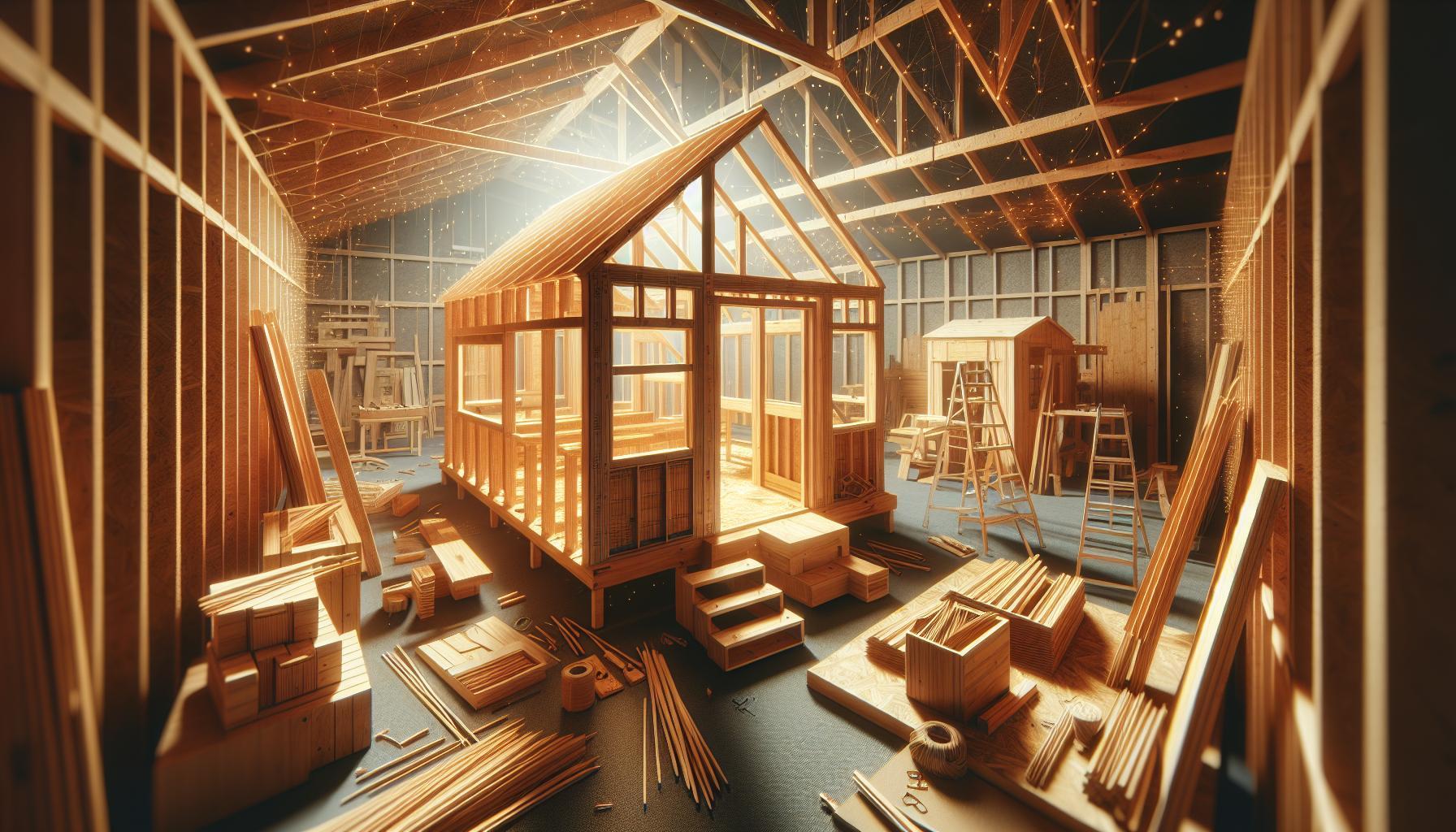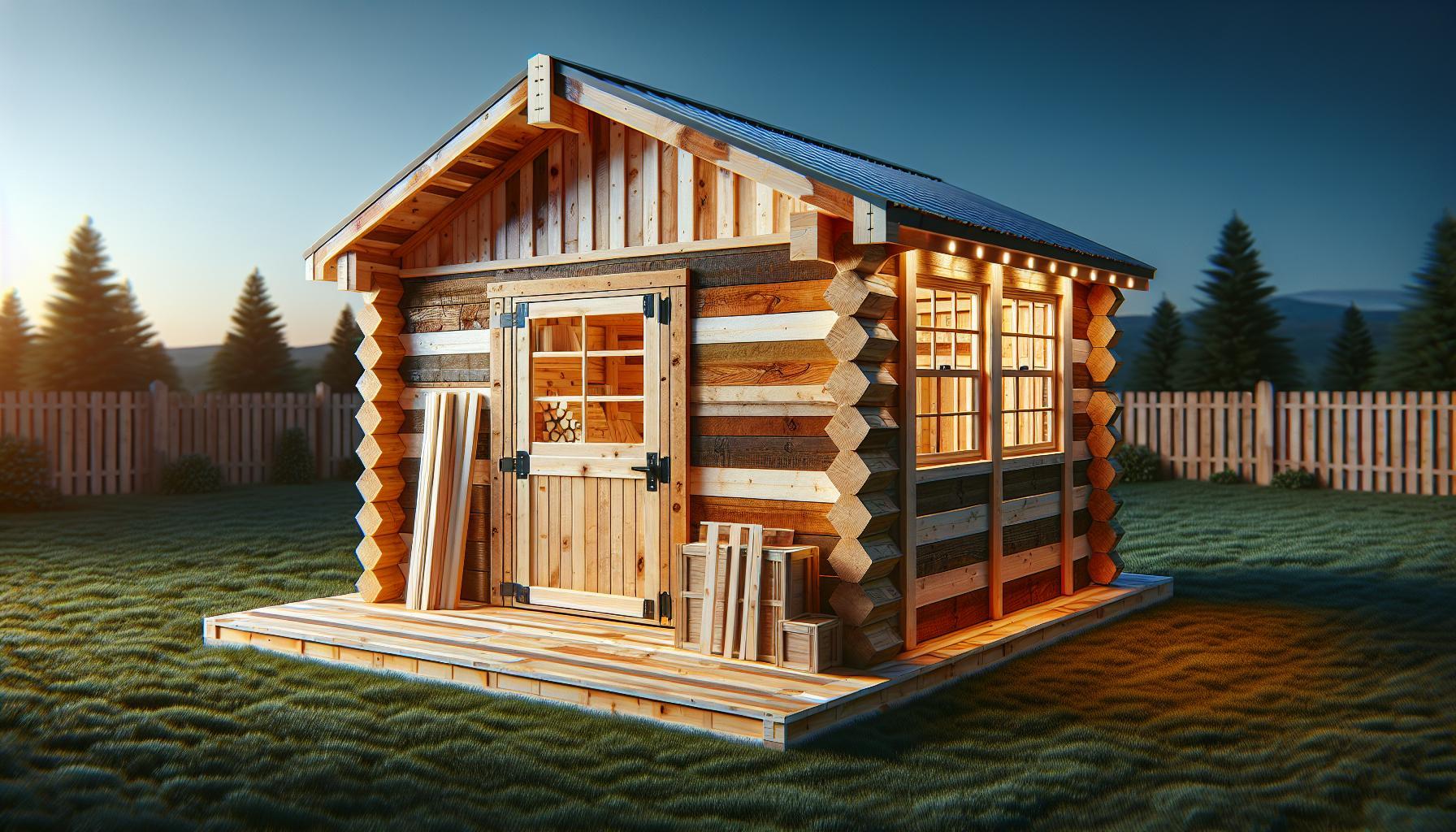

Are you struggling to find teh perfect outdoor storage solution that meets your diverse needs? A 10×10 shed offers an ideal balance of space and functionality, making it suitable for everything from gardening tools to hobby supplies. Discover essential design tips and dimensions to create a versatile shed that enhances your outdoor experience.
Choosing the Right Location for Your 10×10 Shed
When it comes to constructing a functional 10×10 shed, the right placement can substantially influence its usability and longevity. Just as the dimensions of your structure should cater to multi-purpose use, selecting the optimal location will enhance accessibility, aesthetics, and durability. The ideal spot for your shed should consider factors such as sunlight exposure, ground conditions, and proximity to your home, and taking the time to evaluate these elements can definitely help you create the perfect outdoor workspace.
Consider the Sunlight
A shed that basks in natural light can provide a more inviting atmosphere for projects or storage.Thus, assess how the sun travels over your property throughout the day. A northern exposure may provide softer light, reducing glare, while a southern exposure can enhance brightness. Though, too much direct sunlight can heat up your shed and increase moisture accumulation. The ideal balance would be to choose a spot that offers both ample light and cooler areas during the hotter months.
Ground Conditions
The stability of the ground where you’re planning to place your shed is crucial.You want to avoid areas prone to water pooling or saturated soil, which could lead to structural damage over time. Evaluate the land for:
- Drainage: Look for a flat area with good drainage to keep your shed dry.
- Soil Type: Firm, well-draining soil is ideal; sandy or rocky areas work well.
- Accessibility: Ensure easy access for moving materials and for future maintenance.
Given these considerations, you may want to lay down a concrete pad or gravel foundation to provide extra support and prevent moisture issues.
Proximity to Your Home
While you want your shed to be easily accessible, it’s also beneficial to find a location that does not detract from the beauty of your yard. A spot close to your home can facilitate rapid trips for tools or materials. Though, be wary of placing it too close, as it might cast shadows on your home or interfere with landscaping plans.Consider creating a visually pleasing pathway lined with stones or flowers that leads from your house to the shed, enhancing both function and aesthetics.
| Factor | Considerations |
|---|---|
| Sunlight | Assess sunlight exposure throughout the day; balance light and shade. |
| Ground Conditions | Choose stable, dry ground; consider installing a foundation. |
| Proximity to Home | Ensure easy access without overpowering the landscape. |
By thoughtfully evaluating these factors, you’ll ensure that your 10×10 shed serves its multi-purpose function effectively while enhancing your outdoor space. Consider these tips when contemplating how to build a shed that is both practical and harmoniously integrated into your property.
Essential Materials and Tools for Your Shed Construction
When embarking on the journey to build a shed, knowing the essential materials and tools is just as important as the design itself. A well-constructed 10×10 shed, designed for multi-purpose use, can serve as a fantastic storage solution, workshop, or even a cozy garden retreat. However, the quality of your materials and tools will significantly influence the durability and effectiveness of your project.
To get started on the right foot, gather the following materials:
Essential Materials
- Pressure-treated lumber: This is vital for the floor framing and any parts of the shed that may come into contact with the ground. It is treated to resist decay and insect damage.
- Plywood: Use exterior-grade plywood for the walls and roof. It provides strength and insulation.
- Roofing materials: Choose between asphalt shingles, metal roofing, or corrugated plastic, depending on your desired aesthetics and budget.
- Fasteners: Stock up on screws and nails (preferably galvanized) that are designed for outdoor use to prevent rust.
- Insulation: If you plan to use the shed as a workshop or office, consider adding insulation materials to regulate temperature.
Additionally, finish your shed with paint or wood stain to enhance aesthetics and protect the wood against moisture and sun damage.
Essential Tools
To ensure precision and effectiveness throughout your build, the following tools are highly recommended:
- Measuring tape: An essential tool to ensure that your cuts and measurements are accurate.
- Circular saw: Great for cutting lumber and plywood to the required dimensions for your 10×10 shed.
- Drill and bits: Useful for creating holes and driving screws into your frames.
- Level: To ensure that the floor and walls are perfectly straight and level, adding to the structural integrity of your shed.
- Sledgehammer: Handy for driving stakes into the ground if you’re building a foundation.
Summary table of Essential Materials and Tools
| Materials | Tools |
|---|---|
| Pressure-treated lumber | Measuring tape |
| Plywood | Circular saw |
| Roofing materials | Drill and bits |
| Fasteners | Level |
| Insulation | Sledgehammer |
| Paint or wood stain |
equipped with the right materials and tools, you’re now ready to delve into the exciting process of constructing your 10×10 shed. Each component plays a crucial role in ensuring that your shed not only looks great but also stands the test of time.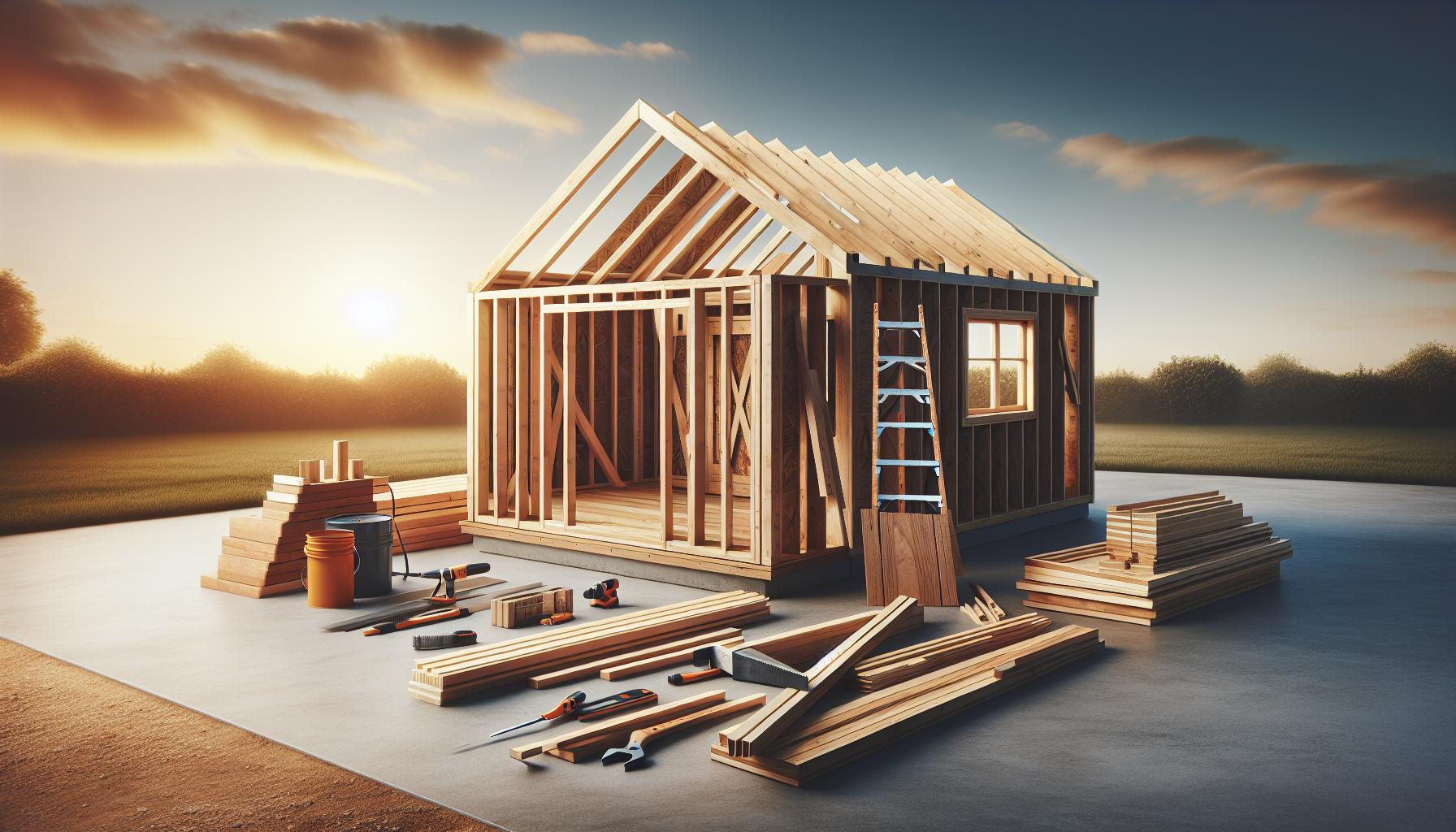
Step-by-Step Guide: Framing Your Shed Like a Pro
When it comes to constructing a shed, framing is an essential skill that can significantly impact the overall durability and functionality of the structure. A well-framed 10×10 shed not only stands up to the test of time but also provides you with the perfect space for various uses, whether it’s a garden tools storage, workshop, or even a cozy retreat. This guide will walk you through the intricacies of framing your shed like a pro.
Gathering Your tools and Materials
Before you dive into construction, it’s crucial to gather all necessary tools and materials. Here’s a checklist that will ensure you are well-prepared:
- Tools:
- Hammer
- Drill and drill bits
- Measuring tape
- Square
- Level
- Saw (circular or handsaw)
- Safety gear (gloves, goggles)
- Materials:
- Studs (2x4s or 2x6s)
- Headers (if necessary)
- Plywood for flooring and roofing
- Sheathing boards
- nails and screws
- Strapping and brackets for added stability
Creating the Foundation for Stability
A solid foundation is paramount for any structure, and this is especially true for your 10×10 shed.Follow these steps to lay a firm foundation:
- Site readiness: Choose a level area and clear it of debris.
- Foundation Type: Decide on a foundation type. You can opt for concrete blocks, a wood frame, or a concrete slab depending on your shed’s purpose and environment.
- lay the Beams: Place your foundational beams on the corners and around the perimeter of the site. Ensure that they are perfectly level using your level tool.
Framing the Walls
With the foundation set, you can now move on to framing the walls. Properly framed walls ensure structural integrity and aesthetic appeal. Here’s how:
- Construct the Wall Frames: Begin by cutting 2×4 lumber to size. Each wall will typically use:
Wall Type Number of Studs Height Front Wall 2 (for door opening) + 2 (side studs) 8 ft. Back Wall 3 8 ft. Side Walls 3 each 8 ft. - Secure the Frames: Assemble the frames on the ground, then raise them into place, ensuring they’re plumb by checking with a level.
- Cross Bracing: Add diagonal cross bracing within each wall to prevent wobbling. This is especially critically important if your shed is located in a windy area.
This intentional approach to framing will set the stage for a robust 10×10 shed, ready to accommodate all your needs. By understanding these foundational principles, you’ll not only learn how to build a 10×10 shed, but also gain the confidence to tackle even larger, more complex projects in the future.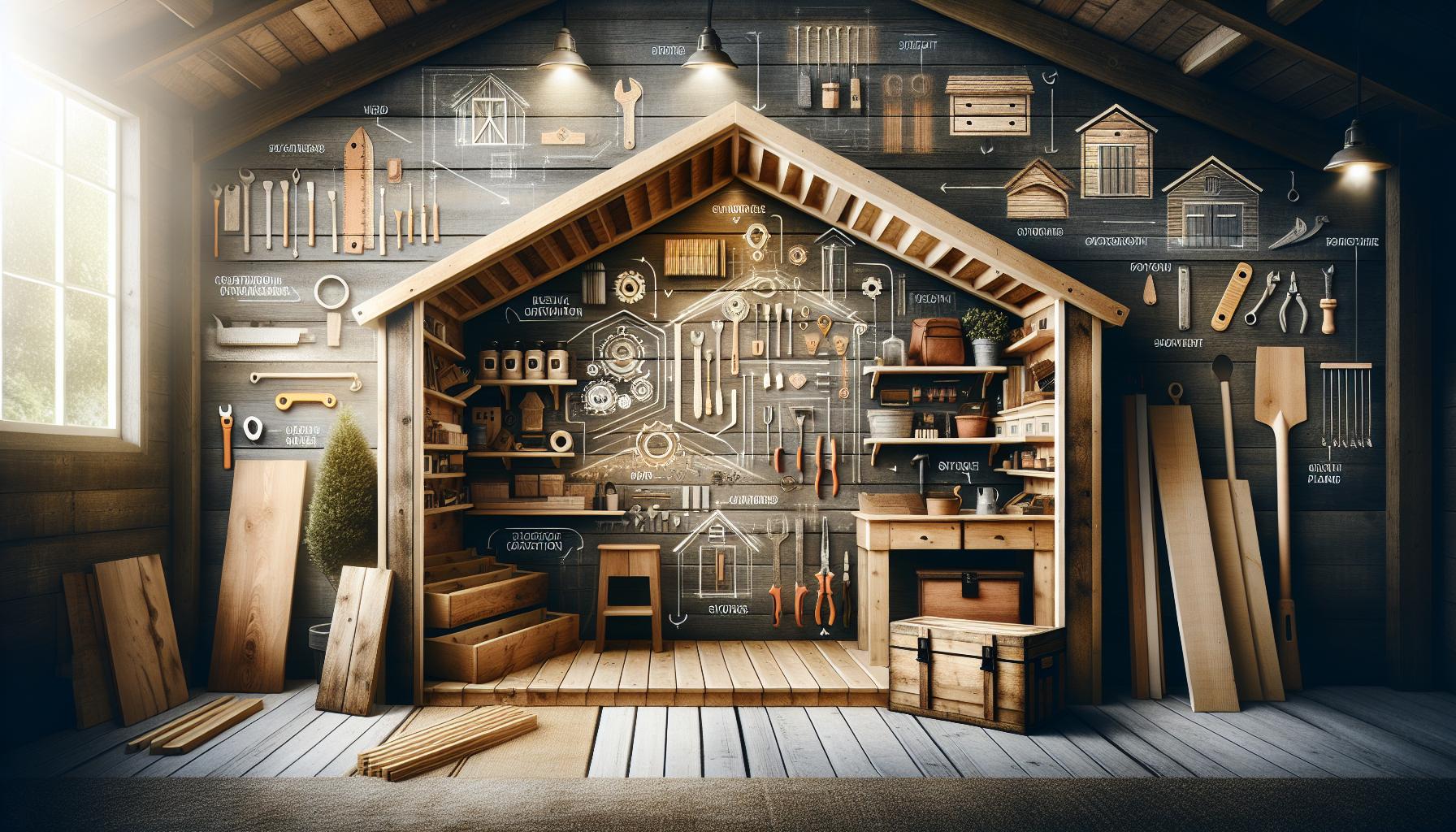
maximizing Space: Creative Storage solutions for Your shed
Creating an efficient workspace in your shed can transform this often-overlooked area into a multifunctional haven. With clever strategies tailored to the dimensions outlined in the guide on maximizing the utility of a 10×10 shed, you can effectively utilize every square inch, ensuring that your tools, gardening supplies, and seasonal items are neatly organized and easily accessible.
Utilizing Vertical Space
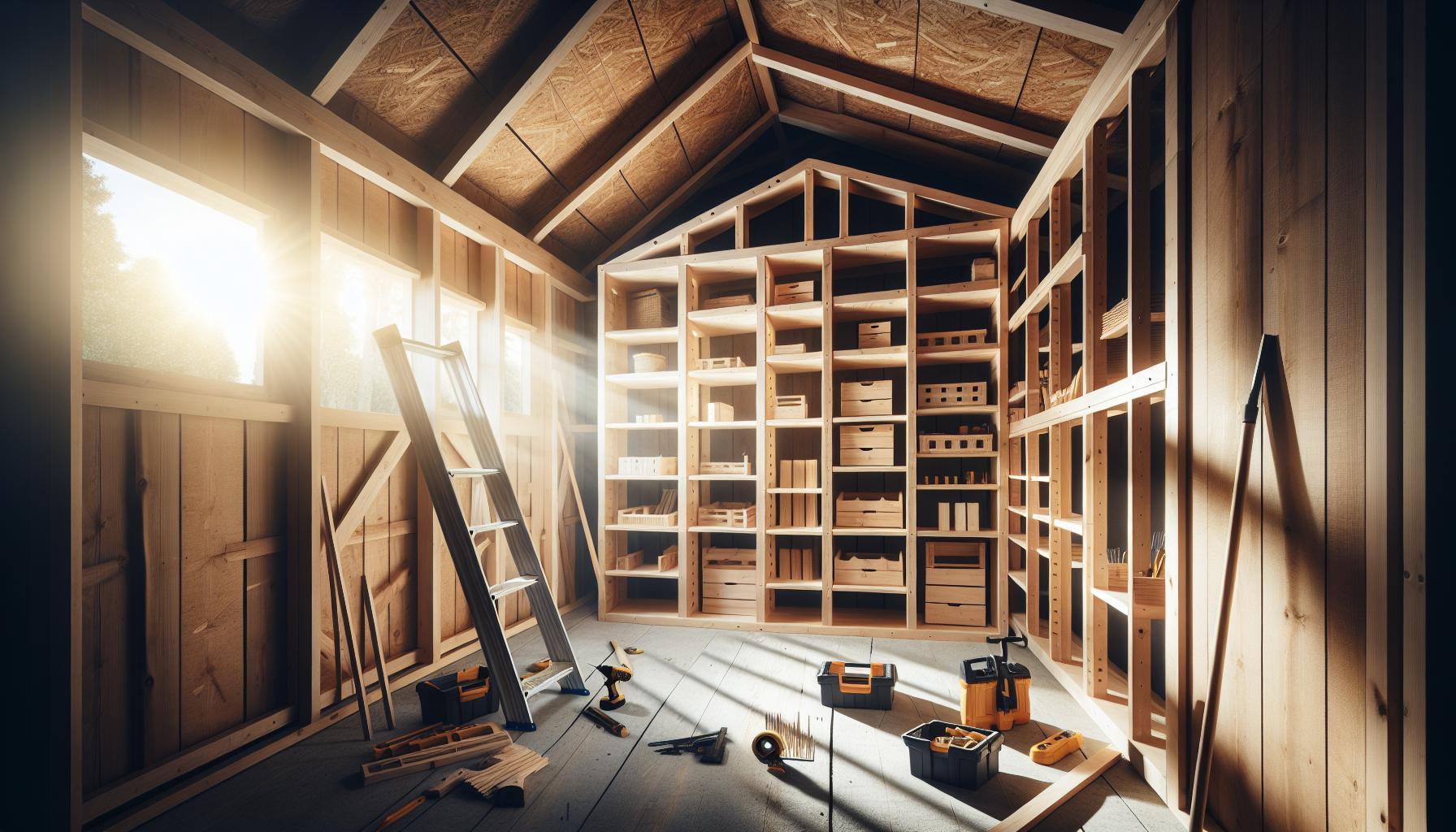
One of the most effective methods for maximizing your shed’s storage capacity is to think vertically. By incorporating shelving units that reach the height of your shed, you can store a variety of items without encroaching on valuable floor space. Consider using wall-mounted shelves or pegboards that allow you to hang tools and small equipment.This not only keeps items organized but also visible, reducing the time you spend searching for what you need.
Wall-Mounted Storage Solutions:
- Shelves: Install multiple levels to store boxes or bins.
- Pegs: Use for hanging tools, brooms, and hoses.
- Baskets: Great for smaller items like gloves and nails.
incorporating Storage Containers
Investing in stackable storage bins can greatly enhance your efficiency. Clear plastic bins allow you to see contents at a glance, while labeled containers make it easier to find specific items quickly.Organize items by category—gardening tools in one bin, car supplies in another—making the most of the limited space available.
Practical Tips for Containers:
| Container Type | Ideal Use | Benefits |
|---|---|---|
| Plastic totes | Seasonal items | Durable and waterproof |
| Wooden Crates | gardening tools | Sturdy and rustic style |
| Metal Storage Boxes | Small tools | Lockable for security |
Underutilized Corners and Nooks
Don’t overlook corners and small nooks within your shed. Corner shelves or custom cabinets can turn these spaces into goldmines for additional storage. A tiered shelving unit can be particularly effective, allowing you to maximize the height of your shed’s corners.By implementing these practical storage solutions, your shed can evolve from a cluttered space into a well-organized extension of your home, perfectly suited for the multi-purpose uses outlined in design and construction considerations for a 10×10 shed. In doing so, you’ll not only enhance functionality but also enjoyment of your outdoor space.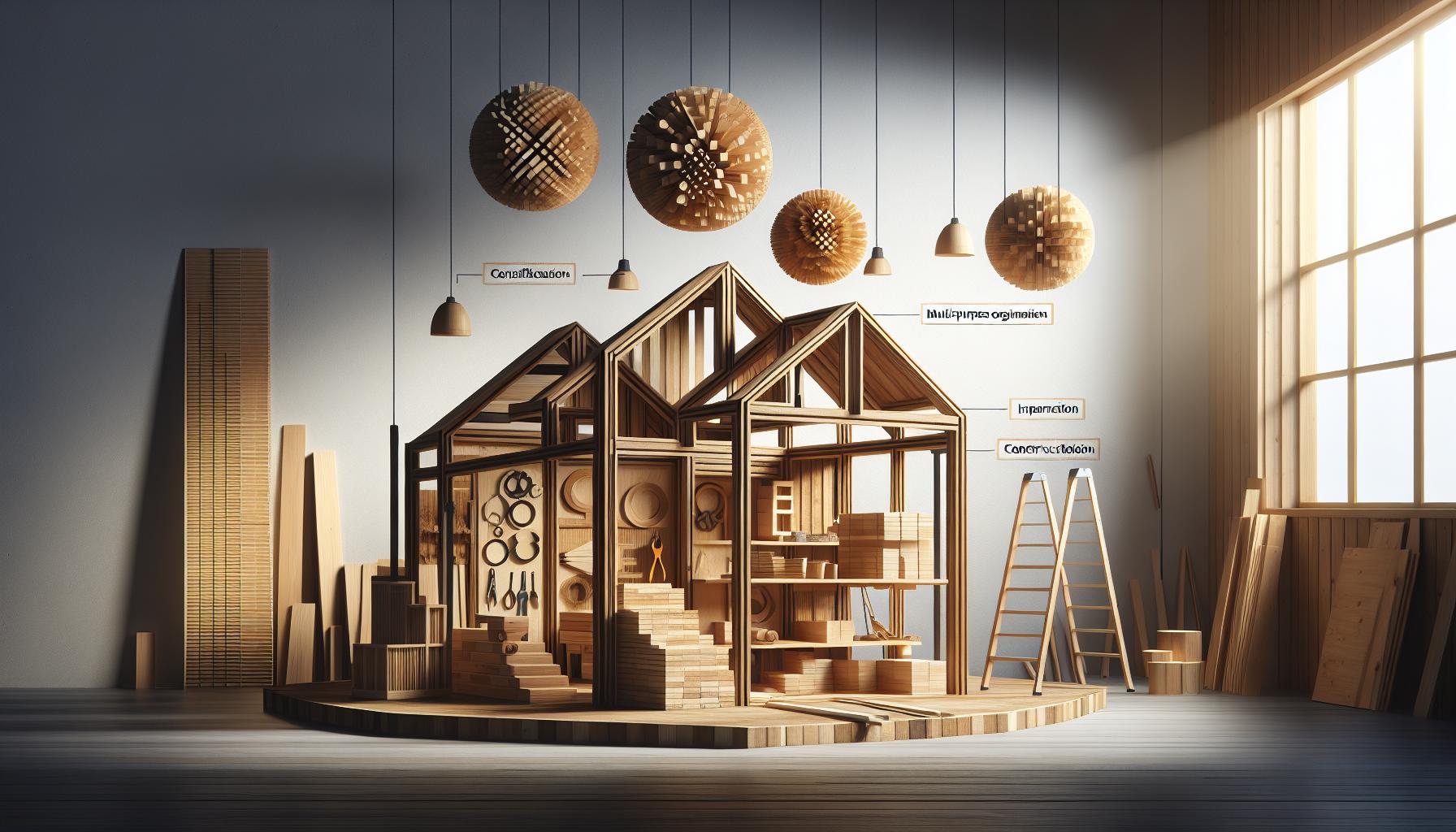
Designing the Interior: How to Optimize for Multi-Purpose Use
Creating a space that serves multiple purposes can significantly enhance functionality and efficiency, making it essential to consider various design strategies when establishing the interior of your 10×10 shed. Utilizing every inch effectively allows you to transform your shed from a simple storage unit into a versatile area suitable for hobbies, storage, or even a small workspace. The versatility of such a space not only maximizes its use but also caters to changing needs over time.
To optimize a 10×10 shed for multi-purpose use, start by clearly defining its primary functions. This could include options like a workshop, gardening center, or even a cozy retreat. Here are some design elements to consider:
- Modular Furniture: Incorporate foldable or stackable furniture to easily adapt the space for various activities. such as, a collapsible workbench can offer a substantial work surface when needed and can be tucked away to free space.
- Integrated Storage Solutions: Use vertical storage options such as shelves or pegboards to keep tools and supplies organized without cluttering the floor area. Consider utilizing the shed’s walls and overhead space for additional storage.
- Lighting Zones: Ensure to have good task lighting that can be shifted based on activities. Installing dimmable lights can definitely help set the right atmosphere for diffrent uses.
- Flexible Flooring: Choose a flooring option that is not only durable but also easy to clean. For example, rubber mats can provide cushioning for stand-up work areas or hobbies while being easy to remove if reconfiguration is needed.
Zoning for Different Activities
Dividing the space into distinct zones can greatly enhance functionality. As a notable example, designating one side of the shed as a gardening space with potting benches and plant storage, while allocating the other half for woodworking or crafting, fosters an organized flow that can prevent clutter. Here’s a simple layout idea:
| Zone | Purpose | Tips for Setup |
|---|---|---|
| Gardening area | Plant care, potting | Add shelves for pots and tools, and install a small sink for easy clean-up. |
| crafting/Workshop | DIY projects, repairs | Include a sturdy workbench and tools storage; use a pegboard for easy access. |
This zoning not only trains the mind to seperate tasks but also minimizes the time and frustration associated with transitioning from one project to another. Embracing these multi-purpose designs can ensure that your 10×10 shed is not just a space to store your belongings but a vibrant hub of creativity and efficiency.
Weatherproofing and Insulating Your Shed for Year-Round Usability
When it comes to maximizing the utility of your 10×10 shed throughout the year, ensuring it is well-insulated and weatherproofed is crucial. Not only does this enhance the longevity of your structure, but it also allows you to use the space comfortably regardless of the season. An adequately weatherproofed shed becomes an extension of your living space, whether you utilize it for storage, a workshop, or even as a small hobby area.
Understanding the Basics of Insulation
Insulation helps maintain a stable temperature within your shed, preventing it from becoming too hot in the summer or too cold in the winter. This is especially important if you plan to spend long hours working on projects or pursuing hobbies inside the shed. Here are some effective insulation materials to consider:
- fiberglass Batts: these are cost-effective and easy to install between the studs of your walls.
- Spray Foam: This option provides excellent air sealing capabilities and high R-values, making it a great choice for energy efficiency.
- Reflective Foil Insulation: Ideal for warmer climates, this type reflects heat away during the summer and keeps warmth in during the winter.
Be sure to cover all sides, including the floor and ceiling, as heat rises and can escape easily through an uninsulated roof.The R-value, which indicates the insulation’s effectiveness, plays a significant role—aim for an R-value that suits your local climate.
Weatherproofing Techniques
To protect your shed from windy storms and seasonal fluctuations, proper weatherproofing is essential. Consider the following measures:
- Install Quality Seals: Use weather stripping on windows and doors to prevent drafts and moisture from entering your shed.
- Choose Weather-Resistant Siding: Materials such as vinyl, metal, or treated wood can provide better resistance against the elements.
- Secure the Roof: Ensure your roof is properly sealed and that drainage systems (like gutters) are in place to divert water away from the structure.
These strategies not only fend off the weather but also minimize maintenance and repairs over time, allowing you to focus more on enjoying your multi-purpose shed.
maintaining Your Weatherproofed Shed
To keep your shed in top condition, regular inspections and maintenance are essential. Here are steps to safeguard its longevity and usability:
| Maintenance Task | Frequency |
|---|---|
| Check for leaks or cracks. | Twice a year |
| Inspect seals and weather stripping. | Every season |
| clean gutters and drains. | Monthly during rainy seasons |
| Inspect insulation integrity. | Annually |
By implementing these tips and maintaining a proactive approach, your 10×10 shed will provide a cozy, functional space that stands the test of time, regardless of what Mother Nature throws your way.
Finishing Touches: Paint,Flooring,and Personalization Ideas
Transforming your 10×10 shed into a personal sanctuary or a functional workspace requires attention to detail in its finishing touches. These elements can significantly elevate the aesthetic appeal and usability of your space.With the right choices in paint, flooring, and personalization, you can turn a simple structure into a charming retreat or an efficient workshop, reflecting your style while meeting practical needs.
Choosing the Right Paint
The paint you select can drastically influence the vibe of your shed. Consider these tips for a prosperous application:
- Color scheme: Earthy tones like greens and browns can help your shed blend seamlessly with nature,while bright colors can make it a vibrant centerpiece in your yard.
- Quality Matters: Invest in high-quality exterior paint that can withstand the elements, protecting your shed from moisture and UV rays.
- Finish: Select a satin or semi-gloss finish. These not only provide durability but also make it easier to clean your shed surfaces.
Before painting, ensure you’ve prepared the surface properly by repairing any damages and sanding down rough areas, which can ensure a smooth and long-lasting finish.
Flooring Ideas for Durability and Style
The flooring of your 10×10 shed serves not only as a foundation but also plays a critical role in its overall functionality and look. Here are some flooring options to consider:
- vinyl planks: waterproof and easy to install, vinyl planks mimic hardwood without the maintenance worries.
- Poured concrete: If your shed serves as a workshop,a sturdy concrete floor can handle heavy equipment and spills.
- Wood decking: for a rustic feel, treated wood is a solid choice, providing warmth and aesthetic appeal.
Make sure to choose flooring that is suited for the intended use of your shed, whether it’s a garden potting station or an art studio.
Personalizing Your Space
adding personal touches can transform your shed into a reflection of your personality. Consider these creative ideas to enhance your 10×10 shed experience:
- Lighting: Install string lights or lanterns for a cozy ambiance. LED strip lights can be a great addition for practical workspaces.
- Wall Decor: use pegboards for tools or display your favorite gardening supplies—both functional and vibrant!
- Furniture Choices: Incorporate space-savvy furniture, such as foldable tables or stackable chairs, to maximize room.
By thoughtfully selecting paint, flooring, and personalized decor, you not only enhance your shed’s functionality but also foster an inviting atmosphere that will serve multi-purpose use beautifully.
Common Challenges and How to Overcome Them During Construction
Building a shed can be a fulfilling DIY project, but it often comes with a unique set of obstacles that can frustrate even the most seasoned builders.Whether you’re constructing a 10×10 shed for storage, a workshop, or a garden tool station, understanding the common challenges and having a plan to tackle them can be crucial in ensuring a smooth construction process. knowledge and preparation can be your best allies when facing these hurdles.
Insufficient Planning
One of the primary pitfalls in any construction project is inadequate planning. A lack of a detailed blueprint can result in confusion and costly mistakes. To combat this, it’s vital to create a comprehensive building plan before you begin. This blueprint should include:
- Accurate measurements of each dimension (especially beneficial for the 10×10 size).
- A list of materials needed.
- Design details that accommodate multi-purpose use.
Utilizing online resources or shed planning software can also help streamline this process. Learning how to build a 10×10 shed with ideal dimensions means being equipped in advance to avoid the common pitfalls of miscalculated spaces and mismanaged resources.
Weather Delays
Weather can greatly influence construction timelines. Rain or extreme temperatures can halt progress and damage materials if not stored properly. To minimize weather-related disruptions:
- Check the forecast and plan your construction days accordingly.
- Invest in protective coverings to shield your materials from rain or snow.
- Have a contingency plan in place,such as an choice sheltered workspace if inclement weather arises.
Creating a flexible construction schedule can alleviate some stress, ensuring that unexpected delays don’t derail your entire project.
Mismatched or Poor Quality Materials
Using mismatched or subpar materials can lead to structural issues down the line. It’s crucial to source quality materials that align with your project’s needs, especially for a structure like a 10×10 shed that will face the elements. Consider the following:
- Always purchase materials from reputable suppliers.
- Check for warranties or quality guarantees on essential materials.
- Choose appropriate weather-resistant options for roofing and walls.
By investing in quality materials and aligning them with your envisioned multi-purpose functionality, you set the stage for a durable and efficient shed.
Skill Level and Resource Limitations
Many first-time builders underestimate the skill required for certain construction elements. For instance, cutting angles for roofing or ensuring a level base might pose challenges.To bridge this gap in expertise:
- Participate in DIY workshops or online tutorials specific to shed-building.
- Consult with experienced builders or join local forums for sharing tips and best practices.
- Don’t hesitate to hire professional help for complex tasks that exceed your skill level.
Recognizing your limitations and seeking assistance can be the difference between a successful project and a frustrating experience.
By identifying these common challenges related to building a 10×10 shed, you can develop effective strategies to navigate each step of the construction process with confidence.Remember,preparation and adaptability are key factors in overcoming obstacles efficiently.
Faq
How to build a 10×10 shed effectively?
To build a 10×10 shed effectively, start with a solid foundation, select high-quality materials, and follow a detailed plan. Each phase—from framing to roofing—requires careful attention to detail to ensure durability and usability.
Begin by preparing the site and laying a foundation that’s level and stable. Once the foundation is set, use reliable plans that detail the framing, walls, and roof structure. Choosing materials like treated wood can enhance the shed’s longevity while meeting your multi-purpose storage needs.
What are the ideal dimensions for a multi-purpose shed?
The ideal dimensions for a multi-purpose shed, like a 10×10 shed, balance space efficiency and functionality.This size is spacious enough to store tools, lawn equipment, or act as a small workshop.
A 10×10 dimension allows for efficient organization while remaining compact. You can customize the interior layout with shelves and hooks to maximize usability.This flexible design is perfect for various tasks and hobbies, making the shed a versatile addition to your backyard.
Can I build a shed without a permit?
In many areas, you can build a 10×10 shed without a permit, but it varies by location.Always check your local building codes to ensure compliance before starting your project.
Even if your shed qualifies as a portable structure, it’s essential to verify the regulations. Not obtaining a permit may lead to fines or the need to dismantle your shed, causing unnecessary delays and costs in your DIY project.
what materials do I need for a 10×10 shed?
For a 10×10 shed, you need wood (treated for weather resistance), screws, nails, and roofing materials. Depending on your design, you may also require windows, doors, and paint for finishing touches.
Common materials include 2x4s for framing, plywood for walls, and asphalt shingles for roofing. Consider using rain-resistant materials to protect your shed from weather conditions, ensuring it remains functional for years to come.
Why does a shed foundation matter?
A shed foundation is crucial as it provides stability and supports the structure. A well-constructed foundation prevents water damage, pests, and ensures the longevity of your 10×10 shed.
Options for foundations include concrete slabs, gravel beds, or pressure-treated wood skids.The choice depends on your shed’s intended use,local climate,and budget. A proper foundation helps keep your shed level and efficient in functioning as a storage or workspace.
What are common challenges in building a shed?
Common challenges in building a 10×10 shed include leveling the foundation, ensuring proper measurements, and weatherproofing the structure. These issues can lead to structural problems if not addressed carefully.
Like all DIY projects, preparation is vital. Anticipating challenges such as fluctuating weather or material shortages can definitely help streamline the process. Take your time with each step to enhance your confidence and skills along the way.
How do I ensure my shed remains weatherproof?
To keep your shed weatherproof,choose high-quality,weather-resistant materials,and apply sealants or paints designed to withstand harsh conditions. Pay special attention to the roofing and ventilation systems.
regular maintenance, such as checking for leaks or cracked seals, can prolong your shed’s lifespan. Upgrading features like gutter systems can also help manage water runoff, ensuring your 10×10 shed remains in top condition through every season.
Can I customize the interior layout of my shed?
Yes, you can easily customize the interior layout of your 10×10 shed. Consider adding shelves, hooks, and workbenches to meet your specific storage and workspace needs.
When designing the interior, think about how you will use the shed—storage, a workspace, or both. This planning helps maximize space and efficiency, allowing your shed to serve multiple purposes effectively.
In Conclusion
building a 10×10 shed is not just a practical investment but also an opportunity to unleash your creativity and craftsmanship. By carefully planning your project and embracing the ideal dimensions for multi-purpose use, you can create a functional space tailored to your needs. Remember, start by selecting a suitable location, gather the right materials, and follow the step-by-step construction guidelines to ensure a strong foundation for your shed.
Challenges may arise during the process, but with the right mindset and problem-solving strategies, you can navigate them with ease. Don’t hesitate to ask for help or consult resources that can offer additional insights—there’s a wealth of knowledge at your fingertips. Now that you’ve got the foundational knowledge,why not dive deeper into the specifics of shed design and construction? Explore our detailed guides and community tips to refine your skills further,and embark on this fulfilling DIY journey with confidence!
Get our latest guides, news, and insights highlighted in your Google Search & AI Overviews.