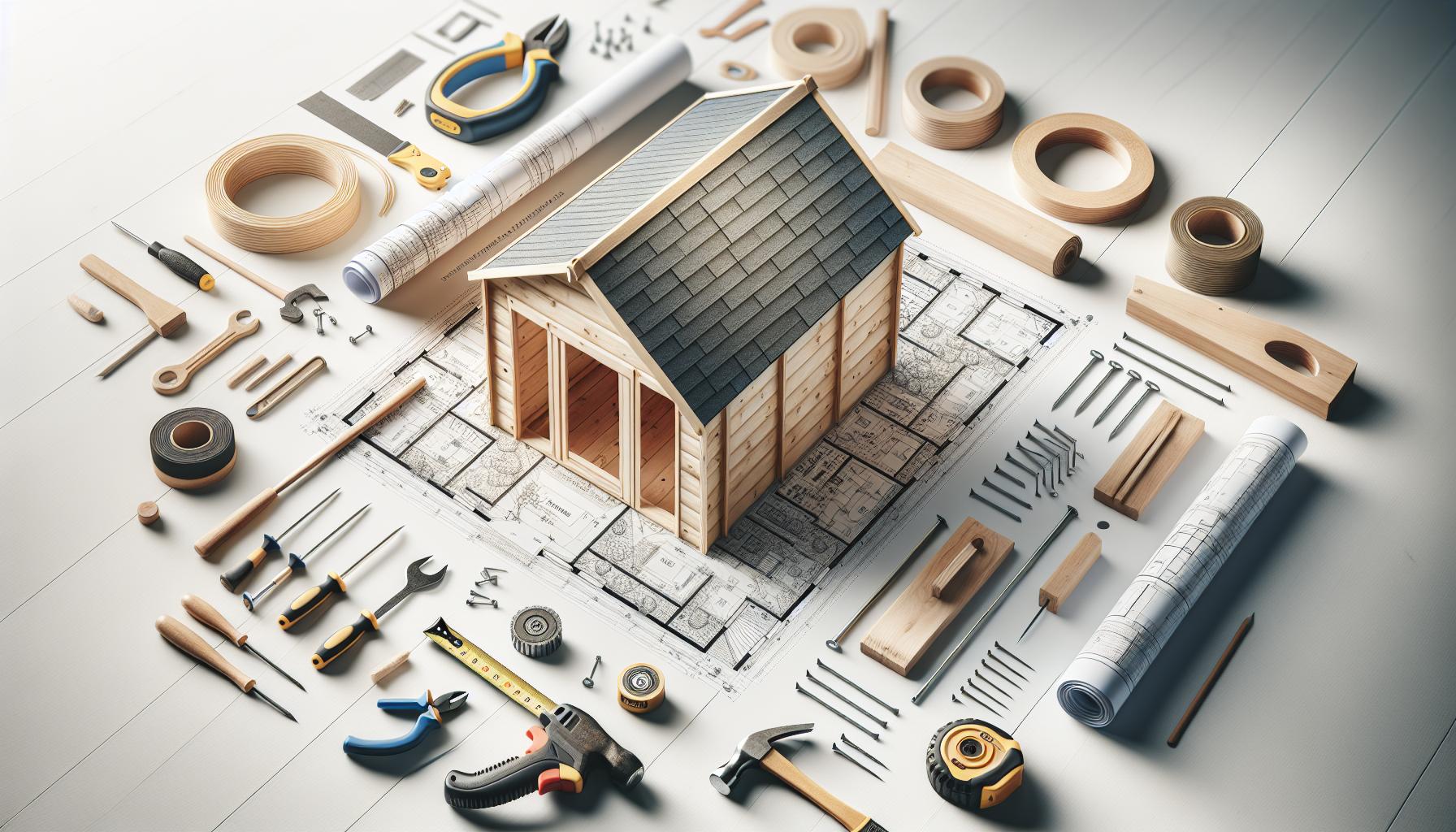
Building a durable and weatherproof roof for your shed is essential for protecting your tools and equipment from the elements. Proper shed roof designs not only enhance functionality but also ensure longevity.In this guide, we’ll explore various approaches too DIY roof construction, providing you with the knowledge to tackle this rewarding home betterment project with confidence.
Understanding Shed Roof Types: Choosing the Right Design for Your Needs
When embarking on a shed-building project, the roof style you choose can considerably impact both functionality and aesthetics. Understanding the various shed roof types is essential for making an informed decision that best suits your needs. Each design comes with its unique advantages and considerations, ensuring that your structure is not only visually appealing but also weatherproof and durable.
Common Shed Roof Types
Different roof styles offer various benefits depending on your local climate, the purpose of the shed, and your personal design preferences. Here’s a look at some of the most popular types:
- Gable Roof: Featuring a classic triangular shape, gable roofs are excellent for shedding rain and snow, making them a popular choice in regions with significant precipitation. This style provides ample headroom, allowing for additional storage space.
- Lean-To Roof: This simple design slopes in one direction, making it an ideal choice for sheds positioned against a wall or existing structure. Lean-to roofs are generally easier to build and can be cost-effective.
- Hip Roof: With all sides sloping down towards the walls,hip roofs offer better wind resistance and are less prone to leaking compared to gable roofs. They provide a bit more headroom and can enhance the overall look of the shed.
- Saltbox roof: This asymmetrical design features one long slope and one short slope, providing unique aesthetics and increased interior space in certain designs. it’s well-suited for areas with heavy snowfall.
Factors to Consider
When selecting the right roof type, several factors come into play. The local climate is one of the most decisive aspects—if you live in a windy area, a hip roof might be more suited to withstand the elements, whereas a gable roof can effectively shed snow in colder climates. Additionally, consider the shed’s purpose.A workshop may require more headroom and ventilation, while a garden shed might prioritize simplicity and cost-effectiveness.
Incorporating practical elements can also enhance your shed’s usability. As an example, adding overhangs to your chosen design can protect the walls from rain and sun exposure. Furthermore,consider roofing materials that complement your shed’s style while providing excellent weather resistance. Options like metal,asphalt shingles,or TPO roofing each come with their own set of advantages and installation considerations.
Ultimately, when thinking about how to build a shed roof that is both functional and visually appealing, your design choice shoudl reflect your individual needs while also accounting for the challenges posed by your local environment.
Essential Tools and Materials: What You’ll Need for a Successful Build
When embarking on the journey of constructing a reliable and weatherproof shed roof, having the right tools and materials at your disposal is essential for achieving a successful build. An organized workspace filled with the appropriate equipment not only enhances efficiency but also ensures that every step of the process is executed smoothly. Let’s explore the must-have items that will transform your DIY project into a seamless endeavor.
Essential Tools
The following tools are crucial for your shed roof construction. Investing in quality equipment will pay off in both ease of use and long-term reliability.
- Circular Saw: Perfect for cutting plywood and roofing materials with precision.
- Power Drill: Essential for drilling holes and driving screws, ensuring secure fastening of components.
- Level: To ensure that your roof structure is straight and aligned properly.
- Measuring Tape: Accuracy is key; measure twice to eliminate costly mistakes.
- Safety Gear: Never overlook the importance of safety glasses, gloves, and ear protection while working.
Essential Materials
Selecting the right materials is just as important as having the proper tools. Here’s a breakdown of what you’ll need to create a robust and weather-tight shed roof.
| Material | description |
|---|---|
| Plywood Sheets: | Typically 1/2″ to 3/4″ thick, these sheets form the base of your roof and provide structural integrity. |
| Underlayment: | A waterproof barrier that prevents moisture penetration,greatly enhancing the longevity of your roof. |
| Shingles or Metal Sheets: | Choose between asphalt shingles for a conventional look or metal sheets for modern durability. |
| Flashings: | Metal flashings protect edges and joints,redirecting water away from vulnerable areas. |
| Roofing nails: | Designed specifically to withstand the elements, these will secure your roofing materials in place. |
By assembling these essential tools and materials, you’ll be well-equipped to tackle the challenge of constructing a weatherproof shed roof. Each item plays a vital role in ensuring the durability and longevity of your project, enabling you to create a functional structure that stands the test of time.
Step-by-Step Guide to Building a Weatherproof Shed roof
When it comes to constructing a durable shelter for your garden tools, outdoor furniture, or even as a creative workspace, building a weatherproof shed roof is essential. Not only does it protect your investment from the elements, but it can also enhance the aesthetic appeal of your property.In this guide, we’ll lay out a clear, step-by-step approach to creating a sturdy, waterproof roof that withstands the test of time and nature’s unpredictability.
Choosing the Right Materials
The foundation of any successful shed roof lies in the materials you choose. Here are some common options that provide both durability and weather resistance:
- Wood shingles: A classic choice that offers a rustic charm but requires maintenance.
- Metal roofing: Lightweight and long-lasting, it can handle extreme weather conditions.
- Asphalt shingles: Cost-effective and available in various styles, it’s suitable for DIY enthusiasts.
- EPDM (Ethylene Propylene Diene Monomer): A synthetic rubber roofing that offers excellent waterproofing.
By choosing high-quality materials,you set the stage for a robust roof that can endure heavy rainfall and strong winds.
Building the Frame
Constructing a solid frame is crucial to support your roofing material. Here’s a streamlined approach to framing your shed roof:
- Measure and Cut the Rafters:
Start with the right measurements for your shed. A standard pitch (or slope) is a 4:12 ratio,which indicates that for every 12 inches of horizontal run,the roof rises 4 inches.
- Attach the Ridge Board:
Once your rafters are cut, secure a ridge board at the peak of the roof. this board serves as the backbone to which the rafters will attach.
- Install the Rafters:
Angle your rafters at the cut ends and attach them to both the ridge board and the top plates of your shed’s walls. ensure to use appropriate brackets or screws for added strength.
Waterproofing Techniques
With your frame in place, it’s time to focus on sealing it against the elements. Here are essential waterproofing techniques to employ:
- Underlayment: Before laying down shingles or metal sheets, use a waterproof underlayment such as synthetic felt or tar paper to provide an additional barrier against moisture.
- Sealant: Apply a high-quality roofing sealant at seams and joints to prevent water penetration. Pay extra attention to areas around vents and chimneys, if applicable.
- Draining System: Ensure proper drainage through an effective gutter system to divert rainwater away from the shed’s foundation, which prolongs the roof’s lifespan.
Putting these waterproofing strategies into practise ensures that your shed roof can withstand heavy storms and protect your stored items.
Finalizing the Roofing
With the framework and waterproofing elements set, the last step is to install your chosen roofing material. If you went with metal, it’s critically important to overlap the sheets to provide a barrier against leaks, and when using shingles, stagger the seams for better water runoff. Additionally, consider adding a finishing trim along the edges of the roof to enhance aesthetics and further protect against the elements.
By following this comprehensive approach, you create a weatherproof shed roof that not only fulfills its functional purpose but also stands as a testament to your DIY success. Prepare your tools, roll up your sleeves, and get ready to build!
Common Challenges in Shed Roof Construction and How to Overcome Them
Constructing a shed roof can be a rewarding DIY project,but it’s not without its hurdles. From dealing with the unpredictability of weather to ensuring proper drainage, the challenges can be overwhelming for even the most seasoned builder. For anyone seeking to learn how to build a shed roof with weatherproof designs, it’s vital to be aware of common obstacles and the strategies to effectively tackle them.
Understanding Weather Conditions
One of the primary challenges in shed roof construction is the impact of weather. Rain, snow, and extreme temperatures can affect both the construction timeline and the materials used. For instance, it’s not advisable to install roofing materials during heavy rain or snowfall as it can lead to poor adhesion and compromises in the integrity of the roof structure. To combat this, scheduling construction during dry seasons is essential, and utilizing weather-resistant materials can fortify the roof against the elements.
- Inspect Weather Forecasts: Always check the forecast to plan dry days for roofing.
- Use Durable Materials: Preferring materials designed for weather resistance,such as treated wood or metal roofing,will enhance longevity.
- Have a Contingency Plan: Being prepared to pause work during inclement weather can save time and money.
Ensuring proper Drainage
Another common obstacle is ensuring that the roof has adequate drainage to prevent water pooling, which can lead to leaks or even structural failure. A well-designed shed roof should have a slight slope to facilitate water runoff.Many DIY builders might underestimate the importance of this aspect, but a flat or improperly sloped roof can create numerous issues over time.
| Drainage Considerations | Optimal Solutions |
|---|---|
| Poor Slope | Ensure a minimum of 1-inch slope for every 3-4 feet |
| clogged Gutters | Install gutter guards and regularly clean gutters |
| Wrong Material Choices | Use water-resistant materials and underlayment |
By understanding how to build a shed roof that effectively addresses drainage through smart design and material choice,builders can prevent future setbacks. For those diving into this DIY project,it’s crucial to remain aware of these challenges and implement the recommended solutions for a successful and enduring construction.
In the journey towards constructing robust shed roofing systems, embracing these strategies will not only save time and resources but also fortify the structure against nature’s unpredictability. With mindful planning and execution, the goal of a weatherproof design is entirely attainable.
Insulation and Ventilation: Keeping Your Shed Comfortable Year-Round
When it comes to maximizing the functionality of your shed, insulation and ventilation play crucial roles in maintaining an optimal environment year-round. A well-insulated shed not only protects your belongings from temperature extremes but also improves comfort if you use the space for hobbies or work. Conversely, proper ventilation prevents moisture buildup, reducing the risk of mold and mildew, which can compromise both the integrity of your structure and your stored items.
Effective Insulation techniques
Insulating your shed effectively is key to regulating its internal temperature. Here are some popular methods:
- Reflective insulation: This is ideal for sheds exposed to direct sunlight. It reflects heat away during the summer and retains warmth in the winter.
- Spray foam insulation: This provides an airtight seal, offering excellent thermal performance. It also acts as a moisture barrier.
- Fiberglass batts: Widely available and cost-effective, fiberglass batts can be easily installed between studs and joists.
Selecting the right insulation depends on your specific needs. as an example,a small gardening shed requires different insulation than a workshop intended for year-round use. Evaluating how you intend to use the shed will help you choose the most effective solution.
Ventilation Solutions
Achieving the right balance of ventilation is essential. Here are suggestions to consider:
- Ridge vents: Installed at the peak of the roof, these vents allow for hot air to escape, promoting airflow and reducing humidity.
- Soffit vents: Placed under the eaves, they work in tandem with ridge vents to create a natural airflow system.
- Windows: Opening windows can not only provide fresh air but can also help regulate temperatures when installed strategically.
A common approach to ventilation is to combine several options to create a comprehensive system. for example, utilizing both ridge and soffit vents can facilitate continuous airflow, which is especially beneficial in sheds that house temperature-sensitive materials.
| Insulation Type | R-value (Thermal Resistance) | Best For |
|---|---|---|
| Reflective Insulation | Up to R-30 | Hot climates |
| Spray Foam | up to R-6.5 per inch | Variable climates |
| Fiberglass Batt | R-11 to R-38 | cost-effective solution |
Incorporating thoughtful insulation and ventilation strategies not only harmonizes your shed’s interior conditions but also enhances its longevity and utility. Use insights from “How to Build Shed Roof: Weatherproof Designs for DIY Success” to further guide these enhancements and pave the way for a more functional shed tailored to your needs.
Finishing Touches: Protective Coatings and Aesthetic Options for Your Shed Roof
When constructing the perfect shed roof, the finishing touches can significantly enhance both its durability and aesthetic appeal. Protective coatings serve not just as a safeguard against weather elements but also contribute to the overall look of your shed. These coatings provide a barrier against moisture, UV rays, and chemicals, effectively preventing corrosion and degrading effects that can arise over time.Choosing the right protective coating is key to ensuring your shed roof withstands the test of time while looking great.
Types of Protective Coatings
Selecting an appropriate protective coating involves understanding the various types available.Here are some common options to consider:
- Polymer Coatings: These are flexible and protect surfaces from moisture and chemical damage. They are ideal if your shed roof will be exposed to harsh environmental conditions.
- Ceramic Coatings: Known for their durability, ceramic coatings resist high temperatures and can prevent rust from forming, making them an excellent choice for metal roofs.
- Metallic Coatings: Zinc or aluminum-based coatings are effective in providing a barrier against corrosion, especially when applied to steel or iron roofs.
As an example, if you opt for a metal shed roof, applying a metallic coating can significantly prolong its lifespan by preventing rust and corrosion. Such coatings can be applied easily through spray or brush methods, making them accessible for DIY enthusiasts looking to improve their shed structures.
Aesthetic Options
In addition to enhancing functionality, protective coatings come in a variety of colors and finishes, allowing you to personalize the appearance of your shed roof. Whether you prefer a sleek, modern look or a more rustic design, the choices are abundant. Consider the following aesthetic options:
- Matte Finishes: Offer a contemporary look while hiding imperfections.
- Semi-Gloss Coatings: Reflects light, providing a lively aesthetic that can make a shed stand out.
- Textured Coatings: Add a unique tactile dimension to your roof’s surface, enhancing its visual interest.
When selecting colors, think about how they will complement the surroundings and other structures on your property. A well-chosen shade can blend seamlessly with your landscape or provide a striking contrast, creating a focal point in your garden.Ultimately, finishing touches like protective coatings not only fortify your shed roof against the elements but also elevate its design. Investing time in these details will ensure your shed remains functional and visually appealing for years to come, embodying the principles outlined in the guide on how to build a shed roof with weatherproof designs for DIY success.
Maintenance Tips: Ensuring longevity for Your Shed Roof Design
The durability of your shed roof design hinges not just on quality construction,but also on diligent maintenance. A well-maintained roof not only enhances aesthetics but ensures protection from the elements, prolonging the life of your investment. Engaging in simple upkeep can prevent costly repairs and extend the lifespan of your roof,allowing you to focus on enjoying your outdoor space without worry.
Regular Inspections
One of the keys to a long-lasting shed roof is to conduct routine inspections. Make it a habit to check your roof at least twice a year, preferably in the spring and fall. Look for common issues such as:
- Cracked or missing shingles or panels
- Accumulation of debris, like leaves or branches
- signs of rust or corrosion in metal roofs
- Leaks or water stains on the underside of the roof
If anything looks amiss, address it promptly to avoid small problems turning into large headaches.
Cleaning and Debris Removal
Cleaning your shed roof is a straightforward yet critical aspect of maintenance. Depending on the type of roofing material used,here’s how you can tackle this task efficiently:
- Asphalt shingles: Use a leaf blower or a broom to remove debris. Avoid pressure washing as it can damage shingles.
- Metal roofs: Clean with a soft-bristle brush and soapy water.Ensure to remove any rust that may develop over time.
- Wood shingles or shakes: Remove debris carefully and inspect for any signs of rot or insect damage.
Moreover, keeping gutters and downspouts clear of blockages is essential. Clogged gutters can lead to water pooling, increasing the risk of leaks and structural damage.
Protective Coatings and Treatments
Applying protective coatings is an effective strategy for enhancing your roof’s longevity.For metal roofs, consider a rust-inhibiting primer and paint, which can provide a protective barrier against rust and environmental wear. For wooden roofs, you might use a suitable wood preservative every few years to guard against moisture and rot. A few examples of protective measures include:
| Roof Type | Recommended Treatment | Frequency |
|---|---|---|
| Metal | rust-inhibiting paint | Every 5 years |
| Asphalt | Sealant | Every 3-7 years |
| Wood | Wood preservative | Every 3-5 years |
By regularly treating your roofing material with appropriate coatings, you will significantly enhance its resilience against the elements.
In essence,treating your shed roof with care and attention ensures it withstands time’s test while contributing to overall functionality and appeal. Making these maintenance practices a part of your routine will safeguard your structures, aligning perfectly with the principles of building a weatherproof design for DIY success!
Frequently Asked Questions
How to Build Shed Roof: Weatherproof designs for DIY Success?
To build a weatherproof shed roof, start by choosing the right materials, like *asphalt shingles* or *metal roofing*, and design. Ensure proper slope for water runoff.A step-by-step approach includes framing, adding sheathing, and covering with waterproof materials, ensuring durability.
Begin by planning your design based on local weather conditions. Consider materials that resist water and wind, such as treated wood for framing, along with durable roofing options. Good design not only protects your shed’s contents but also enhances its overall appeal.
What is the best pitch for a shed roof?
The ideal pitch for a shed roof is between 3:12 and 6:12, indicating a slope rise of 3 to 6 inches for every 12 inches of run. This pitch balances effective water drainage and snow removal while allowing easy construction.
A steeper pitch (6:12) sheds water and snow more effectively, whereas a lower pitch (3:12) may be simpler to build. Consider your local climate when choosing the pitch, as heavy snowfall may require a steeper design for safety and durability.
Why does waterproofing matter in shed roof construction?
Waterproofing is crucial to extend the life of your shed’s roof and protect its contents.Without proper waterproofing, moisture can lead to *wood rot*, mold growth, and structural damage, possibly resulting in costly repairs.
Using materials like *roofing felt*, *sealants*, and high-quality shingles provides an effective barrier against water intrusion. Regular maintenance, including clearing debris and checking for leaks, will enhance your roof’s longevity, supporting your investment in quality craftsmanship.
Can I build a shed roof without prior experience?
Yes, you can build a shed roof without prior experience by following clear guidelines and taking each step slowly. Many DIY resources offer detailed instructions, from framing to roofing techniques, suitable for beginners.
Start with a simple design and gradually work your way up to more complex structures as your confidence grows. Don’t hesitate to seek help from local workshops or online forums; connecting with experienced DIYers can enhance your learning and bolster your confidence.
What materials are recommended for a weatherproof shed roof?
For a weatherproof shed roof, recommended materials include *asphalt shingles*, *metal roofing*, *plywood sheathing*, and *roofing felt*. each material offers unique benefits in terms of durability, cost, and installation ease.
Asphalt shingles are popular for their affordability and ease of installation, while metal roofing is favored for its durability and long lifespan. Ultimately, your choice should reflect your budget, climate, and aesthetic preferences.Explore our guide on *Shed Roofing Materials* for a comprehensive look at options.
How can I ensure my shed roof is well-ventilated?
To ensure your shed roof has proper ventilation, incorporate vent openings at both the eaves and the ridge. This airflow helps prevent moisture buildup, which can lead to damage and mold growth.
Adding *soffit vents* along the lower edge of the roof and a *ridge vent* at the top creates a natural airflow pattern. Additionally, using breathable underlayment under your roofing material can enhance ventilation while providing insulation.
what maintenance is required for a shed roof?
Regular maintenance for a shed roof includes inspecting for damage, cleaning debris, and ensuring proper drainage. Check the roofing materials for wear and tear at least twice a year to prolong life and prevent leaks.
Clear leaves and snow buildup promptly to avoid water damage. Replacing damaged shingles or flashing immediately can save you from more substantial repairs. Familiarity with your roof’s needs will make maintenance a straightforward task.
To Conclude
As we wrap up our exploration of building a shed roof, remember that a well-designed and framed roof is crucial not only for aesthetics but also for durability against the elements.Choosing the right style—whether it’s gable, gambrel, or saltbox—can significantly enhance both functionality and visual appeal. Don’t forget the importance of proper materials and weatherproofing techniques to ensure your shed stands strong against rain,snow,and wind.
Doing it yourself might seem daunting, especially if this is your first project; however, by breaking each task down into manageable steps and arming yourself with reliable resources, you’ll find that what once seemed intimidating is achievable.embrace the journey of crafting a structure that not only serves your needs but also showcases your craftsmanship.
We encourage you to dive deeper into this rewarding process. Explore more resources and tutorials, connect with fellow DIY enthusiasts, and don’t hesitate to experiment with design elements that reflect your personal style. Your shed is more than just storage; it’s a testament to your hard work and creativity. Happy building!
Get our latest guides, news, and insights highlighted in your Google Search & AI Overviews.