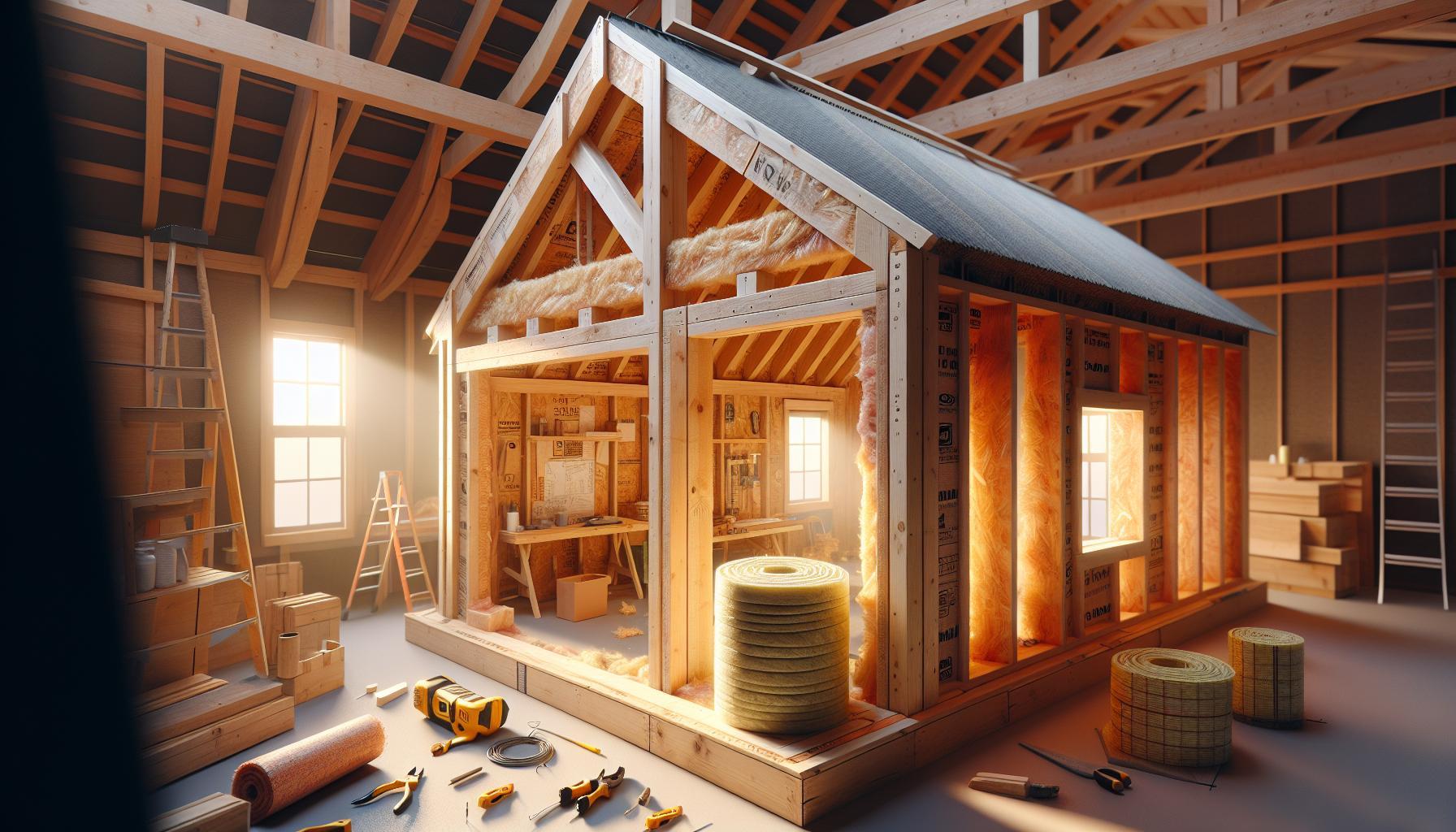
Are you tired of your firewood getting soaked or spoiled from the elements? A well-built wood shed not only protects your firewood but also enhances your outdoor space. in this article, we’ll guide you through the simple steps of constructing an easy, durable structure to keep your firewood safe and dry all year round.
Choosing the Right Location for Your Wood Shed
When you embark on the journey of constructing a wood shed, the first critical decision you face is its location. An ideal placement can safeguard your firewood and make access much more convenient, enhancing your efficiency during those chilly nights. The right spot not only contributes to the longevity of your wood supply but also harmonizes with your outdoor landscape, ensuring it doesn’t stand out as an eyesore.
Factors to Consider
Before you stake a claim on a spot in your yard, consider these essential factors that will influence your choice:
- Sunlight Exposure: Ideally, your wood shed should be placed in an area that receives direct sunlight for a portion of the day. This helps to dry out firewood after rainy weather, preventing mold and rot.
- Proximity to Your Home: Positioning the shed close to your home or primary usage areas allows for easy access during cold months when you need firewood quickly. Just be sure to maintain a safe distance to avoid any fire hazards.
- Wind Protection: A sheltered location shielded from strong winds can help reduce moisture accumulation. Consider natural windbreaks like trees or existing structures.
- Drainage: ensure your wood shed is built on a part of your yard that doesn’t collect water. An elevated or sloped area can be ideal, preventing water pooling underneath the shed.
Practical Examples
Take inspiration from common practices. As an example, many homeowners place their wood sheds adjacent to an outdoor cooking area, allowing easy access during barbecuing or winter gatherings. Another popular choice is positioning the shed beside a backdoor, enabling a speedy dash to fetch wood without venturing too far into the cold.
Visualizing Your Shed’s Placement
Visualizing the ideal layout can aid significantly in deciding the best location. Here’s a simple table to help plan the layout and consider all relevant factors comprehensively:
| Location Factor | Ideal Characteristics | Considerations |
|---|---|---|
| Sunlight | Direct sun exposure for part of the day | Check surrounding trees and structures |
| Accessibility | Close to the home and outdoor space | Safety distance from flammable structures |
| Wind Protection | Natural or man-made barriers | assess seasonal wind patterns in your area |
| Drainage | Not prone to water pooling | Evaluate during heavy rainfall |
By taking these dimensions into account,you can successfully pinpoint the ideal location for your wood shed,setting the stage for a perfectly functional structure that effectively protects your firewood,ensuring you have a reliable supply for warmth and comfort during those long winter months.
Essential Materials for Constructing a Durable Wood Shed
To create a truly robust wood shed that effectively protects your firewood from the elements, the choice of materials is pivotal. High-quality materials not only extend the lifespan of the structure but also maintain the condition of your stored wood, preventing it from becoming damp or rotted. Let’s delve into the essential materials required for constructing a durable wood shed, ensuring that you’re well-equipped to tackle this home betterment project.
Foundation Materials
A sturdy foundation is crucial for any shed, as it provides stability and resists moisture accumulation. here are the recommended options for your wood shed foundation:
- Concrete Blocks: These provide long-lasting support and can definitely help elevate your shed off the ground, reducing water contact.
- Pressure-treated Lumber: Use large beams or posts for the perimeter to create a solid frame. These are resistant to rot and insect damage.
- Gravel Base: A layer of gravel can aid in drainage, keeping moisture away from your wood shed.
Structural Materials
The core materials of the shed’s construction play a notable role in its durability and functional longevity.Consider the following:
- Exterior Walls: Plywood or OSB (oriented strand board) is popular for wall framing, providing a sturdy structure. For extreme weather conditions, look into using vinyl or fiber cement siding.
- Roofing Materials: Asphalt shingles work well for most scenarios, but metal roofing provides superior protection and longevity against harsh weather.
- Fasteners: Opt for galvanized nails and screws to ward off rust and ensure a long-lasting hold.
Enhancing Durability
Along with the main materials, certain enhancements can significantly increase the durability of your wood shed:
- Roof Ventilation: Incorporate vents to allow moisture to escape, minimizing mold and wood decay.
- Protective Finishes: Consider applying a weather-resistant sealant or wood stain to protect exterior wood surfaces from moisture and UV damage.
- Flooring: A raised wooden floor constructed from pressure-treated boards can provide airflow beneath the firewood, further reducing moisture risk.
When investing time and resources into building a wood shed, focusing on high-quality materials will yield a structure that not only effectively protects your firewood but also stands resilient against the elements for years to come.
Step-by-Step Guide: Building a DIY Wood Shed
Building your own wood shed can be a rewarding project that not only enhances the aesthetics of your outdoor space but also protects your firewood from the elements.A well-constructed shed offers a convenient, organized space to store your firewood, ensuring that it remains dry and ready for use when the temperatures dip. Here’s a step-by-step guide to help you create a wood shed that meets your needs.
Gather Your Materials and Tools
Before diving into construction, it’s essential to gather all necessary supplies to streamline the process. Below is a complete list of materials and tools you’ll need:
- Pressure-treated lumber for the frame and flooring
- Exterior-grade plywood for walls
- metal roofing or shingles for the roof
- Screws and nails for assembly
- Wood stain or paint for protection
- Concrete blocks for foundation support
- Tools: Circular saw,drill,hammer,level,measuring tape,and safety gear
Planning the Design
Start by sketching out a design that fits your yard’s dimensions and complements your home. Consider factors like:
- Size: How much firewood do you need to store? This will influence the dimensions of your shed.
- Location: Choose a spot that is both convenient and allows for good drainage.
- Style: Decide if you want a simple lean-to or a more elaborate structure to match your garden aesthetics.
Once you’ve settled on a design, ensure you comply with local building codes. This will help you avoid any setbacks during the construction phase.
Constructing Your Wood Shed
With your materials gathered and design finalized, it’s time to build.Here’s a simplified breakdown of the construction process:
- Prepare the Site: Clear any debris and level the ground where your shed will sit. Lay concrete blocks as a foundation to keep your shed elevated and dry.
- Build the Frame: Using pressure-treated lumber, create the base frame according to your design. Secure the corners with screws, ensuring everything is level with a measuring tape and level.
- Add Walls: Attach plywood panels to the frame to form the walls, leaving an opening for a door if desired. Reinforce corners and edges with additional lumber as needed.
- Construct the Roof: Decide on a roof style and frame it accordingly. If you’re using metal roofing or shingles, install it securely to prevent leaks.
- Finishing Touches: Paint or stain your wood shed with exterior-grade products to protect against the elements. Seal any gaps where moisture could enter.
- Organize Your Wood: Once constructed, add shelving or bins inside for optimal organization. Stack firewood in a manner that allows for proper air circulation, ensuring it stays dry.
Building your own wood shed is not only practical but also a perfect possibility to engage with a fulfilling DIY project.From careful planning to final touches, each step ensures protection for your firewood and enhances your outdoor area.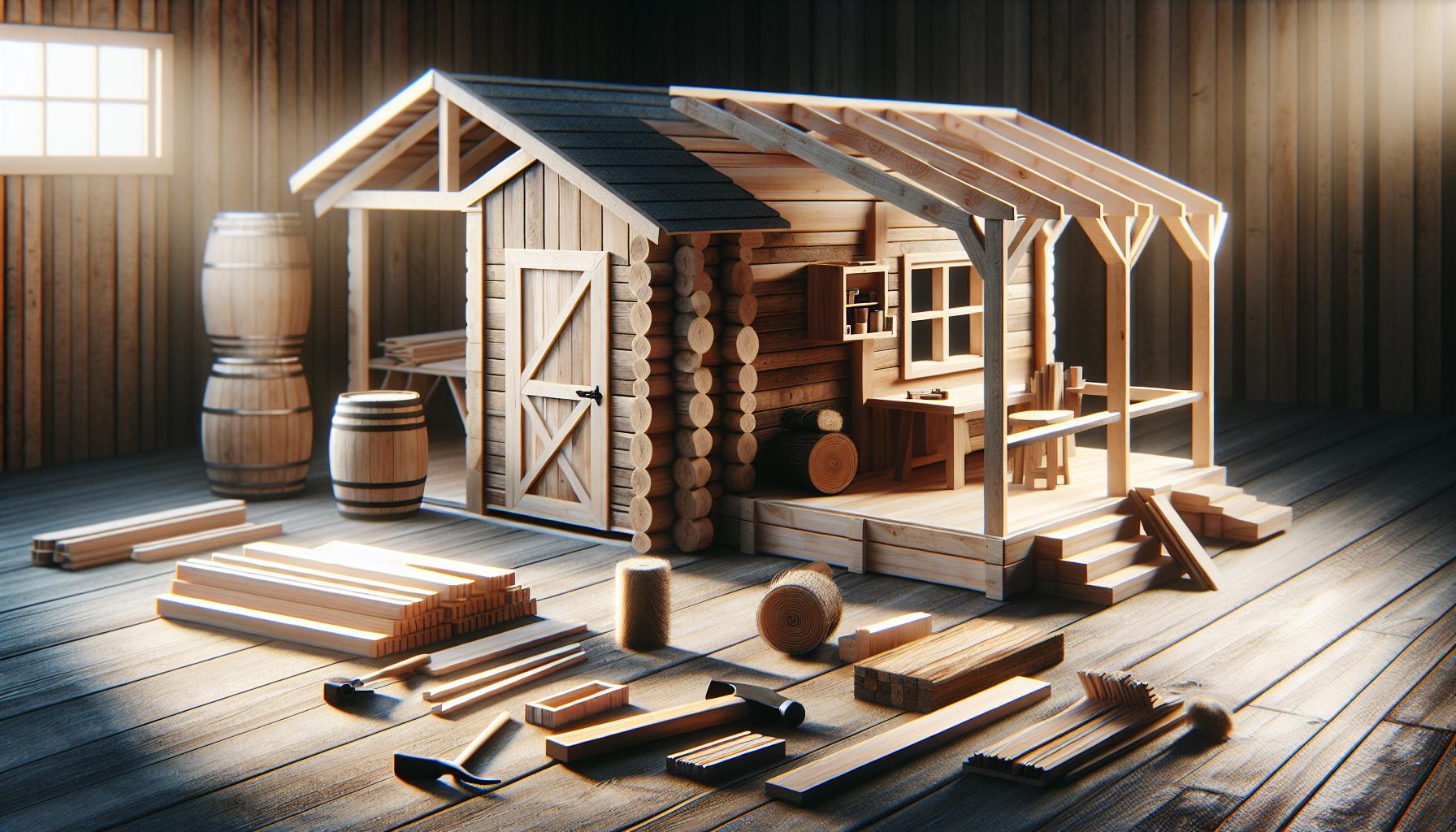
designing Your Wood Shed: Tips for Functionality and Aesthetics
Designing a wood shed for your property can enhance both its functionality and aesthetic value. A well-constructed wood shed not only provides a protective space for your firewood but also adds a level of charm and organization to your outdoor area. the right blend of aesthetics and functionality ensures that your wood storage solution is not only practical but also a pleasing addition to your landscape.
Prioritize Functionality
When contemplating how to build a wood shed, begin by considering its primary function: protecting your firewood from the elements. Selecting an appropriate location is crucial. Look for a spot that is well-drained and has good airflow to prevent moisture buildup. Here are some functional design tips to keep in mind:
- Size and capacity: Assess your wood consumption needs to determine the appropriate size for your shed. Standard wood stacks often measure 4 feet high and 8 feet long,so design accordingly.
- Ventilation: Incorporate slatted sides or an open design for effective airflow. This approach allows your firewood to dry out properly and avoids mold.
- Accessibility: Position the doorway in a way that allows for easy stacking and retrieval of wood. Consider a double-door design for larger sheds.
Add Aesthetic appeal
While functionality is vital, aesthetics shouldn’t be overlooked. A visually appealing wood shed can complement your home and garden. Here are some ideas to elevate the design:
- Material Choices: Opt for high-quality wood, such as cedar or redwood, which not only performs well but also looks beautiful. the natural color and texture of wood can enhance your outdoor space.
- Roof Design: Consider a gabled or peaked roof to add architectural interest. You can even match the roofing material to that of your home for a cohesive look.
- Color and Finishes: Staining or painting your wood shed can make it stand out or blend in, depending on your preference. Choose colors that harmonize with your existing structures.
Integrating Landscaping
To further enhance the visual appeal of your wood shed,consider integrating landscaping elements around it. A few options include:
- Flower Beds: Planting flowers or shrubs around the base can create an inviting focal point.
- Pathways: Installing a stone or gravel path leading to the shed adds a functional and beautiful element.
- Lighting: Outdoor lighting can not only provide security but also add ambiance during the evening hours.
By following these tips on how to build a wood shed that emphasizes both functionality and aesthetics, you can create a space that is not only practical for firewood storage but also enhances the overall beauty of your outdoor environment. Aim for a design that speaks to your personal style while meeting your storage needs, ensuring that your wood shed becomes a cherished part of your landscape.
Proper Ventilation: Keeping Your Firewood Dry and Ready
Maintaining a steady supply of dry firewood is crucial for efficient burning, warmth, and flavor in your fireplace or wood stove. Did you know that wood can take a long time to dry out fully if it’s not stored properly? This is why proper ventilation in your wood shed is essential; it allows airflow to circulate, reduces humidity, and helps combat mold and decay, ensuring your firewood is always ready for use.
Understanding Airflow and Its Importance
Ventilation is not just a mere addition to your wood storage; it is a essential aspect of preserving firewood quality. A well-ventilated wood shed should allow air to flow freely around the stored wood. Here are a few practical tips for ensuring excellent airflow:
- Design the Structure with Gaps: When building your wood shed, incorporate gaps between logs or boards in the shed walls. These spaces facilitate airflow and help keep the wood dry.
- Elevate the Wood: Storing wood off the ground, ideally on a platform or wooden pallets, promotes air circulation beneath and lowers moisture absorption from the soil.
- Consider Openings: Include open or mesh-covered vent sections on both ends of the shed to enhance cross-ventilation, allowing fresh air to enter and circulate out.
Location Matters
The position of your wood shed can significantly impact its ability to ventilate effectively. Placing it in a spot that receives a good amount of sunlight and is sheltered from strong winds will assist in keeping your wood dry. Aim for a location that has:
- Access to sunlight, which helps to naturally dry out wood.
- Minimal obstruction from larger trees, which can hold moisture and block airflow.
- A sloping terrain to prevent water from pooling around the shed.
Seasonal Maintenance and Monitoring
Just building a wood shed with ventilation isn’t enough; it requires ongoing care and observation. Regularly check your wood for signs of moisture, mold, or decay. Here’s how to maintain optimal conditions:
| Task | Frequency | Tips |
|---|---|---|
| Inspect for Mold | Monthly | Look for dark spots or musty smells. |
| Move Stacked Wood | Seasonally | Rotate wood piles to ensure even exposure to air. |
| Check Ventilation Openings | Before Winter | Clear any debris or blockages. |
By implementing these strategies, you can significantly extend the life and usability of your firewood. With proper ventilation, you’re not just building a shed; you are creating a dedicated space that facilitates longevity and efficiency in your wood-burning experience, making your efforts in building a wood shed truly worthwhile.
Legal Considerations: Zoning Laws and Building Permits
When planning to construct a wood shed to protect your firewood, understanding the legal landscape surrounding zoning laws and building permits is essential to ensuring your project goes smoothly. zoning regulations dictate where and how you can build structures on your property,as they are designed to promote safety,health,and general welfare within communities. Ignoring these regulations could result in fines, forced alterations, or even removal of your newly built shed. It’s crucial to check with your local government or zoning office to understand the specific requirements for your area.
To navigate these legal considerations effectively, follow these practical steps:
- Research Local Zoning Laws: Start by visiting your local zoning office or their website. Zoning laws frequently enough vary significantly between municipalities and can affect the size, location, and type of shed you can build.
- Obtain necessary Permits: In many cases, you will need a building permit before you begin construction. This process typically involves submitting your plans and, in some instances, having them reviewed by a local building inspector.
- Understand Setback Requirements: most zoning laws require that structures maintain a certain distance from property lines.Familiarize yourself with these setback requirements to avoid potential conflicts with neighbors or local regulations.
- Check for Additional Restrictions: Some neighborhoods might have additional restrictions based on homeowner association (HOA) guidelines or ancient preservation rules. Ensure your project complies with all applicable regulations.
Key Takeaways for Your Wood Shed Project
Before you start building, take the time to assemble a checklist of the necessary legal steps. Consider the following significant points:
| Step | Description |
|---|---|
| 1. Verify Zoning Designation | Check your property’s zoning designation and regulations through local government resources. |
| 2. Apply for Building Permit | Gather detailed plans and submit a building permit application for your shed. |
| 3. Confirm Setbacks | Identify and adhere to mandatory setback requirements to prevent legal issues. |
| 4. Review HOA Rules | If applicable, ensure compliance with any additional restrictions or guidelines set by your HOA. |
By diligently adhering to zoning laws and securing the necessary building permits,you’ll not only ensure compliance but also create a sturdy and safe wood shed that effectively protects your firewood. Plan ahead and consult local regulations to avoid setbacks that could delay your project. This proactive approach will enhance your experience as you build your wood shed, enabling you to enjoy its benefits for many years.
Maintenance Tips for Your Wood Shed: ensuring Longevity
To keep your wood shed in prime condition, regular maintenance is key. A well-maintained shed not only protects your firewood but also contributes to the overall aesthetics of your outdoor space. Without proper care, exposure to the elements can lead to deterioration, allowing moisture to seep in and wood to rot. Understanding how to properly maintain your structure will ensure it remains a reliable asset for years to come.
Inspecting the Structure
Regular inspections are essential for spotting potential issues before they escalate. Here are some tips for checking the structural integrity of your wood shed:
- Check for Rot: Look for signs of wood rot on the boards, roof, and foundation. If you find any soft or discolored spots, they may need replacing.
- Assess the roof: Examine the roofing material for any leaks or damage. Moss or algae growth can be a sign that moisture is being trapped, which can lead to further issues.
- Inspect the Foundation: Ensure the shed sits on level ground and check for any signs of sinking or shifting. If the foundation is compromised, it could affect the stability of the entire structure.
Weatherproofing Your Shed
Adding layers of protection against the elements will significantly prolong the life of your wood shed. here are some effective strategies:
- Seal Joints and Gaps: Use caulk or weatherstripping around doors and windows to prevent unwanted moisture and pests from entering.
- Apply Wood Preservative: Treat your wood shed with a high-quality wood preservative every few years to protect against rot and insects.
- Use a Roof Sealant: A proper sealant will help prevent leaks and prolong the life of your shed’s roofing material.
Proper Ventilation and Cleaning
Ensuring ample ventilation is crucial for keeping the interior of your wood shed dry and free from mold. Here’s how to achieve that:
- Add Vents: install vents on opposite walls to allow for airflow and reduce humidity levels inside the shed.
- Regular Cleaning: Clear out debris,such as fallen leaves or branches,that may accumulate around the shed. This prevents moisture buildup and preserves the foundation.
| Maintenance Task | Frequency |
|---|---|
| Inspect for rot and damage | Every 6 months |
| Clean the interior and exterior | Quarterly |
| Apply wood preservative | Every 2-3 years |
| Check the roof and gutters | Annually |
By implementing these maintenance strategies, you can enhance the durability of your wood shed while safeguarding your firewood. Whether you are looking for tips on how to protect your investment or simply want to ensure your structure lasts, regular care will pay off in the long run.
Enhancing Your Wood Shed: Practical Accessories and Features
Creating a wood shed is only the first step towards ensuring your firewood stays dry and ready to use; enhancing its functionality and convenience through practical accessories and features can truly elevate your experience. With the right additions, your wood shed can become more than just a storage unit—it can serve as an organized, efficient space that complements your outdoor lifestyle.
Shelving for Organization
One of the smartest ways to enhance your wood shed is by adding shelving. This not only keeps your firewood neatly stacked but can also provide storage for other tools and supplies that are essential for maintaining your outdoor area. Consider installing open shelves that allow for ventilation, preventing moisture buildup and ensuring your firewood remains seasoned. Here are some practical ideas for shelving:
- Adjustable shelves: These can be tailored to fit various sizes of logs and equipment.
- Corner shelves: Utilize every inch of space effectively, especially in smaller sheds.
- Vertical storage racks: Perfect for splitting tools and other firewood processing equipment.
Roofing Options for Enhanced Protection
the roof of your wood shed plays a critical role in protecting your firewood from rain and snow. By selecting the right roofing materials, you can ensure longer-lasting protection. Here are some options you might consider:
| Material | Benefits | Considerations |
|---|---|---|
| Metal | Durability, lightweight, excellent protection against the elements. | Can be noisy during rain. |
| Shingles | Attractive appearance, good waterproofing. | May need replacement over time due to wear. |
| Tar Paper | Cost-effective, easy to install. | Less durable; suitable for temporary sheds. |
Ventilation for Optimal Drying
Proper ventilation is crucial for maintaining the quality of your firewood. A wood shed that traps moisture can lead to mold and spoilage,ruining your firewood supply. Consider adding the following features for optimal airflow:
- Ventilation holes: Strategically placed holes in the walls can improve airflow.
- Open design: Leaving gaps between wood piles allows for better airflow.
- Windows or vents: Installing windows or adjustable vents can enhance light and airflow significantly.
by integrating these practical accessories and features, you can transform your wood shed into a highly efficient workspace that not only protects your firewood but also enhances your overall outdoor management experience. Whether you’re looking for how to build a wood shed or seeking tips to improve your existing structure, these enhancements will certainly prove beneficial in keeping your firewood in prime condition.
Frequently asked questions
How to build a wood shed for firewood protection?
Building a wood shed to protect your firewood involves selecting a suitable location, gathering materials, and using a simple design. Start with a solid base and consider a sloped roof for adequate drainage.
Begin by choosing a flat area in your yard for stability and accessibility. use treated wood or concrete blocks for the base, and frame the walls with 2x4s. Ensure to include ventilation to keep your firewood dry, and finish with a roof that will shed rain and snow effectively. For more detailed steps, check out our guide on constructing a basic firewood shed!
What materials do I need to build a wood shed?
To build a wood shed,you typically need wood for the frame,plywood for walls,and roofing materials. Basic tools like a saw,drill,and level are also essential.
Common choices for frame materials include pressure-treated lumber for durability. For roofing, asphalt shingles or metal sheets provide long-lasting coverage. Remember to pick weather-resistant materials to protect your firewood from the elements. If you’re uncertain about what materials to select,read our article on choosing the right supplies for your wood shed.
Why does my firewood need to be sheltered in a wood shed?
Sheltering firewood in a wood shed is crucial to prevent moisture absorption, which can lead to mold growth and inefficiency when burning.
Wood that’s stored outdoors without protection absorbs rain and snow, making it difficult to ignite and causing excess smoke and pollutants when burned. A shed keeps your wood dry and extends its lifespan by protecting it from the elements. For more insights, review our comprehensive article on firewood storage practices!
Can I build a wood shed on my own?
Yes, you can build a wood shed on your own with basic carpentry skills and the right tools. Many DIY enthusiasts find this project rewarding and manageable.
Start with a straightforward design that suits your skill level. Follow online tutorials and step-by-step guides to ensure you understand the building process. Don’t hesitate to ask for help from friends or online communities if you encounter challenges. Check out our DIY section for more tips on building your own structures.
What are the best designs for a firewood shed?
The best designs for a firewood shed focus on accessibility, ventilation, and protection from the elements. Simple lean-to or open front structures are quite popular.
A lean-to design allows for easy access to firewood, while the open front provides ventilation for drying. Ensure enough roof overhang to protect from rain.For inspiration, see our collection of firewood shed designs that cater to different needs and preferences!
How to build a firewood shed to ensure proper airflow?
To build a firewood shed with proper airflow, incorporate features like slatted walls or an open back and front design. This promotes circulation, preventing mold.
When stacking firewood, make sure to space logs apart to allow for air movement. Adding vents near the roofline can further improve airflow. These design elements help keep your firewood dry and ready for use. More tips on air circulation can be found in our detailed wood shed construction articles.
Why does the orientation of my wood shed matter?
the orientation of your wood shed affects exposure to sunlight and wind, which are key factors in drying firewood.
Placing the shed where it receives morning sun can help dry out any moisture collected overnight. Additionally, positioning it to shield from prevailing winds can protect firewood from rain. Consider your local weather patterns when deciding where to build your shed for optimal firewood preservation.
To Wrap It Up
building a wood shed offers not only a practical solution for protecting your firewood but also an exciting project that enhances your outdoor space.By following the steps outlined—planning your design, selecting the right materials, and understanding essential construction techniques—you can create a durable structure that meets your needs. Remember to consider local building codes and permits to ensure compliance, as this will save you future headaches.
Whether you’re a seasoned builder or just starting out, embracing the journey of construction can be both rewarding and fulfilling.Take your time, enjoy the process, and don’t hesitate to seek out resources or community advice when you encounter challenges—every expert was once a beginner. So grab those tools, get inspired, and start your wood shed project today! Your firewood will thank you, and you’ll gain a sense of accomplishment that comes with creating something truly your own. Happy building!
Get our latest guides, news, and insights highlighted in your Google Search & AI Overviews.