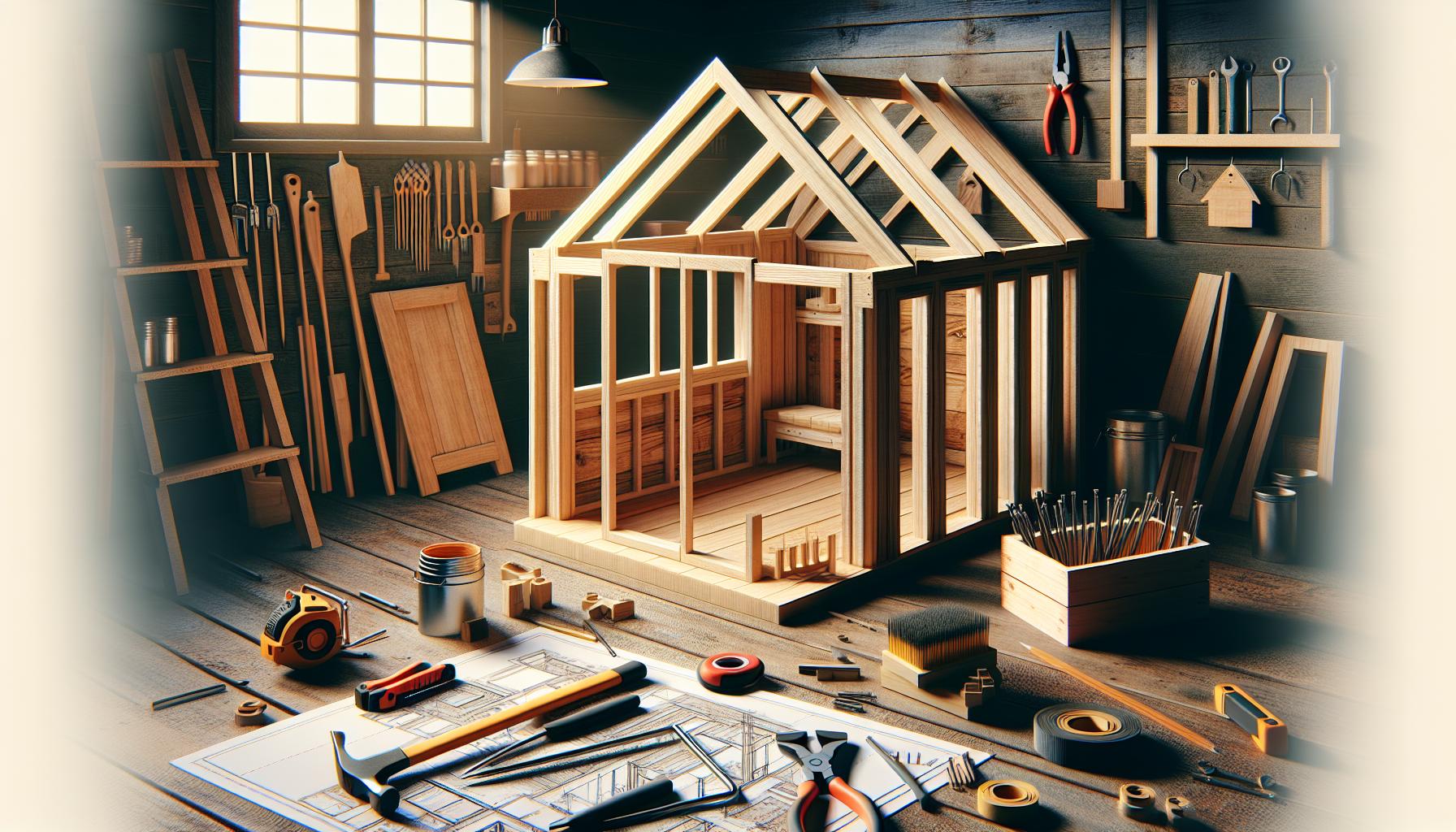
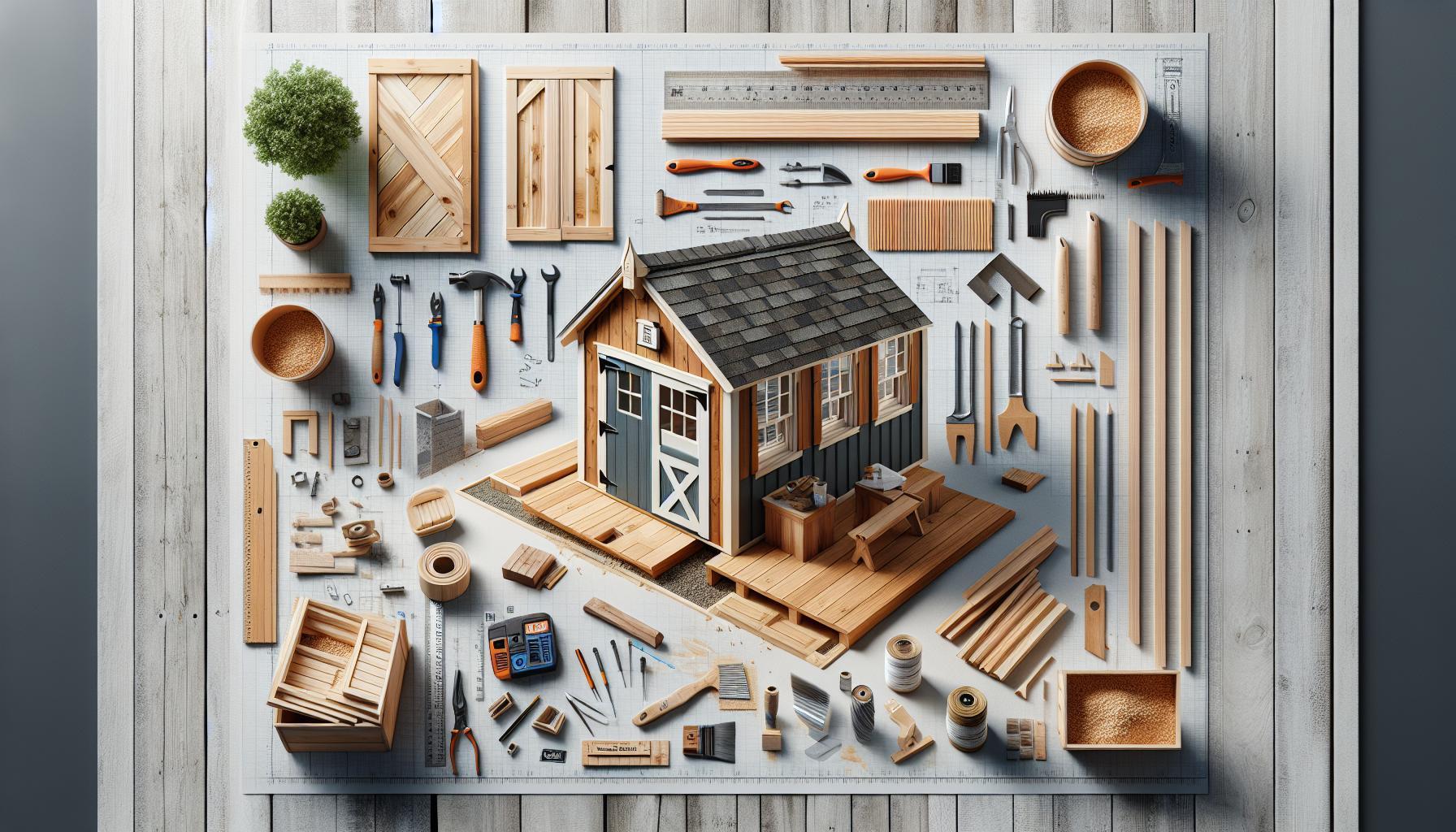
Building a durable and level foundation is crucial for any shed, as a strong floor ensures stability and longevity. Properly addressing shed flooring challenges—from uneven ground to material selection—can prevent future structural issues.This guide offers essential insights and step-by-step instructions to create a robust platform that supports your outdoor projects effectively.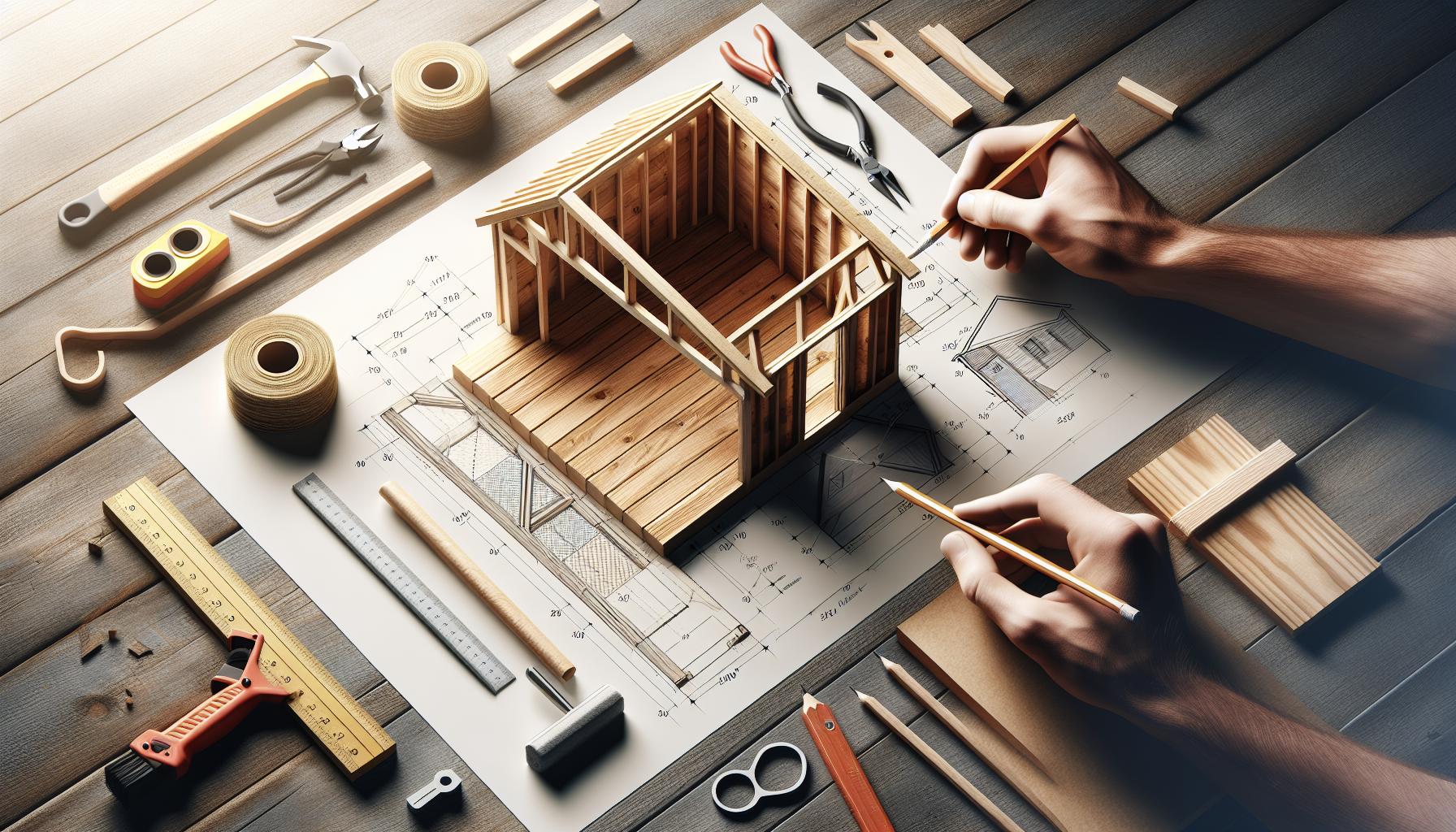
Understanding the Basics: What You Need to Know Before Building a Shed Floor
Building a solid foundation for your shed is crucial, as a well-constructed floor not only supports the weight of the structure but also protects whatever you store inside. A sturdy, level platform can definitely help prevent issues such as moisture damage and pest infestations, extending the life of your shed. Before diving into the project,it’s essential to understand the fundamental aspects of constructing a shed floor,including material selection,design considerations,and site preparation.
Material Selection
Choosing the right materials is key to achieving durability and strength in your shed floor. Common options include:
- concrete: Provides a robust, impermeable surface ideal for heavy equipment storage and areas prone to moisture.
- Plywood: A versatile choice that’s relatively easy to work with, but it requires proper sealing to resist water damage.
- OSB (Oriented Strand Board): typically less expensive than plywood but may be more susceptible to deteriorating in moist conditions.
The thickness of these materials will depend on the expected load and usage of the shed. As a notable example, if you plan to store heavy tools or equipment, opting for thicker sheets (3/4 inch or more) is advisable.
Site Preparation
Before you start building, proper site preparation is vital. This involves:
- Choosing the Right Location: Ensure the area is level and well-drained to prevent water pooling around the structure.
- Clearing the Area: remove any vegetation,debris,or obstacles that might interfere with construction.
- Establishing a Foundation: Depending on your materials, you might need to build a skid or frame that will raise the floor above ground level, which aids in airflow and moisture management.
Taking these preliminary steps seriously not only enhances the foundation’s stability but can also save you from future repairs and complications.
Design Considerations
Next, consider the design of your shed floor. A good design will accommodate the intended use of the shed while ensuring that the structure remains stable. Here are some important elements to consider:
- Load-Bearing Capacity: Always calculate the expected load to ensure the chosen material can handle it effectively.
- Ventilation: Incorporate gaps or a breathable design to prevent moisture accumulation.
- Accessibility: Design the floor layout to facilitate easy movement of stored items, which may include installing ramp access for wheeled equipment.
By addressing these aspects during the planning phase, you will set a strong foundation for a successful shed that meets your needs and stands the test of time.
Choosing the Right Materials for a Durable Shed Floor
When embarking on the journey of creating a shed, understanding the materials for the floor is pivotal to ensuring longevity and durability. A well-constructed shed floor can withstand the test of time,exposure to moisture,and heavy weights,making it an essential part of your structure. There are various materials to consider based on your shed’s use, environmental factors, and budget.
Common Materials for Shed Flooring
Selecting the right materials requires a careful balance of strength and weather resistance. Here are some of the most common options:
- Pressure-Treated wood: Ideal for the framing and floor joists, pressure-treated wood resists rot and insects, making it a durable choice for outdoor structures.
- Plywood: Regular or marine-grade plywood can serve as a robust surface. While regular plywood is cost-effective, marine-grade is specifically designed to resist moisture, making it more suitable for sheds exposed to wet conditions.
- OSB (Oriented Strand Board): A good alternative to plywood, OSB is generally less expensive but may not hold up as well in high moisture environments unless coated or treated.
- Concrete: For sheds requiring additional strength, a concrete floor offers unparalleled durability and moisture resistance, but it may require a higher initial investment and base preparation.
Choosing the Right Thickness
When determining the thickness of your flooring material, consider what you plan to store in the shed. A thicker plywood or OSB board is necessary if you will be placing heavy items such as tools and equipment on the floor. Typically, a thickness between ¾ inch and 1 inch is recommended for optimal strength.
| Material | Common Thickness | Best Use |
|---|---|---|
| Pressure-Treated Wood | 2×6 inches | floor joists; high moisture areas |
| Plywood | 3/4 inch | General storage; light to medium loads |
| OSB | 1/2 inch – 3/4 inch | Light storage; economical option |
| Concrete | 4 inches | Heavy equipment; permanent structures |
In addition to choosing the right materials, think about adding a vapor barrier if you are building over soil or a concrete slab.This barrier helps prevent moisture from seeping up through the floors,protecting your tools and equipment from rust and decay. Ultimately,the choice of materials and construction techniques plays a crucial role in how to build a shed floor that delivers strength and stability for any purpose.
Step-by-Step Guide: Laying a Strong and Level Shed Foundation
Creating a robust and level foundation is the cornerstone of building a lasting shed.A well-constructed base not only keeps the structure secure and stable but also helps protect your investment from moisture and ground movement. Many shed owners overlook this crucial step, leading to potential damage down the line.By following a systematic approach, you can ensure that your shed stands strong for years to come.
Selecting the Location and Preparing the Site
Before you begin laying your shed foundation, choosing the right location is essential. Look for a spot that is flat, dry, and has good drainage. Clear away any debris, roots, or vegetation that may compromise your foundation’s integrity. Mark out the dimensions of the shed, ensuring you have a clear understanding of its footprint.
Onc the area is clear, you should level the ground.This might involve using a shovel to remove any high spots or adding fill dirt to low areas. For precise leveling, a long straight board and a level can be helpful.Place the board on the ground, checking at various spots to ensure uniformity.
Choosing the Right Foundation Type
There are several popular foundation options for sheds, each with its pros and cons. Here are a few common choices:
- Concrete Slab: provides a durable, long-lasting base but requires more time and cement.
- Gravel Foundation: Easier to install and offers excellent drainage, making it suitable for moisture-prone areas [[2]](https://shedsunlimited.net/blog/shed-flooring-the-complete-guide/?srsltid=AfmBOoqkjohrtFQkHhjxsuOt7trKGtd04Q1LhD8A0hVMnrwttAQQvSUE).
- Skids: Simple to center your shed on heavy timbers that rest on the ground.
- Concrete Blocks or Piers: Useful for raising your shed off the ground and avoiding water damage.
Consider the size and weight of your shed when selecting your foundation type, as this will influence your choice. Each foundation type will require different materials and methods, so ensure you gather everything you’ll need before you begin.
Laying the Foundation
Once you’ve selected your foundation type and prepared the site,it’s time to begin construction. If you choose a gravel foundation, start by digging out the area to a depth of about 4-6 inches. Fill it with a layer of gravel,then rake it smooth. For a concrete slab, frame your area with wooden boards to contain the concrete, then mix and pour your concrete, leveling it as you go.For skids or block foundations, place your structural timbers or blocks evenly under the framing of your shed. Adjust them to maintain level and check that they are situated directly beneath each corner of the shed.
Final Checks and Considerations
Before you proceed to build your shed on the foundation, ensure everything is leveled correctly. Use a level to verify that all corners of the foundation are even. If you used gravel, consider adding a protective barrier such as landscaping fabric on top of the gravel layer before constructing the floor of your shed; this can definitely help keep weeds at bay and improve overall durability.Taking the time to build a strong and level foundation will lead to a successful and lasting shed building experience. If you’re unsure about any step, don’t hesitate to consult a professional or refer back to guides specific to your foundation type to ensure you’re on the right path.
Common Pitfalls to Avoid When Building a Shed Floor
When embarking on the journey of building a shed floor, it’s crucial to be aware of common pitfalls that can undermine your efforts and result in costly repairs. A strong, level platform is essential not only for the durability of the structure but also for the safety and ease of use of your shed. Many builders, especially novices, overlook critical factors that can lead to structural issues, such as uneven flooring, drainage problems, and the type of materials used.
Choosing the Right Materials
Using inadequate or unsuitable materials can spell disaster for your shed floor over time. As a notable example, plywood is frequently enough considered for flooring, but its vulnerability to moisture can lead to rot if it isn’t properly sealed. options like treated wood or exterior-grade plywood are much better choices. Additionally, some sheds come with pre-fabricated floors, such as oriented strand board (OSB); however, the long-term durability of OSB can be compromised in high-moisture environments, leading to rapid deterioration and structural failure [[3](https://www.reddit.com/r/Shed/comments/17w5h5z/tuff_shed_floor_problems/)].
Poor Foundation Preparation
A well-prepared foundation is vital for a stable shed floor. Failing to create a perfectly level base can result in a shed that is wobbly or prone to tipping during severe weather.An uneven base not only affects the aesthetics but can also lead to premature wear of the flooring as it succumbs to shifting and settling. Always ensure the ground is well-compacted and leveled before laying your flooring material. If you find yourself in a spot with poor drainage, implement proper grading or drainage solutions to prevent water from pooling under the shed, which can compromise your floor structure [[2](https://www.quora.com/What-are-the-common-problems-with-shed-bases-and-how-do-I-fix-them)].
Neglecting Moisture Protection
Moisture is a silent enemy that can wreak havoc on any shed floor. Without adequate barriers,such as moisture-resistant coatings or vapor barriers,the lifespan of your shed floor can be significantly shortened. Consider incorporating a layer of heavy-duty plastic sheeting beneath your floorboards to mitigate moisture intrusion from the soil below. Additionally, keeping gutters and downspouts clear can prevent excess water from pooling near the shed, further protecting your flooring from damage.
By keeping these crucial elements in mind,you can go a long way toward ensuring that your shed floor remains robust and reliable. A little foresight during the construction phase will save you from potential headaches and high repair costs in the future.
enhancing Your Shed Floor: Insulation and Moisture Management Tips
When considering the construction of a robust and functional shed, one frequently enough underestimates the importance of insulation and moisture management in maintaining a comfortable and durable habitat. Proper insulation beneath your shed floor not only improves thermal comfort but also helps prevent moisture-related issues that can compromise the integrity of your structure over time. This dual approach not only enhances usability but also prolongs the lifespan of tools and equipment stored within.
Choosing the Right Insulation
Selecting the appropriate insulation material is crucial for an effective shed floor.Among the popular options, fiberglass insulation stands out due to its affordability and performance, making it a perfect choice for many DIY enthusiasts. Additionally, using rigid foam board insulation, such as 2″ foam rated at R10, provides an excellent balance between thermal efficiency and structural stability, as it minimizes floor bounce when coupled with OSB (oriented strand board) panels. To further enhance strength, applying liquid nails adhesive between the insulation and the OSB can create a more stable and secure base[[1]](https://www.youtube.com/watch?v=sFC_bEAR9fQ).
Effective Moisture Management Strategies
moisture can wreak havoc if not properly managed under your shed. To combat this, begin with landscaping around your shed that promotes drainage away from the foundation, preventing water accumulation. Installing a vapor barrier, such as heavy plastic sheeting, directly beneath the insulation will also help mitigate moisture infiltration from the ground.This barrier not only protects stored items but also minimizes the risk of mold and mildew growth,ensuring a healthier environment inside your shed.
Tips for Installation
Implementing effective insulation and moisture management involves careful planning and execution. Here are some practical steps to consider:
- Ensure the shed floor is elevated using treated wood beams to allow air circulation underneath.
- Before laying insulation, inspect the area for pests or debris that could compromise the materials.
- Lay the insulation tight against the floor joists, ensuring no gaps are left that could permit drafts.
- Regularly check the condition of the vapor barrier and insulation to catch potential issues early.
Incorporating these considerations while you explore how to build a shed floor that stands the test of time will lead to a more resilient and comfortable space, ensuring it serves your needs well for years to come.
Tools of the Trade: essential Equipment for Shed Floor Construction
Building a durable and level shed floor requires a range of essential tools that can significantly simplify the construction process. Proper equipment not only enhances precision and efficiency but also ensures that the shed stands the test of time. As you prepare to undertake your project, consider gathering the following tools that are fundamental to executing a well-built structure.
Essential Tools for Shed Floor Construction
To get started, here’s a list of the must-have tools to effectively build your shed floor:
- Circular saw: Perfect for cutting lumber and sheet materials to the desired length.
- tape Measure: Ensures accurate measurements and space management.
- Framing Square: Useful for marking and checking right angles to guarantee the integrity of your floor layout.
- level: A standard level is essential for ensuring the surface is even, while a laser level can provide added precision.
- Pneumatic Framing Nailer: Speeds up the nailing process, making construction quicker and providing consistent force.
- Clamps: Hold pieces together while you secure them, preventing movement that could lead to mistakes.
- Speed Square: Ideal for making speedy and precise angle cuts and measurements.
Each of these tools plays a pivotal role in constructing a shed floor that is both strong and level. Such as, using a circular saw allows for clean cuts in plywood and dimensional lumber, essential materials for shed flooring. The pneumatic nailer can drastically reduce labor time; rather of hammering each nail by hand, you can quickly secure your framing and decking.
Additionally, it’s wise to invest in high-quality materials that fit your design specifications. Consulting guides like “How to Build a Shed Floor: strong, Level Platforms for Any Structure” can provide further insights into appropriate materials and techniques to complement your tool setup. A well-curated toolset not only facilitates the task but also enhances your confidence in your building prowess, ensuring a sturdy foundation for your outdoor storage solution.
Maintaining Your Shed Floor: Best Practices for Longevity
Maintaining your shed floor is crucial not only for aesthetics but also for the longevity and functionality of your structure. A well-constructed floor can last for years, while neglect can lead to costly repairs. To uphold the integrity of your shed, it is indeed vital to implement a regular maintenance routine that addresses dirt, moisture, and overall wear and tear.
Regular Cleaning
Keeping your shed floor clean is the first step in preventing degradation. Schedule a thorough cleaning at least every few months. Use a broom or vacuum to remove loose debris and dust. For more stubborn dirt and grime, a damp cloth or mop can be effective. If you discover mold or mildew, especially in damp climates, consider using a mixture of water and vinegar to tackle the issue safely. Make sure to dry the floor afterward to prevent excess moisture accumulation, which can warp the wood over time.
Moisture Control
Protecting the floor from moisture is key to maintaining its durability. Here are some best practices to consider:
- Install a Vapor Barrier: This can help prevent moisture from the ground seeping up into the floor structure.
- ensure Proper Ventilation: Good airflow within the shed reduces humidity levels and limits moisture buildup.
- Elevate Your Shed: If building or setting up a new shed, ensure it is indeed elevated above the ground to allow drainage and avoid contact with water.
Inspection and Repairs
Regularly inspect your shed floor for signs of damage such as cracks, warping, or pest infestations. Early detection of small issues can prevent larger problems down the road. If you notice any damages, address them immediately—this might involve patching cracks, reinforcing weak areas, or even replacing sections of the floor.
Taking these proactive steps not only aligns with the principles of how to build a shed floor that stands up to wear and tear but also enhances its overall usability and lifespan.By integrating routine cleaning, moisture control, and timely repairs, you can ensure that your shed remains a reliable space for your tools and equipment for years to come.
Faq
How to Build a Shed Floor: Strong, Level Platforms for Any Structure?
What materials are best for building a shed floor?
The best materials for building a shed floor include pressure-treated wood, concrete, and plywood. each choice has its own advantages based on your shed’s purpose and location.
Choosing pressure-treated wood helps resist rot in damp conditions, while concrete offers a solid, durable base that can handle heavy loads.Plywood is often used for its affordability and ease of installation when constructing lighter structures.
How do I ensure my shed floor is level?
To ensure your shed floor is level, start by using a spirit level during installation. Properly mark your foundation area and add or remove soil as needed to create a flat surface.
Utilizing shims can also help if you discover uneven spots after placing your structure.Consistent checking throughout the process will ensure a robust, balanced foundation for your shed.
Can I build a shed floor on the ground?
Yes, you can build a shed floor directly on the ground, but it is indeed crucial to use waffle blocks or pavers to prevent moisture damage and provide adequate support.
Laying a gravel base can also enhance drainage and stability. If the ground is prone to flooding, consider elevating your shed using support beams or a foundation.
What is the best way to waterproof a shed floor?
To waterproof a shed floor, apply a waterproof sealant or use heavy-duty tarps underneath building materials. These solutions will help prevent moisture damage over time.
Additionally, consider using plastic sheeting during construction or opting for materials like fiberglass that naturally resist water. Regular maintenance will also help prolong the life of your shed.
Why does my shed floor sag after installation?
A sagging shed floor can result from inadequate support, poor foundation preparation, or heavy loads. Ensure your floor is built on a strong, level base to prevent this issue.
Regular checks and reinforcements can address minor sagging. If it persists, consider adding joists or replacing damaged sections for a more robust platform.
How thick should my shed floor be?
The thickness of a shed floor generally ranges from 3/4 inch for plywood to at least 4 inches for concrete.Thicker materials provide better durability and support.
Consider the type of load your shed will bear; heavier items necessitate a more robust foundation. For guidelines on design and materials,refer to our complete guide on building a shed.
Can I use recycled materials for a shed floor?
Yes, using recycled materials for your shed floor is possible. Items such as reclaimed wood or old pallets can be cost-effective and environmentally friendly.
Always inspect recycled materials for damage or pest infestations before use. Reinforcing these materials with a coating can definitely help increase their lifespan and strength.
Insights and Conclusions
In wrapping up your journey on how to build a strong and level shed floor, remember that a solid foundation is key to the longevity and functionality of your structure. By carefully selecting quality materials like treated beams and regulated joist spacing, you lay the groundwork for a reliable platform that can withstand the tests of time and weather. Feel confident in tackling challenges such as leveling and drainage; these are common hurdles,but with patience and the right techniques,they can be overcome.
Embrace the learning process as you engage with each step of construction. The satisfaction of crafting something sturdy and well-made is rewarding in itself, and every DIY project enhances your skills and confidence. Don’t hesitate to explore our additional resources for tips on shed design, tools you might need, and maintenance advice that will keep your shed in top shape for years to come. Dive into the satisfying world of DIY, and let your shed become a testament to your craftsmanship!
Get our latest guides, news, and insights highlighted in your Google Search & AI Overviews.