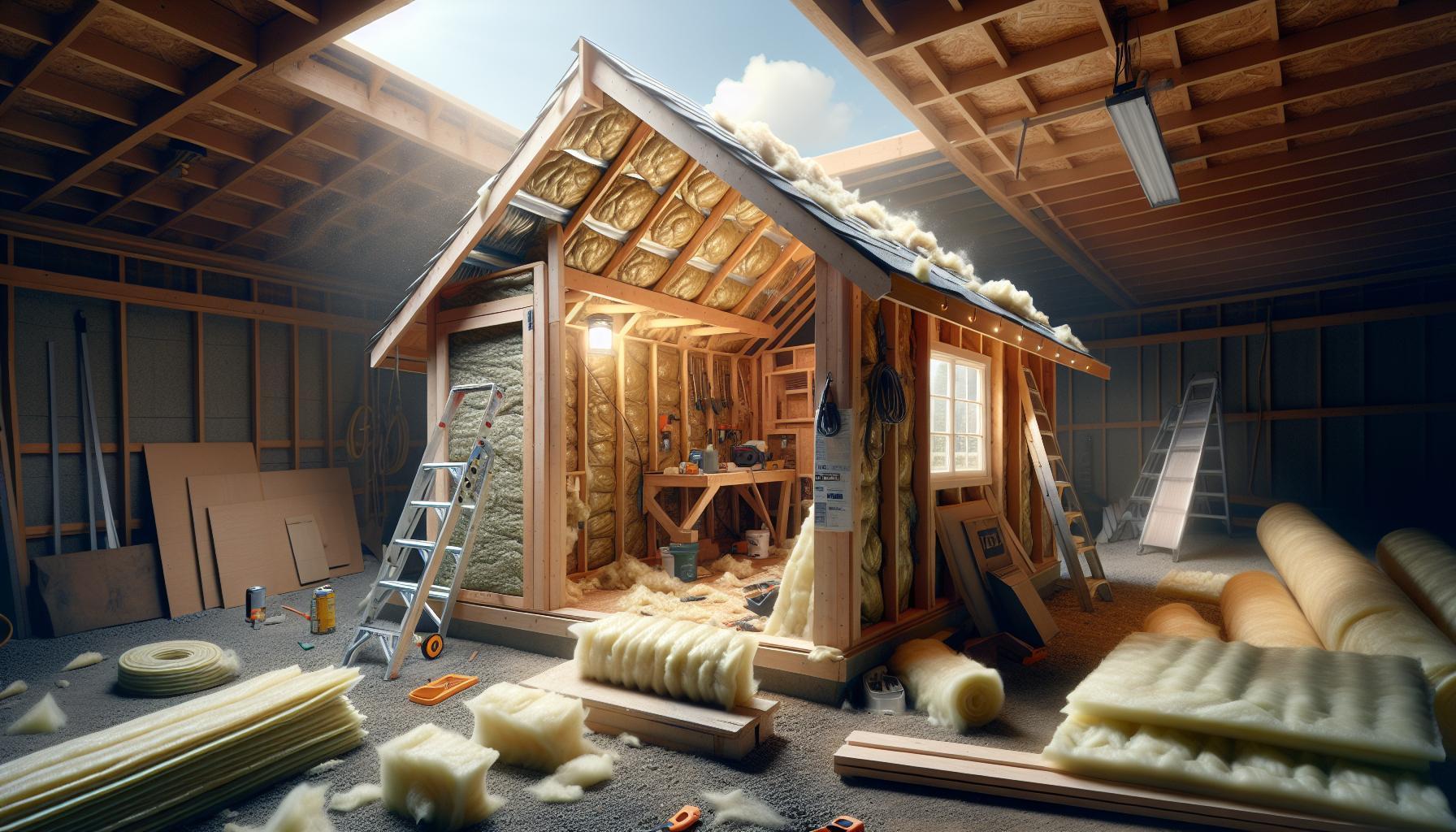
Building a sturdy shed requires a solid foundation, yet many overlook the importance of a well-constructed base that adapts to varying terrains. Whether your yard is rocky, uneven, or wet, mastering the art of shed base construction is essential for longevity and stability. This guide explores three reliable methods that cater to any landscape, ensuring your shed stands strong for years to come.
Understanding Your Terrain: Choosing the Right Base Method
Choosing the right method to build a shed base is crucial for ensuring the longevity and stability of your structure. Many homeowners overlook the terrain of their property, but understanding its nuances can help you select the most effective base method. Different terrains come with distinct challenges and opportunities, making it vital to analyze your environment before taking the plunge.
evaluating Your Terrain
Before embarking on your shed-building journey, assess the type of terrain where you plan to install your shed. Here are some factors to consider:
- Soil Type: Sandy soil offers good drainage but may not provide enough support, while clay soil can be too moisture-retentive and cause your base to shift or settle over time.
- Level Ground: Even slightly uneven ground can lead to water pooling around your shed,causing rot and deterioration. Make sure to level the area to prevent these issues.
- Drainage Features: If your property has natural water runoff or drainage, positioning your shed accordingly can prevent water damage.
- Vegetation: Clearing any large roots or plants is essential, as they can create instability and hinder the shed’s foundation.
Common Base Methods for Various Terrains
Selecting the right base method involves matching your terrain type with a proven strategy for stability and durability. Here are some methods tailored to different conditions:
| Terrain Type | Recommended Base Method | Benefits |
|---|---|---|
| Flat, Dry Soil | Concrete Slab | Permanent, sturdy, and ideal for heavy storage. |
| Loose, Sandy Soil | Skid Foundation | Easy installation and adjustable support for shifting sands. |
| Wet, clay Soil | Gravel Base | Excellent drainage and prevents moisture buildup. |
When deciding on a method for constructing your shed base, consider not only the immediate conditions but also the long-term impact of your choice. For example, a concrete slab might potentially be more expensive initially but can save you from future renovations as it provides a solid foundation that combats environmental wear and tear. If you visualize the projected wear and possible shifts over time,it’ll inform you of the best route to take and help ensure that your shed can withstand nature’s elements. In contrast, a gravel base might be more suited for those who wish a simpler, more cost-effective installation while benefiting from effective drainage.
By thoroughly understanding your terrain and making informed choices from the outset,you can build a strong,reliable base that enhances the functionality and longevity of your shed.
preparing the Ground: essential Steps for a Strong Foundation
To ensure your shed stands the test of time, beginning with a well-prepared ground is crucial. A properly thought-out foundation protects from moisture,pest infiltration,and shifting soil,all of which can or else undermine your storage space. The process involves several essential steps that can make a important difference in the longevity and usability of your shed.
Site Selection
Choosing the right location is the first critical step. Look for a spot with good drainage, away from trees or other potential hazards that might drop branches or debris. Consider the sun’s path as well; a sunny spot can help reduce moisture and mold issues.
Clearing and Leveling the Ground
Once you’ve chosen your site, clear the area of any grass, weeds, rocks, and debris.This will provide a solid foothold for your base. After clearing, it’s essential to level the ground. Use a shovel for minor adjustments and a level to ensure the area is flat. A level base prevents water pooling under the shed, which can lead to rot or rust.
Base Planning
Next, decide on the type of foundation best suited for your shed’s size and weight. Here are some common options:
- Gravel Pad: Ideal for medium-duty sheds, this option promotes drainage and provides a stable surface.
- Concrete Slab: Required for heavy-duty projects, a concrete foundation offers the most durability and resistance to shifting.
- Skids: Wooden skids can be used as a base for lighter structures and offer portability if you ever need to move your shed.
Compact and Stabilize the Base
After laying down your chosen material, it’s crucial to compact and stabilize it. For gravel, use a tamper or plate compactor, ensuring that the surface is adequately compacted for the weight of your shed. For concrete pads, smooth the surface before it sets, allowing for better adhesion of your shed’s framing.
By following these detailed steps for preparing the ground, you’ll set the stage for a strong foundation that supports your shed effectively. This process not only enhances the structure’s stability but also extends the life of your investment.
Method 1: Concrete Piers – stability for Uneven Surfaces
When building a shed on uneven terrain,one of the most effective methods to ensure stability is the use of concrete piers. This approach provides a solid and durable foundation, preventing shifting and settling that can compromise the integrity of the structure over time. Concrete piers can be especially beneficial in areas where the ground is prone to moisture fluctuations or where soil conditions are unstable. By elevating the shed above ground level, concrete piers effectively reduce the risk of moisture damage, rot, and pest infestations.
advantages of Using Concrete Piers:
- Versatility: Concrete piers can be easily adjusted to different heights, making them suitable for various terrains.
- Drainage: Elevating the shed helps with water drainage, preventing standing water around the base.
- Stability: Piers provide a robust base that remains unaffected by soil expansion and contraction.
- Cost Efficiency: Frequently enough, using piers can be more economical compared to a full concrete slab, especially on uneven ground.
Steps for Installing Concrete Piers
To effectively implement this method in your shed construction, follow these actionable steps:
- Site assessment: Evaluate the area where the shed will be located. Consider soil type and moisture levels.
- Layout: Mark the locations for the piers based on the shed’s dimensions, ensuring they align with the shed’s floor support framework.
- Excavation: Dig the holes for the piers, typically at least 3 feet deep (or below the frost line) to ensure stability.
- Formwork: Construct forms using plywood or similar materials to shape the piers and control the concrete pour.
- pour Concrete: Mix and pour high-strength concrete into the forms, ensuring that each pier is filled to the top.
- Curing: Allow the concrete to cure properly as per manufacturer guidelines—usually about 7 days for full strength.
- Install the Shed: Once the concrete has cured,proceed with the assembly of your shed on the piers,ensuring it is leveled correctly.
By employing this method, you’ll ensure a stable and long-lasting foundation for your shed, making it a valuable addition to your property that stands the test of time. If you’re looking to explore more options for building a shed base suitable for any terrain, consider the other methods outlined in the complete guide on foundational techniques.
| Aspect | Concrete Piers | Slab Foundations |
|---|---|---|
| Soil Suitability | Excellent for uneven/soft soils | Requires level ground |
| Cost | Generally lower | Higher initial investment |
| Installation Time | Moderate complexity, time-consuming | Faster to install |
Utilizing concrete piers for your shed base not only addresses the challenges of uneven surfaces effectively but also ensures that your structure remains stable and secure for years to come.
Method 2: Gravel Pads – A Versatile and Drainage-Friendly Option
When it comes to constructing a reliable shed base, gravel pads stand out as one of the most adaptable and efficient options. They seamlessly combine durability with superior drainage, making them ideal for various terrains and weather conditions. Whether you’re building a small tool shed or a larger workshop, understanding how to implement gravel pads effectively can be crucial to the longevity and stability of your structure.
Why Choose Gravel Pads?
Gravel pads offer remarkable benefits compared to traditional concrete bases or wooden platforms. Here are a few compelling reasons to consider this method:
- Excellent Drainage: Gravel allows water to drain freely,preventing the pooling that can lead to rot and structural issues.
- Easy Installation: Compared to pouring concrete, gravel pads can be laid out quickly with minimal tools and labor.
- Cost-Effectiveness: Generally, gravel is less expensive than concrete, both in material and installation costs.
- Flexibility: They can be adapted to various sizes and shapes, making them suitable for diverse shed designs.
Steps to Create a Gravel Pad for Your Shed
Building a gravel pad requires careful planning and execution. Follow these actionable steps to ensure your shed is well-supported:
- Select the Location: Choose a flat area with good drainage away from trees and other obstructions that can block sunlight or cause debris issues.
- Measure and Mark: determine the size of your gravel pad based on your shed’s footprint. Use stakes and string to outline the area clearly.
- Excavate the Site: Dig down about 4-6 inches, depending on the depth needed for the gravel layer. Ensure the bottom is level and compacted.
- Add Landscape Fabric: Lay down a layer of landscape fabric to prevent weeds from growing through the gravel.
- Install the Gravel: Fill the excavated area with crushed stone or gravel. A depth of around 4 inches is adequate for most applications. Use a rake to level the surface, and then compact it down using a mechanical plate compactor or hand tamper.
- Test the Level: Before placing your shed, check that the gravel pad is level. Use a level tool to ensure it’s even.
- Build Your Shed: Now that your gravel pad is set,you’re ready to build your shed atop this solid foundation!
| Gravel Sizes | Use Case |
|---|---|
| 3/4 inch | General purpose,ideal for a stable base. |
| 1/2 inch | Use for lighter applications and in tighter spaces. |
| 3/8 inch | Best for decorative purposes, can be used in pathways around sheds. |
Utilizing gravel pads as a foundation method not only guarantees longevity but also enhances the overall performance of your shed. Ensuring proper drainage and stability, this approach can empower your outdoor project to withstand the elements while remaining functional and visually appealing.
Method 3: Timber Frames – Natural Aesthetics for a Solid Base
Timber framing has long been a favorite for crafting structures that harmonize with the natural environment. Utilizing wood not only offers a robust and lasting foundation for your shed but also enhances its aesthetic appeal, making it blend seamlessly into the landscape. If you’re curious about how to build a shed base using timber frames, you’re in for a treat. This method combines strength and beauty, providing a solid base that can withstand various terrains.
When opting for timber as a foundation,consider the following benefits:
- Natural Insulation: Wood provides excellent thermal insulation,which can be beneficial if you plan to keep tools or equipment in your shed.
- Visual Appeal: Timber’s natural beauty can elevate the overall look of your shed while complementing your garden or yard.
- Eco-Friendly Option: Sourced responsibly, timber frames can be a enduring choice, contributing to a reduced carbon footprint.
Essential Steps in Constructing a Timber Frame Shed Base
The process of creating a timber frame base for your shed is straightforward, yet it requires attention to detail to ensure a solid and long-lasting foundation. Here’s how you can approach the task effectively:
- Choosing the Right Timber: use durable wood species, such as cedar or pressure-treated lumber, which resist rot and insects. This ensures longevity, especially if your shed is situated in a damp area.
- Preparation of the Site: Clear the area where the shed will sit. Level the ground and remove any debris or vegetation to create a stable surface.
- Laying Out the Frame:
– Measure the dimensions of your shed and mark the spots where the timber will be placed.
– Create a rectangular frame using your timber. ensure each corner is square by measuring the diagonals.
- Securing the Frame:
– Anchor your frame to the ground with concrete blocks or stakes for added stability.
– Consider using a gravel fill between the timber and the ground to improve drainage and prevent moisture accumulation.
- Installing Joists: Depending on the size of your shed, install additional joists within the frame spaced at regular intervals (usually 16-24 inches apart) to provide support for the flooring.
Maintenance Tips for Timber frame Bases
While timber frames provide a lovely and sturdy base, regular maintenance is key to prolonging their life.Here are a few tips:
- Weatherproofing: Treat your timber with water-repellent sealants to guard against moisture.
- Inspections: Periodically check for signs of decay, splintering, or insect damage; replacing affected wood promptly can extend the lifespan of your base.
Using timber frames as a foundation for your shed is an excellent way to merge functionality with style. by understanding how to build a shed base with this method, you are not just constructing a durable foundation but also creating an eye-catching feature of your property that will stand the test of time.
Tools and Materials: What You Need for a Successful Shed Base
Creating a solid foundation for your shed is crucial for longevity and stability,and to achieve this,having the right tools and materials is non-negotiable. The process of laying the groundwork may seem daunting, but with the right supplies at your fingertips, you can confidently embark on your shed base-building journey. Whether you’re selecting gravels, concrete, or a wooden frame, understanding what you need will simplify the project substantially.
Essential Tools
To begin with, equip yourself with these basic yet invaluable tools for building your shed base:
- Shovel: Essential for digging and leveling the ground.
- Level: Ensures that the base is even and properly aligned.
- tape Measure: Key for measuring dimensions accurately.
- Hammer: Necessary for driving stakes or any wooden components.
- Power Drill: Useful for fastening screws, especially in wooden bases.
- Wheelbarrow: Ideal for transporting materials around the job site.
By having these tools ready, you’ll streamline your shed base construction process, irrespective of the method you’re employing.
Required Materials
The choice of materials largely depends on the type of shed base you’re opting for. Below is a table summarizing materials needed for the three commonly used methods:
| Method | Materials Needed |
|---|---|
| Gravel Base | Gravel (2-4 inches), Landscape fabric, Wooden edging (if required) |
| Concrete Slab | Concrete mix, Reinforcement mesh, Wooden forms (for shaping) |
| Timber Frame | Pressure-treated timber (for the frame), Screws or bolts, Wooden stakes |
Each method has its own set of material requirements, which can influence your budget and time investment. Be sure to choose high-quality materials to ensure your shed base can withstand environmental factors and support the structure effectively.
understanding the tools and materials necessary not only prepares you for the task at hand but also sets the stage for a successful building experience. By equipping yourself properly, you’re one step closer to constructing a resilient shed base tailored to your project’s needs.
Navigating Local Regulations: Permits and Planning Considerations
Before embarking on your shed-building journey, it’s crucial to grasp the ofen-overlooked intricacies of local regulations that govern construction projects. Ignoring permits and planning considerations can lead to costly delays or even the dismantling of your hard work. Understanding these legal requirements is essential whether you are setting out to learn how to build a shed base using one of the three ironclad methods suitable for any terrain or simply upgrading your current outdoor space.
Permits: Know Before You Build
Many municipalities require a building permit for structures exceeding a certain size—often as small as 100 square feet. It’s critically important to check with your local building department to determine if your shed qualifies for a permit. Here are some key points to consider:
- Zoning Restrictions: ensure that your planned shed location aligns with zoning laws. These rules dictate how far structures must be from property lines, which can impact your design.
- Building Codes: Familiarize yourself with the construction codes applicable in your area. This can affect materials, design, and overall safety measures for your shed base and structure.
- Variances: If your shed cannot comply with existing zoning laws, a variance might be required. This process can be lengthy and involves public hearings.
Planning Considerations for Shed Base Construction
Once you’re clear on the permit requirements, the next step is careful planning.Effective planning can prevent potential issues and improve your building efficiency. Here’s how to approach this stage:
- Site Assessment: Evaluate your chosen location for accessibility, drainage, and sunlight exposure. Certain terrain types may necessitate specific construction methods as discussed in “how to Build a Shed Base: 3 Ironclad Methods for Any Terrain.”
- Soil Testing: Conduct a soil test to understand your earth’s load-bearing capacity. Some bases work better on firm soil, while others may require additional support structures.
- Neighbors’ Perspectives: Communicating with neighbors can reveal insights into local regulations and community expectations, which can be especially important if your project impacts their view or property value.
| Consideration | Actionable Step |
|---|---|
| Permit Application | contact local building department; gather necessary documents. |
| Site Preparation | Clear debris, level the ground, and mark boundaries. |
| neighbor Communication | Have open discussions about your plans; address any concerns. |
By taking the time to thoroughly navigate local regulations and planning considerations before building your shed base, you not only ensure compliance with the law but also lay a solid foundation for a successful project. Understanding these elements allows you to confidently proceed with your shed construction,customized perfectly for its intended use.
Tips for Maintenance: Ensuring Longevity for Your Shed Base
Establishing a durable base for your shed is only the first step in creating a lasting structure. Proper maintenance is critical,as it can significantly prolong the life of your shed foundation and the shed itself. By following a few essential tips, you can ensure that your shed base remains robust and continues to provide dependable support for many years to come.
Regular Inspections
Routine checks on your shed base help identify minor issues before they become costly repairs. Make it a habit to inspect the base at least twice a year, ideally during the spring and fall. Look for signs of:
- shifting or settling: Over time, soil can shift, which might compromise the levelness of your base.
- Moisture accumulation: Pooled water can lead to rot and mold, especially for wooden bases.
- cracks or damage: Check concrete bases for any cracking that could indicate structural issues.
Keep Drainage clear
Effective drainage is a basic aspect of maintaining your shed base. Ensure that gutters and downspouts direct water away from the shed. Consider the following practices to enhance drainage:
- Install gravel or landscaping fabric around the base to facilitate water dispersion.
- Ensure that the ground slopes away from the shed to prevent water buildup.
- Regularly remove debris from drains and channels to promote smooth water flow.
Manage Vegetation Wisely
While greenery around your shed can enhance its aesthetic appeal,overgrown vegetation can negatively impact your shed base’s integrity. Practice proactive landscape management:
- Trim back any shrubs or roots that might encroach on the base, as they can cause destabilization.
- Choose low-maintenance plants away from the shed to minimize root interference.
- Regularly mow the lawn and remove any debris to prevent mold growth around the base.
By implementing these practical maintenance tips, you can significantly enhance the lifespan of both your shed base and the structure above it. In the long run, these small efforts will save you time, money, and headaches, allowing you to enjoy your outdoor storage space for years to come.
Frequently asked questions
Frequently Asked Questions
How to Build a Shed Base: 3 Ironclad Methods for Any terrain?
To build a shed base using the three ironclad methods, you can choose from concrete slabs, treated wood frames, or gravel foundations. each method suits different terrains and offers unique advantages.
When deciding how to build your shed base, consider your terrain, budget, and the shed’s purpose. Concrete slabs are ideal for long-term durability, while treated wood frames offer flexibility. Gravel foundations are excellent for drainage and are easy to install.
what materials do I need to build a shed base?
the materials you’ll need depend on the method you choose. For a concrete slab,you’ll need cement,gravel,and rebar. A wood frame requires treated lumber,concrete blocks,and screws.
If you opt for a gravel base, you’ll need gravel, landscape fabric, and possibly wooden skids for additional support. Always consider local weather conditions and soil types when selecting materials for how to build a shed base effectively.
Why dose the foundation matter when building a shed?
The foundation supports your shed and ensures it remains level and secure. A solid base prevents issues like rot, warping, and pests, which can damage your structure over time.
An unstable foundation can lead to buckling doors and uneven floors. By understanding how to build a shed base correctly, you’re investing in your shed’s longevity and functionality.
Can I build a shed base on uneven ground?
Yes, you can build a shed base on uneven ground by using various leveling techniques. The methods include building a frame to elevate the shed or digging to create a more even surface.
As a notable example, if you choose a wood frame, you can adjust the height of specific corners using concrete blocks. This flexibility allows you to manage variations in terrain effectively, ensuring a stable base for your shed.
What is the best method for building a shed base in wet soil?
Gravel foundations are the best method for building a shed base in wet soil. This method offers excellent drainage, ensuring that water does not accumulate around your shed.
In addition, elevating the shed on a gravel base minimizes the risk of water pooling, reducing potential erosion and moisture-related issues. Always ensure proper grading around the shed to divert water away.
How do I ensure proper drainage for my shed base?
To ensure proper drainage for your shed base, use materials like gravel and maintain a slight slope away from the shed. This setup prevents water accumulation and promotes runoff.
Additionally, consider incorporating drainage solutions such as trenches or ditches surrounding the base. This is particularly critically important if you’re using a concrete slab or wood frame to mitigate moisture problems over time.
When should I consult a professional for my shed base?
You should consult a professional if you’re unsure about the local building codes, need structural support on challenging terrain, or if your shed plans require specific engineering insights.
Professional advice can ensure your shed base meets safety standards and is compliant with regulations. Additionally, they can provide specialized knowledge on materials and techniques tailored to your unique situation.
The Way Forward
As we wrap up our exploration of building a shed base, it’s clear that understanding the terrain and choosing the right method can make all the difference in your project’s success. Whether you opt for a concrete slab, a gravel base, or a wooden platform, each approach has its merits and can effectively support your shed for years to come. Remember that planning is crucial—taking the time to measure, level, and consider local regulations will save you from potential headaches later on.
Building a shed base may seem daunting at first, but with the right tools and a bit of patience, anyone can tackle these techniques.Embrace the learning curve; every challenge faced is a step toward becoming a more skilled builder. We encourage you to dive deeper into each method, experiment, and, most importantly, enjoy the process. Your shed will not only be a practical addition to your space but also a testament to your dedication and craftsmanship. Happy building, and don’t hesitate to reach out for tips or share your progress!
Get our latest guides, news, and insights highlighted in your Google Search & AI Overviews.