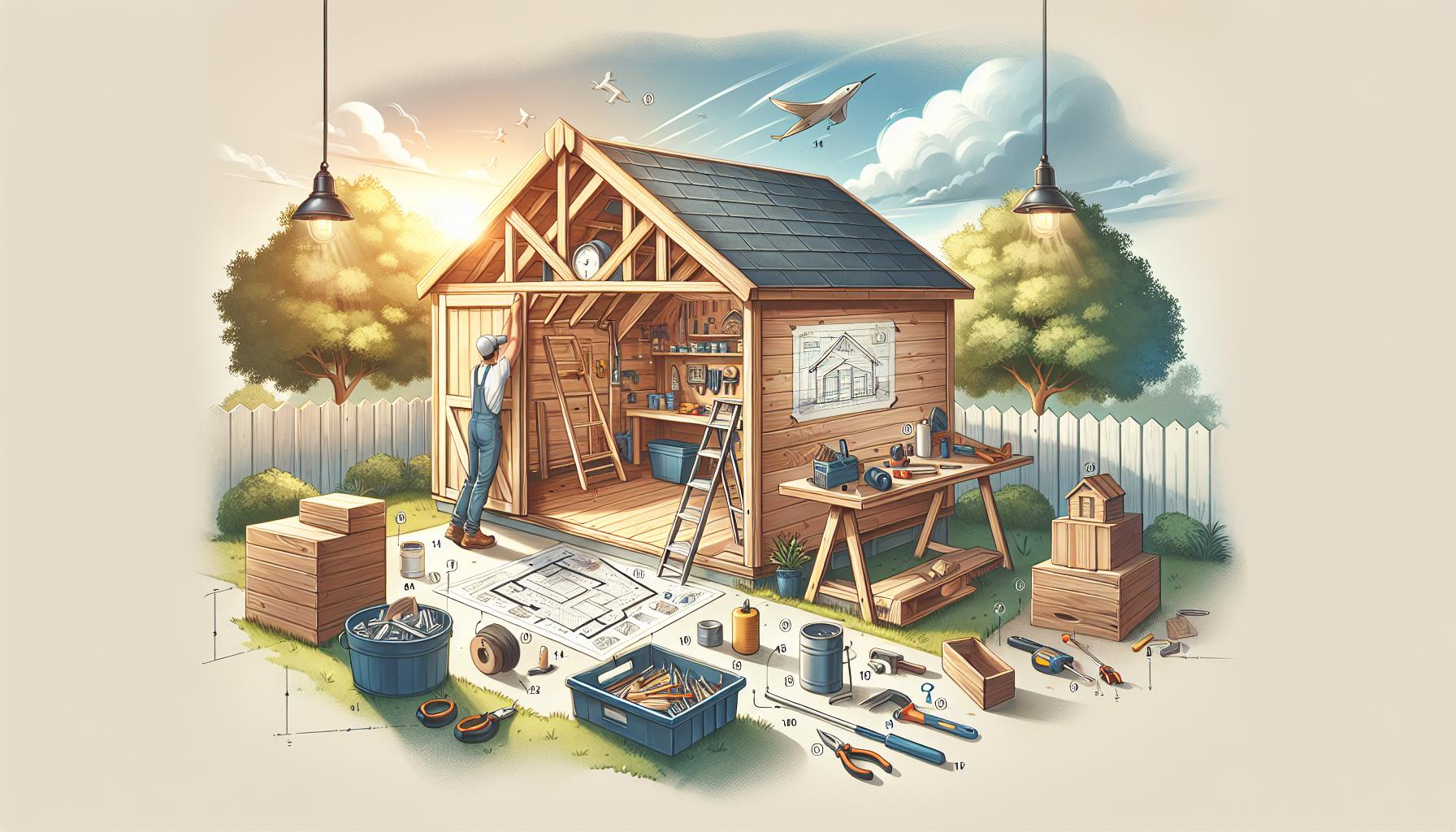
Are you contemplating adding a shed to your property but uncertain about the costs involved? Understanding how much it will cost to build a shed is essential for effective budgeting and planning. This guide breaks down expenses based on size and materials, helping you make informed decisions for your outdoor space.
Understanding the Key Factors Influencing Shed Construction Costs
Building a shed can be a rewarding DIY project, but it’s essential to grasp the various factors that can substantially impact construction costs. Every detail, from size to materials, influences the final price tag. understanding these elements allows you to budget effectively and make informed decisions that align wiht your needs and resources.
size Matters
The dimensions of your shed are one of the most straightforward contributors to construction costs. Generally, the larger the shed, the higher the expense due to increased material needs and potential labor costs. Here’s a simple breakdown of how size impacts pricing:
| Size (Sq Ft) | Average cost ($) |
|---|---|
| 100 | 1,000 – 2,500 |
| 200 | 2,500 – 5,000 |
| 300 | 5,000 – 8,000 |
Material Selection
The choice of materials not only dictates the durability and aesthetic appeal of the shed but also plays a crucial role in determining costs. Here’s an overview of common materials and their cost implications:
- Wood: Traditional and versatile, wood can offer a range of prices depending on the type (e.g., cedar, pine). Expect higher costs for treated or premium wood.
- Metal: known for longevity and low maintenance, metal sheds generally have a moderate price point, but installation might add to costs.
- Vinyl: Even though slightly pricier initially, vinyl provides excellent durability and minimal upkeep, making it a smart investment over time.
Additional Features and Accessories
When designing your shed, consider how added features can influence overall expenses. Elements such as windows, doors, insulation, and electrical installations can increase the budget. Adding shelving units or workbenches may also require extra materials and labor. For instance, a basic shed with no amenities might cost less than one equipped with electrical outlets and lighting.
To further illustrate the potential additional expenses, consider the following potential upgrades:
| Upgrade Type | Estimated Additional Cost ($) |
|---|---|
| Insulation | 500 – 1,500 |
| Windows | 100 – 200 each |
| Electrical Work | 1,000 – 3,000 |
| Flooring Options | 600 – 1,200 |
By carefully considering each of these factors, you’ll gain a clearer understanding of how expensive it might very well be to build a shed and how to navigate the price guide according to size and materials effectively. With the right planning and foresight, you can control your shed construction costs and create a functional space that meets your specific needs.
choosing the Right Size for Your Shed: A Cost Breakdown
When planning to build a shed, one of the most critical decisions involves choosing the appropriate size. This choice directly impacts both functionality and cost, making it essential to strike a balance between meeting your needs and staying within budget. Understanding the intricacies of size can help you avoid overspending on needless space or sacrificing needed function by selecting a shed that’s too small.
The Cost Implications of Size
The size of your shed can dramatically influence the overall cost of construction. Larger sheds typically require more materials and labor, which leads to higher expenses.As an example,a basic 8×10 foot shed may cost around $1,500 to $2,500,while a more spacious 12×20 foot option could range from $3,500 to $5,000. It’s essential to consider not just the base cost of the structure but also additional factors, such as local building codes, foundation requirements, and the type of roofing and siding materials chosen.
To give you a clearer picture, here’s a simple breakdown of estimated costs based on different sizes:
| Size | Estimated Cost | Typical Uses |
|---|---|---|
| 8×10 ft | $1,500 – $2,500 | Garden tools, bicycles |
| 10×12 ft | $2,000 – $3,000 | Lawn equipment, storage |
| 12×16 ft | $3,000 – $4,500 | Workshop, hobby space |
| 12×20 ft | $3,500 – $5,000 | Complete work area, outdoor office |
Determining Your needs
Before making a final decision, you should take inventory of what you plan to store or use your shed for. Consider the following aspects to refine your choice:
- Functionality: What will the primary use of the shed be? Storage,workshop,or perhaps a hobby space?
- Future Expansion: Will your needs grow over time? If you anticipate acquiring more items or transitioning its use,opt for a larger size.
- Site Constraints: Take into account your yard’s space limitations.The shed needs ample clearance for both installation and future maintenance.
- Resale Value: Will the size and functionality of the shed add value to your property? Sometimes a larger, multi-functional shed can attract potential buyers.
By evaluating these factors alongside the cost implications highlighted in “How Expensive to Build a Shed? Price Guide by Size and Materials,” you will make a more informed decision that fulfills both your immediate and potential future needs while also fitting within your budget.
Materials Matter: Comparing Wood, Metal, and Vinyl Options
When it comes to constructing a shed, the choice of materials can significantly impact both the cost and the functionality of your new space. Each material brings its own set of advantages and challenges, making it crucial to understand the differences before making a decision. Here’s a closer look at wood, metal, and vinyl materials, which are among the most popular choices for shed construction.
Wood: Classic Charm and Versatility
Wood has long been favored for shed building due to its aesthetic appeal and versatility. It can be customized easily to match your home’s style or personal taste. Some key points to consider about wood include:
- Natural Insulation: Wood provides excellent insulation, helping to regulate temperature.
- Variety of Styles: You can choose from a range of wood types, such as pine, cedar, or plywood, allowing for different finishes and appearances.
- Maintenance Requirements: Wood demands regular maintenance, including painting or sealing, to prevent rot and insect damage.
On average, the cost of building a wooden shed can range from $1,000 to $4,000, depending on size and design features. However, this investment can yield a durable and attractive structure.
Metal: Strength and Longevity
Metal sheds, often made from steel or aluminum, are known for their durability and low maintenance. Here are some notable advantages of choosing metal:
- Durability: Metal is resistant to pests, rot, and extreme weather conditions, ensuring a long lifespan.
- Low Maintenance: Unlike wood, metal doesn’t require much upkeep other than occasional cleaning.
- Fire Resistance: Metal sheds offer better fire protection, making them a safer option in certain environments.
The cost to build a metal shed typically ranges from $1,200 to $3,500, based on size and design intricacies. Given their robustness, metal sheds can be a wise investment for those needing a reliable storage solution.
Vinyl: Low Maintenance and Modern appeal
Vinyl sheds represent a newer option in the market, gaining popularity for their modern look and easy care. Consider these benefits when weighing vinyl as a material choice:
- maintenance-Free: Vinyl sheds resist fading, scratching, and weather damage without the need for painting or sealing.
- Variety of Styles: Available in various colors and designs, vinyl can complement a range of aesthetics.
- cost-Effective: While typically more expensive than wood, vinyl sheds can mitigate long-term maintenance costs, making them economical over time.
The price for a vinyl shed usually ranges from $1,500 to $4,000, depending on size and features. Their easy maintenance could offset initial costs, providing excellent value in the long run.
| Material | Cost Range | Pros | Cons |
|---|---|---|---|
| Wood | $1,000 – $4,000 | Natural insulation, customization, aesthetic appeal | Requires maintenance, potential for rot/insects |
| Metal | $1,200 – $3,500 | Durable, low maintenance, fire-resistant | Can be noisy during rain, limited styles |
| Vinyl | $1,500 – $4,000 | Maintenance-free, modern appeal, durable | Higher upfront cost, less structural strength than metal |
Deciding which material is best for your shed ultimately hinges on your budget, desired aesthetics, and how much maintenance you’re willing to commit to it. By understanding the unique characteristics of wood, metal, and vinyl sheds, you can make an informed choice that aligns with your needs and complements your space, paving the way for a triumphant building project.
Additional features and Upgrades: What Are You Willing to Budget For?
When planning to build a shed, it’s essential to think beyond basic costs and construction. The experience of owning a shed can significantly improve with the right additional features and upgrades, which not only enhance functionality but can also elevate your property’s value. As you assess your budget, consider how much you are willing to allocate for features that reflect your lifestyle and needs.
Popular Upgrades to Consider
Investing in quality upgrades can entirely transform your shed into a valuable asset. Here are some popular options to ponder:
- Insulation: Adding insulation helps regulate temperature and can make your shed more usable year-round.
- Windows: Large, strategically placed windows provide natural light and ventilation, making your shed feel more open and inviting.
- Electrical Wiring: Installing electrical outlets allows for lighting, power tools, or heating, turning your shed into a fully functional workspace.
- Roofing Options: Upgrading to a sturdy, weather-resistant roof can prevent future maintenance headaches. Options include asphalt shingles, metal roofing, or architectural shingles, each with differing costs and aesthetics.
- Flooring Enhancements: Upgrading to durable flooring options like vinyl, laminate, or tiles can make cleaning easier and improve the overall aesthetic.
Budgeting for Upgrades
To develop a clear understanding of how these additions might impact your overall spending, it’s crucial to establish a tiered budget system:
| Upgrade Feature | Estimated Cost | Benefits |
|---|---|---|
| Insulation | $500 – $1,200 | Improves comfort, energy efficiency |
| Windows | $100 – $500 each | Increases natural light, aesthetics |
| Electrical Wiring | $500 – $2,000 | Enables power tools, lighting |
| Roofing Upgrade | $1,000 – $3,000 | Long-lasting, improves weather resistance |
| Flooring Enhancements | $500 – $1,500 | Enhances durability and ease of maintenance |
As you make your decisions, weighing the costs against the benefits of each upgrade becomes crucial. Establishing which features will enhance your shed’s functionality and aesthetic appeal may help you prioritize your budget more effectively. Ultimately, the right upgrades can increase not only your satisfaction with the shed but can also contribute to a smart investment for the future.
DIY vs. Hiring a Professional: Weighing Your Options
When contemplating the construction of your shed, the decision between tackling it as a DIY project or hiring a professional can often feel overwhelming. Choosing the right approach will not only impact your budget but also determine the overall quality and durability of your finished shed. Understanding the strengths and weaknesses of each option is crucial in making an informed choice, and it can significantly influence the cost, as outlined in our detailed guide on how expensive it is to build a shed based on size and materials.
Advantages of DIY Shed Construction
The allure of a DIY shed project often stems from several key benefits:
- Cost Savings: Building your own shed can save you meaningful labor costs. Depending on your skill set, you might only need to invest in materials.
- Personal Satisfaction: Completing a DIY project can be immensely rewarding, resulting in a sense of accomplishment that comes from building something with your own hands.
- Customization: As the designer and builder, you have total control over dimensions, materials, and aesthetics, allowing you to create a structure tailored to your exact needs.
- Learning Experience: Tackling a DIY project is an excellent opportunity to develop new skills and gain hands-on experience in construction.
However, it’s essential to also consider the potential drawbacks of a DIY approach. For example, if you lack the necessary experience, time, or tools, the project could take longer and end up more expensive than initially anticipated.
Benefits of Hiring a Professional
On the other hand, engaging a professional can streamline the shed building process significantly:
- Expertise: Professionals bring years of experience to the table, ensuring that the shed is built to code and designed for longevity.
- Time Efficiency: They can complete the project much faster than a DIYer can, allowing you to start using your shed sooner.
- Quality Assurance: A professional can provide warranties on their work, giving you peace of mind about the durability and integrity of the structure.
- Stress Reduction: By hiring a pro, you free yourself from the complexities of planning, material selection, and construction, allowing you to focus on your day-to-day activities.
Yet, the primary downside is the higher cost, notably if you opt for a sophisticated design or quality materials, which can add up quickly.
Making Your Decision
In deciding between DIY or hiring a professional, reflect on these questions:
| Consideration | DIY | Hiring a Professional |
|---|---|---|
| Skill Level | Agreeable with tools and construction? | Experienced in building projects? |
| Budget | Looking to save on labor costs? | Prepared to invest for quality construction? |
| Time Availability | Do you have the time to dedicate to the project? | Need it completed quickly? |
| Desired Quality | Willing to accept a learning curve? | Require an expert finish? |
Ultimately, the choice hinges on your unique circumstances, including your budget and time constraints. By weighing these factors carefully, you’ll be able to make a decision that aligns with your goals and ensures your shed stands the test of time.
Hidden Costs: Preparing for the unexpected in Shed Building
Building a shed can seem straightforward, but many homeowners underestimate the hidden costs that can spring up during the process. These unexpected expenses can quickly escalate,turning what appears to be a manageable project into a financial strain. It’s crucial to recognize not just the basic materials and labor costs, but also the additional expenses that can arise, ensuring your budget accurately reflects the reality of your shed construction project.
To prepare effectively for these potential pitfalls, here are some key hidden costs to consider:
- Permits and Fees: Depending on local regulations, you may need permits that carry fees. Failing to secure the right permissions can lead to fines or forced dismantling of your shed.
- Site Preparation: If your building site requires leveling, clearing, or other landscaping services, these costs can add up quickly.
- Foundation Work: Whether you choose a concrete slab or piers, a sturdy foundation is essential for longevity. Unexpected foundation issues can lead to additional expenses.
- Utilities Hookup: if your shed will require electricity, water, or drainage, expect extra costs for installation and materials.
- Upgrades and Customizations: Many individuals start with a base model but later decide to add features like windows, shelving, or insulation, which increase the initial investment.
Understanding Material Costs
Material costs can vary significantly based on your choice of materials and the size of your shed. For instance, opting for high-quality timber versus standard plywood can double or triple your material costs. Here’s a rapid overview of price ranges based on size and material type:
| Size | Material Type | Estimated cost |
|---|---|---|
| 8×10 ft | Wood | $1,200 – $2,500 |
| 10×12 ft | Vinyl | $2,000 – $3,500 |
| 12×16 ft | Metal | $3,000 – $5,000 |
Planning for Labor Expenses
It’s also crucial to anticipate labor costs if you’re hiring help. While you might be tempted to DIY to save money, consider the value of hiring professionals who can avoid mistakes that cost more in the long run. Additionally, if you plan to negotiate with contractors, be aware that changes to your project can affect pricing significantly.
By thoroughly researching and planning for these hidden expenses, you’ll be much better equipped to manage your budget and successfully complete your shed project. This proactive approach not only helps you stay within your financial limits but also enhances the overall satisfaction of your building experience.
Tips for Budgeting Your Shed Project Without Sacrificing Quality
When embarking on your shed project, navigating the costs effectively while ensuring quality craftsmanship can seem daunting. However, with strategic planning and smart decision-making, you can achieve your dream shed without blowing your budget. By understanding the costs outlined in guides like *How Expensive to Build a Shed? Price Guide by Size and Materials*, you can make informed choices that balance your financial constraints with the durability and aesthetics you desire.
prioritize Your Needs
Begin by clearly defining the purpose of your shed. Whether it’s for storage, a workshop, or a garden retreat, your intended use will guide your design decisions and material choices. Prioritize essential features and consider which aspects can be modified or downgraded without compromising the overall functionality. For instance, if you’re looking to create a simple storage space, investing in sturdy shelving might be essential while opting for more cost-effective wall materials could save you money.
Choose the right materials
Material selection is one of the most significant factors impacting your budget. Familiarizing yourself with various options available in the *How Expensive to Build a Shed? Price Guide by Size and Materials* can help illuminate the best choices for your project. Here are some practical tips:
- Opt for Economical Materials: Consider using plywood for the walls instead of more expensive options like cedar or vinyl siding.
- Buy in Bulk: When purchasing materials,buy quantities that meet your entire project needs to take advantage of bulk pricing.
- Look for Discounts: Check local hardware stores, home betterment centers, and online marketplaces for clearance items or second-hand materials that are still in good condition.
DIY vs. Professional Help
One of the most effective ways to control costs is to embrace a do-it-yourself (DIY) approach where feasible. While hiring professional builders offers expertise and speed, tackling certain elements yourself can lead to ample savings. Start with simpler tasks such as painting or installing flooring once the structure is complete. If you’re unsure about your ability to execute certain parts,consider seeking help from tech-savvy friends or family who can assist you without the expense of a contractor.
Sample Budget Breakdown
A detailed budget can definitely help you maintain your financial goals throughout your project. here’s a simplified example based on average costs:
| expense Category | Estimated Cost |
|---|---|
| Foundation | $500 |
| Framing | $800 |
| Walls (Material) | $600 |
| Roofing | $300 |
| Doors & Windows | $400 |
| Interior Finishing | $500 |
| Total Estimated Cost | $3,600 |
By thoughtfully planning and examining your priorities, material choices, and the work you’re willing to take on yourself, you can successfully budget your shed project. Embrace adaptability and creativity to make your vision a reality, all while keeping an eye on your financial bottom line.
Q&A
How Expensive to Build a Shed? Price Guide by Size and Materials?
The overall cost to build a shed varies significantly based on size and materials.Generally, building a small wooden shed can range from $1,500 to $5,000, while larger structures may cost $5,000 to $15,000 or more, depending on specific features and finishes.
Factors such as location, design complexity, and additional features (like insulation or electricity) will influence the final price. As a notable example, a basic 10×10 shed made of plywood can cost less than a more expansive, fully equipped 12×20 shed built from high-end materials. For more detailed insights, check our shed cost breakdown.
What is the average cost per square foot to build a shed?
The average cost to build a shed is about $20 to $100 per square foot, depending on materials, size, and complexity. For instance, a simple wooden shed may cost around $20-$40 per square foot, whereas a fully-customized metal shed can soar up to $100 or more.
Additional features, like windows and special roofing, will also add to the per square foot cost. This is why it’s crucial to assess your needs and budget carefully before starting your project. A well-planned project ensures that unexpected costs remain manageable.
Why does the cost of building a shed vary so much?
The cost of building a shed can vary widely due to several factors,including the size,type of materials,and complexity of design. Different materials (such as wood, metal, or vinyl) come at varying price points, influencing expenses directly.
Other considerations include the shed’s intended use,location,and any unique features you may want. Additionally, labor costs can vary, especially if you opt for hiring professionals. Understanding these factors can help you better plan your budget and ensure you get the most value for your investment.
Can I build a shed on my own? What are the costs involved?
Yes, you can definitely build a shed on your own, possibly saving on labor costs. However, budget for materials and tools, which can range from $1,000 to $5,000 based on size and materials chosen. DIY builds are great for hands-on individuals.
While materials costs are straightforward, tools and permits (if required) can add to your budget. Be sure to research local codes regarding construction permits. If you’re a DIYer, many online resources and plans are available to assist you throughout the process!
What materials are best for building a shed?
The materials you select significantly affect both the cost and the durability of your shed. Common choices include wood (like plywood and cedar), metal, and vinyl, each varying in price and maintenance needs.Wooden sheds offer a classic look, while metal offers durability.
Choose based on your climate and intended use. Such as, vinyl is low-maintenance and resistant to rot, making it great for humid areas.Conversely, wood offers excellent insulation but will require periodic maintenance. Make sure to assess the long-term value of each material before deciding.
How do I estimate my shed-building budget?
To estimate your shed-building budget, first determine the size and materials you’ll need.Next,list out costs for each essential component—foundation,structure,roofing,and any additional features like windows or electrical work.
It’s wise to add a contingency of about 10-20% for unexpected expenses.Use online calculators or resources to get a more accurate idea tailored to your specific design.If you’re looking for a comprehensive guide, you might want to explore our shed budget guide.
Are there hidden costs when building a shed?
Yes, there can be hidden costs when building a shed that you should be aware of. These can include rising material prices, tools you may need to purchase or rent, and local permit fees that can add up.
Additionally, consider costs for site preparation and landscaping, which are often overlooked. Always anticipate potential additional expenses in your budget to avoid surprises, ensuring that your shed project runs smoothly and stays within your financial limits.
In Retrospect
As we wrap up our exploration of the costs associated with building a shed, it’s clear that the journey to creating your own backyard haven is both exciting and manageable, nonetheless of your experience level. By understanding the price points associated with different sizes and materials, you’re now equipped to make informed decisions that align with your budget and vision.
Remember, whether you opt for a charming wooden structure or a sturdy metal design, each choice reflects your unique style and needs. Don’t let the complexities of pricing and materials discourage you; embrace them as stepping stones to achieving your DIY dreams. Tackle each stage with confidence, and know that every effort you put into your shed will be a testament to your craftsmanship.
So why not take the next step? Dive deeper into the specifics of shed construction, consider your options, and envision how you can transform your outdoor space. Join the community of DIY enthusiasts who are just as passionate about creating their perfect shed. Engage with us by sharing your thoughts, questions, or even your own shed-building experiences. Together, let’s make your shed building journey a rewarding one!
Get our latest guides, news, and insights highlighted in your Google Search & AI Overviews.