


Moisture buildup in sheds can lead to mold growth, structural damage, and a shortened lifespan for your building. Effective ventilation systems are crucial for maintaining air circulation and preventing these issues. By implementing the right strategies, you can safeguard your outdoor space, ensuring it remains functional and healthy for years to come.
Understanding the Importance of Shed Ventilation: why It Matters
When it comes to maintaining the health and longevity of outdoor storage spaces,one crucial aspect often overlooked is proper ventilation. Without adequate airflow, sheds can quickly become hospitable environments for moisture buildup, resulting in mold, mildew, and even structural decay. Understanding how to implement effective shed ventilation systems not onyl helps in preserving your stored items but also enhances the overall lifespan of the shed itself.
Why Proper Ventilation is Essential
inadequate ventilation can create a perfect storm for humidity and temperature fluctuations. During warmer months, sheds can trap heat and moisture, leading to conditions that favor mold and mildew proliferation. The presence of these unwanted elements can damage tools, furniture, and other belongings, making it vital to prioritize ventilation. Here’s why it matters:
- Mold and Mildew Prevention: Proper airflow significantly reduces the chance of mold and mildew growth,safeguarding your belongings and promoting a healthier habitat.
- Temperature Control: Ventilation systems help regulate shed temperatures, preventing extreme heat that can warp or damage sensitive materials.
- Odor reduction: Adequate airflow prevents the stagnation of air, which can lead to unpleasant odors caused by excess moisture and organic material decay.
- Increased Safety: A well-ventilated space minimizes the risk of fire hazards associated with stored materials that may become excessively dry or heat-affected.
Implementing effective Ventilation Strategies
To create an effective shed ventilation system, consider the following strategies:
- Passive Ventilation: Install vents high and low on opposite walls to facilitate natural airflow. This allows hot air to escape while drawing in cooler air from outside.
- Use of Windows and Doors: If possible, incorporate windows or louvered doors that can be opened for additional airflow during warmer months.
- Fans and Ventilation Systems: Invest in electric or solar-powered fans for controlled ventilation, especially in larger sheds where passive methods may not be sufficient.
By integrating these elements into your shed design,you can significantly reduce problems associated with mold and extend the life of your building,ultimately ensuring that your storage space remains functional and your belongings are preserved in optimal condition.
Common Causes of Mold in Sheds and How Ventilation Helps
Moisture accumulation in sheds is a common problem that can quickly lead to mold growth, which poses risks to both your health and the longevity of your structure. Understanding the primary causes of mold is essential for developing effective strategies to combat it. High humidity levels, inadequate ventilation, and the presence of organic materials are significant contributors to mildew formation in these enclosed spaces.
One major cause of mold in sheds is high humidity levels, particularly in areas that experience frequent rainfall or high temperatures. When warm, moist air enters the shed and is unable to escape, it creates the perfect breeding ground for mold spores. Additionally, organic materials such as wood, cardboard, and other common shed items can retain moisture, further promoting mold growth. To prevent the onset of this problem, it’s crucial to implement proper shed ventilation systems that facilitate air circulation, helping to reduce moisture levels.
Ways Ventilation Mitigates Mold Risks
A well-ventilated shed plays a pivotal role in minimizing the impacts of humidity and moisture.Effective ventilation strategies include:
- Louvered Vents: These allow for passive airflow, helping to circulate air and reduce humidity.
- Solar-Powered Vent Fans: These fans can actively expel humid air and bring in drier air, significantly lowering moisture levels.
- Turbine Vents: These rotating devices harness wind power to create strong airflow, efficiently removing hot, moist air from inside the shed.
- Gaps Between Floor and Ground: Ensuring a gap can promote airflow underneath the shed, preventing moisture buildup on the floor.
By implementing these ventilation systems, shed owners not only prevent mold but also extend the life of their building materials. Regularly monitoring your shed’s conditions and employing airflow techniques can effectively stave off mold, protecting both your belongings and your health.maintaining a dry environment through effective shed ventilation is essential in preventing mold growth. The right systems not only keep your space functional but also significantly enhance the longevity of your shed, making it a worthwhile investment for any homeowner.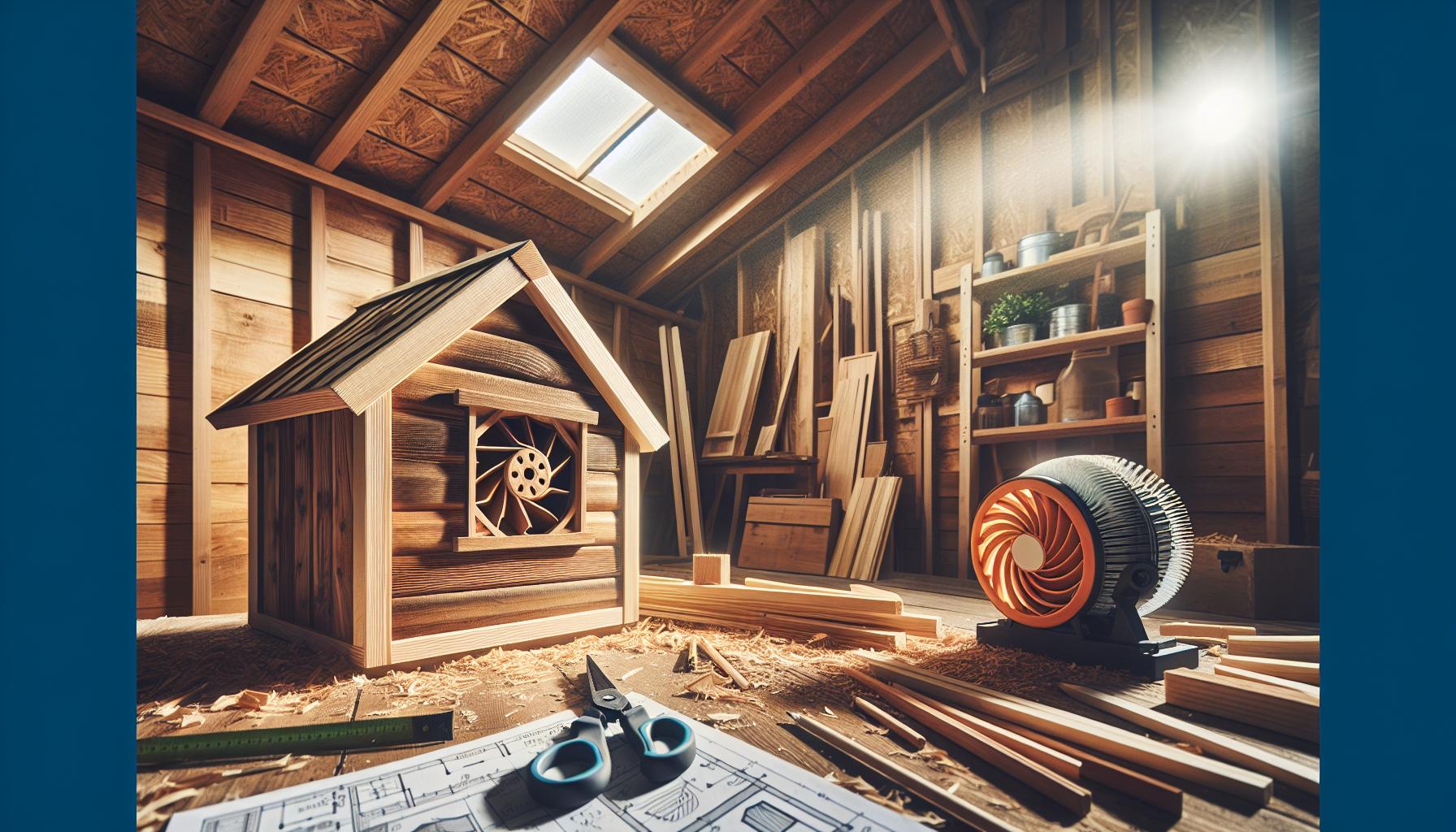
Choosing the Right Ventilation System for Your Shed
One crucial aspect of maintaining your shed is effectively managing its ventilation. Poor ventilation can lead to excess moisture buildup, creating the perfect environment for mold growth and compromising the structural integrity of your shed. Choosing the right ventilation system is not just about aesthetics; it’s a critical measure that can significantly extend the life of your building while keeping it safe from moisture-related damage.
To begin, understanding the basic principles of air movement is essential. Warm air rises,and thus incorporating roof vents is a highly efficient way to allow moist air to escape without letting in rain. Combining high and low vents can create a continuous airflow that helps expel humid air from the lower parts of the shed, as moist air tends to collect at the bottom. Consider the following effective ventilation options for your shed:
- Ridge Vents: These are installed along the peak of the roof, providing an exit point for warm, moist air.
- Gable Vents: These are located in the side walls of the shed, facilitating cross-ventilation by drawing in cool air while expelling hot air.
- SOFFIT VENTS: Placed under the eaves of the roof, they promote airflow from the lower part of the shed to the higher points, enhancing circulation.
- Static Vents: Fixed vents can be installed on walls, helping to balance airflow without the need for mechanical equipment.
When designing your ventilation system, consider the specific needs of your shed. For instance, if you store damp items like gardening tools or firewood, a robust ventilation system will be crucial. You might also want to integrate dehumidifiers in particularly humid climates, as they can work alongside your ventilation system to keep moisture levels in check.
Key Considerations
consider the following aspects when choosing your ventilation system:
| Factor | Recommendation |
|---|---|
| climate | Choose a mix of high and low vents to adapt to both humid and dry conditions. |
| Use of Shed | For sheds storing sensitive materials, invest in powered vents for better control. |
| Size of Shed | Larger sheds may need additional vents or mechanical systems to ensure proper airflow. |
Implementing the right shed ventilation systems not only helps to prevent mold but also extends the longevity of your shed. By understanding airflow dynamics and assessing your specific needs, you can create an environment that promotes health and durability, protecting your investments for years to come.
DIY Solutions for Effective Shed ventilation
Creating a well-ventilated shed is crucial not only for maintaining a cozy environment but also for preventing mold and extending the life of the structure. Effective shed ventilation systems can be achieved through several DIY solutions that are both affordable and straightforward. By implementing these strategies, you can ensure that air circulates freely, combating issues related to humidity and stagnant air.
Install High-Level Vents
One of the most effective methods for improving airflow is installing high-level vents on each gable wall. This setup allows hot, moist air to escape while drawing in cooler, fresh air from lower openings. It’s essential to choose mesh-backed vents that prevent insect ingress but still allow for optimal air circulation. To achieve a balanced system, consider positioning two vents per gable wall—one near the roof and the other lower down, facilitating a healthy throughflow of air throughout the shed.
Create Passive Ventilation
Another practical DIY solution involves utilizing natural ventilation techniques. You can enhance airflow by keeping doors and windows regularly open during dry weather. If your shed design permits, adding a screened window or louvers can further assist with passive ventilation, allowing fresh air in while keeping pests out. Remember, adequate ventilation is vital in reducing moisture buildup, which is a precursor to mold growth.
Implement Roof and Ridge Vents
Incorporating roof or ridge vents into your shed design can dramatically improve ventilation. These vents allow hot air to escape from the top of the structure, creating negative pressure that pulls cooler air in from the sides.This system is particularly beneficial when combined with high vents,as it promotes continuous airflow. For installation, ensure that vents are properly sealed against water intrusion, using flashing or sealants where necessary to protect your shed from leaks.
- Mesh-backed vents: Essential for preventing pests while promoting airflow.
- Screened windows: Facilitates natural ventilation when doors are not an option.
- Ridge vents: Offers a high-efficiency method for heat and moisture removal.
By applying these DIY solutions, you will significantly enhance the effectiveness of your shed ventilation systems, successfully combating mold and ensuring a longer lifespan for your building.
Maintenance Tips to Ensure Your Ventilation System Performs Optimally
Effective maintenance of your ventilation system is crucial in optimizing its performance and preventing issues such as mold growth,which can be detrimental to the structural integrity of sheds and other buildings. Regular checks and upkeep can significantly enhance air quality and ensure a longer lifespan for your ventilation systems, ultimately reducing the need for costly repairs and improvements.
To maintain peak functionality, consider these essential maintenance tips:
- Routine Filter Replacement: Replace filters at least every three months, or more frequently if your shed is exposed to dust and pollutants.Dirty filters hinder airflow and efficiency, potentially leading to mold development.
- Inspecting Vents: Regularly check air vents for blockages such as dirt or debris. Clean them to ensure unobstructed airflow,which is vital to keep humidity levels low and prevent mold.
- Moisture Management: Use a moisture meter to monitor humidity levels inside the shed. Aim to keep humidity below 50%, as higher levels can encourage mold growth. Dehumidifiers can be employed if moisture levels remain high.
- System Testing: Conduct functional tests on all mechanical components, including fans and actuators. Ensuring these parts are working correctly is essential, particularly if the system isn’t used regularly; this can help avoid unexpected failures during crucial periods.
moreover, implementing a seasonal maintenance schedule can help you stay ahead of potential problems.Spring and fall are optimal times to perform a comprehensive evaluation of your ventilation system. Prepare a checklist that includes all critical components and actions required during inspections, allowing you to make informed decisions on any necessary repairs or upgrades.
By adhering to these practical maintenance strategies,you can significantly enhance the performance of your shed ventilation systems,minimize the risk of mold growth,and extend the overall life of the building. Regular maintenance not only ensures optimal air quality but also creates a safer, healthier environment for the items stored within, whether it’s gardening tools or seasonal decorations.
Integrating Natural and Mechanical Ventilation Methods
can significantly enhance the performance and longevity of shed ventilation systems, ultimately helping to prevent mold and extend the life of your structure. By combining the benefits of both systems, you can ensure that your shed remains dry, well-ventilated, and conducive to a variety of uses, from storage to workspace. The key is to strategize the setup to maximize airflow and minimize humidity levels effectively.
Benefits of Combined Ventilation methods
Natural ventilation is primarily driven by factors like temperature differences and wind, which naturally move air through openings such as windows and vents. This method is not only cost-effective but can also significantly reduce energy consumption. In contrast, mechanical ventilation systems, like exhaust fans, actively move air and can be controlled to respond to specific humidity levels or temperatures. By integrating these two approaches, you can create a dynamic ventilation system that optimizes airflow and moisture control.
When setting up a dual ventilation system, consider these practical steps:
- Install Adjustable Vents: Use adjustable vents that can be opened or closed depending on weather conditions, allowing for natural airflow on pleasant days while utilizing mechanical systems when necessary.
- Use Humidity Sensors: Deploy humidity sensors to automate the operation of mechanical fans,ensuring they activate only when moisture levels exceed a certain threshold.
- Strategic Placement: Position natural ventilation openings opposite mechanical vents to promote cross-ventilation, helping to pull fresh air in while expelling stale air efficiently.
Real-World Application
As a notable example,a shed used for gardening might benefit from this integration by installing roof vents that naturally draw in cooler air during the day,paired with a mechanical exhaust that activates when humidity levels rise due to watering plants or rain.This combination not only reduces the risk of mold growth but also enhances the usability of the shed throughout the year.
By thoughtfully , shed owners can achieve an environment that promotes longevity and functionality. This balanced approach can lead to healthier, more resilient structures, making it an essential consideration for effective shed ventilation systems designed to prevent mold and extend building life.
How Proper Ventilation Can Prolong Your Shed’s Lifespan
Proper ventilation is a crucial aspect of maintaining your shed, influencing not only its structural integrity but also the longevity of the items stored within. When air circulation is inadequate, moisture can accumulate, leading to conditions that promote mold growth, rot, and overall degradation of materials. Implementing effective shed ventilation systems can drastically reduce these risks and extend the life of your shed.
Benefits of Adequate Ventilation
When air can flow freely throughout your shed, it helps to regulate temperature and humidity levels. This regulation is vital for several reasons:
- Prevents Mold Growth: High humidity levels can lead to mold infestations, which damage both the shed structure and the items stored inside. Adequate ventilation lowers the humidity, making conditions less favorable for mold.
- Reduces Material Degradation: Exposure to trapped moisture can cause wood rot and rust on metal components. Ventilation allows moisture to escape, preserving the integrity of your shed materials.
- Improves Air Quality: A well-ventilated shed helps to eliminate stale air, which can accumulate odors and harmful gases. This ensures a healthier environment for anyone using the shed.
- Enhances Comfort: Proper ventilation helps maintain a cooler interior temperature during hot weather, making the shed a more comfortable space for storage or additional activities.
choosing the Right Ventilation Solutions
Selecting the right ventilation system is essential to maximizing the benefits outlined above. Here are some popular options:
| Type of Ventilation | Description | Benefits |
|---|---|---|
| Passive Vents | Simple openings that allow air to flow in and out naturally. | Cost-effective and requires no additional energy. |
| Ridge Vents | Installed along the peak of the roof to let hot air escape. | Improves airflow and reduces heat buildup in the shed. |
| Solar-Powered Fans | Fans that actively circulate air using solar energy. | highly effective in moving moisture out, especially in larger sheds. |
By carefully integrating one or more of these ventilation options, you can significantly enhance the durability of your shed. Properly designed ventilation systems not only safeguard against moisture-related issues but can also lead to cost savings over time by reducing the need for repairs and replacements. Consider assessing your current ventilation situation and exploring improvements to help maximize the lifespan of your shed and its contents.
Signs Your Shed Needs Better Ventilation: What to Look For
To ensure the longevity and efficiency of your storage shed, it’s crucial to recognize the signs indicating that your shed’s ventilation system may not be performing adequately. Poor ventilation can lead to excessive moisture build-up, promoting mold growth and damaging your belongings. Identifying these signs early can definitely help prevent costly repairs and the health hazards associated with mold.
one of the most apparent indicators that your shed needs better airflow is the presence of excess moisture on surfaces. If you notice moisture accumulation on the walls, windows, or floor, it highlights a potential issue with air circulation. High humidity levels can lead to a damp and musty smell, which is also a clear sign that your shed requires improved ventilation. Keep an eye out for rust on metal tools and equipment, as this is another symptom of prolonged moisture exposure.
Visual Signs of Ventilation Issues
Keep a checklist for visual clues that indicate ventilation problems:
- Condensation: Water droplets forming inside the shed, particularly on windows or metal surfaces.
- Staining: Dark spots or stains on walls and ceilings,which may indicate mold growth.
- Rust: Noticeable corrosion on tools or metal storage; this suggests high humidity levels.
- Pest Presence: An uptick in pests such as insects or rodents,which thrive in damp,enclosed environments.
Additionally, if you frequently find mold or mildew on items stored in the shed, it is a strong sign that air circulation is insufficient. Regularly check your shed for these issues, especially during humid weather. Taking proactive steps to enhance your shed ventilation systems not only prevents mold growth but also extends the lifespan of your building and its contents.
Practical Steps to improve Ventilation
To effectively combat these signs, consider implementing ventilation solutions such as ridge vents, gable vents, or exhaust fans. These installations promote airflow and help regulate temperature and humidity levels. For instance,installing a ridge vent in the roof can facilitate the escape of hot air,while managing moisture levels effectively. Regularly inspecting and maintaining these ventilation systems ensures they function properly.
By staying vigilant about these indicators and taking timely action, you can preserve the integrity of your shed while safeguarding your possessions from the damaging effects of mold and mildew.
FAQ
What are Shed Ventilation Systems: Prevent Mold & Extend Building Life?
Shed Ventilation Systems are designed to control humidity and airflow within shed structures, thereby reducing the risk of mold growth and extending the overall lifespan of your shed. Effective ventilation helps remove excess moisture and stale air.
Properly ventilating your shed is essential, especially if you store items like gardening tools or equipment that can trap moisture. Implementing systems such as louvered vents or solar-powered fans can significantly improve air circulation and prevent condensation buildup, keeping your shed dry and functional.
How do I prevent mold in my shed?
To prevent mold in your shed, focus on proper ventilation, moisture control, and regular maintenance. This includes installing suitable vent systems and ensuring good airflow throughout the space.
Using materials like treated wood and sealing any gaps in windows and doors can help minimize moisture ingress. Additionally, consider placing your shed in a sunny location or using a dehumidifier to actively reduce humidity levels. For more details, explore how to prevent moisture in a shed.
Why is ventilation significant for my shed?
Ventilation is crucial for maintaining a healthy environment inside your shed, as it helps regulate temperature and prevents moisture accumulation. This reduces the risk of mold growth and wood rot, ultimately extending your shed’s lifespan.
Without adequate ventilation, heat and humidity can build up inside, creating a perfect environment for mold. Implementing effective ventilation systems, such as roof vents or exhaust fans, will facilitate airflow and help keep conditions dry and stable.
Can I install ventilation systems myself?
Yes, many ventilation systems can be installed as a DIY project! Basic systems like louvered vents or whirlybird vents require minimal tools and materials, making them accessible for most skill levels.
Make sure to follow installation instructions carefully and ensure the vents are placed strategically for optimal airflow. Resources available online can guide you through the process, helping you create a well-ventilated shed.
What types of ventilation systems are best for gardensheds?
The best ventilation systems for garden sheds include passive vents (like louvered vents) and active ventilation (like solar-powered fans). Each type serves different needs and conditions.
Passive vents allow for natural airflow without the use of electricity, while active systems can help circulate air more rapidly, especially in humid climates.Consider the specific needs of your shed based on its size and location when choosing a system.
How often should I check my shed ventilation system?
It’s advisable to check your shed ventilation system at least once a season. Regular checks help ensure the systems are functioning correctly and free from blockages.
Clearing debris or adjusting vent positions might potentially be necessary due to weather changes. Maintaining your ventilation system will help keep your shed dry and prevent mold damage over time.
What materials help enhance shed ventilation?
Materials like screened vents and reflective insulation can significantly enhance your shed’s ventilation.These materials improve air circulation while also regulating temperature.
Additionally, using moisture-resistant materials during construction can complement your ventilation efforts, further protecting your shed’s contents from humidity-related issues.
To Wrap It Up
implementing an effective shed ventilation system is crucial to preventing mold growth and extending the life of your building. By allowing fresh air to circulate, you can significantly reduce humidity levels that contribute to rot and mildew. Whether you choose simple solutions like opening windows and doors, or install more advanced options such as gable vents or exhaust fans, each method serves to enhance air quality and overall shed longevity. Remember, a well-ventilated shed not only protects your investment but also creates a more comfortable environment for your DIY projects.
As you embark on your own ventilation journey, take confidence in knowing that with a little planning and the right tools, you can overcome common challenges. embrace the craftsmanship process, and don’t hesitate to explore various ventilation options to find what works best for your shed. For more insights and practical tips, continue to explore our resources and get engaged in the DIY community. your well-ventilated shed awaits!
Get our latest guides, news, and insights highlighted in your Google Search & AI Overviews.


