

Are your gardening tools, lawn equipment, and outdoor gear scattered everywhere, making it hard to find what you need? Building a dedicated storage space not only declutters your yard but also enhances your productivity. In this guide, you’ll discover how to design and construct a tool shed that keeps your equipment organized and easily accessible, turning chaos into order.
Choosing the Right Location for Your Tool Shed: What to Consider
When it comes to constructing a tool shed, the location is just as critical as the build itself. Choosing the right site can significantly influence both functionality and accessibility, ensuring that your shed serves as an efficient space to organise your equipment like a pro. Here are some essential factors to consider when pinpointing the ideal spot for your tool shed.
Accessibility
The primary function of a tool shed is to store and organize your tools effectively. Therefore, placing it in a spot that is easy to access can save you time and energy. Consider the main areas of your yard where you frequently use your tools. Ideally, your shed should be a short walk from your work area, whether it’s your garden, garage, or workshop.
- Proximity to Frequently Used Areas: Place the shed close to your main projects to minimize trips back and forth.
- Pathway Access: Ensure there are clear pathways leading to and from the shed, free of obstacles.
- visibility: Maintain a visible location so you can easily spot it and know where your tools are at any given time.
Sunlight and Shade
Understanding how sunlight and shade will affect your tool shed is crucial for preserving your tools and equipment. Strong sunlight can damage certain materials and lead to rapid deterioration,while excessive moisture from shaded areas might promote rust or mold.
Consider the following:
- Morning Sun: Position your tool shed to catch the morning sun, which can help dry out any moisture accumulated overnight.
- Protection from Harsh Afternoon Sun: If your tools are sensitive to heat, place the shed where it will receive shade during the hottest part of the day.
- Wind Considerations: A sheltered location can protect the shed from harsh winds, further securing your tools.
Planning for Drainage
Another aspect often overlooked is the importance of proper drainage at the selected site. Water pooling around the shed can cause structural damage and promote rust. Ensure that you choose a location with adequate drainage or plan to include features such as ditches or swales.
| Drainage Solutions | Pros | Cons |
|---|---|---|
| Building on Higher Ground | Avoids water accumulation | May require more labour to level |
| Installing French drains | Efficient water diversion | Can be costly and labor-intensive |
| Creating a Raised Foundation | Protects from flooding | May need a ramp for access |
Taking into account these essential factors—accessibility, sunlight exposure, and drainage—will lead you closer to an optimal location for your tool shed. By strategically selecting your site, you will create an organized haven for your equipment, making the process of learning how to build a tool shed with ease and efficiency a much more satisfying endeavor.
Essential Tools and Materials: Setting Your Foundation for Success
To embark on the journey of constructing a tool shed, having the right tools and materials is paramount. A well-planned foundation not only supports your shed but also sets the tone for an organized space where your equipment can thrive. The seamlessness of your entire project frequently enough hinges on this critical initial phase. Ensuring you have the right resources can save time, reduce frustration, and significantly enhance your shed’s durability.
Essential Tools for Construction
Starting with the right tools will make your building experience smooth and efficient. Here’s a basic arsenal you should consider:
- Measuring tape: For accurate dimensions.
- Level: Ensures everything is perfectly horizontal or vertical.
- Power drill: Essential for rapid assembly and construction.
- Saw (hand or power): For cutting wood or other materials to size.
- Hammer: Useful for driving nails and fastening components.
- Screwdrivers: Both flathead and Phillips for various screw types.
Choosing the Right Materials
When it comes to materials, the options can vary significantly based on your climate and personal style.A tool shed should be constructed with durability in mind. Here are some common materials:
| Material | Advantages | Considerations |
|---|---|---|
| Wood | Natural aesthetic, good insulation | Requires maintenance (painting, sealing) |
| Metal (Steel or Aluminum) | Durable, low maintenance | Can retain heat, might require insulation |
| Resin | Weather-resistant, lightweight | Less customary look, can fade over time |
It’s crucial to choose materials that not only fit your budget but also suit your local weather conditions. For instance, if you reside in an area with heavy rains, opting for a resin or metal shed might assure longevity. Conversely, if you favor a rustic look, quality timber could be your best choice.
By identifying and gathering these essential tools and materials, you’re setting yourself up for success.Embracing efficiency from the very beginning will make your journey into the realm of “How to Build a Tool Shed: Organize your Equipment Like a Pro” a rewarding endeavor. Now,with the groundwork established,you can move forward with confidence!
Step-by-Step Guide to Building a Strong Shed Frame
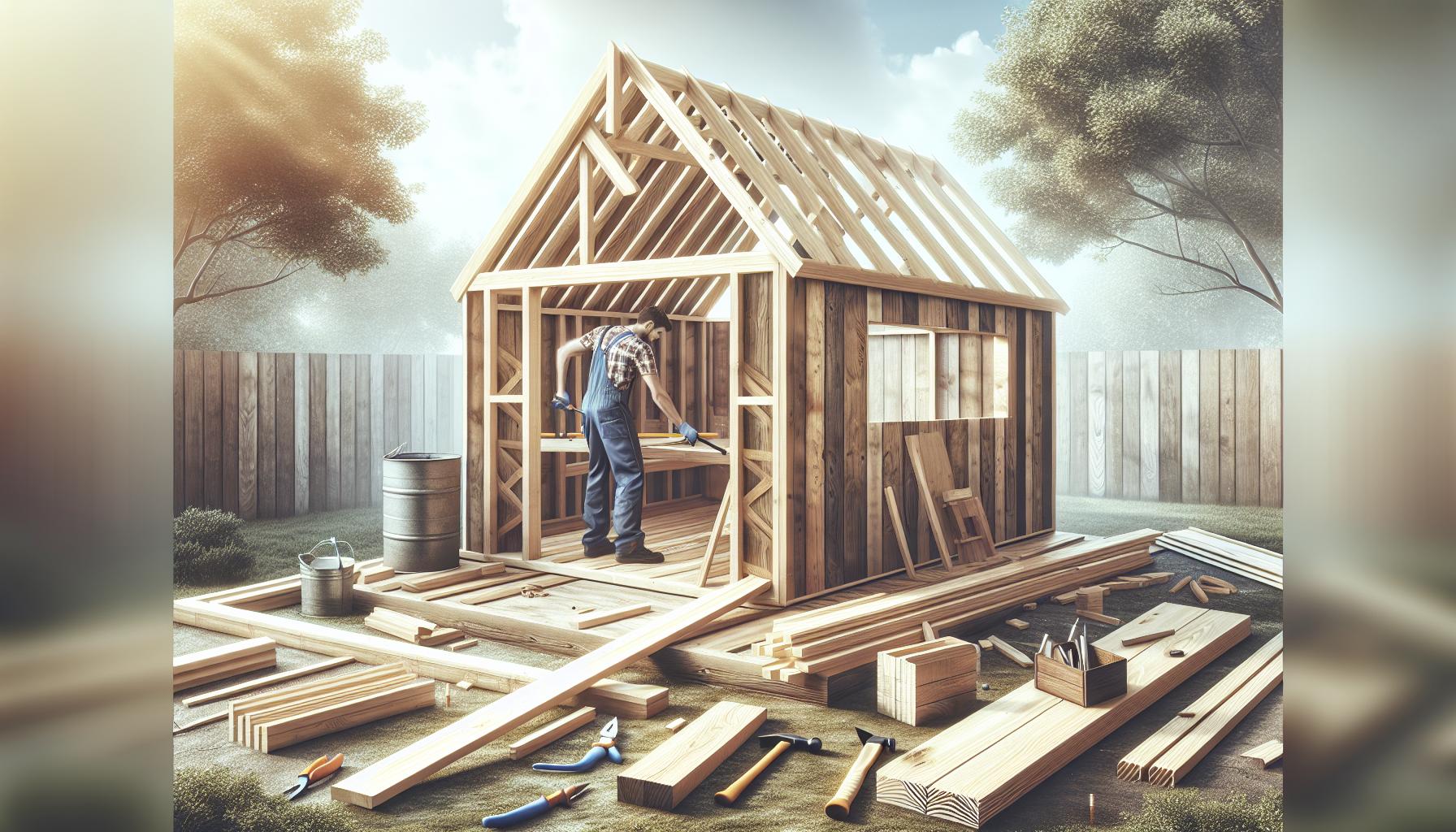
When embarking on the journey of constructing a robust shed frame, understanding the fundamentals of framing is essential for ensuring a durable and reliable structure. A solid framework will not only provide support for the shed’s walls but also contribute to its overall longevity. By following a step-by-step process, you can create a framework that stands strong against the elements and serves as the backbone of your tool shed.
Gather Your Materials and Tools
Before you start building, ensure you have all the necessary materials and tools at hand. This preparation will streamline your process and minimize interruptions. Essential materials include:
- Pressure-treated lumber for the base and floor
- Studs for the walls (typically 2x4s)
- Top plates and bottom plates
- Sheathing material (e.g., plywood or oriented strand board)
- Nails or screws for assembly
- Wood glue for added strength
Tools you will need are a saw (circular or miter), drill, level, and measuring tape, as well as a safety kit including gloves and goggles.
Constructing the Shed’s Base
A stable base is crucial; it minimizes moisture exposure and provides a solid foundation for your tool shed. Start by marking out the area where your shed will stand. Follow these steps:
- Frame the Base: Using pressure-treated lumber, create a rectangular frame the size of your shed. Secure it with screws or nails at the corners.
- Level the Frame: Use a level to ensure the frame is even. Adjust the height by adding or removing gravel underneath if necessary.
- Add Floor Joists: Space the floor joists evenly across the base.These can typically be 16 inches apart. Secure them in place to form a sturdy support for your shed’s floor.
Raising the Walls
Once the base is established, you can proceed to assemble the walls. This stage involves constructing panels that will later be attached to the base.
- Build Wall Panels: Create vertical frames using studs, top plates, and bottom plates. The wall frames should be built on the ground and then raised into position.
- Secure the Panels: Stand the wall panels upright on the base and secure them to the bottom plate. Use a level to ensure each panel is straight before locking it in place.
- Attach Sheathing: Once all the panels are secured, cover the exterior with sheathing material to provide additional support and a surface for siding.
Final Steps for Strength and Stability
After the walls are up, reinforce your shed frame for maximum durability. consider the following tips:
- Add Cross Bracing: Place diagonal bracing across the wall panels to prevent swaying and improve stability.
- Install a Roof Frame: Create a roof frame using rafters or trusses, as well as ensure proper ventilation and insulation if necessary.
- Use Quality Fasteners: Choose high-quality nails or screws to ensure your frame can withstand heavy use.
By methodically approaching the construction of your shed frame, as discussed in the process of “How to Build a Tool Shed: Organize Your Equipment Like a Pro,” you not only foster a sense of accomplishment but also set the stage for an organized and efficient workspace. With each step completed,your shed will not only be functional but also a lasting asset to your home and hobbies.
Creating Efficient Storage Solutions: Shelves, Hooks, and More
When tackling the challenge of organizing your tools and equipment in a shed, efficient storage solutions can make all the difference. Think of your tool shed as a bustling hub of creativity and productivity; having the right shelving,hooks,and storage units can transform chaos into an organized haven,where everything has its place,and you can easily find what you need.
Maximizing Wall Space with Shelving
One of the most effective strategies for creating additional storage inside your tool shed is to utilize vertical space through shelves. Not only do shelves keep items off the ground, but they also provide a clear view of your tools and materials. Here are some practical tips for incorporating shelving into your tool shed:
- Adjustable Shelving: Opt for adjustable shelving units that can be modified to fit tools of various sizes. This adaptability ensures you maximize every inch of your storage space.
- Heavy-Duty Materials: For a tool shed, choose shelving made from sturdy materials, such as metal or treated wood, to support the weight of your equipment.
- Labeling: Clearly label shelves to quickly identify where different items belong, making it easier to return tools after use.
Utilizing Hooks and Hangers
Hooks and hangers are another innovative way to keep your shed organized. They can be attached to walls, doors, or even the sides of shelves, allowing you to hang tools that are frequently used. This not only frees up precious shelf space but also keeps tools easily accessible.
- Overhead Storage: Consider installing hooks on overhead beams or rafters for larger items like ladders or extension cords.
- Magnetic Strips: Use magnetic strips to hold metal tools such as scissors and pliers. This keeps them visible and accessible while also saving space.
- Pegboards: Don’t underestimate the power of a pegboard. By adding hooks to a pegboard wall, you can customize your tool organization endlessly.
Creating Functional Storage Units
Beyond basic shelves and hooks, creating functional storage units can enhance your organization game. Here are a few examples of smart storage unit ideas that align perfectly with the principles outlined in ‘How to Build a Tool Shed: Organize Your Equipment Like a Pro’:
| Storage Unit Type | Description |
|---|---|
| tool Chest | A portable option for frequently used tools that need to be moved around. |
| Storage Bins | Clear, labeled bins for small parts like screws, nails, and fittings help keep your materials sorted. |
| Workbenches with Storage | A dual-purpose solution serving as a workspace while providing underneath storage for tools and equipment. |
By employing these strategies in your tool shed, you can create a space that not only houses your tools but also inspires productivity and efficiency. Thoughtfully designed storage solutions enable you to find the right tool at the right time, making every project more enjoyable and prosperous.
Organizing Your Equipment: Smart Strategies for Every Tool
One of the greatest barriers to efficient tool usage is disorganization. A cluttered workspace can lead to wasted time searching for your favorite drill or sifting through a sea of tangled cords.As you embark on the journey of building your own tool shed, it’s crucial to develop smart strategies for organizing each piece of equipment. Mastering the art of organization not only saves time but also enhances productivity and ensures your tools remain in excellent condition.
To effectively manage your tools, categorization is key. Begin by grouping similar items together to create a logical flow that allows for quick access.Consider these categories:
- Hand Tools: Hammers, screwdrivers, wrenches, etc.
- Power Tools: Drills, saws, and sanders.
- Gardening Tools: Shovels, rakes, pruners, etc.
- Hardware: Nails, screws, bolts, and other fasteners.
- Paint Supplies: Brushes, rollers, and trays.
Once you’ve categorized your tools, consider storage solutions that maximize efficiency. For example, wall-mounted pegboards offer an excellent visual portrayal of your tools, allowing you to see everything at a glance. Additionally, investing in storage bins or drawer organizers can help keep smaller items neatly contained. remember to label your bins and shelves clearly so that every tool has a dedicated home.
Another effective strategy is to implement a “first in, first out” (FIFO) system for consumables like screws and nails. By keeping older items at the front, you can use them first and reduce waste. Below is a simple layout idea you can use in your tool shed to visualize this concept:
| Zone | Contents |
|---|---|
| Zone 1 | Hand Tools (Hammocks, screwdrivers) |
| Zone 2 | Power Tools (Drills, saws) |
| Zone 3 | Gardening Tools (Shovels, rakes) |
| Zone 4 | Consumable Hardware (Nails, screws) |
| Zone 5 | Paint Supplies (Brushes, trays) |
As you organize your equipment while learning how to build a tool shed, prioritize accessibility. Consider the tools you use most frequently and store them at eye level or within easy reach. Creating an organized workspace not only makes it easier to complete projects but also instills a sense of pride in your workspace. With clear strategies in place, you’ll find that your tool shed transforms into a sanctuary of creativity and efficiency.
Weatherproofing Your Shed: Keeping Your Tools Safe from the Elements
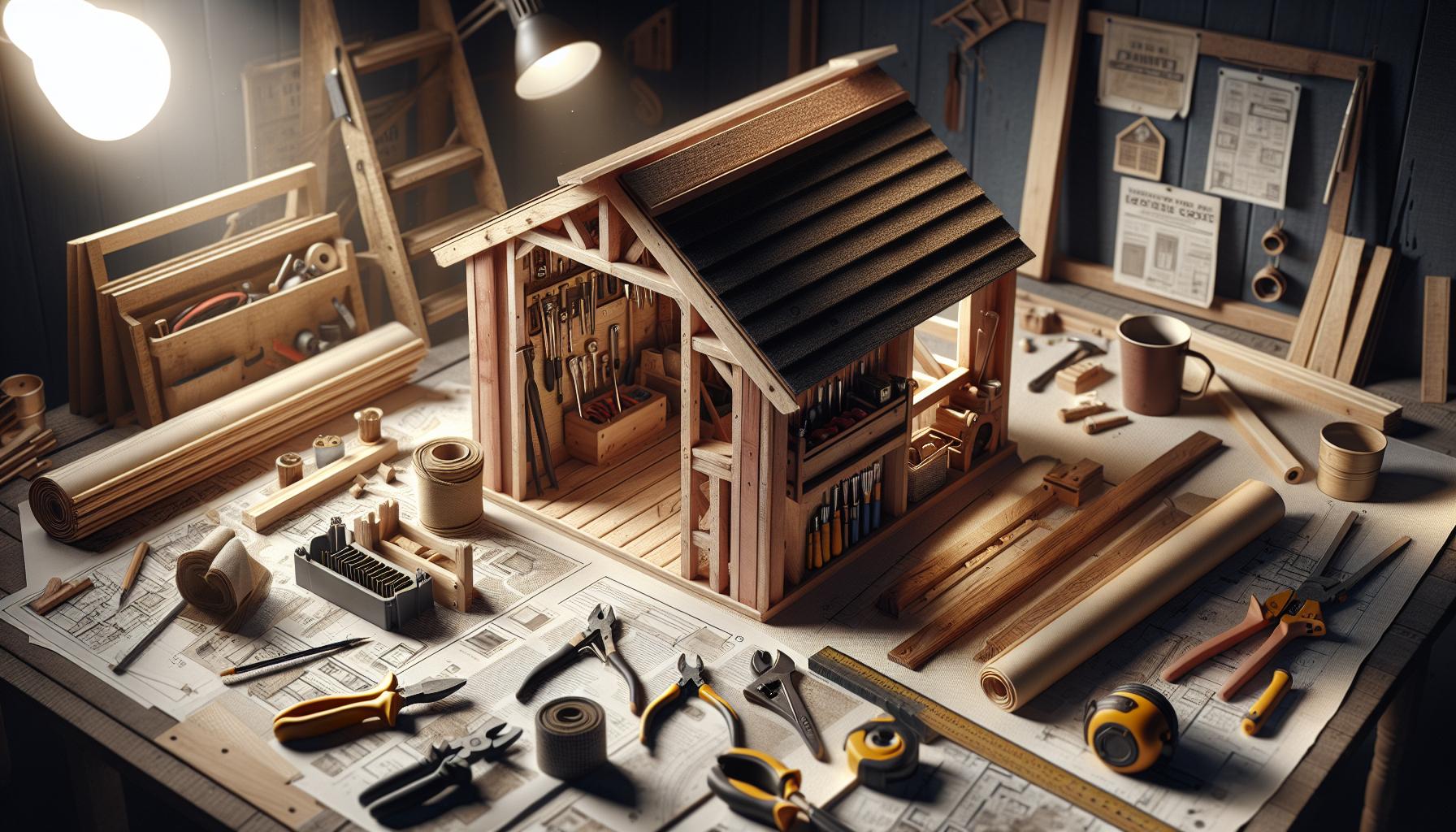
To ensure your tool shed remains a safe haven for your equipment,it’s essential to consider the elements that could hamper its integrity. Weather conditions can wreak havoc on a storage space filled with valuable tools,and a little foresight can save you from significant repair costs and interruptions in your projects.By implementing effective weatherproofing strategies,you can create an environment that protects your tools from moisture,pests,and extreme temperatures.
Essential Weatherproofing Techniques
One of the basic steps in weatherproofing your shed is to install an effective roofing system. The roof should be sloped to allow for water runoff, and using materials like metal, asphalt shingles, or treated wood can enhance durability. Additionally, ensure that your roof overhangs the walls slightly to prevent rain from entering through the edges.
Another crucial aspect is the installation of high-quality doors and windows. Choose materials like fiberglass or metal for doors, which offer better insulation and are less prone to warping than traditional wood. Also, remember to seal any gaps around windows with caulk or weather stripping to keep out unwanted drafts and moisture.
- Ventilation: Proper ventilation is key to preventing condensation buildup inside your shed, which can lead to mold and rust. Install vents near the roofline and consider adding a small, powered fan.
- Flooring: Elevate the shed above ground level with wooden skids or concrete blocks to keep moisture at bay. A sealed or treated floor can also enhance durability.
- Insulation: For temperature-sensitive tools, adding insulation to the walls can help regulate the internal climate, especially in regions with extreme weather.
Pest Prevention Measures
Keeping unwanted critters out can be as crucial as protecting your tools from moisture and temperature fluctuations. Regularly inspect the shed for any signs of pests such as insects or rodents, and seal any cracks or openings that may allow them entry. Here’s a small checklist to combat pests:
| Prevention Measure | Description |
|---|---|
| Seal Gaps | Use caulk to seal cracks and holes in the walls and around windows. |
| Regular Cleaning | Keep the shed clean and organized to minimize hiding spots for pests. |
| Use traps | Install traps in corners to monitor for and eliminate pests as needed. |
Implementing these weatherproofing strategies will not only protect your tools but also extend the life of your shed itself. By investing time and effort into these preventive measures, you can enjoy a well-organized and secure environment for all your equipment, ensuring you maximize efficiency and productivity in your projects.
Maximizing Space: Tips for an Efficient Shed Layout
Creating the perfect layout for your tool shed can enhance your efficiency and make your outdoor tasks more enjoyable. A well-organized space not only saves you time searching for equipment but also maximizes the functionality of your available square footage. with the right strategies in place, you can turn your sheds into streamlined workspaces, enabling you to easily access all the tools and gear you need.
One of the first steps in achieving an efficient shed layout is to prioritize your most frequently used items. Group similar tools together to minimize the time you spend rummaging through clutter. As an example, keep garden tools like rakes, shovels, and hoes in one corner, while power tools like drills and saws should be stored in another area. Additionally, consider labeling shelves and bins to ensure everyone knows where to find everything.
Smart Storage Solutions
Utilizing vertical space in your shed is essential to maximizing storage. Think vertically by incorporating shelves, pegboards, or wall-mounted racks to hold tools and accessories off the ground.
- Pegboards: Hang your frequently used tools where you can see them. This not only optimizes space but also provides easy access.
- Overhead Storage: Install shelves or racks above head height for items you don’t use as often, such as seasonal gear.
- Magnetic Strips: Use these for metal tools like scissors or blades to keep them handy and out of your way.
Another effective method is to invest in multifunctional furniture.For example, a workbench with built-in storage can serve as a workspace while also housing your tools underneath. This approach maximizes every inch of your shed while providing an area to complete your projects.
Layout Planning
Before diving into organizing your shed, take time to plan the layout. A simple sketch can definitely help visualize where items will go.
| Component | Recommended placement |
|---|---|
| Working Bench | Center of the shed for easy access |
| hand Tools | Pegboard on the wall opposite the entrance |
| Lawn Care Devices | Designated corner for easy access to garden |
| Heavy Equipment | Along the back wall to maximize walk space |
By following these practical tips, your shed will transform into a highly efficient workspace. Prioritize organization and layout to work smarter and enjoy your time outdoors without facing the frustration of a cluttered tool shed.
Personal Touches: Customizing Your shed for Function and Flair
Creating a tool shed that meets your specific needs goes beyond basic construction; it’s about infusing personality and practicality into every corner. A well-customized space not only clarifies organization but also transforms functionality into a visually appealing retreat. This not only heightens the utility of your shed but also makes working in it a pleasurable experience. Here are key ways to personalize your tool shed with both function and flair.
design Elements to Consider
when customizing your tool shed, consider elements that balance aesthetic appeal with usefulness. Here are some ideas:
- Color schemes: Choose a color palette that reflects your style. Luminous colors can energize the space, while calming tones create a peaceful retreat.
- Wall Treatments: Install pegboards or wall panels to add both texture and organization. Get creative—use reclaimed wood or chalkboard paint to keep your tools visible and accessible.
- Lighting: Proper lighting can dramatically affect your shed’s atmosphere. Use a combination of recessed lights and string lighting to create an inviting environment.
- Flooring: Consider slip-resistant tiles or treated plywood that can withstand wear and tear, making cleanup easy while enhancing the overall look.
Storage Solutions that Spark Joy
A well-organized tool shed isn’t just neat; it’s a reflection of your personality and a hub of creativity. Implement these storage solutions to maximize space and add a personal touch:
- Custom Shelving: Build shelves that cater specifically to your tools. Floating shelves allow for an airy look, while built-in cabinets can hide clutter.
- Tool Organizers: Invest in tool organizers or create DIY versions using recycled materials. Personalized shadow boards can outline where each tool belongs, preventing clutter.
- Labeling: Create custom labels using a label maker or handwritten designs for a charming touch. Labels reduce chaos by making it easy to locate items quickly.
Incorporating Personal Touches
Adding items that reflect your hobbies or interests can amplify the warmth of your tool shed while still maintaining functionality. Consider the following:
- Art Displays: Hang artwork or DIY projects that inspire you. This could include framed gardening prints or your own creations.
- Personalized Workbench: A custom workbench tailored to your needs not only serves a practical purpose but can also be a centerpiece for passionate woodworking or crafting.
- Functional Decor: Use vintage tools or hardware as decor elements. Mounting antique tools can add character, merging utility with style.
When considering options for personalization, it’s essential to envision a space that not only streamlines your organization but also enhances your experience. With thoughtful choices in design, storage, and decor, your tool shed can reflect your personality while serving as a highly functional workspace, revealing just how to build a tool shed that works for you like a pro.
Frequently Asked Questions
How to Build a Tool Shed: Organize Your Equipment Like a Pro?
The article ‘How to Build a Tool Shed: Organize Your Equipment Like a Pro’ provides a complete guide,offering step-by-step instructions to construct a tool shed and tips for organizing your tools efficiently.A well-built and organized shed can significantly improve your workflow and increase the lifespan of your tools.
beginning with solid planning is crucial. Identify the tools and materials you’ll need, such as lumber, nails, and shelves. Organizing tips include using pegboards, labeled bins, and hooks to keep everything easily accessible and tidy. For more detailed guidance, check out our comprehensive shed construction guide.
What is the best material for building a tool shed?
The best materials for building a tool shed typically include wood, metal, or plastic, depending on your budget and the local climate. Each of these materials has its pros and cons for durability and maintenance.
Wood is versatile and offers excellent insulation, but it may require regular treatment to resist decay. Metal sheds are highly durable but can heat up in direct sunlight. Plastic sheds are lightweight and easy to assemble, making them a popular choice for DIYers. Consider your needs carefully before choosing the right material!
Can I build a tool shed myself, or do I need professional help?
Yes, you can build a tool shed yourself with some basic tools and materials, making it a perfect DIY project! many homeowners find satisfaction in completing it independently, improving their skills along the way.
If you’re unfamiliar with construction, start small; opt for a basic design. Plenty of resources, including the article ‘How to Build a Tool Shed: organize Your Equipment Like a Pro,’ can guide you through this process. don’t hesitate to ask for help from friends or family if needed!
why does organizing tools in a shed matter?
Organizing tools in a shed is essential as it enhances efficiency and prevents damage to your equipment. When tools are neatly stored, you save valuable time searching for items needed during projects.
additionally, proper organization helps in maintaining tools, as they remain in excellent condition when kept off the ground and away from moisture. Use storage solutions like shelving and pegboards, as discussed in ‘How to Build a Tool Shed: Organize Your Equipment Like a Pro.’ This makes your workspace functional and enjoyable!
What are the essential steps to construct a tool shed?
The essential steps to construct a tool shed include planning the design,gathering materials,preparing the site,building the foundation,framing the structure,adding roofing,and finishing with painting and organization. Following these steps ensures a sturdy and functional shed.
Start with a clear blueprint and make sure to acquire all necessary permits. Research local building codes if unsure. Each step is vital, so take your time, especially during the planning phase, to ensure everything fits your needs!
How much does it cost to build a tool shed?
The cost to build a tool shed varies widely based on size, materials, and design complexity. Generally, you can expect to spend anywhere from $300 to $3,000 or more.
Simple designs with basic materials will be more budget-friendly, while larger, customized sheds will require a higher investment. It’s essential to outline your budget early on and consider DIY options to save money. Our guide offers tips for budgeting your shed project efficiently!
What tools do I need to build a tool shed?
To build a tool shed,you’ll need basic tools including a hammer,saw,drill,level,tape measure,and safety gear. Having the right tools is crucial for ensuring safety and precision during construction.
Additionally, specialty tools like a circular saw and a nail gun may speed up the process and improve accuracy. Make sure to familiarize yourself with each tool’s usage,especially if you’re newer to DIY projects.This knowledge will boost your confidence as you proceed!
To Wrap It Up
building a tool shed can transform your outdoor space into an efficient, organized haven for all your gardening and DIY equipment. By following the straightforward steps outlined in this guide—from planning and selecting materials to constructing and organizing your shed—you’ll empower yourself to tackle this project with confidence, regardless of your skill level. Remember, attention to detail and quality craftsmanship are keys to not only enhancing your storage solutions but also enjoying the process itself.
Don’t shy away from challenges; instead, view them as opportunities for learning and growth. Whether it’s dealing with tricky measurements or optimizing your layout, every step you take brings you closer to a functional and visually appealing shed. We encourage you to explore your creativity, experiment with designs, and adapt strategies to fit your needs.
For more tips, inspiration, and support on your DIY journey, continue to engage with our resources. Your tool shed is just the beginning—let’s keep building together!
Get our latest guides, news, and insights highlighted in your Google Search & AI Overviews.


