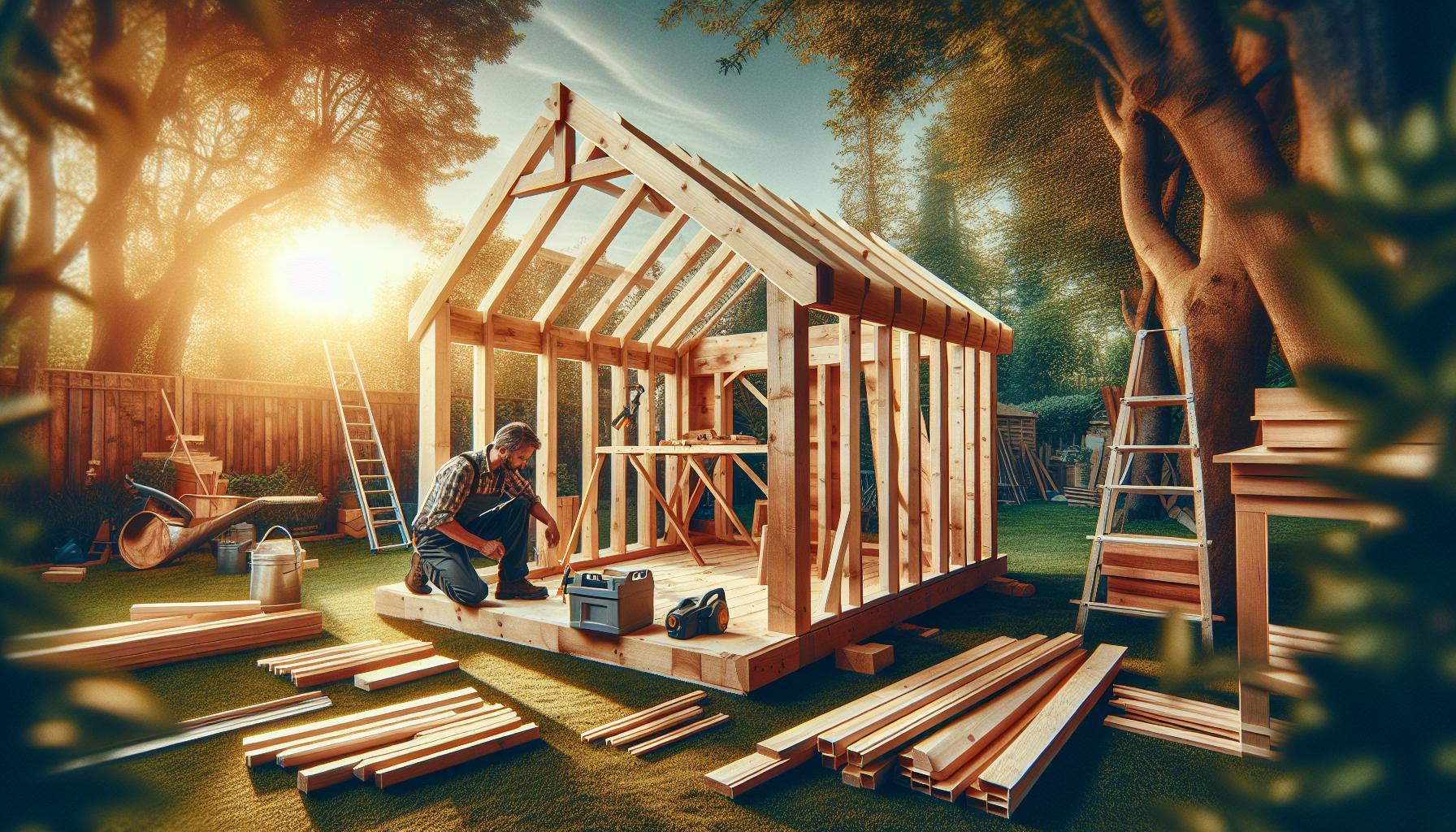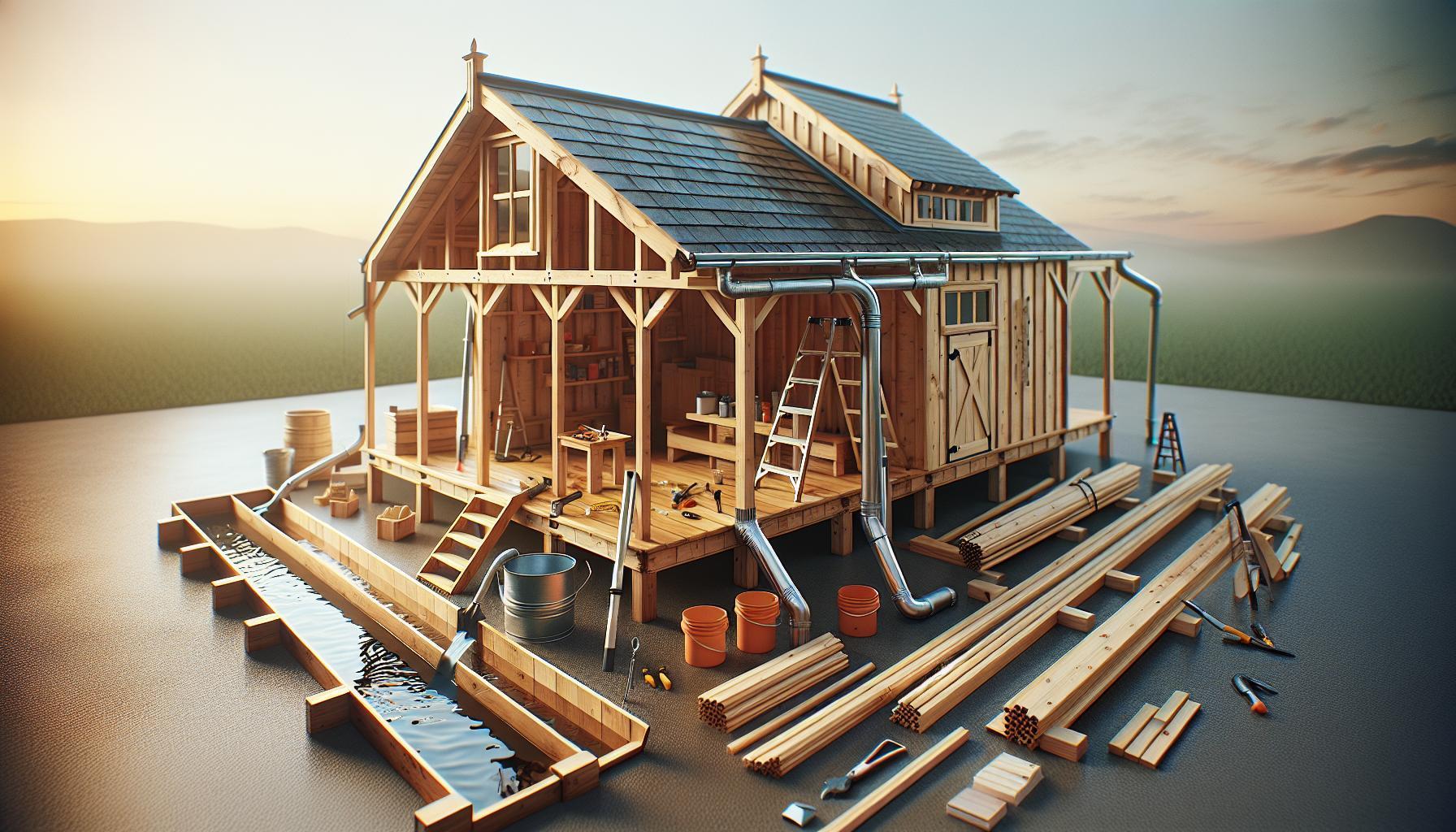

As heavy rain or melting snow cascades off your shed’s roof, do you ever wonder if that water is doing more harm than good? Understanding the importance of effective water management is vital for protecting your structure from erosion and damage. This article explores whether installing gutters on your shed is essential for longevity and maintenance.
Understanding the importance of Water Management for Your Shed
Water is both a vital resource and a potential hazard when it comes to the structural integrity of sheds. Effective water management is crucial not just for maintaining the longevity of your shed but also for ensuring the safety of its contents. Without proper drainage systems, such as gutters, rainwater can accumulate and lead to moisture problems, which can encourage mold growth, rot wooden components, and ultimately compromise the structure. Understanding how to manage this water effectively can save you important time and expense in repairs.
Why Gutters Matter
Installing gutters on your shed might seem like a minor consideration, but it plays a pivotal role in water management. By directing rainwater away from your structure, gutters help to mitigate erosion around the foundation, preventing water from pooling and causing damage over time. here are some compelling reasons to consider adding gutters:
- Preventing Soil erosion: Without gutters, rainwater can wash away soil around the shed, leading to instability and potential structural damage.
- Avoiding Water Accumulation: Gutters help channel water away, reducing moisture levels that can promote the growth of harmful fungi.
- Reducing Maintenance Costs: By protecting your shed from water-related damage, you can decrease future repair costs significantly.
Additional Water Management Strategies
Beyond gutters, effective water management for a shed includes several other strategies. Consider incorporating a proper drainage system, such as French drains, which can definitely help redirect excess water away from the shed’s foundation. Additionally, landscaping plays a crucial role in water management—shaping the ground around your shed to slope away from the structure can facilitate better drainage. A simple table outlining these strategies can illustrate the various options available:
| Water management Strategy | Benefits |
|---|---|
| Gutters | Divert rainwater away from the structure |
| french Drains | Prevent water buildup around the foundation |
| Landscaping | Enhance natural water flow away from the shed |
By implementing these measures, you can create a thorough water management plan for your shed. Such proactive steps not only ensure the durability of the shed but also protect the items stored within, creating a safer and more efficient storage solution.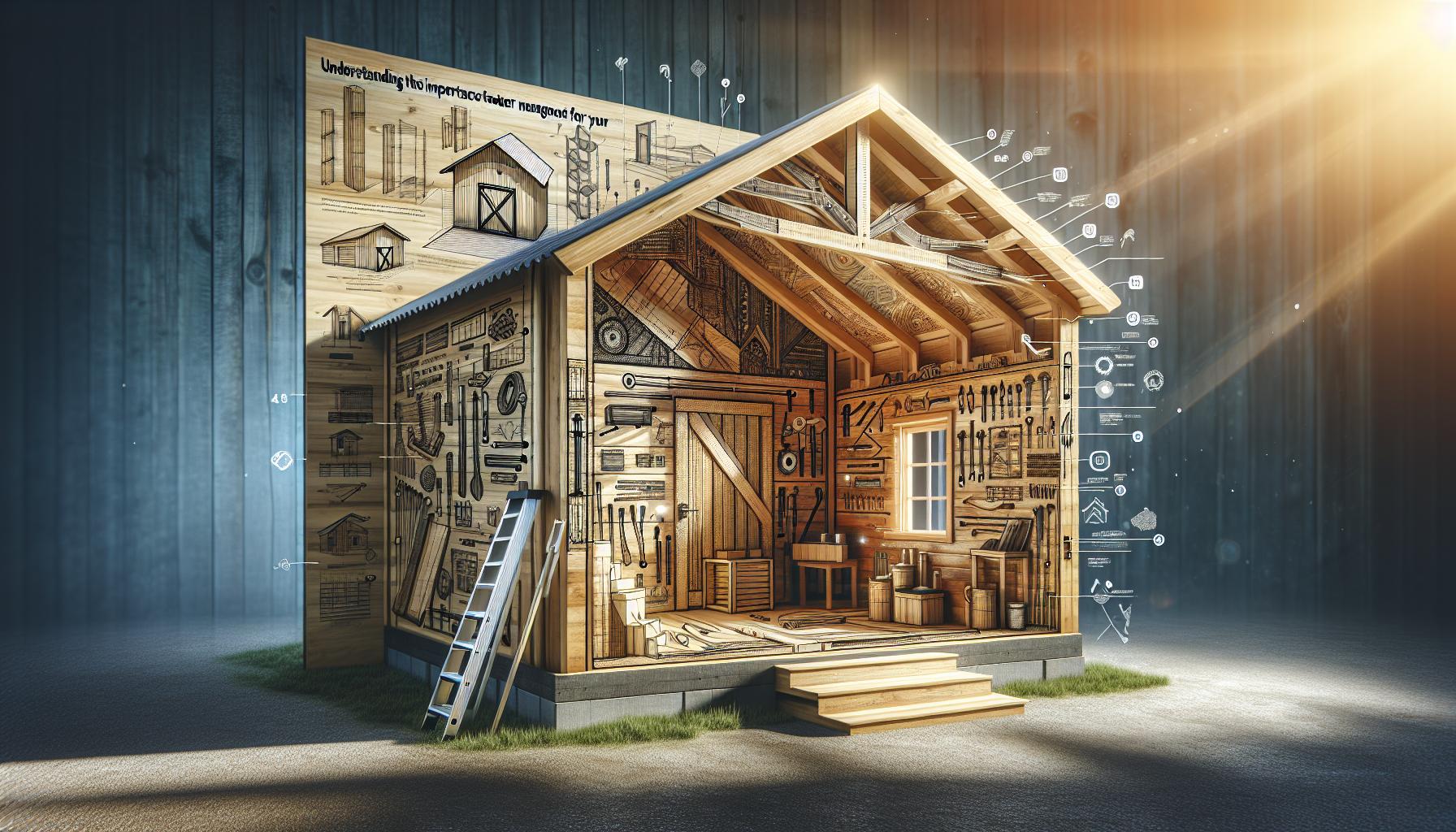
How Gutters Protect Your Shed from Water Damage
Water is a formidable force that can jeopardize not just homes, but also outbuildings like sheds. Proper management of rain and melted snow is crucial in ensuring the longevity of these structures. One effective solution is installing gutters, a vital component in protecting your shed from water damage. The key reason for their importance lies in the way they redirect runoff, preventing excess moisture from accumulating around the foundation and walls of your shed.
How Gutters Work to Protect your Shed
Gutters act as a drainage system that collects and channels water away from your shed, minimizing the risk of issues associated wiht water damage. Here’s how they make a difference:
- Foundation Erosion Control: By directing water away from the base of your shed, gutters help prevent soil erosion, which can lead to uneven settling and structural instability over time.
- Mold and Mildew Prevention: Accumulated water around your shed can create a damp habitat, fostering the growth of mold and mildew. Gutters reduce this moisture, promoting better air quality within your shed.
- Protection of Stored Items: If your shed is used for storage,proper water management through gutters ensures that valuable items remain dry and protected from water-related damage.
Real-World Examples of Gutter Benefits
Consider a shed situated in an area with heavy rainfall. A homeowner with an un-guttered shed found that after every storm, water pooled around the foundation, leading to rotting wood and a need for costly repairs. In contrast, another homeowner installed gutters as part of their water management strategy. Over several seasons, they discovered that their shed remained structurally sound, reducing maintenance costs and prolonging the life of the building.
| Issue Faced | with Gutters | Without Gutters |
|---|---|---|
| Foundation stability | Maintained and protected | Experienced erosion and settling |
| Mold and mildew | Minimal growth due to dryness | Severe issues requiring remediation |
| Structural integrity | Lasts longer with fewer repairs | Increased maintenance and repair costs |
incorporating gutters into your shed’s design is not just an aesthetic choice; it’s a sensible investment in the protection and longevity of your structure. By effectively managing water runoff, gutters can significantly mitigate the risk of water-related damages, allowing your shed to serve its purpose for many years to come.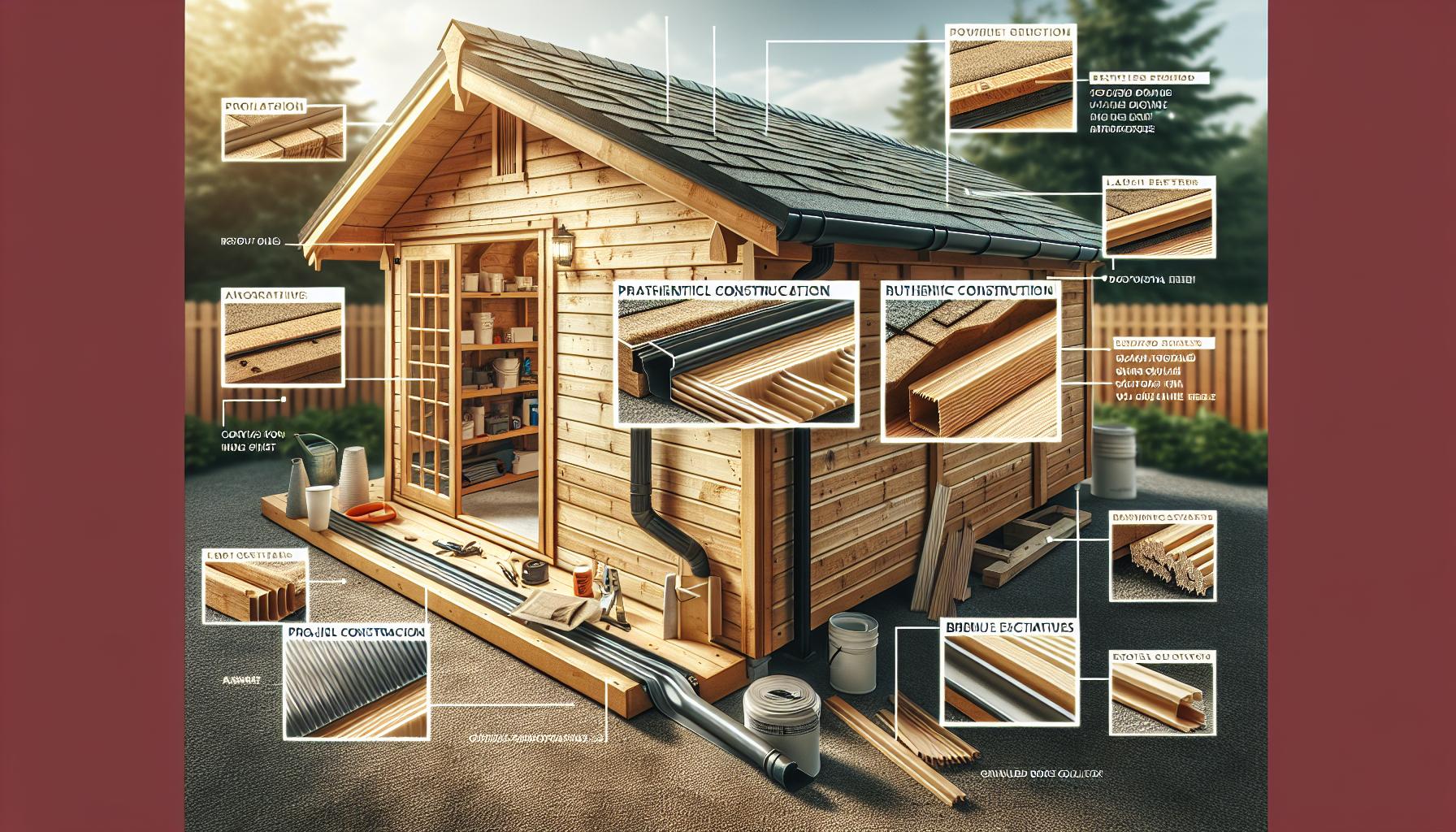
Evaluating Your Shed’s Location: Do You Really Need Gutters?
When contemplating the installation of gutters on your shed, understanding the location and surrounding landscape is pivotal for effective water management. Did you know that the role of gutters extends beyond mere aesthetics? They play a crucial role in protecting your structure from potential water damage, especially in areas with heavy rainfall or unpredictable weather patterns. Evaluating your shed’s placement is the first step in determining whether gutters are indeed necessary, but several factors come into play.
Assess the Surroundings
Begin by examining the terrain and drainage around your shed. Consider the following elements:
- Slopes and Elevation: Is your shed positioned on a slope? If so, water runoff can gather and erode the soil beneath your structure, leading to instability.
- Vegetation: Are there trees nearby? Leaves and debris can clog gutters and lead to water overflow, which can be especially problematic if the shed is surrounded by landscaping.
- Proximity to Structures: Is your shed close to your home or other outbuildings? Runoff from your main roof could unintentionally channel towards your shed, increasing the risk of water pooling.
Climate Considerations
The climate in your area will significantly influence the decision. In regions prone to heavy rainfall or snowmelt, the need for effective water management becomes more pronounced.Consider the following:
- Average Rainfall: If your location receives above-average rainfall, gutters can help divert water away from your shed’s base, preventing issues like damp soil and rotting wood.
- Snow Accumulation: In colder climates, melting snow can create a significant volume of water runoff. Gutters can help manage this water flow and minimize the risk of flooding around your shed.
Real-World Example
To illustrate the importance of evaluating your shed’s location, consider a shared residential space where two homeowners situated their storage sheds differently. Homeowner A located their shed in a flat area with no nearby trees and good drainage. After several years, their shed remained in excellent condition without gutters. In contrast, homeowner B opted for a patch of land surrounded by towering trees and sloping towards the shed. Despite regular maintenance, the soaked ground led to wood rot and structural issues, prompting a costly renovation.
Understanding your location’s unique characteristics equips you with the knowledge to decide whether to install gutters on your shed. Addressing these factors proactively not only enhances the longevity of your structure but also promotes effective water management for optimal protection.
choosing the Right Gutter Style for Your Shed
When considering the water management of your shed, selecting the appropriate gutter style can significantly influence the longevity and stability of your structure. The right gutters will not only protect your shed from potential damage but can also enhance its overall aesthetic appeal. With various styles available,understanding the pros and cons of each is essential for making an informed choice that aligns with your specific needs.
Common Gutter Styles
Several gutter designs might suit the unique architecture and functional requirements of your shed. Here are three popular styles to consider:
- K-Style Gutters: These gutters resemble a trapezoid shape and provide a more decorative look, making them suitable for sheds that serve as extensions of your home or are designed for visual appeal. Their flat bottom allows for easy installation and ensures effective water flow.
- Half-Round Gutters: As the name suggests, these gutters are semi-circular in shape.They are frequently enough favored for their rustic aesthetic, making them a great choice for garden sheds or cabins. However, they may require more frequent cleaning, as leaves and debris can easily clog them.
- Box Gutters: These are built into the roof structure and are ideal for larger sheds. Their built-in nature can minimize the visual impact and offers excellent performance when it comes to heavy rainfall, as they can handle large volumes of water without overflowing.
Factors to Consider
When choosing a gutter style for your shed, consider the following factors:
| Factor | Gutter Style | Notes |
|---|---|---|
| Climate | K-Style, Box | Better suited for regions with heavy rainfall or snow. |
| Aesthetics | Half-Round | Great for country or rustic-style sheds. |
| Maintenance | K-Style | Lower maintenance compared to half-Round. |
| Cost | Box, K-Style | Box gutters may have higher installation costs due to complexity. |
By evaluating these elements,you can align your choice of gutter style with your local climate,the design of your shed,and your maintenance preferences. Making a well-informed decision not only emphasizes the importance of water management for structure protection but also enhances the shed’s visual appeal and functional lifespan.
DIY Gutter Installation: A Step-by-Step Guide
Installing gutters on a shed is more than just a cosmetic touch; it’s a vital step in protecting your structure against water damage. By channeling rainwater away from the base of your shed, you not only prolong its life but also prevent mold growth, soil erosion, and wood rot. If you’ve ever wondered about the DIY process involved in gutter installation, now is the perfect time to grab your tools and get started.
Gather Your Tools and Materials
Before you dive into the installation process, it’s essential to have all the necessary tools and materials on hand. Here’s a swift checklist:
- Gutter sections – Choose the right material (aluminum, vinyl, etc.) that suits your shed’s design.
- Gutter brackets – For securing the gutters to the shed.
- End caps – To seal the ends of the gutter sections.
- Downspouts – Necessary for directing water away from the shed.
- Sealant – For waterproofing joints and seams.
- Tools – Ladder, measuring tape, level, saw, drill, and screws.
Having everything ready will make the installation process smoother and more efficient.
Measuring and Planning
Once you have your materials, start by measuring the length of the roofline where you plan to install the gutters. this will help you determine how many sections you’ll need. Here’s how to proceed:
- Measure the roofline from edge to edge both at the highest and lowest points.
- Plan your downspout placement—ideally, you’ll want at least one downspout for every 30 feet of gutter, positioned on corners or along flat runs.
By carefully planning your layout, you can ensure that your installation effectively directs water away from your shed.
Installation Steps
Now that you’ve got your tools and measurements sorted,it’s time to begin the installation. Follow these steps:
- Attach the Gutters: Start at one end of the roofline and attach the gutter sections using brackets spaced around two feet apart. Ensure that the gutters have a slight slope (about 1 inch for every 10 feet) toward the downspouts for effective drainage.
- Seal the joints: Use a high-quality sealant to waterproof the seams between gutter sections and at the ends. This step is crucial in preventing leaks.
- Install Downspouts: Attach the downspouts to the gutters, making sure they direct water at least three to four feet away from the shed’s foundation.
- Test Your System: After the installation, simulate a rainstorm with a hose to check if all water is flowing as intended and adjust as necessary.
This process not only enhances the functionality of your shed but also adds to its longevity, illustrating once again why considering whether you need gutters on a shed for water management is vital for structure protection.
Alternatives to gutters: effective Water Management Solutions
When considering how to effectively manage water around your shed, traditional gutters aren’t your only option. In fact, there are several innovative solutions that can protect your structure from water damage without the need for a full gutter installation. By exploring these alternatives, homeowners can select the best approach for their particular environment and shed design, ensuring that water is redirected efficiently.
Grading and Landscaping
One highly effective strategy in water management is proper grading and landscaping. By creating a slope away from the structure, you can significantly reduce the amount of water pooling around the foundation of your shed. Consider the following actionable steps:
- Evaluate Your Yard: Assess the natural slopes and drainage patterns in your yard. Aim for a grade that drops at least 6 inches over the first 10 feet away from the shed.
- Soil and Mulch: Use soil or landscaping rocks to build up the area directly around the shed.Adding mulch can also help absorb excess moisture and prevent erosion.
- native Plants: incorporate native plants into the landscape design. These plants typically require less water and can help absorb excess moisture from the ground.
Implementing these strategies not only helps in redirecting water but also enhances the overall aesthetic appeal of your outdoor space.
Rainwater Harvesting Systems
Another intriguing option is the installation of a rainwater harvesting system. This approach not only manages runoff but can also provide an eco-pleasant water source for gardening or other outdoor needs. Here’s how to get started:
- Choose Your Containers: Select sturdy barrels or larger cisterns that can collect rainwater. ensure they are durable enough to withstand the elements.
- Placement: Position these containers strategically around your shed to catch runoff. Ensure they are elevated or fitted with a spout to facilitate water movement.
- System Integration: You may choose to integrate a filtration system, which can ensure that the collected water is clean and suitable for use in irrigation.
By using this method, you can harness the natural precipitation for beneficial purposes while protecting your shed from potential water damage.
Permeable Pavers and Drainage Solutions
in instances where water management requires a bit more infrastructure, permeable pavers or drainage solutions may be the way to go. These systems allow water to seep through rather than flow over surfaces, significantly reducing erosion and puddling.
- Permeable Pavers: Install permeable paving stones or gravel driveways around your shed. This allows stormwater to infiltrate and be absorbed into the ground, minimizing runoff.
- French drains: Consider installing a French drain system to redirect excess water away from your shed’s foundation. This involves digging a trench filled with gravel and incorporating a perforated pipe to collect and discard water efficiently.
These solutions not only divert water but also enhance your property’s overall drainage system, providing long-term protection for your structures.
By exploring these alternatives to traditional gutters, homeowners can devise effective water management strategies that will help maintain the integrity of their sheds and surrounding landscaping. Emphasizing natural methods and thoughtful design can lead to significant improvements in water management, fostering a safe and dry environment for your structure.
Maintenance Tips for Gutters to Ensure long-Lasting Protection
Maintaining your gutters is crucial for the longevity and structural integrity of your shed, as well as overall water management. Debris accumulation can lead to blockages,causing water to overflow and seep into your shed’s foundation. This not only threatens the stability of the structure but also promotes mold growth and decay. to ensure your gutters function effectively and provide maximum protection as discussed in “Do You Need Gutters on a Shed? Water Management for Structure Protection,” consider implementing the following tips.
Routine Cleaning
One of the simplest yet most effective maintenance tasks is cleaning your gutters regularly. During the fall, when leaves are most likely to accumulate, it’s vital to inspect and clear out any debris. Aim for at least twice a year—once in the spring and once in the fall—though more frequent checks may be necessary depending on the surrounding foliage. Use a sturdy ladder and wear appropriate safety gear.If heights aren’t your thing, consider hiring professionals who can perform this task efficiently.
- Tools required: Ladder, gloves, bucket, trowel, garden hose with a spray nozzle.
- Frequency: Twice a year or as needed.
- Professional services: May be beneficial if you have limited time or safety concerns.
Inspect for Damage
Regularly inspect your gutters for signs of damage, such as rusted sections, leaks, or sagging. small issues can quickly escalate into major problems if left unattended. Look for cracks or holes and seal them with waterproof sealant. If you observe sagging gutters, it may be necessary to adjust or replace the brackets holding them in place.
| Issue | Recommendation |
|---|---|
| rust or corrosion | Replace rusted sections and apply rust-inhibiting paint. |
| Sagging gutters | Tighten or replace mounting brackets. |
| Leaks | Seal with a waterproof sealant or replace damaged sections. |
Install Gutter Guards
Consider installing gutter guards or screens to reduce the amount of debris that enters your gutter system. These protective devices can significantly lessen maintenance efforts and help prevent clogs. They come in various styles and materials, ensuring there’s an option for every budget and need.By facilitating better water flow, gutter guards effectively assist in managing water runoff, as emphasized in “Do You Need Gutters on a Shed? Water Management for Structure Protection.”
Check Downspout Direction
Lastly, pay attention to your downspouts. Ensure they direct water at least three feet away from the shed’s foundation. If necessary, extend them with a drain pipe or splash block to enhance water management and prevent pooling near your structure. Regularly verifying the orientation and functionality of your downspouts is a small but impactful step in maintaining the overall health of your shed.
By following these maintenance tips,you can significantly enhance the performance of your gutters,ensuring effective water management for long-lasting protection of your shed and its surroundings.
Common Issues Without Gutters and How to Address Them
Without proper drainage solutions like gutters, your shed can experience a range of common issues that may compromise its longevity and structural integrity. Rainwater runoff can create a multitude of problems,including soil erosion,foundation damage,and mold growth. Understanding these potential issues is essential for any shed owner contemplating whether they need gutters for optimal water management.
Common Issues from Lack of Gutters
The absence of gutters can lead to various complications, including:
- Foundation Erosion: When water cascades off the edges of a shed roof, it can erode the topsoil around the foundation, creating instability.
- Water Accumulation: Without a designated path for runoff, puddles can form around the base of the shed, possibly seeping into the structure over time.
- Mold and Mildew Growth: Excess moisture can lead to the growth of mold and mildew, not only affecting the shed’s appearance but also compromising air quality.
- Decay of Wood and Materials: Constant exposure to water without proper drainage can lead to rot and decay, especially in wooden structures.
Addressing Water Management Issues
To safeguard your shed from damage related to water accumulation, consider implementing the following strategies:
- Install Gutters: The most effective way to manage water runoff is by installing a gutter system that channels rainwater away from the shed.
- Grading the Landscape: Ensure the land around your shed slopes away, directing water flow away from the structure and preventing pooling.
- Use a Rainwater Drainage System: Installing downspouts connected to existing drainage can definitely help manage water by redirecting it more efficiently.
- Regular Maintenance: Regularly clean and inspect gutters and drainage systems to keep them functioning efficiently.
By proactively addressing these common issues stemming from the absence of gutters, you substantially enhance the durability of your shed while ensuring effective water management for structural protection. Understanding the necessity of proper drainage facilities can make all the difference in maintaining the health and functionality of your outdoor storage solution.
Faq
Do You Need Gutters on a Shed for water Management?
Yes, installing gutters on a shed is advisable for effective water management and to protect the structure’s integrity.Gutters help redirect rainwater away, preventing damage and erosion.
Without gutters, rainwater can accumulate around your shed’s foundation, leading to potential structural issues. This is particularly crucial if your shed houses sensitive tools or materials. Proper water drainage extends the lifespan of your shed, making it a wise investment.
What are the Benefits of Gutters on a Shed?
Gutters provide several benefits, including protecting your shed’s foundation, minimizing soil erosion, and preserving adjacent landscaping. They are essential for maintaining structural integrity.
Additionally, gutters help prevent water pooling around the shed, which can attract pests and promote mold growth. A well-installed gutter system can also enhance the overall appearance of your shed, aligning with quality craftsmanship.
Can I Install Gutters on My Shed Myself?
Yes, you can install gutters on your shed yourself, especially with the right tools and materials. Many DIYers find the process rewarding and straightforward.
Start by measuring the roofline accurately, then purchase the appropriate gutter materials. With guidance available through various resources, including step-by-step videos, you can tackle this project and enhance your shed’s capabilities.
Why Does Water Management Matter for a Shed?
Water management is crucial for a shed’s longevity as it directly affects the structure’s foundation and integrity. Excess water can lead to warping and rot.
Implementing a solid water management plan, including gutters, helps safeguard your storage solutions and any items within the shed from moisture-related damage. For best practices on safeguarding structures,consider reading more about effective water drainage techniques.
What Types of Gutters are Best for Sheds?
Generally, lightweight aluminum or vinyl gutters are best for sheds, as they are easier to install and maintain. These materials resist rust and decay.
Consider the shed’s size and roof pitch when choosing your gutter system. Box gutters may work well for larger sheds, while K-style gutters are often sufficient for smaller structures. Be sure to consider durability and climate factors in your decision.
Can Lack of Gutters Lead to Problems for my Shed?
Yes, without gutters, you risk several structural problems for your shed, including water damage, mold growth, and foundation erosion.
Moreover, pooling water can attract pests, posing additional risks to both the shed and the contents inside. Implementing a good gutter system is a preventive measure that pays off by protecting your investment.
How Often Should I Clean Gutters on My Shed?
You should clean your shed’s gutters at least twice a year to ensure they function properly. Regular maintenance prevents clogs that can cause overflow.
It’s best to clean gutters in the spring and fall, after heavy leaf drop, to maintain efficiency. inspections following severe storms can also help catch any issues early. Keeping your gutters clean is essential for effective water management.
Wrapping Up
understanding whether you need gutters on your shed is crucial for effective water management and structural protection. By considering factors such as your local climate, shed materials, and the landscape surrounding your structure, you can make an informed decision that enhances the longevity of your investment. Remember, proper water diversion helps prevent mold, rot, and costly repairs down the line, making gutters or alternative drainage solutions an essential consideration for any shed owner.As you embark on your shed construction journey,don’t shy away from seeking additional support – whether it’s through engaging with online communities,researching further,or even consulting with local experts. There’s a wealth of knowledge out there to help you navigate any challenges you may face. Embrace the DIY spirit; every project is an opportunity to hone your craftsmanship and learn something new.With the right planning and mindset, you’ll not only protect your shed but also create a space that brings you satisfaction for years to come. Happy building!
Get our latest guides, news, and insights highlighted in your Google Search & AI Overviews.