Foundation Types
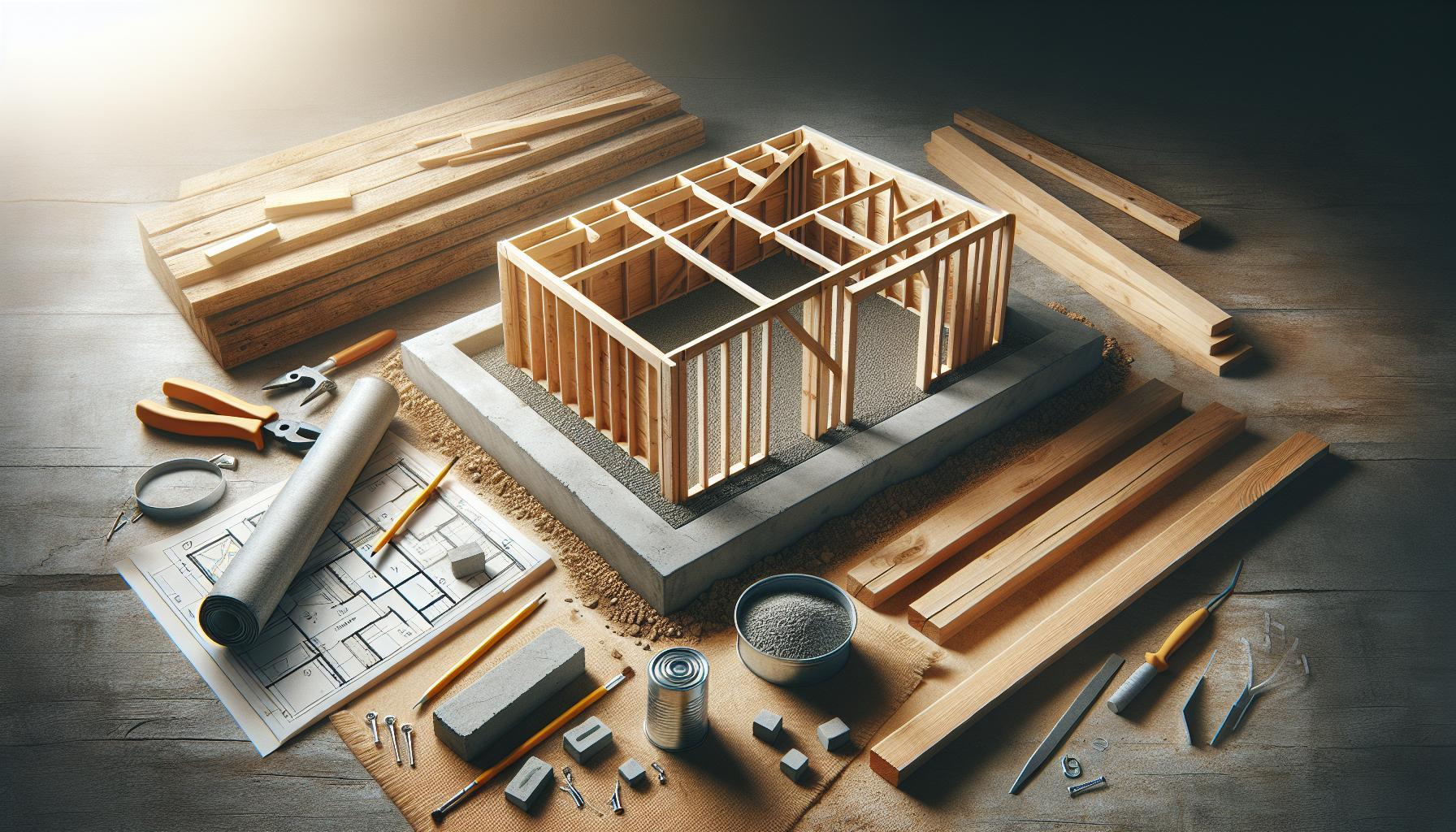
Shed Foundation Systems represent the geotechnical substrate interfaces—such as on-grade gravel skid pads, concrete deck piers, poured monolithic slabs, and screw piles—that anchor outdoor structures against frost heave, seismic settling, and moisture damage.
Foundational Pillars (Start Here)
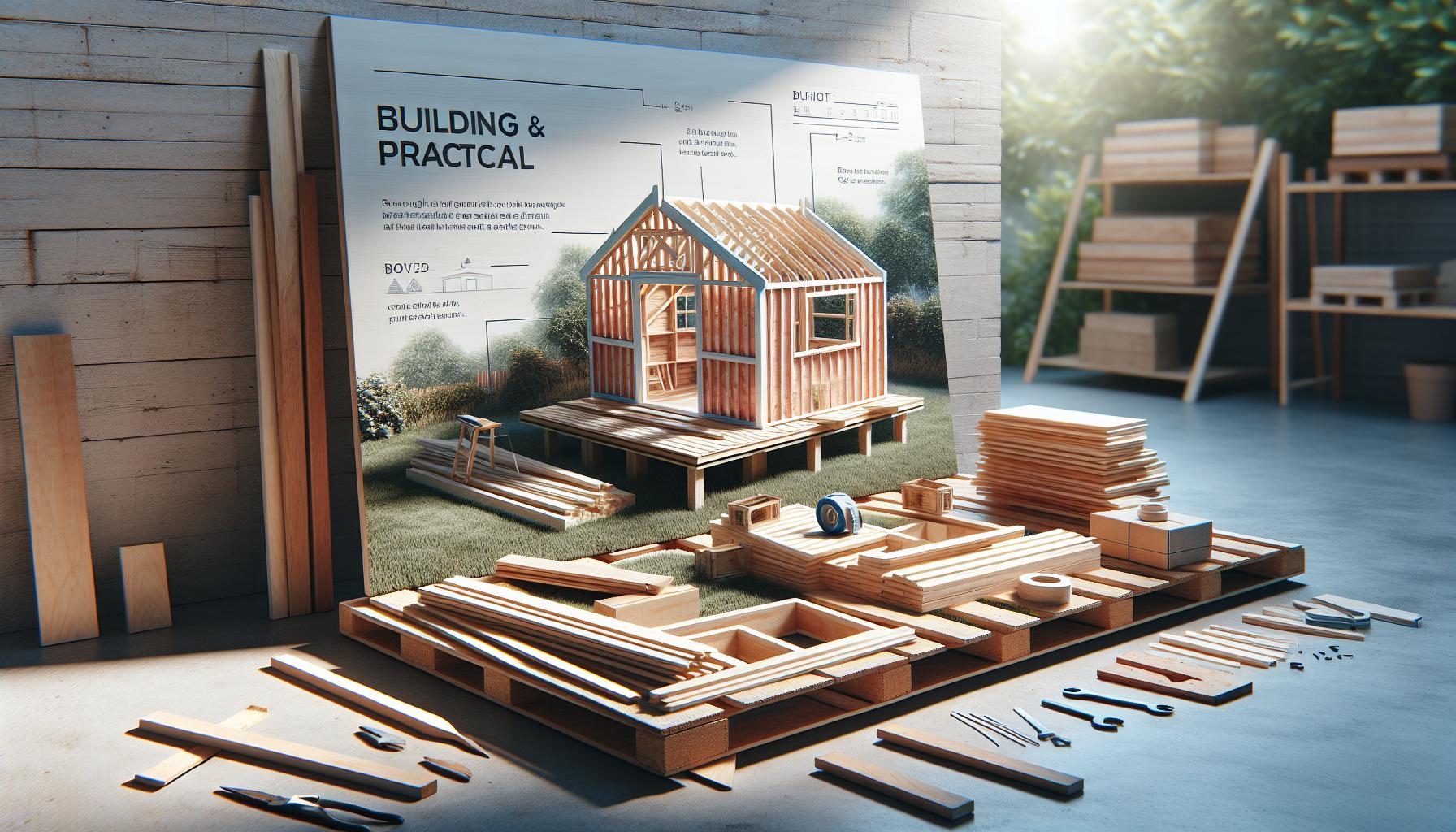
How to Build a 12×8 Shed Base Foundation: Step-by-Step Construction Guide
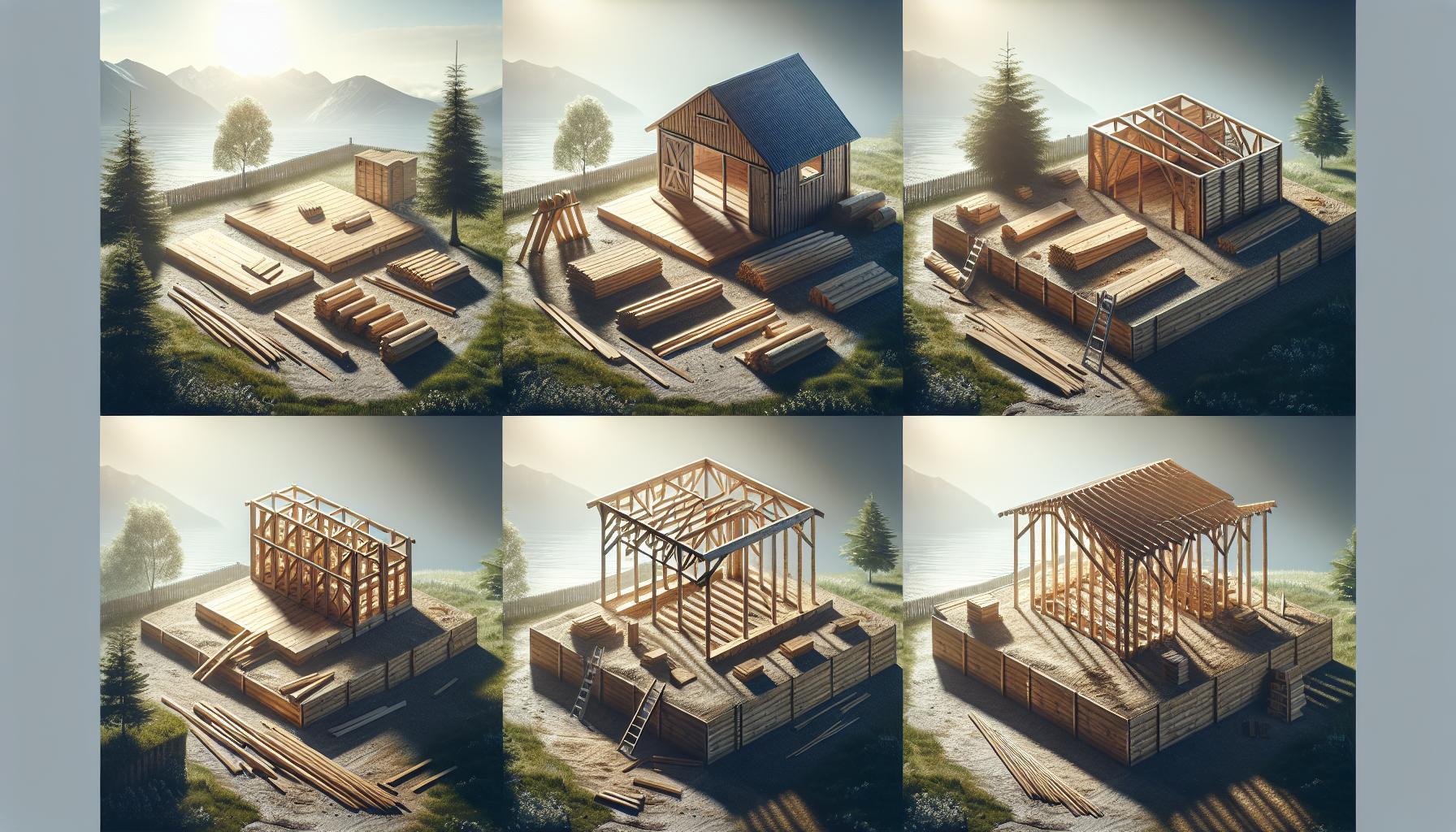
Step-by-step foundation excavation, perimeter formwork, and gravel compacting for 12×8 backyard sheds.
How to Build a Shed Base: Level Foundations in 3 Simple Steps
Rapid, foolproof leveling protocols using line levels, laser transits, and crushed stone bedding.
How to Build a Shed Foundation: Secure Your Structure for Decades to Come
Geotechnical site prep guidelines that prevent ground sinking, soil erosion, and rot across 30+ year horizons.
Geotechnical Engineering: On-Grade vs. Deep Frost-Depth Foundations
Every shed structural failure—from binding doors to cracked drywall—originates at the foundation level. Soil bearing capacity typically ranges from 1,500 PSF (soft clay) to 3,000+ PSF (compacted gravel). In cold climates, winter freeze-thaw cycles cause soil moisture to expand by roughly 9% in volume, exerting immense upward hydraulic pressure known as frost heave.
Shed builders must select between two distinct engineering strategies: floating on-grade foundations and frost-depth anchored foundations. An on-grade gravel pad (utilizing 4 to 6 inches of compacted #57 crushed angular limestone encapsulated by geotextile weed fabric) acts as a self-draining floating ballast. Because water drains freely through the angular stone, frost lenses cannot form beneath the skids. Conversely, for large workshops exceeding 200 square feet or habitable tiny homes, building codes frequently require concrete sonotube piers extending 36 to 48 inches into the ground—safely below the local frost line.
| Foundation Type | Relative Cost (10×12) | Frost Heave Resistance | Slope Adaptability |
|---|---|---|---|
| Compacted Gravel Pad on Skids | $250 – $450 (Lowest) | High (self-draining aggregate eliminates frost lensing) | Moderate; ideal for slopes under 6 inches of rise across site |
| Concrete Sonotube Piers | $600 – $950 (Moderate) | Absolute; footings anchored below frost depth (36″-48″) | Maximum; effortlessly accommodates steep hillsides and uneven ground |
| Poured Monolithic Slab | $2,200 – $3,800 (Highest) | High (requires frost-protected shallow footing or gravel base) | Low; requires significant grading, retaining walls, and excavation |
Topic Directory & Foundation Blueprints
Gravel Beds & Skid Foundations
Frequently Asked Questions: Shed Foundations
Do I really need a concrete slab for my shed?
No. Concrete slabs are only necessary for vehicle storage or commercial machine shops. For standard backyard storage and woodworking sheds, an on-grade gravel pad with pressure-treated 4×6 skids is significantly cheaper, easier to install, and provides superior moisture drainage.
How deep should a gravel shed pad be?
A gravel pad should be at least 4 to 6 inches deep after compaction. Use crushed angular stone (such as #57 limestone or crusher run) rather than smooth pea gravel, as angular stone locks together when tamped, creating a rock-solid, non-shifting base.
How far should the gravel foundation extend past the shed walls?
The gravel pad should extend at least 12 inches beyond the shed’s exterior walls on all four sides. This perimeter apron catches roof runoff, prevents mud splashback onto your siding, and prevents weed growth around the base.