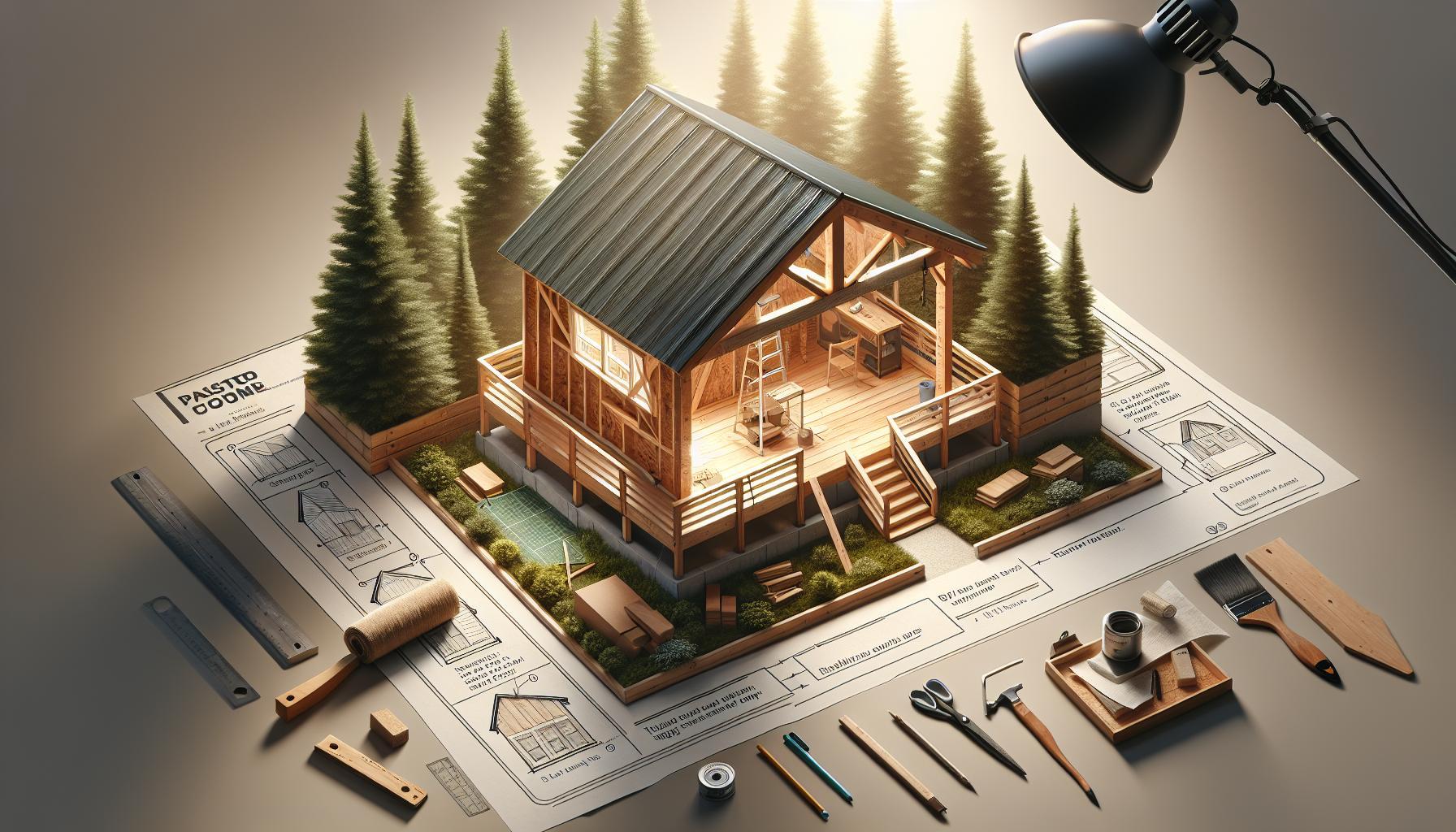
A solid foundation is crucial for ensuring the longevity and stability of any shed, yet many overlook this essential step.Choosing the right base not only supports the structure but also protects it from moisture and pests. This guide will walk you through various foundation options and installation tips, helping you create a durable base for your shed.
Understanding the Importance of a Solid Shed Foundation
A robust and well-constructed foundation is crucial for the longevity and functionality of your shed. The foundation serves as the baseline support structure, determining how well your shed can withstand various environmental factors, such as moisture, shifting soil, and the weight of the shed itself. When you consider that a shed is often subjected to the elements, having a stable foundation not only prevents structural damages but also ensures that the shed remains usable for years to come.can be broken down into several key aspects:
- stability: A stable foundation prevents the shed from shifting or settling unevenly over time. If the ground beneath a shed is not properly prepared, it can lead to an imbalance that may compromise the structural integrity of the building.
- protection Against Moisture: Elevating the structure through proper foundation techniques prevents water from pooling underneath. This is essential for avoiding wood rot and decay, which can severely impair the shed’s lifespan.
- Load Distribution: A strong foundation uniformly distributes the weight of the shed. This is particularly important for larger sheds or those that will store heavy equipment. An inadequate foundation may buckle under weight,leading to costly repairs or a complete rebuild.
- Improved Aesthetics and accessibility: A well-built foundation not only enhances the visual appeal of your shed but also ensures easier access. Whether you’re lifting heavy items in and out or simply moving around your shed, a stable base provides a solid area to navigate.
In addition to these primary benefits, a dependable foundation can also meet local building codes and regulations, which may necessitate specific construction practices depending on the area. Proper installation can help avoid fines or legal issues down the line. Therefore, investing time and labor into the foundational aspect of shed construction is not just about immediate aesthetics; it’s about laying a groundwork for a lasting structure that can endure the test of time and weather.
Building a shed foundation is an essential first step for lasting structures. Whether opting for a concrete slab, gravel pad, or timber frame, each method has unique advantages and challenges. By carefully choosing the type of foundation that aligns with your shed’s needs and following best practices during construction, you will create a solid base that supports not only the physical structure of your shed but also peace of mind in it’s enduring reliability.
Preparing the Site: Essential Steps for a Stable Foundation

For a durable and reliable shed foundation, the initial site preparation is crucial. Proper preparation not only ensures stability but also enhances the longevity of your shed. Taking the time to assess and prepare your site can prevent future issues like uneven settling or moisture damage, making it a foundational step in how to build shed foundation: essential first step for lasting structures.Start by evaluating the location where you plan to place your shed. Look for an area that is naturally level or has minimal slope. If the ground is uneven, you may need to level it by removing high spots and filling in low areas. Clear the site of any debris, rocks, vegetation, and roots, as these can interfere with the integrity of your shed’s foundation. If water tends to pool in certain locations during heavy rains, consider redirecting that flow or building your shed in a different area.Once you’ve cleared the site, mark the dimensions of your shed. Use stakes and string to outline its perimeter, ensuring you measure accurately.This visual depiction will help you understand how the shed interacts with surrounding structures and the overall landscape, allowing for better planning of the foundation type—be it a concrete slab, gravel pad, or timber skids, each suited for different needs and budgets.
After marking, it’s wise to check the groundwater levels. Utilizing a simple post-hole digger, you can test the depth of potential groundwater. It is indeed recommended to dig a few inches below the intended foundation level to promote good drainage. If you find water is a recurring issue, solutions like installing a drainage system or choosing a gravel pad foundation could be beneficial, as it allows water to flow away from the shed. Ultimately, complete site preparation lays the groundwork for a sound and effective foundation, crucial to the success of your shed project.
Here’s a quick overview of essential steps:
| Step | Description |
|---|---|
| evaluate Location | Choose a stable,level area with good drainage. |
| Clear Site | Remove debris, rocks, and vegetation. |
| Mark Layout | outline the shed’s footprint with stakes and string. |
| Test Groundwater Levels | Dig test holes to assess drainage and adjust plans as needed. |
By following these site preparation steps, you’ll ensure a solid foundation, reinforcing the importance of a proper starting point in how to build shed foundation: essential first step for lasting structures.
Digging and Leveling: The Foundation-Laying Process Made Simple

The foundation of any structure is crucial for its longevity, and this is especially true for a shed, which often bears the brunt of variable weather conditions and varying loads.To create a durable foundation, the initial phase involves careful digging and leveling to ensure that the base is both stable and uniform.A well-prepared foundation can save you from future problems, such as settling or water damage, keeping your shed safe and functional for years to come.
Preparation Is Key
Before you begin digging, it’s essential to gather the right tools and establish a clear plan. Start by determining the size and location of your shed. Use stakes and string to outline the area accurately. once your layout is set, the first step in the foundation-laying process is to dig down to the required depth, which generally ranges from 4 to 12 inches, depending on the type of foundation you plan to install (gravel, concrete, or wooden).
For an effective digging process, consider the following tips:
- safety First: Wear gloves, a dust mask, and safety goggles to protect yourself from debris and dust.
- Mark Utility Lines: Before digging, call a utility locating service to avoid hitting underground lines.
- Soil Testing: check the type of soil in your area. Sandy soil drains well but may need reinforcement, while clay holds moisture and can expand. Adjust your foundation design accordingly.
Leveling for Success
After digging out the area, the next step is to level the ground. A level foundation prevents water pooling and helps in maintaining structural integrity over time. Use a carpenter’s level or a laser level for precise measurements.
To properly level the foundation area:
- Rough Leveling: Use a rake to make rough adjustments, filling in low spots and removing excess soil.
- Final Leveling: After the loose soil is adjusted, use a tamper or plate compactor to compact the soil. This step is vital to avoid settling.
- Check Twice: Regularly check your measurements as you work. Use string lines stretched tightly between two stakes at the desired height to guide your leveling efforts.
By meticulously preparing and leveling the area, you lay a solid groundwork for your shed. This attention to detail in the early stages of constructing your shed foundation is an essential first step for ensuring a stable and lasting structure. Integrating these methods will not only enhance the durability of your shed but also contribute to the overall aesthetic and functionality of your outdoor space.
Materials Matter: Selecting the Best Components for Your Foundation
Selecting suitable materials for your shed foundation is pivotal, as it directly influences the durability and stability of your structure. The foundation acts as the backbone of your shed, bearing its weight and protecting it from elements like moisture and ground movement. With the right materials, you ensure a solid base that can withstand the test of time. Here, we’ll explore various components critical to constructing a robust shed foundation.
Key Materials to Consider
When choosing materials for your shed foundation, consider the following options, each offering unique benefits:
- Concrete: Highly durable and resistant to moisture, a concrete slab provides a solid base ideal for heavier sheds. It’s particularly effective in areas with significant changes in weather.
- Pressure-treated wood: For those looking to create a wooden foundation, using pressure-treated lumber can help resist rot and insect damage, making it a viable option for pier or skid foundations.
- Gravel: this option is great for drainage; a gravel base prevents water accumulation while providing a stable, level surface for lighter sheds.
- Concrete blocks: these can be strategically placed in a grid to support your shed. They require careful placement and a level base but are ideal for a variety of terrains.
Durability and Climate Considerations
selecting materials also involves understanding the climate in your area. For instance, if you live in a region with heavy rainfall or snow, concrete’s water resistance makes it a superior choice compared to wood, which could warp or rot over time.always consider using materials that are suited to your environmental conditions to prevent future maintenance issues.
Cost Efficiency vs. Longevity
While it’s tempting to skimp on materials to save costs initially, investing in quality materials can save you money in the long run.Poor-quality foundations may lead to structural issues, necessitating repairs or even a complete rebuild sooner then expected. For example, using untreated wood might save on upfront costs but lead to costly repairs due to decay.
| Material | Pros | Cons |
|---|---|---|
| Concrete | Durable, moisture-resistant | More expensive, labor-intensive |
| Pressure-treated wood | Cost-effective, easy to work with | can rot over time, more maintenance |
| Gravel | Excellent drainage, inexpensive | Not suitable for heavy sheds |
| Concrete blocks | Customizable, sturdy | Requires more planning and installation time |
Choosing the right materials is not only about immediate availability or cost; it’s also about planning for longevity and stability. By taking the time to select the best components, you’re ensuring a strong foundation that aligns with the principles outlined in “How to Build Shed Foundation: Essential First Step for Lasting Structures.” The right choices will yield dividends, contributing to the overall success and lifespan of your shed.
Building Techniques: Tips for a Durable and Reliable Foundation
A solid foundation is the backbone of any structure, especially when it comes to building a shed that can withstand the test of time and the elements. Techniques for establishing a reliable base are critical not just for aesthetics,but for functionality as well. If done correctly, the first step of laying a shed foundation ensures it remains level and stable, allowing for years of use without the nightmare of structural issues.
Choose the Right Location
Before considering materials and methods,the location of your shed plays an essential role in determining the durability of its foundation. Evaluate the following factors:
- Drainage: Select a spot that allows rainwater to flow away from the foundation to prevent pooling.
- Sunlight: A well-lit area helps minimize moisture buildup, reducing the risk of rot.
- Soil Quality: Test the soil to ensure it’s compact and stable; clay and sandy soils often require additional reinforcement.
Material Selection
The choice of building materials can significantly impact the longevity of your shed foundation. Here are common materials to consider:
| Material | Pros | Cons |
|---|---|---|
| Concrete Blocks | Durable, weather-resistant | More expensive, requires labor to lay |
| Wooden skids | Affordable, easy to use | Prone to rot if not treated |
| Gravel Pad | Good drainage, inexpensive | Requires periodic replenishing |
Understanding the strengths and weaknesses of each option will guide you in making an informed decision that balances cost and durability. for example,while concrete blocks provide exceptional strength and stability,they may not fit within every budget. In contrast, wooden skids are easier to work with but require careful maintenance to prevent rot.
Implementing Proper Techniques
Once you’ve settled on your materials, employing effective construction techniques can greatly enhance the integrity of your foundation. Here are key steps:
- Excavate the Area: Clear the site, removing grass, roots, and debris to create a solid, level base.
- Leveling: Use a level to ensure all your blocks or pads are even; any discrepancy here can lead to structural issues down the line.
- Reinforcement: Where applicable, consider adding rebar to concrete pads or using metal brackets for wooden foundations to improve stability.
By making thoughtful decisions on location, material, and construction techniques, you can create a solid foundation that allows your shed to endure the test of time. These foundational principles not only set the stage for your shed but also encapsulate the essential first steps for lasting structures.
Common Challenges in Shed Foundation Construction and how to Overcome Them

building a foundation for your shed might seem straightforward, but it’s a task riddled with potential pitfalls. From soil issues to design miscalculations, these challenges can lead to complications that affect the durability of your structure. Understanding and anticipating these common obstacles is crucial for ensuring that your shed stands strong against the elements.
Soil Conditions
One of the most significant challenges when starting with shed foundations is the condition of the soil. Poor soil quality can lead to uneven settling, which poses risks to the integrity of your structure. Here are some steps to evaluate and improve soil conditions:
- Soil Test: Conduct a soil test to determine its composition and bearing capacity. This can help identify whether the soil is clayey, sandy, or loamy, affecting how you build.
- Excavation: If the soil is unstable, consider excavating deeper to find more stable ground or adding fill material to level the area.
- Drainage Solutions: Install proper drainage systems to redirect water away from the foundation, reducing moisture-related problems.
Incorrectly Sized Foundations
Another prevalent issue is constructing a foundation that is either too small or improperly designed for the intended shed size. This oversight can result in a foundation that cannot adequately support the structure, leading to potential collapse or extensive repairs down the line. To mitigate this risk:
- Accurate Measurements: Before beginning construction, take detailed measurements of your shed layout and confirm the dimensions against your plans.
- Consult guidelines: Refer to manufacturer guidelines or local building codes to determine the minimum foundation size required based on the shed’s weight and size.
- Professional Assessment: If uncertain, hire a structural engineer or contractor with experience in shed construction to assess your foundation design.
Weather Considerations
Weather can also present a significant challenge during foundation construction. Rain, freezing temperatures, or extreme heat can adversely affect materials and the overall building process. Here are strategies to handle varying weather conditions:
- Seasonal Planning: Schedule your construction during favorable weather months to avoid needless complications.
- Material Protection: Keep materials covered with tarps or plastic sheeting during construction to protect them from rain or snow.
- Curing Time: Allow adequate curing time for concrete in cooler temperatures and use additives that help accelerate curing in colder conditions.
While these challenges may seem daunting,with the right preparation and knowlege from resources on how to build a shed foundation as the essential first step for lasting structures,you can overcome them effectively and build a reliable foundation to support your shed for years to come.
Ensuring Longevity: Maintenance Tips for Your Shed Foundation

Ensuring your shed foundation remains sturdy and functional over the years requires ongoing care and attention. Just like a solid foundation is essential for any structure, proper maintenance is crucial to prolong the life of your shed. neglecting this aspect can lead to costly repairs and a decrease in the overall longevity of your shed, making it vital to follow some best practices.
Regular Inspections
Conducting regular inspections of your shed foundation can help identify potential problems before they escalate. Look for signs of settling, cracking, or moisture damage. It’s beneficial to check the following:
- Check for Leveling: Use a level to ensure the foundation remains even.Uneven settling can lead to structural issues.
- Inspect for Cracks: Small cracks can usually be repaired, but larger fractures may signal deeper issues that require professional assessment.
- Examine Drainage: Ensure water is flowing away from the foundation to prevent pooling that could cause rot or erosion.
Managing Moisture
Moisture control is a critical aspect of foundation upkeep. Excess humidity and standing water can cause damage over time,so consider implementing the following strategies:
- Use Gutters: Install gutters on the shed to redirect rainwater away from the foundation.
- Maintain Landscaping: Keep landscaping at least a few inches away from the foundation to avoid moisture accumulation.
- Install a Drainage System: Consider a french drain or gravel trench if your property has poor drainage.
Foundation Upgrades
As your shed ages or if you notice minor issues during inspections, upgrading parts of the foundation can greatly increase its longevity. Here are some suggestions:
| Upgrade Type | Description | Benefits |
|---|---|---|
| Piers | Install concrete piers to provide additional support. | Reduces settling and enhances stability. |
| Vapor Barriers | Add a vapor barrier underneath the shed. | Prevents moisture from seeping up through the foundation. |
| Reinforcement | Reinforce the foundation with additional support beams. | Improves load-bearing capacity and reduces warping. |
By following these maintenance tips and regularly assessing your shed foundation’s condition, you’ll help assure its durability and protect your investment for many years to come. Adopting a proactive approach towards these key areas will pay off in the form of fewer repairs and a longer-lasting structure that remains functional and reliable.
Faq
How to Build Shed Foundation: Essential First Step for Lasting Structures?
To build a shed foundation,start by selecting the site,then level the ground,and choose a suitable foundation type such as concrete,piers,or a wooden frame. This is crucial for the stability and longevity of your shed.
Your chosen foundation must support the shed’s weight and resist moisture. Concrete slabs are great for durability, while block piers work well on uneven terrain. Always consider the local climate and soil conditions when making your choice.
Why does the foundation matter when building a shed?
The foundation is vital as it provides stability and protects against elements like moisture and frost, which can cause damage over time. A well-constructed foundation ensures your shed remains functional and safe.
An inadequate foundation may lead to structural issues, requiring costly repairs. Moreover, a sturdy foundation elevates your shed, preventing water from pooling around it. To learn more about the importance of site selection, check our guide on shed site selection.
Can I use gravel as a foundation for my shed?
Yes, using gravel is a viable option for a shed foundation. It provides excellent drainage and stabilizes the ground, preventing weeds and establishing a robust base for the shed.
To implement this, excavate the area, spread a layer of compacted gravel, and level it. Remember to calculate the number of bags you’ll need based on the size of your foundation. This method works exceptionally well in areas with fluctuating soil conditions.
What is the best type of shed foundation?
The best type of shed foundation depends on several factors,including the shed size,soil type,and climate. Popular options include concrete slabs, pier-and-beam foundations, and wooden skids.
As an example, in regions with heavy snowfall, a concrete slab can be more durable. Conversely, for temporary or smaller sheds, a pier foundation may suffice and offer adaptability in moving your shed later.
How deep should my shed foundation be?
Your shed foundation depth largely relies on the foundation type. For concrete, aim for at least 4 inches, while pier foundations should be set below the frost line, typically 12-36 inches depending on your local climate.
Deep foundations prevent shifting and cracking due to frost heave. Make sure to check local building codes, as depth requirements may vary. Contact a local expert if you’re unsure about your area’s specific conditions.
How can I level the ground for my shed foundation?
To level the ground for your shed foundation, clear the area of debris, then use a shovel and a level to assess and adjust the soil until it’s even. A string level can definitely help achieve precision across the area.
Consider using a plate compactor for larger areas, ensuring the ground is well-packed. Facing challenges like rocky soil? Removing larger stones might potentially be required to create a solid base.
What tools do I need to build a shed foundation?
Essential tools for building a shed foundation include a shovel, level, measuring tape, string line, and a plate compactor.Additional tools could be a circular saw and concrete mixer, depending on your foundation choice.
Having the right tools ensures your foundation is built correctly and efficiently. For a comprehensive shed-building experience, consider consulting our full shed building tools list.
Final Thoughts
building a strong shed foundation is not only an essential first step but also a cornerstone of lasting structure and stability. By carefully selecting the right type of foundation—be it concrete piers,gravel pads,or pressure-treated beams—you lay the groundwork for success in your shed building project. Remember, it’s normal to encounter challenges along the way, but with patience and the right techniques, you can navigate these obstacles with confidence.
We encourage you to revisit the key steps outlined in this guide whenever you need a refresher and to share your progress—your achievements inspire others on their DIY journey. Dive deeper into specific foundation types and techniques to refine your skills further, and don’t hesitate to seek out additional resources, community forums, or local workshops for hands-on learning.
Embrace the craftsmanship of shed building and enjoy the empowerment that comes from creating somthing with your own two hands. You’ve got this—now it’s time to get started on that foundation and watch your shed take shape! Happy building!
Get our latest guides, news, and insights highlighted in your Google Search & AI Overviews.