


Building a shed in a designated conservation area can be a daunting challenge due too strict local regulations aimed at preserving natural and historical landscapes. Understanding these special restrictions is essential for homeowners looking to expand their outdoor space while complying with the law. This guide navigates the complexities of shed construction in protected zones, ensuring your project aligns with environmental and zoning requirements.
Understanding Conservation Areas: What You Need to know Before Building
Understanding the complexities of conservation areas is essential for anyone considering building a structure such as a shed. These regions are designated to protect the environment, historical sites, and distinctive characteristics of neighborhoods.Therefore, before diving into construction, it’s crucial to grasp the nuances that dictate what you can and cannot do in these protected spaces.
Significance of Conservation Areas
Conservation areas not only preserve the cultural and architectural significance of places but also enhance local biodiversity. Thay often embody communities’ heritage and are cherished by residents. For anyone looking to build in such areas, it’s vital to understand that the regulations in place are there to maintain the character of the environment.
- Research Local Regulations: Before planning your shed, consult local authorities regarding specific rules that govern construction in conservation areas.
- Consider Architectural Styles: Your design should complement the existing aesthetics of the area. Think about materials and colors that align with the historical ambiance.
- Assess Environmental Impact: Evaluate how your shed could affect local wildlife and plants, which is a important consideration in conservation areas.
Permits and Approvals
Before embarking on your project, you may need to secure the necessary permits, which can vary significantly depending on the local council. It is indeed not uncommon for planning permissions to be stricter in these areas,thus demanding extra diligence.
Consider the following steps:
| Step | Description |
|---|---|
| 1. Consultation | Engage with your local planning authority early in the design process. |
| 2. Submission | Prepare and submit a detailed planning submission, including design drawings that reflect the local style. |
| 3. Review | Be prepared for your application to undergo scrutiny; feedback may call for adjustments. |
| 4.Implementation | Upon approval, follow through with construction in adherence to the agreed plans. |
navigating the process of building any structure in a conservation area requires careful planning, a extensive understanding of related restrictions, and consultation with local authorities. Awareness and foresight can pave the way for successfully erecting a shed that not only meets your needs but also honors the unique characteristics of your community.
Key Regulations and Restrictions for Shed Construction
Understanding the legal landscape surrounding shed construction, especially in conservation areas, can feel daunting.Many homeowners are surprised to learn that the charm of their local area frequently enough translates into strict regulations regarding any structure, including sheds. Before embarking on your backyard project, it’s essential to familiarize yourself with the vital rules and limitations that may affect your plans.
Planning Permission Requirements
Obtaining planning permission is often the first hurdle when considering building a shed in a conservation area. In most cases, the local council will require detailed plans that illustrate how the shed fits within the existing environment. Here are some common factors they will assess:
- Size and Scale: The proposed dimensions of your shed must not exceed specific limits set by local authorities.
- Style and Materials: Your shed should complement the aesthetic of the conservation area—use of traditional materials like timber may be preferred.
- Location: Sheds located within prominent sightlines or visible from the street may trigger strict scrutiny.
In many instances, it’s vital to consult with your local council’s planning department before breaking ground. This proactive engagement can save you time and resources as you navigate the nuanced regulations that come with conservation areas.
Listed Building Considerations
If your property or the area surrounding it comprises listed buildings,additional considerations come into play. The presence of a listed structure means your development may have more stringent guidelines to follow. Here are some specific restrictions applicable in such scenarios:
| Aspect | Requirement |
|---|---|
| Alterations | No unauthorized changes to the structure if the shed is adjacent to a listed building. |
| Footprint | minimize the shed’s footprint to avoid overshadowing the listed building. |
| Design Details | Use compatible design elements that harmonize with the historic character of the area. |
It’s advisable to engage an architect or a planning consultant experienced with conservation areas to ensure adherence to all regulations while designing your shed.
Additional Local Regulations
Beyond the overarching national guidelines, local councils may impose their own regulations which can vary significantly from one area to another. Factors like proximity to natural resources,like water bodies,and the presence of protected wildlife can influence shed placement and design. Investigating these local nuances is crucial. Check your local council’s website or engage in community discussions for the most current regulations.
By equipping yourself with thorough knowledge about the regulations and restrictions surrounding shed construction in conservation areas, you can ensure that your project not only complies with legal requirements but also enhances the beauty and integrity of your surrounding environment. This careful approach can mean the difference between a successful build and needless complications down the line.
Navigating the Planning Permission Process
In the context of constructing a shed, especially within a conservation area, understanding the intricacies of planning permission is crucial. can seem daunting. Though, with the right approach and knowledge, you can successfully maneuver through the regulations that impact your project. The first step is to ascertain whether your proposed shed complies with local planning policies, which often include design guidelines that prioritize the preservation of historical and architectural significance.
Understanding the Application Process
When you’re ready to move forward with your project, it’s essential to apply for planning permission through your local authority. You can do this online via the government’s planning portal or directly through your council’s planning department. Either route you choose, ensure you gather all necessary documents, such as site plans and design proposals, which will help convey your intention clearly.It’s beneficial to consult the local conservation officer early in the process; they can provide critical insights into what is permissible within the conservation area and may assist in refining your proposal to align with guidelines.
- Check Local Regulations: review your local council’s conservation area guidelines to understand specific requirements related to size, materials, and aesthetics of sheds.
- Engage with Professionals: Consider hiring a designer or architect familiar with conservation areas, as their expertise can help you navigate restrictions effectively.
- Prepare Thorough Documentation: Ensure your application includes detailed plans and illustrations that highlight how your shed complements the character of the area.
Potential Challenges and How to Overcome Them
Being in a conservation area often means there are heightened scrutiny and specific limitations imposed on alterations or new constructions. Common challenges include fitting your design within the aesthetic framework of the location and adhering to regulations that may restrict the size or materials used. To overcome these potential hurdles, start by conducting a thorough analysis of existing structures in your vicinity; this will provide a benchmark for what is visually acceptable.
You may also encounter objections from neighbors or local conservation boards. Preparing for this involves presenting a strong case in your application that outlines the benefits of your project, not only to you as a homeowner but also to the community as a whole. Engaging with local residents and addressing their concerns proactively can foster goodwill and support for your shed.
| Aspect | Considerations |
|---|---|
| Design Harmony | Ensure your shed design mirrors local architectural styles. |
| Materials | Use materials that are approved for conservation areas. |
| Size Restrictions | Verify any size limitations set out in local planning policies. |
By understanding and respecting the constraints of your conservation area,you can create an outdoor space that not only meets your needs but also enhances the historical integrity of your neighborhood. Being informed and prepared is the key to successfully for your shed project.
Design Considerations for Sheds in Protected Areas
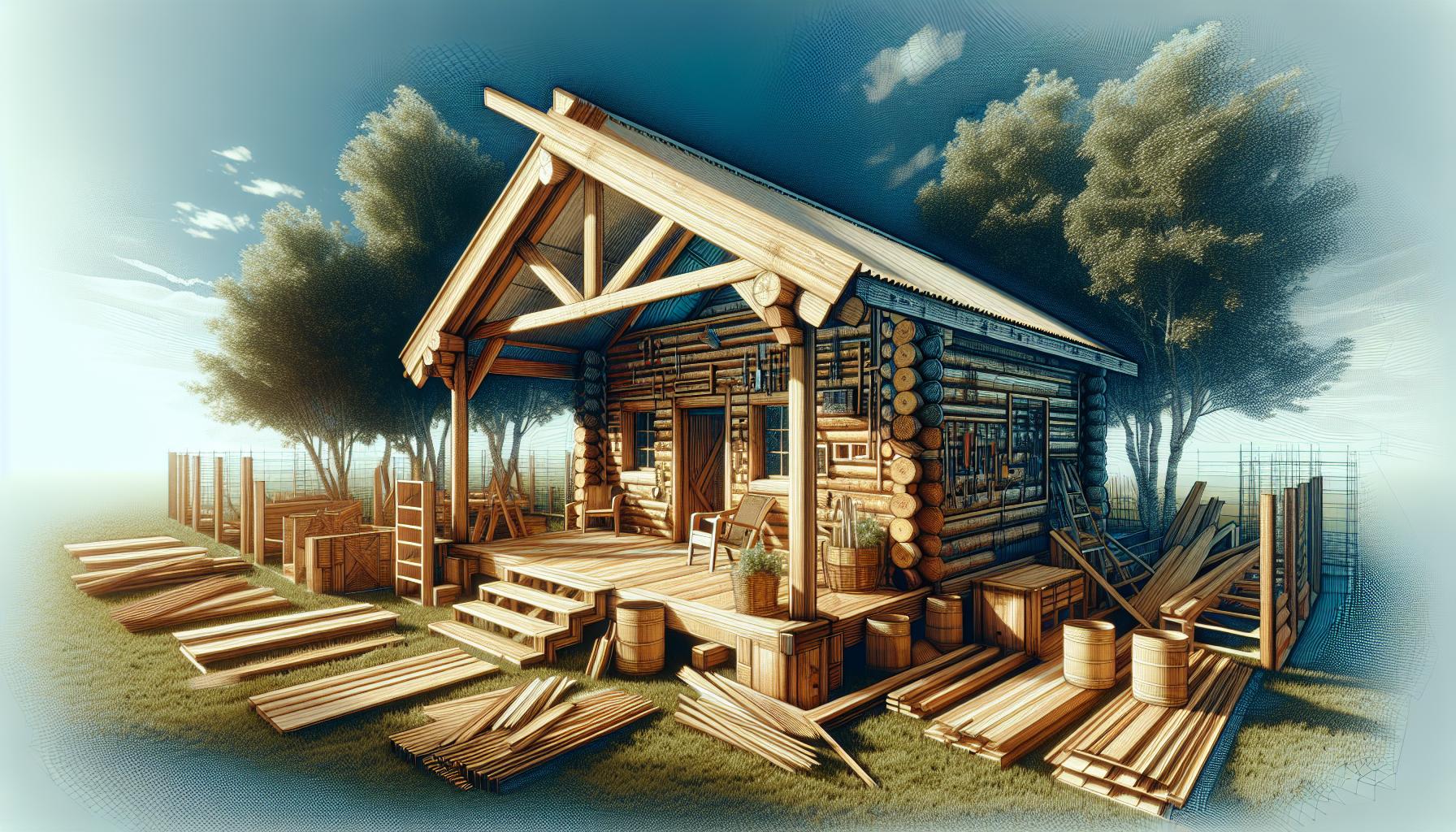
Building a shed in a conservation area requires careful consideration of both aesthetic and environmental factors. Given the special restrictions often tied to these regions, it’s essential to adopt a design philosophy that respects the unique landscape while serving functional needs. Thoughtfully designed sheds can blend harmoniously with their surroundings, ultimately enhancing the natural beauty of protected areas rather than detracting from it.
Respecting the Landscape
In conservation areas, the visual impact of structures is of utmost importance. When planning your shed, consider the following elements to ensure that your design complements the scenery:
- Materials: Use locally-sourced, sustainable materials that mimic natural elements found in the area. For instance, wood finishes can help your shed blend into wooded environments.
- Colors: Select muted,earthy tones for exterior paint to minimize visibility against the landscape. this approach not only adheres to aesthetic guidelines but also reflects a sensitivity toward local wildlife.
- Footprint: Keep the size of the shed within modest limits. A smaller structure has less of a visual impact and a lower environmental footprint, which is notably vital in protected areas.
Compliance with Regulations
Understanding the specific regulations that apply in a conservation area is crucial; these guidelines aim to preserve the integrity of the site. Here are essential steps to ensure compliance when asking yourself, “Can I Build a Shed in a Conservation Area? Navigating Special Restrictions”:
- Research Local Regulations: Each conservation area varies in restrictions based on local government policies. Start with the local planning office to obtain the necessary zoning details.
- Obtain Permits: Many conservation areas require permits for any construction activity. Prepare to submit detailed plans and possible impact assessments.
- Consider Environmental Impact: Assess how your shed might affect local wildlife and flora. This might involve consulting with environmental experts or conducting an ecological assessment.
As you navigate the complexities of building in a conservation area, striking a balance between functionality and ecological stewardship becomes paramount. By prioritizing design considerations that align with both the legal framework and nature, you can create a shed that not only meets your needs but also honors the sanctity of protected spaces.
Engaging with Local authorities: Tips for a Smooth Approval Process
Navigating the complexities of local authority regulations can be a daunting task, especially when planning to build a shed in a conservation area. Understanding the specific restrictions and guidelines is crucial to ensure a smooth approval process and avoid potential setbacks. Engaging effectively with local authorities not only streamlines the application but also demonstrates your commitment to compliance,making it more likely that your proposal will be favorably received.
Research Local Regulations
Before initiating any dialog with local authorities, take the time to thoroughly research the regulations that apply to your conservation area.This includes understanding what kinds of structures are permissible, any limitations on size, aesthetic requirements, and materials that are allowed. Utilize resources like your local government website or planning department, where you may find a dedicated section regarding construction in conservation areas. Familiarize yourself with the conservation principles at play; this knowledge shows that you are informed and respectful of the area’s heritage and ecological significance.
Prepare a Comprehensive Proposal
When you’re ready to approach local authorities,having a well-documented proposal is essential. This should include:
- A site plan detailing the location of the shed.
- Architectural drawings showcasing the design and materials.
- Photographs of the area to provide context.
- A written statement explaining the purpose of the shed and how it aligns with conservation objectives.
Presenting a comprehensive proposal not only makes it easier for local planners to assess your application but also conveys professionalism. Consider using visual aids to illustrate how your shed will blend into the environment, which can alleviate concerns regarding it’s impact on the conservation area.
Communicate Early and Often
establishing a line of communication with local authority representatives can greatly enhance your experience. Consider scheduling a preliminary meeting to discuss your plans informally. This provides an chance to receive initial feedback and guidance, which can be invaluable in refining your proposal. During this process, be open to suggestions and show a willingness to adapt your plans to better fit the conservation objectives.
Moreover,once you submit your application,maintain regular contact with the planning office. This keeps your project top-of-mind and helps to expedite the review process.If additional information is requested, respond promptly to demonstrate your commitment to collaboration.
Engaging thoughtfully with local authorities is key when it comes to building a shed in a conservation area. By conducting thorough research, preparing a solid proposal, and maintaining open lines of communication, you can navigate the complexities of these special restrictions effectively and increase the likelihood of receiving the necessary approvals without unnecessary delays.
Common Challenges and How to Overcome Them
When considering building a shed within a conservation area, many homeowners face unique hurdles that can become overwhelming. Understanding these challenges is crucial for successfully navigating the regulations and ensuring your project complies with local laws. From strict planning permissions to environmental concerns,the road to realizing your shed dream can be complex,but it’s far from impossible.
Understanding Regulatory Challenges
One of the primary challenges that homeowners encounter is the intricate web of regulations governing construction in conservation areas. These laws are designed to protect historical and architectural features, which can make any changes, even minor, subject to rigorous scrutiny. It’s essential to familiarize yourself with the specific regulations in your area, as they can vary widely.
- Research Local Guidelines: Start by visiting your local council’s website to review the specific conservation area policies. This information is invaluable and can guide your design choices.
- Community Engagement: Attend local council meetings or forums. Engaging with your community and understanding their perspectives can definitely help you shape a project that respects conservation interests.
Environmental Considerations
Another challenge is the environmental impact of your shed.Conservation areas often encompass sensitive ecosystems, and the construction of new structures must prioritize sustainability and environmental integrity. To overcome this challenge, consider employing environmentally friendly building materials and techniques.
- Choose Sustainable materials: Use locally sourced or recycled materials that blend seamlessly with the natural surroundings. Options like timber from sustainable forests not only enhance your shed’s aesthetic but also minimize ecological impact.
- Plan for Landscaping: Incorporate natural landscaping alongside your building project. Native plants can help maintain the local ecosystem and create a more harmonious look.
Practical Steps for the Approval Process
Navigating the approval process can be one of the most daunting aspects of building a shed in a conservation area. However, a methodical approach can simplify the task.
| Step | Description |
|---|---|
| 1. Initial Consultation | Contact the local planning authority to discuss your project informally. This can provide insights into potential issues before formal submissions. |
| 2. Prepare Detailed Plans | Work with an architect or designer familiar with conservation area guidelines to create options that comply with local regulations. |
| 3. Submit Your Application | Ensure all documentation is thorough, addressing design, materials, and landscape impact to improve your chances of approval. |
| 4.Respond to Feedback | Be prepared to revise your plans based on feedback from the planning authority. Versatility can go a long way in the approval process. |
By proactively addressing these common challenges and formulatingstrategicplansyoucanconfidentlyapproachthequestion“CanIbuildashedinaconservationarea?”andnavigatethespecialrestrictionswitheaseWiththerightpreparationyourshedcanbecomeanassettobothyourpropertyandtheconservationareaaroundit
Inspiring Shed Ideas That Respect Conservation Guidelines
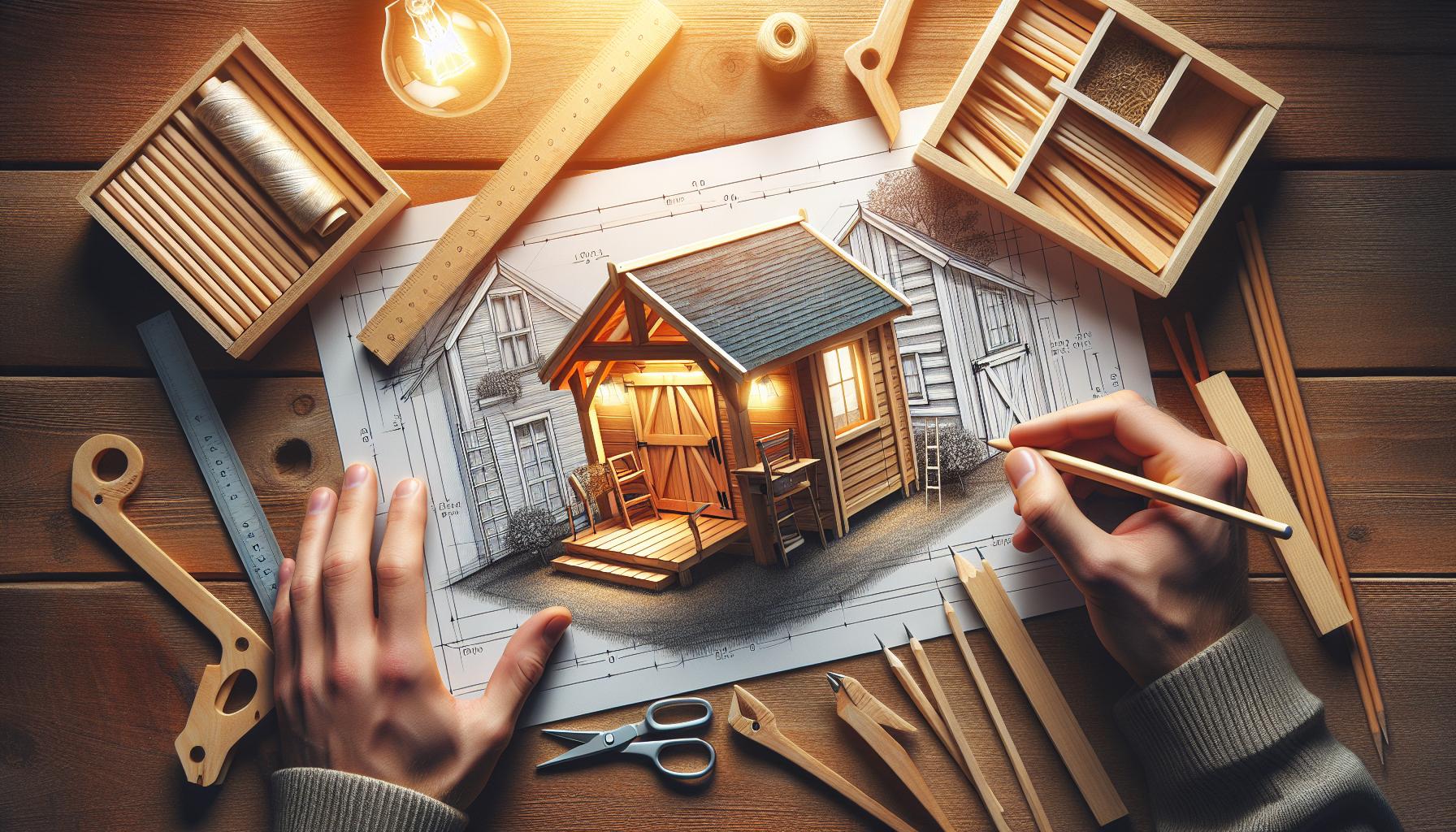
Creating a shed within a conservation area can be a rewarding project that aligns with both aesthetic sensibilities and environmental responsibilities.Understanding the intricacies of conservation guidelines is crucial, as they are designed to protect local ecology and heritage. Though,with careful planning and creativity,it is indeed possible to design a shed that not only meets these regulations but also enhances the natural beauty of the surroundings.
One effective approach is to select sustainable materials that blend seamlessly into the environment. Consider using reclaimed wood for construction, which not only reduces environmental impact but also lends a rustic charm. For roofing, options like green roofs or sedum can provide ecological benefits, aiding in stormwater management and increasing biodiversity.The use of natural colors and finishes that mimic the local landscape can further ensure that the shed does not clash with its surroundings.
Design Ideas That respect Guidelines
When it comes to design, simplicity often works best. Sheds can take on various forms that respect the heritage of the conservation area, such as:
- Traditional Styles: Designs resembling historic structures, with gabled roofs and painted timber, can maintain the cultural aesthetics.
- Eco-Friendly Features: Integrate rainwater collection systems to minimize water usage and support local wildlife.
- Functional Spaces: Create multi-purpose areas within the shed, such as a potting station or artistic workspace, making the building not only practical but also a charming focal point.
- Landscaped Surroundings: Incorporating native plants around the shed can definitely help it blend in and provide habitat for local wildlife.
Utilizing innovative building techniques, such as modular construction, can allow for flexibility while adhering to restrictions commonly outlined in conservation guidelines. Pre-fabricated designs can minimize the environmental footprint during construction and can frequently enough be tailored to meet specific local regulations concerning size and placement.
while you navigate the question, “Can I Build a Shed in a Conservation Area? Navigating Special Restrictions,” remember that inspiration from the existing environment is key. By incorporating sustainable elements and respecting the community’s cultural heritage, you can create a gorgeous and functional garden shed that enhances both your property and the conservation area as a whole.
Q&A
Can I Build a Shed in a Conservation Area?
Yes, you can build a shed in a conservation area, but you must adhere to specific guidelines and regulations. It’s essential to check local planning policies as restrictions may apply to structure size, materials, and aesthetics.
In a conservation area, the goal is to maintain the historical character and appearance of the surroundings. Therefore, any new structures, including sheds, need to harmonize with the existing landscape. You may also need to obtain a planning permission. For more details on guidelines, refer to your local council’s resources.
What are the main restrictions for building a shed in a conservation area?
The main restrictions include limitations on the shed’s size, height, and materials used. Sheds should not overwhelm the property’s original features or alter the area’s character.
Additionally,the design must be consistent with local architecture. For instance, traditional materials like wood might be encouraged, while modern composite materials might not align with conservation goals. Always consult your local guidelines to avoid potential penalties.
Why are there special restrictions for sheds in conservation areas?
Special restrictions exist to protect the aesthetic and historical integrity of conservation areas. The aim is to preserve the local character and ensure that any new structures enhance rather than detract from the existing environment.
By regulating developments like sheds, authorities ensure that new constructions respect the area’s heritage. This careful management helps maintain property values and community pride. Understanding these reasons can aid in the planning process and foster a cooperative relationship with local councils.
Can I apply for planning permission if my shed does not meet restrictions?
Yes,you can apply for planning permission even if your shed doesn’t meet existing restrictions.This process allows you to present your case for why the proposed shed should be approved despite non-compliance.
though, be prepared to justify the design choices and how they’ll positively impact the conservation area. Including community support or professional endorsements can enhance your application’s chances of approval. Always refer to local planning officials for guidance on the application process.
How can I ensure my shed complies with local conservation area guidelines?
To ensure compliance, start by reviewing your local council’s conservation area guidelines. These documents detail specific requirements regarding design, materials, and construction practices.
Consider hiring a professional architect or planner familiar with conservation regulations. They can provide invaluable advice to help you create a shed that aligns with the area’s heritage and remains functional. For more tips on compliance, visit our guidelines page.
What happens if I build a shed without permission in a conservation area?
If you build a shed without the necessary permissions in a conservation area, you may face enforcement action from local authorities.This could lead to fines or even a requirement to demolish the shed.
It’s essential to be proactive rather than reactive. If you’re unsure about restrictions, consult your local planning office before starting construction. They can guide you through the necessary compliance steps and help you avoid costly mistakes.
are there any exemptions for building a shed in conservation areas?
some minor structures might potentially be eligible for permitted development rights, meaning they can be built without full planning permission. Though, these exemptions are limited and typically apply to smaller or less visible structures.
Even if permitted development applies, it’s crucial to check with local regulations, as many conservation areas impose additional restrictions. Always verify with your council to ensure your shed qualifies for any exemptions, thus making your project smoother.
The Conclusion
Building a shed in a conservation area can be both a rewarding and daunting task, but with the right knowledge and guidance, you can navigate the necessary restrictions with confidence. It’s crucial to understand your local regulations and seek the appropriate permissions, as these areas are often protected to conserve their natural beauty and historical significance. Take time to research any requirements that may seem complex initially; they are designed to preserve the environment and community character.
When planning your shed, consider the materials and design that blend harmoniously with the surroundings. Using eco-friendly materials not only complies with conservation guidelines but also adds to the sustainability of your project. Remember, you’re not just building a structure; you’re contributing to a larger legacy of responsible stewardship.
If you encounter obstacles, don’t be discouraged. Many DIY enthusiasts find tremendous satisfaction in problem-solving these challenges. Connect with local builders or online communities for advice and support—you’re not alone on this journey. Feel free to explore additional resources to refine your design, gather materials, and even enhance your building techniques.
with the right preparation, thoughtful planning, and a commitment to craftsmanship, you can successfully build your shed in a conservation area while respecting local regulations. Embrace the opportunity to create something unique, and don’t hesitate to seek out further information or expert advice as you embark on this fulfilling project. Happy building!
Get our latest guides, news, and insights highlighted in your Google Search & AI Overviews.


