


Are you unsure about the lifespan of yoru shed and how to prolong its usability? Understanding the durability of these outdoor structures is crucial for maintaining your investment and optimizing storage space. With simple maintenance tips, you can significantly extend your shed’s life, ensuring it remains a reliable asset for years to come.
Understanding shed Lifespan: What to Expect Over Time
A well-built shed can serve as a reliable storage space or a workshop, but understanding its lifespan is crucial for homeowners planning for the future. Different materials, maintenance practices, and environmental conditions can all influence how long your shed will remain functional and sturdy. On average, a shed can last anywhere from 10 to 30 years, depending on the factors mentioned, which makes it essential to consider not only what to expect over the years but also how you can extend your structure’s life easily.
Factors Affecting Shed Lifespan
Several primary factors contribute to how long your shed lasts:
- Material Quality: the type of material used in the construction influences durability. wooden sheds may last 10–15 years, while metal sheds can endure up to 30 years with proper care.
- Climate Considerations: Extreme temperatures, heavy rainfall, or high humidity can wear down your shed faster. For example, sheds in hurricane-prone areas require more robust construction to withstand strong winds.
- Maintenance Habits: Regular maintenance such as painting, sealing, and inspecting for damages can significantly extend life expectancy. It helps to catch problems early before they escalate.
- Usage Patterns: How you utilize your shed also matters.Heavy loads and frequent use can lead to faster wear and tear, whereas a seldom-used shed may last longer.
Typical Lifespans by Material
Understanding how long different materials last can help in making informed decisions when purchasing a shed. Here’s a comparative breakdown:
| Material | Average Lifespan | Maintenance Requirements |
|---|---|---|
| Wood | 10–15 years | Regular staining/sealing |
| Metal | 20–30 years | Periodic rust checks and painting |
| Resin | 25 years+ | Very low; occasional cleaning |
By choosing the right materials for your needs and maintaining them diligently, you can significantly prolong your shed’s life. A proactive approach, such as inspecting the roof, tightening screws, or treating wood for termites, can yield remarkable results, preserving both your investment and functionality for years to come. Remember, planning for the long term starts now—by staying ahead of potential issues, you can extend the lifespan of your shed effortlessly.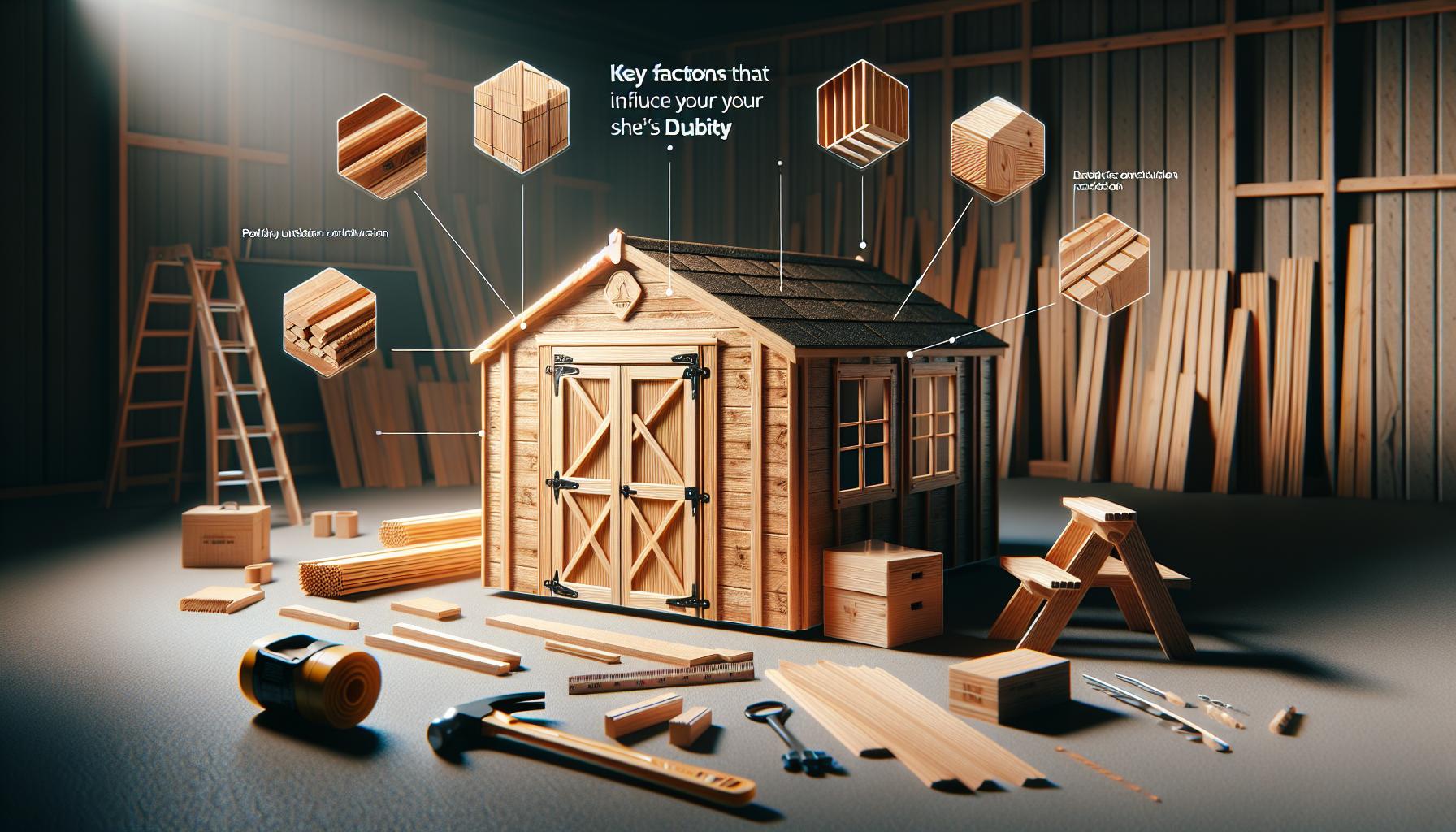
Key Factors That Influence Your Shed’s Durability
Durability is a key concern for anyone looking to invest in a shed, whether for storage or as a workshop. Understanding the factors that contribute to the longevity of your shed can make a meaningful difference in how long it serves its purpose.By considering material selection, construction techniques, and environmental impacts, you can ensure your shed remains sturdy and functional for many years.
Material Quality
The materials used in the construction of your shed play a pivotal role in determining its lifespan. Here are some common shed materials and thier characteristics:
- Wood: While aesthetically pleasing and versatile, wood is susceptible to rot, pests, and weather damage if not properly treated.Using pressure-treated timber or cedar can enhance resilience.
- Metal: Metal sheds, ofen made of galvanized steel or aluminum, offer excellent durability against pests and weather conditions but are prone to rust without protective coatings.
- Plastic: High-density polyethylene (HDPE) is resistant to rot and insects, making plastic sheds low-maintenance options. However, they may fade and become brittle over time with prolonged sun exposure.
Construction Techniques
How a shed is built impacts its strength and stability.Proper construction techniques not only enhance durability but also extend the overall life of your shed. Key considerations include:
- Foundation: A solid foundation can prevent water damage and shifting. Options include concrete slabs, wooden skids, or gravel beds, each providing varying levels of support.
- Sealing and Insulation: Proper sealing of windows and doors prevents moisture ingress, while insulation can fend off temperature fluctuations that may weaken materials over time.
- Ventilation: Adequate airflow helps reduce humidity levels, minimizing the risk of mold and rot, especially in wooden structures.
Environmental Conditions
Voiced often in the context of sustainability, the environment where your shed is located significantly influences its durability.Take into account:
| Environmental Factor | Impact on Shed Durability |
|---|---|
| Climate (Wet/Dry) | Excess moisture can lead to rot in wooden sheds, while extreme heat can warp certain materials. |
| Pest Threat | Regions with wood-boring insects or termites require preemptive measures like treated wood. |
| Sun Exposure | sunlight can degrade materials over time, particularly plastics and untreated wood. |
Understanding these factors provides valuable insight into how long your shed should last. By actively managing material quality, employing proper construction techniques, and considering environmental conditions, you are well on your way to extending your structure’s life easily.
Essential Maintenance Tips to Extend your Shed’s Life
Maintaining a shed is akin to caring for a small home; attention to detail can significantly extend its lifespan. The average lifespan of a shed can vary widely, but with the right maintenance practices, you can not only preserve its structural integrity but also enhance its functionality and aesthetics. From routine inspections to weatherproofing, these essential maintenance tips will ensure that your shed endures the test of time.
Regular inspections
Routine check-ups are crucial in identifying and addressing minor issues before they develop into major problems. Schedule a thorough inspection at least twice a year to look for:
- Structural damage: Look for any signs of rot, warping, or sagging in walls, roofs, and floors.
- Pest infestations: Check for signs of rodents or insects that might be making your shed their home.
- Moisture accumulation: Inspect for leaks or damp spots that could indicate a need for repairs.
- paint and finishes: Assess the exterior for peeling paint or faded wood stains that require touch-ups.
Weatherproofing and Ventilation
Protecting your shed from the elements is essential for longevity. Here are a few strategies to consider:
- Sealing and painting: Apply a waterproof sealant and a coat of high-quality exterior paint every few years to shield against moisture.
- Gutters and drainage: Ensure that your shed has gutters to divert rainwater away from the base. Proper drainage will prevent flooding and structural damage.
- Ventilation: install vents or windows that promote airflow,reducing humidity levels and the risk of mold and mildew.
Floor Maintenance
The foundation of your shed can determine its overall lifespan. Follow these steps to preserve its base:
- Cleaning: Regularly sweep and clean out debris from the floor to prevent moisture retention.
- Reinforcement: Periodically check the floorboards for signs of rotting or damage; replace any compromised boards promptly.
To provide a simple overview, here’s a concise table summarizing maintenance tasks and their recommended frequencies:
| Maintenance task | Recommended Frequency |
|---|---|
| inspect structure for damages | Every 6 months |
| Repaint and reseal | Every 3-5 years |
| Clean gutters | Twice a year |
| Check for pests | Every 3 months |
By incorporating these maintenance tips into your routine, you can significantly enhance the lifespan of your shed, ensuring it serves as a reliable storage solution for many years to come.
Choosing the Right Materials for longevity
When building or maintaining a shed, the materials you choose can immensely influence its lifespan and durability. Selecting high-quality materials not only extends the life of your structure but also enhances its functionality and resilience against the elements. The investment you make in proper materials significantly pays off in longevity and reduced maintenance costs,making it crucial to consider the following factors.
Wood Options: Natural vs. Treated
The type of wood you choose for your shed is vital in determining its durability. Untreated wood may seem like a cost-effective option initially, but it can lead to faster degradation due to moisture and pests.Conversely,pressure-treated wood is infused with chemical preservatives that repel rot,insects,and fungi,extending the life of your shed significantly.
Consider these common wood types:
- Fir: Affordable, but requires treatment for weather resistance.
- Redwood: Naturally resistant to decay and insects, perfect for outdoor constructions.
- Cedar: Offers good resistance to moisture and insects, ideal for outdoor usage.
by using treated wood or naturally resilient types,you can dramatically improve how long your shed lasts.
Roofing Materials: Protecting Your Structure
The roof is one of the most critical components of any shed, as it protects everything beneath it from water damage. When choosing roofing materials, assess the climate in your area and the potential for weather-related wear.
< table class='wp-block-table'>
Metal roofing is often hailed as the best option for longevity, offering excellent weather resistance and a lifespan that can exceed 50 years. By prioritizing quality roofing materials, you ensure that your shed will endure through many seasons without succumbing to leaks or structural damage.
Flooring Choices: A foundation for Longevity
just as crucial as the roof, the floor of your shed plays a pivotal role in its overall durability. Choosing flooring materials that resist moisture and pests will lead to less structural degradation and a longer-lasting working space.
Opting for concrete or treated plywood creates a strong foundation, but there are other options you can consider:
- Composite Decking: Water-resistant and low maintenance.
- Vinyl Flooring: Easy to clean, water-resistant, and visually appealing.
Investing in quality flooring materials is not merely an aesthetic choice; it serves as a barrier against moisture and pest-related issues, ensuring that your shed remains functional and intact for years to come.
By prioritizing the selection of appropriate materials when constructing or maintaining your shed, you are actively working to enhance its durability and longevity. From treated wood to quality roofing options and robust flooring, every decision contributes to answering the question of how long your shed should last.
How Weather Conditions Impact Your Shed’s Structure
The longevity of your shed is not just a matter of quality construction; it is also significantly influenced by the weather conditions it endures throughout the year. Extreme temperatures, harsh winds, and precipitation can all wreak havoc on even the sturdiest structures. Understanding how these elements interact with your shed is crucial to extending its lifespan. As a notable example, consistent exposure to high moisture can lead to mold and mildew growth, while intense sunlight can cause materials to warp and fade over time.
Temperature Fluctuations
Extreme temperature swings can impact your shed’s materials in various ways. Wood, a common shed material, can expand and contract in response to heat and cold, possibly leading to cracks and structural weakness. Conversely, metal sheds may experience rust if not adequately protected against moisture. To mitigate these risks, consider the following:
- Use weather-resistant finishes and coatings for wooden structures.
- Opt for galvanized steel or treated metal for metal sheds to resist corrosion.
- Insulate your shed if you live in an area with drastic temperature changes to maintain a more constant internal temperature.
Wind and Storm Damage
Strong winds and storms can pose a significant threat, especially to lightweight or improperly anchored sheds. Winds can lift the structure off its foundation or cause damage to roofs and siding. To secure your shed against such weather, take preventive measures like:
- Anchor your shed to its foundation using screws or heavy-duty anchors.
- Regularly check and maintain the roof, ensuring it is secure and free from debris.
- Install storm shutters or other protective measures if you live in a hurricane-prone area.
Precipitation and Moisture
Water damage is one of the most insidious threats to your shed’s structure. Rain, snow, and humidity can lead to rotting wood, rusting metal, and overall degradation. To protect against moisture-related issues, consider these steps:
- Ensure proper drainage away from the shed to prevent pooling.
- Regularly inspect seals and weather stripping to prevent leaks.
- Use moisture-resistant materials, particularly in areas prone to heavy rainfall.
Preventive care and adjustments can vastly improve the resilience of your shed against the elements,thereby significantly increasing its lifespan. By understanding how weather conditions can affect your structure, you can take actionable steps to reinforce it and address potential issues before they become major problems, embodying the principles highlighted in discussions about how long a shed should last and how to extend its life easily.
Upgrades and Renovations: When and Why to Consider Them
When investing in a shed, understanding its lifespan is crucial, but equally critically important is recognizing when and why it’s time to consider upgrades or renovations. Over time, even the sturdiest structures can show signs of wear and may fall short in meeting evolving needs.Whether it’s increased storage demands or shifting aesthetic preferences, knowing when to make changes can significantly enhance functionality and extend the life of your shed.
Identifying Signs of Wear and Tear
Sheds are often exposed to the elements, leading to gradual deterioration. Look for these common indicators that suggest your shed could benefit from some TLC:
- Visible Damage: Cracks in walls, rotting wood, and rusting hardware are clear signs that renovation is needed.
- Structural Integrity: If your shed is leaning or the roof is sagging,it’s essential to address these issues before they worsen.
- Insufficient Space: As your needs evolve—perhaps you’ve taken up gardening or picked up a new hobby—you may require more storage space.
- Functional Updates: Improvements like installing shelves or additional electrical outlets can greatly enhance usability.
When to Consider Renovations
Timing is everything regarding renovations. Here are some scenarios that may prompt you to rethink your shed’s condition:
- Spring Clean-Up: After the winter months, inspect for any damage, leaks, or insect infestations that need addressing.
- before Seasonal Changes: Renovating before the busy gardening season can prepare your shed for equipment storage.
- Updated Needs: Significant life changes, like moving in with a partner or starting a family, may necessitate a reevaluation of your shed’s capacity.
- Market Trends: Renovating not only makes your shed more usable but can also improve the property value and attract potential buyers if you’re considering selling.
Strategic Renovation Ideas
Once you decide to pursue upgrades, consider focusing on the following areas to maximize impact:
| Renovation Type | Description | Benefits |
|---|---|---|
| Roof Replacement | Swap out any damaged or aged roofing materials. | Improves durability and protects against leaks. |
| insulation Installation | Add insulation to make your shed usable year-round. | Enhances temperature control for sensitive items. |
| Interior Organization | Install shelving and hooks to optimize storage space. | Keeps tools accessible and the shed clutter-free. |
| Exterior Enhancements | Paint or upgrade the siding for aesthetic appeal. | Boosts curb appeal and protects the shed from elements. |
Taking the time to evaluate your structure with these considerations in mind can prolong its life significantly. By proactively addressing repairs and enhancements, you can ensure your shed remains not only a safe storage solution but also an integral part of your outdoor space for years to come.
Recognizing Signs of Wear and Tear Early
Regular maintenance and timely interventions can make a significant difference in the longevity of a shed, but recognizing the signs of wear and tear early is crucial. Structures are often subjected to various environmental conditions, and small issues can escalate into major problems if not addressed promptly. By being vigilant and familiarizing yourself with the common indicators of deterioration, you can ensure your outdoor storage remains functional and appealing for years to come.
Common Indications of Deterioration
When inspecting your shed, keep an eye out for the following signs that may signal wear and tear:
- Rusting and Corrosion: Metal parts can accumulate rust, particularly if the protective coating is compromised. Check hinges, nails, and any metal fixtures regularly.
- Wood Rot: Wooden sheds are susceptible to rot, especially in areas that retain moisture. look for soft spots or discoloration in the wood.
- Water Damage: Check for stains or peeling paint, which can indicate leaks or excessive moisture inside the shed.
- foundation Settling: Uneven or sagging floors may hint at issues with the foundation or ground settling beneath the structure.
- Insect Infestations: Signs of termites or other pests can lead to significant structural damage. Look out for sawdust or unsightly holes.
Regular Maintenance Tips
To prolong the lifespan of your shed and stay ahead of deterioration, consider implementing these practical maintenance steps:
- Conduct seasonal inspections to identify potential problems early.
- Apply weatherproofing treatments to protect against moisture and UV rays.
- Ensure proper drainage around the shed to prevent water accumulation.
- Fix any broken or damaged components promptly to avoid further issues.
By keeping these signs of wear and tear in mind and conducting regular maintenance,you can answer the question of how long a shed should last with confidence. With the right care, extending your structure’s life becomes a more achievable goal, allowing you to maximize your investment.
Making Smart Moves: Choosing the Best Location for Your Shed
Choosing the right location for your shed can significantly impact not just its longevity but also its functionality and accessibility. Imagine investing time and resources into a beautiful shed, only to have it suffer from rot or damage due to poor placement. The importance of this decision cannot be overstated, especially if you’re keen on maximizing the lifespan of your structure, as discussed in “How Long Should a Shed Last? Extend Your Structure’s Life Easily.” So, what do you need to consider when determining the ideal spot for your shed?
Assess Your Surroundings
Before diving into shed placement, evaluate the natural landscape of your property. Here are a few key considerations:
- Sunlight Exposure: Ideally, your shed should be placed in a location where it receives ample sunlight to dry out any moisture and prevent rot.
- Drainage: Ensure the area does not collect water during rainstorms. Low-lying areas or spots close to stagnant water can lead to water damage over time.
- Wind protection: Position your shed away from strong winds or install windbreaks, such as trees or fences, to protect against harsh weather conditions.
By taking the time to analyze your surroundings, you’ll enhance the structural integrity and longevity of your shed.
Accessibility Considerations
Accessibility is another critical factor in choosing a location for your shed. Think about how often you plan to access it and what you’ll store inside.
- Pathways: Ensure there are clear, easily navigable pathways to your shed. This will not only facilitate easier access but also reduce the chances of tripping hazards.
- Vehicle Access: If you’ll be using a trailer or wheelbarrow, placing your shed close to a driveable area is advantageous.
Creating a practical access plan not only makes your shed more user-amiable but also contributes to its durability by reducing wear and tear on the structure.
Consider local Regulations
Regulatory considerations might sound tedious, but they are essential in avoiding future complications. Check your local zoning laws, and understand any building codes or permits required for shed installations.This step can save you from costly fines or the need to relocate your shed later.
| Regulation Type | Description |
|---|---|
| Setback Requirements | Distance your shed must be from property lines. |
| Size Limitations | Maximum allowable dimensions for sheds without needing permits. |
| Foundation Guidelines | Requirements for shed foundations depending on local climate. |
Taking these regulatory factors into account not only ensures compliance but also aids in the overall longevity of your shed, as it’s built and positioned according to best practices, ultimately aligning with the strategies shared in “How Long Should a Shed Last? Extend Your Structure’s Life Easily.”
FAQ
How Long Should a Shed last?
The lifespan of a shed typically ranges from 15 to 30 years, depending on factors like materials, maintenance, and local climate. To extend your structure’s life easily, regular maintenance and proper materials are crucial.
the type of materials used significantly impacts your shed’s durability. as a notable example, metal sheds last longer than wood, but wood provides aesthetic appeal.Regular maintenance, such as cleaning gutters and treating wood, can help prevent issues like rot and pest damage, ensuring your investment lasts.
What Factors Affect the Lifespan of a Shed?
Several factors can influence how long a shed lasts, including material quality, weather conditions, and maintenance. High-quality materials and regular upkeep can significantly extend the life of your shed.
Additionally, the placement of your shed plays a role; ensuring it’s on a well-drained area can minimize water damage. it’s also beneficial to consider local climate and environmental conditions when choosing materials to enhance your shed’s longevity.
Why Does Maintenance Matter for Shed longevity?
Maintenance is crucial for prolonging the life of your shed. Regular checks and repairs can prevent significant issues and deterioration that reduce its lifespan.
Performing routine tasks like painting, sealing, and inspecting for pests can save you time and money in the long run. A well-maintained shed not only lasts longer but also retains its appearance and functionality, making it a valuable asset for your property.
can I Build My Shed to Last Longer?
Yes, you can take specific measures during construction to ensure your shed lasts longer. Selecting quality materials and implementing proper techniques can vastly improve its durability.
Such as, using pressure-treated wood, weather-resistant paint, and ensuring proper ventilation can mitigate common issues like moisture buildup and pests. There are also numerous resources available to help you design a robust structure that meets your needs.
How Can I Identify Signs My Shed Needs Repairs?
Common signs that your shed needs repairs include cracks, rot, rust, or a sagging roof.Regular inspections can definitely help catch these issues early and prevent more significant repairs later.
look for water damage, especially around the base and roof. Checking for pest infestations and ensuring doors and windows operate smoothly can also indicate overall health. Addressing these issues promptly helps extend your shed’s life.
What is the Best Material for a Long-Lasting Shed?
The best materials for a long-lasting shed include metal, vinyl, and pressure-treated wood. Each material offers unique benefits but generally, metal sheds tend to last longer with less maintenance.
metal is resistant to rot and pests, while vinyl is low maintenance and resistant to fading. Pressure-treated wood offers durability and aesthetics but requires regular upkeep to prevent rot. Consider your environmental conditions and personal preferences when choosing the best material for your needs.
How Can I Prepare My Shed for Harsh Weather?
To prepare your shed for harsh weather,ensure its foundation is stable,seal any openings,and inspect the roof and walls for potential weaknesses. These actions can help safeguard your investment during extreme conditions.
Creating proper drainage away from your shed and reinforcing doors and windows can further protect against strong winds and heavy precipitation. Utilizing weather-resistant materials and finishes can also offer additional protection, extending your shed’s lifespan. For tips on enhancing your shed’s structure, check out our guide on proper shed maintenance.
To Wrap It Up
understanding how long a shed should last is fundamental to maximizing your investment and ensuring it stands the test of time. With proper materials, thoughtful construction, and regular maintenance, you can easily extend the life of your structure. Remember to prioritize quality craftsmanship, as it’s the backbone of durability. Don’t shy away from tackling DIY projects,as each effort contributes to your skill and confidence. Whether you’re repairing a weathered roof or applying a fresh coat of protective sealant, small actions lead to significant improvements. We encourage you to explore more about maintenance tips, construction techniques, and material choices. Your shed represents both functionality and a personal achievement—embrace the process and make it a lasting part of your outdoor space! Happy building!
Get our latest guides, news, and insights highlighted in your Google Search & AI Overviews.


