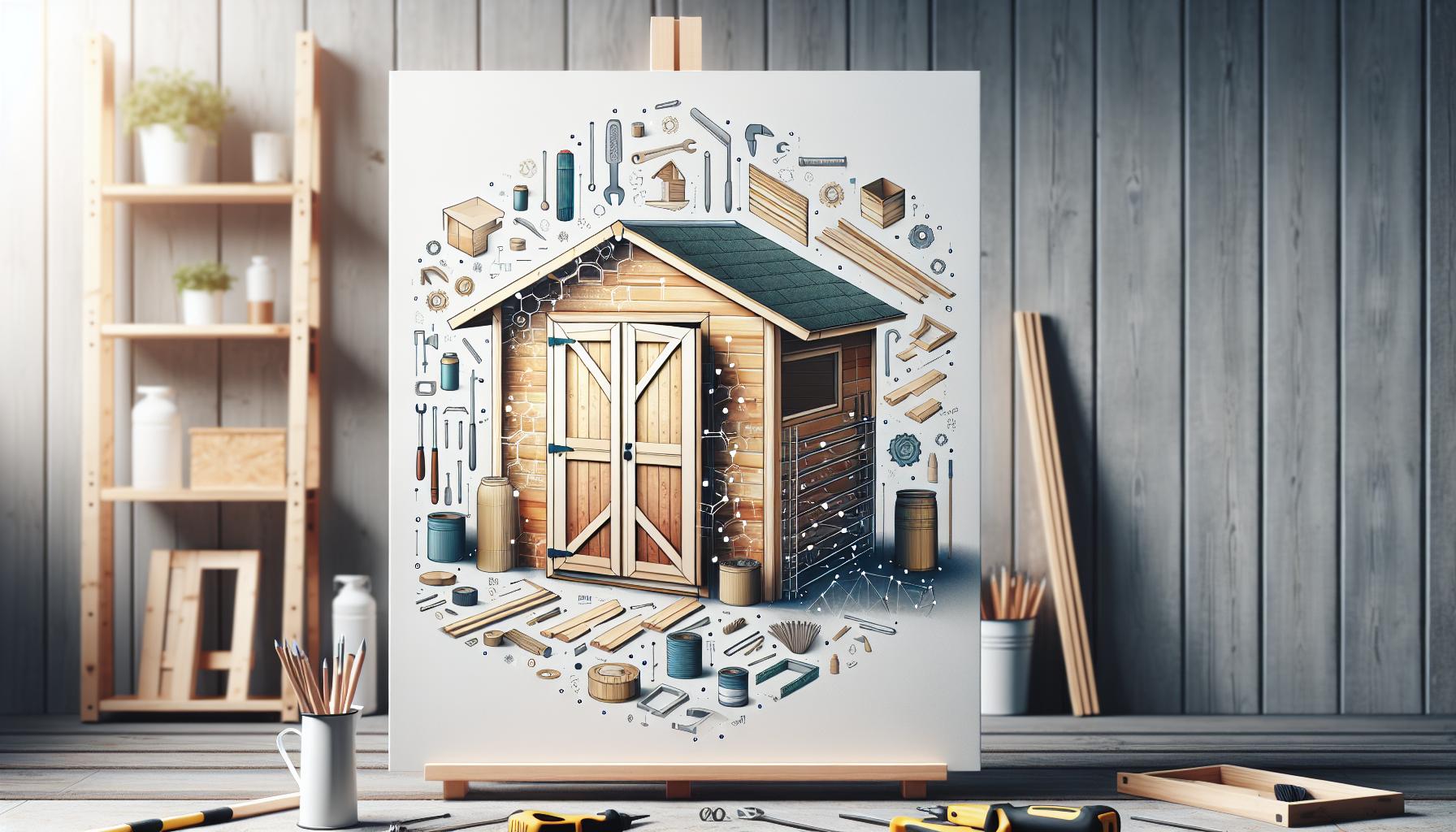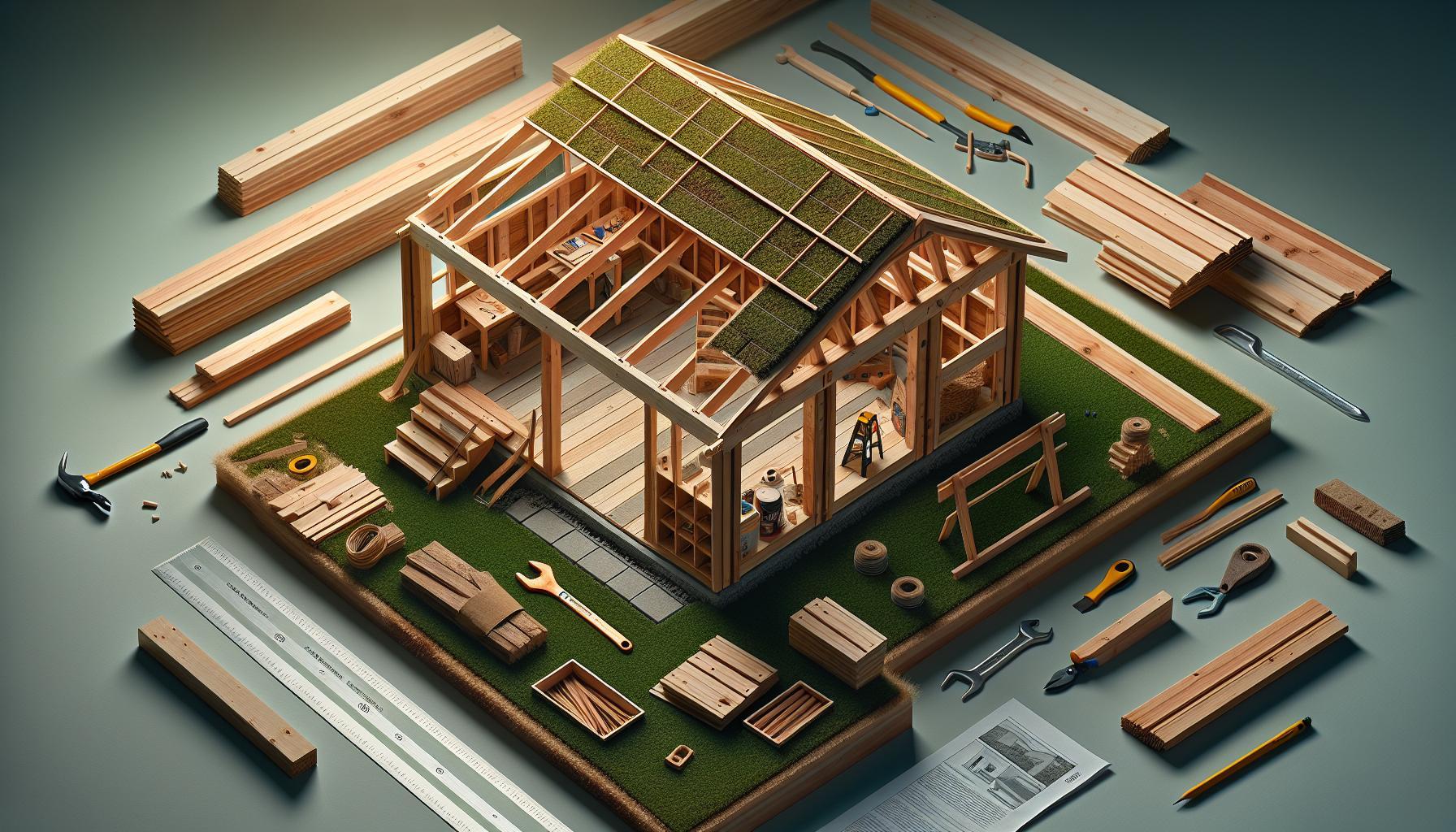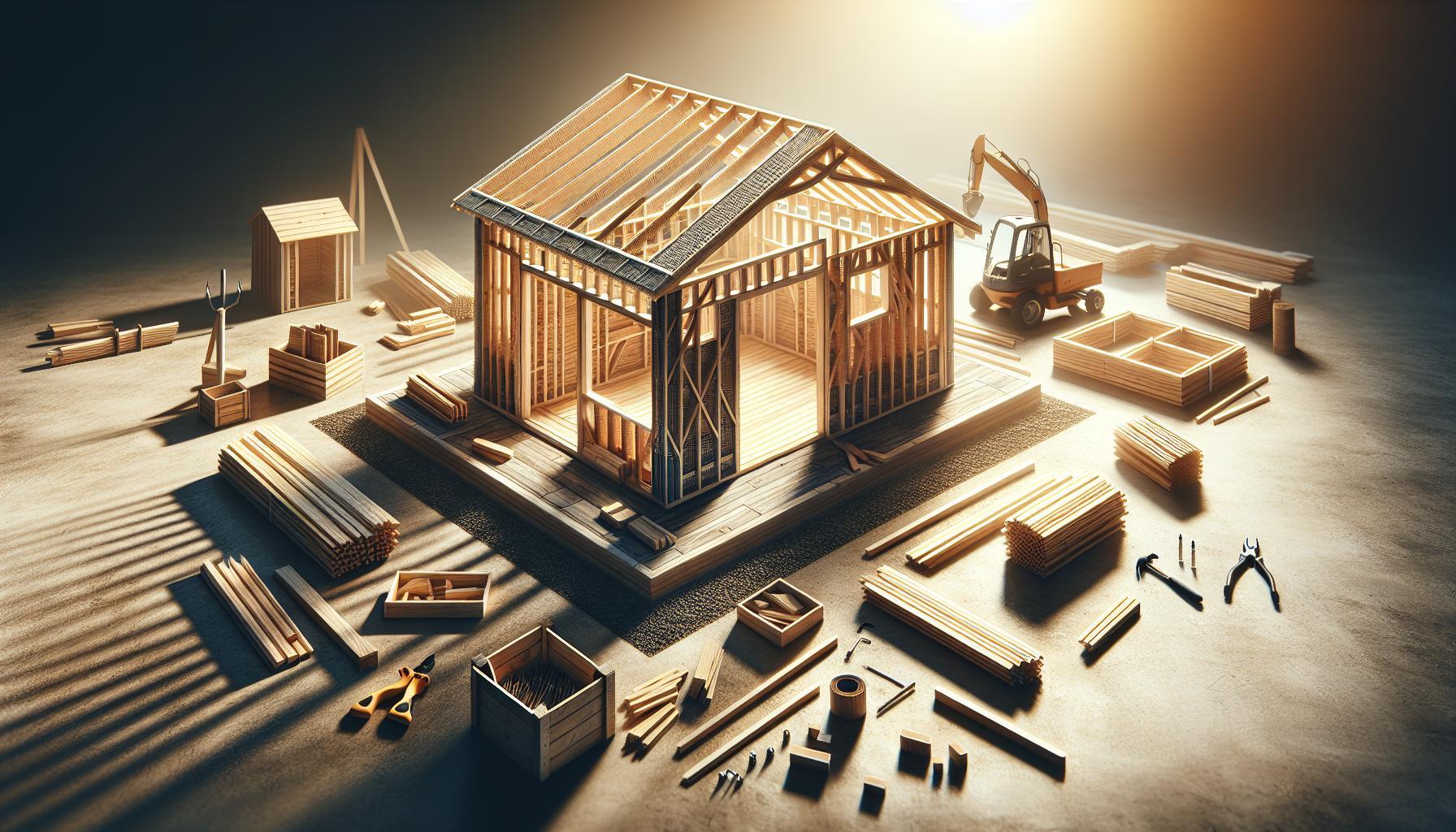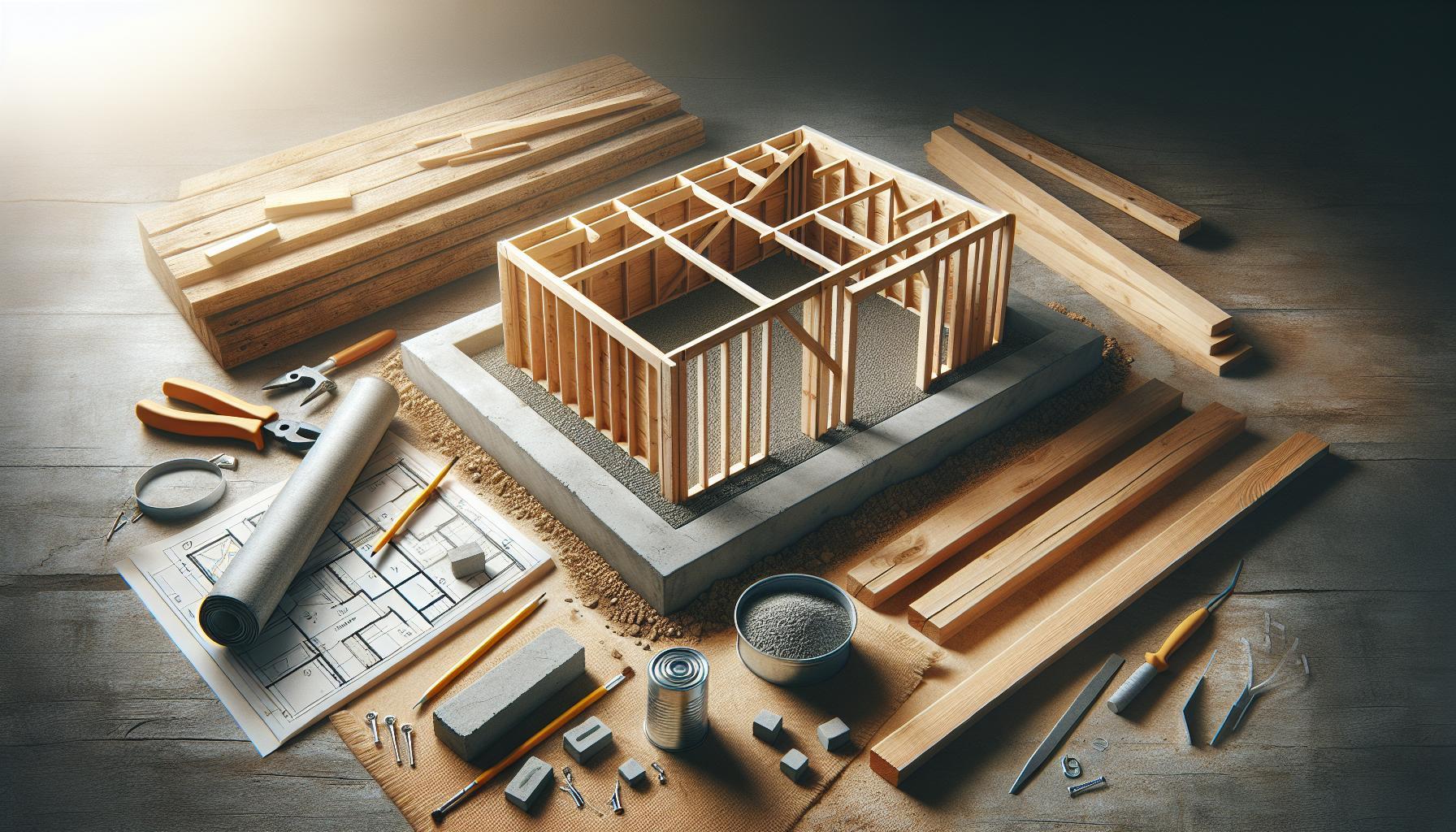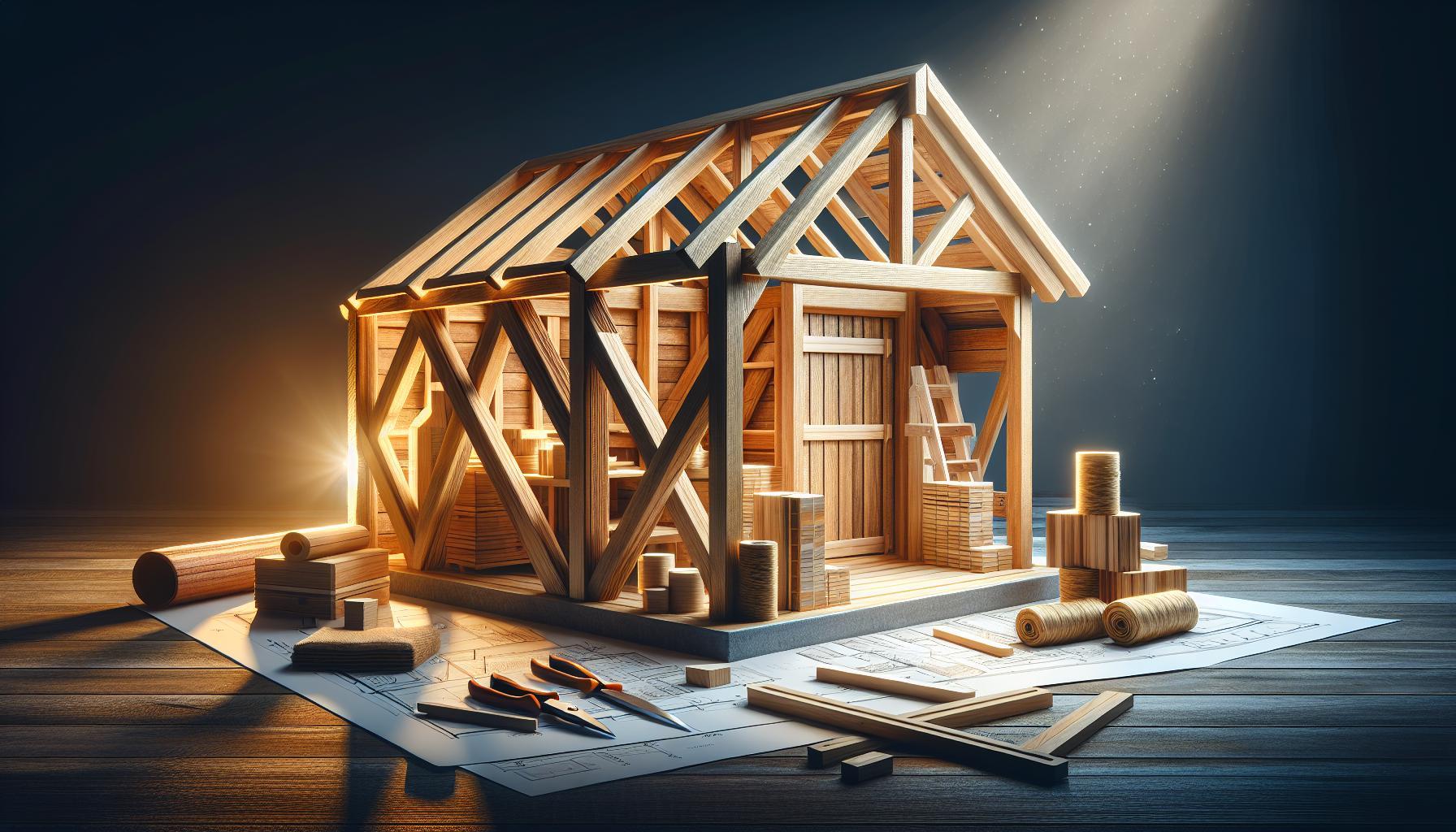

Is clutter taking over your yard or garage? Building a well-designed storage shed can be the perfect solution to organize your outdoor space while enhancing functionality. Explore smart design ideas that maximize storage potential, creating a practical and stylish addition to your property that meets all your storage needs.
Choosing the Right Location for Your Storage Shed: Factors to Consider

When embarking on the journey of building your storage shed, the first critical decision centers around its location. Selecting the ideal spot can influence not just the aesthetic appeal but also the functionality and longevity of your structure. A thoughtfully positioned shed can enhance your landscape, provide easy access to your tools and items, and protect your belongings from the elements.
Accessibility
The proximity of your shed to your home and frequently used areas in your yard is crucial. Choose a location that allows for easy access, especially if you plan to store tools or equipment that you will use regularly. Consider the following:
- Pathways: Ensure that the path to your shed is clear and well-defined, whether it’s using gravel, pavers, or stepping stones.
- Distance: Keep it reasonable; you don’t want to trek across the yard or muddy grass every time you need a tool.
- lighting: Consider adding lighting if the shed is away from home, making it easy to access at dusk or dawn.
Sunlight and Drainage
Natural elements play a meaningful role in the lifespan of your storage shed.Assess how sunlight and water drainage might affect your chosen location.
| Factor | consideration |
|---|---|
| Sunlight | Position the shed to avoid excessive direct sunlight, which can warp materials over time. Consider partial shade from nearby trees. |
| Drainage | Avoid low-lying areas prone to flooding, and consider grading the land to facilitate proper runoff around the shed. |
Local Regulations and Restrictions
Before you finalize your location, it’s essential to check local zoning laws and homeowner association (HOA) regulations. These rules might dictate where sheds can be placed, the size, and materials used. failing to comply can lead to fines or the need to relocate your shed after construction.
Additionally, think about the potential impact on neighbors. Placing your shed too close to a property line can create disputes, so it’s wise to maintain a respectful distance or obtain the necessary permissions from neighbors.
By taking these factors into consideration, you can ensure that your shed not only meets your storage needs but also complements your yard, providing functionality while enhancing your outdoor space as outlined in ‘How to Build Storage Shed: smart designs That Maximize Space.’
Essential Tools and Materials for Building a Functional Shed
Building a functional shed requires not only a solid plan but also the right tools and materials to bring your vision to life. an efficiently designed shed can serve multiple purposes—from a garden tool storage space to a cozy workshop—making it vital to select materials that are durable and fit the design aesthetics. Knowing what essential equipment you’ll need can simplify the build process and ensure you’re well-prepared for the task ahead.
Must-have Tools for Construction
A successful shed construction begins with quality tools. The following list highlights essential tools that will make your project smoother and more efficient:
- Measuring Tape: Accurate measurements are crucial. Always have a reliable measuring tape handy for planning dimensions.
- Power Drill: A cordless power drill is invaluable for driving screws into wood, saving you time and effort.
- Circular Saw: Ideal for cutting sheets of plywood or lumber, ensuring clean and precise cuts.
- Level: A level will help you ensure that your structure is even and balanced, preventing issues down the line.
- safety Gear: Never overlook the importance of safety goggles, gloves, and masks to protect yourself while working.
Key Materials to Consider
choosing the right materials influences the longevity and functionality of your shed. Here’s a breakdown of what you should gather before starting your project:
| Material | Description | Recommended Type |
|---|---|---|
| Lumber | The structural backbone of your shed; needs to be strong and weather-resistant. | pressure-treated wood or cedar |
| Roofing Material | Protects the interior from weather; varies in choice based on aesthetic and cost. | metal sheeting or shingles |
| Plywood | Used for walls and floors; provide a flat and sturdy surface. | exterior-grade plywood |
| Insulation (optional) | Keeps the shed warm in winter and cool in summer if you plan to use it as a workspace. | Foam boards or fiberglass |
Remember, while selecting materials, it’s important to consider your climate and the primary purpose of the shed. As a notable example, if you live in a humid area, opting for mold-resistant materials can add longevity to your structures. The right tools and materials are not only crucial for building but also ensure that your shed meets your functional needs, maximizing the effective space as envisioned in your designs.
Smart Design Ideas to Optimize Your Storage Space
Using effective design strategies can significantly enhance the utility of your storage shed, transforming it into a well-organized haven for your belongings. When it comes to maximizing space,a few smart ideas can make a world of difference,ensuring that everything has its place while remaining easily accessible.
Vertical Space Utilization
Many homeowners often overlook the potential of vertical space. By incorporating shelving units that reach upward, you create additional storage without sacrificing floor space. Consider using adjustable shelves,which can accommodate various items of different sizes. You can also install wall-mounted pegboards or hooks for tools, ensuring your equipment is neatly organized and easy to retrieve.
key components for vertical solutions:
- Wall shelves: Perfect for storing smaller boxes and containers.
- Hooks and pegboards: Ideal for hanging tools and gardening equipment.
- Overhead storage: Use the ceiling space for seasonal items or less-frequently used goods.
Multi-Functional Furniture
Transform your storage shed with multi-purpose furniture that serves dual roles while maximizing floor space. When selecting benches or foldable tables, prioritize designs that include hidden storage compartments. This approach not only declutters your shed but also creates a practical workspace or seating area.
Examples of multi-functional items include:
- Storage benches: Great for keeping outdoor gear out of sight and accessible.
- Folding tables: Useful for projects, and can be tucked away when not in use.
- Ottomans with storage: Ideal for organizing small items while providing extra seating.
Organizational Systems
To maintain an orderly surroundings, implement a robust organizational system. Clear storage bins labeled with their contents allow for easy identification while keeping items protected from dust and moisture. You could also use drawer organizers and bin systems to separate smaller items, ensuring they don’t get lost in the jumble.
Consider creating zones within your storage shed based on item categories — such as a gardening zone, tool zone, and seasonal décor area — to streamline your activities whenever you step inside. Here’s a simple breakdown:
| Zone | Items to Store |
|---|---|
| Gardening Zone | Tools,pots,soil,gloves |
| Tool Zone | Hand tools,power tools,nails,screws |
| Seasonal Zone | Decorations,outdoor furniture,winter gear |
By employing these intelligent design concepts,you can effectively learn how to build a storage shed that not only meets your needs but also enhances the functionality and aesthetics of your space. Optimize your storage experience by thinking creatively and utilizing every inch of available space.
Step-by-Step Guide to Constructing Your Shed Frame

Constructing the frame of your storage shed is a critical step that defines its stability and overall functionality. A well-built frame not only supports the structure but also enhances its longevity and capacity to withstand environmental elements. As you embark on this rewarding DIY project, following a clear, step-by-step approach will keep you organized and ensure a successful outcome.
Understanding Your Design
Before you dive into the physical aspects of construction, it’s essential to have a detailed plan. Start with a design that maximizes your space, ensuring you’re aware of local building codes and permits required in your area. Consider the following aspects:
- Size: Determine the dimensions of the shed based on your storage needs.
- Materials: Choose durable materials, such as treated lumber for the frame and plywood for the walls.
- Foundation: Decide whether you’ll build on a concrete slab or elevate your shed on skids.
Gathering Your materials
with your design ready, it’s time to gather all necessary materials and tools. Here’s a simple checklist to help you get organized:
| Materials | Quantity |
|---|---|
| Treated lumber (2×4, 2×6) | As per design |
| Plywood sheets | Based on wall dimensions |
| Screws and nails | Varied, based on frame complexity |
| Concrete blocks (if applicable) | For foundation support |
| Tools: saw, drill, level, measuring tape | 1 each |
Building the Frame
With all the materials ready, begin constructing the frame. This involves several key steps:
- Lay the Foundation: If you’re using concrete blocks, ensure they are level and spaced according to your frame’s layout. It’s crucial for maintaining the integrity of the shed.
- Construct the base Frame: Using treated lumber, build a rectangular frame that matches the dimensions of your shed’s base. Secure the corners with screws for a sturdy setup.
- Set Up Vertical Supports: Cut your 2x4s or 2x6s to the height you desire for your shed. Attach these vertical supports at each corner of the base frame, ensuring they are vertically aligned with a level.
- Create Horizontal Supports: Add more horizontal pieces between the vertical supports to form the walls of your shed. This will enhance stability and provide a framework for attaching the exterior walls later.
- Reinforce the structure: For larger sheds, consider adding diagonal braces to the framework. This will prevent swaying and give the structure added strength against wind or structural stress.
By methodically following these steps, you will establish a solid frame that serves as a robust foundation for your storage shed. The effort you put into this stage will significantly influence how well your shed will hold up over time, showcasing how to build a storage shed that truly maximizes space and functionality.
Innovative Interior Storage Solutions: Shelves, Hooks, and More
To maximize every square inch in your storage shed, it’s essential to think creatively about how to use the vertical and horizontal spaces available.Innovative interior storage solutions such as customized shelves, strategically placed hooks, and multi-functional furniture can revolutionize your shed’s association. By embracing these smart designs, you not only increase storage capacity but also ensure easy accessibility and a clutter-free environment.
Smart Shelving Solutions
Installing shelves in your storage shed is one of the most efficient ways to utilize vertical space. Consider the following ideas for your shelving system:
- Adjustable Shelves: Create flexibility by using adjustable brackets that allow you to change shelf heights as needed. This is particularly useful for accommodating different types of items.
- Corner Shelves: Maximize corners with corner shelves that take advantage of otherwise wasted space. Floating corner shelves can hold smaller tools or decorative items.
- Wall-Mounted Shelves: Keep the floor clear by extending shelves along the walls. Use sturdy materials to ensure they can support heavier items, such as paint cans or gardening supplies.
Using a combination of these shelving strategies can lead to significant gains in your storage efficiency, tailored to your specific needs.
Efficient Hooks and Hangers
Hooks and hangers provide an excellent way to store items vertically and keep frequently used tools within reach. Here’s how to implement an effective hanging system:
- Pegboard Systems: A pegboard is a versatile and customizable option for storing tools, garden gear, and even small items. Hooks can be repositioned easily based on your changing needs.
- Overhead Storage Hooks: Utilize the ceiling area by installing overhead hooks for items like ladders, bikes, or anything else that can be suspended. This keeps your floor clear and maximizes available space.
- Magnetic Strips: Consider adding magnetic strips for metal tools and parts. This fast-access storage solution not only saves space but also enhances the aesthetic appeal of your shed.
These techniques will help you create a tidy, organized space, making it easy to find and store your supplies.
Multi-Functional Furniture
Along with shelves and hooks, consider multi-functional furniture that serves more than one purpose. For instance:
- Storage Benches: A bench with built-in storage can act as a seating area while also providing ample room for tools or gardening supplies.
- Nesting Tables: Use nesting tables that can be separated when needed but tucked away to save space when not in use.
- Tool Chests: Instead of customary tool storage, opt for a tool chest that doubles as a work surface, providing both storage and a functional workspace.
By integrating these smart storage ideas into your shed design, you can create an efficient, well-organized environment that makes maintaining your outdoor projects enjoyable and hassle-free. Always remember that the goal of any storage solution is to create a space that enhances productivity while reducing clutter.
Weatherproofing Your Shed: Tips to Protect Your Investment
Ensuring your shed remains in top condition is crucial for getting the most out of your investment. A well-built structure can serve you for years, but the elements can take their toll if proper precautions aren’t taken. Weatherproofing your shed not only preserves its integrity but also extends its lifespan,making it fundamentally critically important for any homeowner interested in practical storage solutions.
Protecting Against Moisture
One of the primary threats to your shed is moisture, which can lead to rot and mold. Here are some effective strategies to mitigate moisture damage:
- Proper Ventilation: Installing vents allows air circulation, reducing humidity levels inside the shed. Consider adding either static vents or powered fans.
- Elevate the Shed: Building your shed on a raised platform ensures that water doesn’t accumulate around its base,preventing rot and decay.
- Use Water-Resistant Materials: Opt for treated wood or composite materials that resist rot and decay when constructing your shed.
Shielding from the Elements
Strong winds and harsh weather can impact the exterior of your shed. Here are key measures to keep your shed safe and weather-tight:
- Seal Gaps and Cracks: Regularly inspect and caulk any holes or gaps in walls, windows, and doors. This will prevent wind-driven rain from entering.
- Install a Durable Roof: Choose roofing materials that withstand the local climate—metal or shingles can be great options.
- Reinforce Doors and Windows: Using weatherstripping around doors and windows creates better seals, preventing drafts and moisture ingress.
Insulation and Temperature Control
Along with protecting your shed from moisture, consider options for climate control inside. For those storing tools or electronics, this can be particularly critical:
- Add Insulation: Insulating the walls with foam boards or fiberglass can keep temperatures stable, protecting your stored items from extreme weather.
- Install a Small Heater or fan: During winter months, a small electric heater can definitely help maintain a moderate temperature, while fans can reduce humidity levels in summer.
| Weatherproofing Tip | Description |
|---|---|
| Proper Ventilation | Maintains air circulation to reduce humidity. |
| Elevate the Shed | Prevents water accumulation at the base. |
| Seal Gaps | Stops the entry of wind and rain. |
| Improve Insulation | Helps moderate temperature and protect contents. |
By adopting these weatherproofing strategies, you will not only enhance the durability of your shed but also maximize the efficiency of your space, aligning perfectly with the wise designs discussed in how to build a storage shed that optimizes functionality.
Personalizing your Shed: Stylish Finishes and Functional Additions

Adding personal touches to your storage shed can elevate its aesthetic appeal and enhance its functionality, making it not just a place to store tools and equipment, but also a space that reflects your personality. Whether you envision a rustic retreat or a modern workspace, combining stylish finishes with practical enhancements will create a harmonious environment. Here are some ideas to consider when customizing your shed:
Choose the Right Colors and Materials
Selecting the right paint and materials can instantly transform the appearance of your storage shed. Here are some options to consider:
- Earthy Tones: Shades of brown, green, and gray can help your shed blend into a natural landscape, providing a serene backdrop.
- Bright Colors: If you want your shed to stand out, bold colors like red or blue can make a striking statement.
- Wood Finishes: Staining or treating wood can enhance its beauty while protecting it from the elements.
Incorporating elements like trim, shutters, or decorative accents can also add to the charm, making your shed not just functional but aesthetically pleasing.
Innovative Storage Solutions
When considering how to maximize space, it’s essential to integrate functional additions that help you stay organized. Here are some innovative options to think about:
- Wall-Mounted Shelving: utilizing vertical space with shelves can free up floor space and keep items easily accessible.
- Magnetic Tool Strips: These are excellent for keeping tools visible and within reach while adding a modern touch.
- Overhead Storage Bins: Install overhead racks or bins to store seasonal items or infrequently used tools,making room for more accessible items below.
Think about how you use your shed regularly; this will guide you in selecting features that enhance your workflow and ease of access.
Lighting and Electrical Enhancements
Lighting can significantly affect the usability of your shed. A well-lit space not only improves visibility but can also create a warm atmosphere. Consider these options:
- Solar-Powered LED Lights: If your shed is off the grid, solar lights are an eco-kind option that are easy to install and maintain.
- Task Lighting: If you plan to use your shed for hobbies like woodworking or gardening, installing adjustable task lights can provide focused illumination where you need it most.
- String Lights: For a softer, inviting glow, adding string lights can create an enchanting ambiance.
Don’t overlook the importance of electrical outlets; ensuring you have enough power connections can facilitate the use of power tools, chargers, and other devices.
Tables for Color and Storage Options
To help visualize your choices, here’s a simple comparison of paint colors and storage solutions you might consider:
| Color Option | Material | Storage Solution |
|---|---|---|
| Forest Green | Wood paneling | Wall-mounted racks |
| Bright Red | Metal siding | Overhead bins |
| Soft Blue | Composite materials | Magnetic tool strips |
These personalizations not only contribute to a stylish exterior but also ensure your storage shed is a functional and efficient workspace. When embarking on your journey of how to build a storage shed that cleverly maximizes space, these touches can profoundly enhance your experience, turning a simple structure into a stylish and practical haven.
Common Challenges in Shed Construction and how to Overcome Them
Building a storage shed can be an exciting DIY project, but it often comes with its share of hurdles. Understanding these challenges ahead of time can help you tackle them more efficiently, ensuring your experience is as smooth and rewarding as possible. whether it’s improper planning or material shortages, each obstacle can derail your shed construction plans. Though,with smart designs and strategies,you can circumvent these issues and create a functional and stylish space that maximizes storage capacities.
Planning and design Hurdles
One of the primary challenges many encounter in shed construction is inadequate planning. A well-thought-out design is crucial for optimizing space and ensuring your shed meets your needs. To overcome this, start with a detailed blueprint that includes dimensions and layout. Consider using software tools or apps specifically designed for shed planning that allow for 3D visualization.
Additionally, conducting a needs assessment can significantly aid your planning process. Ask yourself:
- What items do I need to store?
- Do I require workspace within the shed?
- What is the climate like, and how will that affect materials?
Combining thorough planning with smart design ideas is essential for maximizing space and functionality.
Material selection Complications
Selecting the right materials can also present challenges. Often, individuals choose materials that may look appealing but don’t withstand the test of time or the elements. To ensure durability and build quality, consider the following criteria:
| Material | Pros | Cons |
|---|---|---|
| Wood | Natural aesthetic, customizable, good insulation | Requires maintenance, susceptible to pests |
| Metal | Durable, fire-resistant, low-maintenance | Can be prone to rust, less insulation |
| Vinyl | Low-maintenance, resistant to decay | limited structural strength, less customizable |
Selecting high-quality materials appropriate for your shed’s intended use can prevent future repairs and increase longevity, making your construction venture far more successful.
Regulatory and Permitting Issues
Another common barrier is navigating local building codes or permit requirements. Failing to follow these regulations can lead to fines or the need to dismantle your shed.To mitigate this, it’s essential to conduct research on local zoning laws and permit requirements before beginning your project.
Utilize online resources or consult with local building officials.Take the time to prepare and submit all necessary paperwork early in the process. Doing so will not only save you time but also pave the way for a smoother construction experience. Planning with local guidelines in mind can help ensure the longevity of your storage shed and avoid common pitfalls associated with non-compliance.
By being aware of these challenges and implementing strategic solutions, you can create a well-built storage shed that truly maximizes space and fulfills your needs.
Faq
How to Build Storage Shed: Smart Designs That Maximize Space?
To build a storage shed that maximizes space, begin by planning your design according to your needs. Consider options like vertical storage, built-in shelving, and using the walls efficiently.
Start with a clear idea of what you want to store.This will help inform your choice of dimensions, and, importantly, the layout you choose. As a notable example, using hooks and shelves can transform the space into a highly functional area.
What is a smart design for a storage shed?
A smart design for a storage shed is one that maximizes usability and space. Features like adjustable shelves, built-in benches, and overhead storage can significantly optimize your shed’s functionality.
Incorporating local climate considerations can also impact your design choice. As an example, opting for weatherproof materials aids in protection against decay over time. For more on optimal materials, check our complete guide on building materials.
Why does maximizing space in a storage shed matter?
Maximizing space in a storage shed is essential for efficient organization. An optimized shed allows greater accessibility and minimizes clutter, which enhances both functionality and aesthetics.
By improving your design to allow for more items, you enable a more streamlined workflow. think of how much easier it is to find tools or seasonal items when everything is organized neatly.
Can I design a storage shed without prior experience?
Yes, anyone can design a storage shed without prior experience. With the right resources and plans, even a beginner can create a functional and efficient workspace.
Start with clear blueprints that include all necessary measurements and details. There are numerous resources and tutorials available that guide you step-by-step. Don’t hesitate to ask for advice from friends or DIY communities, which can be incredibly supportive.
What tools do I need to build a storage shed?
Essential tools for building a storage shed typically include a saw, hammer, drill, and measuring tape. Additionally, having safety gear is crucial.
Gather your tools based on your design plan. A circular saw can help you cut wood to size,while a drill is important for assembling parts. Investing in quality tools will not only ease your process but also enhance the final finish of your project.
How long does it take to build a storage shed?
Building a storage shed can take anywhere from a few days to a couple of weeks, depending on complexity. Factors such as weather, skill level, and the size of the shed play significant roles.
For beginners, a simpler design might be more manageable within a week. however, if you opt for more intricate features and shelving, allow extra time. Ensure your timeline accounts for drying times for paints and finishes.
What are some common mistakes when building a storage shed?
Common mistakes include poor planning, insufficient foundation, and underestimating material costs. these oversights can lead to structural issues or added expenses.
To avoid these pitfalls, take your time with planning and double-check your measurements. Purchasing too little material can delay your project, so it’s wise to calculate with a buffer. Always refer to guidelines from reliable resources.
The Way Forward
As you embark on the journey of building your own storage shed, remember that smart design is the key to maximizing your space effectively. By understanding the fundamentals of layout, selecting materials wisely, and incorporating clever storage solutions, you’re not just constructing a shed; you’re creating an organized haven for your tools and belongings. Embrace the challenges that may arise—every DIY project comes with its hurdles, but each one is an possibility to refine your skills and enhance your craftsmanship.
Don’t hesitate to explore innovative designs that encourage efficiency without compromising aesthetics.Each step you take towards your completed shed empowers you to gain confidence in your abilities. Whether you’re a seasoned builder or a newcomer to DIY projects, the satisfaction of seeing your vision come to life is unmatched.
Now that you’ve equipped yourself with the right knowledge, it’s time to dive deeper into the world of shed building. Consider planning your space thoughtfully, and don’t shy away from seeking inspiration from design galleries or DIY communities. Your ideal storage solution is just around the corner,and with every nail you hammer and each board you cut,you’re crafting not just a space,but a functional piece of craftsmanship that reflects your personal touch.So gather your tools and let your creativity guide you—your dream shed awaits!
Get our latest guides, news, and insights highlighted in your Google Search & AI Overviews.