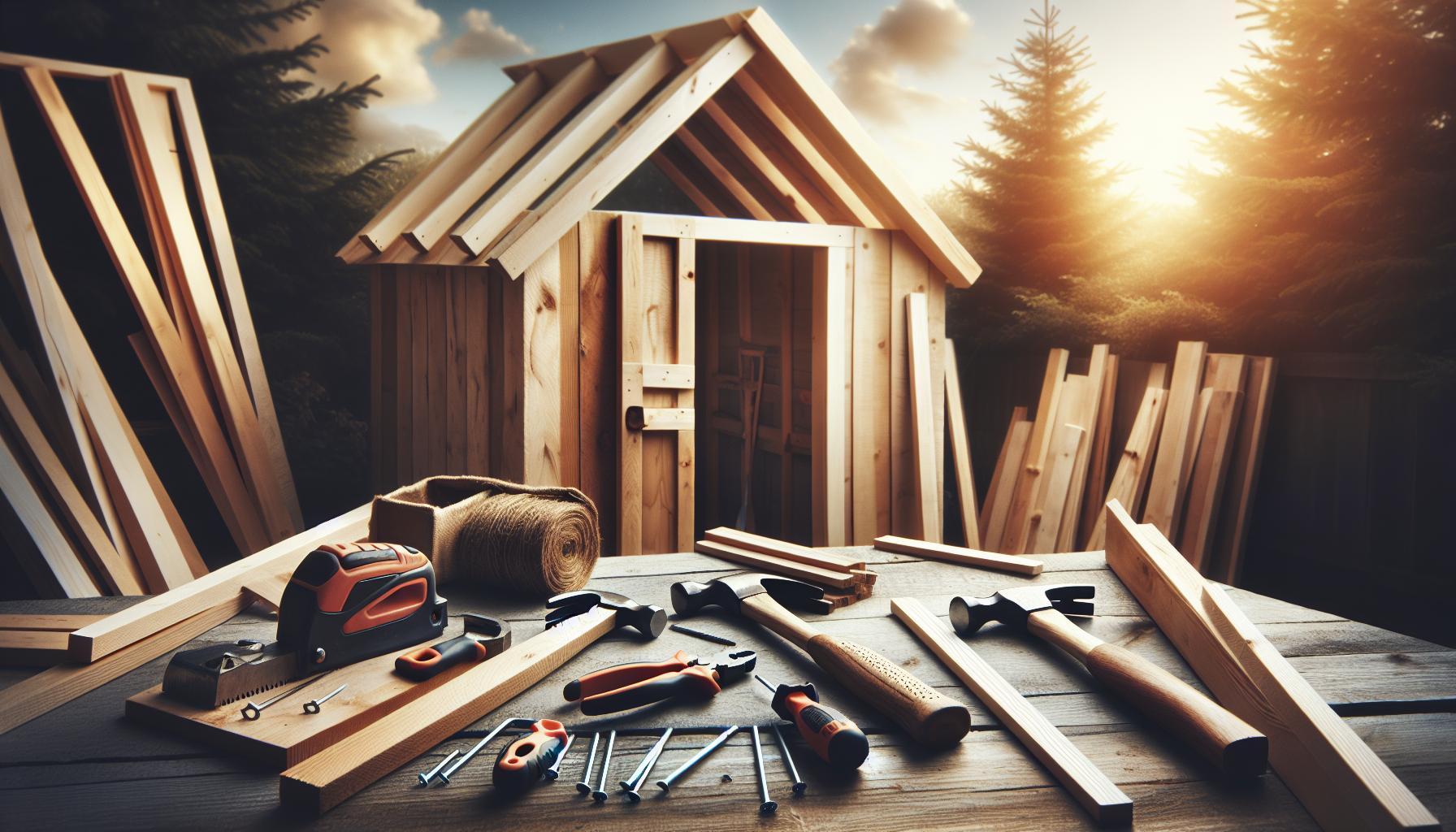
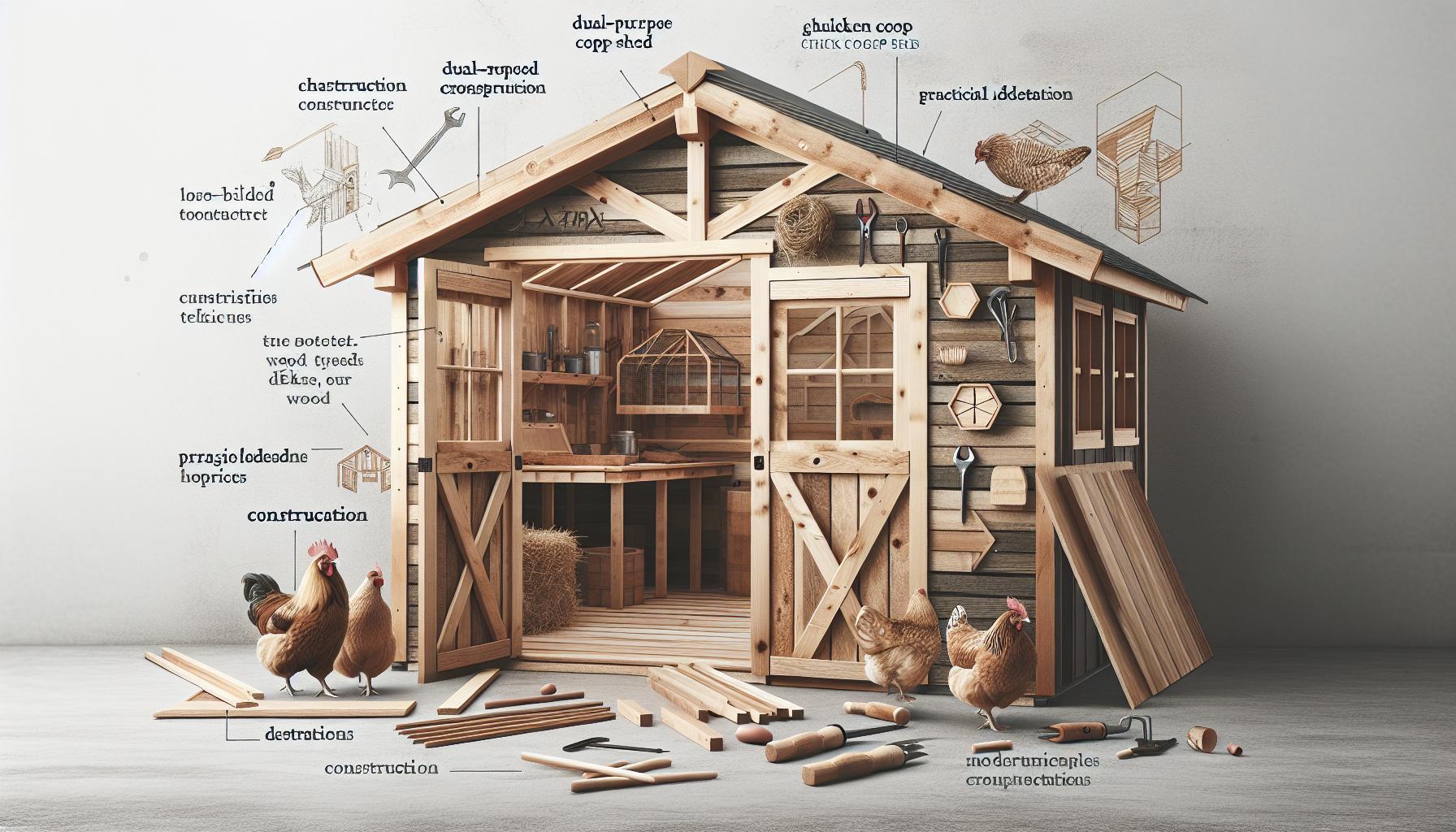
Are you tired of seeing your painted shed deteriorate under harsh weather conditions? Protecting your outdoor structures is crucial for durability and aesthetics. In this article, we’ll explore essential weather-resistant finishes that not only enhance the longevity of your painted shed but also keep it looking vibrant for years to come.
Selecting the Right Materials for Your Painted Shed
When constructing a painted shed, the materials you choose can substantially impact its durability and appearance. The right selection not only affects the shed’s resistance to weather but also its overall maintenance in the long run.By understanding the various options available, you can make informed choices that ensure your painted shed remains an attractive and functional addition to your property for years to come.
Consider the Structure
Selecting the appropriate exterior framing can greatly influence the longevity of your shed. Common materials include:
- Wood: Treated lumber is a popular choice due to its natural look and good insulation properties, but it requires proper sealing to protect against moisture and pests.
- Metal: Galvanized steel or aluminum frames are incredibly durable and resistant to rot and insects. However, they may require special coatings to prevent rust, notably in humid conditions.
- Vinyl: This low-maintenance option offers excellent weather resistance but may not provide the same aesthetic appeal as wood or metal.
Choosing the Right Sheathing
The sheathing plays a crucial role in protecting your shed from moisture penetration.Here are some options to consider:
| Material | Pros | Cons |
|---|---|---|
| Plywood | Affordable and widely available; good insulation properties | Can warp or rot if not treated properly |
| Oriented Strand Board (OSB) | Strong and economical; easy to work with | Less resistant to moisture unless sealed |
| fiber Cement Board | Highly resistant to moisture, rot, and pests | can be heavier and more expensive |
Regardless of the sheathing material you opt for, ensure it is adequately treated with a weather-resistant finish that aligns with your overall design vision. This not only enhances its aesthetic appeal but also extends its lifespan.
Finishing Touches Matter
The final layer of paint or treatment can make or break your shed’s weather resistance. Look for paints specifically designed for exteriors that offer UV protection and waterproofing features. brands that focus on outdoor performance frequently enough provide paints with added mildew resistance, which can be particularly beneficial in areas with high humidity.
By carefully selecting the materials for your painted shed, you can build a structure that not only withstands the elements but also complements your outdoor space beautifully. Investing time and thought into this process enhances both functionality and visual appeal,truly embodying the principles behind creating painted sheds with weather-resistant finishes that last for years.
Understanding Weather-Resistant finishes: What You Need to Know
When it comes to protecting outdoor structures like painted sheds,understanding the available finishes is essential to ensure longevity and durability against the elements. Many homeowners underestimate the impact that weather can have on unprotected wood surfaces, quickly leading to deterioration and fading. By choosing the right weather-resistant finishes, you can safeguard your investment, preserving both its appearance and structural integrity for many years.
Types of Weather-Resistant Finishes
It’s crucial to select a finish that complements your shed’s materials and your local climate. Below are some of the most effective weather-resistant options:
- Oil-based Paints: These paints penetrate deeply into wood surfaces, offering excellent protection against moisture. They are ideal for areas with heavy rainfall, but reapplication may be necessary more frequently.
- Acrylic Paints: Water-based and easier to clean up, acrylic paints provide a flexible finish that withstands temperature changes well. They’re less prone to cracking or peeling, making them a popular choice for painted sheds.
- Stains: Semi-transparent or solid stains enhance the natural beauty of wood while providing a layer of protection from UV rays and moisture. Stains are available in various colors, allowing customization while maintaining a weather-resistant barrier.
- Sealants: A protective sealant can be applied over paint or stain for added durability. Polyurethane or epoxy sealants create a hard, protective finish that resists abrasion and extends the life of your shed’s exterior.
Factors to Consider
When planning how to build your painted shed with finishes that truly last, consider the following factors:
| Factor | Description |
|---|---|
| Climate | Evaluate the typical weather conditions in your area. Heavy rainfall, extreme sunlight, and temperature fluctuations will influence your choice of finish. |
| Maintenance | Some finishes require more frequent touch-ups than others.Choose a product that fits your maintenance schedule. |
| Submission method | Consider whether you’ll be spraying, rolling, or brushing the finish. Each method may affect the choice of product. |
| Budget | Weather-resistant finishes can vary greatly in price. Investing in higher-quality options may pay off in the long run through reduced maintenance costs. |
By taking the time to understand these key elements of weather-resistant finishes, you can enhance the longevity of your painted shed project, ensuring that it not only looks great but can withstand the test of time. Make informed choices for a structure that will serve you well for many years to come.
Preparing Your Shed: Essential Steps Before Painting
Proper preparation is the cornerstone of any successful painting project, especially when it comes to ensuring that your shed not only looks great but also stands up to the elements for years to come. Before diving into the vibrant world of colors and finishes, it’s crucial to follow a systematic approach to ready your shed for painting. This not only enhances paint adherence but also boosts the longevity of the finish, particularly when following the guidelines on how to build a painted shed with weather-resistant finishes.
Assess and Repair
Begin by thoroughly examining the exterior of your shed. Look for signs of damage such as peeling paint, rust, or decay. Addressing these issues is a vital first step:
- Peeled Paint: Scrape away any loose paint and sand the edges until smooth.
- Mold and Mildew: Clean the surface with a mixture of water and a mild detergent to eliminate any fungal growth.
- Wood Rot: Replace any rotting wood to ensure a solid foundation for your new paint.
- Rusty Areas: Treat any rusty spots with a rust-inhibitive primer before painting.
Additionally, it’s critically important to fill any holes or gaps using an appropriate filler or sealant. This not only improves the aesthetic but also prevents moisture ingress, which can lead to future problems.
Clean and prepare the Surface
Once repairs are completed, a thorough cleaning of the surface is essential.Dust, dirt, and grease can substantially impede paint adherence, compromising your efforts. Utilize a pressure washer or a stiff brush with soapy water to remove contaminants from the surface. Rinse thoroughly and allow your shed ample time to dry—48 hours is generally ideal in good weather.
Select Suitable Paint and Primer
Choosing the right materials is key when considering how to build a painted shed that will withstand the elements. Look for paints specifically formulated for exterior use, as they are designed to handle moisture and temperature fluctuations. Moreover, a quality primer is crucial, especially over repaired or bare surfaces, providing a strong base that enhances the durability and appearance of your paint.
| Type of Paint | Features |
|---|---|
| Latex Paint | Fast-drying, easy to clean, and resistant to fading. |
| Oil-based Paint | Offers a durable finish and good for high-moisture areas. |
| Milk Paint | Eco-kind, non-toxic, with a unique matte finish. |
investing time and effort in these preliminary steps ensures that your painting project not only looks fantastic but also fortifies your shed against harsh weather conditions. Following these essential steps will empower you to create a stunning and enduring painted finish that you can admire for years to come.
Top Painting Techniques for Durability and Style
To ensure your painted shed withstands the test of time and the elements, mastering the right techniques is crucial. When it comes to achieving long-lasting and aesthetically pleasing results, the application method, choice of materials, and finishing techniques play a significant role. Here are some key strategies to consider for enhancing both durability and style in your painted shed project.
Choosing the Right Paint
Opting for high-quality exterior paint designed to endure harsh weather conditions is essential. Look for paints that offer UV protection, mildew resistance, and flexibility, which can prevent cracking as the wood expands and contracts with temperature changes. Acrylic-based paints are an excellent choice due to thier durability and water resistance, making them ideal for the unpredictable elements your shed will face.
Surface Preparation is Key
Before you even touch the paintbrush, preparing the surface of your shed is vital. This includes cleaning, sanding, and priming the wood. use a power washer or a simple detergent solution to clean off dirt and mildew, followed by sanding to create a smooth surface that promotes paint adhesion. A high-quality primer is essential, especially for raw or porous wood, as it seals the surface and enhances the paint’s durability.
- Clean Thoroughly: Remove any dirt, dust, or old paint.
- Sanding: Smooth out rough patches and old finishes.
- Priming: Apply a coat of primer for better adhesion.
Application Techniques for Longevity
When applying paint, various techniques can influence both the look and lifespan of your finish. Using a spray applicator can ensure an even coat and reach difficult areas,while a roller provides a smooth,consistent finish for larger surfaces. Always apply multiple thin coats rather than one thick coat; this method not only improves drying time but significantly enhances durability. Make sure to allow proper drying time between coats according to the manufacturer’s recommendations.
Table of Recommended Techniques
| Technique | Description | Benefits |
|---|---|---|
| Spray Application | Using a spray gun for even coverage. | Reaches tricky spots, smooth finish. |
| Rolling | Applying paint with a roller for flat surfaces. | Quick application, uniform results. |
| Brushing | Using a brush for detail work and edges. | Precision in detailed areas, blends edges well. |
Ultimately, combining these elements—quality materials, meticulous preparation, and smart application techniques—will significantly enhance the longevity and visual appeal of your painted shed. Taking the time to implement these strategies will ensure that your creation not only looks good but also stands resilient against nature’s elements for years to come.
Maintenance Strategies for Long-Lasting Shed Finishes
Maintaining the vibrant and weather-resistant finishes of your painted shed is crucial to prolonging its lifespan and aesthetic appeal. Did you know that regular upkeep can extend the life of your shed’s paint job by several years? By implementing strategic maintenance practices, you can safeguard your investment and keep your shed looking its best, no matter what the elements throw at it.
Regular Inspections
Conducting regular inspections is the first step in ensuring your painted shed remains in optimal condition. Aim to check your shed at least twice a year, ideally during spring and fall. Look for any signs of wear and tear, including:
- Cracks or Peeling Paint: These can lead to moisture infiltration, which may cause the wood to rot.
- Rust on Hardware: Metal components like hinges and locks can corrode, undermining their integrity.
- Water Damage: Check for any areas where water pooling may occur, leading to mold or mildew.
Document any issues and address them promptly to prevent more extensive repairs later.
Cleaning Your Shed
A clean shed is not only visually appealing but also essential for maintaining the integrity of the finish. Here are some practical cleaning tips:
- Use Mild Soap: Mix warm water with a gentle soap and scrub the exterior with a soft brush to remove dirt and grime.
- Rinse Thoroughly: Ensure all soap is washed off to prevent residue buildup, which can deteriorate the paint over time.
- Address Mold and Mildew: For stubborn spots, a mixture of vinegar and water works wonders, but test it first on an inconspicuous area.
Schedule these cleanings at least once a year, or more frequently in areas prone to heavy dirt accumulation or high humidity.
Touch-Ups and Repainting
Over time, wear and tear are unavoidable, and some areas may require touch-ups. Be proactive by keeping extra paint on hand that matches your shed’s original color. Here are some maintenance tips regarding touch-ups:
| Issue | Action | Recommended Frequency |
|---|---|---|
| Fading or Color Loss | Apply a matching paint coat | Every 2-3 years |
| Peeling or Flaking Paint | sand and repaint affected areas | As needed |
| Rust on Metal Parts | clean and apply rust-inhibitive paint | annually |
By addressing these problems early, you can prevent more significant issues and extend the life of your shed, ensuring it remains a reliable and attractive feature of your property for years to come.
Common Mistakes to Avoid When Building and Painting Your Shed
Building and painting a shed can be a rewarding DIY project that adds value to your property, but there are common pitfalls that can turn your shed dreams into a frustrating reality.Many homeowners jump into construction without a clear plan or adequate preparation, leading to costly mistakes down the line. Understanding these missteps can mean the difference between a beautiful, weather-resistant shed and one that needs repairs in just a few short years.
Skipping Proper Preparation
One of the most significant mistakes is neglecting the preparatory stages before both building and painting your shed. Whether you are assembling from scratch or using a kit,always ensure you have a solid foundation. This can include:
- Clearing the area of debris and vegetation
- Leveling the ground to prevent water pooling
- Laying a moisture barrier before construction
A well-prepared site not only enhances the stability of your shed but also extends its lifespan by minimizing moisture-related issues.
Using Low-Quality Materials
When it comes to building a painted shed,the materials you choose can make or break your project. Opting for low-quality wood or finishes may save money initially but can lead to significant expenses later. It’s essential to invest in weather-resistant materials that can withstand your local climate. Such as, pressure-treated lumber and marine-grade plywood are excellent for resisting moisture, which is vital if you want your painted shed to hold up against the elements.
| Material | Pros | Cons |
|---|---|---|
| Pressure-Treated Lumber | Moisture resistant, strong | Requires careful handling due to chemicals |
| Marine-Grade Plywood | Excellent water resistance | More expensive than regular plywood |
| Standard Pine | Cost-effective, easy to paint | Not resistant to rot without treatment |
Neglecting Weather-Resistant Finishes
Another frequent oversight is the application—or lack thereof—of proper weather-resistant finishes. A painted shed should not only look good but also provide protection from the elements. Always make sure to follow these steps when applying paint:
- Choose high-quality exterior paint specifically designed for your shed’s material.
- Apply primer before painting to enhance adhesion and durability.
- Consider adding a sealant for extra protection against rain, snow, and UV rays.
Rushing through the finishing process can lead to uneven coverage,peeling paint,and a shed that deteriorates quicker than expected. Taking the time to apply the right finishes will help ensure your painted shed stands strong against the test of time.
Navigating Legal Considerations and Building Codes for Your Shed
Building a shed can be an exciting venture, offering not only increased storage space but also possibly enhancing the value of your property. However, as you embark on this project, it is vital to navigate the murky waters of legal considerations and building codes to ensure a smooth construction process. Ignoring these factors can lead to costly fines or even the dismantling of your hard work. Therefore, understanding the rules within your area is as crucial as selecting the right weather-resistant finishes for your painted shed.
Understanding Local regulations
Local building codes vary significantly from one jurisdiction to another. Before starting your project, check with your local planning office or building department to learn about any permits you may need. Essential points to inquire about include:
- Zoning restrictions: Ensure your intended location complies with zoning laws, which may dictate the type of structures allowable on your property.
- Setback requirements: These define how far your shed must be from property lines.
- Size limitations: Many areas have restrictions on the dimensions of accessory structures.
- Height regulations: Your shed’s elevation could also be subject to planning ordinances.
Obtaining the necessary permits not only safeguards your investment but also guarantees that your shed meets safety standards. For example, a homeowner in Austin, texas, faced a fine of over $1,200 for building a shed without the required permit, while a similar situation in Denver ended with the forced removal of a new garden shed.
Importance of Building Codes
Building codes are designed to ensure public safety,health,and general welfare. Understanding these codes can also lay the groundwork for choosing the right materials and weather-resistant finishes for your shed. Key components to consider include:
- Structural integrity: Building codes will dictate the materials and construction methods necessary to withstand local weather conditions.
- Electrical and plumbing standards: if your shed includes electricity or water supply, adhering to national and local codes is essential.
- Insulation and ventilation: Codes may require specific calculations for energy efficiency and air circulation.
By following these codes, not only do you make your shed more durable, but you also extend the lifespan of its painted finishes. Properly constructed sheds can better withstand the elements, ensuring that your weather-resistant finishes last for years.
| Key Considerations | Implications |
|---|---|
| Permits | Might be required; failure to obtain can result in fines. |
| Zoning and Setbacks | Regulations determine where you can place your shed. |
| Building Codes | Ensures safety and structural integrity of the shed. |
| Materials | Must meet specific standards for durability and weather resistance. |
Taking the time to thoroughly understand and comply with local regulations and building codes can transform your shed construction from a risky endeavor into a positive, fulfilling project.
Inspiring Design Ideas: Making Your shed a Personal Retreat
Transforming a simple shed into a personal retreat can be a truly rewarding project. Whether it’s for meditation, a creative studio, or a cozy reading nook, the right design can elevate your outdoor space into an enchanting escape. With the right painted shed and durable finishes, you can create an inviting ambiance that withstands the elements, allowing you to enjoy your personal sanctuary for years to come.
Key Elements to Consider
When embarking on this journey of conversion, consider the following elements that will contribute to a serene and functional retreat:
- Agreeable Furnishings: Incorporate seating options like cushioned benches or a small loveseat adorned with outdoor-friendly pillows. Choose furniture that complements the color scheme of your painted shed.
- Natural Lighting: Maximize natural light through strategically placed windows or skylights. Clear,weather-resistant finishes will help ensure that these features last while brightening your space.
- Personal Touches: Decorate with plants, art, or sentimental items that resonate with you, making the shed feel like home. Weather-resistant displays can help maintain the aesthetics despite exposure to outdoor elements.
- Functional Areas: Define different zones such as a workspace for hobbies or a reading corner. Organizing your shed space can enhance both relaxation and creativity.
Color and Finish Selection
Choosing the right colors and finishes is crucial to not only make your shed aesthetically pleasing but also to ensure longevity. Following the principles outlined in “How to Build Painted Shed: Weather-Resistant Finishes That Last for Years,” consider using:
| Color | Finish Type | Benefit |
|---|---|---|
| Soft Pastels | Matte Paint | Creates a calm atmosphere that promotes relaxation. |
| Shining Tones | Glossy Finish | Reflects sunlight and energizes the space. |
| Earthy Neutrals | Weather-Resistant Stain | Enhances natural wood grains while offering superior protection. |
These choices will not only add aesthetic appeal but also accentuate the weather-resistant qualities outlined in the previous topic, ensuring that your shed remains a beautiful retreat for years to come.
By incorporating thoughtful design elements and weather-resistant features, your shed can seamlessly transition from a utilitarian space into a delightful personal retreat that reflects your style and serves your needs. Dive into your project with passion, and watch as your vision transforms bricks and wood into a cherished escape.
Faq
How to Build a Painted Shed: Weather-resistant Finishes That Last for Years?
to build a painted shed that can withstand the elements,start with high-quality weather-resistant materials and finishes. Proper preparation, such as priming and sealing, is essential to ensure a lasting finish that can endure UV exposure and moisture.
Choose materials like marine-grade plywood for the structure and select weather-resistant paints or stains specifically designed for outdoor use. Additionally, always prep your wood by sanding and applying a protective primer to maximize durability and enhance paint adherence.
What is the best finish for a painted shed?
The best finish for a painted shed is a high-quality exterior paint or stain that provides UV protection and is resistant to moisture. Products such as acrylic latex paints or oil-based stains can offer excellent longevity.
When choosing a finish, consider those specifically labeled as weather-resistant. These products often contain additives designed to repel water and resist mold, ensuring that your painted shed looks great for years to come. A well-prepped surface is crucial for any finish’s effectiveness.
Why does my painted shed peel?
Peeled paint on a shed is usually caused by poor surface preparation or inadequate weather-resistant finishes. Moisture trapped under the paint layer can also contribute to peeling and flaking.
To prevent peeling, always ensure that the wood is dry before painting and use a quality primer and paint. The combination of proper prep work, a suitable finish, and regular maintenance—such as cleaning and resealing—can significantly enhance the longevity of your shed’s appearance.
Can I repaint my painted shed without stripping old paint?
Yes, you can repaint a painted shed without completely stripping the old paint, but it’s essential to prepare the surface properly. Lightly sanding the surface and applying a primer can definitely help the new paint adhere better.
Make sure to inspect the existing paint for any signs of damage or peeling; these areas may need to be repaired before adding a new coat. Use a quality exterior paint that adheres well to existing finishes for the best results.
How frequently enough should I repaint my shed?
It’s recommended to repaint your shed every 5 to 8 years, depending on the local climate and the quality of the original paint. Regular inspections can help you determine the best timing for maintenance.
Look for signs of wear, such as fading, peeling, or cracking. A protective coat as provided by weather-resistant finishes can extend this timeline significantly. Keeping your shed clean will also help preserve the paint and materials longer.
What materials do I need to build a weather-resistant shed?
To build a weather-resistant shed, gather materials such as treated lumber, marine-grade plywood, and high-quality exterior paint or stain. Don’t forget premium screws and nails that resist rust.
Incorporate flashing and gutters to divert rain and keep your shed’s exterior dry. Using durable materials from the start minimizes maintenance and ensures the longevity of your shed against the elements.
What is the best way to prepare wood for exterior paint?
The best way to prepare wood for exterior paint is by cleaning, sanding, and priming the surface. Start by removing dirt,debris,and any old peeling paint.
Use medium-grit sandpaper to create a smooth surface for painting, then apply a high-quality primer that suits outdoor applications.Proper preparation helps ensure the paint adheres well,which is crucial in achieving long-lasting results.
Are there any specific legal considerations when building a shed?
Yes, there are often local zoning laws and building codes to consider when building a shed. It’s essential to check with your municipality to ensure compliance with regulations concerning size, location, and permits.
Failure to adhere to these laws can lead to fines or the requirement to remove the structure.Proper research can help you avoid issues and make your shed a valuable addition to your property.
Final Thoughts
As we wrap up our journey into the world of building a painted shed with weather-resistant finishes,it’s important to remember a few key takeaways. First, selecting the right materials—such as marine-grade plywood or rot-resistant cedar—is essential for longevity. Understanding the meaning of proper preparation techniques, like sanding and priming, can dramatically enhance the durability of your chosen paint. Additionally, using high-quality, UV-resistant finishes will ensure that your shed withstands the elements while maintaining its aesthetic appeal for years to come.
Building a shed is not just a structural endeavor; it’s an chance to express your creativity and craftsmanship. embrace the learning curve and remember that every challenge is a chance to refine your skills. With patience and perseverance, you can create a functional space that not only meets your storage needs but also enhances your property.
We encourage you to delve deeper into the practical techniques outlined here and explore additional resources that may spark your creativity. Sharing your experiences and engaging with fellow builders can provide invaluable insights. So grab your tools, unleash your creativity, and embark on a project that reflects your personal style! Your perfect painted shed awaits.
Get our latest guides, news, and insights highlighted in your Google Search & AI Overviews.