


Are you dreaming of a small shed but worried about the expenses? Building your own storage space can be a game-changer for organizing tools, garden supplies, or even creating a cozy workspace. In this guide, we’ll explore budget-kind options and provide insights into the average costs to help you make your shed vision a reality without breaking the bank.
Understanding the Basics: Factors that Influence Shed Construction Costs
Building a small shed can be a rewarding project, whether you’re looking to add extra storage space, a garden workspace, or even a cozy retreat. However,understanding the various factors that can influence construction costs is crucial to ensure your project stays on budget. Each element in the shed construction process can substantially alter the final price, making it essential to explore these variables in detail.
Material Choices
One of the most important factors affecting the cost of building a small shed is the choice of materials. Options range from basic plywood to premium hardwoods, with prices varying considerably:
- Plywood: Affordable and widely available, it can serve well for basic sheds.
- vinyl: low maintenance but comes at a higher price point.
- Metal: Offers durability and is fire-resistant; however, initial costs may be higher than wood.
- Wood (e.g., cedar, redwood): Gorgeous and classic, yet often more expensive.
Making thoughtful choices about materials based on your budget and intended use is vital,as it can lead to significant savings or unnecessary expenses in the overall budget.
Size and Design Complexity
Another critical consideration is the size of your shed and the complexity of its design. Generally, the larger and more intricate the structure, the higher the costs. Here are some aspects to keep in mind:
- Size: A 6×8-foot shed will cost significantly less than a 10×20-foot shed.
- design Features: Including windows, lofts, or custom shelving can increase both material and labor costs.
- Foundation type: Concrete slabs are more expensive than gravel bases but offer better durability.
Investing some time in determining the right dimensions and features can help align your vision with your budget.
Labor Costs
Labor costs can also vary widely depending on whether you plan on constructing the shed yourself or hiring professionals. While DIY projects can provide cost savings, it’s essential to consider your skill level and the time required for the project.Here’s a comparison:
| Option | Cost Implications | Pros | Cons |
|---|---|---|---|
| DIY | Lower costs (mostly materials) | Control over design and budget | Time-consuming; requires skills |
| hiring professionals | Higher costs (labor + materials) | Expertise; quicker completion | Less control over budget |
Ultimately, assessing your own capabilities alongside potential labor fees will influence your shed project budget significantly.Considering these different aspects—materials, size, design complexity, and labor—will equip you with the necessary knowledge to plan your shed construction effectively. By understanding how these factors interact to effect total costs, you can make informed decisions that align with your vision and budget. Whether you’re examining how much it costs to build a small shed or seeking budget-friendly options, keeping these essentials in mind will guide your project towards success.
Choosing the Right Materials: Balancing Quality and Budget
Selecting the right materials for constructing a small shed can significantly influence both the overall quality and the financial investment required. it’s essential to understand that not all materials are created equal; some may offer long-term durability while others might compromise on costs. Whether you’re drawn to high-end materials or looking for budget-friendly options, finding a balance is key to realizing your vision without breaking the bank.
Popular Material Choices
When considering options for your shed, you’ll encounter a variety of materials, each with distinct benefits and drawbacks:
- Wood: Traditional and visually appealing, wood is often favored for its versatility. However, it requires regular maintenance and treatment to withstand the elements. Pressure-treated lumber can enhance durability but may elevate costs.
- Metal: Steel or aluminum sheds are becoming increasingly popular due to their strength and low maintenance. While the initial investment may be higher, their longevity makes them a worthwhile consideration over time.
- Vinyl: Known for its resistance to rot and low upkeep, vinyl can be a smarter option for those less inclined to devote time to maintenance. This material typically commands a higher price but offers long-lasting benefits.
analyzing Costs Versus value
To make an informed decision, you should evaluate how much you’re willing to spend against the performance you expect from your shed. Here’s a simplified breakdown of typical material costs per square foot that factors into the overall project budget:
| Material Type | Cost per Square Foot | Durability Rating |
|---|---|---|
| Wood | $15 – $30 | Moderate |
| Metal | $25 – $50 | High |
| Vinyl | $30 – $60 | Very High |
Focus on your priorities: is longevity more critical than aesthetic appeal, or do you crave customization regardless of maintenance? investing in the right materials is a win-win when it aligns with your budget considerations.For example, choosing a more durable option like metal may require a higher upfront cost but result in less frequent repairs or replacements down the line—an essential factor in understanding how much it costs to build a small shed. Embrace practical advice: weigh the short-term financial impact against long-term benefits to find your best fit.
Essential Tools for Your Shed Building Project: What you’ll Need
Building your own shed can be a rewarding project that saves you money and helps you achieve that perfect outdoor storage solution. Whether you’re a seasoned DIYer or just starting, having the right tools at your disposal is critical to ensuring that your project runs smoothly and stays within your budget. The right equipment will not only save time but also improve the precision of your work, leading to higher quality outcomes and a better understanding of how much it truly costs to build a small shed.
Essential Hand Tools
Every shed-building project begins with a solid foundation of hand tools. These tools are not only cost-effective but also crucial for tackling various tasks without needing to invest in expensive machinery. Essential hand tools include:
- Measuring Tape: For accurate measurements to ensure everything fits perfectly.
- Level: To make sure your shed is built straight and true.
- Hammer: A reliable hammer is essential for driving nails and assembling components.
- Screwdriver set: Critically important for tightening and loosening screws as you build.
- Hand Saw: For cutting wood to size, ensuring you can work with both big and small projects.
- Utility Knife: Useful for a variety of cutting tasks, especially with materials like insulation or roofing felt.
Power Tools for Efficiency
While hand tools are vital, power tools can significantly speed up your work and help achieve a professional finish. Considering how much it costs to build a small shed, investing in a few key power tools can be a lifesaver:
- Power Drill: Essential for drilling holes and driving screws, making assembly a breeze.
- Circular Saw: For making long, straight cuts quickly and accurately, essential for cutting panels and roofing.
- Miter Saw: Ideal for precise angled cuts, especially for corners and frames.
- Jigsaw: Useful for making intricate cuts or curves in wood.
- Reciprocating Saw: Handy for demolition and rough cuts, should you need to modify existing structures or your material.
Additional Supplies and Materials
Along with tools, having the right materials on hand is key to minimizing costs and maximizing efficiency.Based on budget-friendly options for your shed project, consider gathering the following:
| Material | Estimated Cost (per unit) |
|---|---|
| Plywood sheets | $15 |
| Pressure-Treated Lumber | $3-$5 per board |
| Roofing Materials | $50-100 (depending on type) |
| Insulation | $12-$20 per roll |
By gathering a solid arsenal of both hand and power tools alongside necessary materials, you can effectively manage the costs associated with building a small shed while ensuring that your project is completed efficiently and to your satisfaction. Investing in quality tools and supplies now will guarantee lesser maintenance and repair expenses down the road, truly embodying the essence of budget-friendly options in your shed-building journey.
DIY vs. Professional Help: Making Informed Decisions
When considering building a small shed, many DIY enthusiasts might be drawn to the idea of rolling up their sleeves and tackling the project alone. However, while the allure of saving money is strong, it’s crucial to weigh the pros and cons of taking on such a task versus hiring professionals. Understanding the costs associated with each option can influence your final decision significantly.
Assessing Your Skills and Resources
Before making any commitments, take a moment to evaluate your own skills and available resources.If you have a background in carpentry or construction, you might feel confident enough to handle the project yourself. Though, if your experience is limited, you might encounter unforeseen challenges that could prolong the project or lead to costly mistakes. Consider the following factors:
- tools: Do you possess the necessary tools,or will you need to rent or purchase them?
- Time: How much time can you realistically dedicate to this project without compromising quality?
- Skill level: Are you pleasant with tasks such as framing,roofing,and finishing work?
While building a shed can be a fun and rewarding experience,it may become complicated if you encounter structural issues,require permits,or face local zoning regulations. In such cases, hiring a professional might save you both time and energy.
Cost Breakdown: DIY vs. Professional
When determining how much it costs to build a small shed, it’s essential to consider both DIY expenses and professional rates. Here’s a simplified comparison to illustrate the financial aspects of each choice:
| Expense Category | Estimated DIY Cost | Estimated Professional Cost |
|---|---|---|
| Materials (wood, roofing, paint) | $600 – $1,200 | $800 – $1,500 (plus labor) |
| Tools (rental/purchase) | $150 – $500 | N/A |
| Permits & Fees | $50 – $300 | $50 – $300 |
| Labor | None | $300 – $800 |
| Total Estimate | $800 – $2,000 | $1,200 – $2,600 |
As shown above, while DIY projects can seem budget-friendly at first glance, unforeseen issues can elevate costs.Engaging a professional guarantees a certain level of expertise and may include warranties on labor, which can be invaluable in the long run. Ultimately, deciding between DIY and professional help hinges on a careful analysis of your capabilities, the specific project requirements, and your willingness to embrace potential setbacks. By maintaining a clear focus on these factors, you’ll be better equipped to make an informed decision that aligns with your needs and budget when embarking on your small shed project.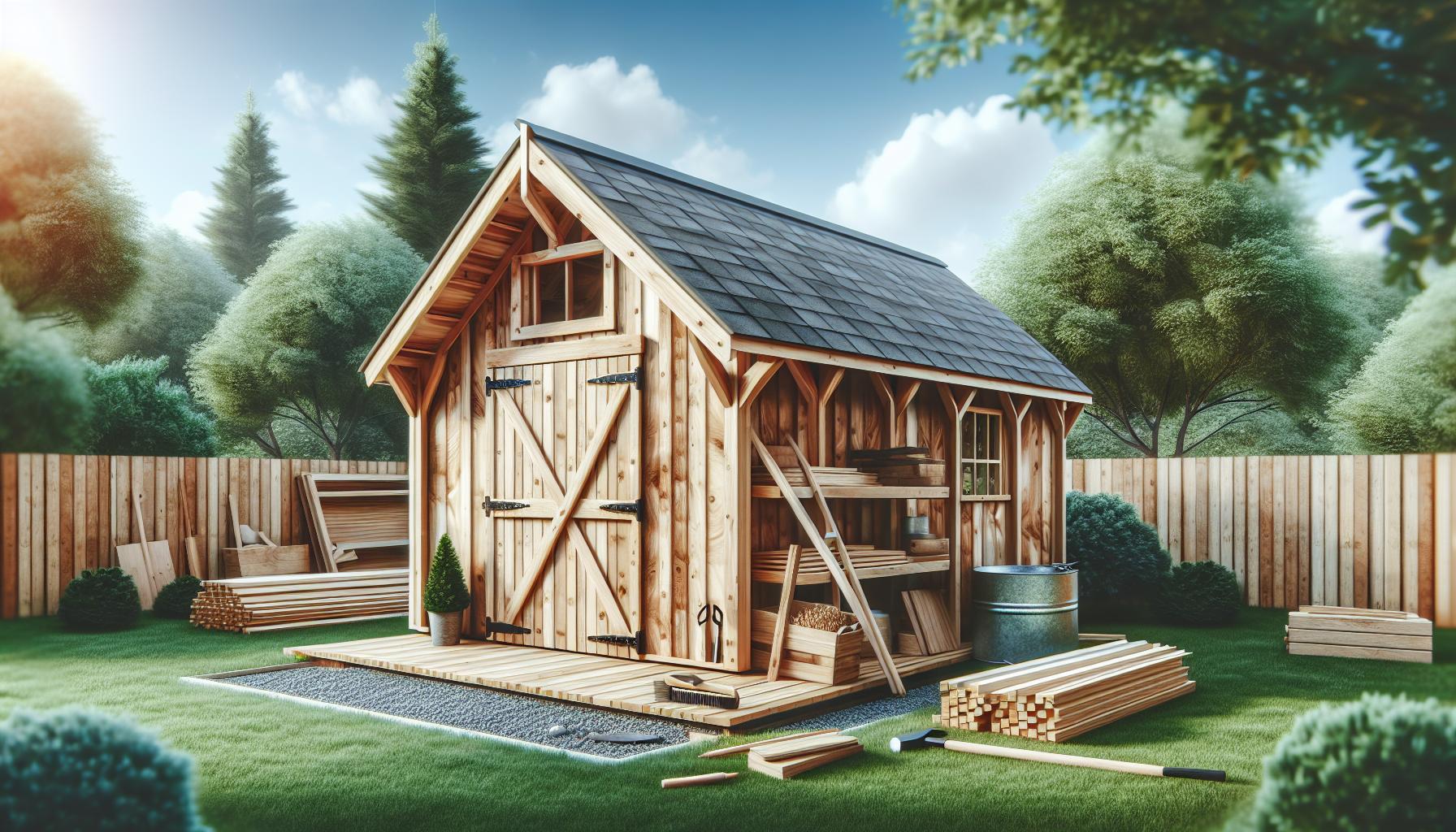
Creative Design Ideas to Maximize Space and Functionality
Finding innovative ways to maximize space and functionality in a small shed can turn an often neglected corner of your yard into a valuable asset. The beauty of a well-designed shed lies not only in its aesthetic appeal but also in how effectively it can serve multiple purposes. When considering the budget-friendly options outlined in the guide about the costs associated with building a shed, take the opportunity to incorporate creative design strategies that maximize utility without compromising on style.
Smart Storage solutions
One of the most effective ways to enhance functionality in a small shed is by utilizing vertical space. By installing shelving units or wall-mounted racks, you can keep essential tools and supplies organized and easily accessible. Consider incorporating the following elements:
- Overhead storage bins: Using the ceiling can create additional storage for seasonal items or rarely used tools.
- Magnetic strips: These are perfect for storing metal tools, freeing up drawer and counter space.
- Hooks and pegboards: Install these on the walls for easy access to gardening tools, ropes, and other equipment.
Using these clever storage methods not only clears floor space but also makes the shed feel larger and more inviting, an important factor for anyone researching how much it costs to build a small shed.
Multipurpose Furniture
Incorporating furniture that serves multiple purposes is another great way to enhance functionality. Consider adding a bench that doubles as a storage box or a fold-down table that can be stowed away when not in use. This approach maximizes the usable areas within the shed while keeping everything neat and tidy. here’s a list of practical options:
- Convertible benches: Offer a place to sit while also providing ample storage beneath.
- Folding tables: Useful for potting plants or working on DIY projects and can be collapsed when space is needed.
Natural Light and Ventilation
Another design aspect to consider is how you will incorporate natural light and ventilation into the shed.Proper lighting can make a cramped space feel more open and pleasant to work in. Large windows or translucent panels can provide natural light, while strategically placed vents or a small overhead fan can help promote airflow.
Implementing these design ideas can lead to a functional space that fulfills various needs, reinforcing that budgeting for your shed build isn’t just about the structure itself, but also about how you utilize that space effectively.
| Design Element | Functionality | Budget-Friendly options |
|---|---|---|
| Shelving Units | Increases vertical storage | DIY shelves with reclaimed wood |
| Convertible Bench | Sitting & storage | Repurpose an old bench with storage inside |
| Window Placement | Natural light | Use second-hand windows for cost savings |
By fostering a design that not only prioritizes aesthetics but also practical use, you can create a shed that meets your needs while still adhering to the budget-friendly options discussed in your planning phase.
Cost-Effective Shed Plans: Where to Find Reliable Resources
Finding cost-effective shed plans can significantly lower the expenses associated with building a small shed. Just imagine transforming your backyard with a beautifully constructed shed without breaking the bank! Whether you’re seeking to create a workspace, storage area, or garden retreat, reliable resources and plans are crucial for keeping your project within budget.
Online Platforms and Websites
One of the most accessible ways to discover economical shed plans is thru various online platforms. Websites such as Pinterest and Instagram can provide a wealth of inspiration and link you to DIY blogs that often include free or downloadable plans.These platforms host countless photos and testimonials from DIY enthusiasts who willingly share their experiences and detailed designs. Utilize these resources to find layouts that fit your style and budget.
DIY and Home Improvement Websites
Consider exploring reputable DIY and home improvement websites that offer numerous resources. Notable sites like Home Depot, Lowe’s, and DIY Network not only provide step-by-step building guides but also lists of materials needed, which can definitely help you keep track of costs.
- Home Depot: Check for their free project guides that include cost estimations based on materials and tools.
- DIY Network: Offers a range of detailed plans with images, making it easier to visualize your project.
Local Workshops and Community colleges
Participating in local workshops at hardware stores or community colleges can be invaluable. These hands-on classes often teach you the basics of shed construction. Additionally, many community colleges offer courses on woodworking, where you could potentially create a shed model as part of the curriculum.
| Resource | Type of Content | Cost |
|---|---|---|
| DIY Network | Free Shed Plans | Free |
| Home depot | Project Guides | Free |
| Local Workshops | Hands-On Learning | Varies (often free or low-cost) |
Using these various resources, you’ll be able to answer the question of how much it costs to build a small shed while following budget-friendly options. By leveraging online documentation, engaging with local experts, and tapping into community resources, creating your optimal shed will become an achievable reality without straining your wallet.
Hidden Expenses: Preparing for the Unexpected in Your Budget
When embarking on the journey of constructing a small shed,most people focus primarily on the obvious expenses like materials and labor. However, hidden costs can creep into your budget, transforming what seemed like a straightforward project into a financial puzzle. Understanding these potential pitfalls is crucial to avoid unpleasant surprises that could derail your building plans and inflate your budget significantly. Awareness and preparation are essential in ensuring that you stay within your financial limits and achieve your desired outcome.
Common Hidden Costs to Consider
Several hidden expenses can arise during the shed-building process. Being prepared for these will help you build a more robust financial plan. Here are some common hidden costs to keep in mind:
- Permitting Fees: Depending on your location, you may need permits before you start construction. Failing to account for these fees can lead to fines or the need to halt construction.
- Site Preparation: The condition of your land can dramatically impact your budget. If the site requires clearing, leveling, or grading, this can add significant costs to your project.
- Foundation work: While some shed designs may not require a traditional foundation,others may need concrete slabs or piers,which can be more costly than anticipated.
- utility Installations: If you plan to add electrical or plumbing fixtures, installation costs can add up quickly. Make sure to collect estimates if you’re not a DIY enthusiast.
- Materials Upgrades: Initial estimates may assume basic materials, but many opt for higher-quality or aesthetic options as the project progresses, inflating costs.
- Unexpected Repairs: During construction, you might uncover issues like poor soil conditions or rot in the existing structure, which require immediate attention and additional funds.
preparing Your Budget for Contingencies
To safeguard your budget against unforeseen expenses,it’s wise to implement a contingency plan. Here are actionable steps to prepare:
- Allocate a Contingency Fund: Setting aside 10-20% of your overall budget as a buffer can help absorb unexpected costs without causing financial strain.
- Conduct Thorough Research: Understanding the regional requirements for building permits and zoning regulations can help avoid costly mistakes and delays.
- Consult with Professionals: Consider hiring a contractor or construction consultant if you’re unsure about certain aspects of the process. Their expertise can save you from costly miscalculations.
- Detailed Planning: create a detailed project timeline and list of materials, including alternatives if your first choices exceed the budget.
- Communicate with Neighbors: If your construction site is close to neighboring properties,keeping them informed can help avoid disputes that may lead to additional costs.
By anticipating these hidden costs and preparing accordingly, you’ll find that the journey of building a small shed can be both financially manageable and rewarding. being aware of what lies beneath the surface of your budget can pave the way for the successful completion of your project, contributing to the satisfaction of adding this valuable space to your property.
Tips for Staying on budget: Practical Strategies for Success
Navigating your way through the costs of constructing a small shed can often feel overwhelming, especially if you have a tight budget.the good news is that success in keeping your expenses in check is entirely achievable with a few practical strategies. By adopting a proactive approach,you can build that small shed you’ve always wanted without sacrificing quality or stretching your finances too thin.
start with a Detailed Plan
Creating a comprehensive plan is the cornerstone of adhering to a budget. Begin by documenting your shed’s specifications. Think about the size,materials,and design elements that are essential for your needs.Research different styles and layouts that could reduce costs while maintaining functionality.Use tools like sketches or online apps to visualize the shed, which will help you become more committed to your vision and budget constraints.
- Measure your Space: Ensure that the dimensions for your shed fit well within your property without going overboard.
- Compare Materials: investigate cost-effective alternatives such as reclaimed wood, which can significantly cut expenses.
- Factor in Future Needs: Consider how you will use the shed in the future and whether to build in those features now to avoid costly renovations later.
Set a Realistic Budget
Once you have a strong plan, outline a realistic budget that takes all potential costs into account. You can break it down into categories such as materials, tools, labor, and any permits required for construction.Here’s a simple table to help you organize and visualize these expenses:
| Expense Category | Estimated Cost |
|---|---|
| Materials | $200 – $600 |
| Tools | $50 – $200 (if not already owned) |
| Labor (if hiring help) | $150 – $500 |
| Permits | $0 – $100 |
Keeping your budget visible serves as a constant reminder of your financial limits and can motivate you to find creative solutions.
Utilize DIY Resources
One of the best ways to save money is to tap into the wealth of DIY resources available online. Websites, forums, and social media platforms are great places to find inspiration and guidance from others who have embarked on similar projects. Videos and tutorials can help you learn new skills and tackle building challenges yourself, limiting the need for hired labor.
moreover, using community resources like tool libraries can provide you access to expensive tools without the burden of purchase, contributing to a more budget-friendly project.
Staying vigilant with these strategies while planning your shed gives you a better grasp of how much it costs to build a small shed with budget-friendly options.By following this roadmap, you can ensure your project is manageable, enjoyable, and significantly less costly than anticipated.
Frequently asked questions
How much does it cost to build a small shed: budget-friendly options?
The cost to build a small shed varies widely, typically ranging from $300 to $2,500 depending on materials and size. budget-friendly options often include sourcing used materials or opting for simpler designs.
To maximize savings, consider using materials such as plywood or reclaimed wood. Additionally,don’t overlook local hardware store sales and discounts. For a more detailed breakdown, check out our article on estimating shed construction costs.
What is the cheapest way to build a small shed?
The cheapest way to build a small shed is by using reclaimed materials and taking a DIY approach. Many find success using pallets or leftover wood from previous projects.
By building it yourself and choosing cost-effective materials, you can significantly reduce expenses. Make sure to research local building codes to avoid costly modifications later. A simple, no-frills design can be both functional and economical.
Can I build a shed without a permit?
Yes, you can build a shed without a permit in certain areas, usually if it is under a specific size (often 120 square feet). Though,regulations vary.
Check with your local city or county building department to confirm requirements. Always prioritize safety and compliance to avoid future problems. For additional guidance, see our guide on shed building permits.
Why does the cost of building a shed vary so much?
The cost of building a shed varies due to factors such as materials used, size, labor, and design complexity.Custom features will increase expenses.
For example,using high-quality wood or adding insulation boosts costs. conversely, choosing a standard design with basic materials can keep your project budget-friendly. always plan according to your needs and budget constraints.
How long does it take to build a small shed?
Building a small shed usually takes about one to three days if you have a clear plan and the necessary tools. DIY enthusiasts often complete it quicker.
preparation is key; having all materials ready before you start will streamline the process. If you’re new to DIY projects, consider allowing extra time for learning and adjustments. Be patient and enjoy the process!
What do I need to consider before building a shed?
Before building a shed, consider factors such as location, size, and purpose. Assessing local building codes is also essential.
Think about how you plan to use the shed. Will it be for storage, a workshop, or something else? Consider the weather conditions in your area, as they may influence your material choices and design. Planning adequately can save you money and hassle.
Can I modify pre-made shed kits for a budget-friendly option?
Yes, modifying pre-made shed kits can be an excellent way to save money while achieving a custom look. Many kits allow for personalization to fit your specific needs.
Incorporating features like different roofing styles or additional windows can enhance functionality without breaking the bank. Remember to read the instructions carefully to ensure that modifications align with the original design.
Final Thoughts
building a small shed can be an achievable and rewarding DIY project without breaking the bank. by understanding the various cost factors—from materials to labor—you’re now equipped to craft a budget that suits your needs. We’ve outlined a variety of budget-friendly options, ensuring that you can select what fits best for your style and skill level. Remember, every expert started as a beginner, and taking on this project is a fantastic opportunity to hone your craftsmanship while adding valuable storage space to your property.
As you embark on this journey, don’t hesitate to reach out for advice or explore additional resources that can guide you through each phase, from planning and purchasing to construction. Engaging with fellow DIY enthusiasts and community forums can provide inspiration and answers to any questions you may face along the way. So gather your materials, roll up your sleeves, and let your creativity flourish. Happy building!
Get our latest guides, news, and insights highlighted in your Google Search & AI Overviews.


