Thinking about adding a shed to your property but unsure about the legal distance from property boundaries? Understanding setback regulations is crucial for ensuring your construction is compliant and avoids potential disputes with neighbors. This guide will clarify the necessary measurements and considerations, helping you make informed decisions for your outdoor space.
Understanding setback Requirements: What You Need to Know
To create a functional and compliant backyard shed, understanding setback requirements is crucial. These regulations define how close you can build to the property line and ofen vary significantly by local jurisdiction. By adhering to these guidelines, you ensure your construction project not only adheres to legal standards but also minimizes potential disputes with neighbors and issues with local authorities. Knowing how far from the boundary you can build a shed is the first step in triumphant outdoor projects.
What Are Setback Requirements?
Setback requirements are legal restrictions that determine the minimum distance that structures must be set back from property lines or other designated boundaries. These rules are established by local zoning laws, designed to:
- Maintain safety standards
- Ensure adequate spacing between structures
- Preserve the aesthetic character of neighborhoods
- Protect the surroundings and allow for drainage
In most areas, setbacks can vary based on factors such as the type of structure, its intended use, and the specific zoning district. For example, residential zones may have more stringent requirements compared to commercial areas, while corner lots may have different regulations than interior lots.
How to Research Your Local Setback Requirements
Determining the exact setback requirements for your shed involves a few critical steps:
- Check Local Zoning Laws: Start by visiting your local government or zoning office website. Many municipalities publish their zoning ordinances online, detailing the required setbacks for different types of buildings.
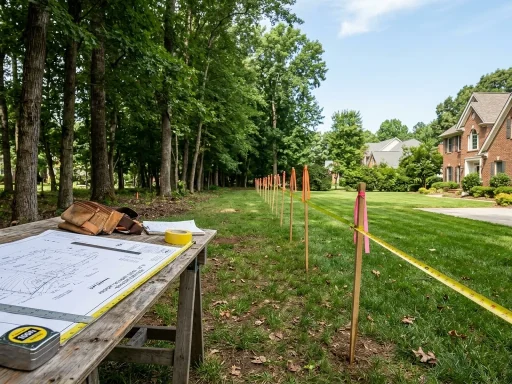
- Property Survey: If you are unsure were your property lines are, consider hiring a licensed surveyor to mark them accurately.This ensures you adhere to legal boundaries.
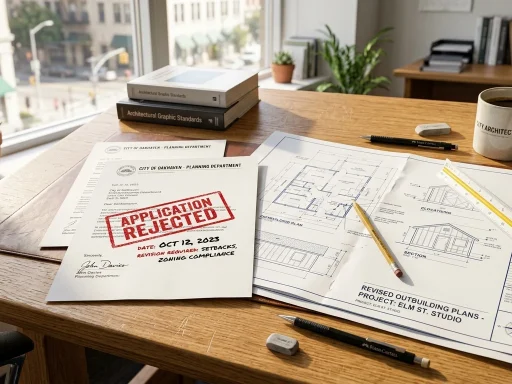
- Permit Applications: When applying for a building permit, you might be required to submit a site plan that clearly indicates the dimensions of your property and the proposed location of your shed. This plan will need to show compliance with setback rules.
- consultation with Experts: Don’t hesitate to consult with builders or local zoning experts. They can provide invaluable advice specific to your area that may not be easily found in documents.
Common Setback Distances and Variations
While setback distances vary broadly, here are some common guidelines that may apply:
| Type of Structure | Typical Setback Distance |
|---|---|
| Shed | 3-10 feet from the property line |
| Accessory Structures | 5-15 feet from the primary structure |
| Fences | Variable; often 0-3 feet |
These setback distances are general estimates and can differ significantly based on county or city regulations. Always verify with local codes to avoid violations that could result in fines or the need to relocate your shed after completion.
By understanding the nuances of setback requirements,you can confidently plan your shed construction,ensuring compliance and a harmonious relationship with your neighbors. Adhering to these guidelines not only saves time and resources but also enhances the value and appeal of your property.
Local Regulations and Zoning Laws: Your Shed’s Best Friend
Understanding the local regulations and zoning laws that govern your property is crucial when planning to build a shed. Most homeowners overlook these guidelines, only to face frustrating setbacks later on. Awareness of these legal parameters not only saves you time and money but also ensures your new structure aligns with community standards and safety protocols. Every locality has its own set of rules regarding construction, including how far from property boundaries you can build a shed, which can open up a world of possibilities for your backyard space.
Why Local Regulations Matter
Complying with local regulations and zoning laws is essential for several reasons. Firstly, it ensures your shed is structurally sound and built to withstand environmental conditions.Secondly, adhering to these guidelines helps maintain neighborhood aesthetics and property values. understanding these laws will prevent costly fines or the potential removal of your shed after discovery of non-compliance. Here’s what you need to keep in mind:
- check local Ordinances: Before beginning your project,consult your municipality or local government website to find the specific regulations regarding outbuildings like sheds.
- Distance Restrictions: Most localities have established minimum distance requirements from property lines. This distance could be anywhere from 3 to 15 feet, depending on zoning laws.
- Building Permits: Verify whether a building permit is necessary for your shed, which often hinges on its size and location.
- Homeowners Association (HOA) Rules: if you live in an area governed by an HOA, you may need to adhere to additional guidelines that are more stringent than municipal rules.
Taking Action
To navigate thru the complexities of local regulations effectively, follow these actionable steps:
- Research Your Area: Visit your local zoning office or website to obtain a legal distance guide relevant to your region.
- Consult neighbors: Engaging with your neighbors can provide insights into their experiences with similar projects, including any hurdles they faced regarding local laws.
- Seek Professional Guidance: If you’re uncertain, consider hiring a contractor who is familiar with local codes. They can guide you through the process, ensuring compliance and efficiency.
- Document Everything: Keep a record of all communications and documents related to your shed’s construction for future reference.
| Zone Type | Min. Distance from Property Line | Permit required |
|---|---|---|
| Residential | 5-10 feet | Yes |
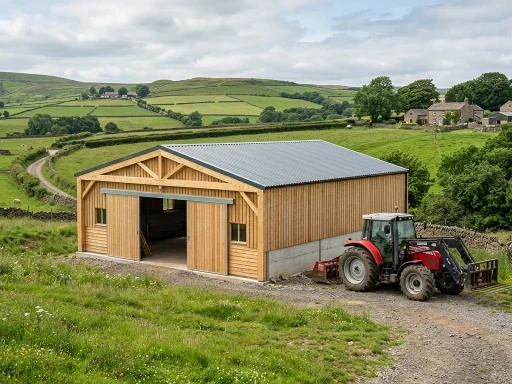
| Agricultural | 10-15 feet | Sometimes |
| Commercial | Varies | Yes |
By maintaining awareness of local regulations and zoning laws, you can construct your shed wisely and effectively. Informed decision-making not only avoids legal entanglements but also enhances the function and enjoyment of your outdoor space. Remember, the question isn’t just, “How far from the boundary can I build a shed?” but also, “How can I do it right?” By being proactive and diligent, you ensure that your shed becomes a valuable and compliant asset to your property.
Determining Property Lines: Tips for accurate Measurement
Determining the precise location of your property lines is crucial, especially when planning construction projects like a shed. A well-defined boundary ensures compliance with local regulations, avoiding disputes with neighbors and legal complications. Misunderstandings about property lines can lead to costly mistakes and hinder your ability to build where you desire. Here are some effective strategies and tools to help you accurately measure and confirm your property lines.
Utilize Technology for Accuracy
Modern technology can significantly enhance the accuracy of property line identification. various applications, such as onX Hunt, provide users with tools to view property boundaries using GPS data. However, it’s essential to remember that while these tools can offer helpful guidance, they may not always be 100% accurate due to variations in data from different sources, including county GIS systems and real estate software. Therefore, it’s advisable to double-check any details obtained through these applications against official records.
Consult Legal and Professional Resources
Engaging with professionals can lend accuracy to your efforts in determining property lines. Consider seeking assistance from a reputable real estate attorney, especially if you encounter disputes or unclear boundaries. An attorney can definitely help navigate local laws and may collaborate with the county and title insurer to craft an acceptable legal description of your property lines. This ensures that your plans for constructions, such as a shed, comply with zoning laws, which often dictate how far structures must be from property boundaries.
Field Measurements and surveys
Conducting your own measurements can provide peace of mind and clarity. Here are some practical steps to follow:
- Obtain a Copy of Your property Deed: This document contains the official description of your property lines.
- Use Measurement Tools: A tape measure or laser distance measurer can help accurately gauge distances from established markers, such as stakes from a past survey.
- Hire a Surveyor: For the most definitive results, hiring a professional land surveyor is recommended. They can provide a detailed survey, marking the exact boundaries of your property.
Using these methods can provide a clearer understanding of how far from the boundary you can build a shed, ensuring compliance with local regulations and minimizing the risk of disputes with neighbors. Proactively determining your property lines sets the stage for a successful construction project and enhances your relationship with the surrounding community.
Neighbor Considerations: Communication is Key
Effective communication with your neighbors can be the cornerstone of a peaceful living environment, especially when you’re planning an alteration to your property like building a shed. The conversation doesn’t just prevent misunderstandings; it can also foster good will and collaboration among homeowners. When you’re contemplating a project, one of your first thoughts might be: How far from the boundary can I build a shed? The answers often lie beyond the legal distance guide; they extend into the relational aspect of home ownership.
Starting the Conversation
Before you even break ground, consider having a casual discussion with your neighbors.Here are some crucial points to cover:
- Share Your Plans: Discuss your intention to build a shed,what it will look like,and why you believe it’s a beneficial addition not just to your property,but potentially to theirs as well.
- Listen to Concerns: Your neighbors may have valid concerns regarding aesthetics, noise, or changes in property values. Listen carefully and address their worries professionally.
- Discuss Legal Setbacks: Ensure they understand the legal boundaries and distances set by local regulations. This is where your own research into ‘How Far From the Boundary Can I Build a Shed? Legal Distance Guide’ will prove useful.
Building Trust to Avoid Future Conflicts
Trust is a valuable currency in neighborhood relations. Providing your neighbors with advanced notice of your construction plans shows respect for their space and can help mitigate any potential conflicts.If you’re planning a larger shed, consider providing them with a simple visual estimate of your plans, perhaps even via a layout sketch or elevation view. This transparency builds both trust and understanding.
| Action | description |
|---|---|
| Advance Notice | Inform neighbors at least 2-4 weeks before starting construction. |
| visualizations | Share sketches or design plans to illustrate your vision. |
| Regular Updates | Update neighbors during the project to keep lines of communication open. |
By engaging in open and honest communication, you not only navigate the legalities of shed construction but also create a cooperative neighborhood atmosphere. Ensuring your approach is rooted in respect and consideration for your neighbors’ perspectives will greatly enhance your overall building experience and prevent common disputes before they can even arise.
The Role of Building Permits: When You Need Them
navigating the intricacies of building regulations can be daunting,especially when considering projects like sheds,which often seem simple. However, understanding the role of building permits is crucial before embarking on any construction project, whether it’s a small garden shed or a larger structure. Permits serve as a legal safeguard, ensuring your project complies with local building codes and zoning laws. Ignoring this critical step could lead to costly penalties or even the demolition of your newly built structure.
When Building Permits Are Necessary
Certain criteria trigger the need for a building permit. Generally,any construction involved in altering or adding to a structure will require one,but specifics can vary significantly by locality. Here are scenarios where securing a permit is typically essential:
- New Constructions: Building a structure from the ground up frequently enough mandates a permit.
- Additions: Expanding your home’s footprint will always require approval.
- Significant Alterations: major changes to existing buildings, such as renovations or large repairs, necessitate permits.
- Accessory Structures: Even erecting a shed—especially one close to property lines—could require a permit depending on local zoning laws.
Being aware of these rules helps mitigate risks associated with potential fines and legal disputes with neighbors. Local construction officials, like those outlined by the New Jersey Department of Community Affairs, are typically the ones who issue permits for such work, ensuring that all building requirements are met before construction begins [[2]].
Understanding Setback Rules
Setback requirements—the distance structures must be from property boundaries—are vital when applying for a permit, particularly relevant when considering how far from the boundary you can build a shed.These regulations help maintain neighborhood aesthetics and ensure safety and privacy for all properties involved. Typically,zoning ordinances stipulate these distances,and failure to adhere can result in your project being deemed illegal.
It’s advisable to consult local regulations before planning your shed’s placement. For instance, some areas may allow sheds within five feet of the boundary, while others may require a minimum of ten feet. Understanding these nuances ensures not only compliance but also peace of mind during construction.
In sum, securing a building permit is a foundational step in any construction project. By familiarizing yourself with local zoning laws and permitting processes, you can avoid pitfalls and ultimately enjoy your new shed without worry.
Choosing the right Shed Location: Balancing Aesthetics and Compliance
When it comes to installing a shed, selecting the right location is crucial, not just for functionality but also for enhancing the overall aesthetics of your property. A well-placed shed can complement your landscape while providing essential storage space. Though, it isn’t just about beautifying your backyard; adhering to legal requirements is also critical. Understanding how far from your property boundary you can build your shed is essential to avoid potential disputes and regulatory headaches.
Consider the Legalities
Before you dive into the aesthetics of your shed’s location, it’s important to familiarize yourself with local zoning laws and regulations. Depending on where you live, the distance you must maintain from property boundaries can vary significantly. This distance, often outlined in local building codes, is designed to ensure proper light, air, and privacy among neighboring properties.
Here’s a simplified table showing the typical set-back distances based on common zoning categories:
| Zoning Category | Minimum Distance from Boundary |
|---|---|
| Residential | 1.5 meters |
| Commercial | 3 meters |
| Agricultural | 10 meters |
Aesthetic Considerations
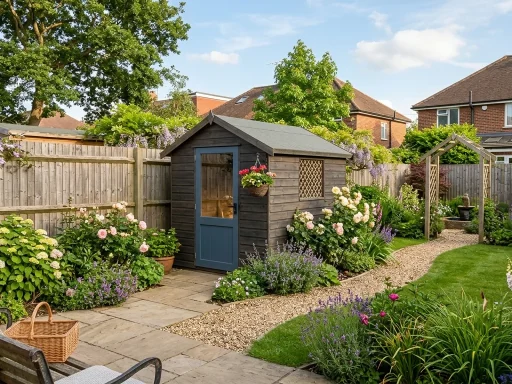
once you’re aware of the legal distances, think about how your shed will fit into the existing landscape. Here are several aspects to consider for a more visually pleasing outcome:
- Visibility: Choose a spot that balances convenience and visual appeal. A location slightly obscured by trees or shrubs may look more inviting.
- Sunlight: Consider the amount of natural light your shed will receive throughout the day.A well-lit space can serve multiple functions, perhaps even doubling as a workshop or potting shed.
- Access: Ensure that the shed is easily accessible from your home and garden areas without disrupting the landscape flow.
- Surroundings: Take into account your garden’s existing features, such as pathways or flower beds, when choosing a shed location.
Finding a balance between aesthetics and compliance with zoning laws can be challenging,but with thorough preparation and thoughtful planning,you can create a lovely,functional space that blends seamlessly into your yard. Whether it’s for storage, gardening, or a hobby workshop, selecting the right spot for your shed sets the stage for both practicality and style.
Common Mistakes to Avoid When Planning Your Shed Build
Understanding the ins and outs of building a shed goes beyond mere aesthetics and functionality; it often requires a thorough consideration of legal requirements, particularly regarding distance from property boundaries. When embarking on your shed building journey, knowlege is power, and avoiding common pitfalls can save you from potential headaches. Here are some prevalent mistakes that many make when planning their shed build, particularly in relation to boundary limits.
Neglecting Boundary Regulations
One of the most significant oversights is failing to research or understand the zoning laws and local regulations concerning shed placement. Each area has specific rules regarding how far from the boundary you can build a shed. Ignorance of these statutes could result in repercussions ranging from fines to forced removal of the structure. Be sure to check with your local council or zoning board for the precise distance requirements.It might be beneficial to create a checklist of these requirements, which could include:
- Local building codes
- Allowed types of structures
- Required permits
Overlooking Property Lines
Assuming you know where your property ends and your neighbor’s begins can lead to costly errors. Many people underestimate the importance of having a recent survey conducted before starting construction. A misaligned shed can lead to disputes with neighbors, potentially souring relationships and creating legal challenges. To mitigate this risk, consider the following steps:
- Hire a professional surveyor for an accurate property line assessment.
- Use stakes or strings to mark the intended perimeter of your shed.
- Communicate with your neighbors early in the process to prevent misunderstandings.
Ignoring Design Restrictions and Aesthetics
It’s tempting to focus solely on functional aspects like size and materials, but ignoring design restrictions can be a major setback. Many communities have guidelines regarding the appearance of outbuildings,which could dictate everything from the shed’s colour to its roof type. Researching your area’s design standards is essential, not only to avoid potential fines but to ensure your shed complements your property. A well-planned shed can enhance your home’s value. To streamline this, keep a visual design log that links aesthetic choices with local requirements.
| Design Element | local Regulation |
|---|---|
| Color | Must match or complement main residence |
| Height | Maximum allowed height (typically around 3m) |
| Roof Style | Must be consistent with neighboring structures |
By steering clear of these common mistakes, you’ll not only ensure that your shed conforms to legal requirements, as highlighted in the ‘How Far From the Boundary Can I Build a Shed? Legal Distance Guide,’ but also set yourself up for a smoother and more enjoyable building process.
Expert Tips for Navigating Legal Distances with Confidence
Building a shed can be an exciting endeavor, but it’s essential to navigate the often complex landscape of legal regulations and boundary lines with confidence. Many homeowners find themselves scratching their heads over local zoning laws and boundary restrictions, which can vary significantly from one location to another. Understanding how far from the boundary you can build a shed not only keeps you compliant with the law but can also prevent potential disputes with neighbors. Here are some expert tips to help you tackle the legal distances with ease.
Understand Local Regulations
Before you start planning your shed, the first step is to familiarize yourself with your local building codes and zoning laws. These regulations often determine how close you can build to property lines and can vary by municipality. Here are some ways to ensure you’re in the know:
- Visit Your Local Government Website: most municipalities maintain a website with resources about building permits, zoning laws, and property lines.
- Contact Your Local Building Department: If you have specific questions or need clarification, speaking directly with a representative can provide invaluable guidance.
- Review HOA Guidelines: If your property is in a homeowners association (HOA) area, review the bylaws, as they may impose stricter rules than local laws.
Utilize Professional Services
If the regulations seem overwhelming, don’t hesitate to enlist professional help. Here are some services you might consider:
- Surveyors: They can help measure exact property lines and clarify where you’re allowed to build.
- Lawyers Specializing in Real Estate: If you’re venturing into a complex legal territory,a consultation may save you from future headaches.
- Contractors: Many experienced contractors are well-versed in local regulations and can guide you through the permitting process.
Document Everything
Clear documentation can be a lifesaver in maintaining compliance with regulations and addressing potential disputes.Here’s what to keep in mind:
| documentation type | Description |
|---|---|
| Survey Records | Keep a copy of property boundary surveys to reference your legal building limits. |
| Permits | File all building permits obtained from the local government. |
| Correspondence | Document all communications with local officials and neighbors regarding approval and compliance. |
By following these expert tips, you can confidently navigate the regulations surrounding how far from the boundary you can build your shed, ensuring a smooth and enjoyable building experience. Remember, being well-informed and prepared can prevent disputes down the line, allowing you to enjoy your new structure worry-free.
Frequently Asked Questions
How Far From the Boundary Can I Build a Shed? legal requirements?
the distance you must maintain from property boundaries when building a shed varies by local regulations. Typically, this distance ranges from 1 to 5 feet, depending on your location and local zoning laws.
Understanding the specific requirements in your area is crucial. Some regions may allow structures closer to boundaries if they meet certain conditions, like being lower than a specified height. Always check with your local building authority for precise guidelines.
Can I build a shed up to the boundary line?
In most cases, you cannot build a shed directly on the boundary line. Though, some jurisdictions may permit it under specific conditions or regulations, particularly if a permit is obtained.
Always ensure compliance with local zoning laws before starting construction. not adhering to these guidelines could result in fines or the need to remove the shed entirely. For further insights, check building guidelines in your area.
What happens if I build a shed too close to the boundary?
Building a shed too close to your property boundary can lead to several consequences, including fines and mandatory removal. If neighbors report the violation, you may face legal and financial responsibilities.
Moreover, local authorities may issue a cease and desist order, requiring you to halt construction or dismantle the shed entirely. To avoid these complications, always consult your local zoning office before beginning your build.
Are there different regulations for larger sheds?
Yes, larger sheds often have stricter regulations regarding boundary distances. Many regions specify different rules for structures over a certain size, usually around 200 square feet or higher.
In these cases, you may need to maintain a greater distance from property lines or even acquire a special permit. To ensure compliance, it’s advisable to review both size restrictions and distance requirements with your local building authority.
Why does distance from the boundary matter for shed construction?
Distance from the boundary is important for ensuring safety, privacy, and compliance with local ordinances. These regulations help prevent disputes between neighbors and ensure that structures don’t impede access or views.
Additionally, these regulations help maintain community aesthetics and allow for emergency access in case of fire or other hazards. Understanding these rules ensures a smoother construction process and fosters good relationships with neighboring properties.
What are common exemptions for shed distance regulations?
Common exemptions to shed distance regulations may include specific types of temporary structures or small garden sheds. Frequently enough, these smaller sheds might not require adherence to strict boundary distances, especially if the height is limited.
However, these exemptions vary by locality, so it’s essential to confirm with your local zoning regulations. For example, in some areas, a garden shed under a certain size may be exempt from distance restrictions.
Can I appeal a boundary distance ruling?
Yes, you can appeal a boundary distance ruling if you believe it is unjust. The appeal process varies by jurisdiction but often involves submitting a request to a local zoning board or city council.
When appealing, it’s important to gather evidence and possibly neighborhood support to strengthen your case. Understanding the appeal process and having clear, compelling reasons will aid in seeking a favorable outcome.
The Conclusion
understanding the legal distance requirements for building a shed is crucial in ensuring a successful and stress-free project. We’ve explored the essential factors that define how far from your property boundary you can construct your shed, including local zoning laws, setback regulations, and the importance of consulting your local building department. Remember, every community has its unique regulations, so engaging with your local authorities can provide specific guidance tailored to your area.
As you embark on your shed-building journey, keep in mind that proper planning and adherence to guidelines will not only protect your investment but also contribute to a harmonious relationship with your neighbors. Don’t hesitate to seek help if you encounter any challenges—whether it’s obtaining permits or navigating complex regulations, there are resources and professionals available to assist you.
We encourage you to dive deeper into your project by exploring additional guides and resources on shed design, construction techniques, and practical tips for ensuring stability and aesthetics. With the right knowledge and a DIY spirit, you can create a beatiful and functional space that meets your needs. Happy building, and may your shed become a cherished addition to your property!
Get our latest guides, news, and insights highlighted in your Google Search & AI Overviews.