


Navigating property boundaries can be a daunting task for shed builders. Understanding the legal limits for placement not only prevents costly disputes with neighbors but also ensures compliance with local zoning regulations. This guide will help you determine how close to your property line you can build a shed while avoiding potential legal pitfalls.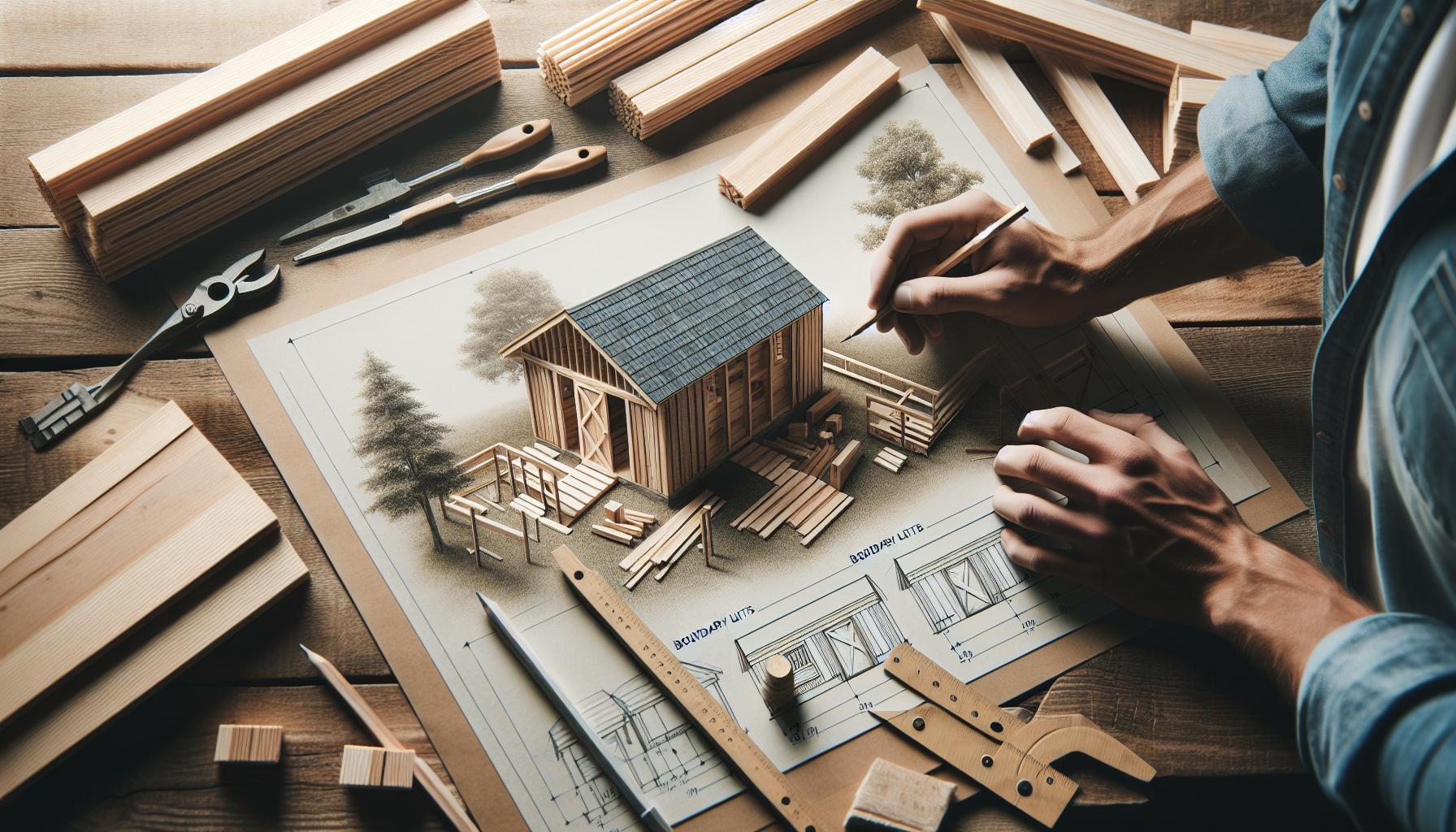
Understanding Setback Regulations: What You Need to Know
Understanding the intricacies of setback regulations can be a game changer for anyone looking to build a shed. These regulations dictate how close you can build your structure to property boundaries, and being well-informed about them can save you from costly mistakes and potential conflicts with neighbors. Often overlooked, these stipulations ensure that your new shed doesn’t encroach on your neighbor’s space while promoting orderly development in your community.
What Are Setback regulations?
Setback regulations are legally binding rules that specify the minimum distance a structure must be from property lines.They are designed to provide clear space for privacy, light, and air, as well as to prevent overcrowding and ensure safety. The specific distances can vary substantially based on local zoning laws, the type of property you own, and the kind of shed you intend to construct.
To help you get a better idea, here’s a simplified breakdown of common factors that influence setback regulations:
| Factor | Description |
|---|---|
| Property Type | Residential vs. commercial properties may have different setback requirements. |
| Local Zoning Laws | Different jurisdictions have varying regulations that must be adhered to. |
| Type of Structure | Permanent sheds may have stricter regulations compared to temporary structures. |
| Adjacent Structures | Setbacks may be influenced by the proximity of existing buildings on your property. |
Why Compliance Matters
Complying with setback regulations is crucial for several reasons. Firstly,it avoids potential fines or legal issues arising from violations. Secondly, adhering to these regulations fosters good neighborly relations, as encroachment can lead to disputes and lasting resentment. As an example, if you unknowingly build too close to your neighbor’s boundary, they might object, leading to possible lawsuits or demands for removal.
Being proactive in understanding ‘how close to boundary can I build a shed?’ will not only ensure you follow the law but also contribute positively to your local community. Before starting construction, it’s wise to contact your local zoning office or consult a professional to clarify specific regulations applicable to your area. Consider drawing up a site plan that includes measurements, as this documentation can be invaluable in gaining permits and resolving any disputes proactively.
The Importance of Local Zoning Laws in Shed Construction
When considering the construction of a shed on your property,understanding local zoning laws is paramount. These regulations can significantly impact your plans by dictating how close to the boundary you can build a shed, thus ensuring compliance with community standards and avoiding potential disputes. Having clear knowledge of zoning ordinances not only helps you stay within legal bounds but also fosters harmonious relations with neighbors and enhances property values.Local zoning laws establish specific guidelines regarding land use, including the placement of structures like sheds. These laws often cover essential aspects such as setbacks from property lines, maximum height restrictions, and overall aesthetic considerations. As a notable example, a typical regulation might require sheds to be located a certain number of feet away from the side or rear of a property, which can vary enormously from one municipality to another. Understanding these parameters can save you time and money by preventing costly modifications or the need to relocate a shed after construction.
- Setback Requirements: Most communities enforce setback distances, which dictate how far structures must be from property lines. Violating these can lead to fines or removal orders.
- Size Limitations: Regulations may specify maximum dimensions for sheds, depending on the zoning district, which can influence your choice of storage solutions.
- Permits and Approvals: Certain areas might require permits for construction, while others may have allowances for small, temporary sheds.
Real-World Considerations
in practice, failing to adhere to zoning laws can result in forced compliance actions or neighbor disputes.For example, a homeowner who builds a shed too close to the property line risks being required to dismantle or relocate it. The effectiveness of following zoning regulations not only ensures that you’re following the law but also that your shed complements the neighborhood environment. Therefore, before drawing up plans or purchasing materials, it’s crucial to consult local zoning ordinances directly or engage a professional who can provide guidance tailored to your specific location.
For those asking, “How close to boundary can I build a shed?”, the answer may vary considerably based on your municipality’s zoning laws.Comprehensive research will help clarify your legal limits and empower you to make informed decisions about your shed construction project. Use resources like local government websites or legal consultations to ensure full compliance and a smoother building experience.
Assessing Your Property Lines: Tips for accurate Measurement
Understanding where your property lines lie is crucial, especially when considering projects like building a shed. An unclear boundary can lead to disputes with neighbors or, worse, costly fines for constructing too close to your property line. To avoid these pitfalls, here are effective strategies for accurately measuring your property lines and staying within legal limits.
Use Your Property Deed
Your property deed is an excellent starting point for obtaining data about your land’s dimensions and boundaries. typically, the deed will contain a description of your property’s boundaries, frequently enough in terms of metes and bounds or referencing nearby landmarks.
- Locate the Survey Numbers: Often, property deeds will list survey numbers that can help you locate an original survey map.
- understand Boundary Descriptions: Familiarize yourself with the terminology in your deed, including terms like “easements” and “setbacks,” to comprehend any restrictions that may apply.
conduct a Physical Survey
If your property lines remain unclear, hiring a professional surveyor can provide invaluable precision. Surveyors utilize specialized tools and techniques to establish accurate boundary lines, ensuring that you have a clear understanding of where to build.
- Choose the Right Surveying Method: Depending on your property’s complexity,you may need options like boundary surveys,topographic surveys,or construction staking.
- Verify Earliest Surveys: In cases where historical surveys exist, compare their results with the latest data to confirm consistency.
Measure Your Property Accurately
If you prefer a DIY approach and your plot is relatively simple, you can take your own measurements. A few tools will help you get an accurate reading.
- Use a Laser Distance measurer: This device provides fast,accurate distance measurements.
- Employ Corner markers: Clearly marking each corner of your property with stakes or flags helps visualize your land boundaries while measuring.
- Record Measurements: Keep accurate records of your findings to resolve any disputes later, should they arise.
Refer to Local Regulations
Check with your local municipality for any zoning laws or regulations pertaining to how close to the boundary you can build a shed.
- Setbacks: Different areas require different setbacks, which dictate how far from the property line your structure must be.
- Permits: Ensure you apply for necessary permits before construction begins. Local planning departments can guide you through the regulatory landscape, ensuring compliance with the question of how close to the boundary you can build a shed.
utilizing these actionable tips will not only help you understand your property lines better but also assist you in making informed decisions regarding the placement of your shed, minimizing the risk of legal trouble down the line.
Common Setback Distances: How to Find Yours
Determining the right setback distance for building a shed can be the difference between a seamless project and a legal nightmare. Different regions, zoning laws, and local building codes dictate how close to a property boundary you can build. Understanding these regulations not only ensures compliance but also helps you design your space more effectively without infringing on your neighbors’ rights.
In many areas, setback distances are defined by local ordinances and can vary widely. Here’s a general overview of common setback distances that you might encounter:
| Zone Type | Typical Setback Distance |
|---|---|
| Residential | 5 to 10 feet |
| Commercial | 10 to 20 feet |
| Agricultural | 50 to 100 feet |
| Industrial | 15 to 30 feet |
To pinpoint the exact setback requirements in your area, start by checking with your local zoning office or building department. They can provide details on specific laws that apply, including any additional conditions that may influence how close can you build a shed to your boundary. Additionally,having a plat survey of your property can be extremely helpful; it will give you a detailed layout of your property lines,enabling you to calculate the available distance for your shed.Once you understand the baseline requirements, consider if you need a variance. If your desired distance is less than the standard setback, you may be able to apply for a variance. This process typically requires demonstrating a valid reason for your request, such as unique property characteristics or hardships caused by strict adherence to setback rules.
By thoroughly researching your local regulations and being aware of common setback distances, you can make informed decisions about where to position your shed while adhering to legal requirements. This proactive approach not only protects your investment but also fosters good relations with your neighbors.
Navigating Easements and Restrictions: Key Considerations
Understanding the legal landscape surrounding the construction of a shed on your property is crucial, especially when it comes to easements and restrictions that can dictate how close to your boundary you can build. Many homeowners are unaware that their rights can be influenced by various local regulations and agreements, often leading to disputes or even expensive legal battles. It’s not just about property lines; it’s about knowing what the law allows.
Common Types of Easements
Easements are legal rights that allow one party to use another’s property for a specific purpose. Here are some common types of easements that could impact your shed construction:
- Utility Easements: often extend across your property for power lines, water lines, and other utilities. Building within these zones can lead to removal at your expense.
- Access Easements: Allow others to access their property through yours. These must be respected to avoid potential legal issues.
- Drainage Easements: Established to ensure proper water drainage. Construction can impede drainage and cause flooding issues.
Restrictions to Consider
As you ponder the question, “How close to the boundary can I build a shed?” it’s vital to consider zoning laws and homeowners’ association (HOA) rules that may impose additional restrictions. Misunderstanding these regulations can lead to costly consequences.
- Zoning Laws: Local government regulations dictate how land can be used and what structures can be built, including height, size, and proximity to property lines.
- HOA Rules: If you live in a community governed by an HOA, there may be specific design guidelines or size limitations that could further restrict your building plans.
Steps to Ensure Compliance
Taking proactive steps to understand and comply with easements and restrictions is essential before construction begins. Here’s how you can navigate these complexities:
| Step | Action |
|---|---|
| 1 | Review your property deed to identify any existing easements or restrictions. |
| 2 | Consult your local zoning office to verify allowable shed dimensions and setbacks from property lines. |
| 3 | Check with your HOA for any specific rules governing outbuildings in your area. |
| 4 | Consider consulting a real estate attorney if you encounter complications or uncertain regulations. |
By taking these necessary precautions,you can ensure that your project stays within legal boundaries and is completed smoothly,preventing any surprises or setbacks down the line.Remember, understanding the nuances of easements and restrictions will inform your decision-making process as you plan, “How close to boundary can I build a shed?”
Practical Strategies for Building Near Property Boundaries
Optimizing your property layout while adhering to local regulations involves strategic planning, particularly when constructing a shed near property boundaries. Knowing the legal limits can prevent potential disputes with neighbors and streamline the building process, allowing you to maximize your usable space effectively. Let’s explore some practical strategies to ensure you’re building wisely and within your rights.
Understand Local Zoning Laws
Before you start planning the perfect shed, it’s crucial to familiarize yourself with local zoning laws. Every municipality has its own set of regulations regarding how close structures can be to property lines. In many cases, the acceptable distance can vary depending on factors like the type of residence, shed size, and whether it’s a permanent fixture or a movable structure.
To ensure compliance, consider these steps:
- Check Your Local Ordinances: Start with your local council or zoning office. They can provide detailed information on setback requirements specific to your area.
- Consult a Professional: if the regulations seem complex,a land surveyor or an architect can definitely help clarify the legal limits.
- Review community Guidelines: Homeowners’ associations (HOAs) may have additional guidelines that could impact your shed construction plans.
Communicate with Neighbors
Maintaining good relationships with neighbors can go a long way in preventing conflicts related to your building project. Initiating a conversation before starting your shed construction can be beneficial.
Consider these approaches:
- Share Your Plans: Clearly explain your intended use and the layout of the shed. This openness often eases concerns about potential issues such as blocking sunlight or altering property views.
- Seek Feedback: Invest time in listening to any concerns your neighbors might have. Their perspectives might inspire adjustments that benefit everyone.
- Formalize agreements: If necessary, a written agreement regarding your shed’s placement can help solidify goodwill and prevent disputes later.
Design Thoughtfully
When planning your shed, consider the design elements that have minimal impact on adjacent properties. These considerations not only follow legal boundaries but also enhance aesthetic appeal.
Here are some design tips:
| Design element | Consideration |
|---|---|
| Color and Materials | Choose colors that complement your home and blend with the landscaping to minimize visual impact. |
| Height and Style | Opt for a low-profile shed design, as high structures may obstruct views or natural light. |
| Landscaping | Use plants and fencing to create a buffer that visually separates your shed from neighboring properties. |
By implementing these strategies,you can confidently embark on your shed construction project while remaining mindful of legal limits and neighborly relationships.Understanding how close to boundary you can build a shed is just the beginning; proper planning and interaction ensure a smooth and positive experience for everyone involved.
Seeking Permits and Approvals: A Step-by-Step Guide
Before embarking on the journey of building your shed, it’s crucial to understand the process of securing the necessary permits and approvals. Navigating through regulations can seem daunting, but it’s an essential step to ensure your addition complies with local laws and ordinances. Appropriately understanding how close to a boundary you can build a shed not only keeps you on the right side of the law but also saves you time, money, and hassle in the long run.
Understanding Local Regulations
The first step in seeking permits and approvals begins with researching the local zoning laws and building codes that pertain to sheds and outbuildings. Every jurisdiction has different requirements; thus, what applies in one area may not apply in another. Here are some key points to investigate:
- Zoning restrictions: Check whether your shed can be located on the property’s boundary or if there are specific setback requirements.
- Size limitations: Determine if there are restrictions on the size or height of your shed that would affect placement.
- Property classification: Understand if your property is categorized as residential, commercial, or agricultural, as this can significantly impact shed regulations.
Gathering Required Documents
Once you’ve familiarized yourself with the local regulations, the next step is to gather all necessary documentation. This process typically includes:
- Site plans: Create accurate drawings of your property that include existing structures and the proposed location of the shed.
- property deeds: Have documentation that verifies your ownership and property lines.
- Blueprints: Draft detailed plans for your shed, showcasing its dimensions, materials, and structural design.
Presenting these documents effectively increases your chances of approval.Local officials appreciate well-prepared submissions, which can lead to more straightforward reviews.
Application Process
With your documents in hand, it’s time to submit your application for permit approval. Here are some actionable steps to streamline this phase:
- visit your local building department: Speak to a representative to clarify any questions about the application process and required fees.
- Complete the application form: Fill out any forms accurately, detailing your project and intended use of the shed.
- Pay applicable fees: Ensure you understand and comply with any associated costs to avoid delays in processing.
Once submitted, anticipate a review period which can take anywhere from a few days to several weeks, depending on local regulations. Staying patient and responsive to any feedback from officials will facilitate a smoother process.
| Step | Action Required |
|——————————–|————————————————|
| Research local regulations | Check zoning laws and building codes |
| Gather documents | prepare site plans, property deeds, and blueprints |
| submit application | Fill out forms, pay fees, attend public hearings if necessary |
By following these steps thoroughly, you can effectively navigate the landscape of permits and approvals. This diligence helps ensure that your project complies with regulations regarding how close to a boundary you can build a shed, paving the way for a prosperous construction experience.
Avoiding Neighbor Disputes: Best Practices for Shed Placement
Navigating the complexities of property boundaries can be a daunting task for any homeowner, especially when it comes to placing a shed. When considering how close to your boundary you can build a shed, understanding both legal limits and best practices for amicable neighbor relations is essential. By taking a proactive approach, you can avoid disputes that could not only strain neighborly ties but also lead to costly setbacks.
Understand Local Regulations
Before making any decisions about your shed’s placement, it’s crucial to familiarize yourself with local zoning laws and regulations.Each community has its guidelines for how close to the boundary you can build. Here are practical steps to guide you:
- Check with your local planning department for setback requirements.
- Consult your homeowner’s association (HOA), if applicable, for additional restrictions.
- Consider hiring a land surveyor to accurately identify property lines.
Understanding these regulations will not only help in the placement of your shed but will also demonstrate to your neighbors that you are committed to following the rules.
Communicate with your Neighbors
Open lines of communication are vital in preventing misunderstandings. Taking the time to discuss your plans with neighbors can pave the way for a smoother installation:
- Share your shed plans, including dimensions and intended use.
- Address any concerns they may have regarding aesthetics or property impact.
- Seek their input to help assure them that their views and rights are respected.
for instance, if your shed is likely to obstruct your neighbor’s sunlight or views, discussing these potential impacts upfront may lead to solutions, such as choosing a different positioning that satisfies both parties.
Consider positioning and Design
The placement and design of your shed can significantly affect how well it blends with both your property and your neighbors’. Here are some tips:
- Opt for designs that complement your home’s architecture and your neighborhood’s aesthetic.
- Use natural barriers such as fences or landscaping to create a visual buffer.
- Position your shed away from shared boundaries to minimize its impact on neighbors.
This proactive design strategy not only adheres to the legal limits of how close to your boundary you can build a shed but also shows consideration for your neighbors’ needs.By being informed, obvious, and considerate in your planning, you can effectively mitigate the risk of disputes and foster a harmonious neighborhood atmosphere while optimizing your outdoor space.
FAQ
How Close to Boundary Can I Build a Shed? Know Your Legal Limits?
Typically, you can build a shed at least 1 to 5 feet from your property boundary, depending on local laws. It’s crucial to check your local zoning laws and building codes because *_these regulations can differ significantly by area_*.
Many areas have specific regulations regarding minimum distances from property lines to avoid disputes with neighbors and ensure safety. Such as, some urban areas might allow 1 foot, while rural zones might require 5 feet. Consulting your local building department will provide the most accurate information.
What Is the Importance of Knowing Shed boundary Regulations?
Knowing the boundary regulations is vital to avoid legal issues and potential fines. *_Building a shed too close to the boundary can lead to disputes with neighbors_* and possibly require removal.
By understanding these regulations beforehand, you can plan your construction properly and ensure compliance. This not only helps in maintaining a good relationship with neighbors but also enhances the value and functionality of your property.
Can I Build a Shed Up to my Property Line?
Generally, you cannot build a shed directly on your property line due to legal restrictions. *_Most local laws require a set setback distance_* that prevents structures from encroaching on neighboring properties.
Understanding your local zoning laws is crucial,as each municipality has unique requirements. Some areas may offer specialized permits for reduced setbacks under certain conditions, so checking with local authorities could lead to unique opportunities.
Why Does Shed Placement Matter?
Shed placement affects your property’s aesthetics, functionality, and compliance with local laws. *_Proper placement can enhance your yard’s usability and appeal,* while incorrect placement may disrupt the landscape or cause disputes.
Thoughtful consideration of sunlight, access, and visibility can significantly improve your shed’s integration into your landscape. Additionally, being compliant with restrictions can save you from costly legal disputes down the line.
What Are Common Pitfalls in Shed boundary Regulations?
Common pitfalls include ignoring local regulations or misjudging property lines. *_Many DIYers mistakenly assume online information is universal, but it varies greatly by location_*.
Before beginning a project, always check with your local zoning office for the most accurate information. Miscalculating distances or failing to obtain necessary permits might lead to fines or having to move your shed later. Consider using a professional surveyor for precise property line determination.
Can I Get a Permit for a Shed near the Boundary?
Yes,in some cases,you can obtain a permit for building a shed closer to the property line. *_This often requires a variance or special permission from local authorities_* to deviate from standard zoning laws.
The process may involve demonstrating why the variance is needed and how it won’t adversely affect the neighbors.Make sure to consult your local building department early on so you understand what documentation and processes are required.
What should I do if my neighbor complains about my shed location?
If a neighbor complains, first review the local regulations and your shed’s position. *_Open communication can often resolve tensions* before they escalate into legal disputes.
If the shed is compliant with local laws, kindly explain this to your neighbor. If not, consider options such as relocating it or addressing their concerns. Keeping a conciliatory approach helps maintain harmony in your neighborhood.
to Conclude
understanding the legal limits of where you can build a shed is crucial for a successful project. By researching local zoning laws and property lines, you not only safeguard your investment but also avoid potential disputes with neighbors or costly fines. Remember to check for any permits you might need, as regulations can vary significantly depending on your location.
As you embark on your shed-building journey, armed with this knowledge, don’t hesitate to dig a little deeper into your specific local guidelines. Each step you take brings you closer to creating a functional and aesthetic addition to your property. Remember, tackling these regulations is just as critically important as the construction process itself and can enhance the overall enjoyment of your project.
We encourage you to explore further on building techniques, design inspiration, and best practices, ensuring that your new shed is not only compliant but also reflects your distinct style and needs.Embrace the challenge, trust in your abilities, and take pride in crafting a space that meets both your practical and creative aspirations. Happy building!
Get our latest guides, news, and insights highlighted in your Google Search & AI Overviews.


