


Wondering how close you can place a shed next to your home? Understanding safe distance regulations is crucial to avoid potential legal issues and safety hazards. Local zoning laws and building codes often dictate these measurements, ensuring that your outdoor space remains functional and compliant. Let’s explore the key considerations you need to know for optimal placement.
Understanding Local Zoning Laws and Regulations for Shed Placement
When contemplating the placement of a shed on your property, understanding local zoning laws and regulations is crucial for ensuring compliance and avoiding potential fines. Zoning laws dictate how close structures can be placed to property lines and neighboring dwellings, which is especially important for sheds, as their purpose and function can vary significantly. Each municipality typically has its own set of rules, so whether you live in a suburban area or a rural community, it is indeed essential to research the specific guidelines that apply to your location.
Local regulations often stipulate setback distances—the minimum distance your shed must be from property lines and other structures, including your home. These distances can vary based on factors such as the type of zoning in your area (residential,commercial,etc.), the size of the shed, and the property’s overall layout. For example, a residential zone might require sheds to be placed at least 5 to 10 feet from the rear and side property lines, while some areas may have restrictions on the size or height of the shed as well.
Key Factors to Consider
consider these key factors when determining where to place your shed:
- Local Zoning Ordinances: Always check with your local zoning office to understand the specific ordinances that pertain to shed placement in your area. Each community’s rules can affect how close you can build a shed to your house.
- Property Line Layout: Knowing the precise layout of your property lines is critical. It can be beneficial to have a property survey done, especially in cases of ambiguous boundary lines.
- Homeowners Association (HOA) Guidelines: If your property is part of an HOA, there might potentially be additional regulations regarding exterior structures. Don’t overlook these rules, as they can be more stringent than local zoning laws.
- Safety Considerations: Always consider safety and accessibility when placing your shed. It should not obstruct pathways or create hazards near your home.
To ensure you comply with local zoning requirements, consider taking these actionable steps:
| Step | Action |
|---|---|
| 1 | Check with your local zoning department for specific regulations on shed placement. |
| 2 | Review property surveys and documentation to confirm property boundaries. |
| 3 | If applicable, consult your HOA for internal guidelines regarding structures. |
| 4 | Plan your shed’s layout carefully to respect both zoning laws and safety concerns. |
By understanding your local zoning laws and following the necessary guidelines, you can avoid potential conflicts and ensure your shed is a valuable addition to your property, aligned with “How Close Can You Build a Shed to Your house? Safe Distance Rules.”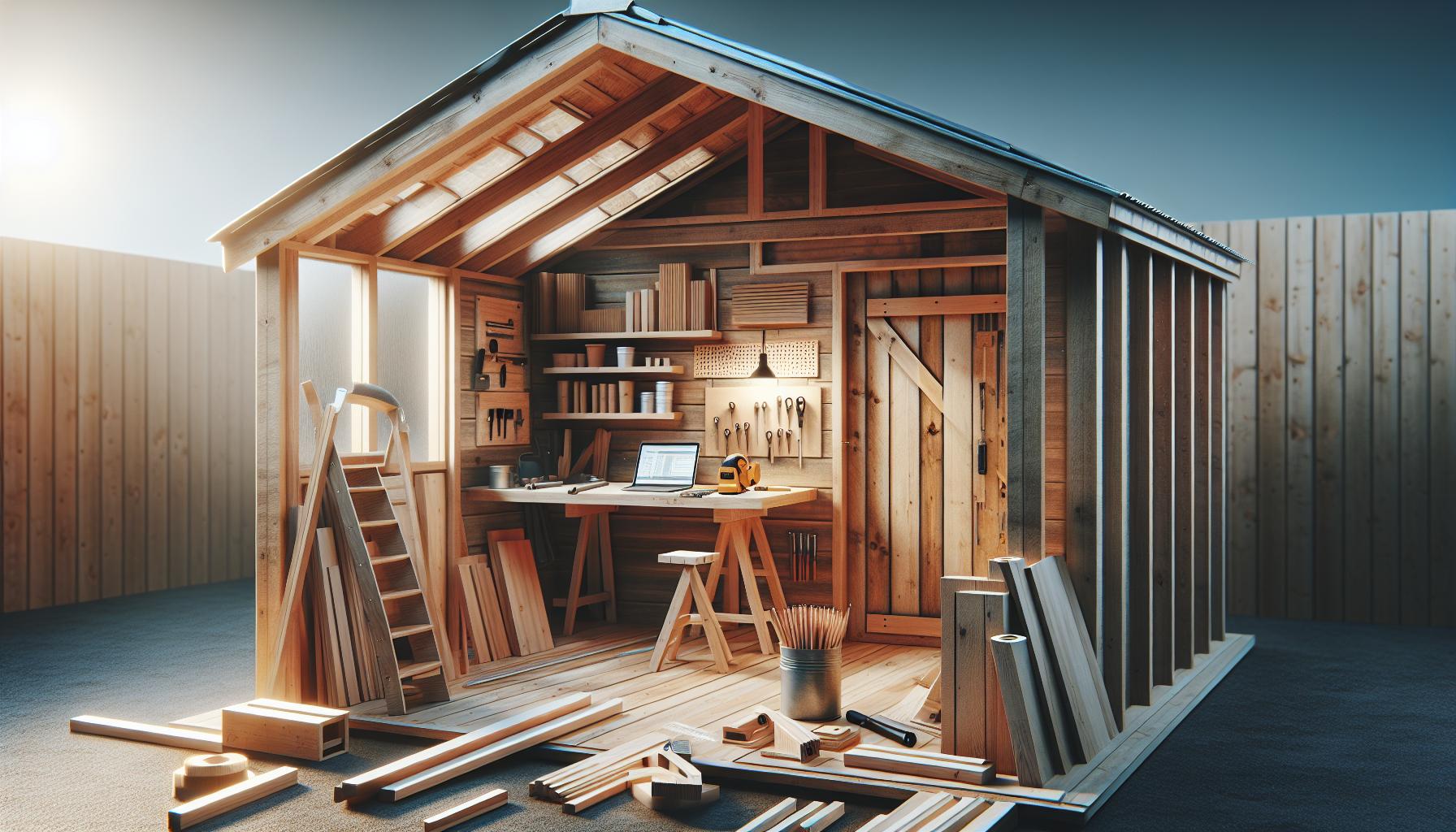
The Importance of Maintaining Proper Clearance to Avoid Problems
Proper clearance between structures, such as sheds and homes, is more than just a matter of aesthetics. It’s crucial for avoiding a multitude of potential problems that could arise from insufficient distance. Not only does compliance with safe distance rules protect your property value,but it also ensures the well-being of your family and safeguarding your investment. Understanding how close you can build a shed to your house involves considering various factors from local regulations to environmental impacts.
### Risks of Ignoring Clearance Regulations
Building too close to your home can lead to several risks, both immediate and long-term. Here are some key issues to consider:
- Fire Hazard: Structures that are too close together can create notable fire risks, especially if one structure has wooden elements. Such proximity may violate fire codes and insurance requirements.
- Pest Infestation: A lack of clearance can encourage insects and rodents to transfer between buildings, leading to infestations.
- Water Drainage: Proper spacing aids in water drainage.If a shed is too close, it can interfere with the drainage of water away from your foundation, resulting in potential flooding or structural damage.
- Maintenance Access: Keeping adequate clearance allows for easier maintenance and cleaning between structures, reducing the chances of damage and increasing lifespan.
### Local Codes and Compliance
One critical step in determining how close you can build your shed to your house is to review local zoning and building codes. These may vary widely depending on your location and can dictate the required spacing for safety and aesthetic considerations. It’s advisable to contact your local zoning office or consult online resources to gather the necessary requirements.
Key Considerations for Safe Distancing
When following the safe distance rules for building sheds, consider the following practical steps:
| Consideration | Suggestion |
|---|---|
| Local Regulations | Always check with local authorities for specific safe distance rules. |
| Fire Safety Codes | Adhere to fire safety codes, which may dictate minimum distances between structures. |
| site Topography | Evaluate land slope and drainage patterns to avoid water-related issues. |
| Pest Management | Design your property to minimize pest transfer by allowing sufficient barriers. |
Creating a buffer zone not only ensures compliance with regulations but also enhances your backyard’s usability and aesthetics. By maintaining proper clearance, you mitigate risks and protect both your investment and your peace of mind. Understanding the importance of proper spacing is the first step towards a successful and safe shed installation, helping to pave the way for a seamless integration of new structures with existing home environments.
Factors That Influence the Safe Distance Between Your shed and Home
When considering the placement of a shed in relation to your house,it’s essential to recognize that a variety of factors dictate the safe distance required. The proximity of your shed to your home is not merely a matter of preference; it can significantly impact safety, aesthetics, and compliance with local regulations.Understanding these elements will enable you to make informed decisions for your property.
Local Building Codes and Regulations
One of the primary factors to consider is local building codes and zoning regulations. Different areas may have specific rules governing how close outbuildings like sheds can be to residences. For instance, manny municipalities enforce a minimum distance requirement—often ranging from 3 to 10 feet—between your house and any accessory structures. Failure to adhere to these regulations can result in fines or the necessity to relocate your shed.
Fire Safety Considerations
Another critical factor influencing the safe distance is fire safety. If you reside in a fire-prone area, maintaining a greater distance between your shed and house can minimize the risk of fire spreading. Here are some recommendations based on materials commonly used for sheds:
- Wooden Sheds: These should typically be placed further away from the home due to their flammability, ideally at least 10 feet.
- Metal Sheds: While more fire-resistant,a distance of 3 to 6 feet is generally recommended.
- Vinyl Sheds: Depending on local regulations,a distance of approximately 6 feet is advisable.
Environmental Conditions
The environmental factors surrounding your property also play a pivotal role in determining the appropriate distance. Considerations include:
- Wind Patterns: In areas where winds are strong, a shed positioned closely may be at risk of debris damage or may even pose a threat to your home.
- Rainwater Drainage: Ensure that the shed’s placement does not interfere with proper drainage away from your home, which could lead to water damage or foundation issues.
Ultimately, a well-planned distance between your shed and home fosters a safer environment and adheres to local codes. Taking the time to assess these influencing factors can save you from potential headaches and create a more harmonious outdoor space.
recommended Distances: What experts say for Safe Construction
When planning to construct a shed,one important aspect often overlooked is the distance from your home. Understanding the recommended clearances not only adheres to local building codes but also enhances safety and functionality. While regulations may vary depending on your location and specific circumstances, experts generally agree on some essential guidelines to follow.
Recommended Distances to Consider
authorities suggest maintaining a minimum distance between your shed and your house to avoid potential issues such as fire hazards, structural strain, and pest infestations. Below are some commonly recommended distances:
- Minimum Distance: Most experts recommend at least 3 to 5 feet of clearance from the walls of your home to the nearest wall of the shed. This distance ensures adequate airflow and reduces the risk of moisture buildup that can lead to mold.
- Fire Safety: For regions prone to wildfires or where building materials are not non-combustible, maintaining a distance of 10 feet may be advisable to diminish fire risks.
- Access and Maintenance: A distance of 3 feet allows for easier access, ensuring you can maintain both your home and your shed without obstruction.
To visualize how these distances apply in real-world scenarios, consider the following table that offers suggested distances based on different factors:
| Factor | Recommended Distance |
|---|---|
| General Safety | 3-5 feet |
| Fire safety (Non-combustible materials) | 10 feet |
| Pest Control | 5 feet |
| Access and Maintenance | 3 feet |
By adhering to these recommended clearances, you not only comply with safety standards but also create an environment conducive to a safe, functional, and aesthetically pleasing backyard. make sure to check your local regulations for the most accurate guidance as building codes can vary significantly based on your locality.
Building Codes vs. Practical considerations: Finding Common Ground
When considering the optimal distance to build a shed from your home, it’s vital to strike a balance between adhering to local building codes and addressing practical concerns. Many homeowners underestimate the importance of these regulations, which are instituted to ensure safety, structural integrity, and even aesthetic values within neighborhoods.Building codes can dictate minimum separation distances, which vary significantly based on the jurisdiction and the purpose of the structure. understanding these codes can empower you to navigate the complexities of construction while also enhancing the functionality of your property.
Understanding the Importance of Building Codes
Building codes serve as a roadmap for safety and reliability in construction. They encompass various elements, including fire safety, structural stability, and accessibility, ensuring that your shed won’t inadvertently jeopardize your primary residence. As a notable example, certain municipalities may require a minimum distance of 5 to 10 feet between your shed and home to prevent fire hazards, particularly if the shed is used for storing flammable materials. familiarizing yourself with local regulations not only helps in avoiding potential fines but also assures you that your construction is safe for use.
Navigating Practical Considerations
While complying with building codes is essential, practical considerations such as accessibility, utility access, and aesthetic alignment should also weigh heavily in your planning. Think about how close you want your shed to be for convenience—like garden tools, lawn mowers, or outdoor furniture. Building it too far might negate the ease of access, while positioning it too close could interfere with natural drainage or the foundation of your home.
- Easy Access: Aim for a distance that allows you to easily reach your shed without encumbering the yard space.
- Water Drainage: Ensure that the shed placement considers drainage patterns,maintaining over 3 feet from the foundation of your house to avoid water pooling.
- Local Aesthetic: Harmonize the design of your shed with existing structures to prevent overshadowing or visual clutter.
Combining these elements allows for a meaningful interaction between code compliance and practical usability,enabling homeowners to not only respect legal requirements but also to enhance their living space effectively. For example, utilizing features like decorative fencing or landscaping can definitely help your new shed blend seamlessly into your property, creating a cohesive look while keeping it at the required distance from your house, respecting both safety and aesthetics.
In essence, understanding ‘How Close Can You Build a Shed to Your House? Safe distance Rules’ involves more than just knowing the local codes; it requires an assessment of how these rules fit into your broader vision for your property. Building your shed at the right distance not only fulfills legal obligations but also adds value to your home.
Strategies for Maximizing Your Yard Space While Staying compliant
Creating a functional and beautiful yard frequently enough requires maximizing the available space while adhering to local regulations, especially concerning structures like sheds. Understanding how close you can build a shed to your house is crucial not only for maintaining safety but also for optimizing your outdoor area. By utilizing effective strategies and planning, you can transform your yard even while respecting safe distance rules.
Utilizing Vertical Space
One of the best strategies for enhancing your yard while staying compliant with distance regulations is to think vertically. Consider the following options:
- Vertical Gardens: These innovative solutions allow you to grow plants in a compact area,saving ground space.
- Wall-mounted Sheds: If zoning laws permit, consider a lightweight, wall-mounted storage unit that won’t intrude on your yard’s open space.
- Multi-functional Structures: Design features like raised garden beds that can double as benches can maximize utility without adding clutter.
By incorporating vertical solutions, you not only elevate the aesthetic appeal of your yard but also adhere to regulations governing your shed’s proximity to your home.
Smart Siting of Structures
When planning where to place your shed, the site choice can significantly impact both usability and compliance. Consider these aspects:
- Assess Your Property Lines: Know exactly where your property begins and ends. Placing your shed within the allowed distance while factoring in local zoning laws can prevent compliance issues later.
- Minimize Obstruction: Position structures in a way that does not block sunlight or airflow to your plants and gardens. This not only helps your plants thrive but also conforms to neighborhood aesthetics.
- Utilize corners Wisely: Corners often offer untapped space for a shed while keeping it distant from your primary structure.
These siting strategies can maximize your yard’s utility without violating safe distance rules established by your community.
Case Study: Compliant Backyard Revamps
Consider the following table showcasing different scenarios of shed placement concerning local regulations.
| Scenario | proximity to House | Compliance Status | Notes |
|---|---|---|---|
| Small Shed, 5 ft from House | 5 ft | Compliant | Meets local minimum distance requirements. |
| Large Shed,10 ft from House | 10 ft | Compliant | Allows for future landscaping and improves airflow. |
| Shed Encroaching Property Line | 1 ft | Non-Compliant | Risk of fines or removal. |
This example highlights how critical proper planning and understanding of regulations are in executing successful backyard upgrades while ensuring that your structures, including sheds, are compliant with safe distance rules. As you navigate your yard renovation, let these examples guide you to avoid common pitfalls and maximize your addition’s functionality and aesthetic appeal.
Common Mistakes in Shed Placement and How to Avoid Them
Proper placement of a shed is crucial not just for aesthetics, but also for functionality and safety. Many homeowners make the mistake of positioning their shed too close to the house or failing to consider local regulations, which can lead to a host of issues. Misjudging the required distance can result in potential damage, legal headaches, and reduced enjoyment of your outdoor space. By learning about common placement mistakes and understanding how close you can build a shed to your house, you can avoid these pitfalls and make the most of your property.
Ignoring Local Building Codes
One of the most frequent oversights is neglecting local building codes or neighborhood guidelines. Each municipality has specific regulations regarding how close a structure can be to a residential building. Many areas enforce minimum distance rules to protect against fire hazards, zoning violations, and privacy concerns. Before breaking ground, always check with your local zoning office or homeowner association (HOA) to determine the safe distance rules that apply in your location.
Overlooking Utility Lines
Sheds shouldn’t just sit anywhere; they need to respect the web of utility lines hidden underground. A common mistake is situating your shed without checking for these essential lines. Accidentally damaging water, gas, or electricity lines while digging for the foundation can lead to serious accidents and costly repairs. To avoid this, contact your local utility companies before placement to get a clear map of underground lines.
Neglecting Drainage and landscaping
Another mistake is failing to consider how rainfall and drainage will affect your shed.Building too close to the house can lead to water pooling around the foundation, which can invite mold or rot. Here are some tips to mitigate these risks:
- Position the shed at least a few feet away from the house to allow for proper drainage.
- Consider installing French drains or gutters to redirect water away from both the shed and your home.
- Plan for adequate grading of the land to ensure water flows away from your structures.
overestimating Space Requirements
Have you ever measured a space and thought it looked larger than it actually is? Many people underestimate the room needed for maintenance and access around a shed. Sheds require space for ventilation, opening doors, and potentially even performing repairs or landscaping.
Here’s a handy table to help visualize the clearances needed:
| Function | Recommended Clearance |
|---|---|
| access for Maintenance | 3-4 feet on all sides |
| Ventilation Space | 1-2 feet away from the house |
| Foundation Drainage | 2-3 feet from any drainage system |
By keeping these common mistakes in mind and taking the appropriate steps, you can ensure that your shed is not only compliant with how close you can build a shed to your house but also functional, accessible, and safe for years to come.
Expert Tips for Planning Your Shed: Ensuring Safety and Accessibility
When it comes to constructing a shed, understanding the safe distance rules in relation to your house is crucial, not only for compliance with local regulations but also for ensuring safety and accessibility. Many homeowners underestimate the importance of proper shed placement, which can lead to future complications or concerns. By following a few expert tips, you can design a functional and safe shed while avoiding potential pitfalls.
Consider local regulations
Before making any concrete plans, take the time to research your local building codes and zoning laws. Many municipalities have specific guidelines regarding how close you can build a shed to your house,often determined by factors such as property lines and fire safety standards. Being informed about these regulations will help you avoid fines and the hassle of moving an improperly placed shed later on. Utilize community resources or consult with your local planning department to gather the necessary information.
Maximize Accessibility and Safety
To ensure that your shed is not only compliant but also practical in its use, consider its accessibility:
- Pathway Planning: Create a clear, stable pathway from your house to the shed. This could involve gravel,stepping stones,or paved walkways,making it easy to transport tools,lawn care items,and other essentials without hassle.
- Space for Maneuverability: Leave sufficient space around the shed for maintenance activities and emergency access. This includes consideration for tools and equipment that you might need to retrieve or store.
- Ventilation and Light: Ensure that your shed has windows or ventilation systems that allow for airflow. Placement near your house should also consider natural light to enhance usability.
Emergency Considerations
Safety isn’t just about distance—it’s about planning for emergencies as well. Think about potential fire hazards, especially if you store flammable materials in your shed. Keep the following safety measures in mind:
| Safety Measure | Description |
|---|---|
| Firebreak Zone | Establish a clearance area around your shed to minimize fire risk. Consider materials and landscaping that don’t easily ignite. |
| access to Firefighting Equipment | Ensure there is clear access to fire hydrants or equipment in case of emergency, which can be affected by shed placement. |
By keeping these expert tips in mind, you’ll ensure that your shed not only adheres to the safe distance rules set forth in your jurisdiction but also serves you well in everyday use. Taking these crucial steps during the planning phase will save you time, money, and potential safety hazards in the long run.
FAQ
How close Can You build a Shed to Your House? Safe distance rules?
Typically, you should build a shed at least 3 to 5 feet away from your house. This distance varies based on local building codes, which address fire safety and structural integrity.
Each state or municipality may have specific rules regarding the safe distance for building structures like sheds. As a notable example, certain areas may require greater distances to prevent potential fire hazards and ensure proper air circulation. It is crucial to check local regulations to comply with the pertinent regulations.
For more detailed information on local guidelines, you could visit your city’s building department website. They frequently enough provide resources, including building permit requirements, that can definitely help you navigate the process.
What is the recommended distance for building a shed next to a fence?
Generally, it’s advisable to maintain a distance of at least 1 to 3 feet from the property line. This space allows for proper maintenance and compliance with local zoning laws.
Building codes often specify the necessary setbacks from property lines, which can affect how close you can build to a fence. These rules help prevent disputes with neighbors and avoid potential fines.always verify local regulations and consult with your neighbors if necessary.
Why does distance matter when building a shed near my home?
Distance matters to ensure safety and compliance with local codes, primarily to reduce fire risks and allow for proper ventilation.
Building too close to your home can escalate risks in case of a fire, especially if the shed contains flammable materials. Additionally, proper distancing helps ensure that your shed doesn’t block air flow or sunlight to your home, preserving your living environment. This is vital for maintaining a pleasant home atmosphere.
Can I build a shed closer than 3 feet to my house?
In certain specific cases, you might potentially be able to build closer than 3 feet, but this depends on local building codes. Special provisions may exist for certain types of construction or in specific areas.
If your local regulations allow for a reduced distance, it’s often vital to ensure that the shed meets specific fire safety standards. These measures are designed to protect both your property and your home. For any modifications or exceptions, obtaining a building permit is usually a requirement.
How do local building codes affect shed placement?
Local building codes dictate the allowable distance between your shed and other structures, including your home. These codes are implemented to ensure safety and minimize risks associated with construction.
Understanding your local codes will guide you on practical concerns such as foundation requirements, permitting, and safety inspections. It’s wise to contact your local zoning office or review their guidelines before begining construction. Knowledge of these regulations can save you time and potential fines.
What happens if I build my shed too close to my house?
Building your shed too close can lead to potential fines, a forced removal of the structure, and safety hazards. Compliance with local regulations is key to avoiding these issues.
If the shed violates local codes, you may receive a citation and possibly have to dismantle the shed or alter its location. Moreover, being too close to your house can increase the risk of fire hazards, particularly if you store hazardous materials or engage in activities such as grilling nearby.
are there special considerations for building a shed on a sloped lot?
Yes, building on a sloped lot can impact the distance rules and foundation type required for a shed. It’s essential to account for drainage, stability, and local building regulations.
A sloped lot may need additional engineering to ensure that the shed remains safe and functional. Building codes may have specific requirements for setbacks and foundations on uneven terrain to maintain structural integrity and safety. Always consult with a professional if you’re unsure about proper construction techniques.
Key Takeaways
building a shed close to your house can be a rewarding yet intricate endeavor that requires careful consideration of safe distance regulations and local zoning laws. Understanding the minimum distance requirements, which frequently enough vary by location, ensures not just compliance but also safety and accessibility for everyday use. Remember, while the guidelines might seem complex, breaking them down into manageable steps can simplify your project.As you embark on your shed-building journey, keep in mind the importance of proper planning and execution—measuring, leveling, and following structural guidelines are your best friends in this process. should you face any challenges,don’t hesitate to seek out community resources or local professionals who can provide invaluable insights.
We encourage you to delve deeper into the world of DIY projects. Explore additional resources, check local regulations, and perhaps engage with fellow enthusiasts in forums for tips and shared experiences. Every great project starts with a single step, and with your newfound knowledge, you’re well on your way to creating a quality structure that will serve you for years to come. Happy building!
Get our latest guides, news, and insights highlighted in your Google Search & AI Overviews.


