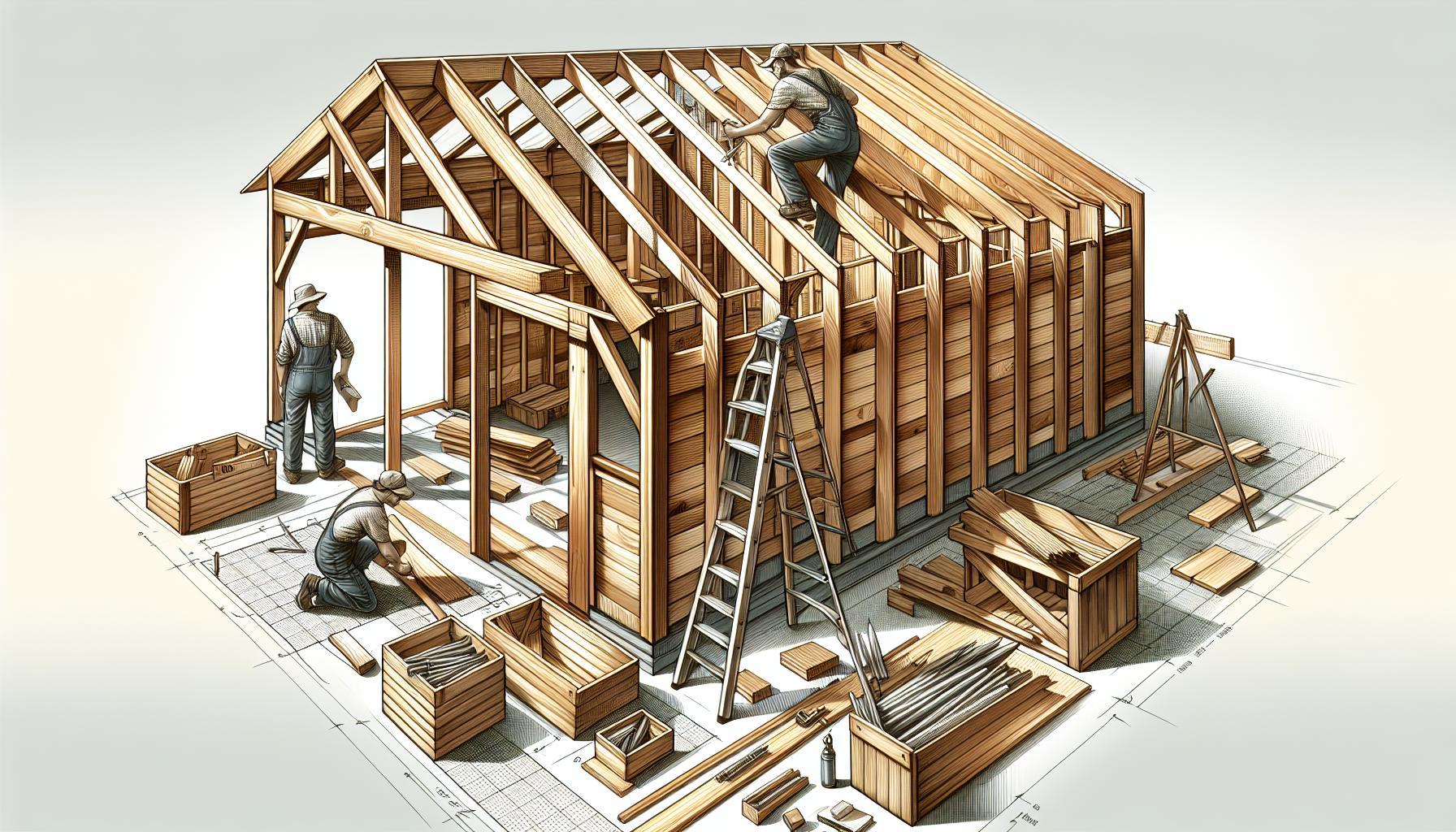
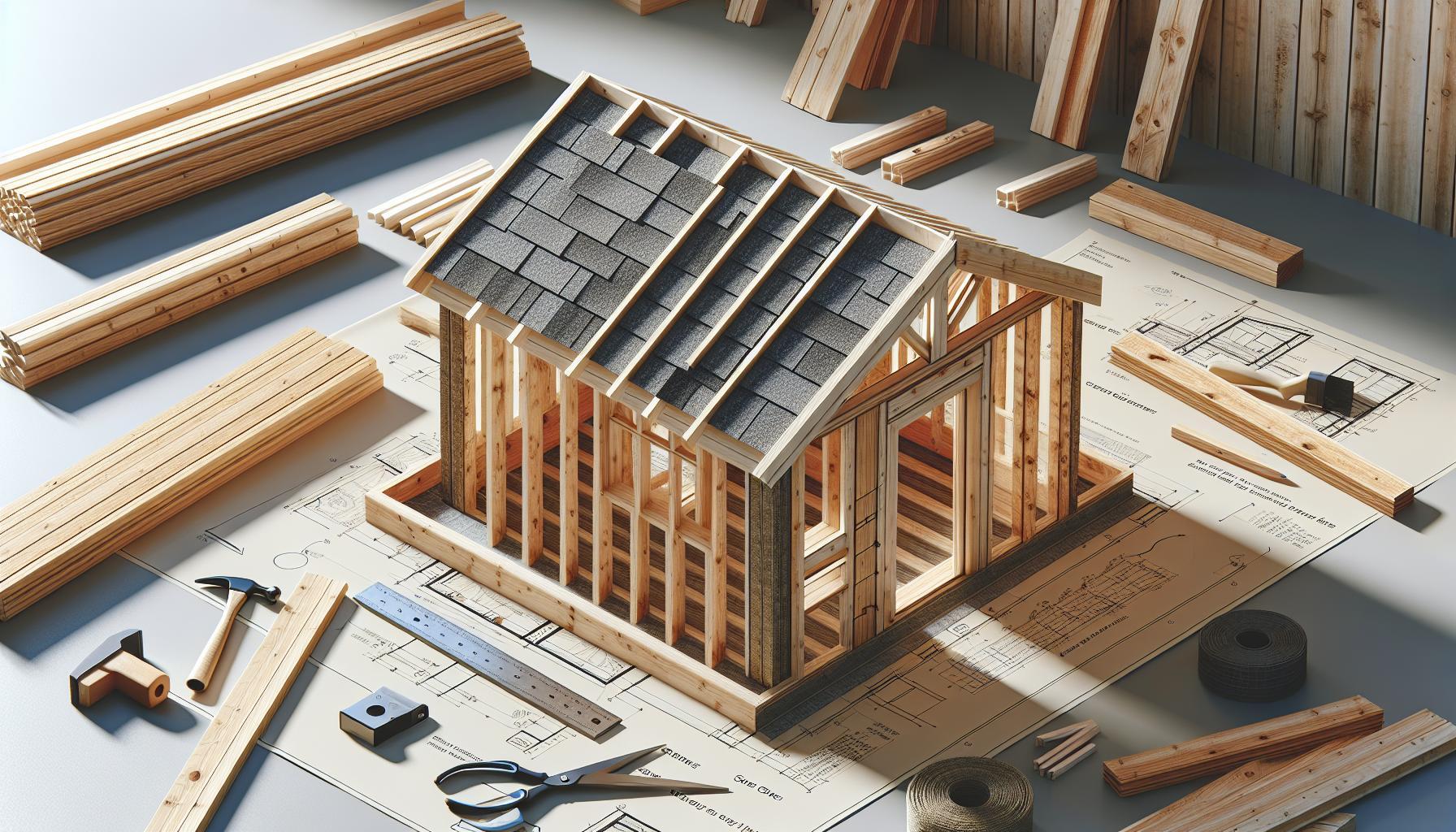
Building a shed beneath the canopy of trees can seem appealing, but it’s crucial to consider the implications of roots and shade. This careful planning ensures the longevity of your shed while protecting tree health. Understanding these factors helps in making informed decisions that enhance your outdoor space without compromising the environment.
Understanding the Impact of Tree Roots on Shed Foundations
Understanding the intricacies of tree roots is essential when contemplating the placement of a shed beneath trees. As roots spread far and wide, they may pose meaningful challenges to the stability and integrity of any structure built nearby. Trees are not only gorgeous additions to a yard but also powerful natural elements that can substantially influence the surrounding soil and the stability of foundations.
Roots can grow both laterally and vertically, often extending beyond the tree’s canopy. This growth pattern can result in uneven ground, which presents challenges when preparing a stable foundation for your shed. Additionally, roots can exert pressure on foundations, leading to structural issues. Here are some key points to consider regarding the impact of tree roots on shed foundations:
Potential Risks from Tree Roots
- Foundation Instability: As roots spread and seek moisture, they can uplift or compress the soil, causing shifts that may compromise your shed’s foundation.
- Decay and Rot: If roots penetrate the area where wooden supports or floor systems of your shed are placed, moisture accumulation can occur, leading to decay.
- Growth Over Time: Roots can continue to grow,potentially impacting established structures. This growth must be factored into your long-term planning.
When contemplating the question, “Can I build a shed under trees?” it’s crucial to assess the specific species of trees involved. Some trees have more aggressive root systems than others. Such as, oak and willow trees tend to have extensive root systems that could prove invasive, while flowering dogwoods often have shallower, less disruptive roots. Evaluating the tree type and its potential to affect your shed can guide you in making informed decisions about your build.
Strategies for Mitigating Root Impact
It’s not all doom and gloom when building near trees.With thoughtful planning, you can mitigate the impact of tree roots on your shed’s foundation. Here are some actionable steps to consider:
| Strategy | Description |
|---|---|
| Location Selection | Avoid positioning the shed directly under the tree canopy or in areas where roots are prominently visible. |
| Foundation Type | Consider utilizing a pier or post foundation that allows the structure to float above the ground, minimizing contact with the roots. |
| Root Barriers | Install root barriers (such as clear plastic sheeting) around the perimeter of the shed to help block roots from reaching the structure. |
By carefully evaluating the relationship between tree roots and shed foundations, you can make educated decisions that prioritize both the health of the trees and the longevity of your shed. Taking these considerations into account not only aids in maintaining a peaceful coexistence with nature but also helps protect your investment in the long run.
Evaluating Shade: How Tree Canopy Affects Shed Placement

Building a shed under trees can seem like a great way to utilize shaded areas in your yard, but understanding how tree canopies affect shed placement is crucial.Not only does the amount of shade influence the temperature and humidity around your shed, but it also impacts structural integrity and maintainance needs. An effective approach involves evaluating both the living trees and the anticipated growth patterns of their canopies over time.
Assessing Tree Canopy Coverage
Before you make a decision, observe the canopy coverage throughout different seasons. During the summer, heavy foliage can create significant shade, while bare branches in winter can expose your shed to sunlight. This variability can lead to moisture retention, causing wood decay or increasing the likelihood of mold and mildew if the shed is too shaded. Conversely, consistent sunshine can help eliminate excess moisture. Consider the following factors:
- Sunlight Duration: Monitor how many hours of direct sunlight the area receives. Less than three hours may necessitate carefully selected materials resistant to moisture.
- Canopy Height: Taller trees may allow filtered sunlight that can still reach your shed,mitigating some dampness problems.
- Species Consideration: Fast-growing trees like maples or oaks can spread rapidly, casting larger shadows and potentially leading to more debris (leaves, twigs) accumulating on your shed.
evaluating Root Systems
Another significant aspect of placing a shed under or near trees is the potential impact of root systems. Tree roots can extend far beyond the tree trunk,disrupting soil stability and invading space that could be needed for your shed’s foundation.Here are some strategies to consider:
| Tree Species | Typical Root Behavior | Shed Placement Recommendation |
|---|---|---|
| Maple | Aggressive surface roots | At least 10 feet away |
| Oak | Deep roots but can invade soil | 15 feet minimum |
| Pine | Shallow, spreading roots | 10 feet minimum |
The goal is to avoid placing your shed where the tree roots could coexist awkwardly or threaten the stability of the structure. Regularly inspecting the area around the shed for signs of root encroachment is advisable.
when contemplating whether to build a shed under trees, it’s vital to evaluate the shade effects and root systems thoroughly.This ensures your shed will remain structurally sound and adequately ventilated while reducing the need for excessive maintenance. Always remember to consider the long-term growth of the trees to avoid future landscaping conflicts.
Choosing the Right Shed Materials for Under-Tree Construction
When contemplating the construction of a shed underneath the shelter of trees, your choice of materials becomes crucial for long-lasting durability and functionality. Different materials respond uniquely to the challenges posed by shade, moisture, and potential root interference from the surrounding trees.A well-chosen structure not only enhances the aesthetic of your garden but also complements the natural landscape while providing reliable protection.
Understanding the Challenges
Building a shed under trees poses multiple challenges, primarily due to the shade and moisture levels that these environments create. The materials you choose should withstand damp conditions and resist rot, decay, and pests. Here’s a closer look at some popular materials suitable for this type of construction:
- Wood: Even though conventional and charming, softwoods like pine may not be the best choice due to their susceptibility to moisture. Rather, opt for hardwoods like cedar or redwood, which are more resistant to rot.
- metal: Steel or aluminum are excellent weather-resistant options. They require less maintenance and are impervious to pests like termites. Though, ensure proper ventilation to avoid condensation issues.
- Composite Materials: Made from a blend of wood fibers and plastic, these materials are highly resilient against moisture and insects. They’re an eco-amiable option that offers durability without the need for frequent maintenance.
Evaluating Structural Integrity
Before settling on a material, consider the weight of your shed and the health of the tree roots beneath. Prioritize designs that distribute weight evenly to minimize the impact on the root system. Adding a foundational platform, possibly made from treated lumber or concrete, can elevate the shed off the ground and allow for proper drainage, preventing mold and decay.
Material Comparison Table
| Material | durability | Maintenance | Cost |
|---|---|---|---|
| Wood (Cedar/Redwood) | High | Moderate | $$$ |
| Metal (Steel/Aluminum) | Very High | Low | $$$ |
| Composite | High | Low | $$$ |
Incorporating these considerations into your decision-making process will ensure that your shed remains functional and stylish despite the challenges offered by its arboreal surroundings. Always remember to consult local regulations and guidelines regarding building under trees to ensure full compliance while protecting nature.
Best Practices for Maintaining Soil Health Around Your Shed

Soil health is crucial for maintaining vibrant ecosystems, especially in areas surrounding structures like sheds. If you’re considering the effects of shade from trees and root systems when asking, “Can I Build a Shed Under Trees? Root and Shade Considerations,” it’s essential to implement best practices for preserving the soil health around your shed. Proper management not only supports the trees but also enhances the stability and longevity of your shed.
One basic approach to maintaining soil health is through proper water management. Ensure that water runs off effectively to prevent pooling, which can lead to root rot and decrease soil oxygen.Here are a few tips to manage water effectively:
- Grade the soil: Make sure the ground around your shed slopes away to drain water efficiently.
- Mulching: Use organic materials like wood chips or straw around the base of your shed to slow evaporation and improve moisture retention.
- install drainage systems: Consider French drains or similar systems to redirect excess water away from the shed and tree roots.
Minimizing Soil Compaction
Soil compaction can severely impair the ecosystem’s health, particularly in shaded areas. When working around the shed, take measures to minimize soil disturbance. As a notable example,avoid using heavy machinery near the shed and limit foot traffic in the vicinity. Consider establishing a path with gravel or stepping stones to create a stable walking area without damaging the soil structure.
Enhancing Soil Nutrients
Incorporating organic amendments can greatly boost soil health beneath and around your shed. Adding compost not only enriches the soil but also promotes a healthy microbial community essential for nutrient cycling. Here are some ways to enhance nutrient levels:
- Composting: Create a compost pile with kitchen scraps and yard waste, which can later be used as a nutrient-rich top dressing around your shed.
- Cover crops: Planting cover crops can improve soil structure and organic matter content while preventing erosion.
- Natural fertilizers: Using bone meal or fish emulsion can provide essential nutrients without harming the soil ecosystem.
Encouraging Biodiversity
Promoting a diverse range of plants around your shed can improve soil resilience. Native plants are particularly beneficial as they adapt well to local conditions and require less maintenance. inquire about local plants that can thrive in shaded areas and consider diversity by planting flowers, grasses, and shrubs that attract beneficial insects, aiding pollination and pest control.
By adopting these best practices for maintaining soil health, you can create a balanced environment that supports both your shed and the surrounding trees. Not only will this enhance the longevity of your structures, but it will also contribute positively to the local ecology—an invaluable benefit when pondering, “Can I Build a Shed Under Trees? Root and Shade Considerations.”
Tips for Ensuring Proper Water Drainage Under Trees
To maintain a healthy environment for both your shed and nearby trees, ensuring proper water drainage is crucial, especially when considering the implications of roots and shade. Trees can absorb significant amounts of water, which may lead to drainage issues if not properly managed.When planning to build a shed under trees, it’s essential to implement effective drainage strategies to prevent water accumulation and protect both structures.
Understanding Drainage Needs
Evaluate the drainage patterns in your yard.Trees often divert water, leading to uneven moisture levels in the soil. To combat this, observe how water behaves during rainstorms. Is there pooling in certain areas? Identifying these patterns can help you make informed decisions about where to place your shed and how to best direct excess water. Consider using a combination of techniques to create a more uniform drainage solution.
Implementing Effective Drainage Solutions
Here are some practical tips to enhance drainage under and around trees:
- Install a French Drain: This type of drainage system uses perforated pipes buried in gravel to redirect water away from low areas and tree roots.
- Create a Rain Garden: Planting a rain garden with native plants can absorb excess water and improve drainage while adding aesthetic value.
- Utilize Trench Drains: If water tends to gather near your shed, consider installing trench drains that channel water away efficiently.
- Soil Amendments: Incorporating organic matter such as compost or peat moss can improve soil structure and enhance drainage capabilities.
Monitor and Maintain
Regular monitoring is essential for effective drainage. After heavy rain, check if water pooling occurs and adjust your measures accordingly. In addition, maintain your drainage systems, ensuring that they remain clear of debris and are functioning properly. this proactive approach not only protects your shed but also supports the health of the trees you are working around.
By understanding the dynamics of tree root systems and water drainage, you can successfully manage the challenges of building a shed under trees. Employing these strategies will help mitigate water issues,preserve your shed’s structural integrity,and promote the well-being of your trees.
Planning for Accessibility: Navigating tree Roots and Ground Terrain
Building a shed beneath the majestic branches of a tree can evoke images of tranquil retreats,yet it raises pertinent questions about encountering tree roots and uneven ground terrain. Prioritizing accessibility is critical when considering such a project, as improper planning could lead to structural issues or hinder usability.Equipped with the right knowledge, you can navigate the challenges posed by roots and varying topography to create a functional and aesthetic outdoor space.
Understanding Tree Root Systems
Before you dive into the logistics of your shed construction,it’s essential to understand the dynamics of tree root systems. Typically, roots extend far beyond the drip line (the area directly located under the outer circumference of the tree’s branches). Factors to consider include:
- Root Depth: Most tree roots are found in the top 12 inches of soil, but some species may have roots that go deeper. This is crucial when placing your shed.
- Root Health: Compressing soil or damaging roots during construction can lead to the tree’s decline,affecting both your project and the environment.
- Distance from the Trunk: A general rule is to keep your shed at least 6 to 10 feet away from the tree trunk to give roots space to flourish.
Incorporating these considerations can help circumvent potential complications while promoting the tree’s health.
Addressing Ground Terrain Challenges
After understanding the root systems, you must address the terrain where the shed will stand. Uneven terrain can impede accessibility and lead to structural concerns. Here are some steps to ensure a solid foundation:
- Site Assessment: Conduct an evaluation of the ground’s topography. Look for slopes,dips,or rocky areas that may need leveling.
- Gravel Foundation: Creating a base with gravel can help with drainage and level out uneven ground without disturbing the roots significantly.
- Concrete Piers: Consider using concrete piers or blocks placed on a leveled surface to minimize disruption to the soil and roots.
Consulting a professional can provide insights tailored to local tree species and soil conditions, ensuring a accomplished build.
Real-World Considerations
It’s also beneficial to learn from others who have faced similar challenges.As a notable example, a homeowner in a heavily wooded area found success by relocating their shed to a slightly more open space adjacent to the tree line, where natural sunlight could reach while still benefiting from the shade and beauty of the trees. This approach also minimized damage to tree roots,allowing the trees to continue flourishing.
By integrating these strategies and understanding both tree roots and ground terrain, you can build a shed that enhances your property while respecting the natural ecosystem around it. Always remember to assess local regulations and environmental guidelines to ensure that your project remains compliant and environmentally friendly.
Mitigating Risks: Dealing with Falling Branches and Storm Damage
Storms can have devastating effects, particularly when it comes to falling branches and other types of storm damage. Particularly for those considering construction options such as sheds, understanding how to mitigate these risks is crucial. When thinking about safety and property protection, the significant issues of falling debris from trees can pose serious threats. The aftermath of recent severe storms have highlighted these dangers, demonstrating the importance of assessing the conditions of trees around any potential building site.
Assessing Tree Health and Stability
Regularly assessing the health of trees near your shed construction site is essential. Look for signs that indicate stability or potential risk; these can include:
- Dead branches: Dead or dying branches are more likely to fall during storms, leading to potential damage.
- leaning trunks: A visible lean can signal a structural problem that may culminate in a toppled tree.
- Root damage: Root rot or other damage can compromise a tree’s ability to withstand storm winds.
If you notice any of these concerning signs, it might potentially be wise to consult with an arborist. They can provide a professional assessment and suggest whether pruning or removal is necessary to enhance safety.
Implementing Protective Measures
When planning to build a shed under trees, consider these protective measures that can provide added safety against storm damage:
- tree trimming: Regularly trim branches that hang over the area where you plan to build. This reduces the risk of falling branches during high winds.
- Placement considerations: When positioning your shed, consider placing it a safe distance away from larger trees to reduce potential damage.
- Use of durable materials: Opt for materials that can withstand harsh weather, such as reinforced roofing and solid foundations that can endure impacts.
By taking proactive measures, you can significantly reduce the risks associated with building a shed beneath trees.
Emergency Preparedness
In addition to preventive measures, an effective emergency response plan should be established. This could include:
- Insurance checks: Review your homeowner’s insurance to ensure you are covered for storm damage.
- Evacuation plans: Have a plan in place for quick action if severe storms are forecasted, especially if large branches or trees could threaten your shed.
- Regular monitoring: Keep an eye on weather conditions and local alerts to stay prepared for incoming storms.
These strategies not only protect your investment in a shed but also ensure you can respond quickly and effectively to potential threats posed by falling branches during inclement weather. By considering these factors,you can make an informed decision about the feasibility of your shed project in the context of nearby trees and their potential risks.
Enhancing Your Shed’s Environment: Companion Planting and Landscaping Ideas
Creating a vibrant and enduring environment around your shed doesn’t have to be a daunting task, especially when it involves the principles of companion planting and thoughtful landscaping.By integrating plants that not only beautify the area but also support each other’s growth, you can enhance your shed’s surroundings while navigating the challenges posed by nearby trees. As a notable example, knowing how to optimize root space and manage shade can make a significant difference in your gardening efforts, particularly if you’re considering whether to build a shed under trees.
Companion planting is a gardening technique that maximizes the benefits of various plant species growing close together. This approach can mitigate the challenges associated with building in shaded areas by selecting plants that thrive under trees, where light is limited.For example, consider pairing lespedeza with shade-tolerant vegetables like spinach or lettuce.These plants not only tolerate the partial shade cast by trees but also help enrich the soil and deter pests.
- Beneficial Plant Combinations: Plant marigolds near your shed to ward off pests that might threaten nearby vegetables.
- Herbs for Health: Grow basil and garlic together, as basil can enhance the flavor and growth of garlic while both deter common pests.
- Ground Cover: Use creeping thyme as a ground cover that withstands foot traffic while preventing weeds.
Designing with Shade in Mind
When landscaping around your shed, consider the types of plants that not only beautify the space but can withstand the root competition and shade from surrounding trees. Properties like soil quality, moisture levels, and light exposure are paramount.Incorporating a mix of perennials and annuals can create a dynamic landscape. For example, using a design that features a mix of ferns, hostas, and Japanese forest grass can enhance the aesthetic while thriving in less sunlight.For your reference, the following table outlines some favorable plants for a shaded garden environment:
| Plant | Benefit | ideal Conditions |
|---|---|---|
| Hosta | Attractive foliage | Partial to full shade |
| Ferns | Texture and greenery | Moist, shady areas |
| Astilbe | Colorful flowers | Rich, moist soil in shade |
| Japanese Forest Grass | Graceful appearance | Partial shade |
By employing these companion planting techniques and carefully selecting landscaping plants that work well under trees, not only can you enhance the aesthetic appeal of your shed’s environment but also support a balanced ecosystem. This thoughtful gardening strategy can create an inviting, functional space that thrives within the unique challenges of cultivating under trees. Whether addressing the question of “Can I build a shed under trees?” or looking to maximize your garden’s potential,these tips will set you on the path to a more productive and beautiful shed environment.
Frequently asked questions
Can I Build a Shed Under Trees? Root and Shade Considerations?
Yes, you can build a shed under trees, but you must consider root systems and shade effects. Proper planning and site assessment are essential to avoid future issues with structural integrity and moisture management.
Building a shed near trees can provide natural shade, which protects from excessive sunlight. Though, tree roots may extend beneath your shed site, affecting stability and drainage. Consider using pier foundations to minimize root disruption and improve ventilation. For a deeper look, check our article on different foundation types.
what are the risks of building a shed under trees?
building a shed under trees entails several risks, including potential damage from falling branches, limited sunlight for your shed, and root damage that could compromise its foundation. Understanding these risks is key to making an informed decision.
Additionally, moisture buildup from tree cover can lead to mold and mildew—a significant concern for garden sheds used for storage. Assess the health and stability of nearby trees before construction to lessen these risks.
How do tree roots affect shed construction?
Tree roots can interfere with shed construction by affecting the ground stability beneath your foundation. Roots may cause uneven settling or even uplift your shed over time, leading to structural issues.
It’s best to perform a root zone evaluation before building. if roots are present,consider the use of concrete piers or slabs to support the shed,ensuring roots remain undisturbed while providing solid footing.
Why does shade matter when building a shed?
Shade affects temperature control, moisture levels, and the lifespan of building materials. A shaded shed may retain more moisture, making it crucial to ensure adequate ventilation.
Consider using materials designed to resist moisture damage, such as pressure-treated lumber. Also, plan for proper drainage around your shed to prevent water accumulation, which can foster rot and decay.
Can I prune trees to make room for a shed?
Yes, you can prune trees to create space for your shed, but it should be done thoughtfully. Proper pruning techniques preserve tree health while ensuring adequate light reaches your shed.
Consult an arborist if unsure about pruning practices.They can help you gauge how much to prune without jeopardizing the tree’s health and stability. Remember to check local regulations regarding tree maintenance.
how far should a shed be from trees?
A common guideline is to maintain at least 6-10 feet of distance between the shed and the trees. this distance helps prevent issues like root interference and falling debris.
The specific distance may vary depending on tree species, size, and growth patterns. Always assess your unique situation to determine the best placement for optimal safety and longevity.
What is the best foundation for a shed under trees?
The best foundation for a shed under trees is typically a pier foundation. This design allows for airflow and minimizes disruption to tree roots, providing a stable base.
Using concrete blocks or footings will ensure that your shed remains level and dry, mitigating many issues associated with moisture and uneven settling caused by tree roots.
Closing Remarks
building a shed under trees can present both unique challenges and rewarding opportunities for DIY enthusiasts. When considering roots, it’s crucial to assess how they might impact your shed’s foundation and stability. Opting for a design that accommodates surrounding vegetation, such as elevated platforms, can help mitigate issues while preserving your beautiful trees. Additionally, managing shade effectively will enhance your shed’s longevity and comfort throughout the seasons.
By understanding these key aspects—root management,shade considerations,and proper construction techniques—you’re setting yourself up for success in your shed building endeavor. Don’t hesitate to explore additional resources to deepen your knowledge and gain further insights into the world of outdoor constructions. Embrace the joy of craftsmanship, and remember, every project is a step toward honing your skills. Happy building!
Get our latest guides, news, and insights highlighted in your Google Search & AI Overviews.