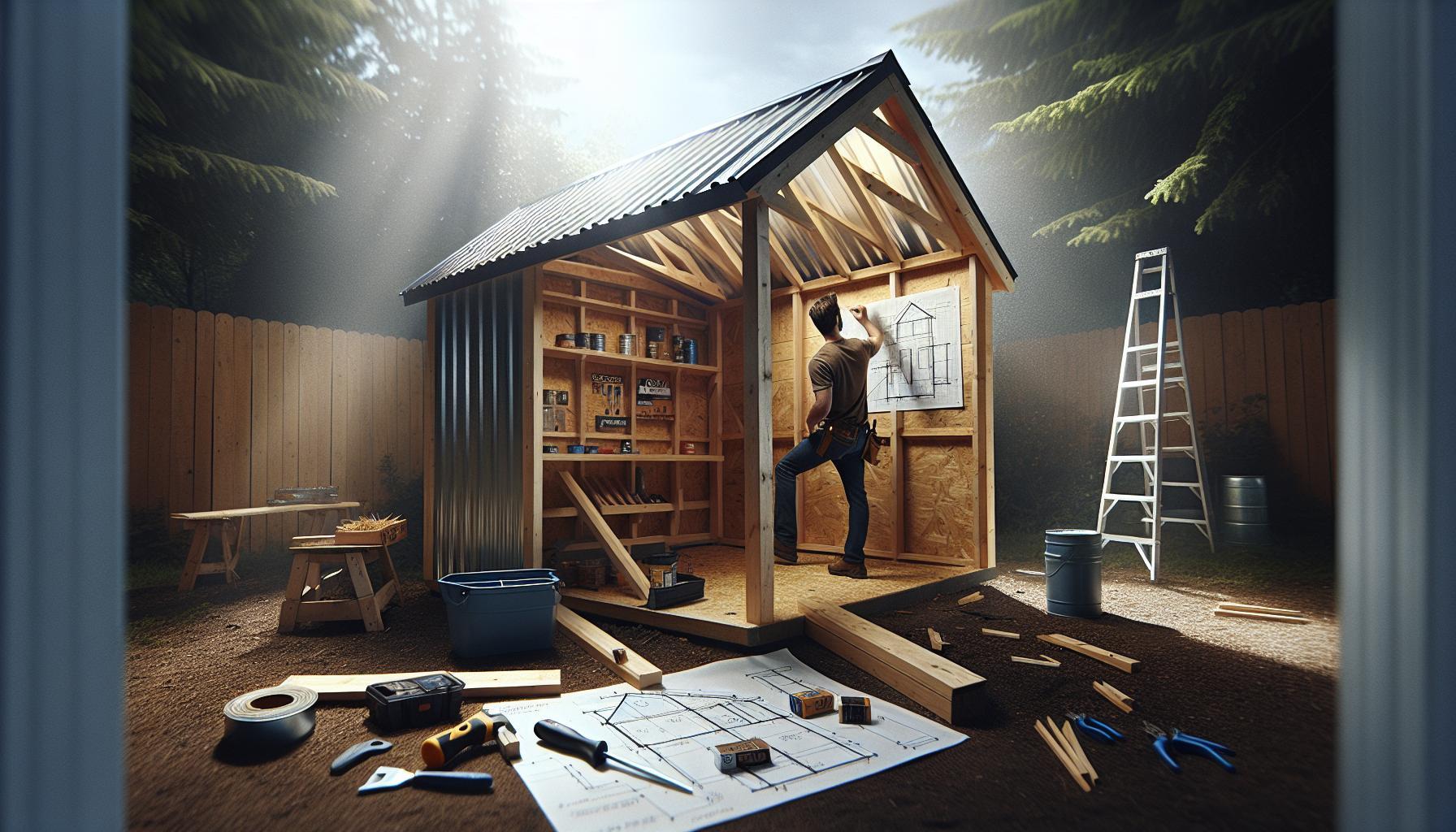

Facing unpredictable weather can pose a challenge for homeowners seeking reliable storage solutions. Building a metal-roof shed offers a durable and low-maintenance option, providing long-lasting protection against the elements. This guide will walk you through the essential steps to create a sturdy shed that safeguards your belongings while enhancing your outdoor space.
Understanding the Benefits of a Metal Roof Shed
Opting for a metal roof shed is a decision that brings a plethora of advantages, especially when considering long-term durability and protection from the elements. Metal roofs are renowned for their exceptional resilience, often lasting 40 to 80 years compared to traditional roofing materials. This longevity can save shed owners the time,effort,and expense associated with frequent replacements or repairs,making it an ideal choice for those looking to build a structure that stands the test of time.
one of the primary benefits of a metal roof shed is its energy efficiency. Metal roofs are designed with heat-deflecting coatings that substantially reduce heat absorption, which can lead to lower energy costs—potentially by 40% or more. This is especially advantageous in warmer climates where cooling costs can escalate. The reflective nature of metal roofing also helps in maintaining a stable temperature within the shed,protecting tools,equipment,or stored items from extreme temperature fluctuations.Another compelling reason to consider a metal roof for your shed is its low maintenance requirement. Metal roofs are resistant to common issues that plague traditional roofs, such as mold, rot, and insect damage. This low upkeep coupled with their high durability means that once you invest in a metal roof shed,you can focus on using the space rather than worrying about its upkeep. Additionally, metal roofing can withstand harsh weather conditions, providing unmatched protection against wind, rain, and snow.
metal roofs often contribute significantly to the aesthetic appeal of a shed. Available in a variety of colors and styles, metal roofing can enhance the overall look of the structure while providing a modern touch. Customizing your shed with a metal roof not only elevates its appearance but can also increase property value by delivering a finished, professional look.
—such as durability, energy efficiency, low maintenance, and aesthetic appeal—can aid in making an informed decision about your next building project. As you embark on the journey of learning how to build a metal roof shed, harness these advantages to ensure your investment stands strong against the elements for years to come.
Essential Materials and tools for Your Shed Project
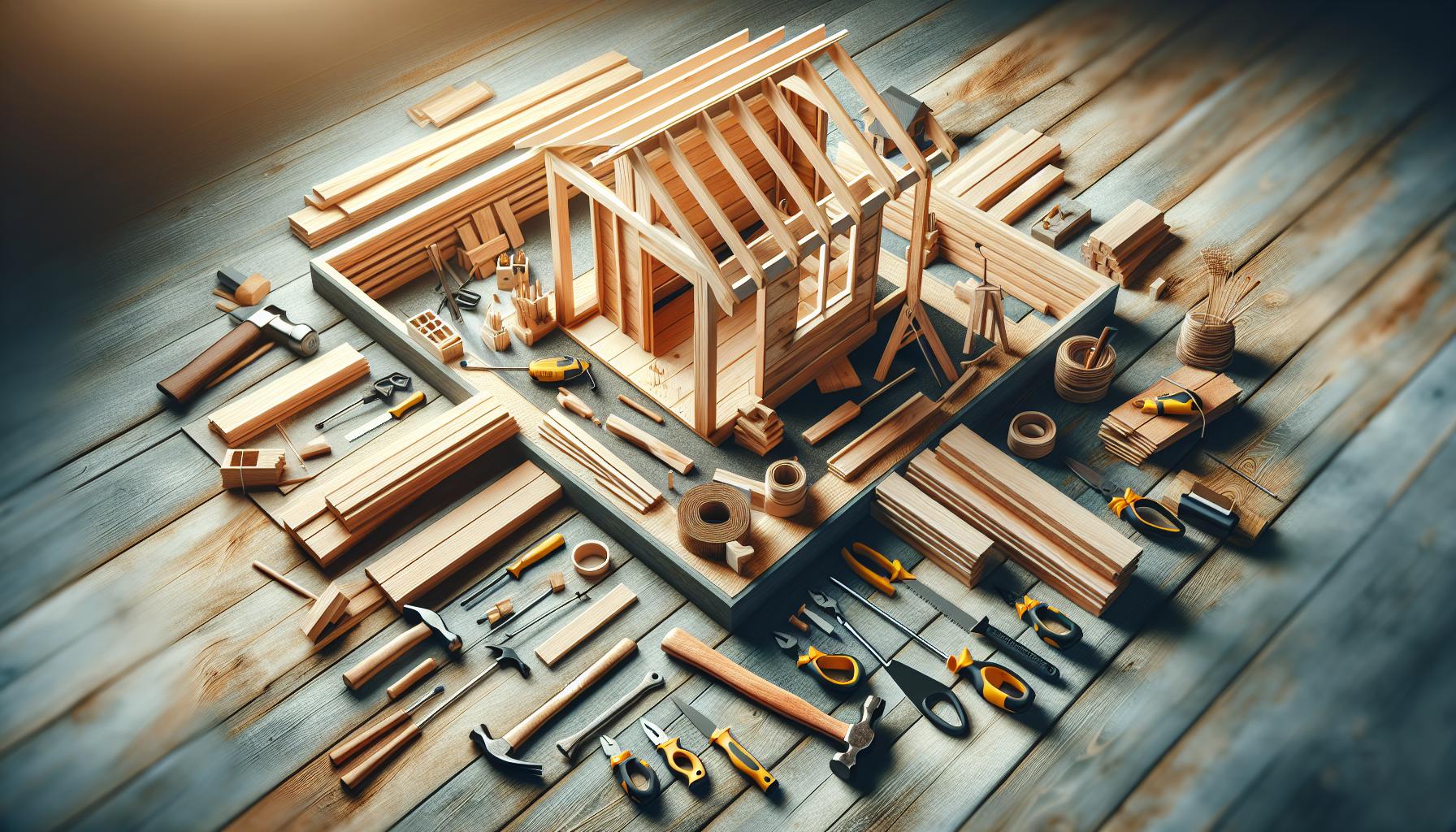
When embarking on the journey of creating a metal roof shed, choosing the right materials and tools is crucial for ensuring durability and longevity. A well-constructed shed not only enhances your property’s appeal but also provides long-lasting protection against the elements, a key consideration for any outdoor structure. Here’s a breakdown of the essential items you’ll need to get started on this practical project.
Key Materials for Your Shed
To build a robust metal roof shed, you don’t just need a sturdy frame; the materials you select will significantly impact your structure’s resilience.Here’s a list of essential materials:
- Metal Roofing Sheets: Opt for galvanized steel or aluminum sheets, as they resist rust and corrosion.
- Wood or Metal Studs: Choose pressure-treated lumber or steel studs for the framework, depending on your design preference.
- Plywood or OSB Sheets: Use these for the walls and floor to provide structural depth and insulation.
- Sealants and Caulks: Weatherproof your shed with high-quality sealants to prevent leaks.
- Paint or Rust Inhibitor: Protect your materials with specially formulated products suitable for metal.
- Fasteners: Use screws and nuts that are compatible with your chosen materials to ensure a secure build.
Essential Tools for Construction
The right tools can streamline your building process, making it smoother and more efficient. Below is a curated list of essential tools you’ll need:
- power Drill: Ideal for making precursors and drilling in screws.
- Metal Snips or shears: Perfect for cutting your metal roofing sheets with precision.
- Measuring Tape: Accurate measurements are key to a well-fitted shed.
- Level: Ensure your structure is balanced and straight.
- Saw (circular & Table): For cutting wood and plywood to size.
- Ladder: Necessary for accessing higher parts of your shed, especially when installing the metal roof.
sample Material Cost Table
Understanding the costs associated with your shed project is essential for budget planning.The following table outlines sample pricing for key materials:
| Material | Quantity | Estimated cost ($) |
|---|---|---|
| Metal roofing Sheets | 100 sq ft | 200 |
| Wood Studs (Pressure Treated) | 20 | 300 |
| Plywood Sheets | 10 | 150 |
| Sealants | 5 tubes | 50 |
By gathering these necessary materials and tools, you’re setting a strong foundation for your metal roof shed project. Each component plays a vital role in the overall success and durability of the structure, allowing you to shield your belongings from natural elements efficiently. Equip yourself well, and you’ll be well on your way to completing an remarkable shed that stands the test of time.
Step-by-Step Guide to Preparing the Site and Foundation
Creating a sturdy shelter with a metal roof is not just about the roofing material itself; laying a strong foundation is paramount for longevity and stability. Before you even think about ordering those sleek metal sheets, it’s essential to carefully prepare the site and foundation to ensure your shed can withstand the elements. This readiness phase is critical—not only will it extend the life of your shed, but it will also add to its overall aesthetic appeal.
Choose the Right Location
Selecting the proper location is the cornerstone of building a metal roof shed. Here are some key considerations:
- Drainage: Look for an area that naturally drains well to prevent water pooling under your shed.
- Sunlight: Consider the role of sunlight; too much can warp your shed, while too little can promote mildew growth.
- Accessibility: Ensure it’s easily accessible for maintenance and storage needs.
Clear the site
Once you’ve chosen the perfect spot, the next step is to clear the site. This includes:
- Removing debris, including rocks, branches, and old concrete.
- Leveling the ground to create an even surface for your foundation.
- Marking out the dimensions of your shed to visualize the space required.
Be mindful of local ordinances and property lines to avoid complications later on.
Preparing the Foundation
With a clear site and a layout marked out, it’s time to build your foundation. Here are a few popular options to consider when constructing a durable base for your metal roof shed:
| Foundation Type | Description | benefits |
|---|---|---|
| Concrete Slab | A solid, flat layer of concrete. | Excellent durability and moisture resistance. |
| wooden Skids | Timber beams laid on the ground. | Easy to level and relocate when necessary. |
| Gravel Base | A layer of gravel for drainage. | Good for moisture control, affordable, and DIY-amiable. |
Select the foundation that aligns with your budget and shed’s intended use. Such as, a concrete slab is ideal for heavier sheds or those that will house power tools or machinery.
Ensuring Stability
To further solidify your foundation, consider installing anchor bolts or brackets that will attach the shed’s frame directly to the foundation. This additional step will help secure your structure against strong winds or adverse weather conditions. Always double-check the level of your foundation before proceeding—we want nothing but a solid ground for your metal roof shed.
By diligently preparing the site and foundation with these steps, you’re setting the stage for a sturdy and reliable storage solution that promises long-lasting protection from the elements. This investment in preparation cannot be overstated; it is simply the first step toward achieving a robust shelter that stands the test of time.
Techniques for Constructing a Durable Metal Roof
The construction of a durable metal roof plays a crucial role in the longevity and protection of your shed against various weather elements. Metal roofs, known for their resilience and lifespan that can exceed 50 years, require specific techniques to ensure they withstand wind, rain, and snow effectively. Understanding these methods is essential for anyone looking to build a metal roof shed that promises long-lasting protection.
Selecting the Right Materials
The foundation of any sturdy metal roof starts with selecting high-quality materials. Options such as galvanized steel, aluminum, or zinc-coated metal are excellent choices due to their resistance to rust and corrosion. Considerations include:
- Gauge of the Metal: Thicker metal (lower gauge) typically offers better durability and resistance to denting.
- Coating: Opt for materials with ceramic or polyester coatings that enhance weather resistance and retain color quality.
- Finish: A painted finish that includes UV protection can prevent fading and extend the roof’s aesthetic appeal.
Proper Installation Techniques
To optimize the performance of your metal roof, employing correct installation techniques is paramount. Each step can significantly impact the roof’s ability to protect against environmental factors:
- Underlayment: Installing a waterproof underlayment provides an added layer of protection against leaks.
- Directing Water Flow: Ensure that roof panels are installed in a way that directs water away from the shed’s walls and foundation. Ridges and valleys must be properly managed to avoid pooling.
- Fasteners: Use high-quality fasteners designed for metal roofing and ensure they are corrosion-resistant. Proper spacing and alignment are critical to maintaining structural integrity.
Example installation Steps
- Prepare the Roof Deck: Ensure the surface is clean, dry, and pitched correctly to encourage water runoff.
- Lay Down Underlayment: Roll out the waterproof underlayment from the eave upwards, overlapping each row.
- Attach Metal Panels: Starting from the bottom edge, secure the panels using screws, ensuring correct alignment.
- Seal the Joints: Apply silicone sealant or butyl tape in seams and overlaps to fortify against leaks.
Regular Maintenance Practices
Once your metal roof shed is complete, regular maintenance can further enhance its durability. simple actions include inspecting for loose panels or rust patches and tightening fasteners as needed. Performing these checks annually, especially after severe weather, can help identify potential issues before they escalate, ensuring your shelter remains a robust defence against the elements for years to come.
With the right materials and techniques, you’ll not only understand how to build a metal roof shed but also ensure that it stands strong against whatever nature throws its way.
Insulation and Ventilation Tips for Optimal Performance
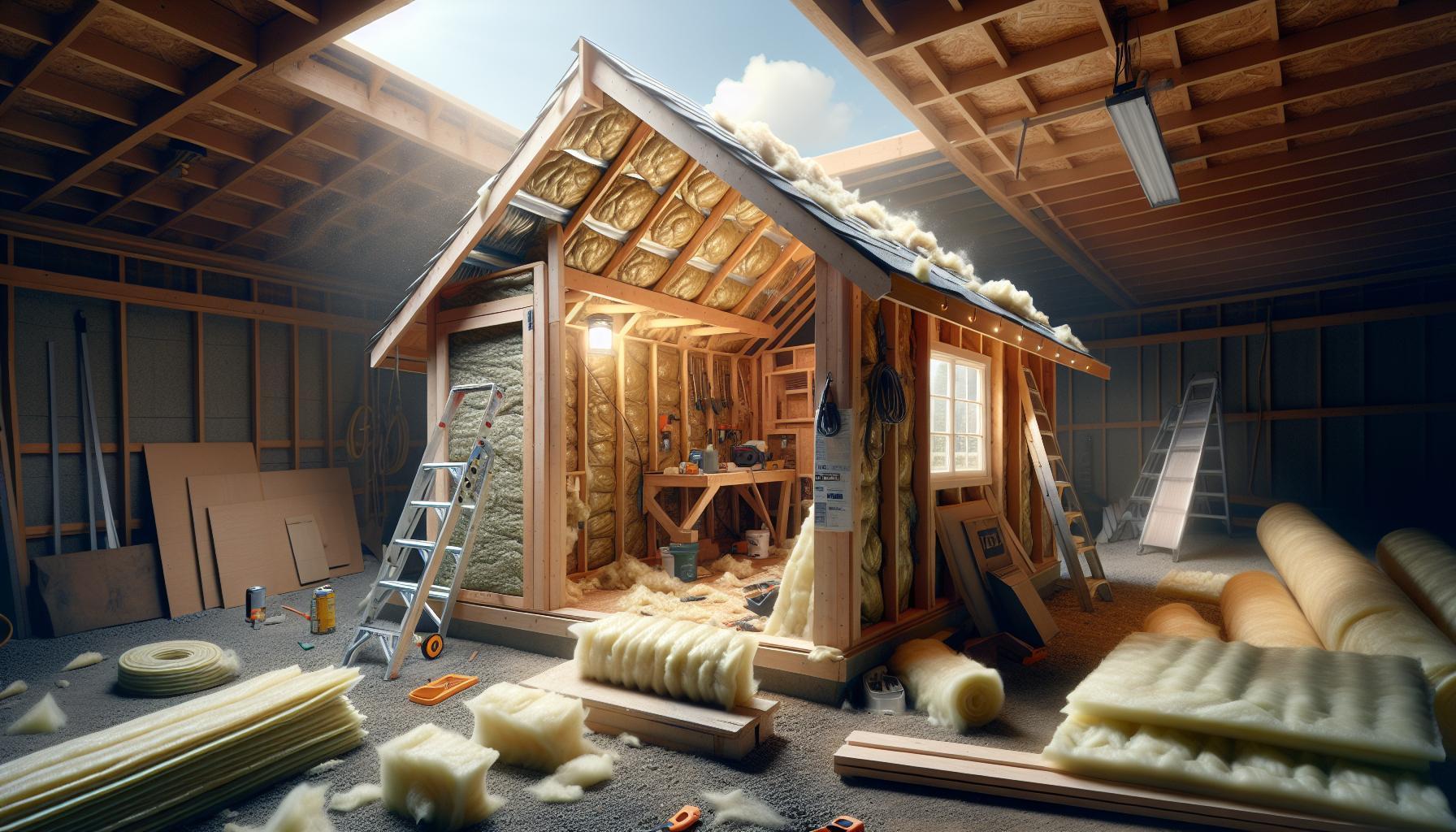
One of the most crucial aspects of any shed, particularly one with a metal roof, is ensuring proper insulation and ventilation to maintain its integrity and usability. Without adequate measures in place, you risk the internal environment becoming too hot in summer or uncomfortably cold in winter, adversely affecting tools, materials, or any stored items. To create a high-performance metal roof shed using strategies from the article on constructing such a shed, let’s delve into effective insulation and ventilation practices.
Effective Insulation Techniques
Insulation plays a vital role in maintaining the temperature of your shed. Here are some effective methods to insulate your metal roof shed:
- Use Reflective Insulation: This type of insulation reflects heat away during the summer and retains warmth during winter. Installing reflective foil insulation under the roof panels can significantly decrease internal temperature fluctuations.
- Insulated Panels: Consider using insulated metal panels, which combine both metal sheeting and foam insulation. They offer an easy solution that provides excellent thermal performance and structural integrity.
- Spray Foam Insulation: If you are looking for high R-values, spray foam can be applied directly to the underside of the roof. this method not only improves insulation but also helps with moisture prevention.
ventilation Solutions
To avoid heat build-up under the roof and promote air circulation, it is essential to implement effective ventilation strategies. Here are some captivating options to consider:
- Roof Ventilation Caps: Installing roof vents or caps allows warm air to escape, thus preventing overheating. These are particularly useful in warmer climates where summer temperatures can soar.
- Ridge Vents: These run along the peak of your shed’s roof, providing natural airflow. Ridge vents can efficiently equalize the air pressure within the shed, promoting a cooler environment.
- Gable Louver Vents: Placed on sidewalls, these vents allow for cross-ventilation. By collaborating with roof vents, gable louvers can enhance airflow distribution throughout the space.
Creating a Balanced System
To ensure your metal roof shed is both insulated and ventilated effectively, consider creating a balance between insulation and airflow. Too much insulation without ventilation can lead to condensation buildup, which could eventually damage tools and materials. A well-structured system might include:
| Component | Purpose | Recommendation |
|---|---|---|
| Reflective Insulation | Reduce heat gain/loss | Install under roof panels |
| Roof Vents | Allow heat escape | Install at peaks of roof |
| ridge Vents | Enhance airflow | Install along roof ridge line |
| Gable Vents | Facilitate cross-ventilation | Install on opposite walls |
By employing these insulation and ventilation tips, your metal roof shed will not only perform optimally against the elements, but it will also provide a pleasant and protected space for your belongings throughout the year.Understanding how to build a metal roof shed with these considerations in mind will ensure long-lasting functionality and durability.
Common Challenges in Metal Shed Construction and How to Overcome Them
When embarking on the exciting journey of constructing a metal shed, it’s essential to be aware of the common challenges that may arise during the process. Metal structures are prized for their durability and longevity, yet they demand precision and foresight in their construction. By understanding potential pitfalls,you can ensure your shed stands the test of time and weather.
Planning and Design Issues
One of the initial challenges often faced is the planning and design phase. many builders underestimate the significance of accurate measurements and detailed blueprints. Without thorough planning, the risk of misalignment during construction increases, which can lead to complications later.
To mitigate this risk:
- Conduct a site assessment: Evaluate the area where the shed will be built and take note of any potential obstacles,such as trees or uneven ground.
- Create precise blueprints: Sketch a detailed layout, ensuring to account for door placements, windows, and access points.
- plan for drainage: Consider how rainwater will flow to prevent flooding or erosion around the structure.
Material and Quality selection
Another major hurdle involves selecting high-quality materials that can withstand environmental elements. Opting for inferior materials can lead to rust, corrosion, and overall structural failure over time, which is counterproductive to the purpose of a metal shed offering long-lasting protection.to guarantee your investment pays off:
- choose galvanized steel: This material provides enhanced resistance to corrosion and rust.
- Verify material certifications: Ensure all materials meet local building codes and standards.
- Inspect for defects: Check metal panels and framing for dents or weak spots before starting construction.
Assembly and Installation Challenges
during assembly, many encounter issues such as difficulty in aligning panels or connecting different components firmly. Inadequate joint connections can weaken the entire structure and compromise its durability.
To overcome these challenges:
- Use the proper tools: Invest in high-quality tools suited for metal construction, including impact drills and tin snips.
- Have a second set of hands: Recruit friends or family to help hold pieces in place while you secure them.
- Adhere to manufacturer guidelines: Follow the installation instructions closely for optimal results.
By tackling these common challenges head-on with practical solutions, you will be well on your way to successfully constructing a robust metal roof shed that offers long-lasting protection from the elements, ensuring that it serves its purpose effectively for years to come.
Enhancing Durability: Maintenance Tips for Your metal Roof Shed
Maintaining your metal roof shed effectively can significantly extend its lifespan, ensuring it continues to provide robust protection from the elements. Metal roofs are known for their durability, but even the strongest materials require care to stay in peak condition. A proactive maintenance routine not only prevents wear and tear but also enhances the overall aesthetic appeal of your shed.
Regular Inspections
One of the most crucial steps in maintaining a metal roof shed is conducting regular inspections.Aim to perform a thorough check at least twice a year—preferably in spring and fall. During these inspections, look for common issues such as rust, loose screws, or signs of damage from extreme weather conditions.
- Rust Formation: Check for any patches of rust, especially in areas where water may pool.
- Fasteners: Ensure that screws and fasteners are tight and secure to prevent leaks.
- Bulges or Dents: Inspect the roof surface for any bulges or dents, which may indicate structural problems.
Cleaning Your Metal Roof Shed
Keeping your metal roof clean is vital for its longevity.Dirt, grime, and organic growth such as moss or algae can compromise its integrity over time.
- Scheduled Cleaning: Plan to wash your roof at least once a year.Use a gentle mixture of mild detergent and water, applying it with a soft-bristle brush.
- Power Washing: For tough stains, consider using a power washer on a low setting, ensuring you do not damage the roof’s finish.
Protective Coatings
adding a protective coating can further enhance your metal roof’s resistance to rust and weathering.A paint designed specifically for metal surfaces not only preserves its appearance but also adds another layer of defense against corrosion.
| Coating Type | Benefit | Recommended Frequency |
|---|---|---|
| Rust Inhibitor Paint | Prevents rust formation and maintains appearance | Every 5-7 years |
| Protective Sealant | Provides an additional weather-resistant layer | Every 4-6 years |
By dedicating a little time and effort to regular maintenance, you can effectively enhance the durability of your metal roof shed. Following these practical tips not only provides long-lasting protection against the elements but also helps maintain the shed’s overall functionality and aesthetic appeal, truly embodying the principles of a well-built metal roof shed.
Frequently Asked questions
How to build a metal roof shed?
To build a metal roof shed, start by selecting a sturdy frame, like wood or steel, than install metal roofing panels secured properly to prevent leaks. Follow a step-by-step guide for assembly details and tips.
Understanding the structure and materials is crucial. Use weather-resistant materials to ensure long-lasting protection from the elements. Consider local building codes and best practices for proper ventilation and support. A comprehensive guide on DIY metal shed construction can enhance your project.
What is the best material for a metal roof shed?
The best materials for a metal roof shed include galvanized steel, aluminum, or metal shingles. Each offers durability and resistance to weather for effective protection.
Galvanized steel is particularly popular due to its corrosion resistance and longevity, making it an excellent choice. Aluminum is lighter and offers good resistance, while metal shingles provide aesthetic appeal alongside functionality. Selecting the right material is essential for ensuring long-lasting protection from harsh weather conditions.
Why does a metal roof shed last longer?
A metal roof shed lasts longer due to metals’ inherent strength and resistance to environmental elements like wind, rain, and snow. This durability significantly reduces maintenance needs over time.
Unlike wood, metal does not warp, crack, or decay under adverse weather conditions. Utilizing high-quality coatings can further enhance resistance against rust and UV damage. For those exploring materials, check out our article on metal shed benefits.
Can I build a metal roof shed myself?
Yes, you can build a metal roof shed yourself, especially with the right guidance and tools. Many DIYers successfully complete this project by following detailed instructions.
Start with a clear plan and gather necessary materials before commencing. You’ll need basic tools like a drill, saw, and measuring tape. If challenges arise, online communities and tutorials can be invaluable resources for troubleshooting and tips.
What tools do I need to build a metal roof shed?
To build a metal roof shed, essential tools include a drill, screwdriver, level, metal snips, measuring tape, and a saw for cutting materials to size.
Additional items like safety gloves, eye protection, and a sturdy ladder are also highly recommended for safety and efficiency. Ensure you have a solid plan in place as you gather your materials and tools.For a detailed checklist, refer to our resource on tools for shed construction.
How do I maintain a metal roof shed?
Maintaining a metal roof shed involves regular inspections, cleaning debris, and checking for rust or damage.Scheduled maintenance ensures the long-lasting protection of your metal shed.
It’s important to wash the roof periodically with soap and water to remove dirt and prevent buildup that can lead to corrosion. If you spot rust, treat and repaint the affected areas promptly. Regular maintenance not only increases longevity but also preserves the aesthetic appeal of your structure.
In Retrospect
building a metal roof shed offers not only durable protection from the elements but also a rewarding DIY experience that can elevate your outdoor space. By following the step-by-step guidance we’ve shared—from selecting the right materials and tools, to mastering the construction techniques—we’ve equipped you with the knowledge necessary to tackle this project confidently. Remember,every challenge you may encounter is just an possibility to refine your skills and showcase your craftsmanship.
As you embark on this journey, don’t hesitate to revisit the tips provided, share your progress, and seek inspiration from fellow DIY enthusiasts. Each shed you build brings you one step closer to becoming a skilled creator. So gather your tools, stay motivated, and enjoy the process of building something truly lasting.Happy constructing!